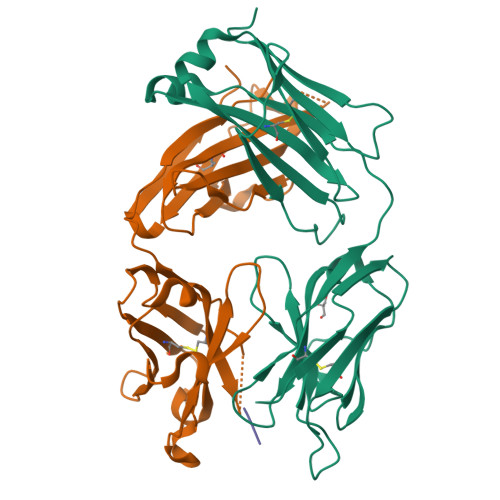
 Click to view 3D structure Click to view 3D structure | Tubulin beta chain | P07437 | Humans | Known | Arsenic's carginogenicity is believed to be caused by the arsenical binding of tubulin, which results in aneuploidy, polyploidy and mitotic arrests. (A17) |
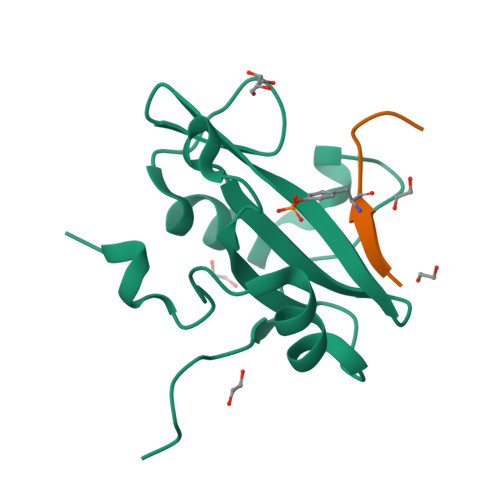 Click to view 3D structure Click to view 3D structure | Actin, alpha skeletal muscle | P68133 | Humans | Known | Arsenic binds to actin. (A16) |
 Click to view 3D structure Click to view 3D structure | Actin, aortic smooth muscle | P62736 | Humans | Known | Arsenic binds to actin. (A16) |
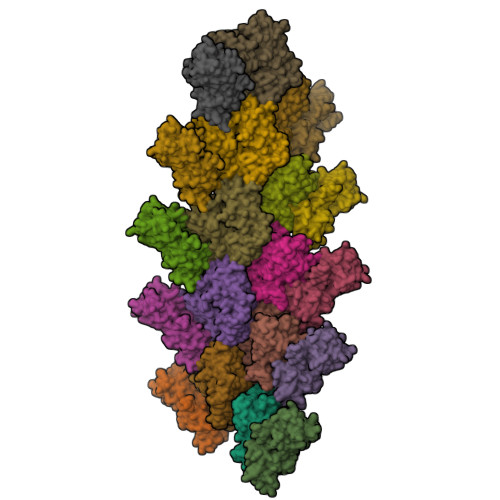 Click to view 3D structure Click to view 3D structure | Actin, cytoplasmic 1 | P60709 | Humans | Known | Arsenic binds to actin. (A16) |
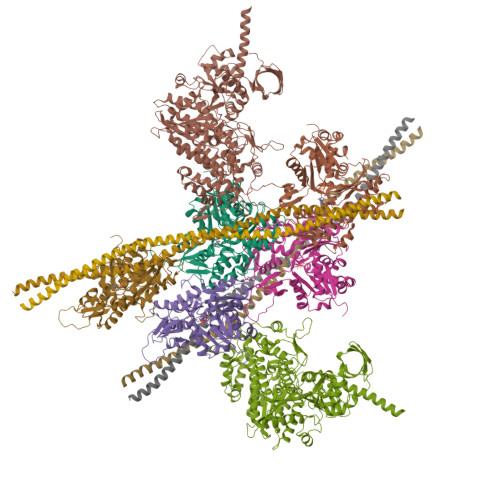 Click to view 3D structure Click to view 3D structure | Actin, cytoplasmic 2 | P63261 | Humans | Known | Arsenic binds to actin. (A16) |
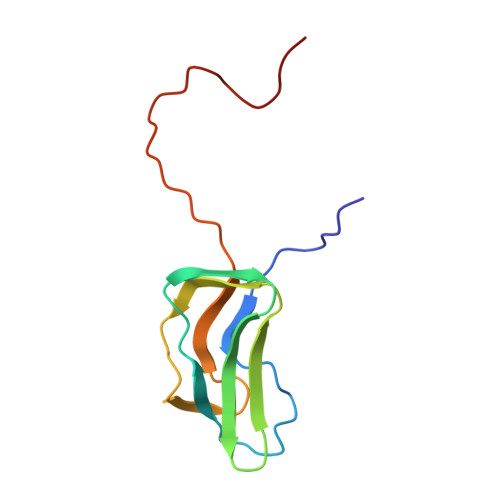 Click to view 3D structure Click to view 3D structure | Dihydrolipoyllysine-residue acetyltransferase component of pyruvate dehydrogenase complex, mitochondrial | P10515 | Humans | Known | Arsenic disrupts ATP production through several mechanisms. At the level of the citric acid cycle, arsenic inhibits pyruvate dehydrogenase and by competing with phosphate it uncouples oxidative phosphorylation, thus inhibiting energy-linked reduction of NAD+, mitochondrial respiration, and ATP synthesis. Hydrogen peroxide production is also increased, which might form reactive oxygen species and oxidative stress. (T1) |
 Click to view 3D structure Click to view 3D structure | Estrogen receptor | P03372 | Humans | Known | Arsenic binds to the estrogen receptor. (A17) |
 Click to view 3D structure Click to view 3D structure | Glucocorticoid receptor | P04150 | Humans | Known | Arsenic binds to the glucocorticoid receptor. (A17) |
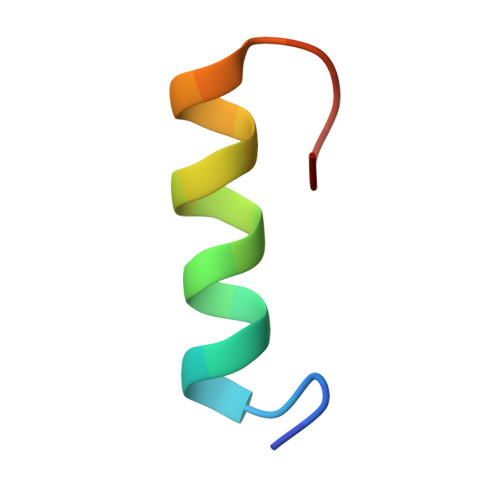 Click to view 3D structure Click to view 3D structure | Glutathione reductase, mitochondrial | P00390 | Humans | Known | Arsenic binds glutathione reductase, which results in the inhibition of essential biochemical reactions, alteration of cellular redox status, and eventual cytotoxicity. (L2) |
 Click to view 3D structure Click to view 3D structure | Hemoglobin subunit alpha | P69905 | Humans | Known | Arsenic binds to hemoglobin. (A15) |
| Click to view 3D structure | Hemoglobin subunit beta | P68871 | Humans | Known | Arsenic binds to hemoglobin. (A15) |
 Click to view 3D structure Click to view 3D structure | Kelch-like ECH-associated protein 1 | Q14145 | Humans | Known | Arsenic binds to kelch-like ECH-associated protein 1. (A17) |
| Click to view 3D structure | Metallothionein-1A | P04731 | Humans | Known | Not Available |
![Poly [ADP-ribose] polymerase 1 structure](https://cdn.rcsb.org/images/structures/1uk0_assembly-1.jpeg) Click to view 3D structure Click to view 3D structure | Poly [ADP-ribose] polymerase 1 | P09874 | Humans | Known | Arsenic binding of PARP-1 is believed to induce carcinogenesis by affecting DNA repair. (A17) |
| Click to view 3D structure | Tubulin-like protein alpha-4B | Q9H853 | Humans | Known | Arsenic's carginogenicity is believed to be caused by the arsenical binding of tubulin, which results in aneuploidy, polyploidy and mitotic arrests. (A17) |
 Click to view 3D structure Click to view 3D structure | Pyruvate dehydrogenase E1 component subunit alpha, somatic form, mitochondrial | P08559 | Humans | Known | Arsenic disrupts ATP production through several mechanisms. At the level of the citric acid cycle, arsenic inhibits pyruvate dehydrogenase and by competing with phosphate it uncouples oxidative phosphorylation, thus inhibiting energy-linked reduction of NAD+, mitochondrial respiration, and ATP synthesis. Hydrogen peroxide production is also increased, which might form reactive oxygen species and oxidative stress. (T1) |
| Click to view 3D structure | Pyruvate dehydrogenase E1 component subunit alpha, testis-specific form, mitochondrial | P29803 | Humans | Known | Arsenic disrupts ATP production through several mechanisms. At the level of the citric acid cycle, arsenic inhibits pyruvate dehydrogenase and by competing with phosphate it uncouples oxidative phosphorylation, thus inhibiting energy-linked reduction of NAD+, mitochondrial respiration, and ATP synthesis. Hydrogen peroxide production is also increased, which might form reactive oxygen species and oxidative stress. (T1) |
| Click to view 3D structure | Pyruvate dehydrogenase E1 component subunit beta, mitochondrial | P11177 | Humans | Known | Arsenic disrupts ATP production through several mechanisms. At the level of the citric acid cycle, arsenic inhibits pyruvate dehydrogenase and by competing with phosphate it uncouples oxidative phosphorylation, thus inhibiting energy-linked reduction of NAD+, mitochondrial respiration, and ATP synthesis. Hydrogen peroxide production is also increased, which might form reactive oxygen species and oxidative stress. (T1) |
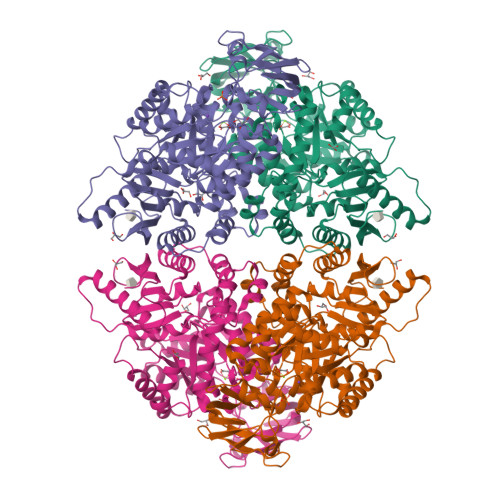 Click to view 3D structure Click to view 3D structure | Pyruvate kinase PKM | P14618 | Humans | Known | Not Available |
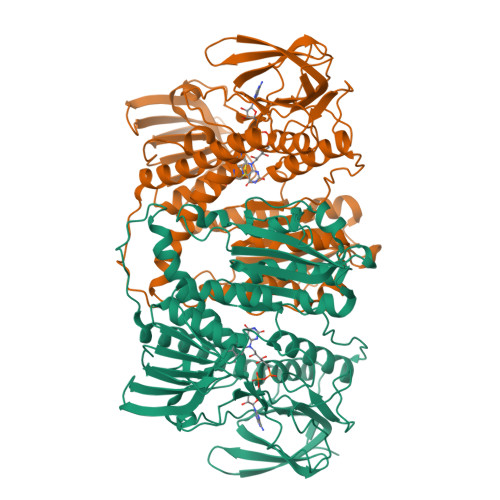 Click to view 3D structure Click to view 3D structure | Thioredoxin reductase 1, cytoplasmic | Q16881 | Humans | Known | Arsenic binds thioredoxin reductase, which results in the inhibition of essential biochemical reactions, alteration of cellular redox status, and eventual cytotoxicity. (L2) |
| Click to view 3D structure | Thioredoxin reductase 2, mitochondrial | Q9NNW7 | Humans | Known | Arsenic binds thioredoxin reductase, which results in the inhibition of essential biochemical reactions, alteration of cellular redox status, and eventual cytotoxicity. (L2) |
 Click to view 3D structure Click to view 3D structure | Tubulin alpha-1A chain | Q71U36 | Humans | Known | Arsenic's carginogenicity is believed to be caused by the arsenical binding of tubulin, which results in aneuploidy, polyploidy and mitotic arrests. (A17) |
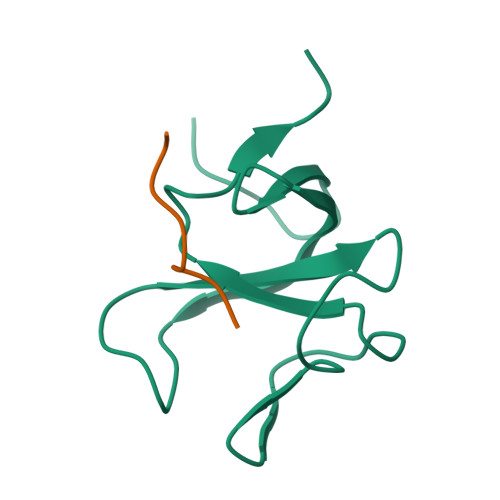 Click to view 3D structure Click to view 3D structure | Tubulin alpha-1B chain | P68363 | Humans | Known | Arsenic's carginogenicity is believed to be caused by the arsenical binding of tubulin, which results in aneuploidy, polyploidy and mitotic arrests. (A17) |
| Click to view 3D structure | Tubulin alpha-1C chain | Q9BQE3 | Humans | Known | Arsenic's carginogenicity is believed to be caused by the arsenical binding of tubulin, which results in aneuploidy, polyploidy and mitotic arrests. (A17) |
| Click to view 3D structure | Tubulin alpha-3E chain | Q6PEY2 | Humans | Known | Arsenic's carginogenicity is believed to be caused by the arsenical binding of tubulin, which results in aneuploidy, polyploidy and mitotic arrests. (A17) |
| Click to view 3D structure | Tubulin alpha-4A chain | P68366 | Humans | Known | Arsenic's carginogenicity is believed to be caused by the arsenical binding of tubulin, which results in aneuploidy, polyploidy and mitotic arrests. (A17) |
| Click to view 3D structure | Tubulin alpha-8 chain | Q9NY65 | Humans | Known | Arsenic's carginogenicity is believed to be caused by the arsenical binding of tubulin, which results in aneuploidy, polyploidy and mitotic arrests. (A17) |
| Click to view 3D structure | Tubulin beta-1 chain | Q9H4B7 | Humans | Known | Arsenic's carginogenicity is believed to be caused by the arsenical binding of tubulin, which results in aneuploidy, polyploidy and mitotic arrests. (A17) |
 Click to view 3D structure Click to view 3D structure | Tubulin beta-2A chain | Q13885 | Humans | Known | Arsenic's carginogenicity is believed to be caused by the arsenical binding of tubulin, which results in aneuploidy, polyploidy and mitotic arrests. (A17) |
 Click to view 3D structure Click to view 3D structure | Tubulin beta-2B chain | Q9BVA1 | Humans | Known | Arsenic's carginogenicity is believed to be caused by the arsenical binding of tubulin, which results in aneuploidy, polyploidy and mitotic arrests. (A17) |
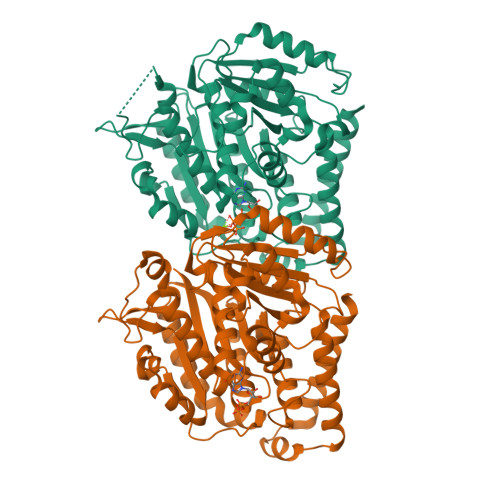 Click to view 3D structure Click to view 3D structure | Tubulin beta-3 chain | Q13509 | Humans | Known | Arsenic's carginogenicity is believed to be caused by the arsenical binding of tubulin, which results in aneuploidy, polyploidy and mitotic arrests. (A17) |
| Click to view 3D structure | Tubulin beta-4A chain | P04350 | Humans | Known | Arsenic's carginogenicity is believed to be caused by the arsenical binding of tubulin, which results in aneuploidy, polyploidy and mitotic arrests. (A17) |
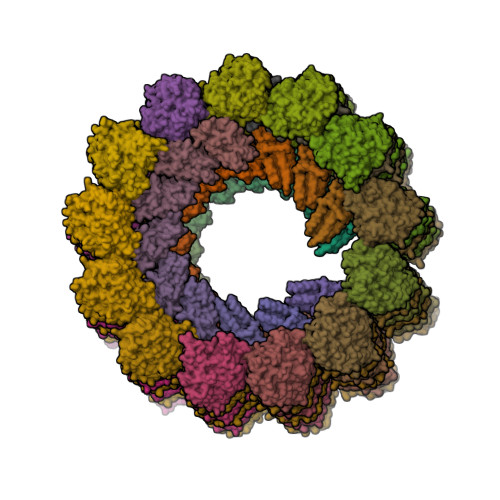 Click to view 3D structure Click to view 3D structure | Tubulin beta-4B chain | P68371 | Humans | Known | Arsenic's carginogenicity is believed to be caused by the arsenical binding of tubulin, which results in aneuploidy, polyploidy and mitotic arrests. (A17) |
| Click to view 3D structure | Tubulin beta-6 chain | Q9BUF5 | Humans | Known | Arsenic's carginogenicity is believed to be caused by the arsenical binding of tubulin, which results in aneuploidy, polyploidy and mitotic arrests. (A17) |