Mercury (CED0000003)

Record Information
Version1.0
Creation Date2009-03-06 18:57:54 UTC
Update Date2026-04-06 04:23:02 UTC
Accession NumberCHEM000003
Identification
Common NameMercury
ClassSmall Molecule
Description
Mercury belongs to the homogeneous transition metal compounds, a class of homogeneous metal compounds within the inorganic compounds. It has the formula Hg and an average molecular weight of 200.59 g/mol. This exogenous compound is a liquid at room temperature. In industrial contexts, mercury is used as a surface modifier and is also categorized as a degradant or impurity. It is used in various plastics, including High-Density Polyethylene, Low-Density Polyethylene, Expanded polystyrene, Polyvinyl Chloride, Polyamide, Polyurethane, Acrylonitrile butadiene styrene, and Polycarbonate. It is present in Polypropylene, Polystyrene, and High impact polystyrene, and is released in Polyethylene Terephthalate. Mercury is found in or released from 15 recorded sources, including electrical and electronic equipment such as antennas, adjustable resistors, discharge lamps, discharge tubes with liquid pool cathodes, and electric switches. It is also associated with food, food processing, and cookware, specifically in food contact materials, the processing of meats and fish, the treatment of hops, and molasses and the treatment of molasses. Recorded exposure routes include touch, oral, and inhalation. Biologically, mercury acts as a neurotoxin. It targets several proteins to exert its effects. By inhibiting alkaline phosphatase (ALPL) and protein kinase C (including PRKCA, PRKCB, PRKCD, and PRKCE), it alters the blood-brain barrier and impairs brain microvascular function. It inhibits aquaporins, such as AQP1 and MIP, which halts water flow across cell membranes, leading to cell death. Furthermore, it inhibits the protein LCK, causing immune system depression and decreased T-cell signalling. Organic mercury binds to tubulin (including TUBA4B, TUBA1A, TUBA1B, and TUBA1C), preventing microtubule assembly and causing mitotic inhibition. Other protein targets include SELENOP, TXN, and SLC6A2.
Contaminant Type
  • Cosmetic Toxin
  • Food Toxin
  • Household Toxin
  • Human Neurotoxin
  • Industrial/Workplace Toxin
  • Inorganic Compound
  • Mercury Compound
  • Metabolite
  • Metal
  • Natural Compound
  • Pollutant
Chemical Structure
Synonyms
ValueSource
HG2+ChEBI
HG(2+)ChEBI
Mercuric ionChEBI
MERCURY (II) ionChEBI
Mercury(2+) ionChEBI
Mercury(II)ChEBI
Mercury(II) cationChEBI
HgHMDB
HydrargyrumHMDB
QuicksilverHMDB
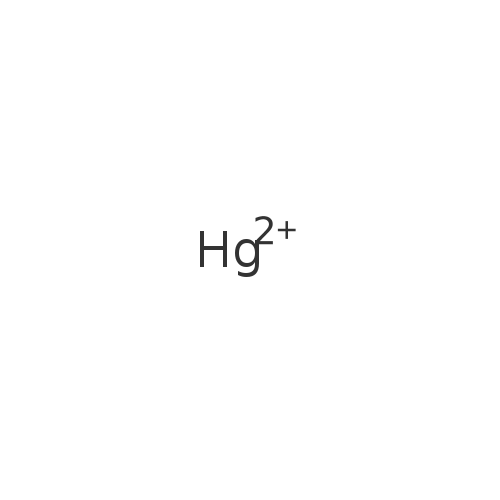
Chemical FormulaHg
Average Molecular Mass200.590 g/mol
Monoisotopic Mass201.971 g/mol
CAS Registry Number7439-97-6
IUPAC Namemercury(2+) ion
Traditional Namemercury(2+) ion
SMILES[Hg++]
InChI IdentifierInChI=1S/Hg/q+2
InChI KeyBQPIGGFYSBELGY-UHFFFAOYSA-N
Chemical Taxonomy
Description Belongs to the class of inorganic compounds known as homogeneous transition metal compounds. These are inorganic compounds containing only metal atoms,with the largest atom being a transition metal atom.
KingdomInorganic compounds
Super ClassHomogeneous metal compounds
ClassHomogeneous transition metal compounds
Sub ClassNot Available
Direct ParentHomogeneous transition metal compounds
Alternative Parents
Substituents
  • Homogeneous transition metal
  • Inorganic mercury compound
Molecular FrameworkNot Available
External Descriptors
Biological Properties
StatusDetected and Not Quantified
OriginExogenous
Cellular Locations
  • Cytoplasm
  • Extracellular
Biofluid LocationsNot Available
Tissue LocationsNot Available
ApplicationsNot Available
Biological Roles
Chemical RolesNot Available
Organoleptic EffectsNot Available
Physical Properties
StateLiquid
AppearanceSilver metallic liquid.
Experimental Properties
PropertyValue
Melting Point-38.8°C
Boiling Point356.73°C (674.1°F)
Solubility6e-05 mg/mL at 25°C
Predicted Properties
PropertyValueSource
logP0.62ChemAxon
Physiological Charge2ChemAxon
Hydrogen Acceptor Count0ChemAxon
Hydrogen Donor Count0ChemAxon
Polar Surface Area0 ŲChemAxon
Rotatable Bond Count0ChemAxon
Refractivity0 m³·mol⁻¹ChemAxon
Polarizability1.78 ųChemAxon
Number of Rings0ChemAxon
BioavailabilityYesChemAxon
Rule of FiveYesChemAxon
Ghose FilterNoChemAxon
Veber's RuleYesChemAxon
MDDR-like RuleNoChemAxon
Spectra
Spectra
Spectrum TypeDescriptionSplash KeyDeposition DateView
Predicted LC-MS/MSPredicted LC-MS/MS Spectrumsplash10-0udi-0090000000-33aeb28729a68ca87d81Not AvailableView Spectrum
Predicted LC-MS/MSPredicted LC-MS/MS Spectrumsplash10-0udi-0090000000-7286de41946b3f81e02dNot AvailableView Spectrum
Toxicity Profile
Mechanism of ToxicityHigh-affinity binding of the divalent mercuric ion to thiol or sulfhydryl groups of proteins is believed to be the major mechanism for the activity of mercury. Through alterations in intracellular thiol status, mercury can promote oxidative stress, lipid peroxidation, mitochondrial dysfunction, and changes in heme metabolism. Mercury is known to bind to microsomal and mitochondrial enzymes, resulting in cell injury and death. For example, mercury is known to inhibit aquaporins, halting water flow across the cell membrane. It also inhibits the protein LCK, which causes decreased T-cell signalling and immune system depression. Mercury is also believed to inhibit neuronal excitability by acting on the postsynaptic neuronal membrane. It also affects the nervous system by inhibiting protein kinase C and alkaline phosphatase, which impairs brain microvascular formation and function, as well as alters the blood-brain barrier. Organic mercury exerts developmental effects by binding to tubulin, preventing microtubule assembly and causing mitotic inhibition. Mercury also produces an autoimmune response, likely by modification of major histocompatibility complex (MHC) class II molecules, self peptides, T-cell receptors, or cell-surface adhesion molecules. (11, 4, 5, 6) Chronic exposure by inhalation, even at low concentrations in the range 0.7–42 μg/m3, has been shown in case control studies to cause effects such as tremors, impaired cognitive skills, and sleep disturbance in workers. (9).
Carcinogenicity (IARC Classification)3, not classifiable as to its carcinogenicity to humans. (15)
Minimum Risk LevelChronic Inhalation: 0.0002 mg/m3 (14)
SymptomsCommon symptoms include peripheral neuropathy (presenting as paresthesia or itching, burning or pain), skin discoloration (pink cheeks, fingertips and toes), edema (swelling), and desquamation (dead skin peels off in layers). (1)
TreatmentMercury poisoning is treated by immediate decontamination and chelation therapy using DMSA, DMPS, DPCN, or dimercaprol. (3) Identifying and removing the source of the mercury is crucial. Decontamination requires removal of clothes, washing skin with soap and water, and flushing the eyes with saline solution as needed. Inorganic ingestion such as mercuric chloride should be approached as the ingestion of any other serious caustic. Immediate chelation therapy is the standard of care for a patient showing symptoms of severe mercury poisoning or the laboratory evidence of a large total mercury load. Chelation therapy for acute inorganic mercury poisoning can be done with DMSA (dimercaptosuccinic acid), 2,3-dimercapto-1-propanesulfonic acid (DMPS), D-penicillamine (DPCN), or dimercaprol (BAL). Only DMSA is FDA-approved for use in children for treating mercury poisoning.
Toxicity ValuesNot Available
Health Effects
Health EffectRelationshipDirectionReference
Exposure Sources
Source IDSourceSectorReference
494Food contact materialsFood, food processing & cookwareNot Available
504Adjustable ResistorsElectrical & Electronic EquipmentNot Available
506AntennasElectrical & Electronic EquipmentNot Available
514Discharge LampsElectrical & Electronic EquipmentNot Available
515Discharge Tubes With Liquid Pool CathodesElectrical & Electronic EquipmentNot Available
517Electric SwitchesElectrical & Electronic EquipmentNot Available
518Electrically Stimulated Smoking DevicesElectrical & Electronic EquipmentNot Available
523Gas Filled Discharge Tubes With Solid CathodeElectrical & Electronic EquipmentNot Available
527MagnetsElectrical & Electronic EquipmentNot Available
530Radio Transmission SystemsElectrical & Electronic EquipmentNot Available
531RelaysElectrical & Electronic EquipmentNot Available
546Molasses And Treatment Of MolassesFood, food processing & cookwareNot Available
551Processing FishFood, food processing & cookwareNot Available
552Processing MeatsFood, food processing & cookwareNot Available
553Treatment Of HopsFood, food processing & cookwareNot Available
579Manufacture Of Iron Or SteelIndustrial manufacturing & chemical processingNot Available
643HeadwearTextiles, leather & furnishingsNot Available
657Surface Finishing Of LeatherTextiles, leather & furnishingsNot Available
659Transfer PrintingTextiles, leather & furnishingsNot Available
Pathways
0 pathways

No pathways found

No metabolic pathways have been associated with this synthetic chemical

Targets
StructureProteinUniProt IDOrganismRelationshipDetails
Alkaline phosphatase, tissue-nonspecific isozyme structureClick to view 3D structureAlkaline phosphatase, tissue-nonspecific isozymeP05186HumansKnownMercury affects the nervous system by inhibiting alkaline phosphatase, which impairs brain microvascular formation and function, as well as alters the blood-brain barrier. (L7)
Aquaporin-1 structureClick to view 3D structureAquaporin-1P29972HumansKnownMercury is known to inhibit aquaporins, halting water flow across the cell membrane and resulting in cell injury and death. (A26)
Click to view 3D structureLens fiber major intrinsic proteinP30301HumansKnownMercury is known to inhibit aquaporins, halting water flow across the cell membrane and resulting in cell injury and death. (A26)
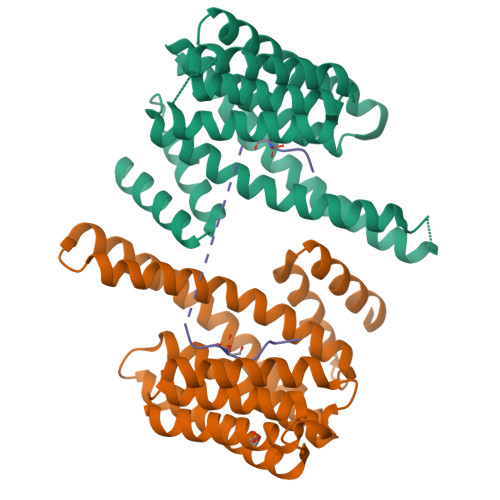
Protein kinase C alpha type structureClick to view 3D structureProtein kinase C alpha typeP17252HumansKnownMercury affects the nervous system by inhibiting protein kinase C, which impairs brain microvascular formation and function, as well as alters the blood-brain barrier. (L7)
Protein kinase C beta type structureClick to view 3D structureProtein kinase C beta typeP05771HumansKnownMercury affects the nervous system by inhibiting protein kinase C, which impairs brain microvascular formation and function, as well as alters the blood-brain barrier. (L7)
Protein kinase C delta type structureClick to view 3D structureProtein kinase C delta typeQ05655HumansKnownMercury affects the nervous system by inhibiting protein kinase C, which impairs brain microvascular formation and function, as well as alters the blood-brain barrier. (L7)
Protein kinase C epsilon type structureClick to view 3D structureProtein kinase C epsilon typeQ02156HumansKnownMercury affects the nervous system by inhibiting protein kinase C, which impairs brain microvascular formation and function, as well as alters the blood-brain barrier. (L7)
Protein kinase C iota type structureClick to view 3D structureProtein kinase C iota typeP41743HumansKnownMercury affects the nervous system by inhibiting protein kinase C, which impairs brain microvascular formation and function, as well as alters the blood-brain barrier. (L7)
Protein kinase C theta type structureClick to view 3D structureProtein kinase C theta typeQ04759HumansKnownMercury affects the nervous system by inhibiting protein kinase C, which impairs brain microvascular formation and function, as well as alters the blood-brain barrier. (L7)
Click to view 3D structureTubulin-like protein alpha-4BQ9H853HumansKnownOrganic mercury exerts developmental effects by binding to tubulin, preventing microtubule assembly and causing mitotic inhibition. (L7)
Click to view 3D structureSelenoprotein PP49908HumansKnownNot Available
Sodium-dependent noradrenaline transporter structureClick to view 3D structureSodium-dependent noradrenaline transporterP23975HumansKnownNot Available
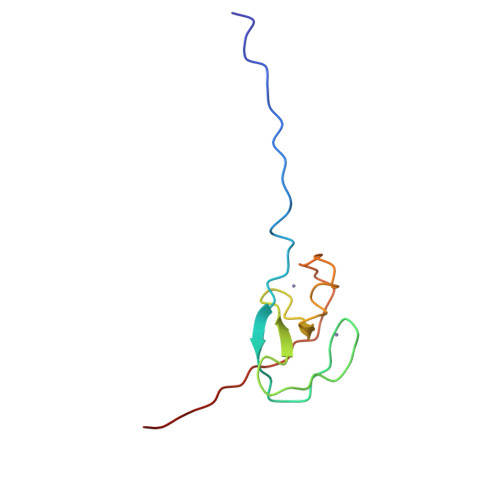
Thioredoxin structureClick to view 3D structureThioredoxinP10599HumansKnownNot Available
Tubulin alpha-1A chain structureClick to view 3D structureTubulin alpha-1A chainQ71U36HumansKnownOrganic mercury exerts developmental effects by binding to tubulin, preventing microtubule assembly and causing mitotic inhibition. (L7)
Tubulin alpha-1B chain structureClick to view 3D structureTubulin alpha-1B chainP68363HumansKnownOrganic mercury exerts developmental effects by binding to tubulin, preventing microtubule assembly and causing mitotic inhibition. (L7)
Click to view 3D structureTubulin alpha-1C chainQ9BQE3HumansKnownOrganic mercury exerts developmental effects by binding to tubulin, preventing microtubule assembly and causing mitotic inhibition. (L7)
Click to view 3D structureTubulin alpha-3E chainQ6PEY2HumansKnownOrganic mercury exerts developmental effects by binding to tubulin, preventing microtubule assembly and causing mitotic inhibition. (L7)
Click to view 3D structureTubulin alpha-4A chainP68366HumansKnownOrganic mercury exerts developmental effects by binding to tubulin, preventing microtubule assembly and causing mitotic inhibition. (L7)
Click to view 3D structureTubulin alpha-8 chainQ9NY65HumansKnownOrganic mercury exerts developmental effects by binding to tubulin, preventing microtubule assembly and causing mitotic inhibition. (L7)
Tubulin beta chain structureClick to view 3D structureTubulin beta chainP07437HumansKnownOrganic mercury exerts developmental effects by binding to tubulin, preventing microtubule assembly and causing mitotic inhibition. (L7)
Click to view 3D structureTubulin beta-1 chainQ9H4B7HumansKnownOrganic mercury exerts developmental effects by binding to tubulin, preventing microtubule assembly and causing mitotic inhibition. (L7)
Tubulin beta-2A chain structureClick to view 3D structureTubulin beta-2A chainQ13885HumansKnownOrganic mercury exerts developmental effects by binding to tubulin, preventing microtubule assembly and causing mitotic inhibition. (L7)
Tubulin beta-2B chain structureClick to view 3D structureTubulin beta-2B chainQ9BVA1HumansKnownOrganic mercury exerts developmental effects by binding to tubulin, preventing microtubule assembly and causing mitotic inhibition. (L7)
Tubulin beta-3 chain structureClick to view 3D structureTubulin beta-3 chainQ13509HumansKnownOrganic mercury exerts developmental effects by binding to tubulin, preventing microtubule assembly and causing mitotic inhibition. (L7)
Click to view 3D structureTubulin beta-4A chainP04350HumansKnownOrganic mercury exerts developmental effects by binding to tubulin, preventing microtubule assembly and causing mitotic inhibition. (L7)
Tubulin beta-4B chain structureClick to view 3D structureTubulin beta-4B chainP68371HumansKnownOrganic mercury exerts developmental effects by binding to tubulin, preventing microtubule assembly and causing mitotic inhibition. (L7)
Click to view 3D structureTubulin beta-6 chainQ9BUF5HumansKnownOrganic mercury exerts developmental effects by binding to tubulin, preventing microtubule assembly and causing mitotic inhibition. (L7)
Click to view 3D structureTubulin delta chainQ9UJT1HumansKnownOrganic mercury exerts developmental effects by binding to tubulin, preventing microtubule assembly and causing mitotic inhibition. (L7)
Click to view 3D structureTubulin epsilon chainQ9UJT0HumansKnownOrganic mercury exerts developmental effects by binding to tubulin, preventing microtubule assembly and causing mitotic inhibition. (L7)
Tubulin gamma-1 chain structureClick to view 3D structureTubulin gamma-1 chainP23258HumansKnownOrganic mercury exerts developmental effects by binding to tubulin, preventing microtubule assembly and causing mitotic inhibition. (L7)
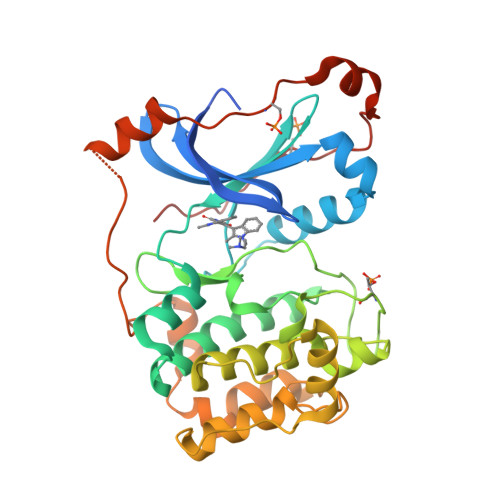
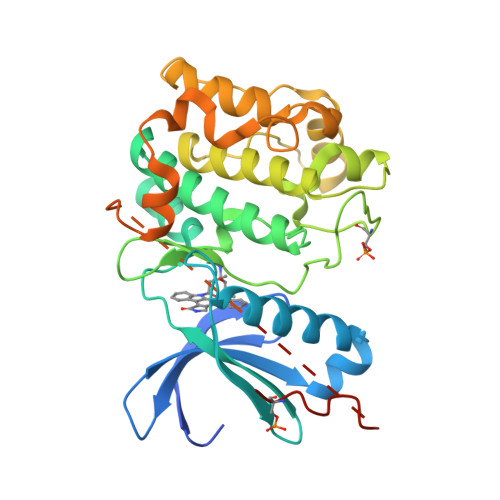
Tyrosine-protein kinase Lck structureClick to view 3D structureTyrosine-protein kinase LckP06239HumansKnownMercury inhibits the protein LCK, which causes decreased T-cell signalling and immune system depression. (A25)
Concentrations
Not Available
External Links
DrugBank IDNot Available
HMDB IDHMDB0003625
FooDB IDFDB030905
Phenol Explorer IDNot Available
KNApSAcK IDNot Available
BiGG IDNot Available
BioCyc IDNot Available
METLIN IDNot Available
PDB IDNot Available
Wikipedia LinkMercury
Chemspider ID24800
ChEBI ID16793
PubChem Compound ID26623
Kegg Compound IDC00703
YMDB IDNot Available
ECMDB IDNot Available
References
Synthesis ReferenceNot Available
MSDSLink
General References
1. Patricia Cava-Montesinos, M. Luisa Cervera Agustín Pastor Miguel de la Guardia. 2005. Room temperature acid sonication ICP-MS multielemental analysis of milk.Analytica Chimica Acta Volume 531, Issue 1, Pages 111-123
2. Clifton JC 2nd: Mercury exposure and public health. Pediatr Clin North Am. 2007 Apr;54(2):237-69, viii.
3. Rooney JP: The role of thiols, dithiols, nutritional factors and interacting ligands in the toxicology of mercury. Toxicology. 2007 May 20;234(3):145-56. Epub 2007 Mar 1.
4. Srogi K: Mercury content of hair in different populations relative to fish consumption. Rev Environ Contam Toxicol. 2007;189:107-30.