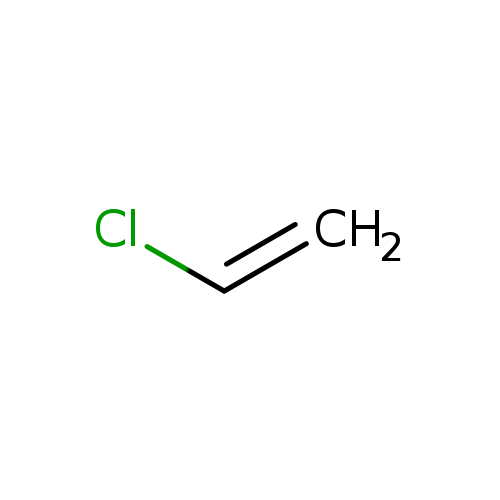
Click to view 3D structure Click to view 3D structure | Dihydropyrimidine dehydrogenase [NADP(+)] | Q12882 | Humans | Predicted (SEA) | 12.3002 |
| Click to view 3D structure | Mitochondrial 2-oxodicarboxylate carrier | Q9BQT8 | Humans | Predicted (SEA) | 0.389246 |
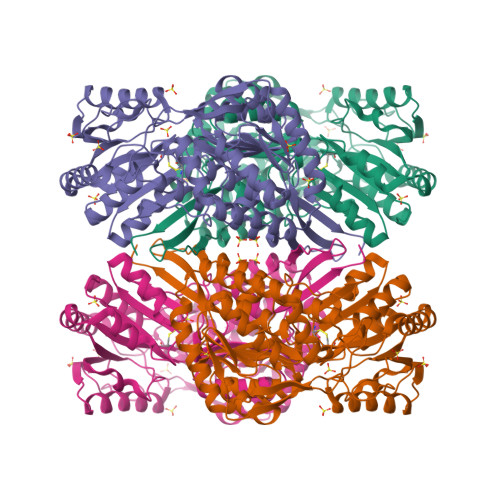 Click to view 3D structure Click to view 3D structure | Succinate-semialdehyde dehydrogenase, mitochondrial | P51649 | Humans | Predicted (SEA) | 489.983 |
| Click to view 3D structure | Seed linoleate 9S-lipoxygenase | P24095 | Glycine max | Predicted (SEA) | 22.8098 |
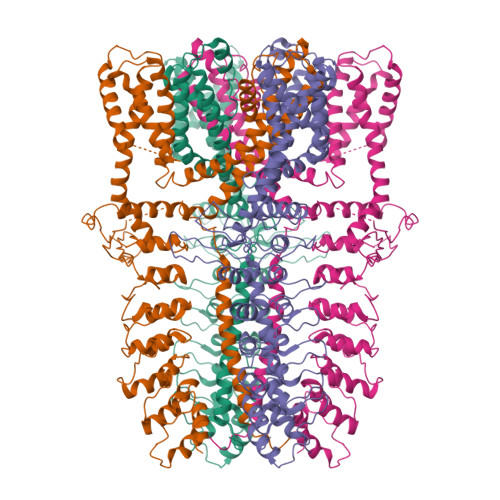 Click to view 3D structure Click to view 3D structure | Transient receptor potential cation channel subfamily A member 1 | O75762 | Humans | Predicted (SEA) | 7734.48 |
| Click to view 3D structure | Estrogen receptor | P49884 | Bos taurus | Predicted (SEA) | 373.209 |
 Click to view 3D structure Click to view 3D structure | Epidermal growth factor receptor | P00533 | Humans | Predicted (SEA) | 7784.14 |
| Click to view 3D structure | Fatty acid synthase | P12276 | Gallus gallus | Predicted (SEA) | 77.3821 |
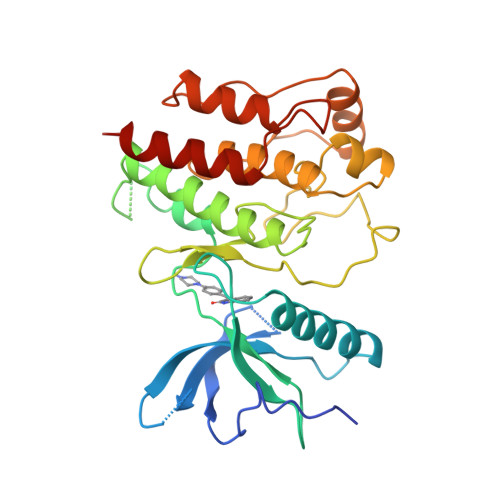 Click to view 3D structure Click to view 3D structure | Fibroblast growth factor receptor 1 | P11362 | Humans | Predicted (SEA) | 7783.29 |
| Click to view 3D structure | 3-oxoacyl-[acyl-carrier-protein] synthase 2 | P9WQD7 | Mycobacterium tuberculosis | Predicted (SEA) | 1075.33 |
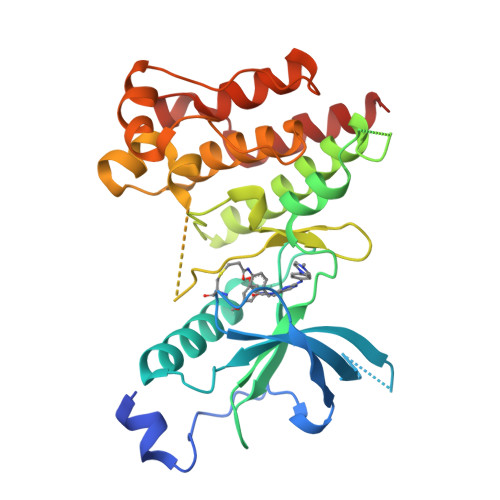 Click to view 3D structure Click to view 3D structure | Fibroblast growth factor receptor 4 | P22455 | Humans | Predicted (SEA) | 7780.1 |
 Click to view 3D structure Click to view 3D structure | Tyrosine-protein kinase JAK3 | P52333 | Humans | Predicted (SEA) | 7784.22 |
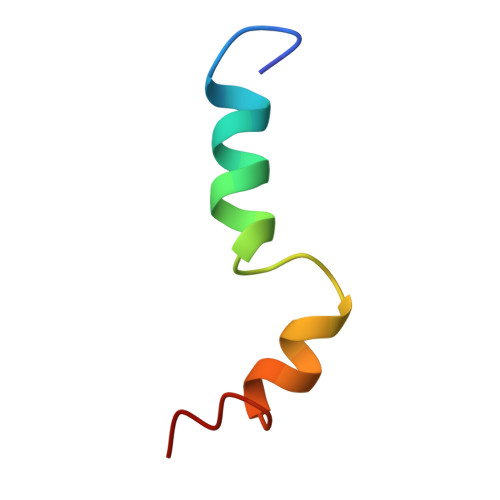 Click to view 3D structure Click to view 3D structure | Cannabinoid receptor 2 | P34972 | Humans | Predicted (SEA) | 7783.6 |
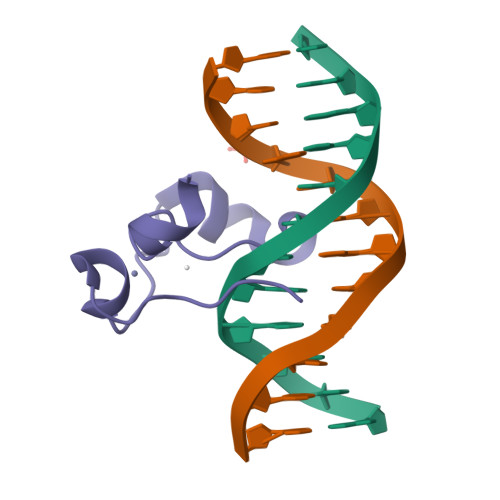 Click to view 3D structure Click to view 3D structure | CXXC-type zinc finger protein 5 | Q7LFL8 | Humans | Predicted (SEA) | 5881.2 |
 Click to view 3D structure Click to view 3D structure | Tyrosine-protein kinase BTK | Q06187 | Humans | Predicted (SEA) | 7784.07 |
 Click to view 3D structure Click to view 3D structure | Mitogen-activated protein kinase 1 | P28482 | Humans | Predicted (SEA) | 7784.3 |
| Click to view 3D structure | Peroxisomal N(1)-acetyl-spermine/spermidine oxidase | Q8C0L6 | Mus musculus | Predicted (SEA) | 70.5314 |
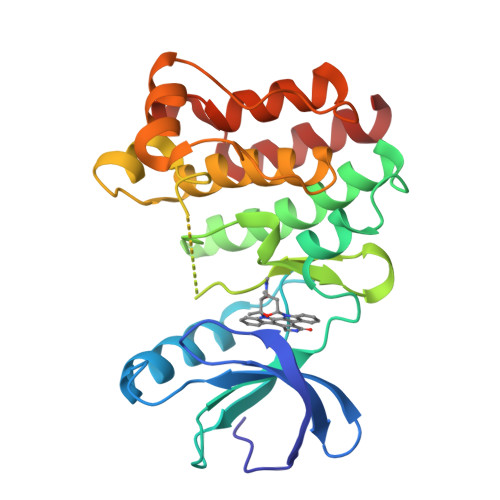 Click to view 3D structure Click to view 3D structure | Tyrosine-protein kinase ITK/TSK | Q08881 | Humans | Predicted (SEA) | 7783.91 |
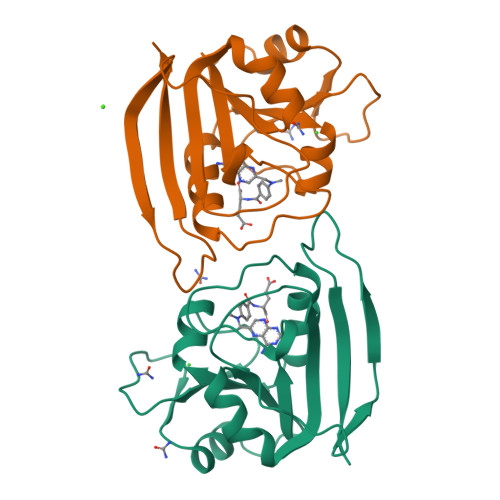 Click to view 3D structure Click to view 3D structure | Dihydrofolate reductase | P0ABQ4 | Escherichia coli (strain K12) | Predicted (SEA) | 7769.04 |
| Click to view 3D structure | Dihydrofolate reductase | Q59487 | Lactococcus lactis subsp. lactis (strain IL1403) (Streptococcuslactis) | Predicted (SEA) | 5450.54 |
 Click to view 3D structure Click to view 3D structure | Dual specificity mitogen-activated protein kinase kinase 1 | Q02750 | Humans | Predicted (SEA) | 7783.99 |
 Click to view 3D structure Click to view 3D structure | Vascular endothelial growth factor receptor 2 | P35968 | Humans | Predicted (SEA) | 7784.53 |
 Click to view 3D structure Click to view 3D structure | Fibroblast growth factor receptor 2 | P21802 | Humans | Predicted (SEA) | 7782.82 |
 Click to view 3D structure Click to view 3D structure | Cannabinoid receptor 1 | P21554 | Humans | Predicted (SEA) | 7783.99 |
 Click to view 3D structure Click to view 3D structure | Vascular endothelial growth factor receptor 1 | P17948 | Humans | Predicted (SEA) | 7784.22 |
 Click to view 3D structure Click to view 3D structure | Estrogen receptor | P03372 | Humans | Known | Causes endocrine disruption in humans by binding to and inhibiting the estrogen receptor. (A590) |
 Click to view 3D structure Click to view 3D structure | Estrogen receptor beta | Q92731 | Humans | Known | Causes endocrine disruption in humans by binding to and inhibiting the estrogen receptor. (A590) |
 Click to view 3D structure Click to view 3D structure | Calcium-transporting ATPase type 2C member 1 | P98194 | Humans | Known | This organochloride inhibits Na+/K+ ATPase and Ca2+ and Mg2+ ATPase, which are essential for the transport of calcium across membranes. This results in the accumulation of intracellular free calcium ions, which promotes release of neurotransmitters from storage vesicles, the subsequent depolarization of adjacent neurons, and the propagation of stimuli throughout the central nervous system. (T10) |
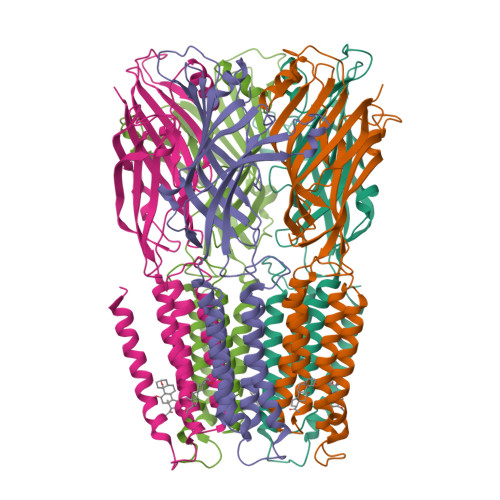 Click to view 3D structure Click to view 3D structure | Gamma-aminobutyric acid receptor subunit alpha-1 | P14867 | Humans | Known | This organochloride antagonizes the action of the neurotransmitter gamma-aminobutyric acid (GABA) acting at the GABA-A receptors, effectively blocking the GABA-induced uptake of chloride ions and causing hyperexcitability of the central nervous system. (T10) |
 Click to view 3D structure Click to view 3D structure | Gamma-aminobutyric acid receptor subunit alpha-2 | P47869 | Humans | Known | This organochloride antagonizes the action of the neurotransmitter gamma-aminobutyric acid (GABA) acting at the GABA-A receptors, effectively blocking the GABA-induced uptake of chloride ions and causing hyperexcitability of the central nervous system. (T10) |
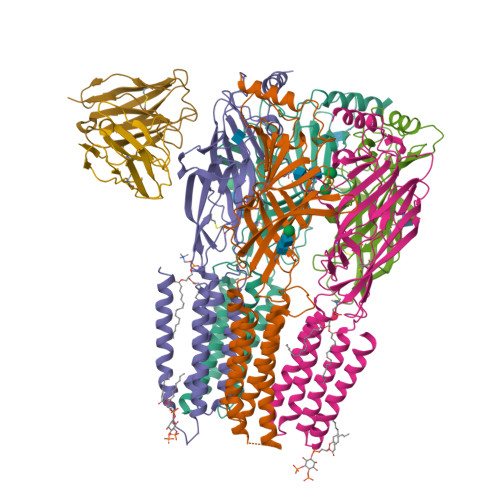 Click to view 3D structure Click to view 3D structure | Gamma-aminobutyric acid receptor subunit alpha-3 | P34903 | Humans | Known | This organochloride antagonizes the action of the neurotransmitter gamma-aminobutyric acid (GABA) acting at the GABA-A receptors, effectively blocking the GABA-induced uptake of chloride ions and causing hyperexcitability of the central nervous system. (T10) |
 Click to view 3D structure Click to view 3D structure | Gamma-aminobutyric acid receptor subunit alpha-4 | P48169 | Humans | Known | This organochloride antagonizes the action of the neurotransmitter gamma-aminobutyric acid (GABA) acting at the GABA-A receptors, effectively blocking the GABA-induced uptake of chloride ions and causing hyperexcitability of the central nervous system. (T10) |
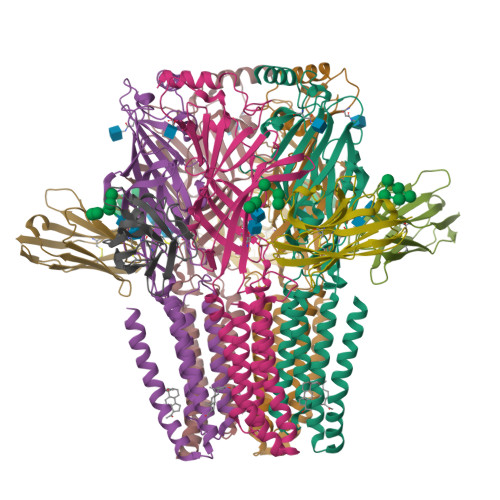 Click to view 3D structure Click to view 3D structure | Gamma-aminobutyric acid receptor subunit alpha-5 | P31644 | Humans | Known | This organochloride antagonizes the action of the neurotransmitter gamma-aminobutyric acid (GABA) acting at the GABA-A receptors, effectively blocking the GABA-induced uptake of chloride ions and causing hyperexcitability of the central nervous system. (T10) |
| Click to view 3D structure | Gamma-aminobutyric acid receptor subunit alpha-6 | Q16445 | Humans | Known | This organochloride antagonizes the action of the neurotransmitter gamma-aminobutyric acid (GABA) acting at the GABA-A receptors, effectively blocking the GABA-induced uptake of chloride ions and causing hyperexcitability of the central nervous system. (T10) |
 Click to view 3D structure Click to view 3D structure | Gamma-aminobutyric acid receptor subunit beta-1 | P18505 | Humans | Known | This organochloride antagonizes the action of the neurotransmitter gamma-aminobutyric acid (GABA) acting at the GABA-A receptors, effectively blocking the GABA-induced uptake of chloride ions and causing hyperexcitability of the central nervous system. (T10) |
 Click to view 3D structure Click to view 3D structure | Gamma-aminobutyric acid receptor subunit beta-2 | P47870 | Humans | Known | This organochloride antagonizes the action of the neurotransmitter gamma-aminobutyric acid (GABA) acting at the GABA-A receptors, effectively blocking the GABA-induced uptake of chloride ions and causing hyperexcitability of the central nervous system. (T10) |
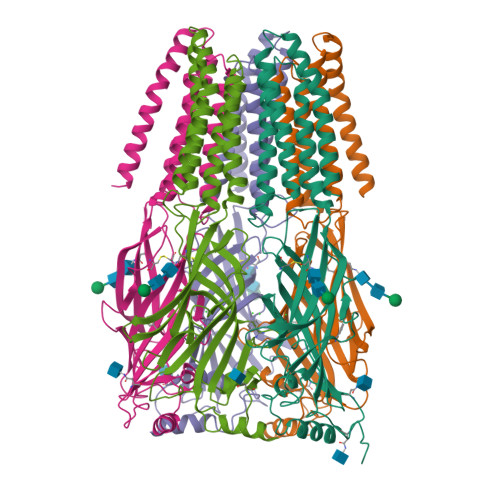 Click to view 3D structure Click to view 3D structure | Gamma-aminobutyric acid receptor subunit beta-3 | P28472 | Humans | Known | This organochloride antagonizes the action of the neurotransmitter gamma-aminobutyric acid (GABA) acting at the GABA-A receptors, effectively blocking the GABA-induced uptake of chloride ions and causing hyperexcitability of the central nervous system. (T10) |
| Click to view 3D structure | Gamma-aminobutyric acid receptor subunit delta | O14764 | Humans | Known | This organochloride antagonizes the action of the neurotransmitter gamma-aminobutyric acid (GABA) acting at the GABA-A receptors, effectively blocking the GABA-induced uptake of chloride ions and causing hyperexcitability of the central nervous system. (T10) |
| Click to view 3D structure | Gamma-aminobutyric acid receptor subunit epsilon | P78334 | Humans | Known | This organochloride antagonizes the action of the neurotransmitter gamma-aminobutyric acid (GABA) acting at the GABA-A receptors, effectively blocking the GABA-induced uptake of chloride ions and causing hyperexcitability of the central nervous system. (T10) |
| Click to view 3D structure | Gamma-aminobutyric acid receptor subunit gamma-1 | Q8N1C3 | Humans | Known | This organochloride antagonizes the action of the neurotransmitter gamma-aminobutyric acid (GABA) acting at the GABA-A receptors, effectively blocking the GABA-induced uptake of chloride ions and causing hyperexcitability of the central nervous system. (T10) |
| Click to view 3D structure | Gamma-aminobutyric acid receptor subunit gamma-2 | P18507 | Humans | Known | This organochloride antagonizes the action of the neurotransmitter gamma-aminobutyric acid (GABA) acting at the GABA-A receptors, effectively blocking the GABA-induced uptake of chloride ions and causing hyperexcitability of the central nervous system. (T10) |
| Click to view 3D structure | Gamma-aminobutyric acid receptor subunit gamma-3 | Q99928 | Humans | Known | This organochloride antagonizes the action of the neurotransmitter gamma-aminobutyric acid (GABA) acting at the GABA-A receptors, effectively blocking the GABA-induced uptake of chloride ions and causing hyperexcitability of the central nervous system. (T10) |
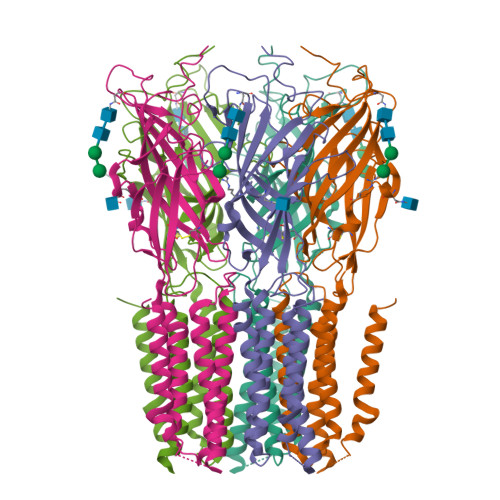 Click to view 3D structure Click to view 3D structure | Gamma-aminobutyric acid receptor subunit pi | O00591 | Humans | Known | This organochloride antagonizes the action of the neurotransmitter gamma-aminobutyric acid (GABA) acting at the GABA-A receptors, effectively blocking the GABA-induced uptake of chloride ions and causing hyperexcitability of the central nervous system. (T10) |
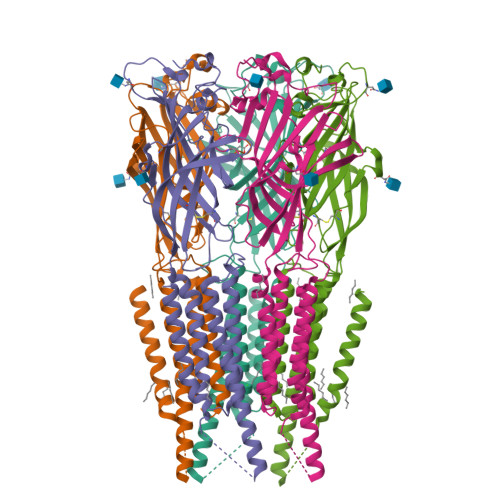 Click to view 3D structure Click to view 3D structure | Gamma-aminobutyric acid receptor subunit rho-1 | P24046 | Humans | Known | This organochloride antagonizes the action of the neurotransmitter gamma-aminobutyric acid (GABA) acting at the GABA-A receptors, effectively blocking the GABA-induced uptake of chloride ions and causing hyperexcitability of the central nervous system. (T10) |
| Click to view 3D structure | Gamma-aminobutyric acid receptor subunit rho-2 | P28476 | Humans | Known | This organochloride antagonizes the action of the neurotransmitter gamma-aminobutyric acid (GABA) acting at the GABA-A receptors, effectively blocking the GABA-induced uptake of chloride ions and causing hyperexcitability of the central nervous system. (T10) |
| Click to view 3D structure | Gamma-aminobutyric acid receptor subunit rho-3 | A8MPY1 | Humans | Known | This organochloride antagonizes the action of the neurotransmitter gamma-aminobutyric acid (GABA) acting at the GABA-A receptors, effectively blocking the GABA-induced uptake of chloride ions and causing hyperexcitability of the central nervous system. (T10) |
| Click to view 3D structure | Gamma-aminobutyric acid receptor subunit theta | Q9UN88 | Humans | Known | This organochloride antagonizes the action of the neurotransmitter gamma-aminobutyric acid (GABA) acting at the GABA-A receptors, effectively blocking the GABA-induced uptake of chloride ions and causing hyperexcitability of the central nervous system. (T10) |
 Click to view 3D structure Click to view 3D structure | Immunoglobulin heavy constant gamma 1 | P01857 | Humans | Known | Vinyl chloride poisoning exhibits many of the characteristics of autoimmune diseases. This is believed to be the result of a reactive vinyl chloride intermediate metabolite binding to an immunoglobulin G (IgG), altering the protein and initiating an immune response. (L3) |
 Click to view 3D structure Click to view 3D structure | Immunoglobulin heavy constant gamma 2 | P01859 | Humans | Known | Vinyl chloride poisoning exhibits many of the characteristics of autoimmune diseases. This is believed to be the result of a reactive vinyl chloride intermediate metabolite binding to an immunoglobulin G (IgG), altering the protein and initiating an immune response. (L3) |
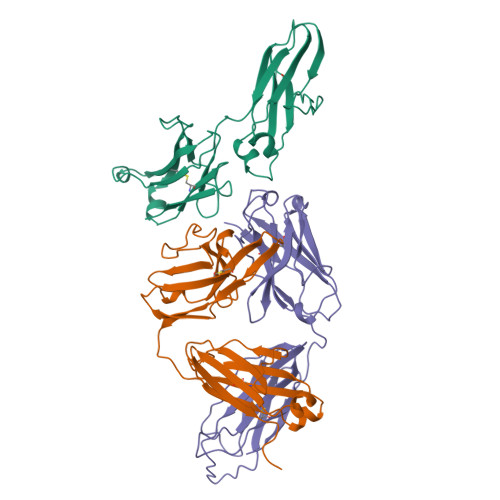 Click to view 3D structure Click to view 3D structure | Immunoglobulin heavy constant gamma 4 | P01861 | Humans | Known | Vinyl chloride poisoning exhibits many of the characteristics of autoimmune diseases. This is believed to be the result of a reactive vinyl chloride intermediate metabolite binding to an immunoglobulin G (IgG), altering the protein and initiating an immune response. (L3) |
| Click to view 3D structure | Sarcoplasmic/endoplasmic reticulum calcium ATPase 1 | O14983 | Humans | Known | This organochloride inhibits Na+/K+ ATPase and Ca2+ and Mg2+ ATPase, which are essential for the transport of calcium across membranes. This results in the accumulation of intracellular free calcium ions, which promotes release of neurotransmitters from storage vesicles, the subsequent depolarization of adjacent neurons, and the propagation of stimuli throughout the central nervous system. (T10) |
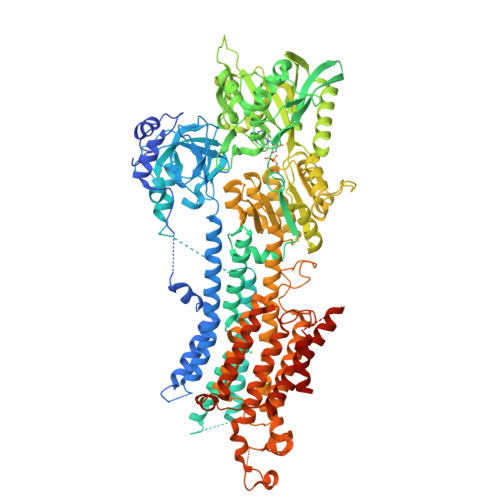 Click to view 3D structure Click to view 3D structure | Sarcoplasmic/endoplasmic reticulum calcium ATPase 2 | P16615 | Humans | Known | This organochloride inhibits Na+/K+ ATPase and Ca2+ and Mg2+ ATPase, which are essential for the transport of calcium across membranes. This results in the accumulation of intracellular free calcium ions, which promotes release of neurotransmitters from storage vesicles, the subsequent depolarization of adjacent neurons, and the propagation of stimuli throughout the central nervous system. (T10) |
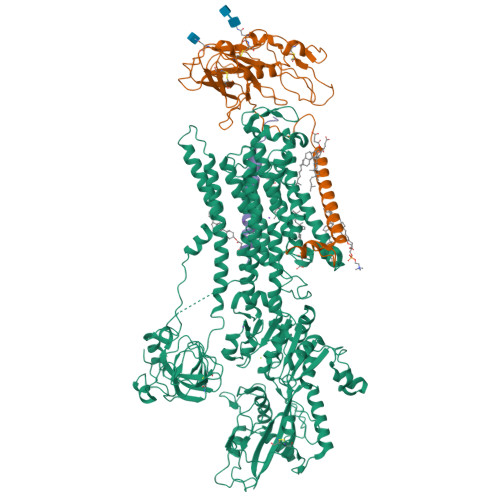 Click to view 3D structure Click to view 3D structure | Sodium/potassium-transporting ATPase subunit alpha-1 | P05023 | Humans | Known | This organochloride inhibits Na+/K+ ATPase and Ca2+ and Mg2+ ATPase, which are essential for the transport of calcium across membranes. This results in the accumulation of intracellular free calcium ions, which promotes release of neurotransmitters from storage vesicles, the subsequent depolarization of adjacent neurons, and the propagation of stimuli throughout the central nervous system. (T10) |
| Click to view 3D structure | Sodium/potassium-transporting ATPase subunit alpha-2 | P50993 | Humans | Known | This organochloride inhibits Na+/K+ ATPase and Ca2+ and Mg2+ ATPase, which are essential for the transport of calcium across membranes. This results in the accumulation of intracellular free calcium ions, which promotes release of neurotransmitters from storage vesicles, the subsequent depolarization of adjacent neurons, and the propagation of stimuli throughout the central nervous system. (T10) |
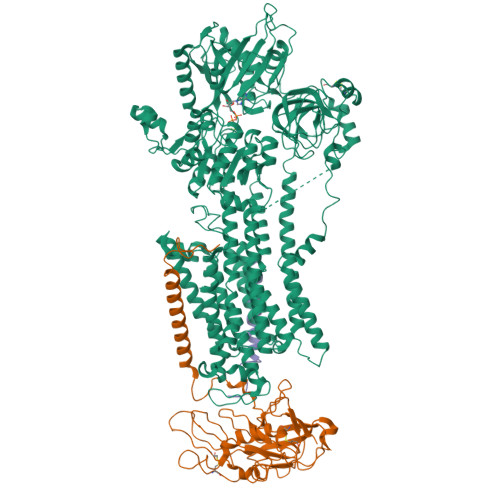 Click to view 3D structure Click to view 3D structure | Sodium/potassium-transporting ATPase subunit alpha-3 | P13637 | Humans | Known | This organochloride inhibits Na+/K+ ATPase and Ca2+ and Mg2+ ATPase, which are essential for the transport of calcium across membranes. This results in the accumulation of intracellular free calcium ions, which promotes release of neurotransmitters from storage vesicles, the subsequent depolarization of adjacent neurons, and the propagation of stimuli throughout the central nervous system. (T10) |
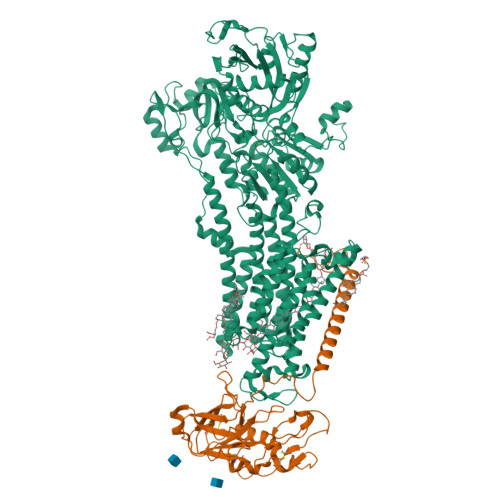 Click to view 3D structure Click to view 3D structure | Sodium/potassium-transporting ATPase subunit alpha-4 | Q13733 | Humans | Known | This organochloride inhibits Na+/K+ ATPase and Ca2+ and Mg2+ ATPase, which are essential for the transport of calcium across membranes. This results in the accumulation of intracellular free calcium ions, which promotes release of neurotransmitters from storage vesicles, the subsequent depolarization of adjacent neurons, and the propagation of stimuli throughout the central nervous system. (T10) |
| Click to view 3D structure | Sodium/potassium-transporting ATPase subunit beta-1 | P05026 | Humans | Known | This organochloride inhibits Na+/K+ ATPase and Ca2+ and Mg2+ ATPase, which are essential for the transport of calcium across membranes. This results in the accumulation of intracellular free calcium ions, which promotes release of neurotransmitters from storage vesicles, the subsequent depolarization of adjacent neurons, and the propagation of stimuli throughout the central nervous system. (T10) |
| Click to view 3D structure | Sodium/potassium-transporting ATPase subunit beta-2 | P14415 | Humans | Known | This organochloride inhibits Na+/K+ ATPase and Ca2+ and Mg2+ ATPase, which are essential for the transport of calcium across membranes. This results in the accumulation of intracellular free calcium ions, which promotes release of neurotransmitters from storage vesicles, the subsequent depolarization of adjacent neurons, and the propagation of stimuli throughout the central nervous system. (T10) |
| Click to view 3D structure | Sodium/potassium-transporting ATPase subunit beta-3 | P54709 | Humans | Known | This organochloride inhibits Na+/K+ ATPase and Ca2+ and Mg2+ ATPase, which are essential for the transport of calcium across membranes. This results in the accumulation of intracellular free calcium ions, which promotes release of neurotransmitters from storage vesicles, the subsequent depolarization of adjacent neurons, and the propagation of stimuli throughout the central nervous system. (T10) |
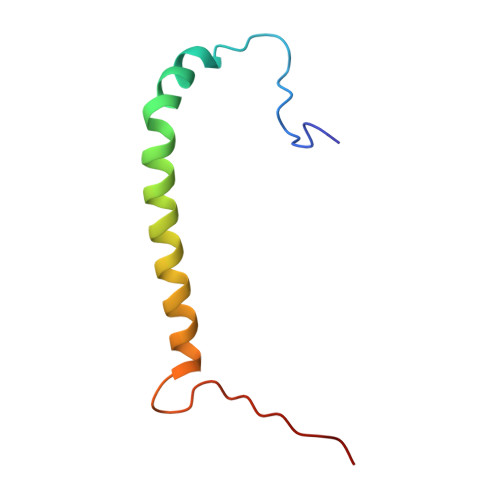 Click to view 3D structure Click to view 3D structure | Sodium/potassium-transporting ATPase subunit gamma | P54710 | Humans | Known | This organochloride inhibits Na+/K+ ATPase and Ca2+ and Mg2+ ATPase, which are essential for the transport of calcium across membranes. This results in the accumulation of intracellular free calcium ions, which promotes release of neurotransmitters from storage vesicles, the subsequent depolarization of adjacent neurons, and the propagation of stimuli throughout the central nervous system. (T10) |