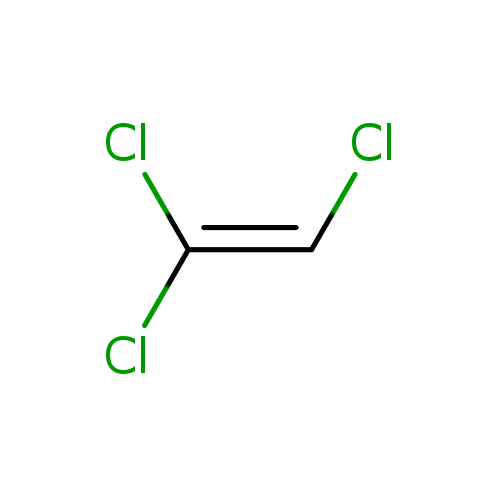
Click to view 3D structure Click to view 3D structure | Type IV secretion-like conjugative transfer relaxase protein TraI | B1LRJ1 | Escherichia coli (strain SMS-3-5 / SECEC) | Predicted (SEA) | 14.0907 |
| Click to view 3D structure | Dihydropyrimidine dehydrogenase [NADP(+)] | Q12882 | Humans | Predicted (SEA) | 657.359 |
| Click to view 3D structure | Cyclic AMP-dependent transcription factor ATF-1 | P18846 | Humans | Predicted (SEA) | 5250.07 |
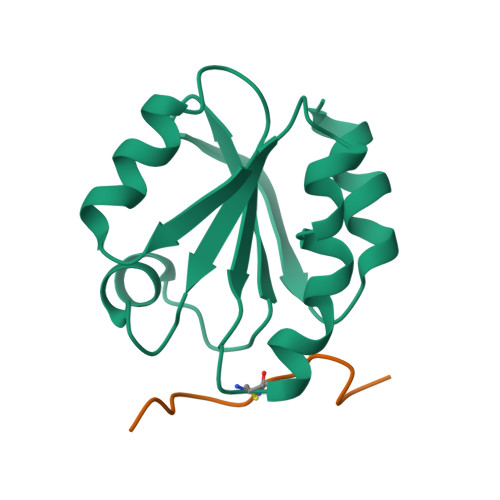 Click to view 3D structure Click to view 3D structure | Nuclear factor NF-kappa-B p105 subunit | P19838 | Humans | Predicted (SEA) | 7591.23 |
![Amine oxidase [flavin-containing] A structure](https://cdn.rcsb.org/images/structures/2bxr_assembly-1.jpeg) Click to view 3D structure Click to view 3D structure | Amine oxidase [flavin-containing] A | P21397 | Humans | Predicted (SEA) | 7783.29 |
 Click to view 3D structure Click to view 3D structure | 5-hydroxytryptamine receptor 2B | P41595 | Humans | Predicted (SEA) | 7784.38 |
| Click to view 3D structure | Acetylcholine receptor subunit beta-like 2 | P25162 | Drosophila melanogaster | Predicted (SEA) | 7054.15 |
| Click to view 3D structure | Kynurenine 3-monooxygenase | P38169 | Saccharomyces cerevisiae (strain ATCC 204508 / S288c) (Baker's yeast) | Predicted (SEA) | 5463.69 |
| Click to view 3D structure | Endothelin-converting enzyme 2 | P0DPD6 | Humans | Predicted (SEA) | 2631.07 |
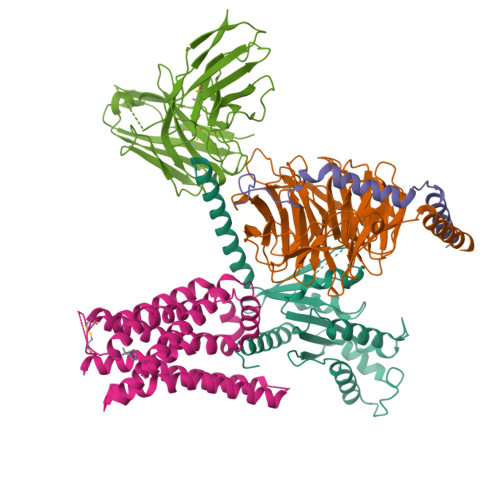 Click to view 3D structure Click to view 3D structure | Alpha-2B adrenergic receptor | P18089 | Humans | Predicted (SEA) | 7784.07 |
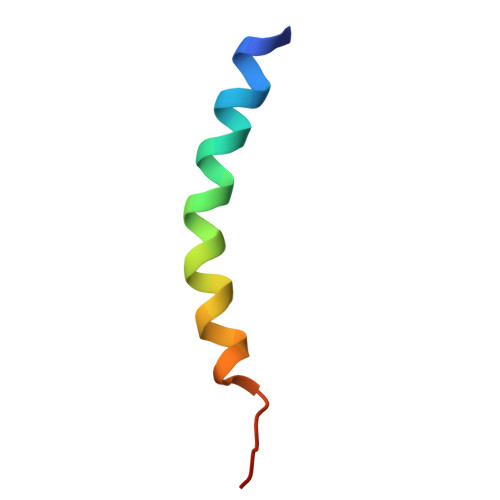 Click to view 3D structure Click to view 3D structure | Alpha-2A adrenergic receptor | P08913 | Humans | Predicted (SEA) | 7784.22 |
| Click to view 3D structure | Neuronal acetylcholine receptor subunit alpha-4 | P09482 | Gallus gallus | Predicted (SEA) | 6899.15 |
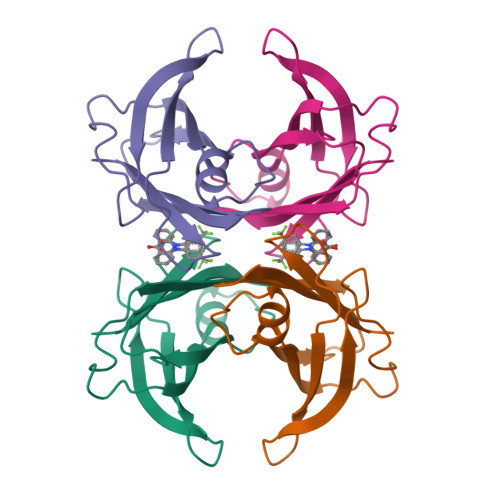 Click to view 3D structure Click to view 3D structure | Transthyretin | P02766 | Humans | Predicted (SEA) | 7763.75 |
| Click to view 3D structure | Acetylcholine-binding protein | P58154 | Lymnaea stagnalis | Predicted (SEA) | 7744.6 |
| Click to view 3D structure | Soluble acetylcholine receptor | Q8WSF8 | Aplysia californica | Predicted (SEA) | 7668.46 |
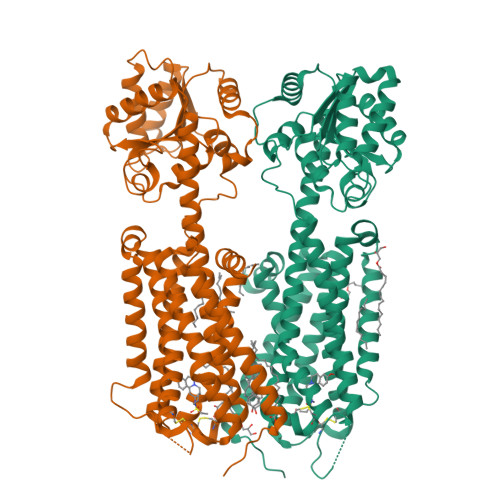 Click to view 3D structure Click to view 3D structure | Alpha-2C adrenergic receptor | P18825 | Humans | Predicted (SEA) | 7784.14 |
| Click to view 3D structure | Glutamate receptor ionotropic, NMDA 1 | P35439 | Rattus norvegicus | Predicted (SEA) | 7742.18 |
 Click to view 3D structure Click to view 3D structure | 5-hydroxytryptamine receptor 2C | P28335 | Humans | Predicted (SEA) | 7784.38 |
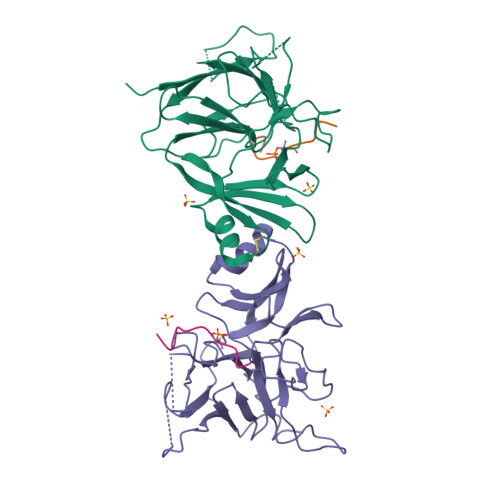 Click to view 3D structure Click to view 3D structure | E3 ubiquitin-protein ligase pellino homolog 1 | Q96FA3 | Humans | Predicted (SEA) | 3849.33 |
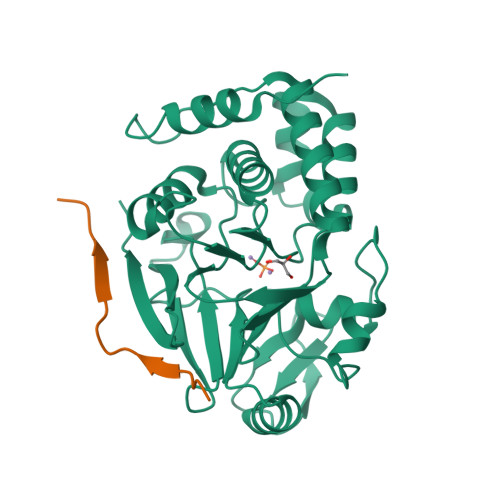 Click to view 3D structure Click to view 3D structure | Protein phosphatase 1 regulatory subunit 15A | O75807 | Humans | Predicted (SEA) | 2979.91 |
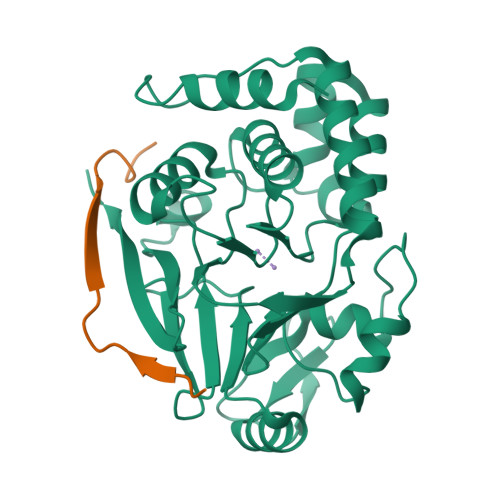 Click to view 3D structure Click to view 3D structure | Protein phosphatase 1 regulatory subunit 15B | Q5SWA1 | Humans | Predicted (SEA) | 2979.91 |
 Click to view 3D structure Click to view 3D structure | Cytochrome P450 3A4 | P08684 | Humans | Predicted (SEA) | 7784.53 |
 Click to view 3D structure Click to view 3D structure | Tyrosinase | P14679 | Humans | Predicted (SEA) | 7727.62 |
 Click to view 3D structure Click to view 3D structure | Tyrosine-protein kinase JAK3 | P52333 | Humans | Predicted (SEA) | 7784.3 |
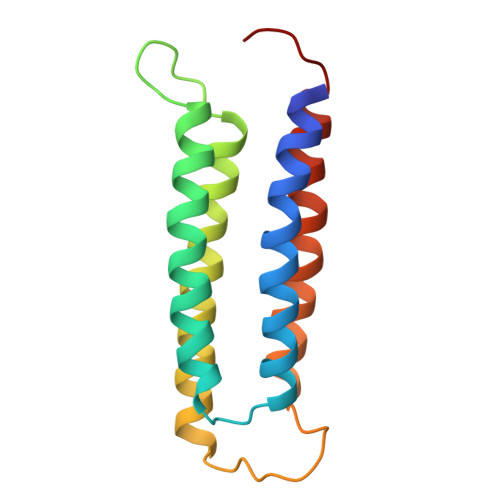 Click to view 3D structure Click to view 3D structure | Neuronal acetylcholine receptor subunit alpha-7 | P36544 | Humans | Predicted (SEA) | 7782.43 |
 Click to view 3D structure Click to view 3D structure | Estrogen receptor | P03372 | Humans | Known | Causes endocrine disruption in humans by binding to and inhibiting the estrogen receptor. (A590) |
 Click to view 3D structure Click to view 3D structure | Estrogen receptor beta | Q92731 | Humans | Known | Causes endocrine disruption in humans by binding to and inhibiting the estrogen receptor. (A590) |
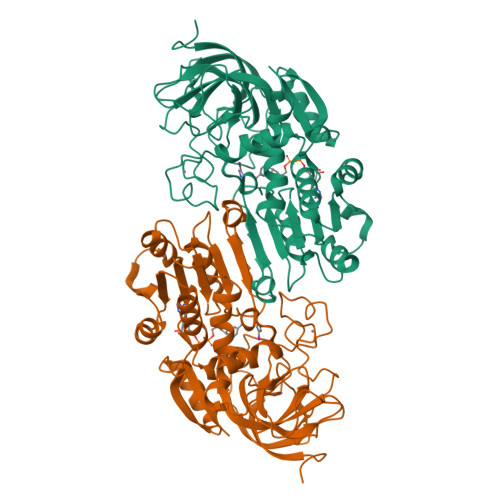 Click to view 3D structure Click to view 3D structure | Alcohol dehydrogenase 1A | P07327 | Humans | Known | The toxic and carcinogenic effects of trichloroethylene are believed to be cause mainly by its metabolites, including trichloroacetic acid, dichloroacetic acid, and chloral hydrate. The nephrotoxicity and nephrocarcinogenicity of TRI have been attributed to glutathione conjunction, which forms reactive, sulfur-containing metabolites. Chloral hydrate inhibits alcohol dehydrogenase. (A51) |
![All-trans-retinol dehydrogenase [NAD(+)] ADH1B structure](https://cdn.rcsb.org/images/structures/1deh_assembly-1.jpeg) Click to view 3D structure Click to view 3D structure | All-trans-retinol dehydrogenase [NAD(+)] ADH1B | P00325 | Humans | Known | The toxic and carcinogenic effects of trichloroethylene are believed to be cause mainly by its metabolites, including trichloroacetic acid, dichloroacetic acid, and chloral hydrate. The nephrotoxicity and nephrocarcinogenicity of TRI have been attributed to glutathione conjunction, which forms reactive, sulfur-containing metabolites. Chloral hydrate inhibits alcohol dehydrogenase. (A51) |
 Click to view 3D structure Click to view 3D structure | Alcohol dehydrogenase 1C | P00326 | Humans | Known | The toxic and carcinogenic effects of trichloroethylene are believed to be cause mainly by its metabolites, including trichloroacetic acid, dichloroacetic acid, and chloral hydrate. The nephrotoxicity and nephrocarcinogenicity of TRI have been attributed to glutathione conjunction, which forms reactive, sulfur-containing metabolites. Chloral hydrate inhibits alcohol dehydrogenase. (A51) |
![All-trans-retinol dehydrogenase [NAD(+)] ADH4 structure](https://cdn.rcsb.org/images/structures/3cos_assembly-1.jpeg) Click to view 3D structure Click to view 3D structure | All-trans-retinol dehydrogenase [NAD(+)] ADH4 | P08319 | Humans | Known | The toxic and carcinogenic effects of trichloroethylene are believed to be cause mainly by its metabolites, including trichloroacetic acid, dichloroacetic acid, and chloral hydrate. The nephrotoxicity and nephrocarcinogenicity of TRI have been attributed to glutathione conjunction, which forms reactive, sulfur-containing metabolites. Chloral hydrate inhibits alcohol dehydrogenase. (A51) |
| Click to view 3D structure | Alcohol dehydrogenase 6 | P28332 | Humans | Known | The toxic and carcinogenic effects of trichloroethylene are believed to be cause mainly by its metabolites, including trichloroacetic acid, dichloroacetic acid, and chloral hydrate. The nephrotoxicity and nephrocarcinogenicity of TRI have been attributed to glutathione conjunction, which forms reactive, sulfur-containing metabolites. Chloral hydrate inhibits alcohol dehydrogenase. (A51) |
![All-trans-retinol dehydrogenase [NAD(+)] ADH7 structure](https://cdn.rcsb.org/images/structures/1agn_assembly-1.jpeg) Click to view 3D structure Click to view 3D structure | All-trans-retinol dehydrogenase [NAD(+)] ADH7 | P40394 | Humans | Known | The toxic and carcinogenic effects of trichloroethylene are believed to be cause mainly by its metabolites, including trichloroacetic acid, dichloroacetic acid, and chloral hydrate. The nephrotoxicity and nephrocarcinogenicity of TRI have been attributed to glutathione conjunction, which forms reactive, sulfur-containing metabolites. Chloral hydrate inhibits alcohol dehydrogenase. (A51) |
 Click to view 3D structure Click to view 3D structure | Alcohol dehydrogenase class-3 | P11766 | Humans | Known | The toxic and carcinogenic effects of trichloroethylene are believed to be cause mainly by its metabolites, including trichloroacetic acid, dichloroacetic acid, and chloral hydrate. The nephrotoxicity and nephrocarcinogenicity of TRI have been attributed to glutathione conjunction, which forms reactive, sulfur-containing metabolites. Chloral hydrate inhibits alcohol dehydrogenase. (A51) |
 Click to view 3D structure Click to view 3D structure | Calcium-transporting ATPase type 2C member 1 | P98194 | Humans | Known | This organochloride inhibits Na+/K+ ATPase and Ca2+ and Mg2+ ATPase, which are essential for the transport of calcium across membranes. This results in the accumulation of intracellular free calcium ions, which promotes release of neurotransmitters from storage vesicles, the subsequent depolarization of adjacent neurons, and the propagation of stimuli throughout the central nervous system. (T10) |
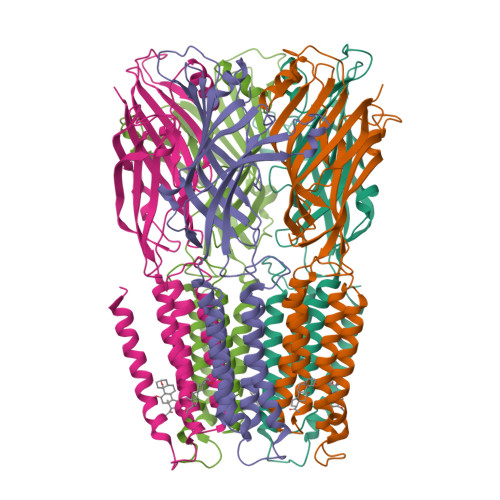 Click to view 3D structure Click to view 3D structure | Gamma-aminobutyric acid receptor subunit alpha-1 | P14867 | Humans | Known | This organochloride antagonizes the action of the neurotransmitter gamma-aminobutyric acid (GABA) acting at the GABA-A receptors, effectively blocking the GABA-induced uptake of chloride ions and causing hyperexcitability of the central nervous system. (T10) |
 Click to view 3D structure Click to view 3D structure | Gamma-aminobutyric acid receptor subunit alpha-2 | P47869 | Humans | Known | This organochloride antagonizes the action of the neurotransmitter gamma-aminobutyric acid (GABA) acting at the GABA-A receptors, effectively blocking the GABA-induced uptake of chloride ions and causing hyperexcitability of the central nervous system. (T10) |
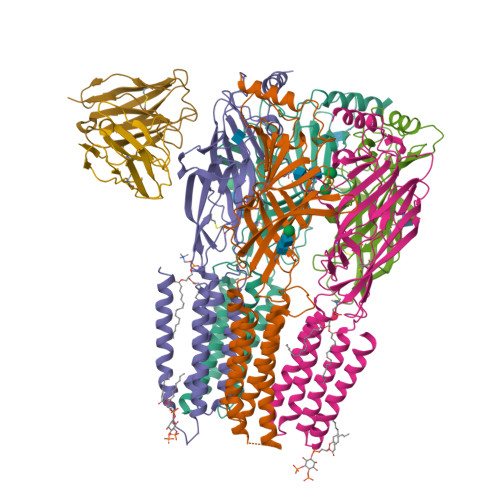 Click to view 3D structure Click to view 3D structure | Gamma-aminobutyric acid receptor subunit alpha-3 | P34903 | Humans | Known | This organochloride antagonizes the action of the neurotransmitter gamma-aminobutyric acid (GABA) acting at the GABA-A receptors, effectively blocking the GABA-induced uptake of chloride ions and causing hyperexcitability of the central nervous system. (T10) |
 Click to view 3D structure Click to view 3D structure | Gamma-aminobutyric acid receptor subunit alpha-4 | P48169 | Humans | Known | This organochloride antagonizes the action of the neurotransmitter gamma-aminobutyric acid (GABA) acting at the GABA-A receptors, effectively blocking the GABA-induced uptake of chloride ions and causing hyperexcitability of the central nervous system. (T10) |
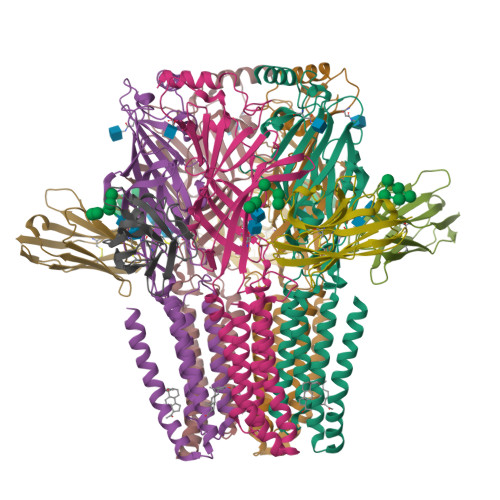 Click to view 3D structure Click to view 3D structure | Gamma-aminobutyric acid receptor subunit alpha-5 | P31644 | Humans | Known | This organochloride antagonizes the action of the neurotransmitter gamma-aminobutyric acid (GABA) acting at the GABA-A receptors, effectively blocking the GABA-induced uptake of chloride ions and causing hyperexcitability of the central nervous system. (T10) |
| Click to view 3D structure | Gamma-aminobutyric acid receptor subunit alpha-6 | Q16445 | Humans | Known | This organochloride antagonizes the action of the neurotransmitter gamma-aminobutyric acid (GABA) acting at the GABA-A receptors, effectively blocking the GABA-induced uptake of chloride ions and causing hyperexcitability of the central nervous system. (T10) |
 Click to view 3D structure Click to view 3D structure | Gamma-aminobutyric acid receptor subunit beta-1 | P18505 | Humans | Known | This organochloride antagonizes the action of the neurotransmitter gamma-aminobutyric acid (GABA) acting at the GABA-A receptors, effectively blocking the GABA-induced uptake of chloride ions and causing hyperexcitability of the central nervous system. (T10) |
 Click to view 3D structure Click to view 3D structure | Gamma-aminobutyric acid receptor subunit beta-2 | P47870 | Humans | Known | This organochloride antagonizes the action of the neurotransmitter gamma-aminobutyric acid (GABA) acting at the GABA-A receptors, effectively blocking the GABA-induced uptake of chloride ions and causing hyperexcitability of the central nervous system. (T10) |
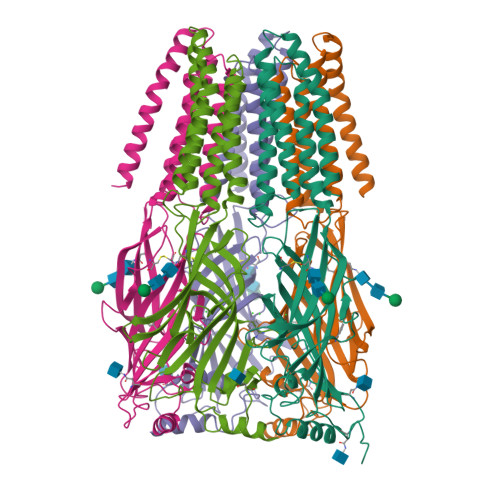 Click to view 3D structure Click to view 3D structure | Gamma-aminobutyric acid receptor subunit beta-3 | P28472 | Humans | Known | This organochloride antagonizes the action of the neurotransmitter gamma-aminobutyric acid (GABA) acting at the GABA-A receptors, effectively blocking the GABA-induced uptake of chloride ions and causing hyperexcitability of the central nervous system. (T10) |
| Click to view 3D structure | Gamma-aminobutyric acid receptor subunit delta | O14764 | Humans | Known | This organochloride antagonizes the action of the neurotransmitter gamma-aminobutyric acid (GABA) acting at the GABA-A receptors, effectively blocking the GABA-induced uptake of chloride ions and causing hyperexcitability of the central nervous system. (T10) |
| Click to view 3D structure | Gamma-aminobutyric acid receptor subunit epsilon | P78334 | Humans | Known | This organochloride antagonizes the action of the neurotransmitter gamma-aminobutyric acid (GABA) acting at the GABA-A receptors, effectively blocking the GABA-induced uptake of chloride ions and causing hyperexcitability of the central nervous system. (T10) |
| Click to view 3D structure | Gamma-aminobutyric acid receptor subunit gamma-1 | Q8N1C3 | Humans | Known | This organochloride antagonizes the action of the neurotransmitter gamma-aminobutyric acid (GABA) acting at the GABA-A receptors, effectively blocking the GABA-induced uptake of chloride ions and causing hyperexcitability of the central nervous system. (T10) |
| Click to view 3D structure | Gamma-aminobutyric acid receptor subunit gamma-2 | P18507 | Humans | Known | This organochloride antagonizes the action of the neurotransmitter gamma-aminobutyric acid (GABA) acting at the GABA-A receptors, effectively blocking the GABA-induced uptake of chloride ions and causing hyperexcitability of the central nervous system. (T10) |
| Click to view 3D structure | Gamma-aminobutyric acid receptor subunit gamma-3 | Q99928 | Humans | Known | This organochloride antagonizes the action of the neurotransmitter gamma-aminobutyric acid (GABA) acting at the GABA-A receptors, effectively blocking the GABA-induced uptake of chloride ions and causing hyperexcitability of the central nervous system. (T10) |
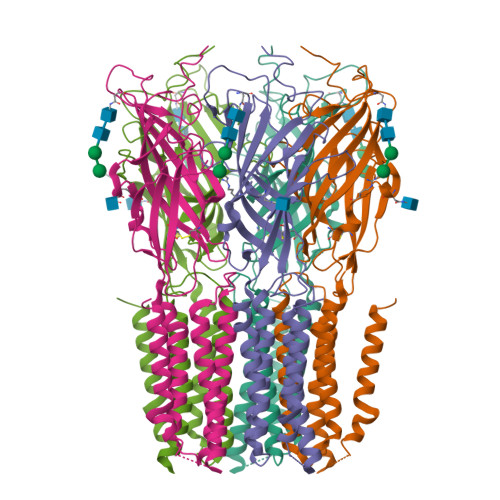 Click to view 3D structure Click to view 3D structure | Gamma-aminobutyric acid receptor subunit pi | O00591 | Humans | Known | This organochloride antagonizes the action of the neurotransmitter gamma-aminobutyric acid (GABA) acting at the GABA-A receptors, effectively blocking the GABA-induced uptake of chloride ions and causing hyperexcitability of the central nervous system. (T10) |
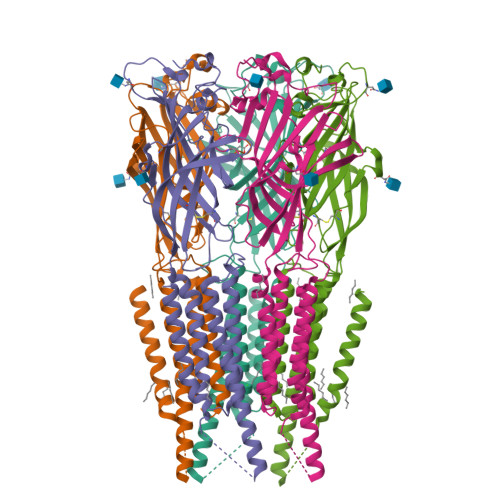 Click to view 3D structure Click to view 3D structure | Gamma-aminobutyric acid receptor subunit rho-1 | P24046 | Humans | Known | This organochloride antagonizes the action of the neurotransmitter gamma-aminobutyric acid (GABA) acting at the GABA-A receptors, effectively blocking the GABA-induced uptake of chloride ions and causing hyperexcitability of the central nervous system. (T10) |
| Click to view 3D structure | Gamma-aminobutyric acid receptor subunit rho-2 | P28476 | Humans | Known | This organochloride antagonizes the action of the neurotransmitter gamma-aminobutyric acid (GABA) acting at the GABA-A receptors, effectively blocking the GABA-induced uptake of chloride ions and causing hyperexcitability of the central nervous system. (T10) |
| Click to view 3D structure | Gamma-aminobutyric acid receptor subunit rho-3 | A8MPY1 | Humans | Known | This organochloride antagonizes the action of the neurotransmitter gamma-aminobutyric acid (GABA) acting at the GABA-A receptors, effectively blocking the GABA-induced uptake of chloride ions and causing hyperexcitability of the central nervous system. (T10) |
| Click to view 3D structure | Gamma-aminobutyric acid receptor subunit theta | Q9UN88 | Humans | Known | This organochloride antagonizes the action of the neurotransmitter gamma-aminobutyric acid (GABA) acting at the GABA-A receptors, effectively blocking the GABA-induced uptake of chloride ions and causing hyperexcitability of the central nervous system. (T10) |
| Click to view 3D structure | Sarcoplasmic/endoplasmic reticulum calcium ATPase 1 | O14983 | Humans | Known | This organochloride inhibits Na+/K+ ATPase and Ca2+ and Mg2+ ATPase, which are essential for the transport of calcium across membranes. This results in the accumulation of intracellular free calcium ions, which promotes release of neurotransmitters from storage vesicles, the subsequent depolarization of adjacent neurons, and the propagation of stimuli throughout the central nervous system. (T10) |
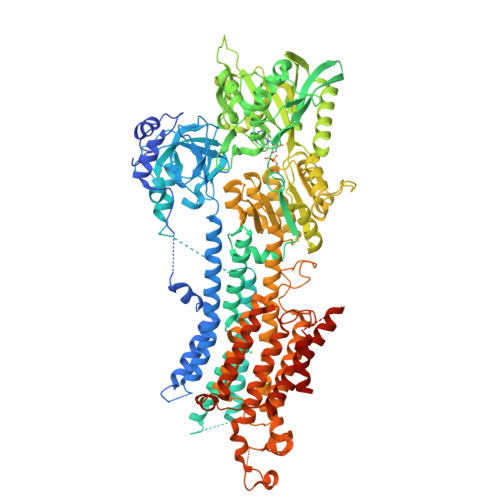 Click to view 3D structure Click to view 3D structure | Sarcoplasmic/endoplasmic reticulum calcium ATPase 2 | P16615 | Humans | Known | This organochloride inhibits Na+/K+ ATPase and Ca2+ and Mg2+ ATPase, which are essential for the transport of calcium across membranes. This results in the accumulation of intracellular free calcium ions, which promotes release of neurotransmitters from storage vesicles, the subsequent depolarization of adjacent neurons, and the propagation of stimuli throughout the central nervous system. (T10) |
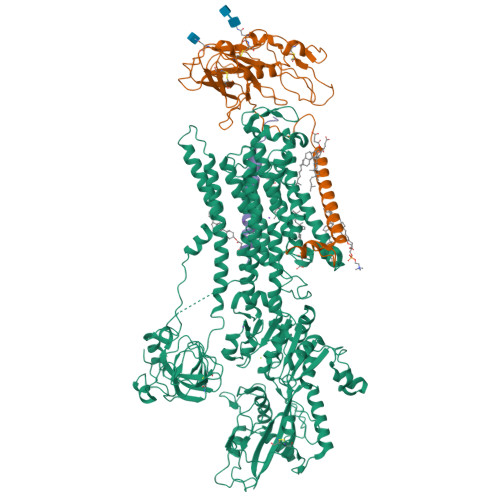 Click to view 3D structure Click to view 3D structure | Sodium/potassium-transporting ATPase subunit alpha-1 | P05023 | Humans | Known | This organochloride inhibits Na+/K+ ATPase and Ca2+ and Mg2+ ATPase, which are essential for the transport of calcium across membranes. This results in the accumulation of intracellular free calcium ions, which promotes release of neurotransmitters from storage vesicles, the subsequent depolarization of adjacent neurons, and the propagation of stimuli throughout the central nervous system. (T10) |
| Click to view 3D structure | Sodium/potassium-transporting ATPase subunit alpha-2 | P50993 | Humans | Known | This organochloride inhibits Na+/K+ ATPase and Ca2+ and Mg2+ ATPase, which are essential for the transport of calcium across membranes. This results in the accumulation of intracellular free calcium ions, which promotes release of neurotransmitters from storage vesicles, the subsequent depolarization of adjacent neurons, and the propagation of stimuli throughout the central nervous system. (T10) |
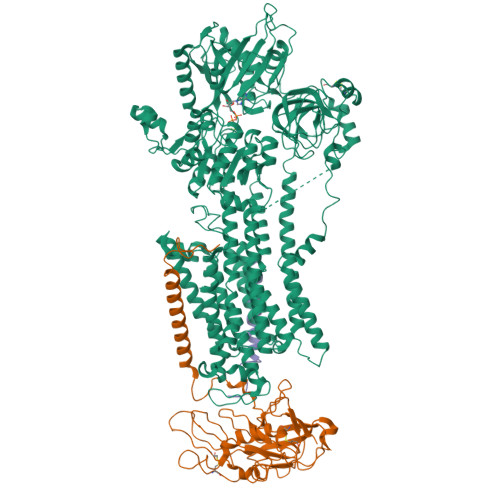 Click to view 3D structure Click to view 3D structure | Sodium/potassium-transporting ATPase subunit alpha-3 | P13637 | Humans | Known | This organochloride inhibits Na+/K+ ATPase and Ca2+ and Mg2+ ATPase, which are essential for the transport of calcium across membranes. This results in the accumulation of intracellular free calcium ions, which promotes release of neurotransmitters from storage vesicles, the subsequent depolarization of adjacent neurons, and the propagation of stimuli throughout the central nervous system. (T10) |
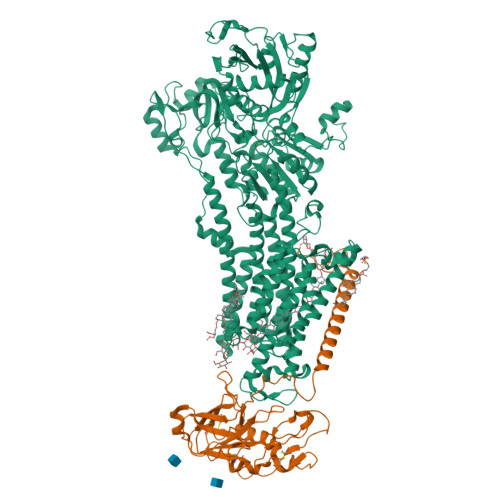 Click to view 3D structure Click to view 3D structure | Sodium/potassium-transporting ATPase subunit alpha-4 | Q13733 | Humans | Known | This organochloride inhibits Na+/K+ ATPase and Ca2+ and Mg2+ ATPase, which are essential for the transport of calcium across membranes. This results in the accumulation of intracellular free calcium ions, which promotes release of neurotransmitters from storage vesicles, the subsequent depolarization of adjacent neurons, and the propagation of stimuli throughout the central nervous system. (T10) |
| Click to view 3D structure | Sodium/potassium-transporting ATPase subunit beta-1 | P05026 | Humans | Known | This organochloride inhibits Na+/K+ ATPase and Ca2+ and Mg2+ ATPase, which are essential for the transport of calcium across membranes. This results in the accumulation of intracellular free calcium ions, which promotes release of neurotransmitters from storage vesicles, the subsequent depolarization of adjacent neurons, and the propagation of stimuli throughout the central nervous system. (T10) |
| Click to view 3D structure | Sodium/potassium-transporting ATPase subunit beta-2 | P14415 | Humans | Known | This organochloride inhibits Na+/K+ ATPase and Ca2+ and Mg2+ ATPase, which are essential for the transport of calcium across membranes. This results in the accumulation of intracellular free calcium ions, which promotes release of neurotransmitters from storage vesicles, the subsequent depolarization of adjacent neurons, and the propagation of stimuli throughout the central nervous system. (T10) |
| Click to view 3D structure | Sodium/potassium-transporting ATPase subunit beta-3 | P54709 | Humans | Known | This organochloride inhibits Na+/K+ ATPase and Ca2+ and Mg2+ ATPase, which are essential for the transport of calcium across membranes. This results in the accumulation of intracellular free calcium ions, which promotes release of neurotransmitters from storage vesicles, the subsequent depolarization of adjacent neurons, and the propagation of stimuli throughout the central nervous system. (T10) |
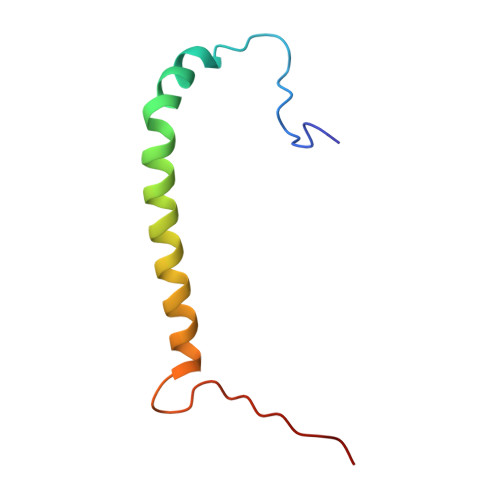 Click to view 3D structure Click to view 3D structure | Sodium/potassium-transporting ATPase subunit gamma | P54710 | Humans | Known | This organochloride inhibits Na+/K+ ATPase and Ca2+ and Mg2+ ATPase, which are essential for the transport of calcium across membranes. This results in the accumulation of intracellular free calcium ions, which promotes release of neurotransmitters from storage vesicles, the subsequent depolarization of adjacent neurons, and the propagation of stimuli throughout the central nervous system. (T10) |
![[Pyruvate dehydrogenase (acetyl-transferring)] kinase isozyme 1, mitochondrial structure](https://cdn.rcsb.org/images/structures/2q8f_assembly-1.jpeg) Click to view 3D structure Click to view 3D structure | [Pyruvate dehydrogenase (acetyl-transferring)] kinase isozyme 1, mitochondrial | Q15118 | Humans | Known | The toxic and carcinogenic effects of trichloroethylene are believed to be cause mainly by its metabolites, including trichloroacetic acid, dichloroacetic acid, and chloral hydrate. The nephrotoxicity and nephrocarcinogenicity of TRI have been attributed to glutathione conjunction, which forms reactive, sulfur-containing metabolites. Dichloroacetic acid is known to inhibit pyruvate dehydrogenase kinase. (A50) |
![[Pyruvate dehydrogenase (acetyl-transferring)] kinase isozyme 2, mitochondrial structure](https://cdn.rcsb.org/images/structures/2btz_assembly-1.jpeg) Click to view 3D structure Click to view 3D structure | [Pyruvate dehydrogenase (acetyl-transferring)] kinase isozyme 2, mitochondrial | Q15119 | Humans | Known | The toxic and carcinogenic effects of trichloroethylene are believed to be cause mainly by its metabolites, including trichloroacetic acid, dichloroacetic acid, and chloral hydrate. The nephrotoxicity and nephrocarcinogenicity of TRI have been attributed to glutathione conjunction, which forms reactive, sulfur-containing metabolites. Dichloroacetic acid is known to inhibit pyruvate dehydrogenase kinase. (A50) |
![[Pyruvate dehydrogenase (acetyl-transferring)] kinase isozyme 3, mitochondrial structure](https://cdn.rcsb.org/images/structures/1y8n_assembly-1.jpeg) Click to view 3D structure Click to view 3D structure | [Pyruvate dehydrogenase (acetyl-transferring)] kinase isozyme 3, mitochondrial | Q15120 | Humans | Known | The toxic and carcinogenic effects of trichloroethylene are believed to be cause mainly by its metabolites, including trichloroacetic acid, dichloroacetic acid, and chloral hydrate. The nephrotoxicity and nephrocarcinogenicity of TRI have been attributed to glutathione conjunction, which forms reactive, sulfur-containing metabolites. Dichloroacetic acid is known to inhibit pyruvate dehydrogenase kinase. (A50) |
![[Pyruvate dehydrogenase (acetyl-transferring)] kinase isozyme 4, mitochondrial structure](https://cdn.rcsb.org/images/structures/2e0a_assembly-1.jpeg) Click to view 3D structure Click to view 3D structure | [Pyruvate dehydrogenase (acetyl-transferring)] kinase isozyme 4, mitochondrial | Q16654 | Humans | Known | The toxic and carcinogenic effects of trichloroethylene are believed to be cause mainly by its metabolites, including trichloroacetic acid, dichloroacetic acid, and chloral hydrate. The nephrotoxicity and nephrocarcinogenicity of TRI have been attributed to glutathione conjunction, which forms reactive, sulfur-containing metabolites. Dichloroacetic acid is known to inhibit pyruvate dehydrogenase kinase. (A50) |