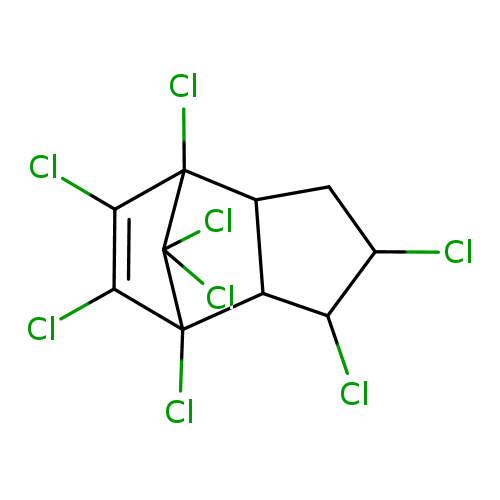
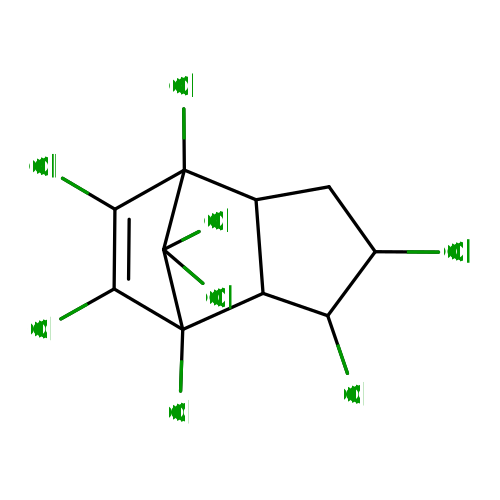
Click to view 3D structure Click to view 3D structure | Sigma non-opioid intracellular receptor 1 | Q99720 | Humans | Predicted (SEA) | 7776.83 |
 Click to view 3D structure Click to view 3D structure | Transporter | Q63380 | Rattus norvegicus | Predicted (SEA) | 7318.45 |
 Click to view 3D structure Click to view 3D structure | Cytochrome P450 2B6 | P20813 | Humans | Predicted (SEA) | 7754.41 |
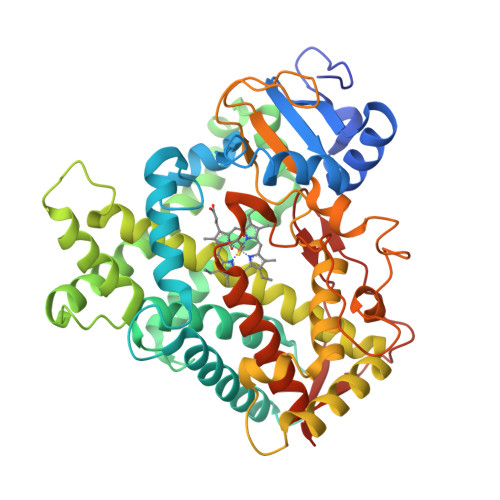 Click to view 3D structure Click to view 3D structure | Cytochrome P450 2C9 | P11712 | Humans | Predicted (SEA) | 7780.02 |
 Click to view 3D structure Click to view 3D structure | histidine kinase | O32393 | Arthrospira platensis | Predicted (SEA) | 0.233548 |
| Click to view 3D structure | GABA receptor subunit | Q75NA5 | Musca domestica | Predicted (SEA) | 0.0778492 |
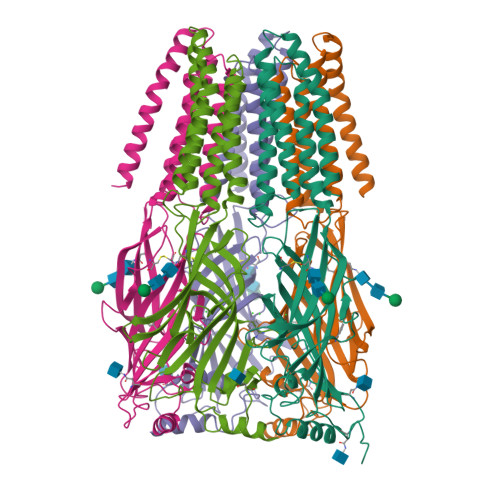 Click to view 3D structure Click to view 3D structure | Gamma-aminobutyric acid receptor subunit beta-3 | P28472 | Humans | Predicted (SEA) | 1.01204 |
 Click to view 3D structure Click to view 3D structure | Gamma-aminobutyric acid receptor subunit rho-1 | P24046 | Humans | Predicted (SEA) | 98.3236 |
 Click to view 3D structure Click to view 3D structure | Cytochrome P450 2C19 | P33261 | Humans | Predicted (SEA) | 7767.09 |
![Amine oxidase [flavin-containing] B structure](https://cdn.rcsb.org/images/structures/1gos_assembly-1.jpeg) Click to view 3D structure Click to view 3D structure | Amine oxidase [flavin-containing] B | P27338 | Humans | Predicted (SEA) | 7677.72 |
| Click to view 3D structure | Sodium-dependent serotonin transporter | P31652 | Rattus norvegicus | Predicted (SEA) | 7676.48 |
| Click to view 3D structure | Sodium-dependent dopamine transporter | P23977 | Rattus norvegicus | Predicted (SEA) | 7578.7 |
 Click to view 3D structure Click to view 3D structure | WD repeat-containing protein 91 | A4D1P6 | Humans | Predicted (SEA) | 2591.44 |
 Click to view 3D structure Click to view 3D structure | Sodium-dependent serotonin transporter | P31645 | Humans | Predicted (SEA) | 7767.33 |
![Amine oxidase [flavin-containing] A structure](https://cdn.rcsb.org/images/structures/2bxr_assembly-1.jpeg) Click to view 3D structure Click to view 3D structure | Amine oxidase [flavin-containing] A | P21397 | Humans | Predicted (SEA) | 7713.85 |
 Click to view 3D structure Click to view 3D structure | Sodium-dependent dopamine transporter | Q01959 | Humans | Predicted (SEA) | 7772.31 |
 Click to view 3D structure Click to view 3D structure | Sodium-dependent noradrenaline transporter | P23975 | Humans | Predicted (SEA) | 7770.91 |
 Click to view 3D structure Click to view 3D structure | Cytochrome P450 2D6 | P10635 | Humans | Predicted (SEA) | 7777.68 |
 Click to view 3D structure Click to view 3D structure | Cytochrome P450 3A4 | P08684 | Humans | Predicted (SEA) | 7778.93 |
 Click to view 3D structure Click to view 3D structure | Cytochrome P450 1A2 | P05177 | Humans | Predicted (SEA) | 7772.47 |
 Click to view 3D structure Click to view 3D structure | Voltage-gated inwardly rectifying potassium channel KCNH2 | Q12809 | Humans | Predicted (SEA) | 7778.69 |
| Click to view 3D structure | Kynurenine 3-monooxygenase | P38169 | Saccharomyces cerevisiae (strain ATCC 204508 / S288c) (Baker's yeast) | Predicted (SEA) | 1755.42 |
 Click to view 3D structure Click to view 3D structure | Lysine-specific histone demethylase 1A | O60341 | Humans | Predicted (SEA) | 7664.41 |
| Click to view 3D structure | Sigma non-opioid intracellular receptor 1 | Q60492 | Cavia porcellus | Predicted (SEA) | 7716.96 |
 Click to view 3D structure Click to view 3D structure | Histamine H1 receptor | P35367 | Humans | Predicted (SEA) | 7770.83 |
 Click to view 3D structure Click to view 3D structure | Retinoic acid receptor beta | P10826 | Humans | Known | Chlordane has been shown to bind and activate retinoic acid receptor, causing various developmental defects. (A53) |
| Click to view 3D structure | Cytochrome P450 2B6 | P20813 | Humans | Known | Chlordane induces hepatic cytochrome P-450, causing a large increase in the volume of the smooth endoplasmic reticulum, which results in hepatocellular enlargement and hypertrophy. (L91, A68) |
| Click to view 3D structure | Cytochrome P450 3A4 | P08684 | Humans | Known | Chlordane induces hepatic cytochrome P-450, causing a large increase in the volume of the smooth endoplasmic reticulum, which results in hepatocellular enlargement and hypertrophy. (L91, A68) |
| Click to view 3D structure | Cytochrome P450 3A43 | Q9HB55 | Humans | Known | Chlordane induces hepatic cytochrome P-450, causing a large increase in the volume of the smooth endoplasmic reticulum, which results in hepatocellular enlargement and hypertrophy. (L91, A68) |
 Click to view 3D structure Click to view 3D structure | Cytochrome P450 3A5 | P20815 | Humans | Known | Chlordane induces hepatic cytochrome P-450, causing a large increase in the volume of the smooth endoplasmic reticulum, which results in hepatocellular enlargement and hypertrophy. (L91, A68) |
 Click to view 3D structure Click to view 3D structure | Cytochrome P450 3A7 | P24462 | Humans | Known | Chlordane induces hepatic cytochrome P-450, causing a large increase in the volume of the smooth endoplasmic reticulum, which results in hepatocellular enlargement and hypertrophy. (L91, A68) |
 Click to view 3D structure Click to view 3D structure | Estrogen receptor | P03372 | Humans | Known | Causes endocrine disruption in humans by binding to and inhibiting the estrogen receptor. (A590) |
 Click to view 3D structure Click to view 3D structure | Estrogen receptor beta | Q92731 | Humans | Known | Causes endocrine disruption in humans by binding to and inhibiting the estrogen receptor. (A590) |
 Click to view 3D structure Click to view 3D structure | Alkaline phosphatase, tissue-nonspecific isozyme | P05186 | Humans | Known | Chlordane inhibit alkaline phosphatases in hepatic and renal tissues. (A69) |
 Click to view 3D structure Click to view 3D structure | Calcium-transporting ATPase type 2C member 1 | P98194 | Humans | Known | This organochloride inhibits Na+/K+ ATPase and Ca2+ and Mg2+ ATPase, which are essential for the transport of calcium across membranes. This results in the accumulation of intracellular free calcium ions, which promotes release of neurotransmitters from storage vesicles, the subsequent depolarization of adjacent neurons, and the propagation of stimuli throughout the central nervous system. (T10) |
 Click to view 3D structure Click to view 3D structure | Estrogen-related receptor gamma | P62508 | Humans | Known | Chlordane affects transcription by antagonizing estrogen-related receptors. (A52) |
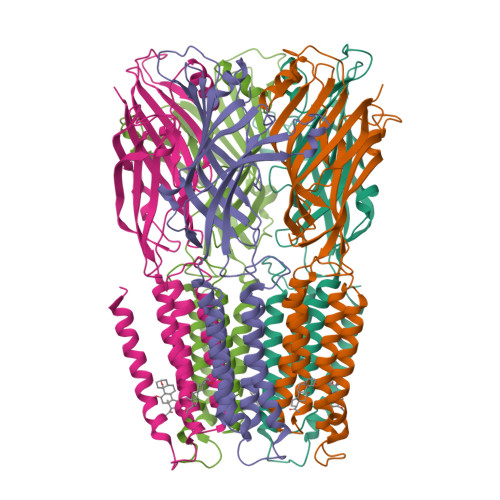 Click to view 3D structure Click to view 3D structure | Gamma-aminobutyric acid receptor subunit alpha-1 | P14867 | Humans | Known | This organochloride antagonizes the action of the neurotransmitter gamma-aminobutyric acid (GABA) acting at the GABA-A receptors, effectively blocking the GABA-induced uptake of chloride ions and causing hyperexcitability of the central nervous system. (T10) |
 Click to view 3D structure Click to view 3D structure | Gamma-aminobutyric acid receptor subunit alpha-2 | P47869 | Humans | Known | This organochloride antagonizes the action of the neurotransmitter gamma-aminobutyric acid (GABA) acting at the GABA-A receptors, effectively blocking the GABA-induced uptake of chloride ions and causing hyperexcitability of the central nervous system. (T10) |
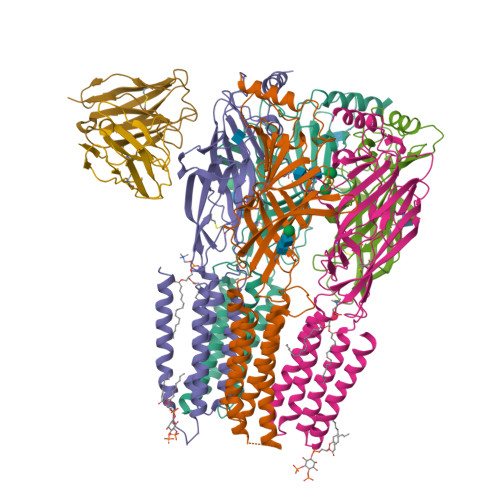 Click to view 3D structure Click to view 3D structure | Gamma-aminobutyric acid receptor subunit alpha-3 | P34903 | Humans | Known | This organochloride antagonizes the action of the neurotransmitter gamma-aminobutyric acid (GABA) acting at the GABA-A receptors, effectively blocking the GABA-induced uptake of chloride ions and causing hyperexcitability of the central nervous system. (T10) |
 Click to view 3D structure Click to view 3D structure | Gamma-aminobutyric acid receptor subunit alpha-4 | P48169 | Humans | Known | This organochloride antagonizes the action of the neurotransmitter gamma-aminobutyric acid (GABA) acting at the GABA-A receptors, effectively blocking the GABA-induced uptake of chloride ions and causing hyperexcitability of the central nervous system. (T10) |
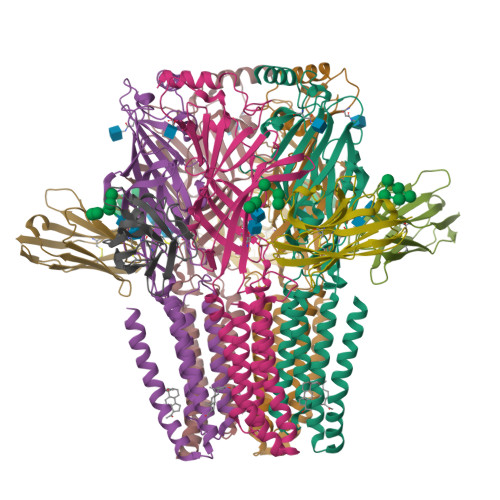 Click to view 3D structure Click to view 3D structure | Gamma-aminobutyric acid receptor subunit alpha-5 | P31644 | Humans | Known | This organochloride antagonizes the action of the neurotransmitter gamma-aminobutyric acid (GABA) acting at the GABA-A receptors, effectively blocking the GABA-induced uptake of chloride ions and causing hyperexcitability of the central nervous system. (T10) |
| Click to view 3D structure | Gamma-aminobutyric acid receptor subunit alpha-6 | Q16445 | Humans | Known | This organochloride antagonizes the action of the neurotransmitter gamma-aminobutyric acid (GABA) acting at the GABA-A receptors, effectively blocking the GABA-induced uptake of chloride ions and causing hyperexcitability of the central nervous system. (T10) |
 Click to view 3D structure Click to view 3D structure | Gamma-aminobutyric acid receptor subunit beta-1 | P18505 | Humans | Known | This organochloride antagonizes the action of the neurotransmitter gamma-aminobutyric acid (GABA) acting at the GABA-A receptors, effectively blocking the GABA-induced uptake of chloride ions and causing hyperexcitability of the central nervous system. (T10) |
 Click to view 3D structure Click to view 3D structure | Gamma-aminobutyric acid receptor subunit beta-2 | P47870 | Humans | Known | This organochloride antagonizes the action of the neurotransmitter gamma-aminobutyric acid (GABA) acting at the GABA-A receptors, effectively blocking the GABA-induced uptake of chloride ions and causing hyperexcitability of the central nervous system. (T10) |
| Click to view 3D structure | Gamma-aminobutyric acid receptor subunit beta-3 | P28472 | Humans | Known | This organochloride antagonizes the action of the neurotransmitter gamma-aminobutyric acid (GABA) acting at the GABA-A receptors, effectively blocking the GABA-induced uptake of chloride ions and causing hyperexcitability of the central nervous system. (T10) |
| Click to view 3D structure | Gamma-aminobutyric acid receptor subunit delta | O14764 | Humans | Known | This organochloride antagonizes the action of the neurotransmitter gamma-aminobutyric acid (GABA) acting at the GABA-A receptors, effectively blocking the GABA-induced uptake of chloride ions and causing hyperexcitability of the central nervous system. (T10) |
| Click to view 3D structure | Gamma-aminobutyric acid receptor subunit epsilon | P78334 | Humans | Known | This organochloride antagonizes the action of the neurotransmitter gamma-aminobutyric acid (GABA) acting at the GABA-A receptors, effectively blocking the GABA-induced uptake of chloride ions and causing hyperexcitability of the central nervous system. (T10) |
| Click to view 3D structure | Gamma-aminobutyric acid receptor subunit gamma-1 | Q8N1C3 | Humans | Known | This organochloride antagonizes the action of the neurotransmitter gamma-aminobutyric acid (GABA) acting at the GABA-A receptors, effectively blocking the GABA-induced uptake of chloride ions and causing hyperexcitability of the central nervous system. (T10) |
| Click to view 3D structure | Gamma-aminobutyric acid receptor subunit gamma-2 | P18507 | Humans | Known | This organochloride antagonizes the action of the neurotransmitter gamma-aminobutyric acid (GABA) acting at the GABA-A receptors, effectively blocking the GABA-induced uptake of chloride ions and causing hyperexcitability of the central nervous system. (T10) |
| Click to view 3D structure | Gamma-aminobutyric acid receptor subunit gamma-3 | Q99928 | Humans | Known | This organochloride antagonizes the action of the neurotransmitter gamma-aminobutyric acid (GABA) acting at the GABA-A receptors, effectively blocking the GABA-induced uptake of chloride ions and causing hyperexcitability of the central nervous system. (T10) |
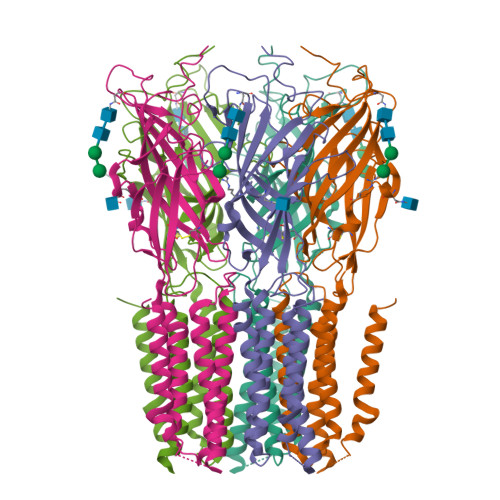 Click to view 3D structure Click to view 3D structure | Gamma-aminobutyric acid receptor subunit pi | O00591 | Humans | Known | This organochloride antagonizes the action of the neurotransmitter gamma-aminobutyric acid (GABA) acting at the GABA-A receptors, effectively blocking the GABA-induced uptake of chloride ions and causing hyperexcitability of the central nervous system. (T10) |
| Click to view 3D structure | Gamma-aminobutyric acid receptor subunit rho-1 | P24046 | Humans | Known | This organochloride antagonizes the action of the neurotransmitter gamma-aminobutyric acid (GABA) acting at the GABA-A receptors, effectively blocking the GABA-induced uptake of chloride ions and causing hyperexcitability of the central nervous system. (T10) |
| Click to view 3D structure | Gamma-aminobutyric acid receptor subunit rho-2 | P28476 | Humans | Known | This organochloride antagonizes the action of the neurotransmitter gamma-aminobutyric acid (GABA) acting at the GABA-A receptors, effectively blocking the GABA-induced uptake of chloride ions and causing hyperexcitability of the central nervous system. (T10) |
| Click to view 3D structure | Gamma-aminobutyric acid receptor subunit rho-3 | A8MPY1 | Humans | Known | This organochloride antagonizes the action of the neurotransmitter gamma-aminobutyric acid (GABA) acting at the GABA-A receptors, effectively blocking the GABA-induced uptake of chloride ions and causing hyperexcitability of the central nervous system. (T10) |
| Click to view 3D structure | Gamma-aminobutyric acid receptor subunit theta | Q9UN88 | Humans | Known | This organochloride antagonizes the action of the neurotransmitter gamma-aminobutyric acid (GABA) acting at the GABA-A receptors, effectively blocking the GABA-induced uptake of chloride ions and causing hyperexcitability of the central nervous system. (T10) |
 Click to view 3D structure Click to view 3D structure | Retinoic acid receptor gamma | P13631 | Humans | Known | Chlordane has been shown to bind and activate retinoic acid receptor, causing various developmental defects. (A53) |
| Click to view 3D structure | Sarcoplasmic/endoplasmic reticulum calcium ATPase 1 | O14983 | Humans | Known | This organochloride inhibits Na+/K+ ATPase and Ca2+ and Mg2+ ATPase, which are essential for the transport of calcium across membranes. This results in the accumulation of intracellular free calcium ions, which promotes release of neurotransmitters from storage vesicles, the subsequent depolarization of adjacent neurons, and the propagation of stimuli throughout the central nervous system. (T10) |
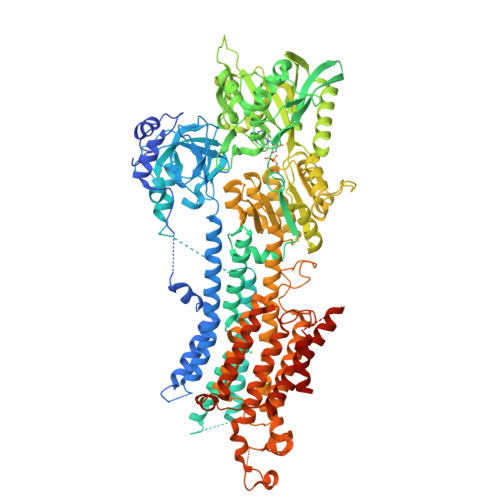 Click to view 3D structure Click to view 3D structure | Sarcoplasmic/endoplasmic reticulum calcium ATPase 2 | P16615 | Humans | Known | This organochloride inhibits Na+/K+ ATPase and Ca2+ and Mg2+ ATPase, which are essential for the transport of calcium across membranes. This results in the accumulation of intracellular free calcium ions, which promotes release of neurotransmitters from storage vesicles, the subsequent depolarization of adjacent neurons, and the propagation of stimuli throughout the central nervous system. (T10) |
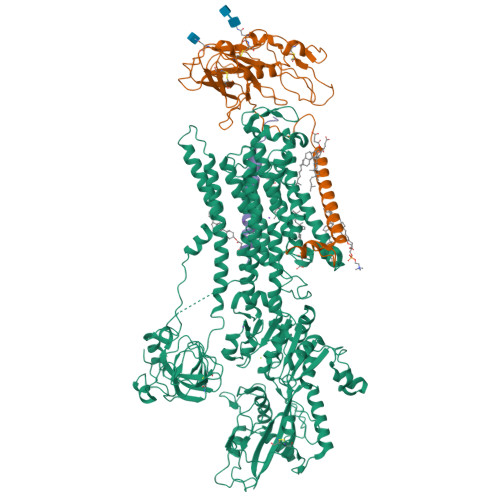 Click to view 3D structure Click to view 3D structure | Sodium/potassium-transporting ATPase subunit alpha-1 | P05023 | Humans | Known | This organochloride inhibits Na+/K+ ATPase and Ca2+ and Mg2+ ATPase, which are essential for the transport of calcium across membranes. This results in the accumulation of intracellular free calcium ions, which promotes release of neurotransmitters from storage vesicles, the subsequent depolarization of adjacent neurons, and the propagation of stimuli throughout the central nervous system. (T10) |
| Click to view 3D structure | Sodium/potassium-transporting ATPase subunit alpha-2 | P50993 | Humans | Known | This organochloride inhibits Na+/K+ ATPase and Ca2+ and Mg2+ ATPase, which are essential for the transport of calcium across membranes. This results in the accumulation of intracellular free calcium ions, which promotes release of neurotransmitters from storage vesicles, the subsequent depolarization of adjacent neurons, and the propagation of stimuli throughout the central nervous system. (T10) |
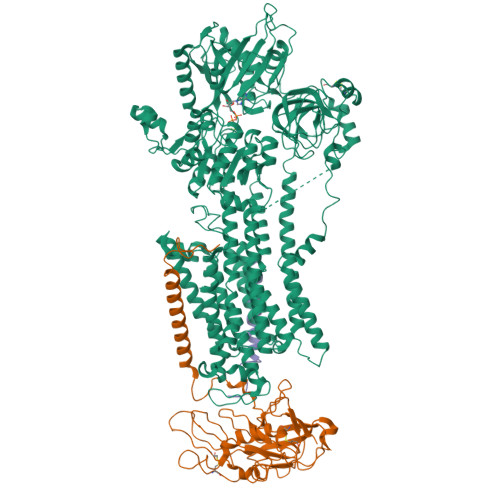 Click to view 3D structure Click to view 3D structure | Sodium/potassium-transporting ATPase subunit alpha-3 | P13637 | Humans | Known | This organochloride inhibits Na+/K+ ATPase and Ca2+ and Mg2+ ATPase, which are essential for the transport of calcium across membranes. This results in the accumulation of intracellular free calcium ions, which promotes release of neurotransmitters from storage vesicles, the subsequent depolarization of adjacent neurons, and the propagation of stimuli throughout the central nervous system. (T10) |
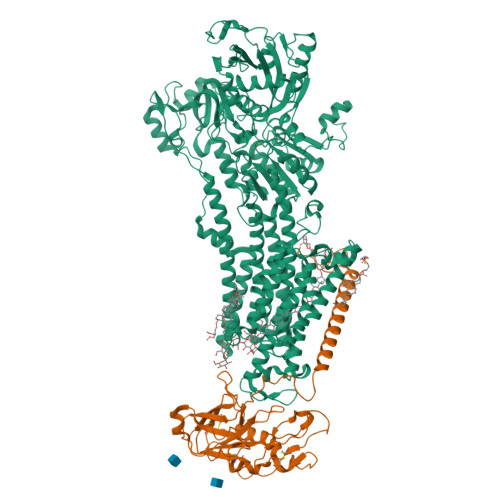 Click to view 3D structure Click to view 3D structure | Sodium/potassium-transporting ATPase subunit alpha-4 | Q13733 | Humans | Known | This organochloride inhibits Na+/K+ ATPase and Ca2+ and Mg2+ ATPase, which are essential for the transport of calcium across membranes. This results in the accumulation of intracellular free calcium ions, which promotes release of neurotransmitters from storage vesicles, the subsequent depolarization of adjacent neurons, and the propagation of stimuli throughout the central nervous system. (T10) |
| Click to view 3D structure | Sodium/potassium-transporting ATPase subunit beta-1 | P05026 | Humans | Known | This organochloride inhibits Na+/K+ ATPase and Ca2+ and Mg2+ ATPase, which are essential for the transport of calcium across membranes. This results in the accumulation of intracellular free calcium ions, which promotes release of neurotransmitters from storage vesicles, the subsequent depolarization of adjacent neurons, and the propagation of stimuli throughout the central nervous system. (T10) |
| Click to view 3D structure | Sodium/potassium-transporting ATPase subunit beta-2 | P14415 | Humans | Known | This organochloride inhibits Na+/K+ ATPase and Ca2+ and Mg2+ ATPase, which are essential for the transport of calcium across membranes. This results in the accumulation of intracellular free calcium ions, which promotes release of neurotransmitters from storage vesicles, the subsequent depolarization of adjacent neurons, and the propagation of stimuli throughout the central nervous system. (T10) |
| Click to view 3D structure | Sodium/potassium-transporting ATPase subunit beta-3 | P54709 | Humans | Known | This organochloride inhibits Na+/K+ ATPase and Ca2+ and Mg2+ ATPase, which are essential for the transport of calcium across membranes. This results in the accumulation of intracellular free calcium ions, which promotes release of neurotransmitters from storage vesicles, the subsequent depolarization of adjacent neurons, and the propagation of stimuli throughout the central nervous system. (T10) |
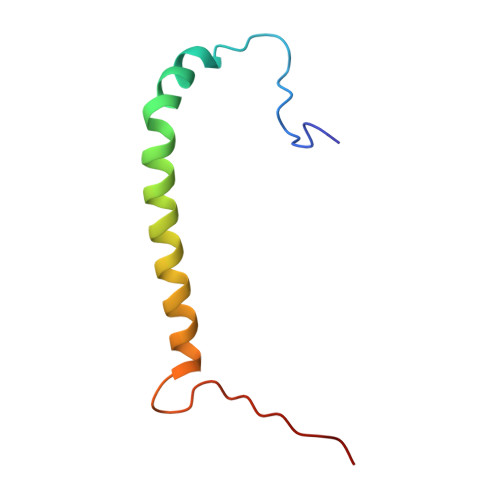 Click to view 3D structure Click to view 3D structure | Sodium/potassium-transporting ATPase subunit gamma | P54710 | Humans | Known | This organochloride inhibits Na+/K+ ATPase and Ca2+ and Mg2+ ATPase, which are essential for the transport of calcium across membranes. This results in the accumulation of intracellular free calcium ions, which promotes release of neurotransmitters from storage vesicles, the subsequent depolarization of adjacent neurons, and the propagation of stimuli throughout the central nervous system. (T10) |
 Click to view 3D structure Click to view 3D structure | Steroid hormone receptor ERR1 | P11474 | Humans | Known | Chlordane affects transcription by antagonizing estrogen-related receptors. (A52) |
 Click to view 3D structure Click to view 3D structure | Steroid hormone receptor ERR2 | O95718 | Humans | Known | Chlordane affects transcription by antagonizing estrogen-related receptors. (A52) |
 Click to view 3D structure Click to view 3D structure | Retinoic acid receptor alpha | P10276 | Humans | Known | Not Available |
 Click to view 3D structure Click to view 3D structure | Nuclear receptor subfamily 1 group I member 2 | O75469 | Humans | Known | Not Available |
 Click to view 3D structure Click to view 3D structure | Vitamin D3 receptor | P11473 | Humans | Known | Not Available |
| Click to view 3D structure | Cytochrome P450 2C19 | P33261 | Humans | Known | Not Available |