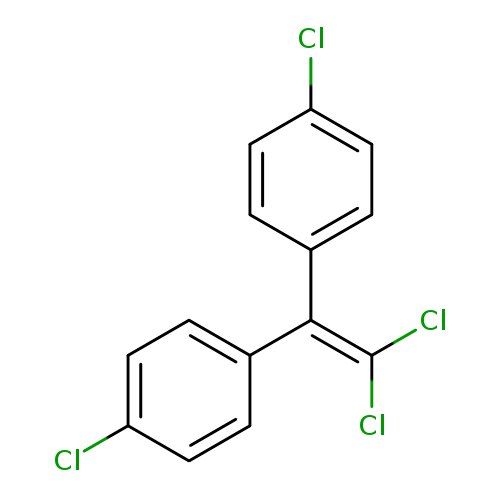
Click to view 3D structure Click to view 3D structure | Alkaline phosphatase, tissue-nonspecific isozyme | P05186 | Humans | Predicted (SEA) | 35.7328 |
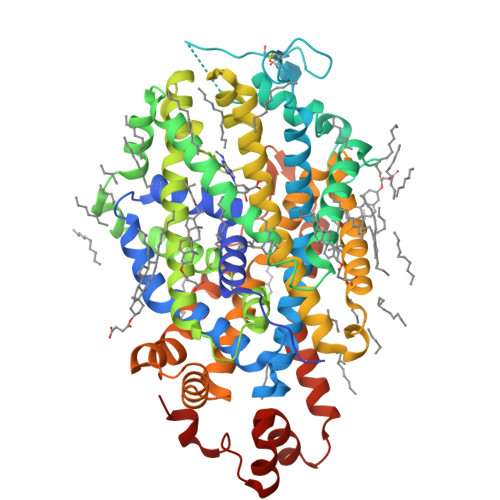 Click to view 3D structure Click to view 3D structure | Sodium-dependent dopamine transporter | Q01959 | Humans | Predicted (SEA) | 1092.69 |
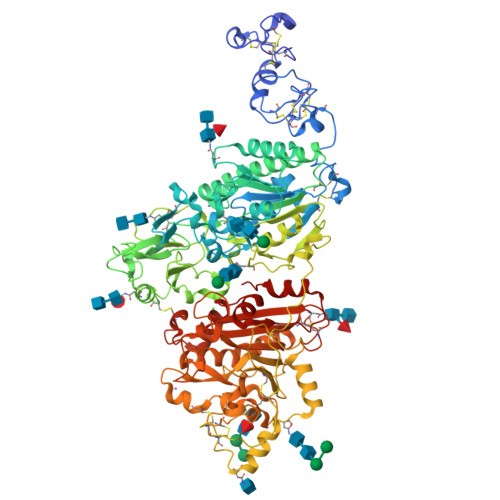 Click to view 3D structure Click to view 3D structure | Ectonucleotide pyrophosphatase/phosphodiesterase family member 3 | O14638 | Humans | Predicted (SEA) | 59.0876 |
 Click to view 3D structure Click to view 3D structure | Dual specificity tyrosine-phosphorylation-regulated kinase 1A | Q13627 | Humans | Predicted (SEA) | 3173.76 |
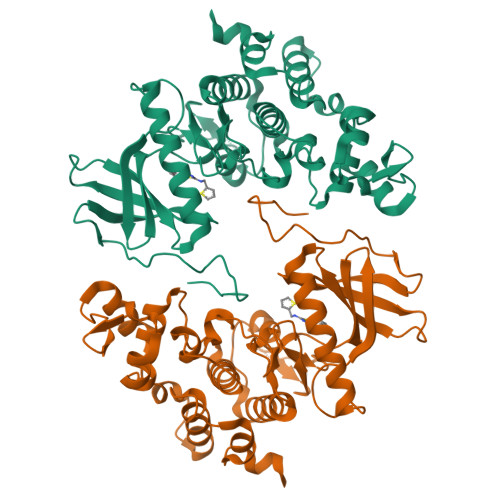 Click to view 3D structure Click to view 3D structure | Dual specificity protein kinase CLK2 | P49760 | Humans | Predicted (SEA) | 2886.18 |
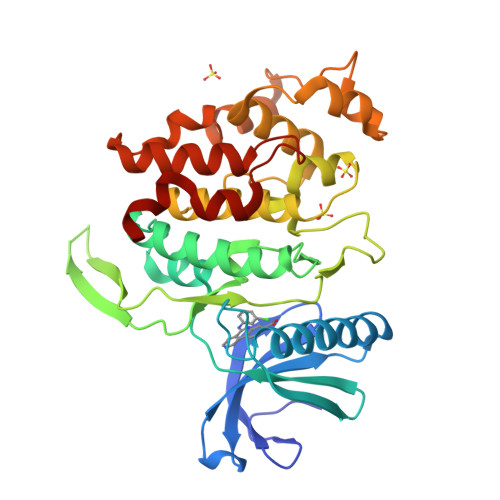 Click to view 3D structure Click to view 3D structure | Dual specificity protein kinase CLK4 | Q9HAZ1 | Humans | Predicted (SEA) | 2887.97 |
 Click to view 3D structure Click to view 3D structure | Kynurenine 3-monooxygenase | P38169 | Saccharomyces cerevisiae (strain ATCC 204508 / S288c) (Baker's yeast) | Predicted (SEA) | 16.8154 |
 Click to view 3D structure Click to view 3D structure | Sigma non-opioid intracellular receptor 1 | Q99720 | Humans | Predicted (SEA) | 2046.97 |
| Click to view 3D structure | Sodium-dependent serotonin transporter | P31652 | Rattus norvegicus | Predicted (SEA) | 983.391 |
| Click to view 3D structure | Streptokinase A | P10520 | Streptococcus pyogenes serotype M1 | Predicted (SEA) | 1396.23 |
 Click to view 3D structure Click to view 3D structure | Sodium-dependent serotonin transporter | P31645 | Humans | Predicted (SEA) | 1949.58 |
 Click to view 3D structure Click to view 3D structure | 5-hydroxytryptamine receptor 2C | P28335 | Humans | Predicted (SEA) | 2667.35 |
 Click to view 3D structure Click to view 3D structure | Glycogen synthase kinase-3 beta | P49841 | Humans | Predicted (SEA) | 3802.55 |
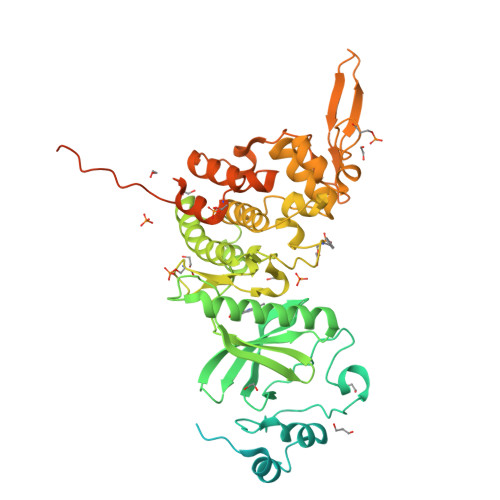 Click to view 3D structure Click to view 3D structure | Dual specificity tyrosine-phosphorylation-regulated kinase 3 | O43781 | Humans | Predicted (SEA) | 2112.13 |
| Click to view 3D structure | Dual specificity tyrosine-phosphorylation-regulated kinase 4 | Q9NR20 | Humans | Predicted (SEA) | 2058.8 |
 Click to view 3D structure Click to view 3D structure | Aromatase | P11511 | Humans | Predicted (SEA) | 319.415 |
| Click to view 3D structure | Sodium-dependent dopamine transporter | P23977 | Rattus norvegicus | Predicted (SEA) | 680.636 |
 Click to view 3D structure Click to view 3D structure | Epidermal growth factor receptor | P00533 | Humans | Predicted (SEA) | 3934.27 |
| Click to view 3D structure | Methionine--tRNA ligase | A0A3N3ZFK4 | Enterococcus faecalis | Predicted (SEA) | 15.8034 |
| Click to view 3D structure | Methionine--tRNA ligase | P67578 | Staphylococcus aureus (strain Mu50 / ATCC 700699) | Predicted (SEA) | 15.8034 |
| Click to view 3D structure | Perilipin-1 | O60240 | Humans | Predicted (SEA) | 93.5748 |
 Click to view 3D structure Click to view 3D structure | 5-hydroxytryptamine receptor 1A | P08908 | Humans | Predicted (SEA) | 2825.69 |
| Click to view 3D structure | Transporter | Q63380 | Rattus norvegicus | Predicted (SEA) | 197.348 |
 Click to view 3D structure Click to view 3D structure | D(3) dopamine receptor | P35462 | Humans | Predicted (SEA) | 2747.92 |
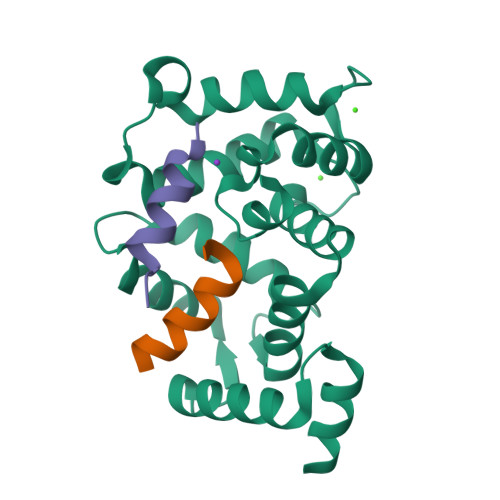 Click to view 3D structure Click to view 3D structure | D(2) dopamine receptor | P14416 | Humans | Predicted (SEA) | 3189.25 |
 Click to view 3D structure Click to view 3D structure | Nuclear receptor subfamily 1 group I member 2 | O75469 | Humans | Known | Not Available |
 Click to view 3D structure Click to view 3D structure | Estrogen receptor | P03372 | Humans | Known | Causes endocrine disruption in humans by binding to and inhibiting the estrogen receptor. (A590) |
 Click to view 3D structure Click to view 3D structure | Estrogen receptor beta | Q92731 | Humans | Known | Causes endocrine disruption in humans by binding to and inhibiting the estrogen receptor. (A590) |
 Click to view 3D structure Click to view 3D structure | Androgen receptor | P10275 | Humans | Known | DDE is also believed to adversely affect the reproductive system by mimicking endogenous hormones and binding to the estrogen and adrogen receptors. (L85) |
 Click to view 3D structure Click to view 3D structure | Calcium-transporting ATPase type 2C member 1 | P98194 | Humans | Known | This organochloride inhibits Na+/K+ ATPase and Ca2+ and Mg2+ ATPase, which are essential for the transport of calcium across membranes. This results in the accumulation of intracellular free calcium ions, which promotes release of neurotransmitters from storage vesicles, the subsequent depolarization of adjacent neurons, and the propagation of stimuli throughout the central nervous system. (T10) |
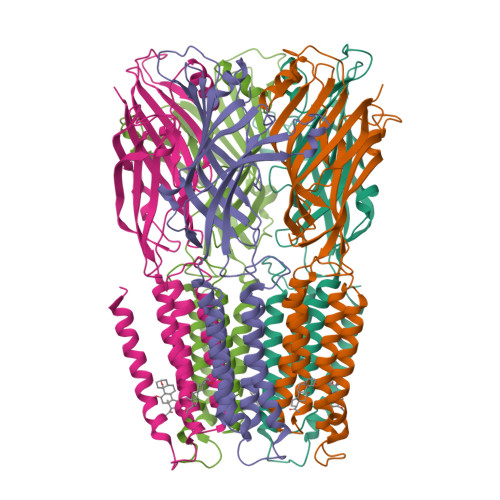 Click to view 3D structure Click to view 3D structure | Gamma-aminobutyric acid receptor subunit alpha-1 | P14867 | Humans | Known | This organochloride antagonizes the action of the neurotransmitter gamma-aminobutyric acid (GABA) acting at the GABA-A receptors, effectively blocking the GABA-induced uptake of chloride ions and causing hyperexcitability of the central nervous system. (T10) |
 Click to view 3D structure Click to view 3D structure | Gamma-aminobutyric acid receptor subunit alpha-2 | P47869 | Humans | Known | This organochloride antagonizes the action of the neurotransmitter gamma-aminobutyric acid (GABA) acting at the GABA-A receptors, effectively blocking the GABA-induced uptake of chloride ions and causing hyperexcitability of the central nervous system. (T10) |
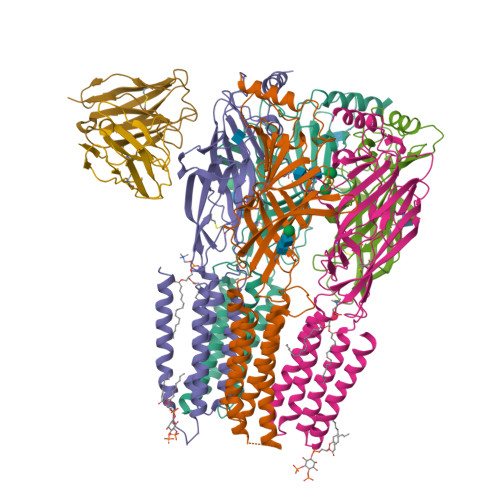 Click to view 3D structure Click to view 3D structure | Gamma-aminobutyric acid receptor subunit alpha-3 | P34903 | Humans | Known | This organochloride antagonizes the action of the neurotransmitter gamma-aminobutyric acid (GABA) acting at the GABA-A receptors, effectively blocking the GABA-induced uptake of chloride ions and causing hyperexcitability of the central nervous system. (T10) |
 Click to view 3D structure Click to view 3D structure | Gamma-aminobutyric acid receptor subunit alpha-4 | P48169 | Humans | Known | This organochloride antagonizes the action of the neurotransmitter gamma-aminobutyric acid (GABA) acting at the GABA-A receptors, effectively blocking the GABA-induced uptake of chloride ions and causing hyperexcitability of the central nervous system. (T10) |
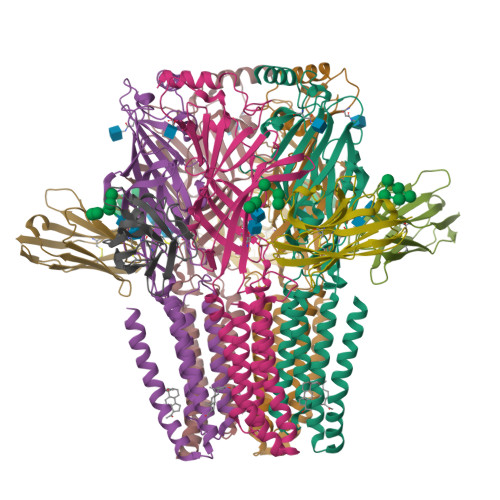 Click to view 3D structure Click to view 3D structure | Gamma-aminobutyric acid receptor subunit alpha-5 | P31644 | Humans | Known | This organochloride antagonizes the action of the neurotransmitter gamma-aminobutyric acid (GABA) acting at the GABA-A receptors, effectively blocking the GABA-induced uptake of chloride ions and causing hyperexcitability of the central nervous system. (T10) |
| Click to view 3D structure | Gamma-aminobutyric acid receptor subunit alpha-6 | Q16445 | Humans | Known | This organochloride antagonizes the action of the neurotransmitter gamma-aminobutyric acid (GABA) acting at the GABA-A receptors, effectively blocking the GABA-induced uptake of chloride ions and causing hyperexcitability of the central nervous system. (T10) |
 Click to view 3D structure Click to view 3D structure | Gamma-aminobutyric acid receptor subunit beta-1 | P18505 | Humans | Known | This organochloride antagonizes the action of the neurotransmitter gamma-aminobutyric acid (GABA) acting at the GABA-A receptors, effectively blocking the GABA-induced uptake of chloride ions and causing hyperexcitability of the central nervous system. (T10) |
 Click to view 3D structure Click to view 3D structure | Gamma-aminobutyric acid receptor subunit beta-2 | P47870 | Humans | Known | This organochloride antagonizes the action of the neurotransmitter gamma-aminobutyric acid (GABA) acting at the GABA-A receptors, effectively blocking the GABA-induced uptake of chloride ions and causing hyperexcitability of the central nervous system. (T10) |
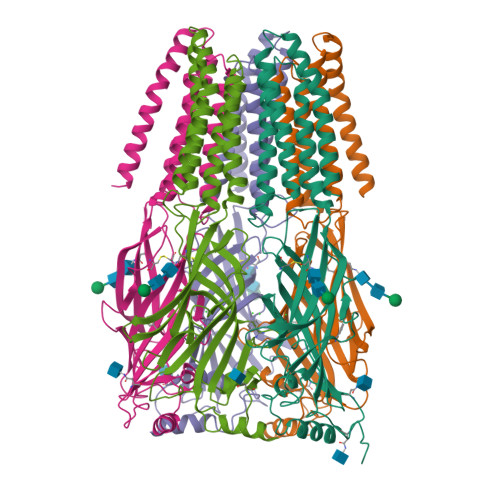 Click to view 3D structure Click to view 3D structure | Gamma-aminobutyric acid receptor subunit beta-3 | P28472 | Humans | Known | This organochloride antagonizes the action of the neurotransmitter gamma-aminobutyric acid (GABA) acting at the GABA-A receptors, effectively blocking the GABA-induced uptake of chloride ions and causing hyperexcitability of the central nervous system. (T10) |
| Click to view 3D structure | Gamma-aminobutyric acid receptor subunit delta | O14764 | Humans | Known | This organochloride antagonizes the action of the neurotransmitter gamma-aminobutyric acid (GABA) acting at the GABA-A receptors, effectively blocking the GABA-induced uptake of chloride ions and causing hyperexcitability of the central nervous system. (T10) |
| Click to view 3D structure | Gamma-aminobutyric acid receptor subunit epsilon | P78334 | Humans | Known | This organochloride antagonizes the action of the neurotransmitter gamma-aminobutyric acid (GABA) acting at the GABA-A receptors, effectively blocking the GABA-induced uptake of chloride ions and causing hyperexcitability of the central nervous system. (T10) |
| Click to view 3D structure | Gamma-aminobutyric acid receptor subunit gamma-1 | Q8N1C3 | Humans | Known | This organochloride antagonizes the action of the neurotransmitter gamma-aminobutyric acid (GABA) acting at the GABA-A receptors, effectively blocking the GABA-induced uptake of chloride ions and causing hyperexcitability of the central nervous system. (T10) |
| Click to view 3D structure | Gamma-aminobutyric acid receptor subunit gamma-2 | P18507 | Humans | Known | This organochloride antagonizes the action of the neurotransmitter gamma-aminobutyric acid (GABA) acting at the GABA-A receptors, effectively blocking the GABA-induced uptake of chloride ions and causing hyperexcitability of the central nervous system. (T10) |
| Click to view 3D structure | Gamma-aminobutyric acid receptor subunit gamma-3 | Q99928 | Humans | Known | This organochloride antagonizes the action of the neurotransmitter gamma-aminobutyric acid (GABA) acting at the GABA-A receptors, effectively blocking the GABA-induced uptake of chloride ions and causing hyperexcitability of the central nervous system. (T10) |
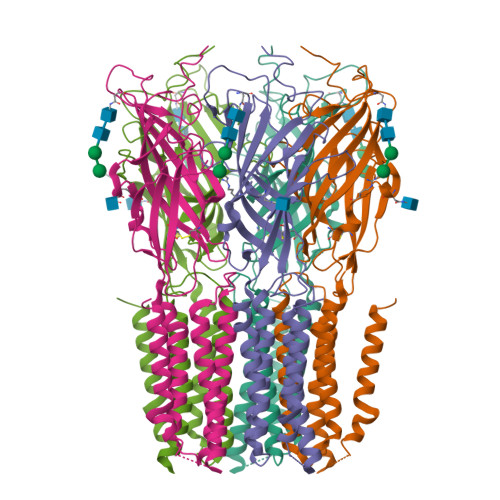 Click to view 3D structure Click to view 3D structure | Gamma-aminobutyric acid receptor subunit pi | O00591 | Humans | Known | This organochloride antagonizes the action of the neurotransmitter gamma-aminobutyric acid (GABA) acting at the GABA-A receptors, effectively blocking the GABA-induced uptake of chloride ions and causing hyperexcitability of the central nervous system. (T10) |
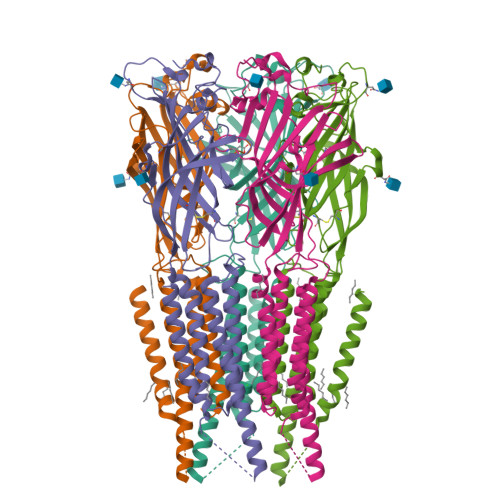 Click to view 3D structure Click to view 3D structure | Gamma-aminobutyric acid receptor subunit rho-1 | P24046 | Humans | Known | This organochloride antagonizes the action of the neurotransmitter gamma-aminobutyric acid (GABA) acting at the GABA-A receptors, effectively blocking the GABA-induced uptake of chloride ions and causing hyperexcitability of the central nervous system. (T10) |
| Click to view 3D structure | Gamma-aminobutyric acid receptor subunit rho-2 | P28476 | Humans | Known | This organochloride antagonizes the action of the neurotransmitter gamma-aminobutyric acid (GABA) acting at the GABA-A receptors, effectively blocking the GABA-induced uptake of chloride ions and causing hyperexcitability of the central nervous system. (T10) |
| Click to view 3D structure | Gamma-aminobutyric acid receptor subunit rho-3 | A8MPY1 | Humans | Known | This organochloride antagonizes the action of the neurotransmitter gamma-aminobutyric acid (GABA) acting at the GABA-A receptors, effectively blocking the GABA-induced uptake of chloride ions and causing hyperexcitability of the central nervous system. (T10) |
| Click to view 3D structure | Gamma-aminobutyric acid receptor subunit theta | Q9UN88 | Humans | Known | This organochloride antagonizes the action of the neurotransmitter gamma-aminobutyric acid (GABA) acting at the GABA-A receptors, effectively blocking the GABA-induced uptake of chloride ions and causing hyperexcitability of the central nervous system. (T10) |
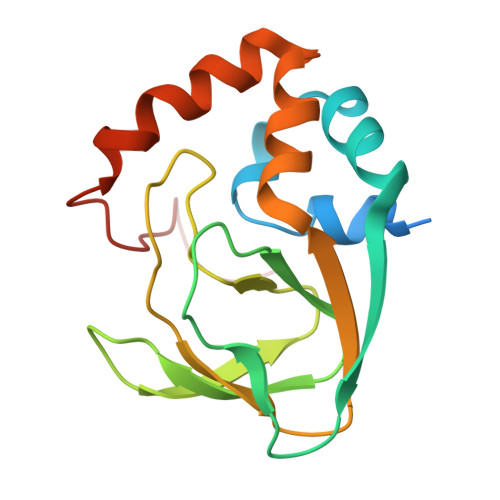 Click to view 3D structure Click to view 3D structure | Potassium/sodium hyperpolarization-activated cyclic nucleotide-gated channel 2 | Q9UL51 | Humans | Known | DDE inhibits the inactivation of voltaged-gated sodium channels. The channels activate (open) normally but are inactivated (closed) slowly, thus interfering with the active transport of sodium out of the nerve axon during repolarization and resulting in a state of hyperexcitability. (A99) |
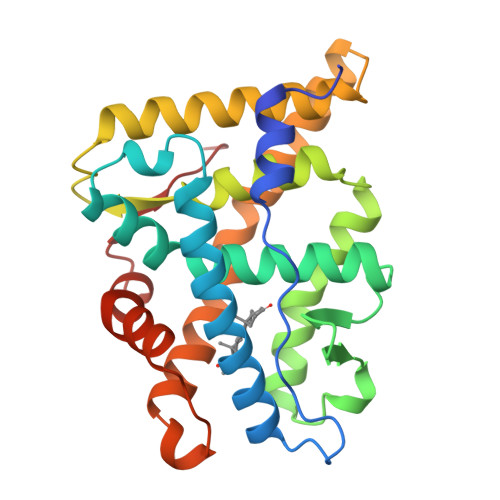 Click to view 3D structure Click to view 3D structure | Progesterone receptor | P06401 | Humans | Known | Not Available |
| Click to view 3D structure | Sarcoplasmic/endoplasmic reticulum calcium ATPase 1 | O14983 | Humans | Known | This organochloride inhibits Na+/K+ ATPase and Ca2+ and Mg2+ ATPase, which are essential for the transport of calcium across membranes. This results in the accumulation of intracellular free calcium ions, which promotes release of neurotransmitters from storage vesicles, the subsequent depolarization of adjacent neurons, and the propagation of stimuli throughout the central nervous system. (T10) |
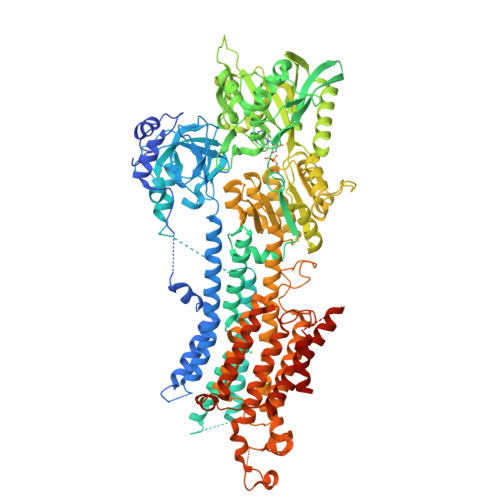 Click to view 3D structure Click to view 3D structure | Sarcoplasmic/endoplasmic reticulum calcium ATPase 2 | P16615 | Humans | Known | This organochloride inhibits Na+/K+ ATPase and Ca2+ and Mg2+ ATPase, which are essential for the transport of calcium across membranes. This results in the accumulation of intracellular free calcium ions, which promotes release of neurotransmitters from storage vesicles, the subsequent depolarization of adjacent neurons, and the propagation of stimuli throughout the central nervous system. (T10) |
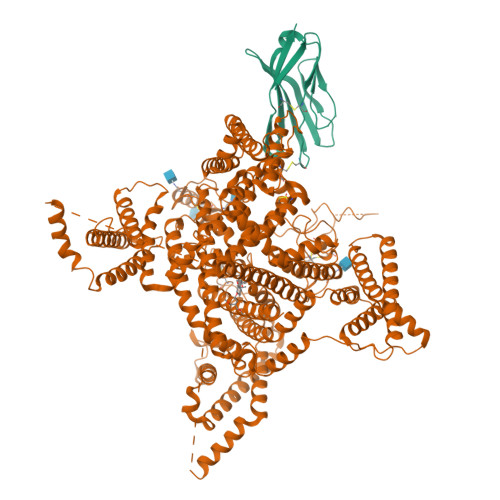 Click to view 3D structure Click to view 3D structure | Sodium channel protein type 1 subunit alpha | P35498 | Humans | Known | DDE inhibits the inactivation of voltaged-gated sodium channels. The channels activate (open) normally but are inactivated (closed) slowly, thus interfering with the active transport of sodium out of the nerve axon during repolarization and resulting in a state of hyperexcitability. (A99) |
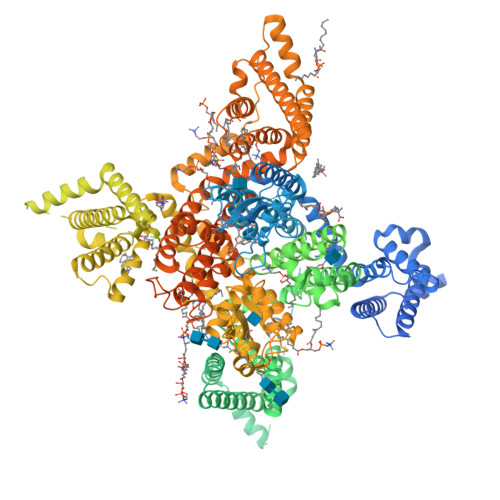 Click to view 3D structure Click to view 3D structure | Sodium channel protein type 10 subunit alpha | Q9Y5Y9 | Humans | Known | DDE inhibits the inactivation of voltaged-gated sodium channels. The channels activate (open) normally but are inactivated (closed) slowly, thus interfering with the active transport of sodium out of the nerve axon during repolarization and resulting in a state of hyperexcitability. (A99) |
| Click to view 3D structure | Sodium channel protein type 11 subunit alpha | Q9UI33 | Humans | Known | DDE inhibits the inactivation of voltaged-gated sodium channels. The channels activate (open) normally but are inactivated (closed) slowly, thus interfering with the active transport of sodium out of the nerve axon during repolarization and resulting in a state of hyperexcitability. (A99) |
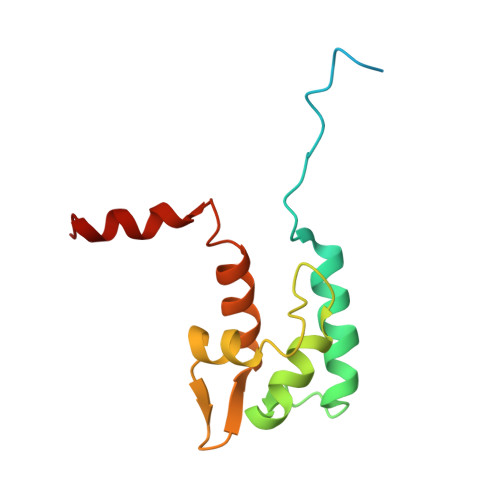 Click to view 3D structure Click to view 3D structure | Sodium channel protein type 2 subunit alpha | Q99250 | Humans | Known | DDE inhibits the inactivation of voltaged-gated sodium channels. The channels activate (open) normally but are inactivated (closed) slowly, thus interfering with the active transport of sodium out of the nerve axon during repolarization and resulting in a state of hyperexcitability. (A99) |
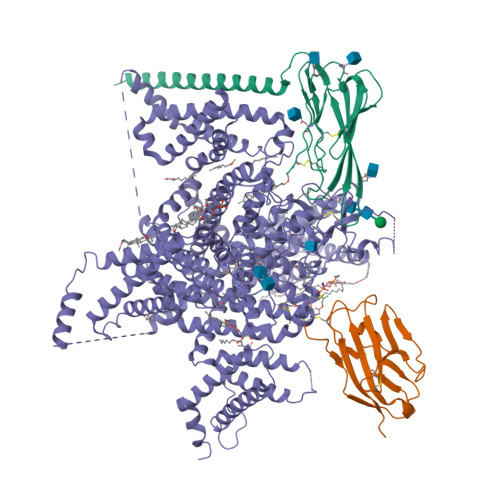 Click to view 3D structure Click to view 3D structure | Sodium channel protein type 3 subunit alpha | Q9NY46 | Humans | Known | DDE inhibits the inactivation of voltaged-gated sodium channels. The channels activate (open) normally but are inactivated (closed) slowly, thus interfering with the active transport of sodium out of the nerve axon during repolarization and resulting in a state of hyperexcitability. (A99) |
 Click to view 3D structure Click to view 3D structure | Sodium channel protein type 4 subunit alpha | P35499 | Humans | Known | DDE inhibits the inactivation of voltaged-gated sodium channels. The channels activate (open) normally but are inactivated (closed) slowly, thus interfering with the active transport of sodium out of the nerve axon during repolarization and resulting in a state of hyperexcitability. (A99) |
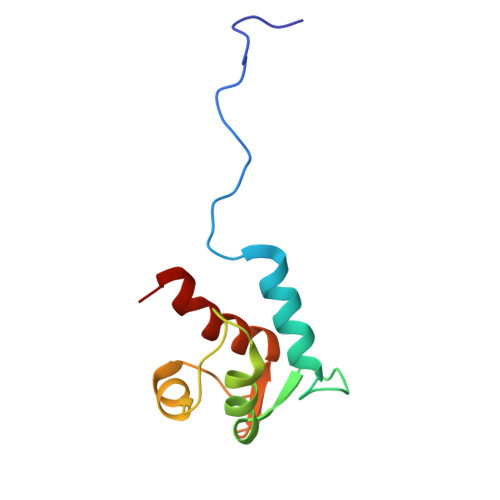 Click to view 3D structure Click to view 3D structure | Sodium channel protein type 5 subunit alpha | Q14524 | Humans | Known | DDE inhibits the inactivation of voltaged-gated sodium channels. The channels activate (open) normally but are inactivated (closed) slowly, thus interfering with the active transport of sodium out of the nerve axon during repolarization and resulting in a state of hyperexcitability. (A99) |
 Click to view 3D structure Click to view 3D structure | Sodium channel protein type 8 subunit alpha | Q9UQD0 | Humans | Known | DDE inhibits the inactivation of voltaged-gated sodium channels. The channels activate (open) normally but are inactivated (closed) slowly, thus interfering with the active transport of sodium out of the nerve axon during repolarization and resulting in a state of hyperexcitability. (A99) |
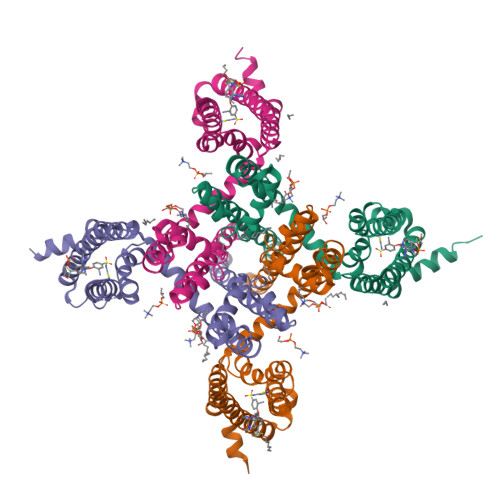 Click to view 3D structure Click to view 3D structure | Sodium channel protein type 9 subunit alpha | Q15858 | Humans | Known | DDE inhibits the inactivation of voltaged-gated sodium channels. The channels activate (open) normally but are inactivated (closed) slowly, thus interfering with the active transport of sodium out of the nerve axon during repolarization and resulting in a state of hyperexcitability. (A99) |
| Click to view 3D structure | Sodium channel regulatory subunit beta-1 | Q07699 | Humans | Known | DDE inhibits the inactivation of voltaged-gated sodium channels. The channels activate (open) normally but are inactivated (closed) slowly, thus interfering with the active transport of sodium out of the nerve axon during repolarization and resulting in a state of hyperexcitability. (A99) |
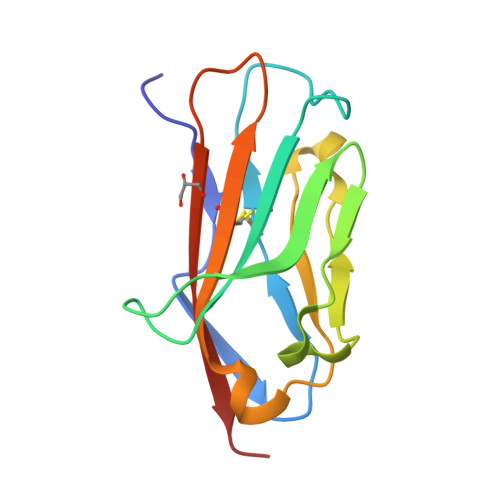 Click to view 3D structure Click to view 3D structure | Sodium channel regulatory subunit beta-2 | O60939 | Humans | Known | DDE inhibits the inactivation of voltaged-gated sodium channels. The channels activate (open) normally but are inactivated (closed) slowly, thus interfering with the active transport of sodium out of the nerve axon during repolarization and resulting in a state of hyperexcitability. (A99) |
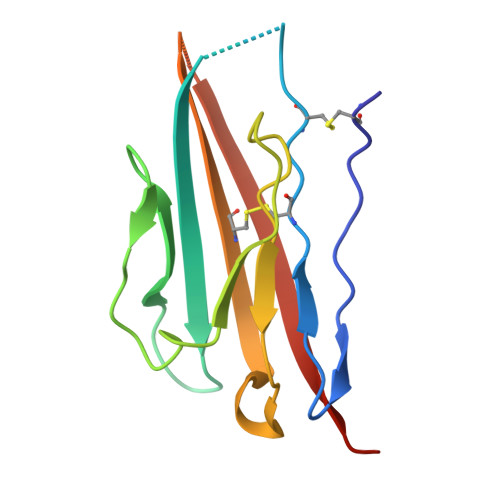 Click to view 3D structure Click to view 3D structure | Sodium channel regulatory subunit beta-3 | Q9NY72 | Humans | Known | DDE inhibits the inactivation of voltaged-gated sodium channels. The channels activate (open) normally but are inactivated (closed) slowly, thus interfering with the active transport of sodium out of the nerve axon during repolarization and resulting in a state of hyperexcitability. (A99) |
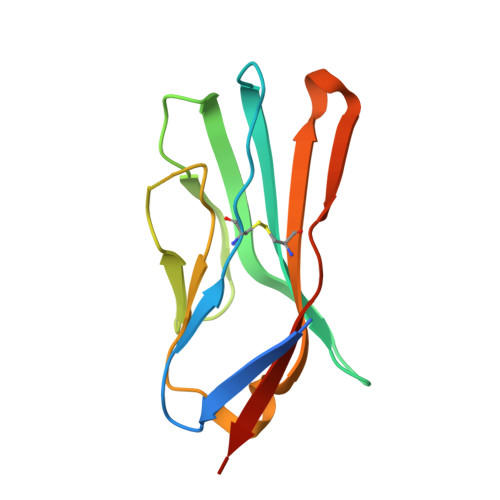 Click to view 3D structure Click to view 3D structure | Sodium channel regulatory subunit beta-4 | Q8IWT1 | Humans | Known | DDE inhibits the inactivation of voltaged-gated sodium channels. The channels activate (open) normally but are inactivated (closed) slowly, thus interfering with the active transport of sodium out of the nerve axon during repolarization and resulting in a state of hyperexcitability. (A99) |
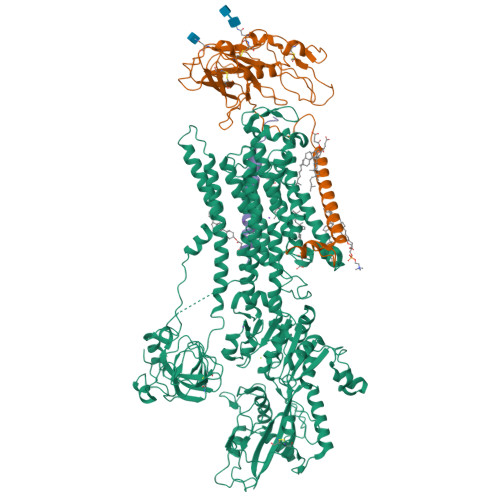 Click to view 3D structure Click to view 3D structure | Sodium/potassium-transporting ATPase subunit alpha-1 | P05023 | Humans | Known | This organochloride inhibits Na+/K+ ATPase and Ca2+ and Mg2+ ATPase, which are essential for the transport of calcium across membranes. This results in the accumulation of intracellular free calcium ions, which promotes release of neurotransmitters from storage vesicles, the subsequent depolarization of adjacent neurons, and the propagation of stimuli throughout the central nervous system. (T10) |
| Click to view 3D structure | Sodium/potassium-transporting ATPase subunit alpha-2 | P50993 | Humans | Known | This organochloride inhibits Na+/K+ ATPase and Ca2+ and Mg2+ ATPase, which are essential for the transport of calcium across membranes. This results in the accumulation of intracellular free calcium ions, which promotes release of neurotransmitters from storage vesicles, the subsequent depolarization of adjacent neurons, and the propagation of stimuli throughout the central nervous system. (T10) |
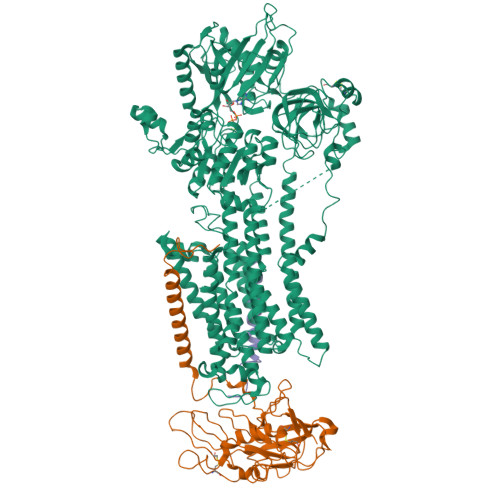 Click to view 3D structure Click to view 3D structure | Sodium/potassium-transporting ATPase subunit alpha-3 | P13637 | Humans | Known | This organochloride inhibits Na+/K+ ATPase and Ca2+ and Mg2+ ATPase, which are essential for the transport of calcium across membranes. This results in the accumulation of intracellular free calcium ions, which promotes release of neurotransmitters from storage vesicles, the subsequent depolarization of adjacent neurons, and the propagation of stimuli throughout the central nervous system. (T10) |
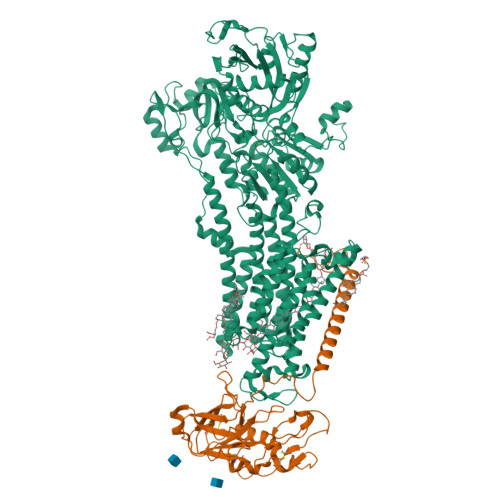 Click to view 3D structure Click to view 3D structure | Sodium/potassium-transporting ATPase subunit alpha-4 | Q13733 | Humans | Known | This organochloride inhibits Na+/K+ ATPase and Ca2+ and Mg2+ ATPase, which are essential for the transport of calcium across membranes. This results in the accumulation of intracellular free calcium ions, which promotes release of neurotransmitters from storage vesicles, the subsequent depolarization of adjacent neurons, and the propagation of stimuli throughout the central nervous system. (T10) |
| Click to view 3D structure | Sodium/potassium-transporting ATPase subunit beta-1 | P05026 | Humans | Known | This organochloride inhibits Na+/K+ ATPase and Ca2+ and Mg2+ ATPase, which are essential for the transport of calcium across membranes. This results in the accumulation of intracellular free calcium ions, which promotes release of neurotransmitters from storage vesicles, the subsequent depolarization of adjacent neurons, and the propagation of stimuli throughout the central nervous system. (T10) |
| Click to view 3D structure | Sodium/potassium-transporting ATPase subunit beta-2 | P14415 | Humans | Known | This organochloride inhibits Na+/K+ ATPase and Ca2+ and Mg2+ ATPase, which are essential for the transport of calcium across membranes. This results in the accumulation of intracellular free calcium ions, which promotes release of neurotransmitters from storage vesicles, the subsequent depolarization of adjacent neurons, and the propagation of stimuli throughout the central nervous system. (T10) |
| Click to view 3D structure | Sodium/potassium-transporting ATPase subunit beta-3 | P54709 | Humans | Known | This organochloride inhibits Na+/K+ ATPase and Ca2+ and Mg2+ ATPase, which are essential for the transport of calcium across membranes. This results in the accumulation of intracellular free calcium ions, which promotes release of neurotransmitters from storage vesicles, the subsequent depolarization of adjacent neurons, and the propagation of stimuli throughout the central nervous system. (T10) |
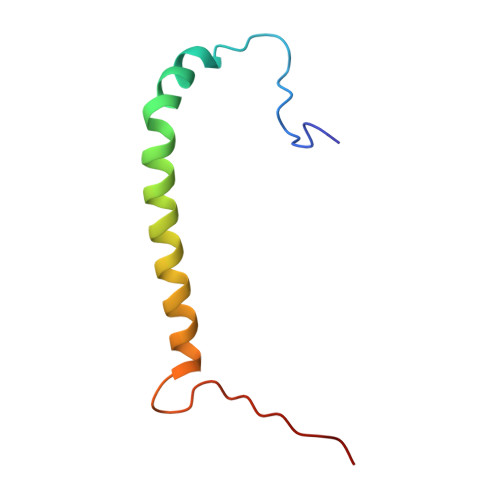 Click to view 3D structure Click to view 3D structure | Sodium/potassium-transporting ATPase subunit gamma | P54710 | Humans | Known | This organochloride inhibits Na+/K+ ATPase and Ca2+ and Mg2+ ATPase, which are essential for the transport of calcium across membranes. This results in the accumulation of intracellular free calcium ions, which promotes release of neurotransmitters from storage vesicles, the subsequent depolarization of adjacent neurons, and the propagation of stimuli throughout the central nervous system. (T10) |