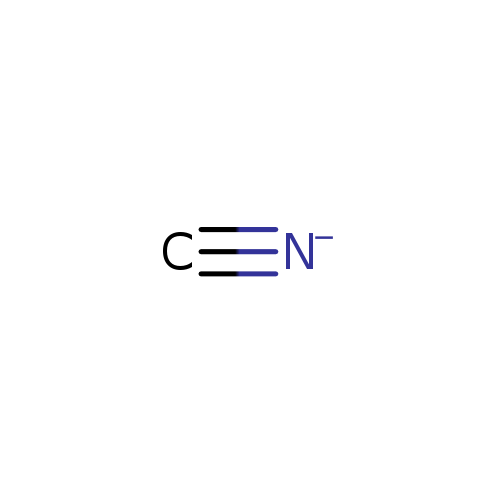
Click to view 3D structure Click to view 3D structure | Alkaline phosphatase, germ cell type | P10696 | Humans | Known | Cyanide inhibits alkaline phosphatases. (A73) |
 Click to view 3D structure Click to view 3D structure | Alkaline phosphatase, tissue-nonspecific isozyme | P05186 | Humans | Known | Cyanide inhibits alkaline phosphatases. (A73) |
 Click to view 3D structure Click to view 3D structure | Carbonic anhydrase 1 | P00915 | Humans | Known | Not Available |
 Click to view 3D structure Click to view 3D structure | Carbonic anhydrase 2 | P00918 | Humans | Known | Not Available |
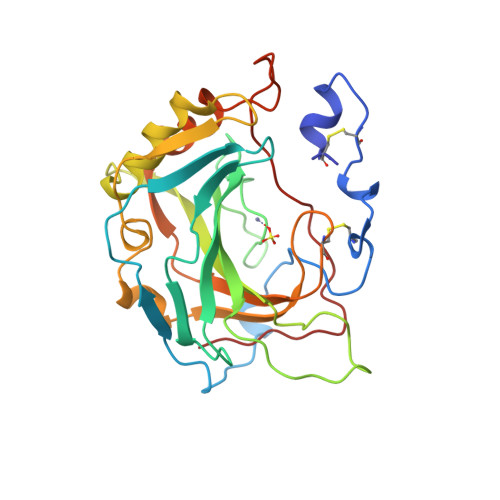 Click to view 3D structure Click to view 3D structure | Carbonic anhydrase 4 | P22748 | Humans | Known | Not Available |
 Click to view 3D structure Click to view 3D structure | Catalase | P04040 | Humans | Known | Cyanide inhibits catalase. (A74) |
 Click to view 3D structure Click to view 3D structure | Cytochrome c oxidase subunit 1 | P00395 | Humans | Known | Cyanide is an inhibitor of cytochrome c oxidase in the fourth complex of the electron transport chain (found in the membrane of the mitochondria of eukaryotic cells). It complexes with the ferric iron atom in this enzyme. The binding of cyanide to this cytochrome prevents transport of electrons from cytochrome c oxidase to oxygen. As a result, the electron transport chain is disrupted and the cell can no longer aerobically produce ATP for energy. Tissues that mainly depend on aerobic respiration, such as the central nervous system and the heart, are particularly affected. (L97) |
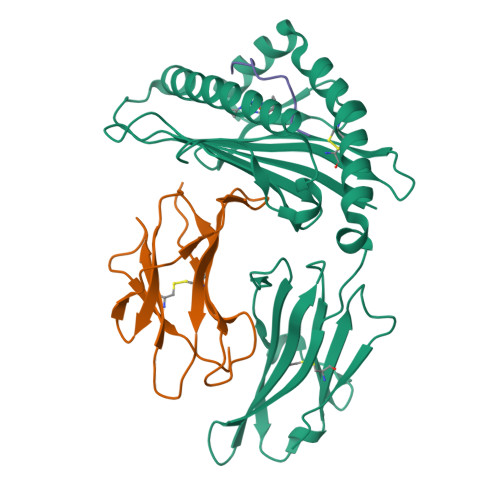 Click to view 3D structure Click to view 3D structure | Cytochrome c oxidase subunit 2 | P00403 | Humans | Known | Cyanide is an inhibitor of cytochrome c oxidase in the fourth complex of the electron transport chain (found in the membrane of the mitochondria of eukaryotic cells). It complexes with the ferric iron atom in this enzyme. The binding of cyanide to this cytochrome prevents transport of electrons from cytochrome c oxidase to oxygen. As a result, the electron transport chain is disrupted and the cell can no longer aerobically produce ATP for energy. Tissues that mainly depend on aerobic respiration, such as the central nervous system and the heart, are particularly affected. (L97) |
| Click to view 3D structure | Cytochrome c oxidase subunit 3 | P00414 | Humans | Known | Cyanide is an inhibitor of cytochrome c oxidase in the fourth complex of the electron transport chain (found in the membrane of the mitochondria of eukaryotic cells). It complexes with the ferric iron atom in this enzyme. The binding of cyanide to this cytochrome prevents transport of electrons from cytochrome c oxidase to oxygen. As a result, the electron transport chain is disrupted and the cell can no longer aerobically produce ATP for energy. Tissues that mainly depend on aerobic respiration, such as the central nervous system and the heart, are particularly affected. (L97) |
| Click to view 3D structure | Cytochrome c oxidase subunit 4 isoform 1, mitochondrial | P13073 | Humans | Known | Cyanide is an inhibitor of cytochrome c oxidase in the fourth complex of the electron transport chain (found in the membrane of the mitochondria of eukaryotic cells). It complexes with the ferric iron atom in this enzyme. The binding of cyanide to this cytochrome prevents transport of electrons from cytochrome c oxidase to oxygen. As a result, the electron transport chain is disrupted and the cell can no longer aerobically produce ATP for energy. Tissues that mainly depend on aerobic respiration, such as the central nervous system and the heart, are particularly affected. (L97) |
| Click to view 3D structure | Cytochrome c oxidase subunit 5A, mitochondrial | P20674 | Humans | Known | Cyanide is an inhibitor of cytochrome c oxidase in the fourth complex of the electron transport chain (found in the membrane of the mitochondria of eukaryotic cells). It complexes with the ferric iron atom in this enzyme. The binding of cyanide to this cytochrome prevents transport of electrons from cytochrome c oxidase to oxygen. As a result, the electron transport chain is disrupted and the cell can no longer aerobically produce ATP for energy. Tissues that mainly depend on aerobic respiration, such as the central nervous system and the heart, are particularly affected. (L97) |
| Click to view 3D structure | Cytochrome c oxidase subunit 5B, mitochondrial | P10606 | Humans | Known | Cyanide is an inhibitor of cytochrome c oxidase in the fourth complex of the electron transport chain (found in the membrane of the mitochondria of eukaryotic cells). It complexes with the ferric iron atom in this enzyme. The binding of cyanide to this cytochrome prevents transport of electrons from cytochrome c oxidase to oxygen. As a result, the electron transport chain is disrupted and the cell can no longer aerobically produce ATP for energy. Tissues that mainly depend on aerobic respiration, such as the central nervous system and the heart, are particularly affected. (L97) |
| Click to view 3D structure | Cytochrome c oxidase subunit 6A2, mitochondrial | Q02221 | Humans | Known | Cyanide is an inhibitor of cytochrome c oxidase in the fourth complex of the electron transport chain (found in the membrane of the mitochondria of eukaryotic cells). It complexes with the ferric iron atom in this enzyme. The binding of cyanide to this cytochrome prevents transport of electrons from cytochrome c oxidase to oxygen. As a result, the electron transport chain is disrupted and the cell can no longer aerobically produce ATP for energy. Tissues that mainly depend on aerobic respiration, such as the central nervous system and the heart, are particularly affected. (L97) |
| Click to view 3D structure | Cytochrome c oxidase subunit 6B1 | P14854 | Humans | Known | Cyanide is an inhibitor of cytochrome c oxidase in the fourth complex of the electron transport chain (found in the membrane of the mitochondria of eukaryotic cells). It complexes with the ferric iron atom in this enzyme. The binding of cyanide to this cytochrome prevents transport of electrons from cytochrome c oxidase to oxygen. As a result, the electron transport chain is disrupted and the cell can no longer aerobically produce ATP for energy. Tissues that mainly depend on aerobic respiration, such as the central nervous system and the heart, are particularly affected. (L97) |
| Click to view 3D structure | Cytochrome c oxidase subunit 6C | P09669 | Humans | Known | Cyanide is an inhibitor of cytochrome c oxidase in the fourth complex of the electron transport chain (found in the membrane of the mitochondria of eukaryotic cells). It complexes with the ferric iron atom in this enzyme. The binding of cyanide to this cytochrome prevents transport of electrons from cytochrome c oxidase to oxygen. As a result, the electron transport chain is disrupted and the cell can no longer aerobically produce ATP for energy. Tissues that mainly depend on aerobic respiration, such as the central nervous system and the heart, are particularly affected. (L97) |
| Click to view 3D structure | Cytochrome c oxidase subunit 7A1, mitochondrial | P24310 | Humans | Known | Cyanide is an inhibitor of cytochrome c oxidase in the fourth complex of the electron transport chain (found in the membrane of the mitochondria of eukaryotic cells). It complexes with the ferric iron atom in this enzyme. The binding of cyanide to this cytochrome prevents transport of electrons from cytochrome c oxidase to oxygen. As a result, the electron transport chain is disrupted and the cell can no longer aerobically produce ATP for energy. Tissues that mainly depend on aerobic respiration, such as the central nervous system and the heart, are particularly affected. (L97) |
| Click to view 3D structure | Cytochrome c oxidase subunit 7B, mitochondrial | P24311 | Humans | Known | Cyanide is an inhibitor of cytochrome c oxidase in the fourth complex of the electron transport chain (found in the membrane of the mitochondria of eukaryotic cells). It complexes with the ferric iron atom in this enzyme. The binding of cyanide to this cytochrome prevents transport of electrons from cytochrome c oxidase to oxygen. As a result, the electron transport chain is disrupted and the cell can no longer aerobically produce ATP for energy. Tissues that mainly depend on aerobic respiration, such as the central nervous system and the heart, are particularly affected. (L97) |
| Click to view 3D structure | Cytochrome c oxidase subunit 7C, mitochondrial | P15954 | Humans | Known | Cyanide is an inhibitor of cytochrome c oxidase in the fourth complex of the electron transport chain (found in the membrane of the mitochondria of eukaryotic cells). It complexes with the ferric iron atom in this enzyme. The binding of cyanide to this cytochrome prevents transport of electrons from cytochrome c oxidase to oxygen. As a result, the electron transport chain is disrupted and the cell can no longer aerobically produce ATP for energy. Tissues that mainly depend on aerobic respiration, such as the central nervous system and the heart, are particularly affected. (L97) |
| Click to view 3D structure | Cytochrome c oxidase subunit 8A, mitochondrial | P10176 | Humans | Known | Cyanide is an inhibitor of cytochrome c oxidase in the fourth complex of the electron transport chain (found in the membrane of the mitochondria of eukaryotic cells). It complexes with the ferric iron atom in this enzyme. The binding of cyanide to this cytochrome prevents transport of electrons from cytochrome c oxidase to oxygen. As a result, the electron transport chain is disrupted and the cell can no longer aerobically produce ATP for energy. Tissues that mainly depend on aerobic respiration, such as the central nervous system and the heart, are particularly affected. (L97) |
 Click to view 3D structure Click to view 3D structure | Epididymal secretory glutathione peroxidase | O75715 | Humans | Known | Cyanide inhibits glutathione peroxidases. (A75) |
 Click to view 3D structure Click to view 3D structure | Glutathione peroxidase 1 | P07203 | Humans | Known | Cyanide inhibits glutathione peroxidases. (A75) |
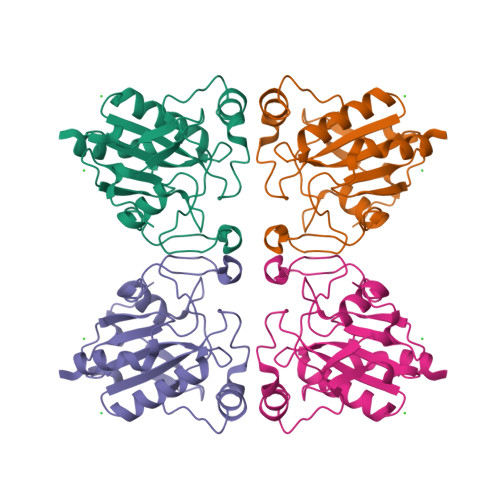 Click to view 3D structure Click to view 3D structure | Glutathione peroxidase 2 | P18283 | Humans | Known | Cyanide inhibits glutathione peroxidases. (A75) |
 Click to view 3D structure Click to view 3D structure | Glutathione peroxidase 3 | P22352 | Humans | Known | Cyanide inhibits glutathione peroxidases. (A75) |
| Click to view 3D structure | Glutathione peroxidase 6 | P59796 | Humans | Known | Cyanide inhibits glutathione peroxidases. (A75) |
 Click to view 3D structure Click to view 3D structure | Glutathione peroxidase 7 | Q96SL4 | Humans | Known | Cyanide inhibits glutathione peroxidases. (A75) |
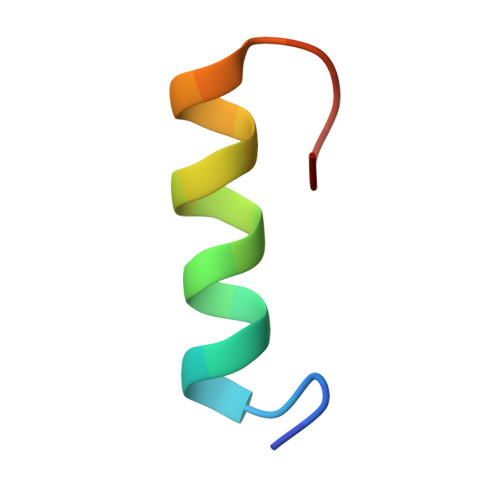 Click to view 3D structure Click to view 3D structure | Glutathione reductase, mitochondrial | P00390 | Humans | Known | Cyanide inhibits glutathione reductase. (A76) |
 Click to view 3D structure Click to view 3D structure | Phospholipid hydroperoxide glutathione peroxidase GPX4 | P36969 | Humans | Known | Cyanide inhibits glutathione peroxidases. (A75) |
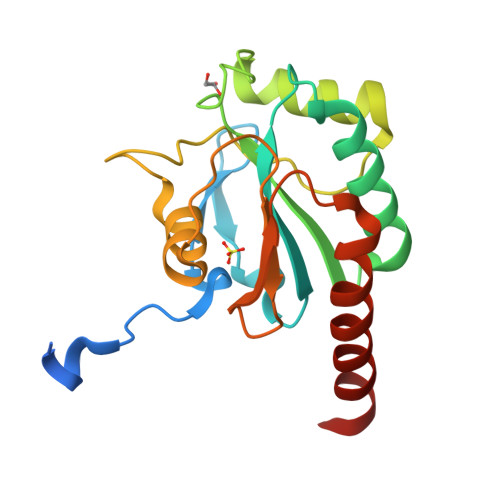 Click to view 3D structure Click to view 3D structure | Probable glutathione peroxidase 8 | Q8TED1 | Humans | Known | Cyanide inhibits glutathione peroxidases. (A75) |
![Succinate dehydrogenase [ubiquinone] cytochrome b small subunit, mitochondrial structure](https://cdn.rcsb.org/images/structures/8gs8_assembly-1.jpeg) Click to view 3D structure Click to view 3D structure | Succinate dehydrogenase [ubiquinone] cytochrome b small subunit, mitochondrial | O14521 | Humans | Known | Cyanide inhibits succinate dehydrogenases. (A76) |
![Succinate dehydrogenase [ubiquinone] flavoprotein subunit, mitochondrial structure](https://cdn.rcsb.org/images/structures/6vax_assembly-1.jpeg) Click to view 3D structure Click to view 3D structure | Succinate dehydrogenase [ubiquinone] flavoprotein subunit, mitochondrial | P31040 | Humans | Known | Cyanide inhibits succinate dehydrogenases. (A76) |
![Succinate dehydrogenase [ubiquinone] iron-sulfur subunit, mitochondrial structure](https://cdn.rcsb.org/images/structures/7kcl_assembly-1.jpeg) Click to view 3D structure Click to view 3D structure | Succinate dehydrogenase [ubiquinone] iron-sulfur subunit, mitochondrial | P21912 | Humans | Known | Cyanide inhibits succinate dehydrogenases. (A76) |
| Click to view 3D structure | Succinate dehydrogenase cytochrome b560 subunit, mitochondrial | Q99643 | Humans | Known | Cyanide inhibits succinate dehydrogenases. (A76) |
![Superoxide dismutase [Cu-Zn] structure](https://cdn.rcsb.org/images/structures/1azv_assembly-1.jpeg) Click to view 3D structure Click to view 3D structure | Superoxide dismutase [Cu-Zn] | P00441 | Humans | Known | Cyanide inhibits superoxide dismutase [Cu-Zn]. (A72) |
 Click to view 3D structure Click to view 3D structure | Tyrosinase | P14679 | Humans | Known | Cyanide inhibits tyrosinase. (A77) |