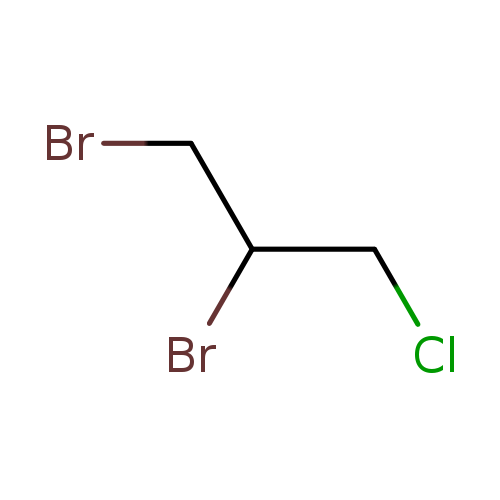
Click to view 3D structure Click to view 3D structure | 3-ketoacyl-CoA synthase 20 | Q9FG87 | Arabidopsis thaliana | Predicted (SEA) | 167.22 |
| Click to view 3D structure | Putative agmatine deiminase | Q8DW17 | Streptococcus mutans serotype c (strain ATCC 700610 / UA159) | Predicted (SEA) | 296.138 |
| Click to view 3D structure | Actin nucleation-promoting factor WASL | O08816 | Rattus norvegicus | Predicted (SEA) | 3230.74 |
| Click to view 3D structure | Palmitoyltransferase ZDHHC7 | Q9NXF8 | Humans | Predicted (SEA) | 1361.74 |
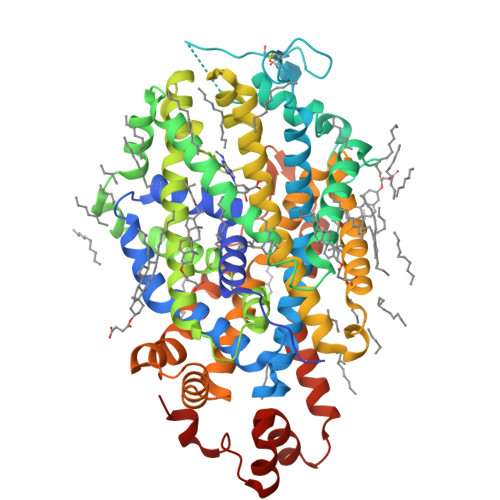 Click to view 3D structure Click to view 3D structure | Sodium-dependent dopamine transporter | Q01959 | Humans | Predicted (SEA) | 7784.46 |
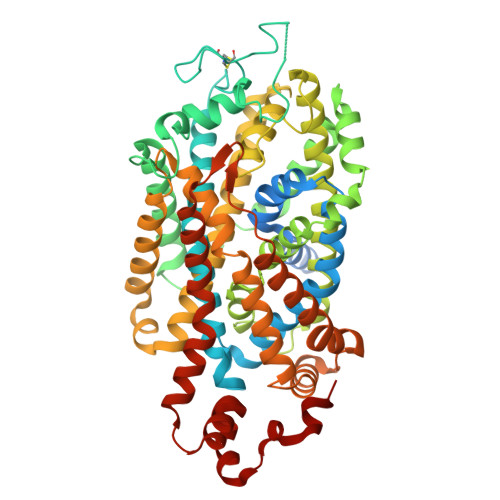 Click to view 3D structure Click to view 3D structure | Sodium-dependent noradrenaline transporter | P23975 | Humans | Predicted (SEA) | 7784.22 |
| Click to view 3D structure | Protein RecA | P9WHJ3 | Mycobacterium tuberculosis | Predicted (SEA) | 7782.9 |
 Click to view 3D structure Click to view 3D structure | Sodium-dependent serotonin transporter | P31645 | Humans | Predicted (SEA) | 7784.3 |
| Click to view 3D structure | Phospho-2-dehydro-3-deoxyheptonate aldolase | C3TIE2 | Escherichia coli | Predicted (SEA) | 1010.17 |
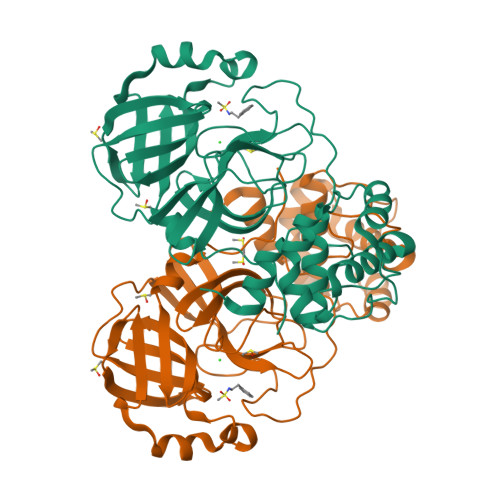 Click to view 3D structure Click to view 3D structure | Replicase polyprotein 1ab | P0DTD1 | SARS-CoV-2 | Predicted (SEA) | 7784.38 |
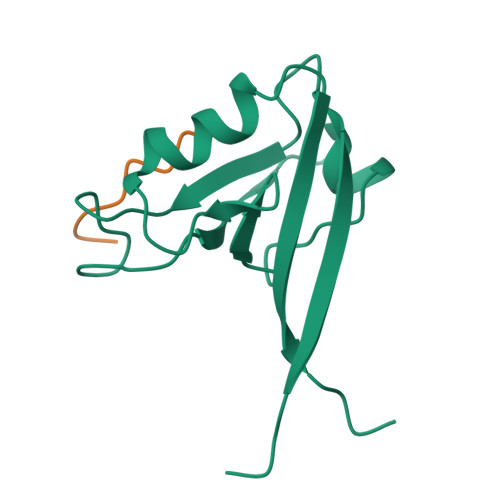 Click to view 3D structure Click to view 3D structure | 5-hydroxytryptamine receptor 2C | P08909 | Rat | Predicted (SEA) | 7783.37 |
 Click to view 3D structure Click to view 3D structure | Cytochrome P450 2D6 | P10635 | Humans | Predicted (SEA) | 7784.61 |
| Click to view 3D structure | Phospholipase B | Q9P8P2 | Cryptococcus neoformans | Predicted (SEA) | 262.508 |
| Click to view 3D structure | Beta-lactamase VIM-1 | Q9XAY4 | Pseudomonas aeruginosa | Predicted (SEA) | 1175.21 |
| Click to view 3D structure | Sodium-dependent serotonin transporter | P31652 | Rattus norvegicus | Predicted (SEA) | 7784.14 |
| Click to view 3D structure | Retinal dehydrogenase 2 | O93344 | Gallus gallus | Predicted (SEA) | 2281.06 |
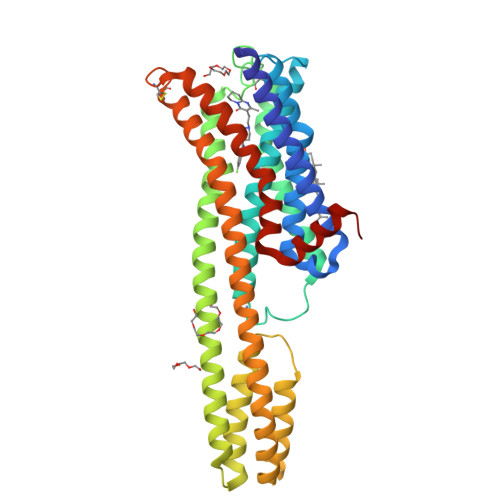 Click to view 3D structure Click to view 3D structure | 5-hydroxytryptamine receptor 2A | P28223 | Humans | Predicted (SEA) | 7784.61 |
| Click to view 3D structure | 5-hydroxytryptamine receptor 2B | P30994 | Rattus norvegicus | Predicted (SEA) | 7772.0 |
 Click to view 3D structure Click to view 3D structure | Voltage-gated inwardly rectifying potassium channel KCNH2 | Q12809 | Humans | Predicted (SEA) | 7784.61 |
| Click to view 3D structure | 5-hydroxytryptamine receptor 2A | P14842 | Rattus norvegicus | Predicted (SEA) | 7784.22 |
| Click to view 3D structure | Sodium-dependent dopamine transporter | P23977 | Rattus norvegicus | Predicted (SEA) | 7784.22 |
| Click to view 3D structure | Asc-type amino acid transporter 1 | P63116 | Rat | Predicted (SEA) | 1737.75 |
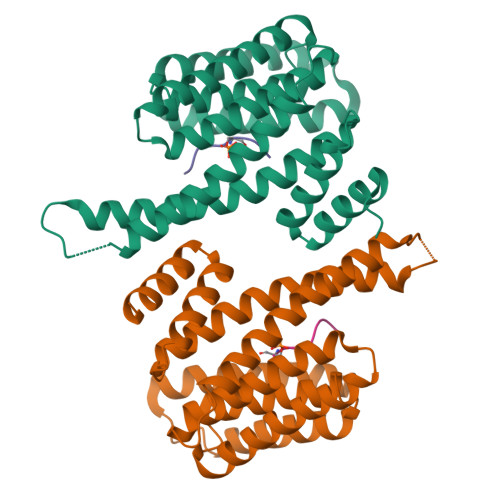 Click to view 3D structure Click to view 3D structure | Serotonin N-acetyltransferase | Q16613 | Humans | Predicted (SEA) | 6534.12 |
 Click to view 3D structure Click to view 3D structure | Tyrosine-protein kinase Lck | P06239 | Humans | Predicted (SEA) | 7784.53 |
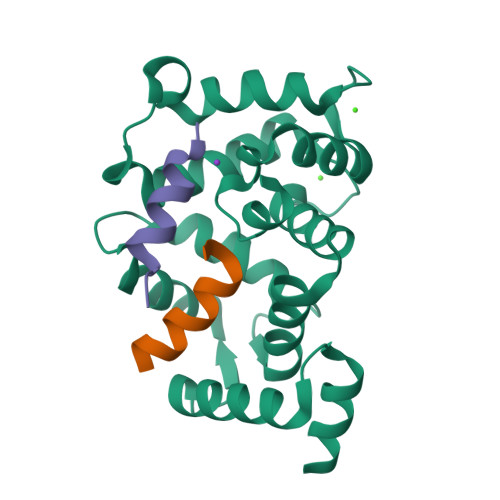 Click to view 3D structure Click to view 3D structure | D(2) dopamine receptor | P14416 | Humans | Predicted (SEA) | 7784.53 |
 Click to view 3D structure Click to view 3D structure | Estrogen receptor | P03372 | Humans | Known | Causes endocrine disruption in humans by binding to and inhibiting the estrogen receptor. (A590) |
 Click to view 3D structure Click to view 3D structure | Estrogen receptor beta | Q92731 | Humans | Known | Causes endocrine disruption in humans by binding to and inhibiting the estrogen receptor. (A590) |
 Click to view 3D structure Click to view 3D structure | Calcium-transporting ATPase type 2C member 1 | P98194 | Humans | Known | This organochloride inhibits Na+/K+ ATPase and Ca2+ and Mg2+ ATPase, which are essential for the transport of calcium across membranes. This results in the accumulation of intracellular free calcium ions, which promotes release of neurotransmitters from storage vesicles, the subsequent depolarization of adjacent neurons, and the propagation of stimuli throughout the central nervous system. (T10) |
 Click to view 3D structure Click to view 3D structure | Gamma-aminobutyric acid receptor subunit alpha-2 | P47869 | Humans | Known | This organochloride antagonizes the action of the neurotransmitter gamma-aminobutyric acid (GABA) acting at the GABA-A receptors, effectively blocking the GABA-induced uptake of chloride ions and causing hyperexcitability of the central nervous system. (T10) |
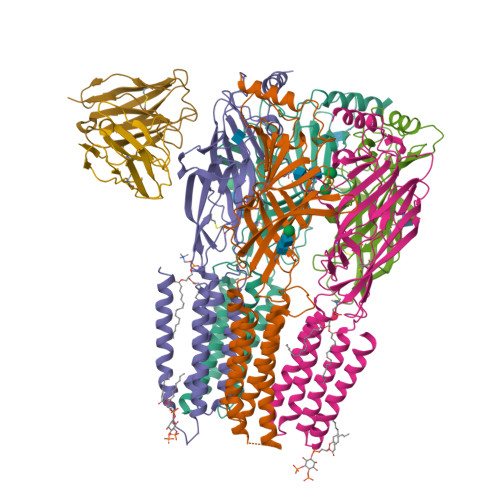 Click to view 3D structure Click to view 3D structure | Gamma-aminobutyric acid receptor subunit alpha-3 | P34903 | Humans | Known | This organochloride antagonizes the action of the neurotransmitter gamma-aminobutyric acid (GABA) acting at the GABA-A receptors, effectively blocking the GABA-induced uptake of chloride ions and causing hyperexcitability of the central nervous system. (T10) |
 Click to view 3D structure Click to view 3D structure | Gamma-aminobutyric acid receptor subunit alpha-4 | P48169 | Humans | Known | This organochloride antagonizes the action of the neurotransmitter gamma-aminobutyric acid (GABA) acting at the GABA-A receptors, effectively blocking the GABA-induced uptake of chloride ions and causing hyperexcitability of the central nervous system. (T10) |
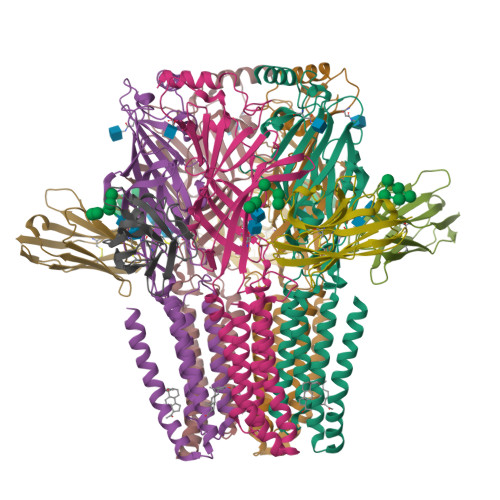 Click to view 3D structure Click to view 3D structure | Gamma-aminobutyric acid receptor subunit alpha-5 | P31644 | Humans | Known | This organochloride antagonizes the action of the neurotransmitter gamma-aminobutyric acid (GABA) acting at the GABA-A receptors, effectively blocking the GABA-induced uptake of chloride ions and causing hyperexcitability of the central nervous system. (T10) |
| Click to view 3D structure | Gamma-aminobutyric acid receptor subunit alpha-6 | Q16445 | Humans | Known | This organochloride antagonizes the action of the neurotransmitter gamma-aminobutyric acid (GABA) acting at the GABA-A receptors, effectively blocking the GABA-induced uptake of chloride ions and causing hyperexcitability of the central nervous system. (T10) |
 Click to view 3D structure Click to view 3D structure | Gamma-aminobutyric acid receptor subunit beta-1 | P18505 | Humans | Known | This organochloride antagonizes the action of the neurotransmitter gamma-aminobutyric acid (GABA) acting at the GABA-A receptors, effectively blocking the GABA-induced uptake of chloride ions and causing hyperexcitability of the central nervous system. (T10) |
 Click to view 3D structure Click to view 3D structure | Gamma-aminobutyric acid receptor subunit beta-2 | P47870 | Humans | Known | This organochloride antagonizes the action of the neurotransmitter gamma-aminobutyric acid (GABA) acting at the GABA-A receptors, effectively blocking the GABA-induced uptake of chloride ions and causing hyperexcitability of the central nervous system. (T10) |
| Click to view 3D structure | Gamma-aminobutyric acid receptor subunit delta | O14764 | Humans | Known | This organochloride antagonizes the action of the neurotransmitter gamma-aminobutyric acid (GABA) acting at the GABA-A receptors, effectively blocking the GABA-induced uptake of chloride ions and causing hyperexcitability of the central nervous system. (T10) |
| Click to view 3D structure | Gamma-aminobutyric acid receptor subunit epsilon | P78334 | Humans | Known | This organochloride antagonizes the action of the neurotransmitter gamma-aminobutyric acid (GABA) acting at the GABA-A receptors, effectively blocking the GABA-induced uptake of chloride ions and causing hyperexcitability of the central nervous system. (T10) |
| Click to view 3D structure | Gamma-aminobutyric acid receptor subunit gamma-1 | Q8N1C3 | Humans | Known | This organochloride antagonizes the action of the neurotransmitter gamma-aminobutyric acid (GABA) acting at the GABA-A receptors, effectively blocking the GABA-induced uptake of chloride ions and causing hyperexcitability of the central nervous system. (T10) |
| Click to view 3D structure | Gamma-aminobutyric acid receptor subunit gamma-3 | Q99928 | Humans | Known | This organochloride antagonizes the action of the neurotransmitter gamma-aminobutyric acid (GABA) acting at the GABA-A receptors, effectively blocking the GABA-induced uptake of chloride ions and causing hyperexcitability of the central nervous system. (T10) |
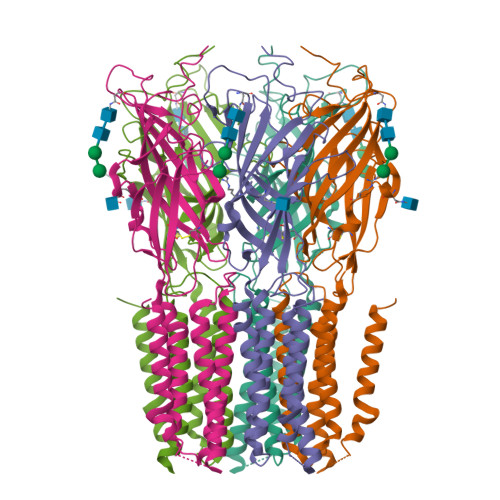 Click to view 3D structure Click to view 3D structure | Gamma-aminobutyric acid receptor subunit pi | O00591 | Humans | Known | This organochloride antagonizes the action of the neurotransmitter gamma-aminobutyric acid (GABA) acting at the GABA-A receptors, effectively blocking the GABA-induced uptake of chloride ions and causing hyperexcitability of the central nervous system. (T10) |
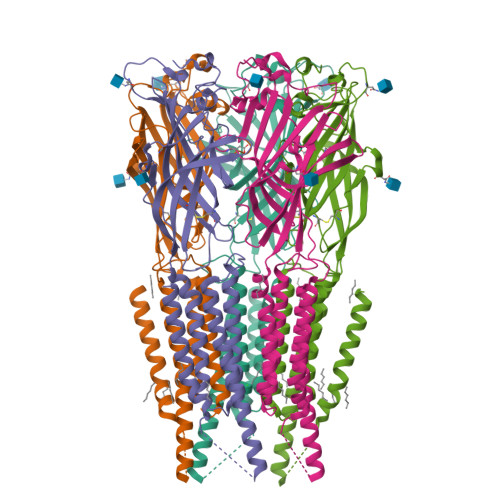 Click to view 3D structure Click to view 3D structure | Gamma-aminobutyric acid receptor subunit rho-1 | P24046 | Humans | Known | This organochloride antagonizes the action of the neurotransmitter gamma-aminobutyric acid (GABA) acting at the GABA-A receptors, effectively blocking the GABA-induced uptake of chloride ions and causing hyperexcitability of the central nervous system. (T10) |
| Click to view 3D structure | Gamma-aminobutyric acid receptor subunit rho-2 | P28476 | Humans | Known | This organochloride antagonizes the action of the neurotransmitter gamma-aminobutyric acid (GABA) acting at the GABA-A receptors, effectively blocking the GABA-induced uptake of chloride ions and causing hyperexcitability of the central nervous system. (T10) |
| Click to view 3D structure | Gamma-aminobutyric acid receptor subunit rho-3 | A8MPY1 | Humans | Known | This organochloride antagonizes the action of the neurotransmitter gamma-aminobutyric acid (GABA) acting at the GABA-A receptors, effectively blocking the GABA-induced uptake of chloride ions and causing hyperexcitability of the central nervous system. (T10) |
| Click to view 3D structure | Gamma-aminobutyric acid receptor subunit theta | Q9UN88 | Humans | Known | This organochloride antagonizes the action of the neurotransmitter gamma-aminobutyric acid (GABA) acting at the GABA-A receptors, effectively blocking the GABA-induced uptake of chloride ions and causing hyperexcitability of the central nervous system. (T10) |
![NADH dehydrogenase [ubiquinone] flavoprotein 1, mitochondrial structure](https://cdn.rcsb.org/images/structures/5xtb_assembly-1.jpeg) Click to view 3D structure Click to view 3D structure | NADH dehydrogenase [ubiquinone] flavoprotein 1, mitochondrial | P49821 | Humans | Known | Inhibition of sperm carbohydrate metabolism at the step of nicotinamide adenine dinucleotide (NADH) dehydrogenase activity in the mitochondrial electron transport chain is a factor of 1,2-dibromo-3-chloropropane's testicular toxicity. |
| Click to view 3D structure | NADH dehydrogenase [ubiquinone] flavoprotein 2, mitochondrial | P19404 | Humans | Known | Inhibition of sperm carbohydrate metabolism at the step of nicotinamide adenine dinucleotide (NADH) dehydrogenase activity in the mitochondrial electron transport chain is a factor of 1,2-dibromo-3-chloropropane's testicular toxicity. |
| Click to view 3D structure | NADH dehydrogenase [ubiquinone] flavoprotein 3, mitochondrial | P56181 | Humans | Known | Inhibition of sperm carbohydrate metabolism at the step of nicotinamide adenine dinucleotide (NADH) dehydrogenase activity in the mitochondrial electron transport chain is a factor of 1,2-dibromo-3-chloropropane's testicular toxicity. |
| Click to view 3D structure | NADH dehydrogenase [ubiquinone] iron-sulfur protein 2, mitochondrial | O75306 | Humans | Known | Inhibition of sperm carbohydrate metabolism at the step of nicotinamide adenine dinucleotide (NADH) dehydrogenase activity in the mitochondrial electron transport chain is a factor of 1,2-dibromo-3-chloropropane's testicular toxicity. |
| Click to view 3D structure | NADH dehydrogenase [ubiquinone] iron-sulfur protein 3, mitochondrial | O75489 | Humans | Known | Inhibition of sperm carbohydrate metabolism at the step of nicotinamide adenine dinucleotide (NADH) dehydrogenase activity in the mitochondrial electron transport chain is a factor of 1,2-dibromo-3-chloropropane's testicular toxicity. |
| Click to view 3D structure | NADH dehydrogenase [ubiquinone] iron-sulfur protein 4, mitochondrial | O43181 | Humans | Known | Inhibition of sperm carbohydrate metabolism at the step of nicotinamide adenine dinucleotide (NADH) dehydrogenase activity in the mitochondrial electron transport chain is a factor of 1,2-dibromo-3-chloropropane's testicular toxicity. |
![NADH dehydrogenase [ubiquinone] iron-sulfur protein 5 structure](https://cdn.rcsb.org/images/structures/5xtc_assembly-1.jpeg) Click to view 3D structure Click to view 3D structure | NADH dehydrogenase [ubiquinone] iron-sulfur protein 5 | O43920 | Humans | Known | Inhibition of sperm carbohydrate metabolism at the step of nicotinamide adenine dinucleotide (NADH) dehydrogenase activity in the mitochondrial electron transport chain is a factor of 1,2-dibromo-3-chloropropane's testicular toxicity. |
| Click to view 3D structure | NADH dehydrogenase [ubiquinone] iron-sulfur protein 6, mitochondrial | O75380 | Humans | Known | Inhibition of sperm carbohydrate metabolism at the step of nicotinamide adenine dinucleotide (NADH) dehydrogenase activity in the mitochondrial electron transport chain is a factor of 1,2-dibromo-3-chloropropane's testicular toxicity. |
| Click to view 3D structure | NADH dehydrogenase [ubiquinone] iron-sulfur protein 7, mitochondrial | O75251 | Humans | Known | Inhibition of sperm carbohydrate metabolism at the step of nicotinamide adenine dinucleotide (NADH) dehydrogenase activity in the mitochondrial electron transport chain is a factor of 1,2-dibromo-3-chloropropane's testicular toxicity. |
| Click to view 3D structure | NADH dehydrogenase [ubiquinone] iron-sulfur protein 8, mitochondrial | O00217 | Humans | Known | Inhibition of sperm carbohydrate metabolism at the step of nicotinamide adenine dinucleotide (NADH) dehydrogenase activity in the mitochondrial electron transport chain is a factor of 1,2-dibromo-3-chloropropane's testicular toxicity. |
| Click to view 3D structure | NADH-ubiquinone oxidoreductase 75 kDa subunit, mitochondrial | P28331 | Humans | Known | Inhibition of sperm carbohydrate metabolism at the step of nicotinamide adenine dinucleotide (NADH) dehydrogenase activity in the mitochondrial electron transport chain is a factor of 1,2-dibromo-3-chloropropane's testicular toxicity. |
| Click to view 3D structure | NADH-ubiquinone oxidoreductase chain 1 | P03886 | Humans | Known | Inhibition of sperm carbohydrate metabolism at the step of nicotinamide adenine dinucleotide (NADH) dehydrogenase activity in the mitochondrial electron transport chain is a factor of 1,2-dibromo-3-chloropropane's testicular toxicity. |
| Click to view 3D structure | NADH-ubiquinone oxidoreductase chain 2 | P03891 | Humans | Known | Inhibition of sperm carbohydrate metabolism at the step of nicotinamide adenine dinucleotide (NADH) dehydrogenase activity in the mitochondrial electron transport chain is a factor of 1,2-dibromo-3-chloropropane's testicular toxicity. |
| Click to view 3D structure | NADH-ubiquinone oxidoreductase chain 3 | P03897 | Humans | Known | Inhibition of sperm carbohydrate metabolism at the step of nicotinamide adenine dinucleotide (NADH) dehydrogenase activity in the mitochondrial electron transport chain is a factor of 1,2-dibromo-3-chloropropane's testicular toxicity. |
| Click to view 3D structure | NADH-ubiquinone oxidoreductase chain 4 | P03905 | Humans | Known | Inhibition of sperm carbohydrate metabolism at the step of nicotinamide adenine dinucleotide (NADH) dehydrogenase activity in the mitochondrial electron transport chain is a factor of 1,2-dibromo-3-chloropropane's testicular toxicity. |
| Click to view 3D structure | NADH-ubiquinone oxidoreductase chain 4L | P03901 | Humans | Known | Inhibition of sperm carbohydrate metabolism at the step of nicotinamide adenine dinucleotide (NADH) dehydrogenase activity in the mitochondrial electron transport chain is a factor of 1,2-dibromo-3-chloropropane's testicular toxicity. |
| Click to view 3D structure | NADH-ubiquinone oxidoreductase chain 5 | P03915 | Humans | Known | Inhibition of sperm carbohydrate metabolism at the step of nicotinamide adenine dinucleotide (NADH) dehydrogenase activity in the mitochondrial electron transport chain is a factor of 1,2-dibromo-3-chloropropane's testicular toxicity. |
| Click to view 3D structure | NADH-ubiquinone oxidoreductase chain 6 | P03923 | Humans | Known | Inhibition of sperm carbohydrate metabolism at the step of nicotinamide adenine dinucleotide (NADH) dehydrogenase activity in the mitochondrial electron transport chain is a factor of 1,2-dibromo-3-chloropropane's testicular toxicity. |
| Click to view 3D structure | Sarcoplasmic/endoplasmic reticulum calcium ATPase 1 | O14983 | Humans | Known | This organochloride inhibits Na+/K+ ATPase and Ca2+ and Mg2+ ATPase, which are essential for the transport of calcium across membranes. This results in the accumulation of intracellular free calcium ions, which promotes release of neurotransmitters from storage vesicles, the subsequent depolarization of adjacent neurons, and the propagation of stimuli throughout the central nervous system. (T10) |
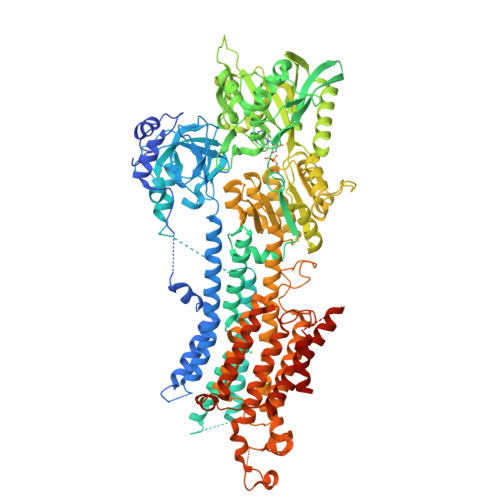 Click to view 3D structure Click to view 3D structure | Sarcoplasmic/endoplasmic reticulum calcium ATPase 2 | P16615 | Humans | Known | This organochloride inhibits Na+/K+ ATPase and Ca2+ and Mg2+ ATPase, which are essential for the transport of calcium across membranes. This results in the accumulation of intracellular free calcium ions, which promotes release of neurotransmitters from storage vesicles, the subsequent depolarization of adjacent neurons, and the propagation of stimuli throughout the central nervous system. (T10) |
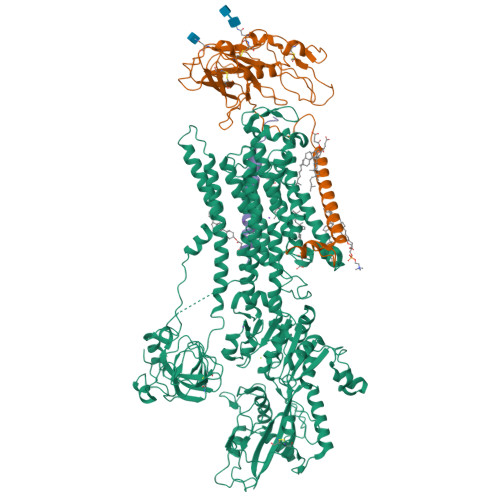 Click to view 3D structure Click to view 3D structure | Sodium/potassium-transporting ATPase subunit alpha-1 | P05023 | Humans | Known | This organochloride inhibits Na+/K+ ATPase and Ca2+ and Mg2+ ATPase, which are essential for the transport of calcium across membranes. This results in the accumulation of intracellular free calcium ions, which promotes release of neurotransmitters from storage vesicles, the subsequent depolarization of adjacent neurons, and the propagation of stimuli throughout the central nervous system. (T10) |
| Click to view 3D structure | Sodium/potassium-transporting ATPase subunit alpha-2 | P50993 | Humans | Known | This organochloride inhibits Na+/K+ ATPase and Ca2+ and Mg2+ ATPase, which are essential for the transport of calcium across membranes. This results in the accumulation of intracellular free calcium ions, which promotes release of neurotransmitters from storage vesicles, the subsequent depolarization of adjacent neurons, and the propagation of stimuli throughout the central nervous system. (T10) |
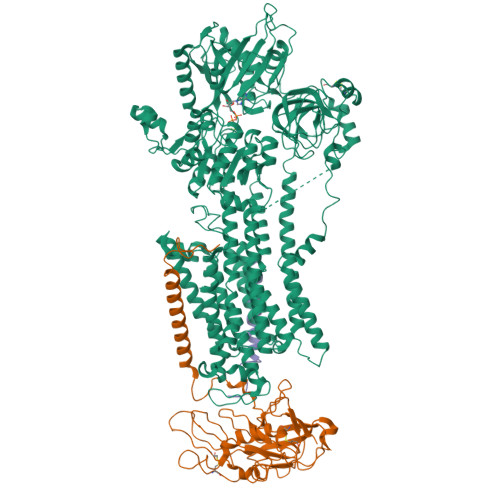 Click to view 3D structure Click to view 3D structure | Sodium/potassium-transporting ATPase subunit alpha-3 | P13637 | Humans | Known | This organochloride inhibits Na+/K+ ATPase and Ca2+ and Mg2+ ATPase, which are essential for the transport of calcium across membranes. This results in the accumulation of intracellular free calcium ions, which promotes release of neurotransmitters from storage vesicles, the subsequent depolarization of adjacent neurons, and the propagation of stimuli throughout the central nervous system. (T10) |
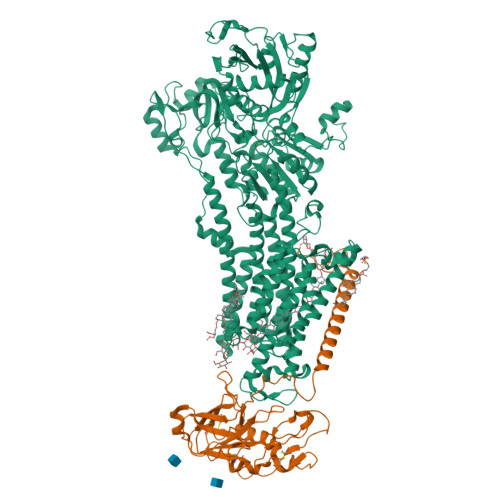 Click to view 3D structure Click to view 3D structure | Sodium/potassium-transporting ATPase subunit alpha-4 | Q13733 | Humans | Known | This organochloride inhibits Na+/K+ ATPase and Ca2+ and Mg2+ ATPase, which are essential for the transport of calcium across membranes. This results in the accumulation of intracellular free calcium ions, which promotes release of neurotransmitters from storage vesicles, the subsequent depolarization of adjacent neurons, and the propagation of stimuli throughout the central nervous system. (T10) |
| Click to view 3D structure | Sodium/potassium-transporting ATPase subunit beta-1 | P05026 | Humans | Known | This organochloride inhibits Na+/K+ ATPase and Ca2+ and Mg2+ ATPase, which are essential for the transport of calcium across membranes. This results in the accumulation of intracellular free calcium ions, which promotes release of neurotransmitters from storage vesicles, the subsequent depolarization of adjacent neurons, and the propagation of stimuli throughout the central nervous system. (T10) |
| Click to view 3D structure | Sodium/potassium-transporting ATPase subunit beta-2 | P14415 | Humans | Known | This organochloride inhibits Na+/K+ ATPase and Ca2+ and Mg2+ ATPase, which are essential for the transport of calcium across membranes. This results in the accumulation of intracellular free calcium ions, which promotes release of neurotransmitters from storage vesicles, the subsequent depolarization of adjacent neurons, and the propagation of stimuli throughout the central nervous system. (T10) |
| Click to view 3D structure | Sodium/potassium-transporting ATPase subunit beta-3 | P54709 | Humans | Known | This organochloride inhibits Na+/K+ ATPase and Ca2+ and Mg2+ ATPase, which are essential for the transport of calcium across membranes. This results in the accumulation of intracellular free calcium ions, which promotes release of neurotransmitters from storage vesicles, the subsequent depolarization of adjacent neurons, and the propagation of stimuli throughout the central nervous system. (T10) |
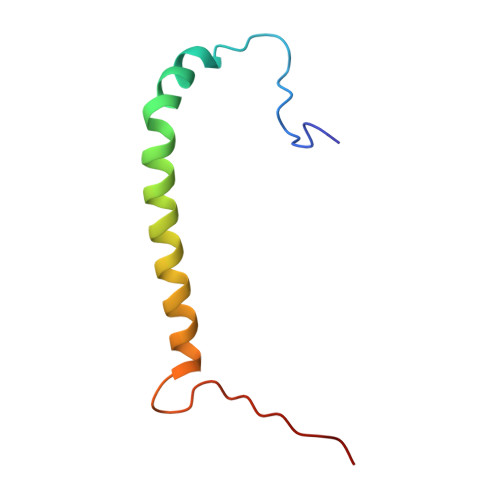 Click to view 3D structure Click to view 3D structure | Sodium/potassium-transporting ATPase subunit gamma | P54710 | Humans | Known | This organochloride inhibits Na+/K+ ATPase and Ca2+ and Mg2+ ATPase, which are essential for the transport of calcium across membranes. This results in the accumulation of intracellular free calcium ions, which promotes release of neurotransmitters from storage vesicles, the subsequent depolarization of adjacent neurons, and the propagation of stimuli throughout the central nervous system. (T10) |