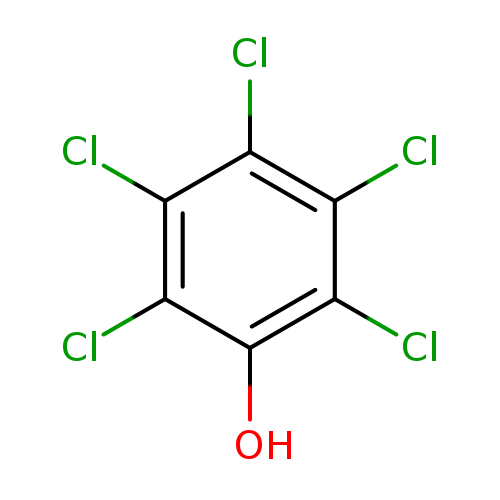
Click to view 3D structure Click to view 3D structure | Acetylcholinesterase | P22303 | Humans | Predicted (SEA) | 5860.33 |
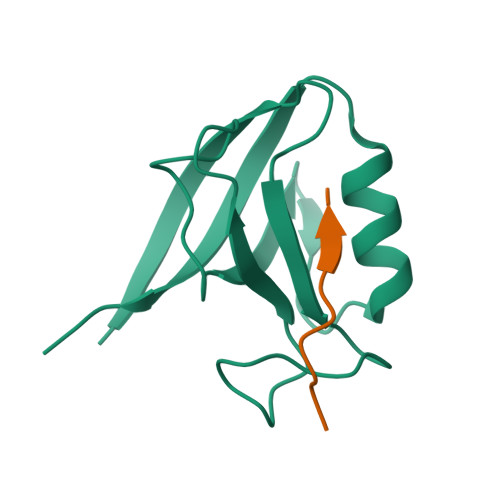 Click to view 3D structure Click to view 3D structure | Receptor tyrosine-protein kinase erbB-2 | P04626 | Humans | Predicted (SEA) | 6823.8 |
 Click to view 3D structure Click to view 3D structure | Thromboxane-A synthase | P24557 | Humans | Predicted (SEA) | 2222.36 |
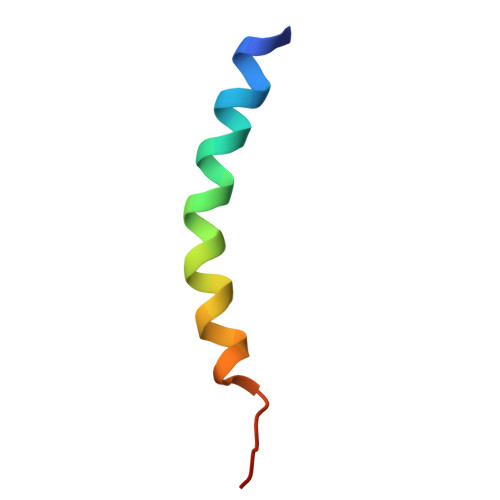 Click to view 3D structure Click to view 3D structure | Alpha-2A adrenergic receptor | P08913 | Humans | Predicted (SEA) | 6400.76 |
 Click to view 3D structure Click to view 3D structure | Tyrosine-protein kinase Lck | P06239 | Humans | Predicted (SEA) | 7293.85 |
 Click to view 3D structure Click to view 3D structure | Carbonic anhydrase 2 | P00918 | Humans | Predicted (SEA) | 5564.82 |
| Click to view 3D structure | Protein RecA | P9WHJ3 | Mycobacterium tuberculosis | Predicted (SEA) | 5635.04 |
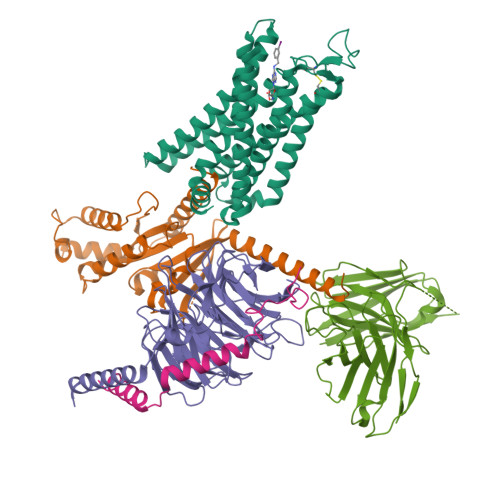 Click to view 3D structure Click to view 3D structure | Adenosine receptor A3 | P0DMS8 | Humans | Predicted (SEA) | 6394.15 |
| Click to view 3D structure | Streptokinase A | P10520 | Streptococcus pyogenes serotype M1 | Predicted (SEA) | 6375.31 |
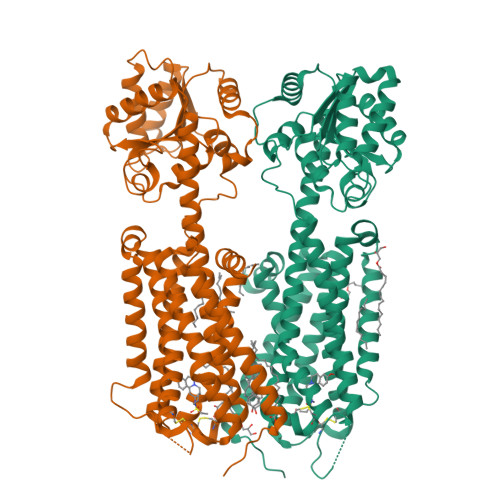 Click to view 3D structure Click to view 3D structure | Alpha-2C adrenergic receptor | P18825 | Humans | Predicted (SEA) | 6537.62 |
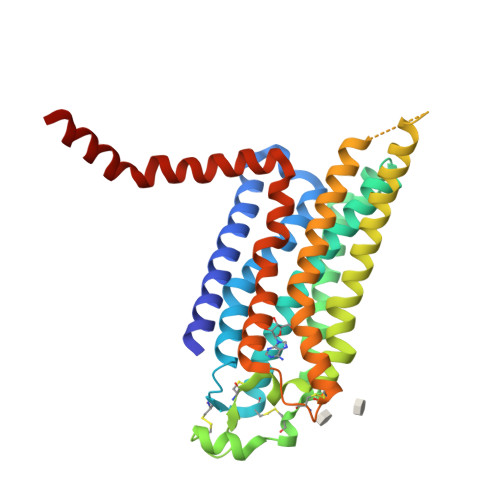 Click to view 3D structure Click to view 3D structure | Adenosine receptor A2a | P29274 | Humans | Predicted (SEA) | 6423.34 |
 Click to view 3D structure Click to view 3D structure | Tyrosine-protein kinase Fyn | P06241 | Humans | Predicted (SEA) | 7331.61 |
| Click to view 3D structure | Carbonic anhydrase | Q2PCB5 | Dicentrarchus labrax | Predicted (SEA) | 130.787 |
 Click to view 3D structure Click to view 3D structure | Substance-K receptor | P21452 | Humans | Predicted (SEA) | 5198.62 |
| Click to view 3D structure | Calpain-2 catalytic subunit | P43367 | Sus scrofa | Predicted (SEA) | 3674.56 |
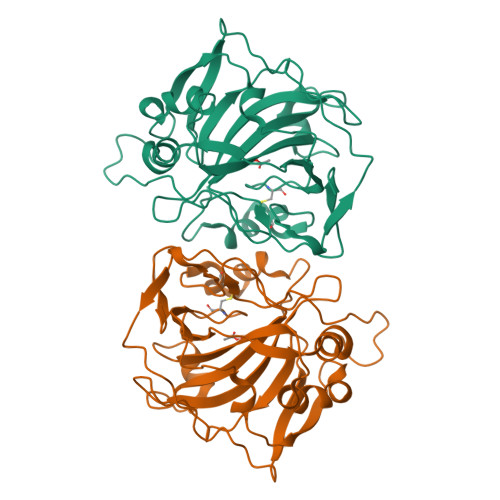 Click to view 3D structure Click to view 3D structure | Carbonic anhydrase 12 | O43570 | Humans | Predicted (SEA) | 5974.15 |
| Click to view 3D structure | Envelope glycoprotein gp160 | Q6QLK5 | Human immunodeficiency virus 1 | Predicted (SEA) | 2194.73 |
 Click to view 3D structure Click to view 3D structure | 5-hydroxytryptamine receptor 2B | P41595 | Humans | Predicted (SEA) | 3447.32 |
 Click to view 3D structure Click to view 3D structure | Epidermal growth factor receptor | P00533 | Humans | Predicted (SEA) | 6131.64 |
 Click to view 3D structure Click to view 3D structure | Estrogen receptor beta | Q92731 | Humans | Predicted (SEA) | 2884.94 |
 Click to view 3D structure Click to view 3D structure | Estrogen receptor | P03372 | Humans | Predicted (SEA) | 2719.51 |
 Click to view 3D structure Click to view 3D structure | Mitogen-activated protein kinase 1 | P28482 | Humans | Predicted (SEA) | 6504.93 |
| Click to view 3D structure | Vacuolar aminopeptidase 1 | P14904 | Saccharomyces cerevisiae S288c | Predicted (SEA) | 44.2184 |
 Click to view 3D structure Click to view 3D structure | Mitogen-activated protein kinase 14 | Q16539 | Humans | Predicted (SEA) | 6778.25 |
 Click to view 3D structure Click to view 3D structure | 5-hydroxytryptamine receptor 2C | P28335 | Humans | Predicted (SEA) | 6765.64 |
| Click to view 3D structure | Estrogen receptor | P03372 | Humans | Known | Causes endocrine disruption in humans by binding to and inhibiting the estrogen receptor. (A590) |
| Click to view 3D structure | Estrogen receptor beta | Q92731 | Humans | Known | Causes endocrine disruption in humans by binding to and inhibiting the estrogen receptor. (A590) |
| Click to view 3D structure | Acetylcholinesterase | P22303 | Humans | Known | Pentachlorophenol inhibits acetylcholinesterase in erythrocyte membranes. (A93) |
 Click to view 3D structure Click to view 3D structure | Calcium-transporting ATPase type 2C member 1 | P98194 | Humans | Known | This organochloride inhibits Na+/K+ ATPase and Ca2+ and Mg2+ ATPase, which are essential for the transport of calcium across membranes. This results in the accumulation of intracellular free calcium ions, which promotes release of neurotransmitters from storage vesicles, the subsequent depolarization of adjacent neurons, and the propagation of stimuli throughout the central nervous system. (T10) |
 Click to view 3D structure Click to view 3D structure | Carnitine O-acetyltransferase | P43155 | Humans | Known | Pentachlorophenol inhibits O-acetyltransferases. (A94) |
 Click to view 3D structure Click to view 3D structure | Choline O-acetyltransferase | P28329 | Humans | Known | Pentachlorophenol inhibits O-acetyltransferases. (A94) |
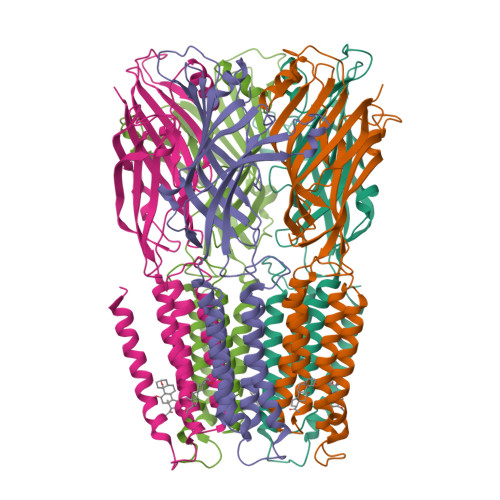 Click to view 3D structure Click to view 3D structure | Gamma-aminobutyric acid receptor subunit alpha-1 | P14867 | Humans | Known | This organochloride antagonizes the action of the neurotransmitter gamma-aminobutyric acid (GABA) acting at the GABA-A receptors, effectively blocking the GABA-induced uptake of chloride ions and causing hyperexcitability of the central nervous system. (T10) |
 Click to view 3D structure Click to view 3D structure | Gamma-aminobutyric acid receptor subunit alpha-2 | P47869 | Humans | Known | This organochloride antagonizes the action of the neurotransmitter gamma-aminobutyric acid (GABA) acting at the GABA-A receptors, effectively blocking the GABA-induced uptake of chloride ions and causing hyperexcitability of the central nervous system. (T10) |
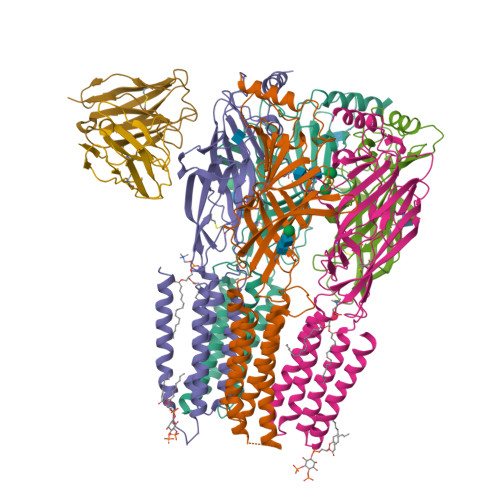 Click to view 3D structure Click to view 3D structure | Gamma-aminobutyric acid receptor subunit alpha-3 | P34903 | Humans | Known | This organochloride antagonizes the action of the neurotransmitter gamma-aminobutyric acid (GABA) acting at the GABA-A receptors, effectively blocking the GABA-induced uptake of chloride ions and causing hyperexcitability of the central nervous system. (T10) |
 Click to view 3D structure Click to view 3D structure | Gamma-aminobutyric acid receptor subunit alpha-4 | P48169 | Humans | Known | This organochloride antagonizes the action of the neurotransmitter gamma-aminobutyric acid (GABA) acting at the GABA-A receptors, effectively blocking the GABA-induced uptake of chloride ions and causing hyperexcitability of the central nervous system. (T10) |
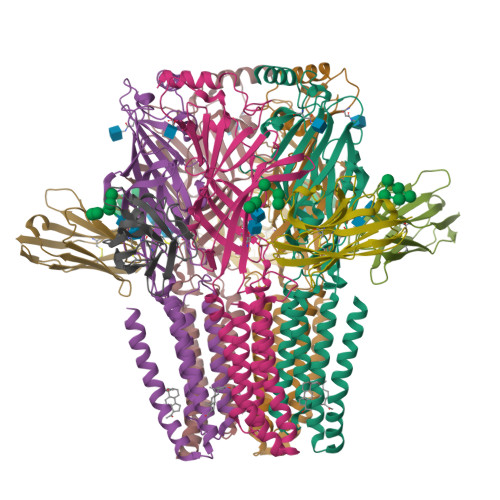 Click to view 3D structure Click to view 3D structure | Gamma-aminobutyric acid receptor subunit alpha-5 | P31644 | Humans | Known | This organochloride antagonizes the action of the neurotransmitter gamma-aminobutyric acid (GABA) acting at the GABA-A receptors, effectively blocking the GABA-induced uptake of chloride ions and causing hyperexcitability of the central nervous system. (T10) |
| Click to view 3D structure | Gamma-aminobutyric acid receptor subunit alpha-6 | Q16445 | Humans | Known | This organochloride antagonizes the action of the neurotransmitter gamma-aminobutyric acid (GABA) acting at the GABA-A receptors, effectively blocking the GABA-induced uptake of chloride ions and causing hyperexcitability of the central nervous system. (T10) |
 Click to view 3D structure Click to view 3D structure | Gamma-aminobutyric acid receptor subunit beta-1 | P18505 | Humans | Known | This organochloride antagonizes the action of the neurotransmitter gamma-aminobutyric acid (GABA) acting at the GABA-A receptors, effectively blocking the GABA-induced uptake of chloride ions and causing hyperexcitability of the central nervous system. (T10) |
 Click to view 3D structure Click to view 3D structure | Gamma-aminobutyric acid receptor subunit beta-2 | P47870 | Humans | Known | This organochloride antagonizes the action of the neurotransmitter gamma-aminobutyric acid (GABA) acting at the GABA-A receptors, effectively blocking the GABA-induced uptake of chloride ions and causing hyperexcitability of the central nervous system. (T10) |
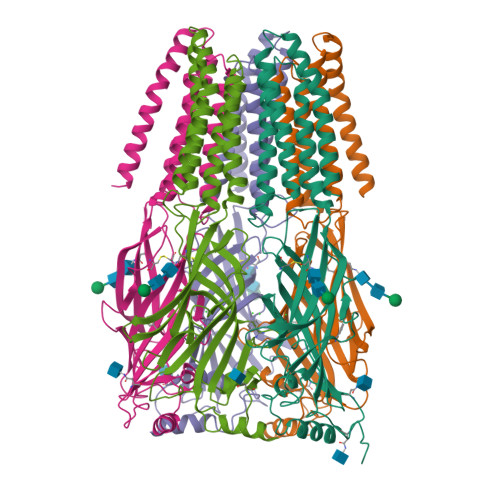 Click to view 3D structure Click to view 3D structure | Gamma-aminobutyric acid receptor subunit beta-3 | P28472 | Humans | Known | This organochloride antagonizes the action of the neurotransmitter gamma-aminobutyric acid (GABA) acting at the GABA-A receptors, effectively blocking the GABA-induced uptake of chloride ions and causing hyperexcitability of the central nervous system. (T10) |
| Click to view 3D structure | Gamma-aminobutyric acid receptor subunit delta | O14764 | Humans | Known | This organochloride antagonizes the action of the neurotransmitter gamma-aminobutyric acid (GABA) acting at the GABA-A receptors, effectively blocking the GABA-induced uptake of chloride ions and causing hyperexcitability of the central nervous system. (T10) |
| Click to view 3D structure | Gamma-aminobutyric acid receptor subunit epsilon | P78334 | Humans | Known | This organochloride antagonizes the action of the neurotransmitter gamma-aminobutyric acid (GABA) acting at the GABA-A receptors, effectively blocking the GABA-induced uptake of chloride ions and causing hyperexcitability of the central nervous system. (T10) |
| Click to view 3D structure | Gamma-aminobutyric acid receptor subunit gamma-1 | Q8N1C3 | Humans | Known | This organochloride antagonizes the action of the neurotransmitter gamma-aminobutyric acid (GABA) acting at the GABA-A receptors, effectively blocking the GABA-induced uptake of chloride ions and causing hyperexcitability of the central nervous system. (T10) |
| Click to view 3D structure | Gamma-aminobutyric acid receptor subunit gamma-2 | P18507 | Humans | Known | This organochloride antagonizes the action of the neurotransmitter gamma-aminobutyric acid (GABA) acting at the GABA-A receptors, effectively blocking the GABA-induced uptake of chloride ions and causing hyperexcitability of the central nervous system. (T10) |
| Click to view 3D structure | Gamma-aminobutyric acid receptor subunit gamma-3 | Q99928 | Humans | Known | This organochloride antagonizes the action of the neurotransmitter gamma-aminobutyric acid (GABA) acting at the GABA-A receptors, effectively blocking the GABA-induced uptake of chloride ions and causing hyperexcitability of the central nervous system. (T10) |
 Click to view 3D structure Click to view 3D structure | Gamma-aminobutyric acid receptor subunit pi | O00591 | Humans | Known | This organochloride antagonizes the action of the neurotransmitter gamma-aminobutyric acid (GABA) acting at the GABA-A receptors, effectively blocking the GABA-induced uptake of chloride ions and causing hyperexcitability of the central nervous system. (T10) |
 Click to view 3D structure Click to view 3D structure | Gamma-aminobutyric acid receptor subunit rho-1 | P24046 | Humans | Known | This organochloride antagonizes the action of the neurotransmitter gamma-aminobutyric acid (GABA) acting at the GABA-A receptors, effectively blocking the GABA-induced uptake of chloride ions and causing hyperexcitability of the central nervous system. (T10) |
| Click to view 3D structure | Gamma-aminobutyric acid receptor subunit rho-2 | P28476 | Humans | Known | This organochloride antagonizes the action of the neurotransmitter gamma-aminobutyric acid (GABA) acting at the GABA-A receptors, effectively blocking the GABA-induced uptake of chloride ions and causing hyperexcitability of the central nervous system. (T10) |
| Click to view 3D structure | Gamma-aminobutyric acid receptor subunit rho-3 | A8MPY1 | Humans | Known | This organochloride antagonizes the action of the neurotransmitter gamma-aminobutyric acid (GABA) acting at the GABA-A receptors, effectively blocking the GABA-induced uptake of chloride ions and causing hyperexcitability of the central nervous system. (T10) |
| Click to view 3D structure | Gamma-aminobutyric acid receptor subunit theta | Q9UN88 | Humans | Known | This organochloride antagonizes the action of the neurotransmitter gamma-aminobutyric acid (GABA) acting at the GABA-A receptors, effectively blocking the GABA-induced uptake of chloride ions and causing hyperexcitability of the central nervous system. (T10) |
| Click to view 3D structure | Potassium-transporting ATPase alpha chain 1 | P20648 | Humans | Known | Pentachlorophenol inhibits mitochondrial ATP-ase activity, preventing the the formation of ATP and the release of energy to the cell from the breakdown of ATP to ADP. (A95) |
| Click to view 3D structure | Potassium-transporting ATPase subunit beta | P51164 | Humans | Known | Pentachlorophenol inhibits mitochondrial ATP-ase activity, preventing the the formation of ATP and the release of energy to the cell from the breakdown of ATP to ADP. (A95) |
 Click to view 3D structure Click to view 3D structure | Progesterone receptor | P06401 | Humans | Known | Pentachlorophenol is an antagonist of progesterone receptor (PR). It inhibits the gene expression via the PR in a dose-dependent manner. |
| Click to view 3D structure | Sarcoplasmic/endoplasmic reticulum calcium ATPase 1 | O14983 | Humans | Known | This organochloride inhibits Na+/K+ ATPase and Ca2+ and Mg2+ ATPase, which are essential for the transport of calcium across membranes. This results in the accumulation of intracellular free calcium ions, which promotes release of neurotransmitters from storage vesicles, the subsequent depolarization of adjacent neurons, and the propagation of stimuli throughout the central nervous system. (T10) |
 Click to view 3D structure Click to view 3D structure | Sarcoplasmic/endoplasmic reticulum calcium ATPase 2 | P16615 | Humans | Known | This organochloride inhibits Na+/K+ ATPase and Ca2+ and Mg2+ ATPase, which are essential for the transport of calcium across membranes. This results in the accumulation of intracellular free calcium ions, which promotes release of neurotransmitters from storage vesicles, the subsequent depolarization of adjacent neurons, and the propagation of stimuli throughout the central nervous system. (T10) |
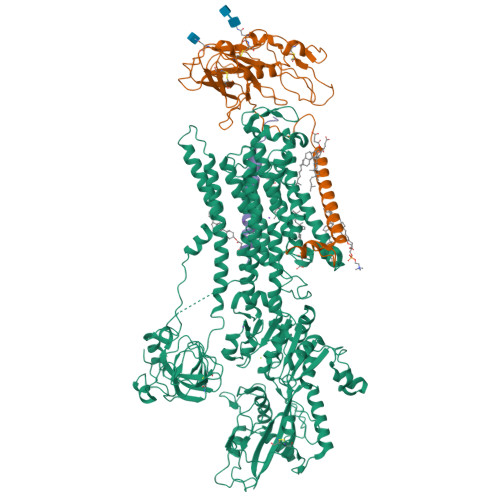 Click to view 3D structure Click to view 3D structure | Sodium/potassium-transporting ATPase subunit alpha-1 | P05023 | Humans | Known | This organochloride inhibits Na+/K+ ATPase and Ca2+ and Mg2+ ATPase, which are essential for the transport of calcium across membranes. This results in the accumulation of intracellular free calcium ions, which promotes release of neurotransmitters from storage vesicles, the subsequent depolarization of adjacent neurons, and the propagation of stimuli throughout the central nervous system. (T10) |
| Click to view 3D structure | Sodium/potassium-transporting ATPase subunit alpha-2 | P50993 | Humans | Known | This organochloride inhibits Na+/K+ ATPase and Ca2+ and Mg2+ ATPase, which are essential for the transport of calcium across membranes. This results in the accumulation of intracellular free calcium ions, which promotes release of neurotransmitters from storage vesicles, the subsequent depolarization of adjacent neurons, and the propagation of stimuli throughout the central nervous system. (T10) |
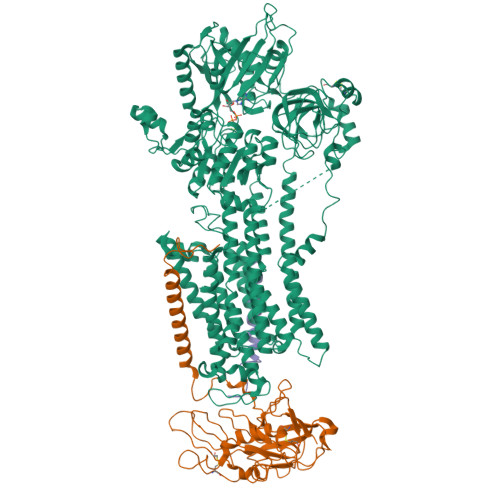 Click to view 3D structure Click to view 3D structure | Sodium/potassium-transporting ATPase subunit alpha-3 | P13637 | Humans | Known | This organochloride inhibits Na+/K+ ATPase and Ca2+ and Mg2+ ATPase, which are essential for the transport of calcium across membranes. This results in the accumulation of intracellular free calcium ions, which promotes release of neurotransmitters from storage vesicles, the subsequent depolarization of adjacent neurons, and the propagation of stimuli throughout the central nervous system. (T10) |
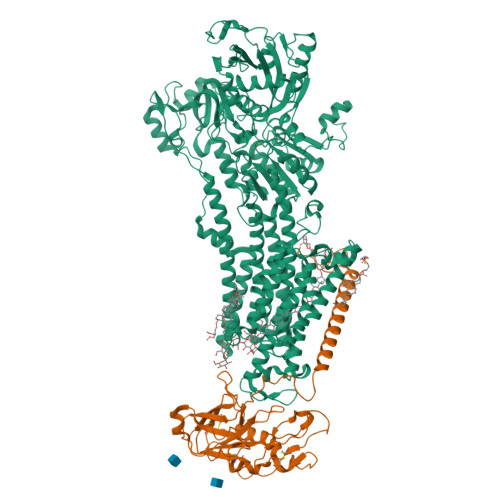 Click to view 3D structure Click to view 3D structure | Sodium/potassium-transporting ATPase subunit alpha-4 | Q13733 | Humans | Known | This organochloride inhibits Na+/K+ ATPase and Ca2+ and Mg2+ ATPase, which are essential for the transport of calcium across membranes. This results in the accumulation of intracellular free calcium ions, which promotes release of neurotransmitters from storage vesicles, the subsequent depolarization of adjacent neurons, and the propagation of stimuli throughout the central nervous system. (T10) |
| Click to view 3D structure | Sodium/potassium-transporting ATPase subunit beta-1 | P05026 | Humans | Known | This organochloride inhibits Na+/K+ ATPase and Ca2+ and Mg2+ ATPase, which are essential for the transport of calcium across membranes. This results in the accumulation of intracellular free calcium ions, which promotes release of neurotransmitters from storage vesicles, the subsequent depolarization of adjacent neurons, and the propagation of stimuli throughout the central nervous system. (T10) |
| Click to view 3D structure | Sodium/potassium-transporting ATPase subunit beta-2 | P14415 | Humans | Known | This organochloride inhibits Na+/K+ ATPase and Ca2+ and Mg2+ ATPase, which are essential for the transport of calcium across membranes. This results in the accumulation of intracellular free calcium ions, which promotes release of neurotransmitters from storage vesicles, the subsequent depolarization of adjacent neurons, and the propagation of stimuli throughout the central nervous system. (T10) |
| Click to view 3D structure | Sodium/potassium-transporting ATPase subunit beta-3 | P54709 | Humans | Known | This organochloride inhibits Na+/K+ ATPase and Ca2+ and Mg2+ ATPase, which are essential for the transport of calcium across membranes. This results in the accumulation of intracellular free calcium ions, which promotes release of neurotransmitters from storage vesicles, the subsequent depolarization of adjacent neurons, and the propagation of stimuli throughout the central nervous system. (T10) |
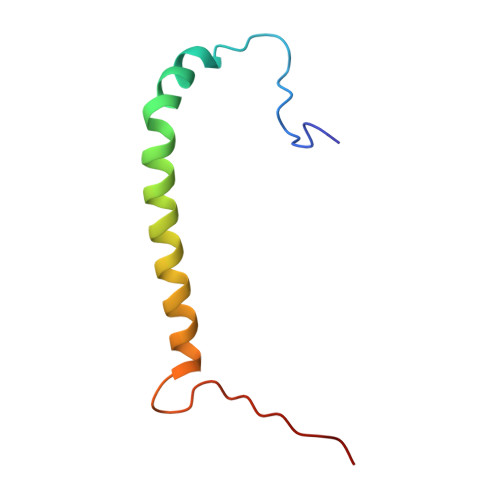 Click to view 3D structure Click to view 3D structure | Sodium/potassium-transporting ATPase subunit gamma | P54710 | Humans | Known | This organochloride inhibits Na+/K+ ATPase and Ca2+ and Mg2+ ATPase, which are essential for the transport of calcium across membranes. This results in the accumulation of intracellular free calcium ions, which promotes release of neurotransmitters from storage vesicles, the subsequent depolarization of adjacent neurons, and the propagation of stimuli throughout the central nervous system. (T10) |
 Click to view 3D structure Click to view 3D structure | Sulfotransferase 1A1 | P50225 | Humans | Known | Pentachlorophenol prevents sulfation by inhibiting phenol-sulfotransferases. (A92) |
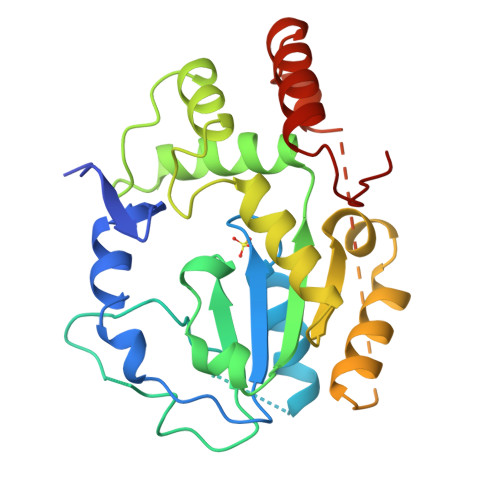 Click to view 3D structure Click to view 3D structure | Sulfotransferase 1A3 | P0DMM9 | Humans | Known | Pentachlorophenol prevents sulfation by inhibiting phenol-sulfotransferases. (A92) |
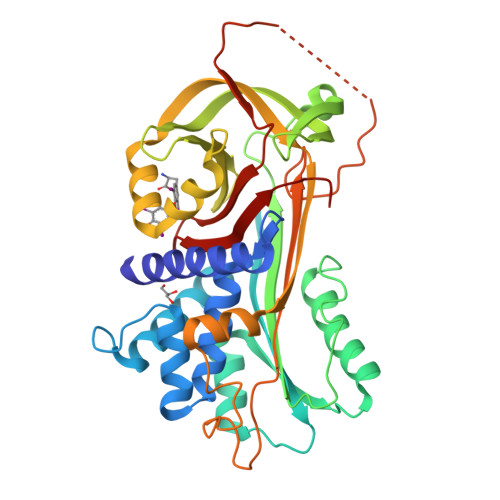 Click to view 3D structure Click to view 3D structure | Thyroxine-binding globulin | P05543 | Humans | Known | Pentachlorophenol causes adverse effects on thyroid homeostasis, decreasing serum thyroxine by competing for serum protein thyroxine binding sites. (L127) |
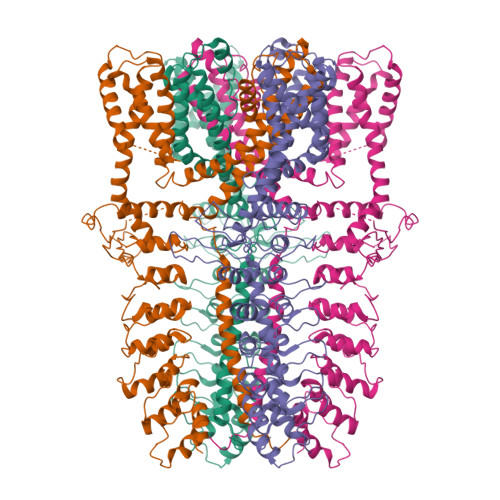 Click to view 3D structure Click to view 3D structure | Transient receptor potential cation channel subfamily A member 1 | O75762 | Humans | Known | Not Available |
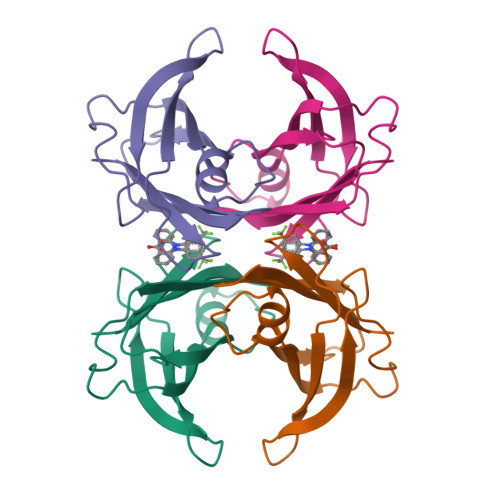 Click to view 3D structure Click to view 3D structure | Transthyretin | P02766 | Humans | Known | Pentachlorophenol competes with thyroxine for uptake into cerebrospinal fluid at the T4 binding site of transthyretin. (L127) |
| Click to view 3D structure | Nuclear receptor ROR-beta | Q92753 | Humans | Known | Not Available |
 Click to view 3D structure Click to view 3D structure | Nuclear receptor subfamily 1 group I member 2 | O75469 | Humans | Known | Not Available |
 Click to view 3D structure Click to view 3D structure | Peroxisome proliferator-activated receptor gamma | P37231 | Humans | Known | Not Available |
 Click to view 3D structure Click to view 3D structure | Peroxisome proliferator-activated receptor alpha | Q07869 | Humans | Known | Not Available |
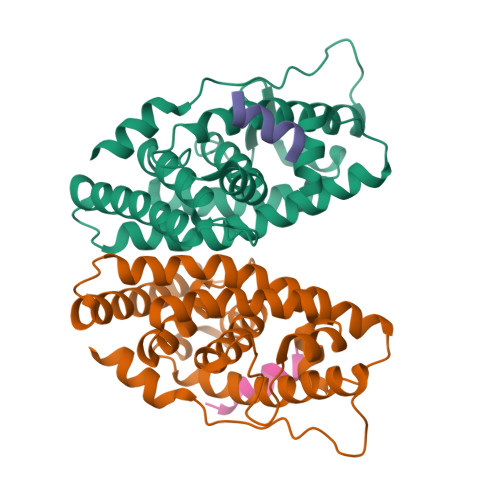 Click to view 3D structure Click to view 3D structure | Estrogen-related receptor gamma | P62508 | Humans | Known | Not Available |
 Click to view 3D structure Click to view 3D structure | Protein c-Fos | P01100 | Humans | Known | Not Available |
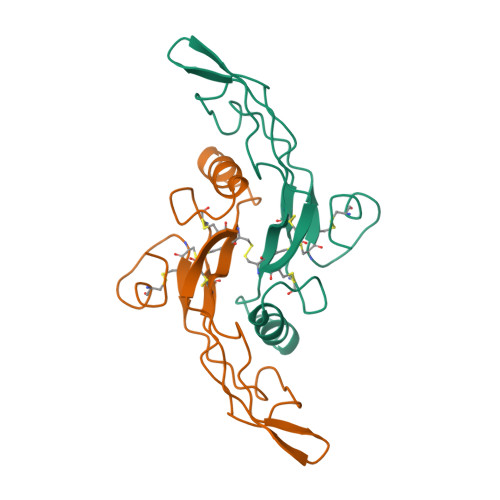 Click to view 3D structure Click to view 3D structure | Transforming growth factor beta-1 proprotein | P01137 | Humans | Known | Not Available |