Cobalt (CED0000033)

Record Information
Version1.0
Creation Date2009-03-06 18:57:59 UTC
Update Date2026-05-14 19:43:21 UTC
Accession NumberCHEM000045
Identification
Common NameCobalt
ClassSmall Molecule
Description
Cobalt belongs to the homogeneous transition metal compounds, a class of homogeneous metal compounds within the inorganic compounds. This exogenous solid has a formula of Co and an average molecular weight of 58.93 g/mol. It is identified as a biological micronutrient, an industrial degradant or impurity, and an environmental heavy metal (PMC10163231). Cobalt is released from various sources, including electrical and electronic equipment such as amplifiers, antennas, coils, and communication cables; food contact materials and meat processing; ladders used in building and construction; and other smoking requisites. It is released from plastics including polycarbonate, polyethylene terephthalate, polypropylene, and polystyrene, though it is not detected in polyamide or polyvinyl chloride. Recorded exposure routes include touch, oral, and inhalation, and the substance has been detected in the skin and kidney. Cobalt interacts with numerous protein targets to produce various effects. It inhibits carbonic anhydrases 1, 2, and 4, and it inhibits heme synthesis by preventing the synthesis of 5-aminolaevulinate through the inhibition of 5-aminolaevulinate synthase (ALAS1 and ALAS2). Cobalt blocks high-voltage-activated calcium channels, including CACNA1C, CACNG1, CACNA2D1, and CACNA2D2, which may impair neurotransmission. It inhibits DNA repair by interacting with zinc finger DNA repair proteins such as PARP1, while radioactive cobalt causes damage to lipids, RNA, and DNA through ionizing events. Additionally, cobalt interacts with specific IgE and IgA antibodies (IGHA1 and IGHA2), resulting in immunosensitization. Other recorded protein targets include histone deacetylase 8 (HDAC8) and the estrogen receptor (ESR1).
Contaminant Type
  • Cigarette Toxin
  • Cobalt Compound
  • Food Toxin
  • Household Toxin
  • Human Neurotoxin
  • Industrial/Workplace Toxin
  • Inorganic Compound
  • Metabolite
  • Metal
  • Natural Compound
  • Pollutant
Chemical Structure
Synonyms
ValueSource
Co(II)ChEBI
CO2+ChEBI
Co(2+)ChEBI
COBALT (II) ionChEBI
Cobalt(2+) ionChEBI
Cobalt(II) cationChEBI
Cobaltous ionChEBI
Cobalt(2+)Kegg
AquacatHMDB
CoHMDB
Cobalt-59HMDB
Cobatope-57HMDB
KobaltHMDB
Super cobaltHMDB
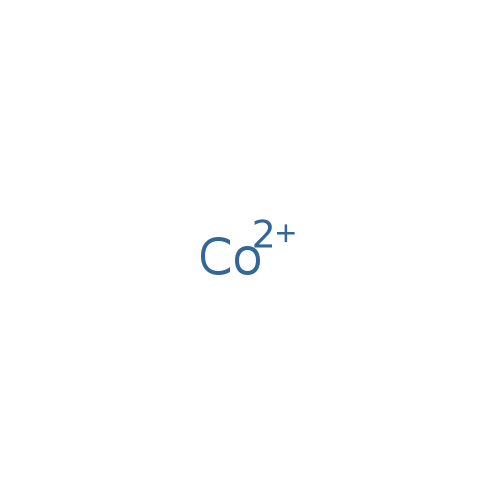
Chemical FormulaCo
Average Molecular Mass58.933 g/mol
Monoisotopic Mass58.933 g/mol
CAS Registry Number7440-48-4
IUPAC Namelambda2-cobalt(2+) ion
Traditional Namelambda2-cobalt(2+) ion
SMILES[Co++]
InChI IdentifierInChI=1S/Co/q+2
InChI KeyXLJKHNWPARRRJB-UHFFFAOYSA-N
Chemical Taxonomy
Description Belongs to the class of inorganic compounds known as homogeneous transition metal compounds. These are inorganic compounds containing only metal atoms,with the largest atom being a transition metal atom.
KingdomInorganic compounds
Super ClassHomogeneous metal compounds
ClassHomogeneous transition metal compounds
Sub ClassNot Available
Direct ParentHomogeneous transition metal compounds
Alternative ParentsNot Available
Substituents
  • Homogeneous transition metal
Molecular FrameworkNot Available
External Descriptors
Biological Properties
StatusDetected and Not Quantified
OriginExogenous
Cellular Locations
  • Cytoplasm
  • Extracellular
Biofluid LocationsNot Available
Tissue Locations
  • Kidney
  • Skin
ApplicationsNot Available
Biological Roles
Chemical RolesNot Available
Organoleptic EffectsNot Available
Physical Properties
StateSolid
AppearanceGrey metallic solid.
Experimental Properties
PropertyValue
Melting Point1495°C
Boiling Point3100°C (5612°F)
SolubilityNot Available
Predicted Properties
PropertyValueSource
logP0.23ChemAxon
pKa (Strongest Acidic)3.09ChemAxon
Physiological Charge2ChemAxon
Hydrogen Acceptor Count0ChemAxon
Hydrogen Donor Count0ChemAxon
Polar Surface Area0 ŲChemAxon
Rotatable Bond Count0ChemAxon
Refractivity0 m³·mol⁻¹ChemAxon
Polarizability1.78 ųChemAxon
Number of Rings0ChemAxon
BioavailabilityYesChemAxon
Rule of FiveYesChemAxon
Ghose FilterNoChemAxon
Veber's RuleYesChemAxon
MDDR-like RuleNoChemAxon
Spectra
Spectra
Spectrum TypeDescriptionSplash KeyDeposition DateView
Predicted LC-MS/MSPredicted LC-MS/MS Spectrumsplash10-0a4i-9000000000-5ec55e9e276ff34b918fNot AvailableView Spectrum
Predicted LC-MS/MSPredicted LC-MS/MS Spectrumsplash10-0a4i-9000000000-c4eed668d3af388c4a95Not AvailableView Spectrum
Toxicity Profile
Mechanism of ToxicityCobalt is believed to exhibit its toxicity through a oxidant-based and free radical-based processes. It produces oxygen radicals and may be oxidized to ionic cobalt, causing increased lipid peroxidation, DNA damage, and inducing certain enzymes that lead to cell apoptosis. Cobalt has also been shown to block inorganic calcium channels, possibly impairing neurotransmission. Cobalt can also chelate lipoic acids, impairing oxidation of pyruvate or fatty acids. In addition, cobalt may inhibit DNA repair by interacting with zinc finger DNA repair proteins, and has also been shown to inhibit heme synthesis and glucose metabolism. Cobalt may activate specific helper T-lymphocyte cells and interact directly with immunologic proteins, such as antibodies (IgA and IgE) or Fc receptors, resulting in immunosensitization. (8)
Carcinogenicity (IARC Classification)Cobalt metal with tungsten carbide: 2A, probably carcinogenic to humans. Cobalt metal without tungsten carbide: 2B, posiibly carcinogenic to humans. (11)
Minimum Risk LevelChronic Inhalation: 0.0001 mg/m3 (10) Intermediate Oral: 0.01 mg/kg/day (10)
SymptomsCobalt inhalation can cause asthma-like breathing problems. Skin contact is known to result in contact dermatitis, which is characterized by irritation and rashes. Ingesting large amounts of cobalt may cause nausea and vomiting. (13)
TreatmentTreatment of cobalt poisoning is symptomatic. (8)
Toxicity Values
Toxicity ValueUnitValue RangeOrganismDose DescriptorRoute of ExposurePredicted or ExperimentalReference
6170.0mg/kgNot AvailableRatLD50OralexperimentalT26
100.0mg/kgNot AvailableRatLD50IntraperitonealexperimentalT26
Health Effects
Health EffectRelationshipDirectionReference
Exposure Sources
Source IDSourceSectorReference
494Food contact materialsFood, food processing & cookwareNot Available
498LaddersBuilding & ConstructionNot Available
505AmplifiersElectrical & Electronic EquipmentNot Available
506AntennasElectrical & Electronic EquipmentNot Available
507Auxiliary DevicesElectrical & Electronic EquipmentNot Available
508CoilsElectrical & Electronic EquipmentNot Available
510Communication Cables Or ConductorsElectrical & Electronic EquipmentNot Available
513Cores Yokes Or ArmaturesElectrical & Electronic EquipmentNot Available
514Discharge LampsElectrical & Electronic EquipmentNot Available
520Emergency Protective DevicesElectrical & Electronic EquipmentNot Available
526LoudspeakersElectrical & Electronic EquipmentNot Available
527MagnetsElectrical & Electronic EquipmentNot Available
529Power CablesElectrical & Electronic EquipmentNot Available
530Radio Transmission SystemsElectrical & Electronic EquipmentNot Available
531RelaysElectrical & Electronic EquipmentNot Available
533Sparking PlugsElectrical & Electronic EquipmentNot Available
535Superconducting Magnets And Superconducting CoilsElectrical & Electronic EquipmentNot Available
538Thin Magnetic FilmsElectrical & Electronic EquipmentNot Available
539Video GamesElectrical & Electronic EquipmentNot Available
540X Ray TubesElectrical & Electronic EquipmentNot Available
549Preparation Of Wine Or Sparkling WineFood, food processing & cookwareNot Available
552Processing MeatsFood, food processing & cookwareNot Available
560Other Smoking RequisitesHousehold cleaning & consumer productsNot Available
578Making CigarsIndustrial manufacturing & chemical processingNot Available
579Manufacture Of Iron Or SteelIndustrial manufacturing & chemical processingNot Available
589Life BuoysMarine, shipping & aquacultureNot Available
592Marine Propulsion Or SteeringMarine, shipping & aquacultureNot Available
630ToysRecreation & sports surfacesNot Available
633Azo DyesTextiles, leather & furnishingsNot Available
638Decorating TextilesTextiles, leather & furnishingsNot Available
648Nitro DyesTextiles, leather & furnishingsNot Available
650Purses Luggage Hand BagsTextiles, leather & furnishingsNot Available
652RopesTextiles, leather & furnishingsNot Available
653SewingTextiles, leather & furnishingsNot Available
655Slide FastenersTextiles, leather & furnishingsNot Available
659Transfer PrintingTextiles, leather & furnishingsNot Available
Pathways
1 pathway
Targets
StructureProteinUniProt IDOrganismRelationshipDetails
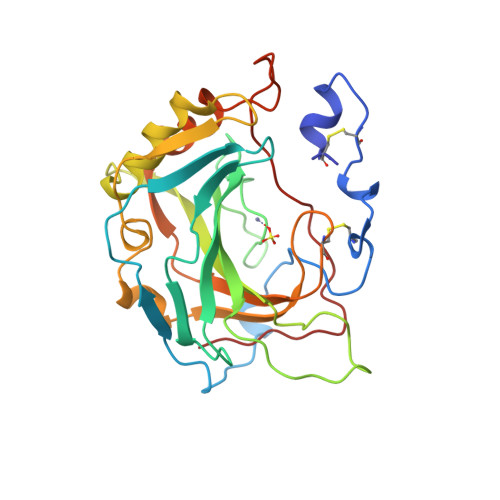
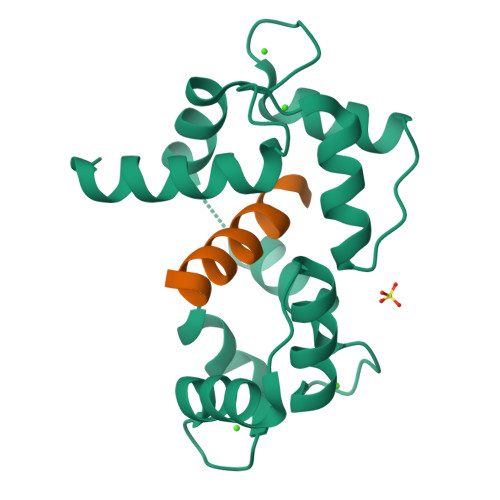
Carbonic anhydrase 1 structureClick to view 3D structureCarbonic anhydrase 1P00915HumansKnownCobalt inhibits carbonic anhydrases.(A38, A98)
Carbonic anhydrase 2 structureClick to view 3D structureCarbonic anhydrase 2P00918HumansKnownCobalt inhibits carbonic anhydrases.(A38, A98)
Carbonic anhydrase 4 structureClick to view 3D structureCarbonic anhydrase 4P22748HumansKnownCobalt inhibits carbonic anhydrases.(A38, A98)
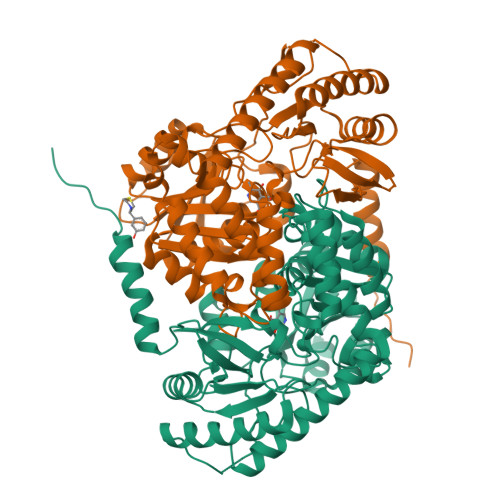
5-aminolevulinate synthase, erythroid-specific, mitochondrial structureClick to view 3D structure5-aminolevulinate synthase, erythroid-specific, mitochondrialP22557HumansKnownCobalt inhibits heme synthesis by preventing synthesis of 5-aminolaevulinate via inhibition of 5-aminolaevulinate synthase. (L22)
Click to view 3D structure5-aminolevulinate synthase, non-specific, mitochondrialP13196HumansKnownCobalt inhibits heme synthesis by preventing synthesis of 5-aminolaevulinate via inhibition of 5-aminolaevulinate synthase. (L22)
Estrogen receptor structureClick to view 3D structureEstrogen receptorP03372HumansKnownNot Available
Histone deacetylase 8 structureClick to view 3D structureHistone deacetylase 8Q9BY41HumansKnownNot Available
Immunoglobulin heavy constant alpha 1 structureClick to view 3D structureImmunoglobulin heavy constant alpha 1P01876HumansKnownCobalt interacts with specific IgA antibodies, resulting in immunosensitization. (A102)
Immunoglobulin heavy constant alpha 2 structureClick to view 3D structureImmunoglobulin heavy constant alpha 2P01877HumansKnownCobalt interacts with specific IgA antibodies, resulting in immunosensitization. (A102)
Poly [ADP-ribose] polymerase 1 structureClick to view 3D structurePoly [ADP-ribose] polymerase 1P09874HumansKnownCobalt inhibits DNA repair by interacting with zinc finger DNA repair proteins. (A103)
Voltage-dependent L-type calcium channel subunit alpha-1C structureClick to view 3D structureVoltage-dependent L-type calcium channel subunit alpha-1CQ13936HumansKnownCobalt blocks high-voltage-activated calcium channels, possibly impairing neurotransmission. (A100)
Voltage-dependent L-type calcium channel subunit alpha-1D structureClick to view 3D structureVoltage-dependent L-type calcium channel subunit alpha-1DQ01668HumansKnownCobalt blocks high-voltage-activated calcium channels, possibly impairing neurotransmission. (A100)
Click to view 3D structureVoltage-dependent L-type calcium channel subunit alpha-1FO60840HumansKnownCobalt blocks high-voltage-activated calcium channels, possibly impairing neurotransmission. (A100)
Voltage-dependent L-type calcium channel subunit alpha-1S structureClick to view 3D structureVoltage-dependent L-type calcium channel subunit alpha-1SQ13698HumansKnownCobalt blocks high-voltage-activated calcium channels, possibly impairing neurotransmission. (A100)
Voltage-dependent L-type calcium channel subunit beta-1 structureClick to view 3D structureVoltage-dependent L-type calcium channel subunit beta-1Q02641HumansKnownCobalt blocks high-voltage-activated calcium channels, possibly impairing neurotransmission. (A100)
Voltage-dependent L-type calcium channel subunit beta-2 structureClick to view 3D structureVoltage-dependent L-type calcium channel subunit beta-2Q08289HumansKnownCobalt blocks high-voltage-activated calcium channels, possibly impairing neurotransmission. (A100)
Voltage-dependent L-type calcium channel subunit beta-3 structureClick to view 3D structureVoltage-dependent L-type calcium channel subunit beta-3P54284HumansKnownCobalt blocks high-voltage-activated calcium channels, possibly impairing neurotransmission. (A100)
Voltage-dependent L-type calcium channel subunit beta-4 structureClick to view 3D structureVoltage-dependent L-type calcium channel subunit beta-4O00305HumansKnownCobalt blocks high-voltage-activated calcium channels, possibly impairing neurotransmission. (A100)
Voltage-dependent N-type calcium channel subunit alpha-1B structureClick to view 3D structureVoltage-dependent N-type calcium channel subunit alpha-1BQ00975HumansKnownCobalt blocks high-voltage-activated calcium channels, possibly impairing neurotransmission. (A100)
Voltage-dependent P/Q-type calcium channel subunit alpha-1A structureClick to view 3D structureVoltage-dependent P/Q-type calcium channel subunit alpha-1AO00555HumansKnownCobalt blocks high-voltage-activated calcium channels, possibly impairing neurotransmission. (A100)
Click to view 3D structureVoltage-dependent calcium channel gamma-1 subunitQ06432HumansKnownCobalt blocks high-voltage-activated calcium channels, possibly impairing neurotransmission. (A100)
Voltage-dependent calcium channel subunit alpha-2/delta-1 structureClick to view 3D structureVoltage-dependent calcium channel subunit alpha-2/delta-1P54289HumansKnownCobalt blocks high-voltage-activated calcium channels, possibly impairing neurotransmission. (A100)
Click to view 3D structureVoltage-dependent calcium channel subunit alpha-2/delta-2Q9NY47HumansKnownCobalt blocks high-voltage-activated calcium channels, possibly impairing neurotransmission. (A100)
Click to view 3D structureVoltage-dependent calcium channel subunit alpha-2/delta-3Q8IZS8HumansKnownCobalt blocks high-voltage-activated calcium channels, possibly impairing neurotransmission. (A100)
Concentrations
Not Available
External Links
DrugBank IDNot Available
HMDB IDHMDB0000608
FooDB IDFDB003581
Phenol Explorer IDNot Available
KNApSAcK IDNot Available
BiGG IDNot Available
BioCyc IDNot Available
METLIN IDNot Available
PDB IDNot Available
Wikipedia LinkCobalt
Chemspider ID94546
ChEBI ID48828
PubChem Compound ID104729
Kegg Compound IDC00175
YMDB IDNot Available
ECMDB IDECMDB00608
References
Synthesis ReferenceNot Available
MSDSLink
General References
1. Z. Dobrzañski et al. The Content of Microelements and Trace Elements in Raw Milk from Cows in the Silesian Region. Polish Journal of Environmental Studies Vol. 14, No 5 (2005), 685-689
2. A. Foroutan et al. The Chemical Composition of Commercial Cow's Milk (in preparation)
3. Patricia Cava-Montesinos, M. Luisa Cervera Agustín Pastor Miguel de la Guardia. 2005. Room temperature acid sonication ICP-MS multielemental analysis of milk.Analytica Chimica Acta Volume 531, Issue 1, Pages 111-123
4. Z. Dobrzański, R. Kołacz, H. Górecka, K. Chojnacka, A. Bartkowiak. 2005. The Content of Microelements and Trace Elements in Raw Milk from Cows in the Silesian Region. Pol. J. Environ. Stud. 14(5):685–689
5. Larese Filon F, Maina G, Adami G, Venier M, Coceani N, Bussani R, Massiccio M, Barbieri P, Spinelli P: In vitro percutaneous absorption of cobalt. Int Arch Occup Environ Health. 2004 Feb;77(2):85-9. Epub 2003 Jun 19.
6. Liden C, Skare L, Lind B, Nise G, Vahter M: Assessment of skin exposure to nickel, chromium and cobalt by acid wipe sampling and ICP-MS. Contact Dermatitis. 2006 May;54(5):233-8.
7. Fisher JW: A quest for erythropoietin over nine decades. Annu Rev Pharmacol Toxicol. 1998;38:1-20.
8. Morales Concepcion JC, Cordies Jackson E, Sandin Hernandez N, Reno Cespedes J, Moreno Diaz ME: [Metachronous bilateral Wilms' tumor]. Arch Esp Urol. 2000 Apr;53(3):245-7.
9. De Boeck M, Kirsch-Volders M, Lison D: Cobalt and antimony: genotoxicity and carcinogenicity. Mutat Res. 2003 Dec 10;533(1-2):135-52.