Aroclor 1016 (CED0000035)

Record Information
Version1.0
Creation Date2009-03-06 18:57:59 UTC
Update Date2026-08-18 21:25:10 UTC
Accession NumberCHEM000047
Identification
Common NameAroclor 1016
ClassSmall Molecule
Description
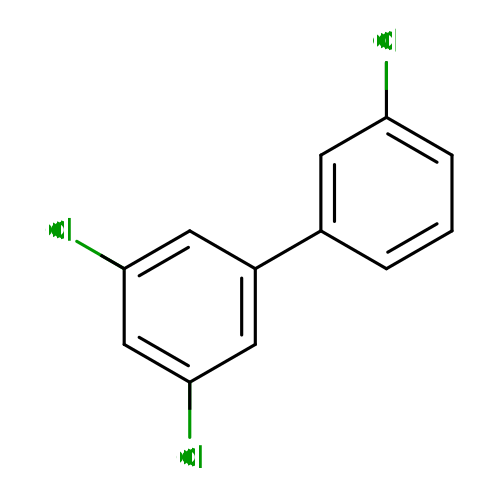
Aroclor 1016 belongs to the biphenyls and derivatives, a subclass of benzene and substituted derivatives within the organic compounds. This exogenous compound has a formula of C12H7Cl3 and an average molecular weight of 257.54 g/mol. At room temperature, it exists as a liquid. Aroclor 1016 is a commercial mixture of polychlorinated biphenyls (PCBs) with an average chlorine content of 41.5%. It consists primarily of trichlorobiphenyls (54.67%) and also contains mono-, bi-, tetra-, and pentachlorinated homologs. PCBs are synthetic organic compounds featuring 1-10 chlorine atoms attached to biphenyl. Although banned in the 1970s due to their tendency to bioaccumulate in the environment and cause harmful health effects, these compounds do not break down readily and persist in the environment. The compound interacts with several protein targets. Binding to the aryl hydrocarbon receptor (AHR) disrupts cell function by altering gene transcription, specifically inducing hepatic Phase I and Phase II enzymes of the cytochrome P450 family. It causes endocrine disruption by binding to the estrogen receptor (ESR1 and ESR2) or by binding to estrogen sulfotransferase (SULT1E1), which can produce reproductive dysfunction and stimulate the growth of certain cancer cells. Additionally, binding to uteroglobin (SCGB1A1) facilitates bioaccumulation. Inhibition of tyrosine 3-monooxygenase (TH) and aromatic-L-amino-acid decarboxylase (DDC) is believed to decrease dopamine synthesis.
Contaminant Type
  • Aromatic Hydrocarbon
  • Coolant
  • Industrial/Workplace Toxin
  • Organic Compound
  • Organochloride
  • Plasticizer
  • Pollutant
  • Polychlorinated Biphenyl
  • Synthetic Compound
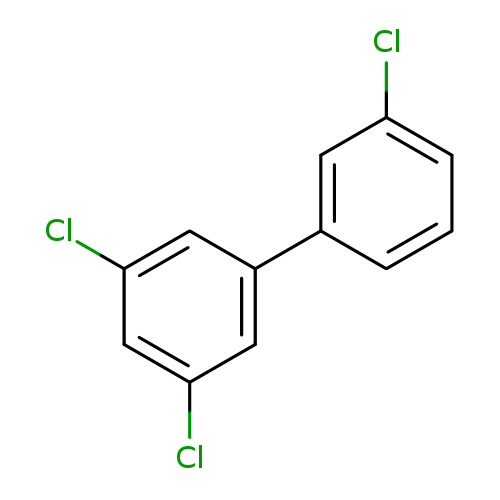
Chemical Structure
Synonyms
ValueSource
Aroclor-1016MeSH
Chemical FormulaC12H7Cl3
Average Molecular Mass257.543 g/mol
Monoisotopic Mass255.961 g/mol
CAS Registry Number12674-11-2
IUPAC Name1,3-dichloro-5-(3-chlorophenyl)benzene
Traditional Name3,3',5-trichlorobiphenyl
SMILESClC1=CC=CC(=C1)C1=CC(Cl)=CC(Cl)=C1
InChI IdentifierInChI=1S/C12H7Cl3/c13-10-3-1-2-8(4-10)9-5-11(14)7-12(15)6-9/h1-7H
InChI KeyRIBGNAJQTOXRDK-UHFFFAOYSA-N
Chemical Taxonomy
Description Belongs to the class of organic compounds known as polychlorinated biphenyls. These are organic compounds containing at least two chlorine atoms attached to either benzene ring of the biphenyl moiety.
KingdomOrganic compounds
Super ClassBenzenoids
ClassBenzene and substituted derivatives
Sub ClassBiphenyls and derivatives
Direct ParentPolychlorinated biphenyls
Alternative Parents
Substituents
  • Polychlorinated biphenyl
  • 1,3-dichlorobenzene
  • Halobenzene
  • Chlorobenzene
  • Aryl halide
  • Aryl chloride
  • Hydrocarbon derivative
  • Organochloride
  • Organohalogen compound
  • Aromatic homomonocyclic compound
Molecular FrameworkAromatic homomonocyclic compounds
External DescriptorsNot Available
Biological Properties
StatusDetected and Not Quantified
OriginExogenous
Cellular Locations
  • Membrane
  • Microsome
Biofluid LocationsNot Available
Tissue LocationsNot Available
ApplicationsNot Available
Biological RolesNot Available
Chemical RolesNot Available
Organoleptic EffectsNot Available
Physical Properties
StateLiquid
AppearanceClear oil.
Experimental Properties
PropertyValue
Melting PointNot Available
Boiling Point325–356 °C
Solubility0.00042 mg/mL at 25 °C [MABEY,WR et al. (1981)]
Predicted Properties
PropertyValueSource
Water Solubility0.00013 g/LALOGPS
logP5.69ALOGPS
logP5.43ChemAxon
logS-6.3ALOGPS
Physiological Charge0ChemAxon
Hydrogen Acceptor Count0ChemAxon
Hydrogen Donor Count0ChemAxon
Polar Surface Area0 ŲChemAxon
Rotatable Bond Count1ChemAxon
Refractivity65.61 m³·mol⁻¹ChemAxon
Polarizability24.86 ųChemAxon
Number of Rings2ChemAxon
BioavailabilityYesChemAxon
Rule of FiveNoChemAxon
Ghose FilterYesChemAxon
Veber's RuleYesChemAxon
MDDR-like RuleNoChemAxon
Spectra
Spectra
Spectrum TypeDescriptionSplash KeyDeposition DateView
Predicted GC-MSPredicted GC-MS Spectrumsplash10-0a4i-1490000000-a4d942db220dbb9fc0c6Not AvailableView Spectrum
Predicted GC-MSPredicted GC-MS SpectrumNot AvailableNot AvailableView Spectrum
Predicted LC-MS/MSPredicted LC-MS/MS Spectrumsplash10-0a4i-0090000000-85c31f67fe423ba9e617Not AvailableView Spectrum
Predicted LC-MS/MSPredicted LC-MS/MS Spectrumsplash10-0a4i-0090000000-2fa458c4b8068879ed28Not AvailableView Spectrum
Predicted LC-MS/MSPredicted LC-MS/MS Spectrumsplash10-0a4i-1590000000-97b1ff885d53d7fad89bNot AvailableView Spectrum
Predicted LC-MS/MSPredicted LC-MS/MS Spectrumsplash10-0udi-0090000000-9241a476066381d6c53aNot AvailableView Spectrum
Predicted LC-MS/MSPredicted LC-MS/MS Spectrumsplash10-0udi-0090000000-2163a69e8d791ba85db6Not AvailableView Spectrum
Predicted LC-MS/MSPredicted LC-MS/MS Spectrumsplash10-0udi-1590000000-fdcf6ff16c5ce2324118Not AvailableView Spectrum
Predicted LC-MS/MSPredicted LC-MS/MS Spectrumsplash10-0a4i-0090000000-2126c434ecaf465d48f0Not AvailableView Spectrum
Predicted LC-MS/MSPredicted LC-MS/MS Spectrumsplash10-0a4l-0790000000-0bdf91dfe4fecdcdb92cNot AvailableView Spectrum
Predicted LC-MS/MSPredicted LC-MS/MS Spectrumsplash10-0udi-0090000000-e7ea4f0ba1963c9918bfNot AvailableView Spectrum
Predicted LC-MS/MSPredicted LC-MS/MS Spectrumsplash10-014i-0930000000-c57971a7c8f7eb7f1996Not AvailableView Spectrum
Toxicity Profile
Mechanism of ToxicityThe mechanism of action varies with the specific PCB. Dioxin-like PCBs bind to the aryl hydrocarbon receptor, which disrupts cell function by altering the transcription of genes, mainly be inducing the expression of hepatic Phase I and Phase II enzymes, especially of the cytochrome P450 family. Most of the toxic effects of PCBs are believed to be results of Ah receptor binding. Other PBCs are believed to interfere with calcium channels and/or change brain dopamine levels. PCBs can also cause endocrine disurption by altering the production of thyroid hormones and binding to estrogen receptors, which can stimulate the growth of certain cancer cells and produce other estrogenic effects, such as reproductive dysfunction. They will bioaccumulate by binding to receptor proteins such as uteroglobin. (1, 2, 5, 6)
Carcinogenicity (IARC Classification)1, carcinogenic to humans. (9)
Minimum Risk LevelIntermediate Oral: 0.03 ug/kg/day (8)
SymptomsChronic PCB exposure results in symptoms such as abdominal pain, nausea, vomiting, diarrhea, headache, dizziness, depression, nervousness, dermal and ocular lesions, fatigue, irregular menstrual cycles and a lowered immune response. (1)
TreatmentThere are no specific treatments for PCB poisoning, since it is not usually recognized until after substantial chronic exposure. Only preventing further exposure and treating the observed symptoms can be done. Acute inhalation can be treated by administering oxygen. (7)
Toxicity Values
Toxicity ValueUnitValue RangeOrganismDose DescriptorRoute of ExposurePredicted or ExperimentalReference
2300.0mg/kgNot AvailableRatLD50OralexperimentalT14
Health Effects
Health EffectRelationshipDirectionReference
Exposure Sources
Source IDSourceSectorReference
Pathways
0 pathways

No pathways found

No metabolic pathways have been associated with this synthetic chemical

Targets
StructureProteinUniProt IDOrganismRelationshipDetails
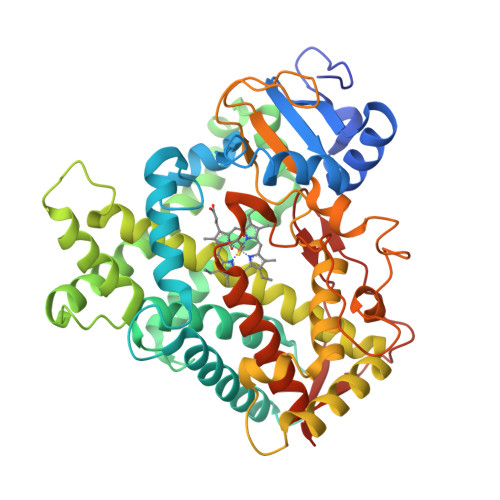
Cytochrome P450 2C19 structureClick to view 3D structureCytochrome P450 2C19P33261HumansPredicted (SEA)299.797
Cytochrome P450 3A4 structureClick to view 3D structureCytochrome P450 3A4P08684HumansPredicted (SEA)805.506
Cytochrome P450 2C9 structureClick to view 3D structureCytochrome P450 2C9P11712HumansPredicted (SEA)629.1
Cytochrome P450 1A2 structureClick to view 3D structureCytochrome P450 1A2P05177HumansPredicted (SEA)432.53
Cytochrome P450 2D6 structureClick to view 3D structureCytochrome P450 2D6P10635HumansPredicted (SEA)671.216
Click to view 3D structureCgd5_820 proteinF0X4H1Cryptosporidium parvumPredicted (SEA)1.55698
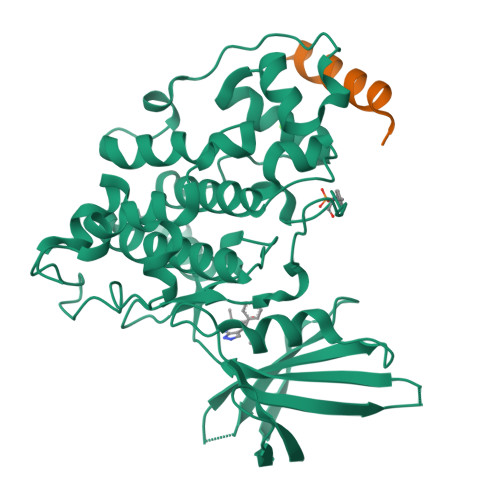
Click to view 3D structureMitogen-activated protein kinaseA3FQ79Cryptosporidium parvum (strain Iowa II)Predicted (SEA)1.55698
Click to view 3D structureCalcium/calmodulin-dependent protein kinase with a kinase domain and 2 calmodulin-like EF handsQ5CZ29Cryptosporidium parvum (strain Iowa II)Predicted (SEA)1.55698
Click to view 3D structureCalcium/calmodulin-dependent protein kinase with a kinase domain and 4 calmodulin like EF handsQ5CYL9Cryptosporidium parvum (strain Iowa II)Predicted (SEA)1.55698
Click to view 3D structureCell division control protein 28, putativeA3FPL9Cryptosporidium parvum (strain Iowa II)Predicted (SEA)1.55698
Click to view 3D structureCalcium-dependent protein kinase 2Q6S4V9Cryptosporidium parvumPredicted (SEA)1.55698
Vascular endothelial growth factor receptor 1 structureClick to view 3D structureVascular endothelial growth factor receptor 1P17948HumansPredicted (SEA)799.979
Cytochrome P450 1B1 structureClick to view 3D structureCytochrome P450 1B1Q16678HumansPredicted (SEA)70.8428
Click to view 3D structurePeptidyl-prolyl cis-trans isomerase AP10111Rattus norvegicusPredicted (SEA)32.0739
Click to view 3D structureMembrane metallo-endopeptidase-like 1Q495T6HumansPredicted (SEA)11.4438
Glycogen synthase kinase-3 beta structureClick to view 3D structureGlycogen synthase kinase-3 betaP49841HumansPredicted (SEA)1302.81
Glycogen synthase kinase-3 alpha structureClick to view 3D structureGlycogen synthase kinase-3 alphaP49840HumansPredicted (SEA)961.749
Click to view 3D structure17-beta-hydroxysteroid dehydrogenase type 2P37059HumansPredicted (SEA)35.7328
17-beta-hydroxysteroid dehydrogenase type 1 structureClick to view 3D structure17-beta-hydroxysteroid dehydrogenase type 1P14061HumansPredicted (SEA)31.3732
Click to view 3D structureTubulin alpha 4aC5ISA2Ovis ariesPredicted (SEA)15.2584
Cytochrome P450 2B6 structureClick to view 3D structureCytochrome P450 2B6P20813HumansPredicted (SEA)81.041
Cannabinoid receptor 1 structureClick to view 3D structureCannabinoid receptor 1P21554HumansPredicted (SEA)312.02
Dual specificity tyrosine-phosphorylation-regulated kinase 1A structureClick to view 3D structureDual specificity tyrosine-phosphorylation-regulated kinase 1AQ13627HumansPredicted (SEA)1540.95
Sodium-dependent serotonin transporter structureClick to view 3D structureSodium-dependent serotonin transporterP31645HumansPredicted (SEA)787.678
5-hydroxytryptamine receptor 3A structureClick to view 3D structure5-hydroxytryptamine receptor 3AP46098HumansPredicted (SEA)346.195
Estrogen receptor structureClick to view 3D structureEstrogen receptorP03372HumansKnownCauses endocrine disruption in humans by binding to and inhibiting the estrogen receptor. (A590)
Estrogen receptor beta structureClick to view 3D structureEstrogen receptor betaQ92731HumansKnownCauses endocrine disruption in humans by binding to and inhibiting the estrogen receptor. (A590)
Sulfotransferase 1E1 structureClick to view 3D structureSulfotransferase 1E1P49888HumansKnownPCBs can cause endocrine disurption by binding to estrogen sulfotransferase, which can stimulate the growth of certain cancer cells and produce other estrogenic effects, such as reproductive dysfunction. (A3, A66)
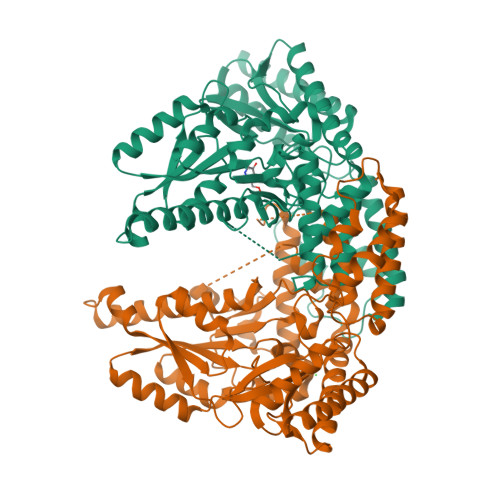
Aromatic-L-amino-acid decarboxylase structureClick to view 3D structureAromatic-L-amino-acid decarboxylaseP20711HumansKnownPCB inhibition of aromatic-L-amino-acid decarboxylase is believed to cause decreased dopamine synthesis. (L4)
Aryl hydrocarbon receptor structureClick to view 3D structureAryl hydrocarbon receptorP35869HumansKnownDioxin-like PCBs bind to the aryl hydrocarbon receptor, which disrupts cell function by altering the transcription of genes, mainly be inducing the expression of hepatic Phase I and Phase II enzymes, especially of the cytochrome P450 family. (A4)
Tyrosine 3-monooxygenase structureClick to view 3D structureTyrosine 3-monooxygenaseP07101HumansKnownPCB inhibition of tyrosine 3-monooxygenase is believed to cause decreased dopamine synthesis. (L4)
Uteroglobin structureClick to view 3D structureUteroglobinP11684HumansKnownPCBs will bioaccumulate by binding to receptor proteins such as uteroglobin. (A30)
Concentrations
Not Available
External Links
DrugBank IDNot Available
HMDB IDNot Available
FooDB IDNot Available
Phenol Explorer IDNot Available
KNApSAcK IDNot Available
BiGG IDNot Available
BioCyc IDNot Available
METLIN IDNot Available
PDB IDNot Available
Wikipedia LinkNot Available
Chemspider ID34871
ChEBI IDNot Available
PubChem Compound ID38037
Kegg Compound IDNot Available
YMDB IDNot Available
ECMDB IDNot Available
References
Synthesis ReferenceNot Available
MSDSNot Available
General References