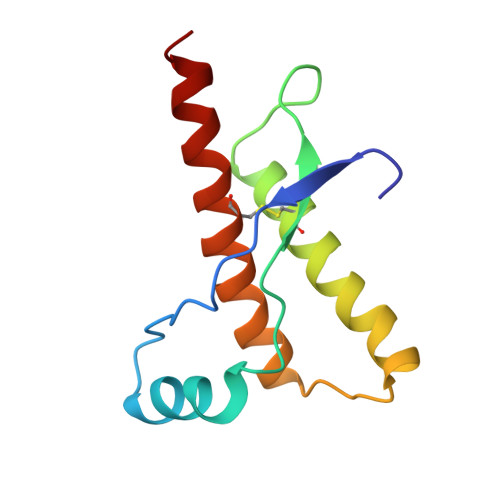
Nickel (CHEM000049)
| Record Information | |||||||||||||||||||||||||||||||||||||||||||||||||||||
|---|---|---|---|---|---|---|---|---|---|---|---|---|---|---|---|---|---|---|---|---|---|---|---|---|---|---|---|---|---|---|---|---|---|---|---|---|---|---|---|---|---|---|---|---|---|---|---|---|---|---|---|---|---|
| Version | 1.0 | ||||||||||||||||||||||||||||||||||||||||||||||||||||
| Creation Date | 2009-03-06 18:57:59 UTC | ||||||||||||||||||||||||||||||||||||||||||||||||||||
| Update Date | 2026-05-14 19:42:06 UTC | ||||||||||||||||||||||||||||||||||||||||||||||||||||
| Accession Number | CHEM000049 | ||||||||||||||||||||||||||||||||||||||||||||||||||||
| Identification | |||||||||||||||||||||||||||||||||||||||||||||||||||||
| Common Name | Nickel | ||||||||||||||||||||||||||||||||||||||||||||||||||||
| Class | Small Molecule | ||||||||||||||||||||||||||||||||||||||||||||||||||||
| Description | Nickel is a solid, silver-white, hard, malleable transition metal with an atomic number of 28. It resists corrosion even at high temperatures. It is present in many alloys in widespread use, including stainless steels. It may also be present as an impurity in any alloy. Nickel is used in the production of coins, jewellery, and nickel-cadmium batteries, and as a catalyst for the hydrogenation of liquid oils to solid fats such as oleomargarine and vegetable shortening. Nickel-containing dental alloys continue to be used successfully in the provision of various forms of dental care. Many of these alloys have applications in the construction of restorations designed to remain in clinical service for many years, including crowns, fixed bridgework, and removable partial dentures. Furthermore, nickel containing alloys find extensive application in orthodontics, including metallic brackets, arch wires, bands, springs and ligature wires. Many instruments and devises, for example, endodontic instruments also contain nickel. Allergic responses are mediated through the immune system. In a sensitized individual, allergic responses can be initiated by relatively small amounts of the allergen; for example, if nickel ions are released from a nickel plated material following direct and prolonged contact with the skin. Individuals are first sensitized to the allergen. Subsequent exposures, if sufficiently high, may then result in an allergic reaction. A number of allergens are used in the clinical practice of dentistry, notably eugenol, mercury, nickel, chromium, cobalt, components of resin-based materials and a host of other chemical agents. The majority of dental allergies, including allergic responses to nickel-containing dental alloys, comprise Type IV hypersensitivity reactions, cell-mediated by T-lymphocytes. Physiologically, it exists as an ion in the body.(7, 8). | ||||||||||||||||||||||||||||||||||||||||||||||||||||
| Contaminant Sources |
| ||||||||||||||||||||||||||||||||||||||||||||||||||||
| Contaminant Type |
| ||||||||||||||||||||||||||||||||||||||||||||||||||||
| Chemical Structure | |||||||||||||||||||||||||||||||||||||||||||||||||||||
| Synonyms |
| ||||||||||||||||||||||||||||||||||||||||||||||||||||
| Chemical Formula | Ni | ||||||||||||||||||||||||||||||||||||||||||||||||||||
| Average Molecular Mass | 58.693 g/mol | ||||||||||||||||||||||||||||||||||||||||||||||||||||
| Monoisotopic Mass | 57.935 g/mol | ||||||||||||||||||||||||||||||||||||||||||||||||||||
| CAS Registry Number | 7440-02-0 | ||||||||||||||||||||||||||||||||||||||||||||||||||||
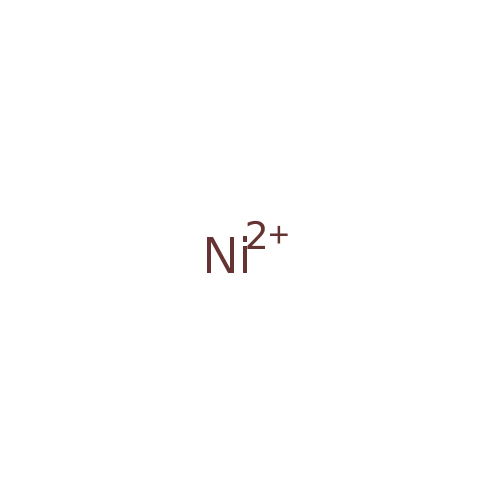
| IUPAC Name | nickel(2+) ion | ||||||||||||||||||||||||||||||||||||||||||||||||||||
| Traditional Name | nickel(2+) ion | ||||||||||||||||||||||||||||||||||||||||||||||||||||
| SMILES | [Ni++] | ||||||||||||||||||||||||||||||||||||||||||||||||||||
| InChI Identifier | InChI=1S/Ni/q+2 | ||||||||||||||||||||||||||||||||||||||||||||||||||||
| InChI Key | VEQPNABPJHWNSG-UHFFFAOYSA-N | ||||||||||||||||||||||||||||||||||||||||||||||||||||
| Chemical Taxonomy | |||||||||||||||||||||||||||||||||||||||||||||||||||||
| Description | Belongs to the class of inorganic compounds known as homogeneous transition metal compounds. These are inorganic compounds containing only metal atoms,with the largest atom being a transition metal atom. | ||||||||||||||||||||||||||||||||||||||||||||||||||||
| Kingdom | Inorganic compounds | ||||||||||||||||||||||||||||||||||||||||||||||||||||
| Super Class | Homogeneous metal compounds | ||||||||||||||||||||||||||||||||||||||||||||||||||||
| Class | Homogeneous transition metal compounds | ||||||||||||||||||||||||||||||||||||||||||||||||||||
| Sub Class | Not Available | ||||||||||||||||||||||||||||||||||||||||||||||||||||
| Direct Parent | Homogeneous transition metal compounds | ||||||||||||||||||||||||||||||||||||||||||||||||||||
| Alternative Parents | |||||||||||||||||||||||||||||||||||||||||||||||||||||
| Substituents |
| ||||||||||||||||||||||||||||||||||||||||||||||||||||
| Molecular Framework | Not Available | ||||||||||||||||||||||||||||||||||||||||||||||||||||
| External Descriptors |
| ||||||||||||||||||||||||||||||||||||||||||||||||||||
| Biological Properties | |||||||||||||||||||||||||||||||||||||||||||||||||||||
| Status | Detected and Not Quantified | ||||||||||||||||||||||||||||||||||||||||||||||||||||
| Origin | Exogenous | ||||||||||||||||||||||||||||||||||||||||||||||||||||
| Cellular Locations |
| ||||||||||||||||||||||||||||||||||||||||||||||||||||
| Biofluid Locations | Not Available | ||||||||||||||||||||||||||||||||||||||||||||||||||||
| Tissue Locations | Not Available | ||||||||||||||||||||||||||||||||||||||||||||||||||||
| Pathways | Not Available | ||||||||||||||||||||||||||||||||||||||||||||||||||||
| Applications | Not Available | ||||||||||||||||||||||||||||||||||||||||||||||||||||
| Biological Roles | |||||||||||||||||||||||||||||||||||||||||||||||||||||
| Chemical Roles | Not Available | ||||||||||||||||||||||||||||||||||||||||||||||||||||
| Physical Properties | |||||||||||||||||||||||||||||||||||||||||||||||||||||
| State | Solid | ||||||||||||||||||||||||||||||||||||||||||||||||||||
| Appearance | Silvery-white metallic solid. | ||||||||||||||||||||||||||||||||||||||||||||||||||||
| Experimental Properties |
| ||||||||||||||||||||||||||||||||||||||||||||||||||||
| Predicted Properties |
| ||||||||||||||||||||||||||||||||||||||||||||||||||||
| Spectra | |||||||||||||||||||||||||||||||||||||||||||||||||||||
| Spectra | |||||||||||||||||||||||||||||||||||||||||||||||||||||
| Toxicity Profile | |||||||||||||||||||||||||||||||||||||||||||||||||||||
| Route of Exposure | Oral (13) ; inhalation (13) ; dermal (13) | ||||||||||||||||||||||||||||||||||||||||||||||||||||
| Mechanism of Toxicity | Nickel is known to substitute for other essential elements in certain enzmes, such as calcineurin. It is genotoxic, and some nickel compounds have been shown to promote cell proliferation. Nickel has a high affinity for chromatin proteins, particularly histones and protamines. The complexing of nickel ions with heterochromatin results in a number of alterations including condensation, DNA hypermethylation, gene silencing, and inhibition of histone acetylation, which have been shown to disturb gene expression. Nickel has also been shown to alter several transcription factors, including hypoxia-inducible transcription factor, activating transcription factor, and NF-KB transcription factor. There is also evidence that nickel ions inhibit DNA repair, either by directly inhibiting DNA repair enzymes or competing with zinc ions for binding to zinc-finger DNA binding proteins, resulting in structural changes in DNA that prevent repair enzymes from binding. Nickel ions can also complex with a number of cellular ligands including amino acids, peptides, and proteins resulting in the generation of oxygen radicals, which induce base damage, DNA strand breaks, and DNA protein crosslinks. (13, 1) | ||||||||||||||||||||||||||||||||||||||||||||||||||||
| Metabolism | Nickel is absorbed mainly through the lungs and gastrointestinal tract. Once in the body it enters the bloodstream, where it binds to albumin, L-histidine, and α2-macroglobulin. Nickel tends to accumulate in the lungs, thyroid, kidney, heart, and liver. Absorbed nickel is excreted in the urine, whereas unabsorbed nickel is excreted in the faeces. (13) | ||||||||||||||||||||||||||||||||||||||||||||||||||||
| Toxicity Values | LD50: 250 mg/kg (Intraperitoneal, Rat) (17) | ||||||||||||||||||||||||||||||||||||||||||||||||||||
| Lethal Dose | Not Available | ||||||||||||||||||||||||||||||||||||||||||||||||||||
| Carcinogenicity (IARC Classification) | Metallic nickel is possibly carcinogenic to humons (Group 2B). Nickel compounds are carcinogenic to humans (Group 1). (16) | ||||||||||||||||||||||||||||||||||||||||||||||||||||
| Uses/Sources | Pure nickel is mainly used to make alloys, which are found in items such as coins, jewelry, valves and heat exchangers. Nickel compounds are used for nickel plating, to color ceramics, to make some batteries, and as catalysts. (13) | ||||||||||||||||||||||||||||||||||||||||||||||||||||
| Minimum Risk Level | Intermediate Inhalation: 0.0002 mg/m3 (15) Chronic Inhalation: 0.00009 mg/m3 (15) | ||||||||||||||||||||||||||||||||||||||||||||||||||||
| Health Effects | The most common harmful health effect of nickel in humans is an allergic reaction. This usually manifests as a skin rash, although some people experience asthma attacks. Long term inhahation of nickel causes chronic bronchitis and reduced lung function, as well as damage to the naval cavity. Ingestion of excess nickel results in damage to the stomach, blood, liver, kidneys, and immune system, as well as having adverse effects on reproduction and development. (13) | ||||||||||||||||||||||||||||||||||||||||||||||||||||
| Symptoms | Symptoms of nickel poisoning include headache, nausea, vomiting, dizziness, irritability, and difficulty sleeping, followed by chest pains, sweating, rapid heart beat, and a dry cough. (14) | ||||||||||||||||||||||||||||||||||||||||||||||||||||
| Treatment | Excess exposure to nickel is usually handled by preventing further exposure and symptomatic treatment. Nickel poisoning may also be treated using chelation therapy with sodium diethyldithiocarbamate. (14) | ||||||||||||||||||||||||||||||||||||||||||||||||||||
| Concentrations | |||||||||||||||||||||||||||||||||||||||||||||||||||||
| Not Available | |||||||||||||||||||||||||||||||||||||||||||||||||||||
| External Links | |||||||||||||||||||||||||||||||||||||||||||||||||||||
| DrugBank ID | Not Available | ||||||||||||||||||||||||||||||||||||||||||||||||||||
| HMDB ID | HMDB0002457 | ||||||||||||||||||||||||||||||||||||||||||||||||||||
| FooDB ID | FDB013444 | ||||||||||||||||||||||||||||||||||||||||||||||||||||
| Phenol Explorer ID | Not Available | ||||||||||||||||||||||||||||||||||||||||||||||||||||
| KNApSAcK ID | Not Available | ||||||||||||||||||||||||||||||||||||||||||||||||||||
| BiGG ID | Not Available | ||||||||||||||||||||||||||||||||||||||||||||||||||||
| BioCyc ID | Not Available | ||||||||||||||||||||||||||||||||||||||||||||||||||||
| METLIN ID | Not Available | ||||||||||||||||||||||||||||||||||||||||||||||||||||
| PDB ID | Not Available | ||||||||||||||||||||||||||||||||||||||||||||||||||||
| Wikipedia Link | Nickel | ||||||||||||||||||||||||||||||||||||||||||||||||||||
| Chemspider ID | 909 | ||||||||||||||||||||||||||||||||||||||||||||||||||||
| ChEBI ID | 49786 | ||||||||||||||||||||||||||||||||||||||||||||||||||||
| PubChem Compound ID | 934 | ||||||||||||||||||||||||||||||||||||||||||||||||||||
| Kegg Compound ID | C19609 | ||||||||||||||||||||||||||||||||||||||||||||||||||||
| YMDB ID | Not Available | ||||||||||||||||||||||||||||||||||||||||||||||||||||
| ECMDB ID | ECMDB21391 | ||||||||||||||||||||||||||||||||||||||||||||||||||||
| References | |||||||||||||||||||||||||||||||||||||||||||||||||||||
| Synthesis Reference | Lightner, David A.; Crist, B. Vincent; Kalyanam, Nagabushanam; May, Leslie M.; Jackman, Dennis E. The octant rule. 15. Antioctant effects: synthesis and circular dichroism of 2-exo- and 2-endo-alkylbicyclo[2.2.1]heptan-7-ones and bicyclo[3.2.1]octan-8-one | ||||||||||||||||||||||||||||||||||||||||||||||||||||
| MSDS | Not Available | ||||||||||||||||||||||||||||||||||||||||||||||||||||
| General References | |||||||||||||||||||||||||||||||||||||||||||||||||||||