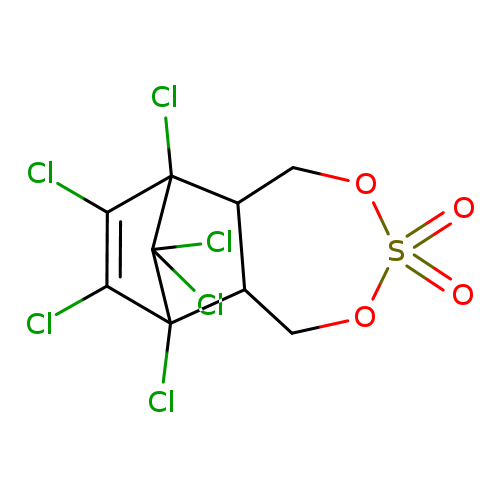
Click to view 3D structure Click to view 3D structure | GABA receptor subunit | Q75NA5 | Musca domestica | Predicted (SEA) | 0.0778492 |
 Click to view 3D structure Click to view 3D structure | histidine kinase | O32393 | Arthrospira platensis | Predicted (SEA) | 0.389246 |
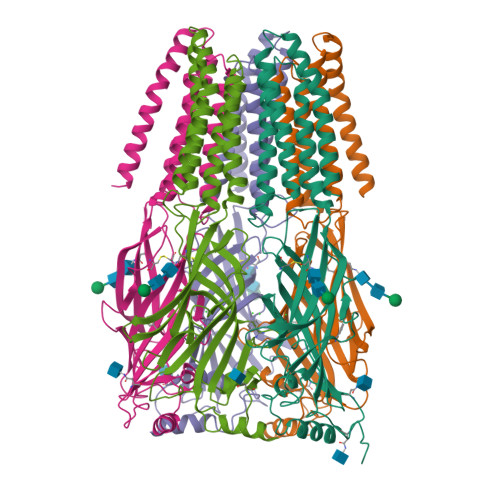 Click to view 3D structure Click to view 3D structure | Gamma-aminobutyric acid receptor subunit beta-3 | P28472 | Humans | Predicted (SEA) | 0.0778492 |
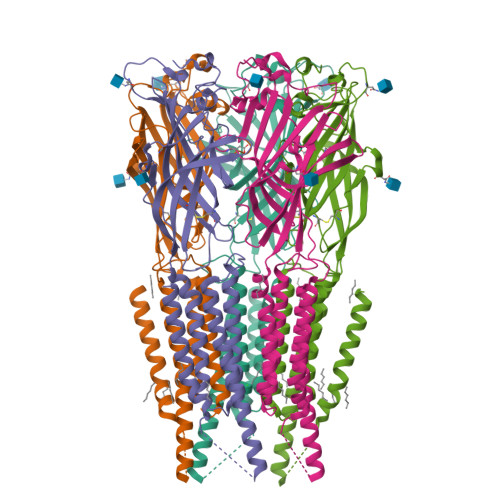 Click to view 3D structure Click to view 3D structure | Gamma-aminobutyric acid receptor subunit rho-1 | P24046 | Humans | Predicted (SEA) | 11.7552 |
| Click to view 3D structure | Type II NADH:quinone oxidoreductase Ndh | P95160 | Mycobacterium tuberculosis | Predicted (SEA) | 1096.12 |
| Click to view 3D structure | Type II NADH:quinone oxidoreductase NdhA | P95200 | Mycobacterium tuberculosis | Predicted (SEA) | 1096.12 |
| Click to view 3D structure | Serine/threonine-protein phosphatase 2A 65 kDa regulatory subunit A alpha isoform | Q76MZ3 | Mus musculus | Predicted (SEA) | 29.0378 |
| Click to view 3D structure | Extended-spectrum beta-lactamase PER-6 | D5HSX5 | Aeromonas allosaccharophila | Predicted (SEA) | 117.085 |
| Click to view 3D structure | ADC-14 protein | Q0VTR6 | Acinetobacter genomosp. 3 | Predicted (SEA) | 117.085 |
| Click to view 3D structure | Beta-lactamase SHV-11 | Q7X575 | Escherichia coli | Predicted (SEA) | 117.085 |
| Click to view 3D structure | ADC-16 protein | Q0VTR8 | Acinetobacter genomosp. 3 | Predicted (SEA) | 117.085 |
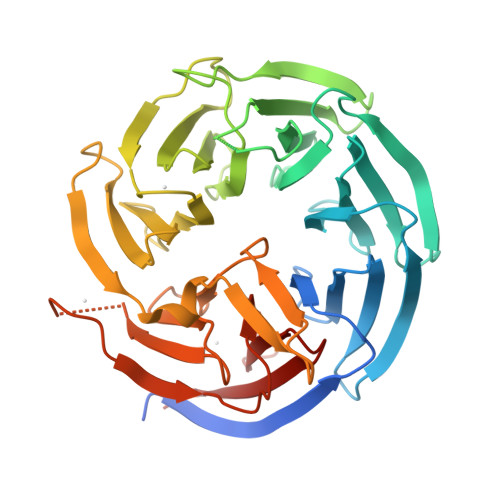 Click to view 3D structure Click to view 3D structure | WD repeat-containing protein 91 | A4D1P6 | Humans | Predicted (SEA) | 1589.68 |
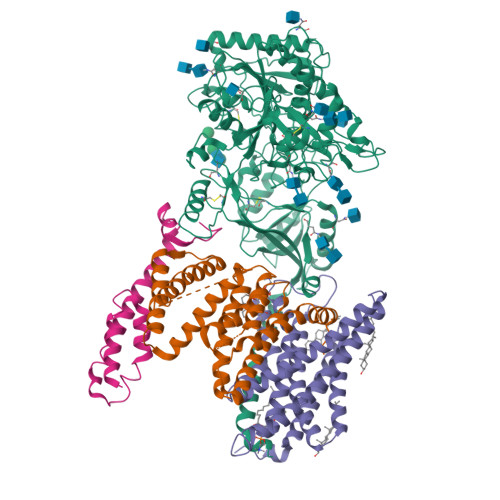 Click to view 3D structure Click to view 3D structure | Presenilin-2 | P49810 | Humans | Predicted (SEA) | 467.718 |
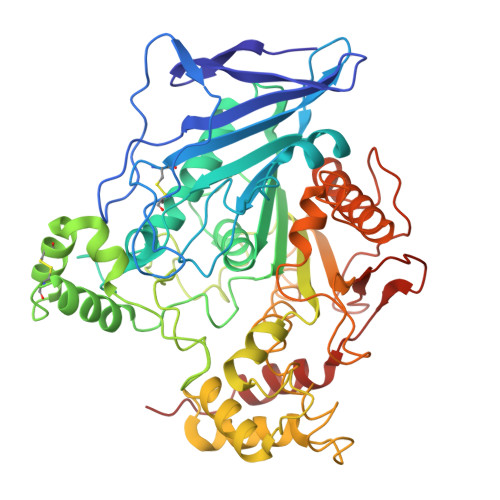 Click to view 3D structure Click to view 3D structure | Bile salt-activated lipase | P19835 | Humans | Predicted (SEA) | 595.78 |
| Click to view 3D structure | Signal transduction protein TRAP | Q7A2Q4 | Staphylococcus aureus (strain Mu50 / ATCC 700699) | Predicted (SEA) | 2100.37 |
| Click to view 3D structure | Free fatty acid receptor 3 | Q3UFD7 | Mus musculus | Predicted (SEA) | 2106.13 |
| Click to view 3D structure | CviR transcriptional regulator | D3W065 | Chromobacterium violaceum | Predicted (SEA) | 2730.48 |
 Click to view 3D structure Click to view 3D structure | Cytochrome P450 2D6 | P10635 | Humans | Predicted (SEA) | 7775.19 |
 Click to view 3D structure Click to view 3D structure | Cytochrome P450 3A4 | P08684 | Humans | Predicted (SEA) | 7777.68 |
 Click to view 3D structure Click to view 3D structure | G1/S-specific cyclin-D1 | P24385 | Humans | Predicted (SEA) | 835.711 |
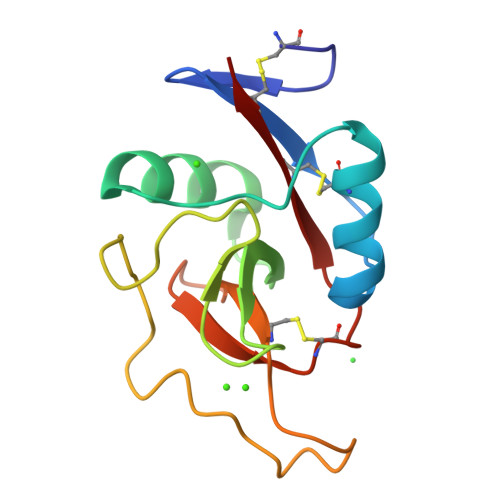 Click to view 3D structure Click to view 3D structure | Asialoglycoprotein receptor 1 | P07306 | Humans | Predicted (SEA) | 447.399 |
 Click to view 3D structure Click to view 3D structure | 5-hydroxytryptamine receptor 2B | P41595 | Humans | Predicted (SEA) | 7772.23 |
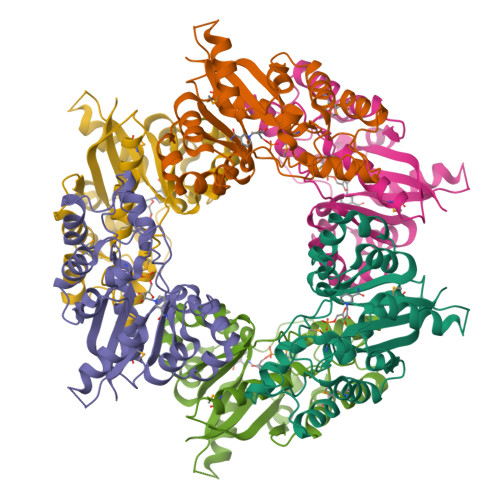 Click to view 3D structure Click to view 3D structure | Nicotinamide/nicotinic acid mononucleotide adenylyltransferase 1 | Q9HAN9 | Humans | Predicted (SEA) | 2440.11 |
 Click to view 3D structure Click to view 3D structure | Voltage-gated inwardly rectifying potassium channel KCNH2 | Q12809 | Humans | Predicted (SEA) | 7776.75 |
 Click to view 3D structure Click to view 3D structure | 5-hydroxytryptamine receptor 2C | P28335 | Humans | Predicted (SEA) | 7774.41 |
 Click to view 3D structure Click to view 3D structure | Estrogen receptor | P03372 | Humans | Known | Causes endocrine disruption in humans by binding to and inhibiting the estrogen receptor. (A590) |
 Click to view 3D structure Click to view 3D structure | Nuclear receptor subfamily 1 group I member 2 | O75469 | Humans | Known | Not Available |
 Click to view 3D structure Click to view 3D structure | Estrogen receptor beta | Q92731 | Humans | Known | Causes endocrine disruption in humans by binding to and inhibiting the estrogen receptor. (A590) |
 Click to view 3D structure Click to view 3D structure | Calcium-transporting ATPase type 2C member 1 | P98194 | Humans | Known | Endosulfan sulfate inhibits Na+ K+ ATPase and Ca2+ and Mg2+ ATPase, which are essential for the transport of calcium across membranes. This results in the accumulation of intracellular free calcium ions, which promotes release of neurotransmitters from storage vesicles, the subsequent depolarization of adjacent neurons, and the propagation of stimuli throughout the CNS. This results in hyperexcitation and generalized seizures. (L114) |
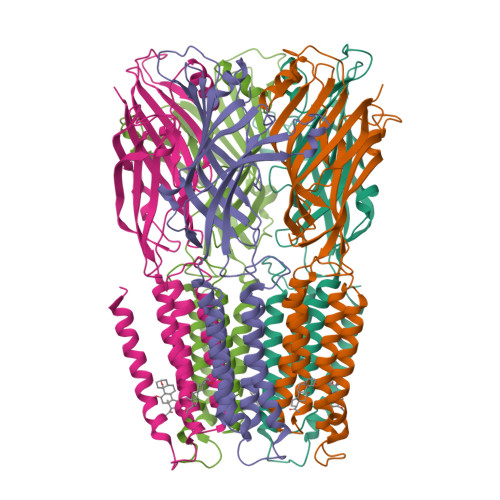 Click to view 3D structure Click to view 3D structure | Gamma-aminobutyric acid receptor subunit alpha-1 | P14867 | Humans | Known | Endosulfan sulfate antagonizes the action of the neurotransmitter gamma-aminobutyric acid (GABA) acting at the GABA-A receptors, effectively blocking the GABA-induced uptake of chloride ions. (L114) |
 Click to view 3D structure Click to view 3D structure | Gamma-aminobutyric acid receptor subunit alpha-2 | P47869 | Humans | Known | Endosulfan sulfate antagonizes the action of the neurotransmitter gamma-aminobutyric acid (GABA) acting at the GABA-A receptors, effectively blocking the GABA-induced uptake of chloride ions. (L114) |
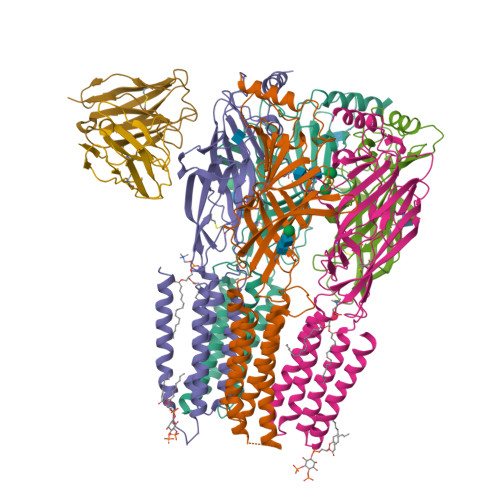 Click to view 3D structure Click to view 3D structure | Gamma-aminobutyric acid receptor subunit alpha-3 | P34903 | Humans | Known | Endosulfan sulfate antagonizes the action of the neurotransmitter gamma-aminobutyric acid (GABA) acting at the GABA-A receptors, effectively blocking the GABA-induced uptake of chloride ions. (L114) |
 Click to view 3D structure Click to view 3D structure | Gamma-aminobutyric acid receptor subunit alpha-4 | P48169 | Humans | Known | Endosulfan sulfate antagonizes the action of the neurotransmitter gamma-aminobutyric acid (GABA) acting at the GABA-A receptors, effectively blocking the GABA-induced uptake of chloride ions. (L114) |
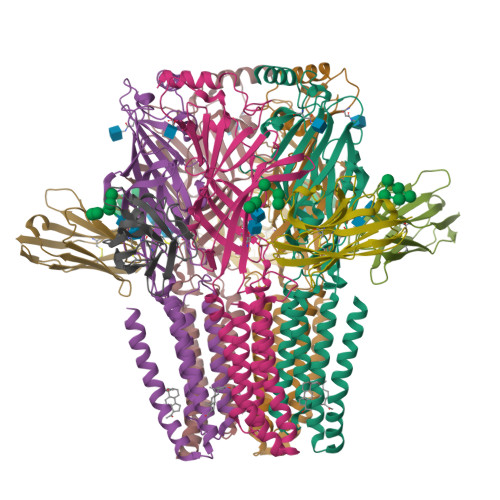 Click to view 3D structure Click to view 3D structure | Gamma-aminobutyric acid receptor subunit alpha-5 | P31644 | Humans | Known | Endosulfan sulfate antagonizes the action of the neurotransmitter gamma-aminobutyric acid (GABA) acting at the GABA-A receptors, effectively blocking the GABA-induced uptake of chloride ions. (L114) |
| Click to view 3D structure | Gamma-aminobutyric acid receptor subunit alpha-6 | Q16445 | Humans | Known | Endosulfan sulfate antagonizes the action of the neurotransmitter gamma-aminobutyric acid (GABA) acting at the GABA-A receptors, effectively blocking the GABA-induced uptake of chloride ions. (L114) |
 Click to view 3D structure Click to view 3D structure | Gamma-aminobutyric acid receptor subunit beta-1 | P18505 | Humans | Known | Endosulfan sulfate antagonizes the action of the neurotransmitter gamma-aminobutyric acid (GABA) acting at the GABA-A receptors, effectively blocking the GABA-induced uptake of chloride ions. (L114) |
 Click to view 3D structure Click to view 3D structure | Gamma-aminobutyric acid receptor subunit beta-2 | P47870 | Humans | Known | Endosulfan sulfate antagonizes the action of the neurotransmitter gamma-aminobutyric acid (GABA) acting at the GABA-A receptors, effectively blocking the GABA-induced uptake of chloride ions. (L114) |
| Click to view 3D structure | Gamma-aminobutyric acid receptor subunit beta-3 | P28472 | Humans | Known | Endosulfan sulfate antagonizes the action of the neurotransmitter gamma-aminobutyric acid (GABA) acting at the GABA-A receptors, effectively blocking the GABA-induced uptake of chloride ions. (L114) |
| Click to view 3D structure | Gamma-aminobutyric acid receptor subunit delta | O14764 | Humans | Known | Endosulfan sulfate antagonizes the action of the neurotransmitter gamma-aminobutyric acid (GABA) acting at the GABA-A receptors, effectively blocking the GABA-induced uptake of chloride ions. (L114) |
| Click to view 3D structure | Gamma-aminobutyric acid receptor subunit epsilon | P78334 | Humans | Known | Endosulfan sulfate antagonizes the action of the neurotransmitter gamma-aminobutyric acid (GABA) acting at the GABA-A receptors, effectively blocking the GABA-induced uptake of chloride ions. (L114) |
| Click to view 3D structure | Gamma-aminobutyric acid receptor subunit gamma-1 | Q8N1C3 | Humans | Known | Endosulfan sulfate antagonizes the action of the neurotransmitter gamma-aminobutyric acid (GABA) acting at the GABA-A receptors, effectively blocking the GABA-induced uptake of chloride ions. (L114) |
| Click to view 3D structure | Gamma-aminobutyric acid receptor subunit gamma-2 | P18507 | Humans | Known | Endosulfan sulfate antagonizes the action of the neurotransmitter gamma-aminobutyric acid (GABA) acting at the GABA-A receptors, effectively blocking the GABA-induced uptake of chloride ions. (L114) |
| Click to view 3D structure | Gamma-aminobutyric acid receptor subunit gamma-3 | Q99928 | Humans | Known | Endosulfan sulfate antagonizes the action of the neurotransmitter gamma-aminobutyric acid (GABA) acting at the GABA-A receptors, effectively blocking the GABA-induced uptake of chloride ions. (L114) |
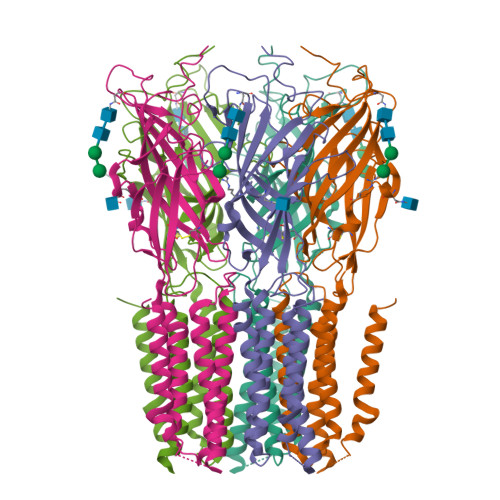 Click to view 3D structure Click to view 3D structure | Gamma-aminobutyric acid receptor subunit pi | O00591 | Humans | Known | Endosulfan sulfate antagonizes the action of the neurotransmitter gamma-aminobutyric acid (GABA) acting at the GABA-A receptors, effectively blocking the GABA-induced uptake of chloride ions. (L114) |
| Click to view 3D structure | Gamma-aminobutyric acid receptor subunit rho-1 | P24046 | Humans | Known | Endosulfan sulfate antagonizes the action of the neurotransmitter gamma-aminobutyric acid (GABA) acting at the GABA-A receptors, effectively blocking the GABA-induced uptake of chloride ions. (L114) |
| Click to view 3D structure | Gamma-aminobutyric acid receptor subunit rho-2 | P28476 | Humans | Known | Endosulfan sulfate antagonizes the action of the neurotransmitter gamma-aminobutyric acid (GABA) acting at the GABA-A receptors, effectively blocking the GABA-induced uptake of chloride ions. (L114) |
| Click to view 3D structure | Gamma-aminobutyric acid receptor subunit rho-3 | A8MPY1 | Humans | Known | Endosulfan sulfate antagonizes the action of the neurotransmitter gamma-aminobutyric acid (GABA) acting at the GABA-A receptors, effectively blocking the GABA-induced uptake of chloride ions. (L114) |
| Click to view 3D structure | Gamma-aminobutyric acid receptor subunit theta | Q9UN88 | Humans | Known | Endosulfan sulfate antagonizes the action of the neurotransmitter gamma-aminobutyric acid (GABA) acting at the GABA-A receptors, effectively blocking the GABA-induced uptake of chloride ions. (L114) |
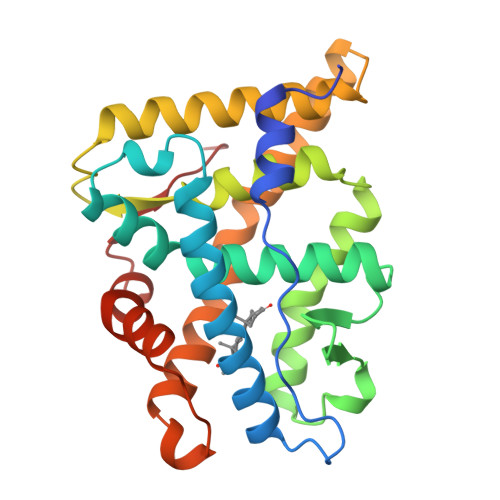 Click to view 3D structure Click to view 3D structure | Progesterone receptor | P06401 | Humans | Known | Endosulfan sulfate is an endocrine disruptor and acts as an agonist at the progesterone receptor. (A114) |
| Click to view 3D structure | Sarcoplasmic/endoplasmic reticulum calcium ATPase 1 | O14983 | Humans | Known | Endosulfan sulfate inhibits Na+ K+ ATPase and Ca2+ and Mg2+ ATPase, which are essential for the transport of calcium across membranes. This results in the accumulation of intracellular free calcium ions, which promotes release of neurotransmitters from storage vesicles, the subsequent depolarization of adjacent neurons, and the propagation of stimuli throughout the CNS. This results in hyperexcitation and generalized seizures. (L114) |
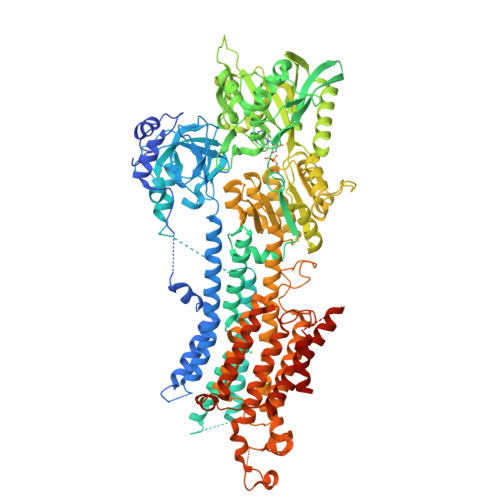 Click to view 3D structure Click to view 3D structure | Sarcoplasmic/endoplasmic reticulum calcium ATPase 2 | P16615 | Humans | Known | Endosulfan sulfate inhibits Na+ K+ ATPase and Ca2+ and Mg2+ ATPase, which are essential for the transport of calcium across membranes. This results in the accumulation of intracellular free calcium ions, which promotes release of neurotransmitters from storage vesicles, the subsequent depolarization of adjacent neurons, and the propagation of stimuli throughout the CNS. This results in hyperexcitation and generalized seizures. (L114) |
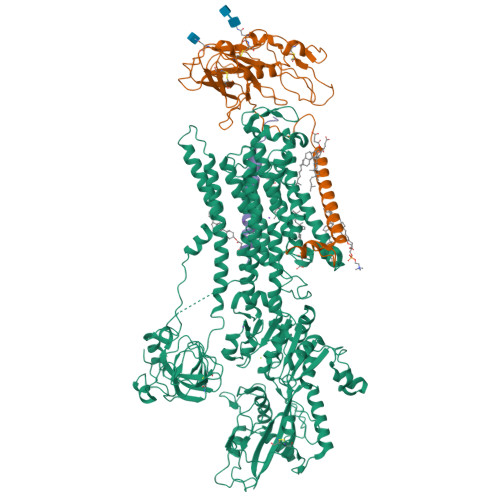 Click to view 3D structure Click to view 3D structure | Sodium/potassium-transporting ATPase subunit alpha-1 | P05023 | Humans | Known | Endosulfan sulfate inhibits Na+ K+ ATPase and Ca2+ and Mg2+ ATPase, which are essential for the transport of calcium across membranes. This results in the accumulation of intracellular free calcium ions, which promotes release of neurotransmitters from storage vesicles, the subsequent depolarization of adjacent neurons, and the propagation of stimuli throughout the CNS. This results in hyperexcitation and generalized seizures. (L114) |
| Click to view 3D structure | Sodium/potassium-transporting ATPase subunit alpha-2 | P50993 | Humans | Known | Endosulfan sulfate inhibits Na+ K+ ATPase and Ca2+ and Mg2+ ATPase, which are essential for the transport of calcium across membranes. This results in the accumulation of intracellular free calcium ions, which promotes release of neurotransmitters from storage vesicles, the subsequent depolarization of adjacent neurons, and the propagation of stimuli throughout the CNS. This results in hyperexcitation and generalized seizures. (L114) |
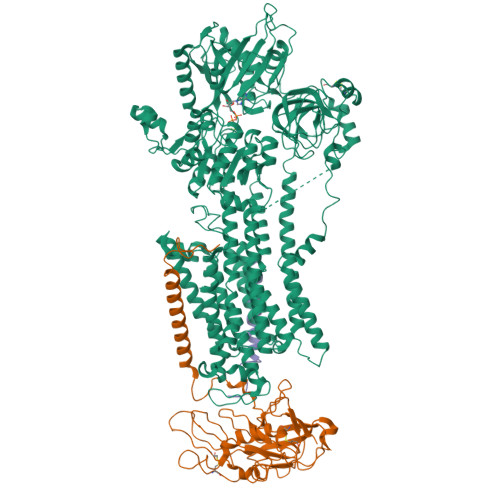 Click to view 3D structure Click to view 3D structure | Sodium/potassium-transporting ATPase subunit alpha-3 | P13637 | Humans | Known | Endosulfan sulfate inhibits Na+ K+ ATPase and Ca2+ and Mg2+ ATPase, which are essential for the transport of calcium across membranes. This results in the accumulation of intracellular free calcium ions, which promotes release of neurotransmitters from storage vesicles, the subsequent depolarization of adjacent neurons, and the propagation of stimuli throughout the CNS. This results in hyperexcitation and generalized seizures. (L114) |
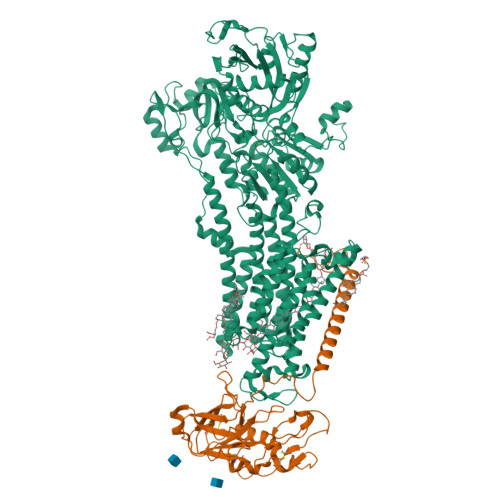 Click to view 3D structure Click to view 3D structure | Sodium/potassium-transporting ATPase subunit alpha-4 | Q13733 | Humans | Known | Endosulfan sulfate inhibits Na+ K+ ATPase and Ca2+ and Mg2+ ATPase, which are essential for the transport of calcium across membranes. This results in the accumulation of intracellular free calcium ions, which promotes release of neurotransmitters from storage vesicles, the subsequent depolarization of adjacent neurons, and the propagation of stimuli throughout the CNS. This results in hyperexcitation and generalized seizures. (L114) |
| Click to view 3D structure | Sodium/potassium-transporting ATPase subunit beta-1 | P05026 | Humans | Known | Endosulfan sulfate inhibits Na+ K+ ATPase and Ca2+ and Mg2+ ATPase, which are essential for the transport of calcium across membranes. This results in the accumulation of intracellular free calcium ions, which promotes release of neurotransmitters from storage vesicles, the subsequent depolarization of adjacent neurons, and the propagation of stimuli throughout the CNS. This results in hyperexcitation and generalized seizures. (L114) |
| Click to view 3D structure | Sodium/potassium-transporting ATPase subunit beta-2 | P14415 | Humans | Known | Endosulfan sulfate inhibits Na+ K+ ATPase and Ca2+ and Mg2+ ATPase, which are essential for the transport of calcium across membranes. This results in the accumulation of intracellular free calcium ions, which promotes release of neurotransmitters from storage vesicles, the subsequent depolarization of adjacent neurons, and the propagation of stimuli throughout the CNS. This results in hyperexcitation and generalized seizures. (L114) |
| Click to view 3D structure | Sodium/potassium-transporting ATPase subunit beta-3 | P54709 | Humans | Known | Endosulfan sulfate inhibits Na+ K+ ATPase and Ca2+ and Mg2+ ATPase, which are essential for the transport of calcium across membranes. This results in the accumulation of intracellular free calcium ions, which promotes release of neurotransmitters from storage vesicles, the subsequent depolarization of adjacent neurons, and the propagation of stimuli throughout the CNS. This results in hyperexcitation and generalized seizures. (L114) |
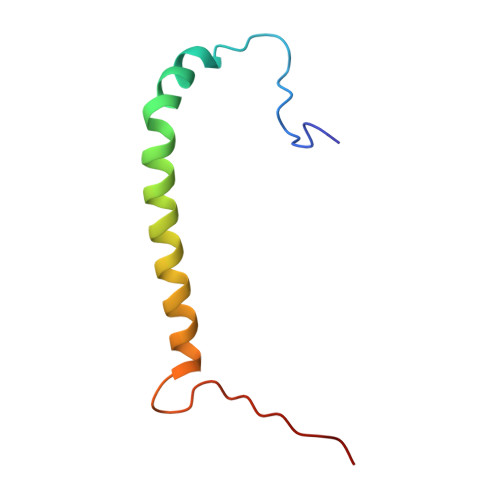 Click to view 3D structure Click to view 3D structure | Sodium/potassium-transporting ATPase subunit gamma | P54710 | Humans | Known | Endosulfan sulfate inhibits Na+ K+ ATPase and Ca2+ and Mg2+ ATPase, which are essential for the transport of calcium across membranes. This results in the accumulation of intracellular free calcium ions, which promotes release of neurotransmitters from storage vesicles, the subsequent depolarization of adjacent neurons, and the propagation of stimuli throughout the CNS. This results in hyperexcitation and generalized seizures. (L114) |
 Click to view 3D structure Click to view 3D structure | Oxysterols receptor LXR-beta | P55055 | Humans | Known | Not Available |