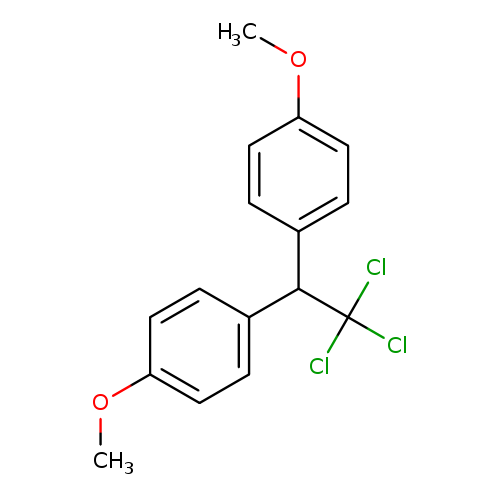
Click to view 3D structure Click to view 3D structure | Estrogen receptor | P03372 | Humans | Predicted (SEA) | 78.472 |
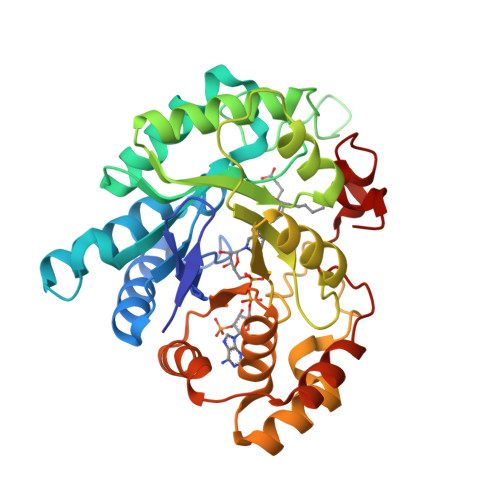 Click to view 3D structure Click to view 3D structure | Aldo-keto reductase family 1 member C3 | P42330 | Humans | Predicted (SEA) | 36.2777 |
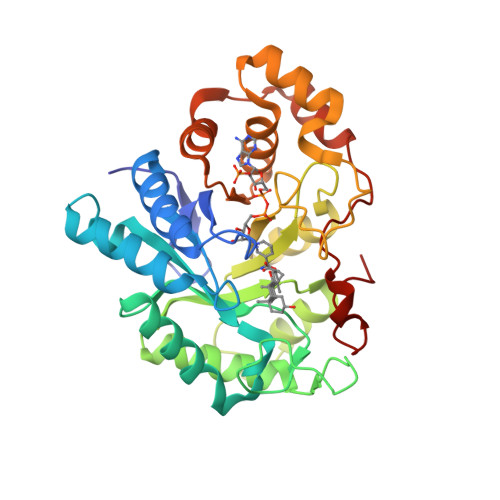 Click to view 3D structure Click to view 3D structure | Aldo-keto reductase family 1 member C2 | P52895 | Humans | Predicted (SEA) | 29.427 |
 Click to view 3D structure Click to view 3D structure | Carbonic anhydrase 2 | P00918 | Humans | Predicted (SEA) | 297.695 |
 Click to view 3D structure Click to view 3D structure | Prostaglandin G/H synthase 2 | P35354 | Humans | Predicted (SEA) | 105.719 |
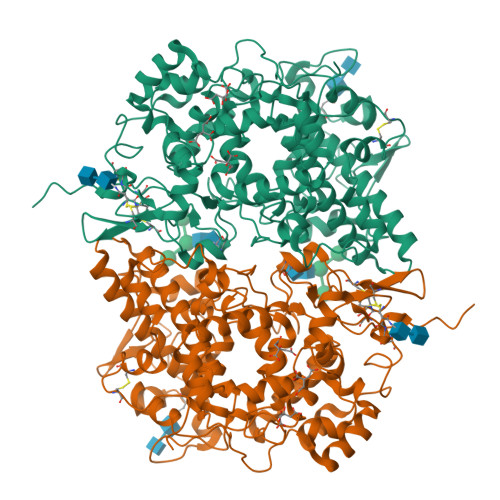 Click to view 3D structure Click to view 3D structure | Prostaglandin G/H synthase 1 | P23219 | Humans | Predicted (SEA) | 66.4054 |
 Click to view 3D structure Click to view 3D structure | Prostaglandin G/H synthase 1 | P05979 | Ovis aries | Predicted (SEA) | 44.9968 |
| Click to view 3D structure | Aryl hydrocarbon receptor | O02747 | Oryctolagus cuniculus | Predicted (SEA) | 6.30579 |
| Click to view 3D structure | Inward rectifier potassium channel 2 | P35561 | Mus musculus | Predicted (SEA) | 24.5225 |
| Click to view 3D structure | Alpha-1A adrenergic receptor | P43140 | Rattus norvegicus | Predicted (SEA) | 207.39 |
| Click to view 3D structure | Sodium-dependent serotonin transporter | P31652 | Rattus norvegicus | Predicted (SEA) | 280.802 |
 Click to view 3D structure Click to view 3D structure | Carbonic anhydrase 1 | P00915 | Humans | Predicted (SEA) | 399.133 |
 Click to view 3D structure Click to view 3D structure | Cytochrome P450 1B1 | Q16678 | Humans | Predicted (SEA) | 86.1791 |
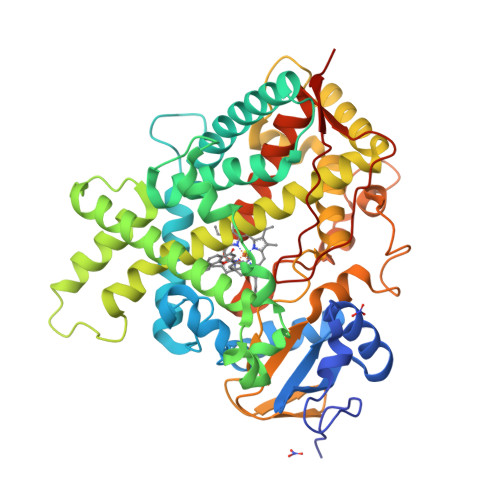 Click to view 3D structure Click to view 3D structure | Cytochrome P450 1A1 | P04798 | Humans | Predicted (SEA) | 73.4897 |
 Click to view 3D structure Click to view 3D structure | Cytochrome P450 1A2 | P05177 | Humans | Predicted (SEA) | 1063.73 |
| Click to view 3D structure | Carboxypeptidase G2 | Q9I056 | Pseudomonas aeruginosa (strain ATCC 15692 / PAO1 / 1C / PRS 101 / LMG12228) | Predicted (SEA) | 15.4141 |
| Click to view 3D structure | 5-hydroxytryptamine receptor 2B | P30994 | Rattus norvegicus | Predicted (SEA) | 44.7633 |
 Click to view 3D structure Click to view 3D structure | Estrogen receptor beta | Q92731 | Humans | Predicted (SEA) | 179.754 |
| Click to view 3D structure | Transient receptor potential cation channel subfamily A member 1 | Q6RI86 | Rattus norvegicus | Predicted (SEA) | 34.4872 |
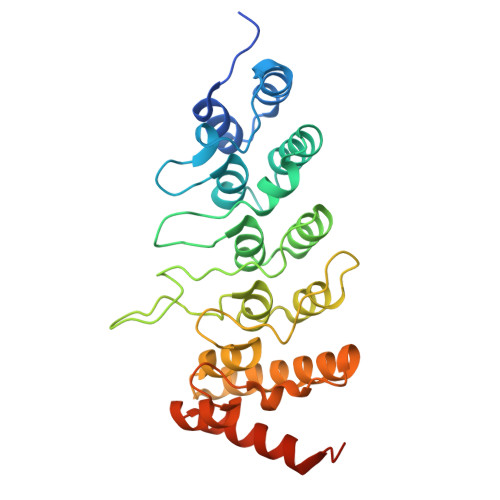 Click to view 3D structure Click to view 3D structure | Transient receptor potential cation channel subfamily V member 1 | Q8NER1 | Humans | Predicted (SEA) | 177.885 |
![Amine oxidase [flavin-containing] B structure](https://cdn.rcsb.org/images/structures/1gos_assembly-1.jpeg) Click to view 3D structure Click to view 3D structure | Amine oxidase [flavin-containing] B | P27338 | Humans | Predicted (SEA) | 610.727 |
| Click to view 3D structure | Amine oxidase [flavin-containing] A | P21396 | Rattus norvegicus | Predicted (SEA) | 117.552 |
| Click to view 3D structure | Luciferin 4-monooxygenase | P08659 | Photinus pyralis | Predicted (SEA) | 271.538 |
| Click to view 3D structure | 5-hydroxytryptamine receptor 2A | P14842 | Rattus norvegicus | Predicted (SEA) | 695.271 |
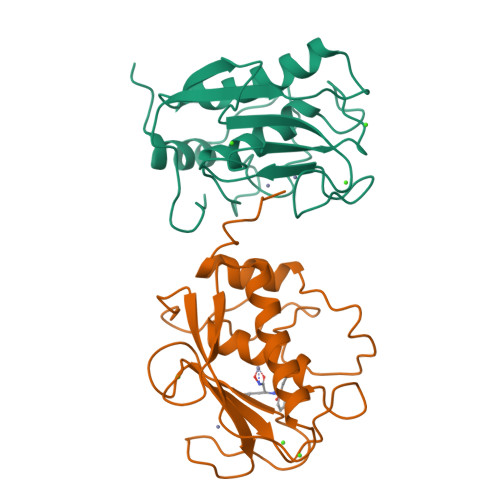 Click to view 3D structure Click to view 3D structure | Stromelysin-1 | P08254 | Humans | Predicted (SEA) | 531.866 |
 Click to view 3D structure Click to view 3D structure | Nuclear receptor subfamily 1 group I member 2 | O75469 | Humans | Known | Not Available |
 Click to view 3D structure Click to view 3D structure | Androgen receptor | P10275 | Humans | Known | Certain mono- and bis-hydroxy metabolites of methoxychlor, especially 2,2-bis(p-hydroxyphenyl)-1,1, 1-trichloroethane (HPTE), act as estrogen analogues. HPTE is an know androgen receptor antagonist. (A118) |
| Click to view 3D structure | Estrogen receptor | P03372 | Humans | Known | Causes endocrine disruption in humans by binding to and inhibiting the estrogen receptor. (A590) |
| Click to view 3D structure | Estrogen receptor beta | Q92731 | Humans | Known | Causes endocrine disruption in humans by binding to and inhibiting the estrogen receptor. (A590) |
 Click to view 3D structure Click to view 3D structure | Calcium-transporting ATPase type 2C member 1 | P98194 | Humans | Known | Like DDT, methoxychlor may also inhibit neuronal adenosine triphosphatases (ATPases), particularly Na+K+-ATPase and Ca2+-ATPase, which play vital roles in neuronal repolarization. This contributes to the reduced rate of depolarization and increases the sensitivity of neurons to small stimuli that would not elicit a response in a fully depolarized neuron. (T10, A118) |
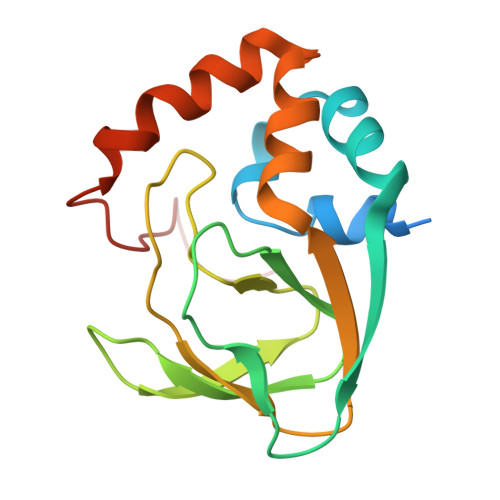 Click to view 3D structure Click to view 3D structure | Potassium/sodium hyperpolarization-activated cyclic nucleotide-gated channel 2 | Q9UL51 | Humans | Known | As methoxychlor is also a structural analogue of DDT, it is believed to have the same neurotoxic effects. This includes preventing the deactivation of the sodium gate after neuron activation and membrane depolarization, resulting in hyperexcitability of the nerve. (T10, L167) |
| Click to view 3D structure | Sarcoplasmic/endoplasmic reticulum calcium ATPase 1 | O14983 | Humans | Known | Like DDT, methoxychlor may also inhibit neuronal adenosine triphosphatases (ATPases), particularly Na+K+-ATPase and Ca2+-ATPase, which play vital roles in neuronal repolarization. This contributes to the reduced rate of depolarization and increases the sensitivity of neurons to small stimuli that would not elicit a response in a fully depolarized neuron. (T10, A118) |
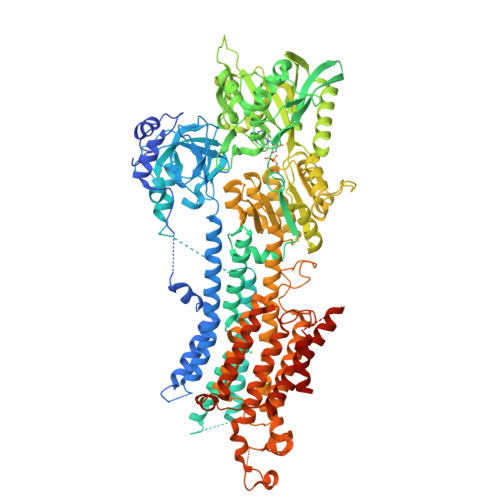 Click to view 3D structure Click to view 3D structure | Sarcoplasmic/endoplasmic reticulum calcium ATPase 2 | P16615 | Humans | Known | Like DDT, methoxychlor may also inhibit neuronal adenosine triphosphatases (ATPases), particularly Na+K+-ATPase and Ca2+-ATPase, which play vital roles in neuronal repolarization. This contributes to the reduced rate of depolarization and increases the sensitivity of neurons to small stimuli that would not elicit a response in a fully depolarized neuron. (T10, A118) |
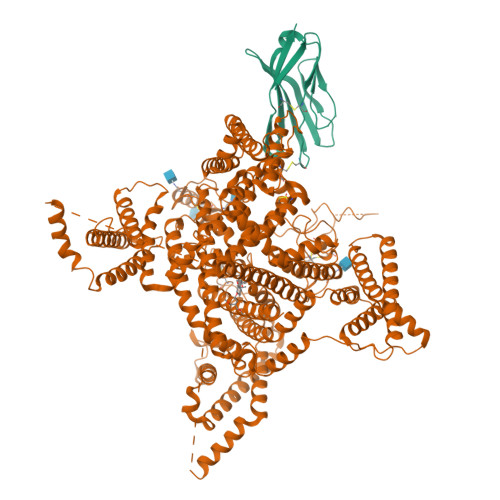 Click to view 3D structure Click to view 3D structure | Sodium channel protein type 1 subunit alpha | P35498 | Humans | Known | As methoxychlor is also a structural analogue of DDT, it is believed to have the same neurotoxic effects. This includes preventing the deactivation of the sodium gate after neuron activation and membrane depolarization, resulting in hyperexcitability of the nerve. (T10, L167) |
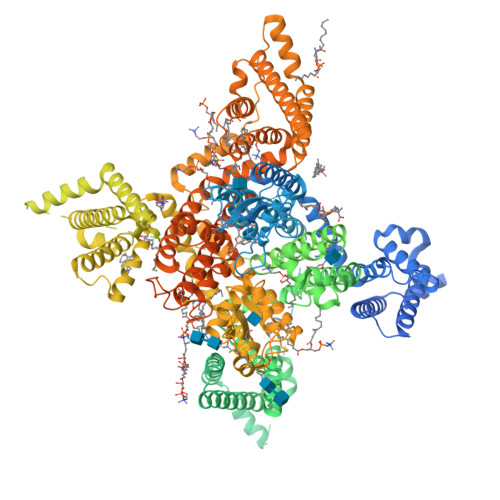 Click to view 3D structure Click to view 3D structure | Sodium channel protein type 10 subunit alpha | Q9Y5Y9 | Humans | Known | As methoxychlor is also a structural analogue of DDT, it is believed to have the same neurotoxic effects. This includes preventing the deactivation of the sodium gate after neuron activation and membrane depolarization, resulting in hyperexcitability of the nerve. (T10, L167) |
| Click to view 3D structure | Sodium channel protein type 11 subunit alpha | Q9UI33 | Humans | Known | As methoxychlor is also a structural analogue of DDT, it is believed to have the same neurotoxic effects. This includes preventing the deactivation of the sodium gate after neuron activation and membrane depolarization, resulting in hyperexcitability of the nerve. (T10, L167) |
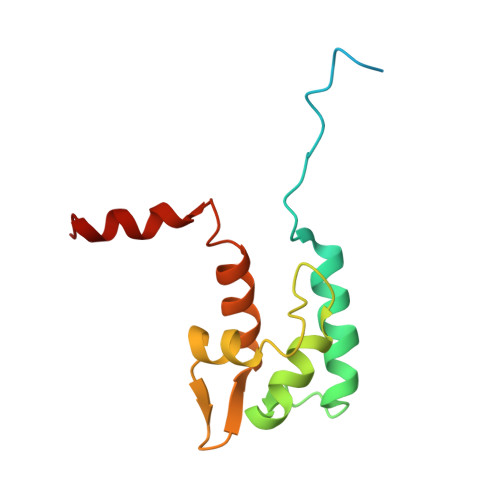 Click to view 3D structure Click to view 3D structure | Sodium channel protein type 2 subunit alpha | Q99250 | Humans | Known | As methoxychlor is also a structural analogue of DDT, it is believed to have the same neurotoxic effects. This includes preventing the deactivation of the sodium gate after neuron activation and membrane depolarization, resulting in hyperexcitability of the nerve. (T10, L167) |
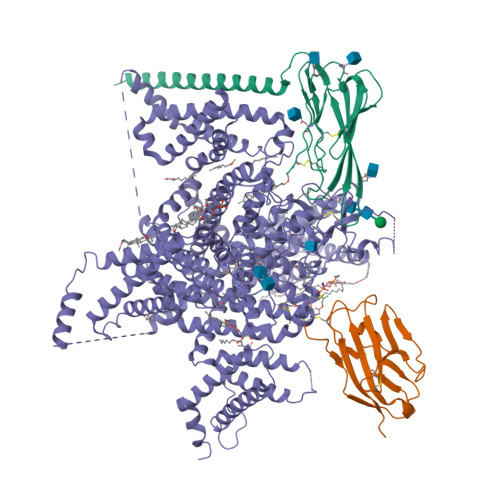 Click to view 3D structure Click to view 3D structure | Sodium channel protein type 3 subunit alpha | Q9NY46 | Humans | Known | As methoxychlor is also a structural analogue of DDT, it is believed to have the same neurotoxic effects. This includes preventing the deactivation of the sodium gate after neuron activation and membrane depolarization, resulting in hyperexcitability of the nerve. (T10, L167) |
 Click to view 3D structure Click to view 3D structure | Sodium channel protein type 4 subunit alpha | P35499 | Humans | Known | As methoxychlor is also a structural analogue of DDT, it is believed to have the same neurotoxic effects. This includes preventing the deactivation of the sodium gate after neuron activation and membrane depolarization, resulting in hyperexcitability of the nerve. (T10, L167) |
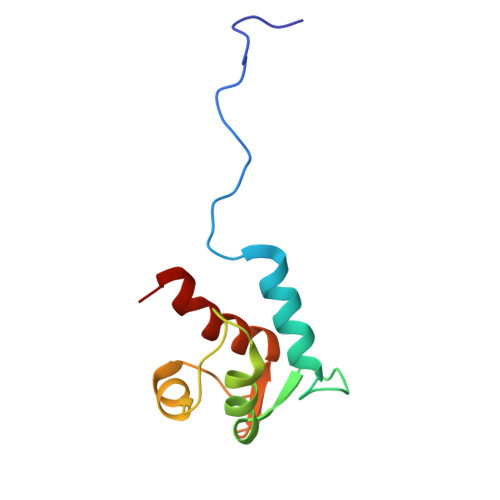 Click to view 3D structure Click to view 3D structure | Sodium channel protein type 5 subunit alpha | Q14524 | Humans | Known | As methoxychlor is also a structural analogue of DDT, it is believed to have the same neurotoxic effects. This includes preventing the deactivation of the sodium gate after neuron activation and membrane depolarization, resulting in hyperexcitability of the nerve. (T10, L167) |
 Click to view 3D structure Click to view 3D structure | Sodium channel protein type 8 subunit alpha | Q9UQD0 | Humans | Known | As methoxychlor is also a structural analogue of DDT, it is believed to have the same neurotoxic effects. This includes preventing the deactivation of the sodium gate after neuron activation and membrane depolarization, resulting in hyperexcitability of the nerve. (T10, L167) |
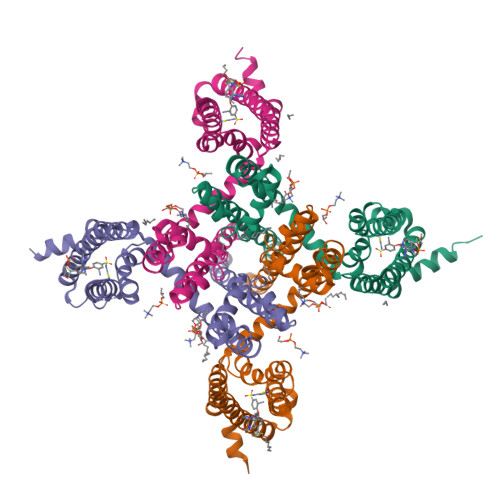 Click to view 3D structure Click to view 3D structure | Sodium channel protein type 9 subunit alpha | Q15858 | Humans | Known | As methoxychlor is also a structural analogue of DDT, it is believed to have the same neurotoxic effects. This includes preventing the deactivation of the sodium gate after neuron activation and membrane depolarization, resulting in hyperexcitability of the nerve. (T10, L167) |
| Click to view 3D structure | Sodium channel regulatory subunit beta-1 | Q07699 | Humans | Known | As methoxychlor is also a structural analogue of DDT, it is believed to have the same neurotoxic effects. This includes preventing the deactivation of the sodium gate after neuron activation and membrane depolarization, resulting in hyperexcitability of the nerve. (T10, L167) |
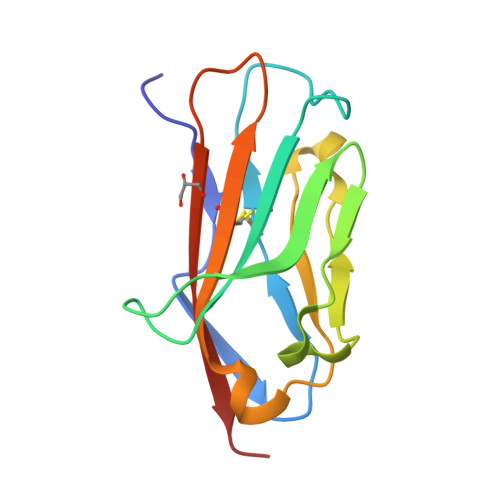 Click to view 3D structure Click to view 3D structure | Sodium channel regulatory subunit beta-2 | O60939 | Humans | Known | As methoxychlor is also a structural analogue of DDT, it is believed to have the same neurotoxic effects. This includes preventing the deactivation of the sodium gate after neuron activation and membrane depolarization, resulting in hyperexcitability of the nerve. (T10, L167) |
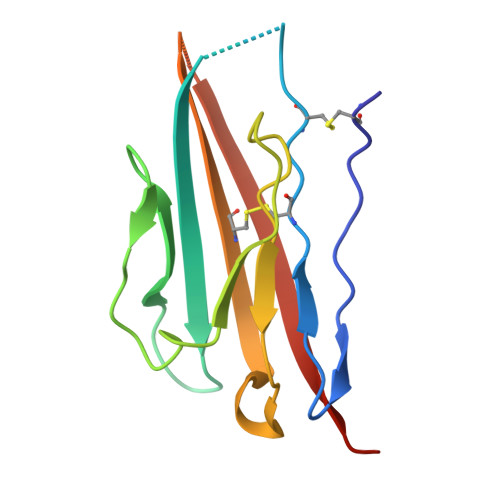 Click to view 3D structure Click to view 3D structure | Sodium channel regulatory subunit beta-3 | Q9NY72 | Humans | Known | As methoxychlor is also a structural analogue of DDT, it is believed to have the same neurotoxic effects. This includes preventing the deactivation of the sodium gate after neuron activation and membrane depolarization, resulting in hyperexcitability of the nerve. (T10, L167) |
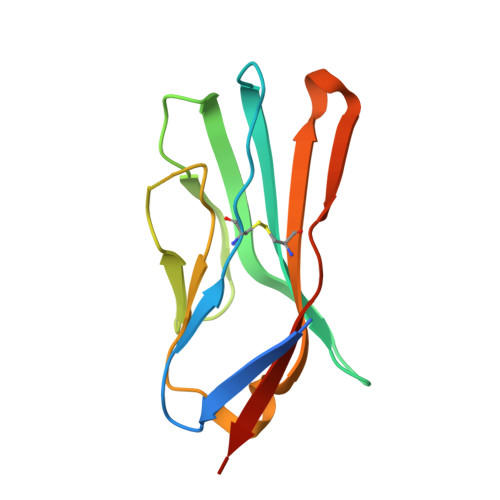 Click to view 3D structure Click to view 3D structure | Sodium channel regulatory subunit beta-4 | Q8IWT1 | Humans | Known | As methoxychlor is also a structural analogue of DDT, it is believed to have the same neurotoxic effects. This includes preventing the deactivation of the sodium gate after neuron activation and membrane depolarization, resulting in hyperexcitability of the nerve. (T10, L167) |
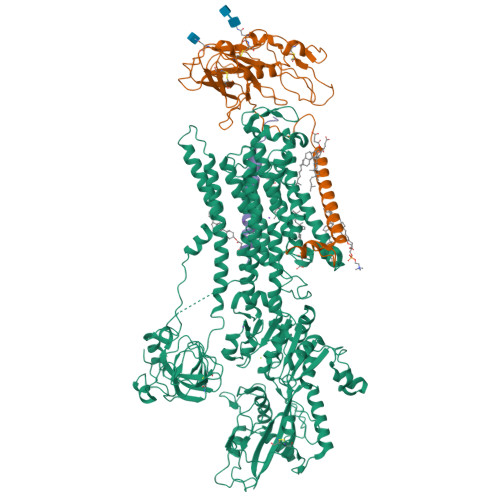 Click to view 3D structure Click to view 3D structure | Sodium/potassium-transporting ATPase subunit alpha-1 | P05023 | Humans | Known | Like DDT, methoxychlor may also inhibit neuronal adenosine triphosphatases (ATPases), particularly Na+K+-ATPase and Ca2+-ATPase, which play vital roles in neuronal repolarization. This contributes to the reduced rate of depolarization and increases the sensitivity of neurons to small stimuli that would not elicit a response in a fully depolarized neuron. (T10, A118) |
| Click to view 3D structure | Sodium/potassium-transporting ATPase subunit alpha-2 | P50993 | Humans | Known | Like DDT, methoxychlor may also inhibit neuronal adenosine triphosphatases (ATPases), particularly Na+K+-ATPase and Ca2+-ATPase, which play vital roles in neuronal repolarization. This contributes to the reduced rate of depolarization and increases the sensitivity of neurons to small stimuli that would not elicit a response in a fully depolarized neuron. (T10, A118) |
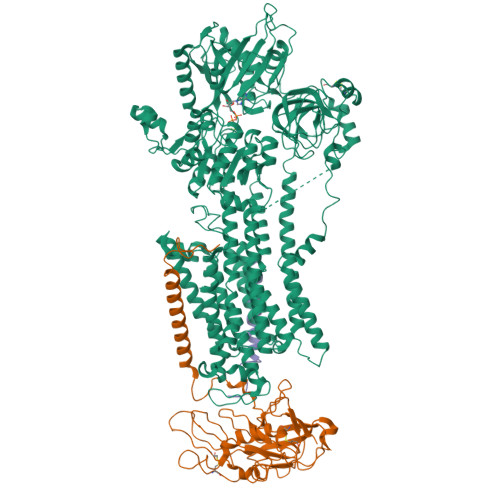 Click to view 3D structure Click to view 3D structure | Sodium/potassium-transporting ATPase subunit alpha-3 | P13637 | Humans | Known | Like DDT, methoxychlor may also inhibit neuronal adenosine triphosphatases (ATPases), particularly Na+K+-ATPase and Ca2+-ATPase, which play vital roles in neuronal repolarization. This contributes to the reduced rate of depolarization and increases the sensitivity of neurons to small stimuli that would not elicit a response in a fully depolarized neuron. (T10, A118) |
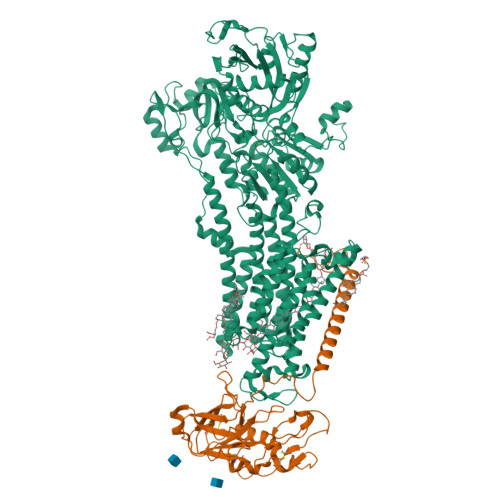 Click to view 3D structure Click to view 3D structure | Sodium/potassium-transporting ATPase subunit alpha-4 | Q13733 | Humans | Known | Like DDT, methoxychlor may also inhibit neuronal adenosine triphosphatases (ATPases), particularly Na+K+-ATPase and Ca2+-ATPase, which play vital roles in neuronal repolarization. This contributes to the reduced rate of depolarization and increases the sensitivity of neurons to small stimuli that would not elicit a response in a fully depolarized neuron. (T10, A118) |
| Click to view 3D structure | Sodium/potassium-transporting ATPase subunit beta-1 | P05026 | Humans | Known | Like DDT, methoxychlor may also inhibit neuronal adenosine triphosphatases (ATPases), particularly Na+K+-ATPase and Ca2+-ATPase, which play vital roles in neuronal repolarization. This contributes to the reduced rate of depolarization and increases the sensitivity of neurons to small stimuli that would not elicit a response in a fully depolarized neuron. (T10, A118) |
| Click to view 3D structure | Sodium/potassium-transporting ATPase subunit beta-2 | P14415 | Humans | Known | Like DDT, methoxychlor may also inhibit neuronal adenosine triphosphatases (ATPases), particularly Na+K+-ATPase and Ca2+-ATPase, which play vital roles in neuronal repolarization. This contributes to the reduced rate of depolarization and increases the sensitivity of neurons to small stimuli that would not elicit a response in a fully depolarized neuron. (T10, A118) |
| Click to view 3D structure | Sodium/potassium-transporting ATPase subunit beta-3 | P54709 | Humans | Known | Like DDT, methoxychlor may also inhibit neuronal adenosine triphosphatases (ATPases), particularly Na+K+-ATPase and Ca2+-ATPase, which play vital roles in neuronal repolarization. This contributes to the reduced rate of depolarization and increases the sensitivity of neurons to small stimuli that would not elicit a response in a fully depolarized neuron. (T10, A118) |
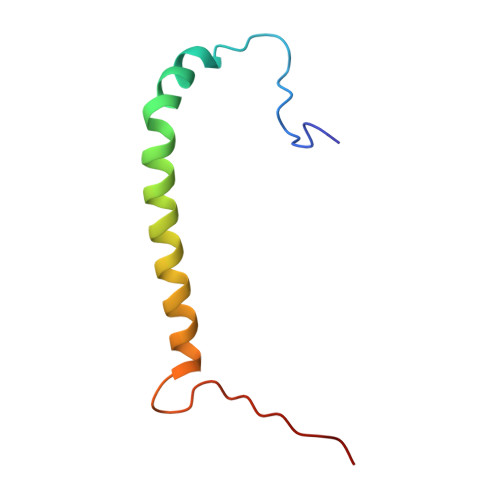 Click to view 3D structure Click to view 3D structure | Sodium/potassium-transporting ATPase subunit gamma | P54710 | Humans | Known | Like DDT, methoxychlor may also inhibit neuronal adenosine triphosphatases (ATPases), particularly Na+K+-ATPase and Ca2+-ATPase, which play vital roles in neuronal repolarization. This contributes to the reduced rate of depolarization and increases the sensitivity of neurons to small stimuli that would not elicit a response in a fully depolarized neuron. (T10, A118) |
 Click to view 3D structure Click to view 3D structure | Nuclear receptor subfamily 1 group I member 3 | Q14994 | Humans | Known | Not Available |
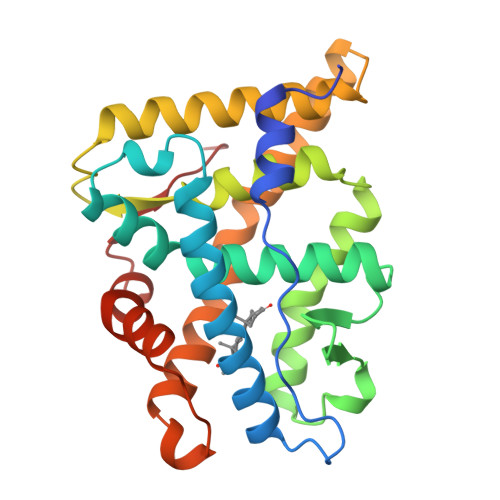 Click to view 3D structure Click to view 3D structure | Progesterone receptor | P06401 | Humans | Known | Not Available |
 Click to view 3D structure Click to view 3D structure | Epidermal growth factor receptor | P00533 | Humans | Known | Not Available |
 Click to view 3D structure Click to view 3D structure | Prostaglandin E2 receptor EP2 subtype | P43116 | Humans | Known | Not Available |
 Click to view 3D structure Click to view 3D structure | Cytochrome P450 2B6 | P20813 | Humans | Known | Not Available |
| Click to view 3D structure | Cytochrome P450 1A2 | P05177 | Humans | Known | Not Available |
| Click to view 3D structure | Cytochrome P450 1A1 | P04798 | Humans | Known | Not Available |
 Click to view 3D structure Click to view 3D structure | Cytochrome P450 3A4 | P08684 | Humans | Known | Not Available |
| Click to view 3D structure | UDP-glucuronosyltransferase 1A1 | P22309 | Humans | Known | Not Available |
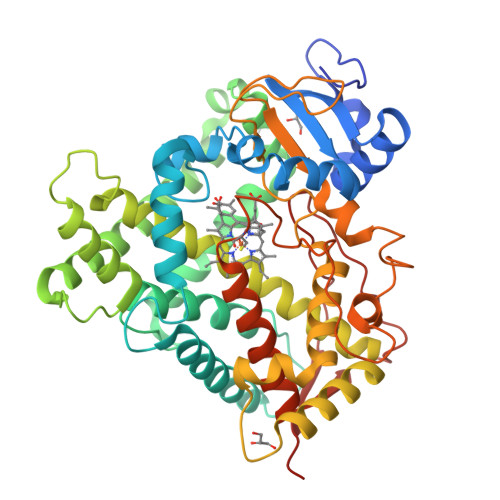 Click to view 3D structure Click to view 3D structure | Cytochrome P450 2C19 | P33261 | Humans | Known | Not Available |
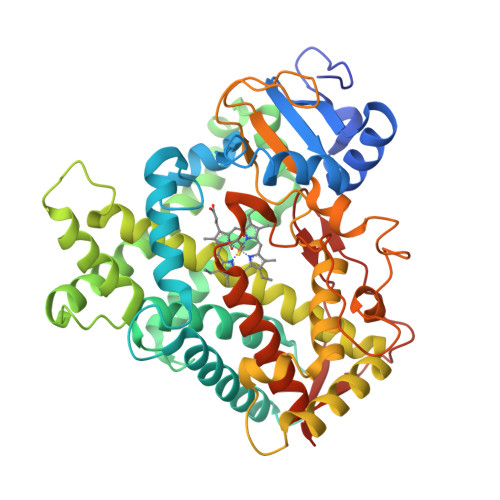 Click to view 3D structure Click to view 3D structure | Cytochrome P450 2C9 | P11712 | Humans | Known | Not Available |