Some data may have been extracted from scientific literature using a pipeline that uses large language models (LLMs). Source articles are cited where applicable to help verify the extracted relationships.
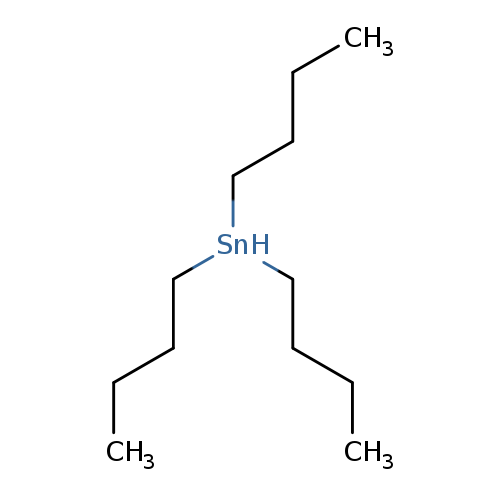
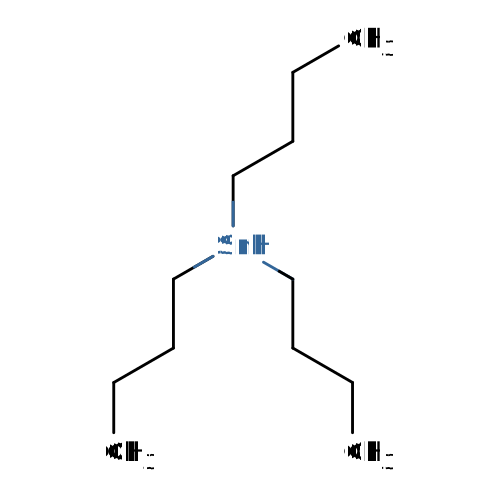
Tributyltin (C12H27Sn) is an exogenous organometallic compound with an average molecular weight of 290.05 g/mol. It exists as a solid at room temperature. Tributyltin belongs to the organotin compounds, a subclass of organo-post-transition metal compounds within the organic compounds. This substance is used in polyvinyl chloride and is present in ethylene-vinyl acetate and polyurethane. It has been released from six recorded sources, including floors in building and construction, drinking water and water supply, other smoking requisites in household cleaning and consumer products, and electrical and electronic equipment such as power cables, communication cables or conductors, and cores yokes or armatures. The recorded exposure route for this compound is oral.
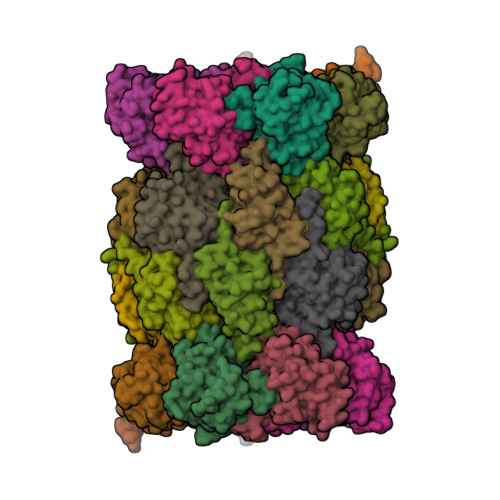
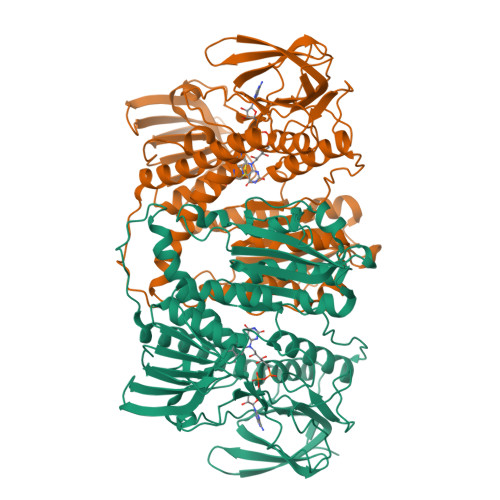
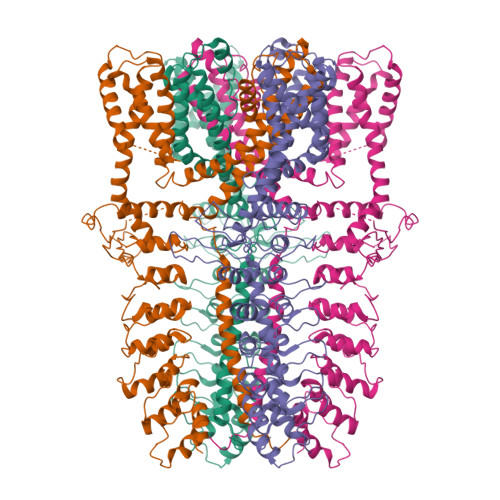
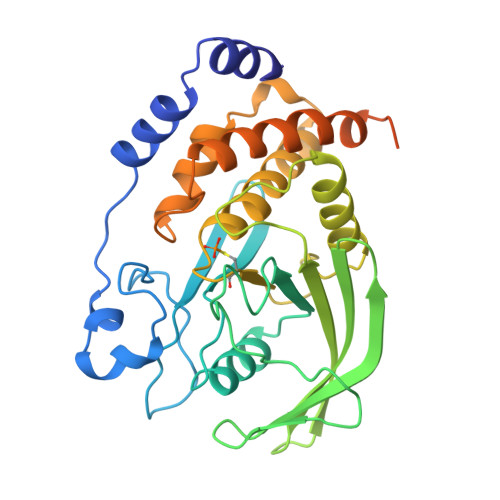
Tributyltin interacts with 18 recorded protein targets. It inhibits the chymotrypsin-like activity of cellular and 20S proteasomes by binding to the proteasome subunit beta type-5 (PSMB5), which results in apoptosis. It inhibits thioredoxin reductase 2, mitochondrial (TXNRD2) and thioredoxin reductase 1, cytoplasmic (TXNRD1), leading to the production of hydrogen peroxide. As an endocrine disruptor, it is believed to contribute to obesity through the inappropriate activation of retinoic acid receptors (RARA, RARB, RARG) and peroxisome proliferator-activated receptor gamma (PPARG), leading to adipocyte differentiation. Additionally, organic tin compounds are weak inhibitors of alcohol dehydrogenase, affecting proteins such as ADH1A, ADH1B, ADH1C, ADH4, and ADH6. Other recorded protein targets include the estrogen receptor (ESR1), nuclear receptor coactivator 2 (NCOA2), retinoic acid receptor RXR-alpha (RXRA), and transient receptor potential cation channel subfamily A member 1 (TRPA1).
Belongs to the class of organic compounds known as trialkyltins. These are triorganotin compounds where the tin atom is linked to exactly three alkyl groups.
EC 1.14.14.14 (aromatase) inhibitor (PMC8918846 )?An EC 1.14.14.* (oxidoreductase acting on paired donors, incorporating of 1 atom of oxygen, with reduced flavin or flavoprotein as one donor) inhibitor which interferes with the action of aromatase (EC 1.14.14.14) and so reduces production of estrogenic steroid hormones.
Organotin compounds produce neurotoxic and immunotoxic effects. Organotins may directly activate glial cells contributing to neuronal cell degeneration by local release of pro-inflammatory cytokines, tumor necrosis factor-alpha, and/or interleukins. They may also induce apoptosis by direct action on neuronal cells. Organotin compounds stimulate the neuronal release of and/or decrease of neuronal cell uptake of neurotransmitters in brain tissue, including aspartate, GABA, glutamate, norepinephrine, and serotonin. This may be either a contributing factor to or result of the neuronal cell loss. The immunotoxic effects of organotins are characterized by thymic atrophy caused by the suppression of proliferation of immature thymocytes and apoptosis of mature thymocytes. Organotin compounds are believed to exert these effects by suppressing DNA and protein synthesis, inducing the expression of genes involved in apoptosis (such as nur77), and disrupting the regulation of intracellular calcium levels, giving rise to the uncontrolled production of reactive oxygen species, release of cytochrome c to the cytosol, and the proteolytic and nucleolytic cascade of apoptosis. The suppression of proliferation of immature thymocytes further results in the suppression of T-cell-mediated immune responses. Organotins are also endocrine disruptors and are believed to contribute to obesity by inappropriate receptor activation, leading to adipocyte differentiation. Inorganic tin triggers eryptosis, contributing to tin-induced anemia. (4, 1, 2)
Cancer is a group of diseases involving abnormal cell growth with the potential to invade or spread to other parts of the body. Possible signs and symptoms include a lump, abnormal bleeding, prolonged cough, unexplained weight loss, and a change in bowel movements. There are over 100 types of cancers affect humans. The risk of developing certain cancers can be reduced by not smoking, maintaining a healthy weight, not drinking too much alcohol, eating plenty of vegetables, fruits and whole grains, vaccination against certain infectious diseases, not eating too much processed and red meat and avoiding too much sunlight exposure. Cancer is often treated with some combination of radiation therapy, surgery, chemotherapy and targeted therapy. The majority of cancers, some 90–95% of cases, are due to genetic mutations from environmental and lifestyle factors. The remaining 5–10% are due to inherited genetics.
A glucose metabolism disease characterized by chronic hyperglycaemia with disturbances of carbohydrate, fat and protein metabolism resulting from defects in insulin secretion, insulin action, or both. (DO)
Chronic inflammation is a slow, long-term inflammation lasting for prolonged periods of several months to years. Chronic inflammation can damage healthy cells, tissues, and organs. The main causes of the chronic inflammation includes the untreated causes of acute inflammation, such as an infection or injury, an autoimmune disorder and a long-term exposure to irritants, such as industrial chemicals or polluted air.
Soil?Soil serves as a critical medium for plant growth and sustains various ecological functions; however, it can become a reservoir for synthetic chemical contamination.
Marine sediment?Marine sediment can serve as a significant reservoir for synthetic chemical contaminants, which may originate from various anthropogenic activities.
Stormwater runoff?Stormwater runoff refers to the flow of rainwater or melted snow that does not soak into the ground and instead collects pollutants as it travels over impervious surfaces such as roads and parking lots.
Drinking water?Drinking water can be a medium for synthetic chemical contamination, often originating from various industrial processes and agricultural practices.
Ballast water?Ballast water, taken on by ships to maintain stability and balance, often contains a diverse array of microorganisms, including bacteria, viruses, and plankton.
Bilge water?Bilge water is a byproduct generated from the accumulation of water in the lowest part of a ship's hull, which may include a mixture of seawater, oil, fuel residues, and various contaminants.
Floors?Floors in built environments can be a significant source of synthetic chemical contamination due to the materials and finishes used in their construction.
Communication Cables Or Conductors?Communication cables or conductors are essential components in the transmission of data and signals in various applications, including telecommunications and networking.
Conductors Or Conductive Bodies Characterised By The Conductive Materials?Conductors, or conductive bodies, are materials that allow the flow of electrical current, typically made from metals such as copper, aluminum, or silver.
Cores Yokes Or Armatures?Cores, yokes, or armatures are components commonly found in electrical devices, used to facilitate the magnetic and electrical functions within motors, transformers, and generators.
Electrically Stimulated Smoking Devices?Electrically stimulated smoking devices, commonly known as e-cigarettes or vape pens, utilize electrical components to heat a liquid solution, often containing nicotine, flavorings, and other additives, to produce an aerosol for inhalation.
Electrodes?Electrodes, used in various electrical and electronic applications, can be a source of synthetic chemical contamination due to the materials from which they are constructed and the processes involved in their manufacturing.
Fixed Capacitors And Their Manufacture?Fixed capacitors are passive electronic components used to store and release electrical energy, playing a critical role in various circuits.
Hybrid Capacitors?Hybrid capacitors are energy storage devices that combine the properties of electrolytic and supercapacitors, utilizing a combination of electrochemical principles to achieve higher energy density and power density.
Power Cables?Power cables are used to transmit electrical energy and are typically composed of conductive materials, insulation, and protective coatings.
Food Preservation?Food preservation often involves the use of synthetic chemicals, such as preservatives, flavor enhancers, and color additives, to extend shelf life and enhance the sensory qualities of food products.
Bleaching Agents?Bleaching agents are chemical substances used to whiten or lighten materials, often employed in various cleaning products for their stain removal and disinfecting properties.
Other Smoking Requisites?Other smoking requisites, including items such as lighters, matches, and rolling papers, can introduce synthetic chemical contamination through various components and additives.
Manufacture Preparation Of Tobacco Products?The manufacture and preparation of tobacco products involve various processes that can result in the introduction of synthetic chemicals into the environment.
Anchoring Equipment?Anchoring equipment, commonly used in marine applications, can be a source of synthetic chemical contamination due to the materials and coatings utilized in their manufacturing.
Lifeboats?Lifeboats, used for emergency evacuation at sea, can be a source of synthetic chemical contamination due to the materials and substances used in their construction and maintenance.
Marine Propulsion Or Steering?Marine propulsion and steering systems often rely on various synthetic chemicals, including lubricants, fuels, and hydraulic fluids.
Chemosterilants?Chemosterilants are synthetic chemicals designed to induce sterility in target pest populations, thereby controlling their reproduction and mitigating damage to crops.
Molluscicides?Molluscicides are synthetic chemicals specifically designed to control and eliminate mollusks, such as snails and slugs, which can be detrimental to crops and agricultural productivity.
Nematocides?Nematocides are synthetic chemicals specifically designed to control nematodes, which are microscopic roundworms that can cause significant damage to crops and plants.
Rodenticides(1)?Rodenticides are synthetic chemicals specifically formulated to control rodent populations, serving as a crucial tool in managing pests that can damage crops and spread diseases.
Rodenticides?Rodenticides are chemical substances specifically designed to control rodent populations by causing death through various mechanisms, including anticoagulation or neurotoxicity.
Aftersun Products?Aftersun products are designed to soothe and hydrate the skin after sun exposure, often containing various synthetic chemicals such as emollients, preservatives, and fragrances.
Anti Perspirants Or Body Deoderants?Antiperspirants and body deodorants commonly contain synthetic chemicals such as aluminum compounds, parabens, and synthetic fragrances.
Face Mask Cosmetics?Face mask cosmetics often contain a variety of synthetic chemicals, including preservatives, emulsifiers, and fragrances, which can contribute to chemical contamination.
Lip Makeup Products?Lip makeup products, such as lipsticks, lip glosses, and lip liners, often contain a variety of synthetic chemicals, including pigments, preservatives, and emollients.
Footwear?Footwear production often involves the use of various synthetic chemicals, such as adhesives, dyes, and treatments, which can contribute to environmental contamination.
Purses Luggage Hand Bags?Purses, luggage, and handbags are often manufactured using synthetic materials such as polyvinyl chloride (PVC), polyurethane, and various types of nylon.
Surface Finishing Of Leather?Surface finishing of leather often involves the use of various synthetic chemicals, including dyes, resins, and finishing agents.
Yarns Or Threads?Yarns or threads used in textiles can be a source of synthetic chemical contamination due to the production processes and treatments they undergo.
PFAS Fire Fighting Foam?PFAS fire fighting foam refers to a class of synthetic foams containing per- and polyfluoroalkyl substances (PFAS), which are designed to suppress flammable liquid fires.
Nitrogenous Fertilisers?Nitrogenous fertilizers are synthetic chemical compounds primarily used to enhance plant growth by supplying essential nitrogen, a crucial nutrient for photosynthesis and protein synthesis.
Glass Coatings?Glass coatings are synthetic chemical formulations applied to glass surfaces to enhance properties such as durability, UV resistance, and aesthetic appeal.
Silica Free Oxide Glass?Silica Free Oxide Glass is a type of glass that is produced using alternative materials to traditional silica-based formulations.
Silica Glass?Silica glass, primarily composed of silicon dioxide (SiO2), is widely used in various applications, including windows, glass facades, and insulation materials.
Nanotechnology?Nanotechnology involves the manipulation of materials at the molecular or atomic level, typically within the range of 1 to 100 nanometers.
Coating Compositions?Coating compositions, which include paints, sealants, and varnishes, are formulated with a variety of synthetic chemicals such as solvents, resins, pigments, and additives.
Leather Tanning?Leather tanning is a process that transforms raw animal hides into durable leather through the application of various chemicals, including chromium salts, aldehydes, and vegetable tannins.
Sludge Treatment?Sludge treatment involves the processing of waste materials generated from wastewater treatment plants, which often contain a variety of organic and inorganic substances.
Water, Wastewater, & Sewage Treatment?Water, wastewater, and sewage treatment processes are critical for managing and mitigating pollutants in water systems.
Organotins are endocrine disruptors and are believed to contribute to obesity by inappropriate activation of peroxisome proliferator-activated receptor gamma, leading to adipocyte differentiation. (A184)
Organotins inhibit the chymotrypsin-like activity of 20S and cellular proteasomes by binding to the beta-5 subunit. This results in apoptosis caused by downstream effects in the proteasome pathway. (A181)
Organotins are endocrine disruptors and are believed to contribute to obesity by inappropriate activation of retinoic acid receptors, leading to adipocyte differentiation. (A184)
Organotins are endocrine disruptors and are believed to contribute to obesity by inappropriate activation of retinoic acid receptors, leading to adipocyte differentiation. (A184)
Organotins are endocrine disruptors and are believed to contribute to obesity by inappropriate activation of retinoic acid receptors, leading to adipocyte differentiation. (A184)
Nguyen TT, Foller M, Lang F: Tin triggers suicidal death of erythrocytes. J Appl Toxicol. 2009 Jan;29(1):79-83. doi: 10.1002/jat.1390. [PubMed: 18937211]
Grun F, Blumberg B: Environmental obesogens: organotins and endocrine disruption via nuclear receptor signaling. Endocrinology. 2006 Jun;147(6 Suppl):S50-5. Epub 2006 May 11. [PubMed: 16690801]
ATSDR - Agency for Toxic Substances and Disease Registry (2005). Toxicological profile for tin. U.S. Public Health Service in collaboration with U.S. Environmental Protection Agency (EPA). - http://www.atsdr.cdc.gov/toxprofiles/tp55.html

![All-trans-retinol dehydrogenase [NAD(+)] ADH7 structure](https://cdn.rcsb.org/images/structures/1agn_assembly-1.jpeg)


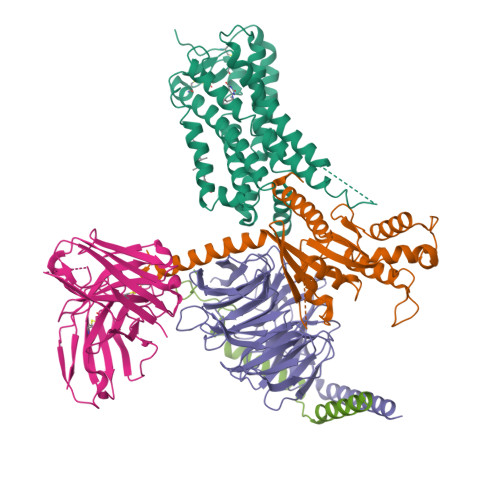


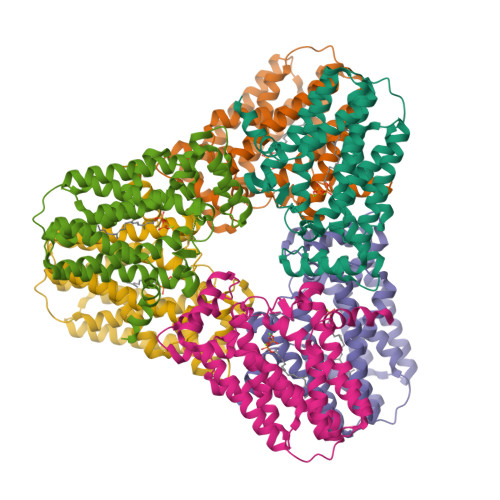

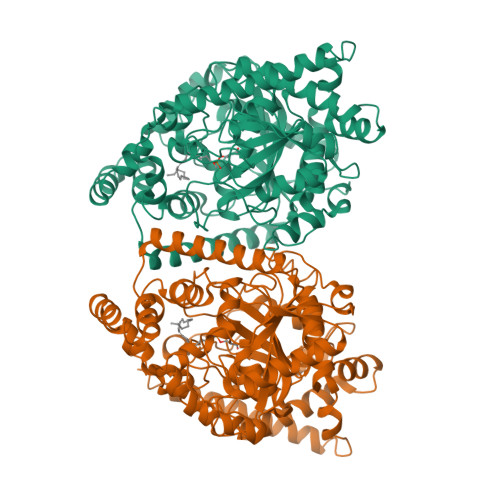
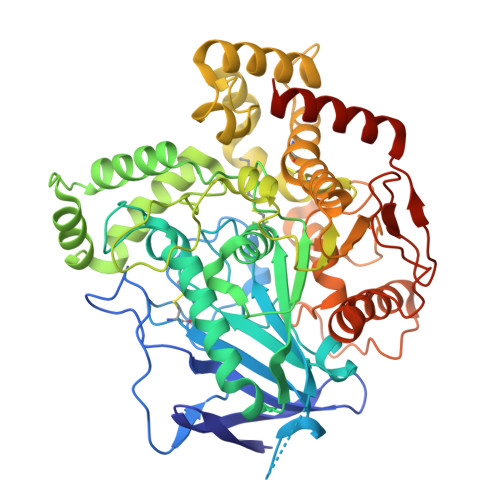
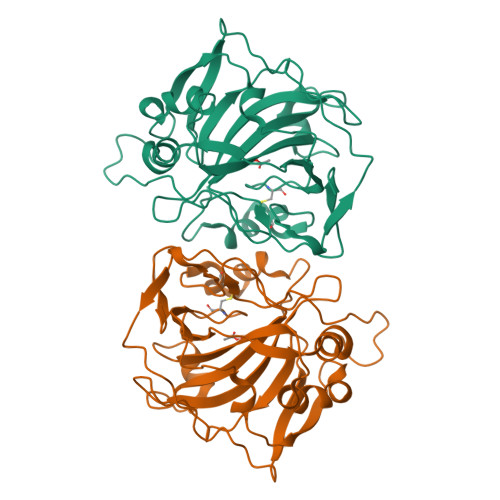


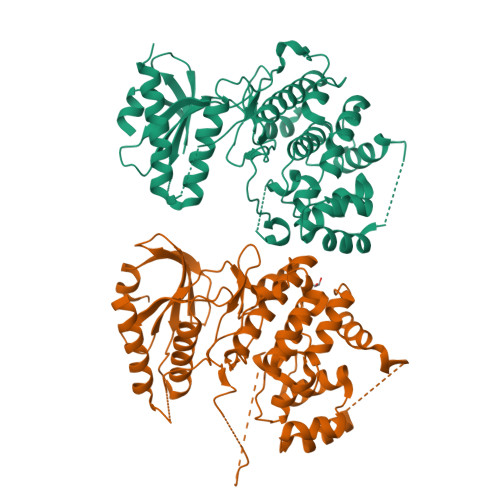

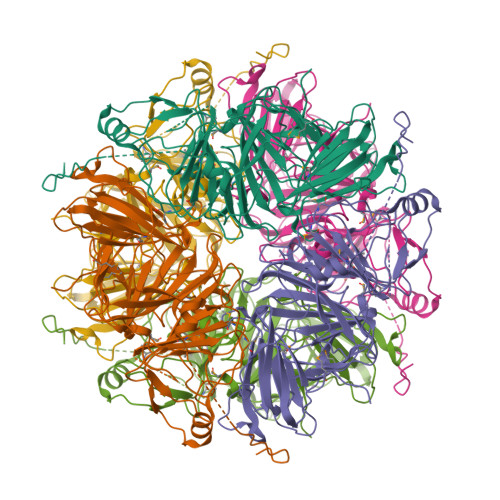

![All-trans-retinol dehydrogenase [NAD(+)] ADH1B structure](https://cdn.rcsb.org/images/structures/1deh_assembly-1.jpeg)

![All-trans-retinol dehydrogenase [NAD(+)] ADH4 structure](https://cdn.rcsb.org/images/structures/3cos_assembly-1.jpeg)