Some data may have been extracted from scientific literature using a pipeline that uses large language models (LLMs). Source articles are cited where applicable to help verify the extracted relationships.
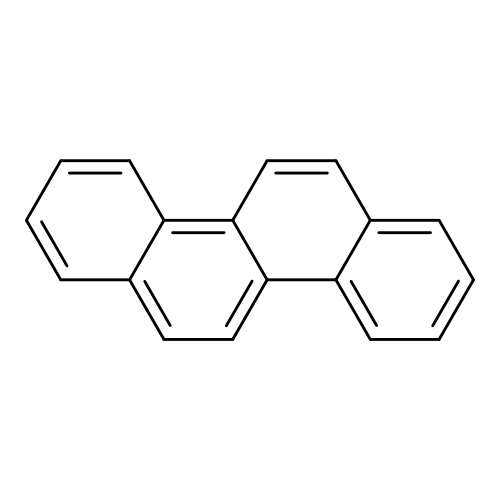
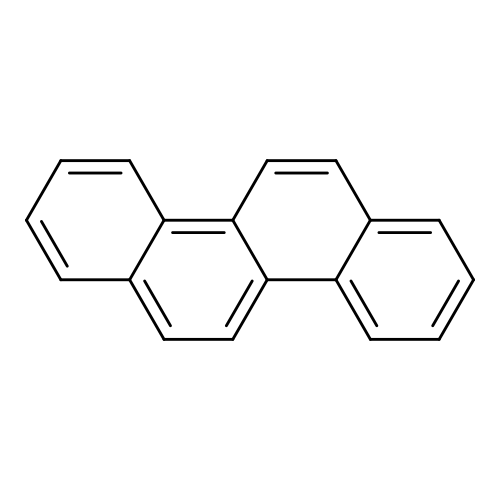
Chrysene is an exogenous organic compound with the formula C18H12 and an average molecular weight of 228.29 g/mol. It exists as a solid at room temperature. Chrysene belongs to the chrysenes, a subclass of phenanthrenes and derivatives within the organic compounds.
The compound is found in or released from 32 recorded sources, including indoor air, drinking water, and fencing. Other sources include food preservation, food contact materials, and household cleaning and consumer products such as bleaching agents, pipe accessories, cigar cigarettes, other smoking requisites, and non-electric simulated smoking devices. It is also associated with electrical and electronic equipment, including antennas, amplifiers, coils, conductors or conductive bodies characterised by the conductive materials, and cores yokes or armatures. Recorded exposure routes include oral, touch, and inhalation. Regarding plastics, chrysene is used in polycarbonate, polyurethane, polyamide, polyvinyl chloride, polystyrene, expanded polystyrene, polypropylene, high-density polyethylene, low-density polyethylene, and acrylonitrile butadiene styrene. It is present in high impact polystyrene and released in polyethylene terephthalate, while results for superabsorbent polymer are inconclusive.
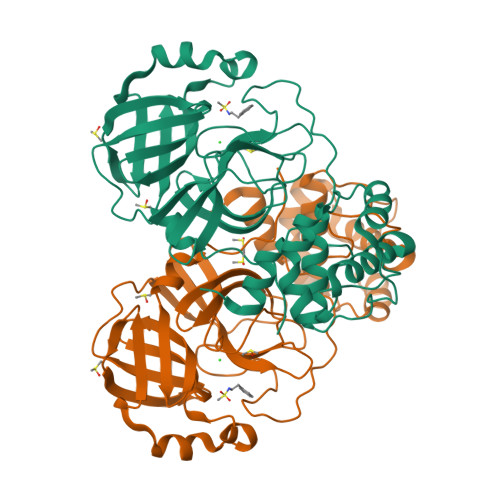
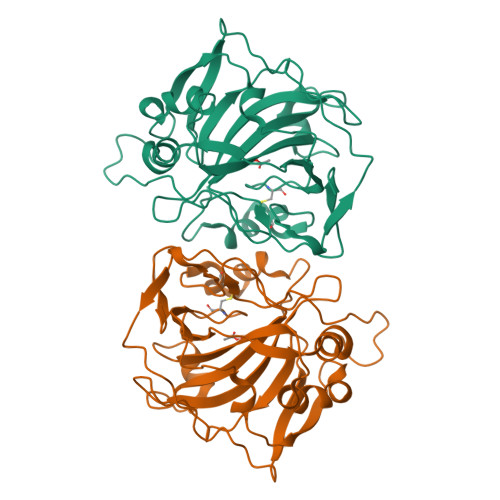
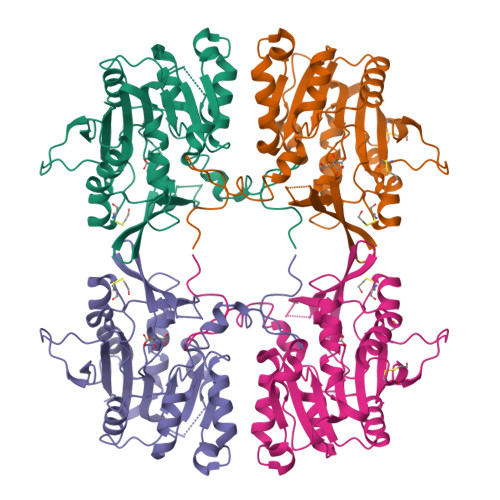
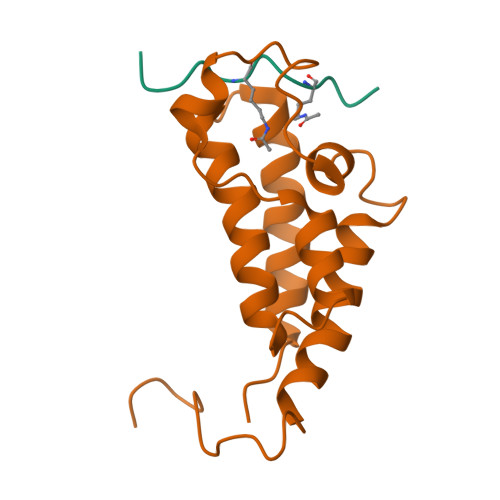
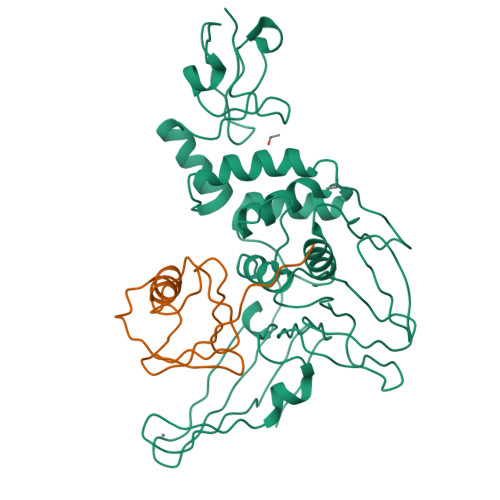
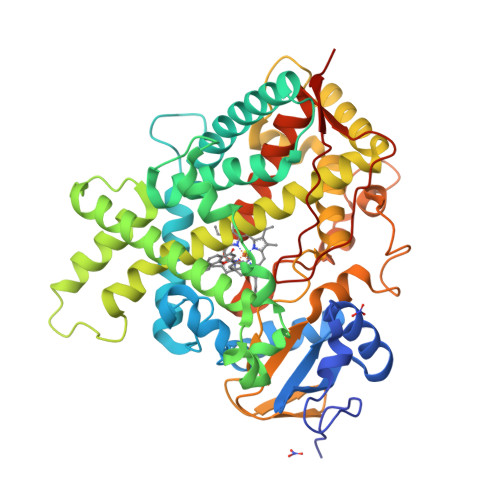
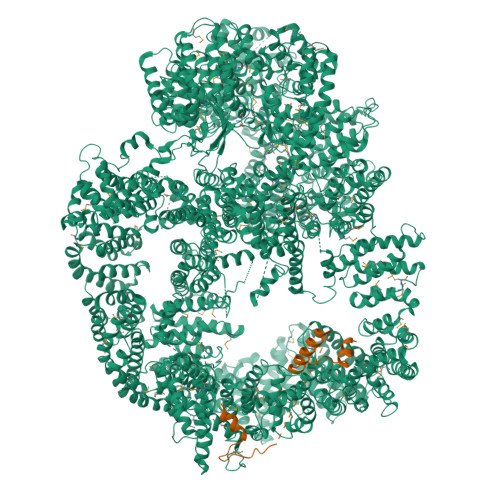
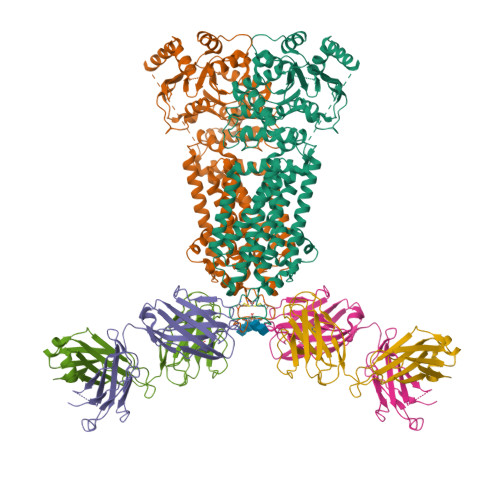
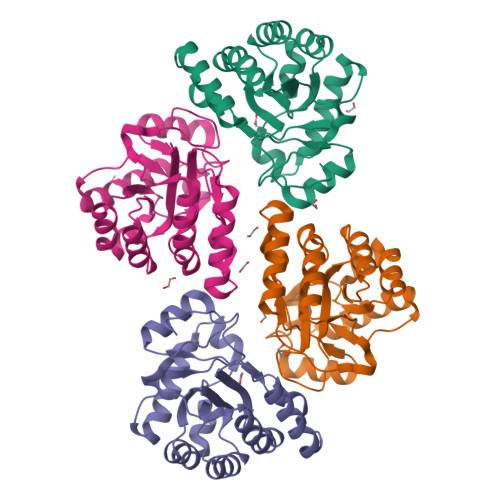
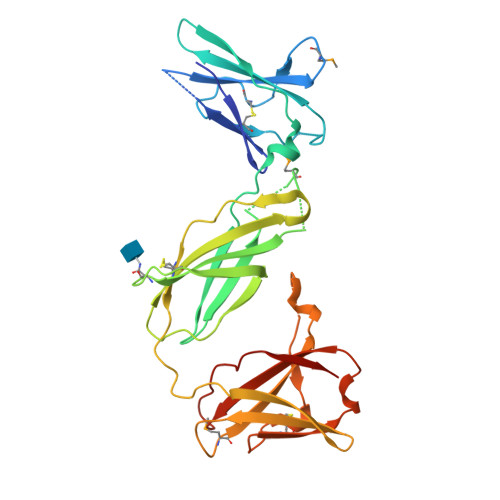
Chrysene has four recorded protein targets: the aryl hydrocarbon receptor (AHR), glycine N-methyltransferase (GNMT), hypoxanthine-guanine phosphoribosyltransferase (HPRT1), and the androgen receptor (AR). By binding to the glycine N-methyltransferase protein or the aryl hydrocarbon receptor, many PAHs induce the expression of cytochrome P450 enzymes, specifically CYP1B1, CYP1A2, and CYP1A1. These enzymes metabolize PAHs into toxic intermediates. The resulting reactive metabolites, including phenols, quinones, dihydrodiols, epoxide intermediates, and various combinations thereof, covalently bind to other cellular macromolecules and DNA, initiating carcinogenesis and mutagenesis.
Belongs to the class of organic compounds known as chrysenes. Chrysenes are compounds containing the polyaromatic chrysene moiety, which consists of a benzene ring fused to a phenanthrene ring system to form Benzo[a]phenanthrene.
carcinogenic agent (PMC6236541 , PMC6121320 )?A role played by a chemical compound which is known to induce a process of carcinogenesis by corrupting normal cellular pathways, leading to the acquistion of tumoral capabilities.
genotoxin (PMC7014154 )?A chemical substance that alters the genetic material of an organism,directly or indirectly
The ability of PAH's to bind to blood proteins such as albumin allows them to be transported throughout the body. Many PAH's induce the expression of cytochrome P450 enzymes, especially CYP1A1, CYP1A2, and CYP1B1, by binding to the aryl hydrocarbon receptor or glycine N-methyltransferase protein. These enzymes metabolize PAH's into their toxic intermediates. The reactive metabolites of PAHs (epoxide intermediates, dihydrodiols, phenols, quinones, and their various combinations) covalently bind to DNA and other cellular macromolecules, initiating mutagenesis and carcinogenesis. (4, 5, 2, 3)
Cancer is a group of diseases involving abnormal cell growth with the potential to invade or spread to other parts of the body. Possible signs and symptoms include a lump, abnormal bleeding, prolonged cough, unexplained weight loss, and a change in bowel movements. There are over 100 types of cancers affect humans. The risk of developing certain cancers can be reduced by not smoking, maintaining a healthy weight, not drinking too much alcohol, eating plenty of vegetables, fruits and whole grains, vaccination against certain infectious diseases, not eating too much processed and red meat and avoiding too much sunlight exposure. Cancer is often treated with some combination of radiation therapy, surgery, chemotherapy and targeted therapy. The majority of cancers, some 90–95% of cases, are due to genetic mutations from environmental and lifestyle factors. The remaining 5–10% are due to inherited genetics.
Soil?Soil serves as a critical medium for plant growth and sustains various ecological functions; however, it can become a reservoir for synthetic chemical contamination.
Indoor air?Indoor air can be a significant reservoir for synthetic chemical contaminants, which often originate from various sources within enclosed environments.
River sediment?River sediment can serve as a significant reservoir for synthetic chemical contaminants, which may originate from various anthropogenic activities.
Groundwater?Groundwater serves as a vital resource for drinking water and agricultural irrigation but is increasingly susceptible to contamination from synthetic chemicals.
Stormwater runoff?Stormwater runoff refers to the flow of rainwater or melted snow that does not soak into the ground and instead collects pollutants as it travels over impervious surfaces such as roads and parking lots.
Drinking water?Drinking water can be a medium for synthetic chemical contamination, often originating from various industrial processes and agricultural practices.
Ballast water?Ballast water, taken on by ships to maintain stability and balance, often contains a diverse array of microorganisms, including bacteria, viruses, and plankton.
Bilge water?Bilge water is a byproduct generated from the accumulation of water in the lowest part of a ship's hull, which may include a mixture of seawater, oil, fuel residues, and various contaminants.
Food contact materials?Food contact materials refer to substances and products that are intended to come into contact with food during processing, packaging, or preparation.
Fencing?Fencing materials, particularly those used in construction and landscaping, can be a source of synthetic chemical contamination due to the treatments and coatings applied for durability and weather resistance.
Amplifiers?Amplifiers, commonly used in various electronic devices to enhance signal strength, can be a source of synthetic chemical contamination due to the materials and processes involved in their production and disposal.
Antennas?Antennas, commonly used in communication technologies, can be a source of synthetic chemical contamination through the materials and coatings used in their construction.
Conductors Or Conductive Bodies Characterised By The Conductive Materials?Conductors, or conductive bodies, are materials that allow the flow of electrical current, typically made from metals such as copper, aluminum, or silver.
Cores Yokes Or Armatures?Cores, yokes, or armatures are components commonly found in electrical devices, used to facilitate the magnetic and electrical functions within motors, transformers, and generators.
Discharge Lamps?Discharge lamps, including fluorescent and high-intensity discharge (HID) lamps, are commonly used for lighting applications due to their energy efficiency and brightness.
Electric Switches?Electric switches, integral components in numerous devices, can be a source of synthetic chemical contamination due to the materials and manufacturing processes involved in their production.
Electrically Stimulated Smoking Devices?Electrically stimulated smoking devices, commonly known as e-cigarettes or vape pens, utilize electrical components to heat a liquid solution, often containing nicotine, flavorings, and other additives, to produce an aerosol for inhalation.
Electrodes?Electrodes, used in various electrical and electronic applications, can be a source of synthetic chemical contamination due to the materials from which they are constructed and the processes involved in their manufacturing.
Fixed Capacitors And Their Manufacture?Fixed capacitors are passive electronic components used to store and release electrical energy, playing a critical role in various circuits.
Gas Filled Discharge Tubes With Solid Cathode?Gas Filled Discharge Tubes with Solid Cathodes are electrical components that facilitate the flow of current by ionizing gas within a sealed tube.
Hybrid Capacitors?Hybrid capacitors are energy storage devices that combine the properties of electrolytic and supercapacitors, utilizing a combination of electrochemical principles to achieve higher energy density and power density.
Line Transmission Systems?Line Transmission Systems, commonly used for the distribution of electrical energy, can be a source of synthetic chemical contamination through the insulation materials and coatings utilized in their construction.
Still Video Cameras?Still video cameras, which capture images in digital format, can be a source of synthetic chemical contamination due to the materials and components used in their production and operation.
Superconducting Magnets And Superconducting Coils?Superconducting magnets and coils are utilized in various applications that require strong magnetic fields, such as magnetic resonance imaging (MRI) and particle accelerators.
Superconductive Or Hyperconductive Conductors Cables Or Transmission Lines?Superconductive or hyperconductive conductors, including cables and transmission lines, are materials that exhibit zero electrical resistance under specific conditions, typically at low temperatures.
Television Systems?Television systems can be a source of synthetic chemical contamination due to the various materials and components used in their manufacture and operation.
Thin Magnetic Films?Thin magnetic films are layers of magnetic material ranging from a few nanometers to several micrometers in thickness, commonly used in applications such as magnetic sensors, data storage devices, and electronic components.
Food Preservation?Food preservation often involves the use of synthetic chemicals, such as preservatives, flavor enhancers, and color additives, to extend shelf life and enhance the sensory qualities of food products.
Bleaching Agents?Bleaching agents are chemical substances used to whiten or lighten materials, often employed in various cleaning products for their stain removal and disinfecting properties.
Non Electric Simulated Smoking Devices?Non-electric simulated smoking devices, often designed to mimic the experience of smoking without combustion, can be sources of synthetic chemical contamination due to the materials and chemicals used in their construction and operation.
Other Smoking Requisites?Other smoking requisites, including items such as lighters, matches, and rolling papers, can introduce synthetic chemical contamination through various components and additives.
Pipe Accessories?Pipe accessories, such as fittings, connectors, and seals, are components used in plumbing systems to facilitate the flow of liquids and gases.
Tobacco Pipes?Tobacco pipes, often made from materials such as plastic, wood, or metal, can serve as sources of synthetic chemical contamination due to the residues left by tobacco products.
Tobacco Product Cases?Tobacco product cases can serve as a source of synthetic chemical contamination due to the presence of various additives and chemicals used in tobacco processing and product manufacturing.
Tobacco Smoke Filters?Tobacco smoke filters are designed to reduce the inhalation of harmful substances in cigarette smoke, including tar and other particulate matter.
Making Cigars?The process of making cigars involves several steps, including the cultivation of tobacco, fermentation, and the application of various additives to enhance flavor and preservation.
Manufacture Of Iron Or Steel?The manufacture of iron or steel involves various processes, including smelting, refining, and alloying, which can result in the release of synthetic chemicals and contaminants.
Manufacture Preparation Of Tobacco Products?The manufacture and preparation of tobacco products involve various processes that can result in the introduction of synthetic chemicals into the environment.
Rodenticides(1)?Rodenticides are synthetic chemicals specifically formulated to control rodent populations, serving as a crucial tool in managing pests that can damage crops and spread diseases.
Rodenticides?Rodenticides are chemical substances specifically designed to control rodent populations by causing death through various mechanisms, including anticoagulation or neurotoxicity.
Aftersun Products?Aftersun products are designed to soothe and hydrate the skin after sun exposure, often containing various synthetic chemicals such as emollients, preservatives, and fragrances.
Anti Perspirants Or Body Deoderants?Antiperspirants and body deodorants commonly contain synthetic chemicals such as aluminum compounds, parabens, and synthetic fragrances.
Depilatories?Depilatories are products designed to remove unwanted hair through the application of synthetic chemicals that break down the protein structure of hair, facilitating its removal.
Essential Oils Or Perfumes?Essential oils and perfumes are complex mixtures of volatile compounds derived from natural or synthetic sources, commonly used for their aromatic properties.
Lip Care Products?Lip care products, including lipsticks, balms, and glosses, often contain a variety of synthetic chemicals such as parabens, phthalates, and synthetic fragrances.
Lip Makeup Products?Lip makeup products, such as lipsticks, lip glosses, and lip liners, often contain a variety of synthetic chemicals, including pigments, preservatives, and emollients.
Footwear?Footwear production often involves the use of various synthetic chemicals, such as adhesives, dyes, and treatments, which can contribute to environmental contamination.
Surface Finishing Of Leather?Surface finishing of leather often involves the use of various synthetic chemicals, including dyes, resins, and finishing agents.
Transfer Printing?Transfer printing is a process used to apply designs and patterns onto various substrates, commonly utilizing synthetic dyes and inks that can contain hazardous chemicals.
Airplanes And Helicopters?Airplanes and helicopters are significant sources of synthetic chemical contamination primarily through the use of aviation fuels, lubricants, and de-icing agents.
Nitrogenous Fertilisers?Nitrogenous fertilizers are synthetic chemical compounds primarily used to enhance plant growth by supplying essential nitrogen, a crucial nutrient for photosynthesis and protein synthesis.
Cements?Cements are a composite material primarily used as a binding agent in construction applications, formed by the calcination of limestone and clay minerals at high temperatures.
Clay Wares?Clay wares are ceramic products made from natural clay, often utilized in various construction applications such as tiles, bricks, and sanitary ware.
Glass Coatings?Glass coatings are synthetic chemical formulations applied to glass surfaces to enhance properties such as durability, UV resistance, and aesthetic appeal.
Non Oxide Glass?Non-oxide glass refers to a category of glasses primarily composed of materials other than silicon dioxide, such as boron oxide or phosphorous oxide.
Silica Free Oxide Glass?Silica Free Oxide Glass is a type of glass that is produced using alternative materials to traditional silica-based formulations.
Silica Glass?Silica glass, primarily composed of silicon dioxide (SiO2), is widely used in various applications, including windows, glass facades, and insulation materials.
Nanotechnology?Nanotechnology involves the manipulation of materials at the molecular or atomic level, typically within the range of 1 to 100 nanometers.
Combination Pens?Combination pens, which typically contain both ink and additional functionalities such as highlighters or stylus tips, may contribute to synthetic chemical contamination primarily through their ink formulations and plastic components.
Erasers?Erasers, commonly used in writing and drawing applications, are often made from synthetic rubber or thermoplastic materials, which can contain various additives such as plasticizers, fillers, and colorants.
Pens?Pens, commonly utilized for writing and marking, can be a source of synthetic chemical contamination primarily due to the materials used in their manufacturing.
Walking Sticks?Walking sticks, while primarily designed for mobility assistance, can be sources of synthetic chemical contamination if not properly manufactured or maintained.
Coating Compositions?Coating compositions, which include paints, sealants, and varnishes, are formulated with a variety of synthetic chemicals such as solvents, resins, pigments, and additives.
Leather Tanning?Leather tanning is a process that transforms raw animal hides into durable leather through the application of various chemicals, including chromium salts, aldehydes, and vegetable tannins.
Sludge Treatment?Sludge treatment involves the processing of waste materials generated from wastewater treatment plants, which often contain a variety of organic and inorganic substances.
Water, Wastewater, & Sewage Treatment?Water, wastewater, and sewage treatment processes are critical for managing and mitigating pollutants in water systems.
Many PAH's induce the expression of cytochrome P450 enzymes, especially CYP1A1, CYP1A2, and CYP1B1, by binding to the aryl hydrocarbon receptor or glycine N-methyltransferase protein. These enzymes metabolize PAH's into their toxic intermediates. The reactive metabolites of PAHs (epoxide intermediates, dihydrodiols, phenols, quinones, and their various combinations) covalently bind to DNA and other cellular macromolecules, initiating mutagenesis and carcinogenesis. (L10, L23, A27, A32)
Many PAH's induce the expression of cytochrome P450 enzymes, especially CYP1A1, CYP1A2, and CYP1B1, by binding to the aryl hydrocarbon receptor or glycine N-methyltransferase protein. These enzymes metabolize PAH's into their toxic intermediates. The reactive metabolites of PAHs (epoxide intermediates, dihydrodiols, phenols, quinones, and their various combinations) covalently bind to DNA and other cellular macromolecules, initiating mutagenesis and carcinogenesis. (L10, L23, A27, A32)
Santodonato J, Howard P, Basu D: Health and ecological assessment of polynuclear aromatic hydrocarbons. J Environ Pathol Toxicol. 1981 Sep;5(1):1-364. [PubMed: 7310260]
Uno S, Dragin N, Miller ML, Dalton TP, Gonzalez FJ, Nebert DW: Basal and inducible CYP1 mRNA quantitation and protein localization throughout the mouse gastrointestinal tract. Free Radic Biol Med. 2008 Feb 15;44(4):570-83. Epub 2007 Nov 12. [PubMed: 17997381]
Padros J, Pelletier E: In vivo formation of (+)-anti-benzo[a]pyrene diol-epoxide-plasma albumin adducts in fish. Mar Environ Res. 2000 Jul-Dec;50(1-5):347-51. [PubMed: 11460716]
ATSDR - Agency for Toxic Substances and Disease Registry (1995). Toxicological profile for PAHs. U.S. Public Health Service in collaboration with U.S. Environmental Protection Agency (EPA). - http://www.atsdr.cdc.gov/toxprofiles/tp69.html
International Agency for Research on Cancer (2014). IARC Monographs on the Evaluation of Carcinogenic Risks to Humans. - http://monographs.iarc.fr/index.php
IARC (1983). Monographs on the Evaluation of the Carcinogenic Risk of Chemicals to Man. Geneva: World Health Organization, International Agency for Research on Cancer, 1972-Present. (Multivolume work).







![Amine oxidase [flavin-containing] A structure](https://cdn.rcsb.org/images/structures/2bxr_assembly-1.jpeg)