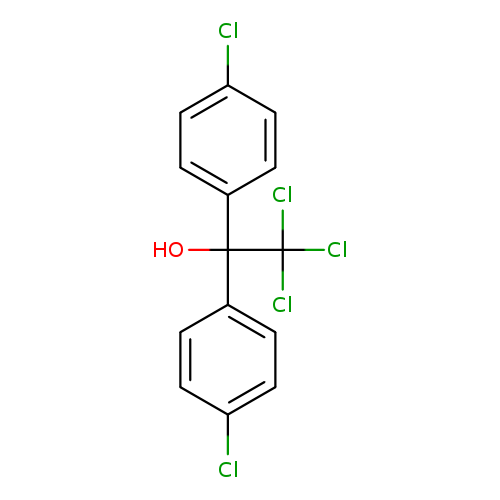
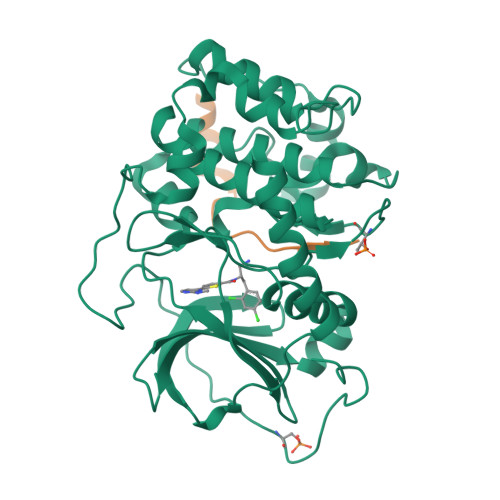
 Click to view 3D structure Click to view 3D structure | cAMP-dependent protein kinase catalytic subunit alpha | P17612 | Humans | Predicted (SEA) | - Prediction Confidence Score
- 0.282
- Applicability Domain
- 0.325
- Statistical Significance
- 0.1347
- Supporting Reference Compounds
- 735
- E-value
- 1048.47
|
 Click to view 3D structure Click to view 3D structure | Cytochrome P450 2D6 | P10635 | Humans | Predicted (SEA) | - Prediction Confidence Score
- 0.269
- Applicability Domain
- 0.325
- Statistical Significance
- 0.2684
- Supporting Reference Compounds
- 1130
- E-value
- 2089.16
|
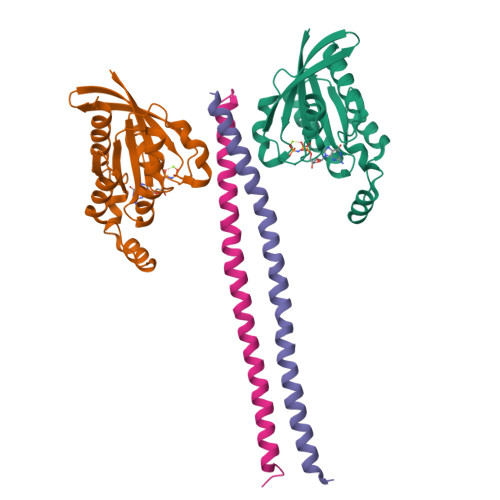 Click to view 3D structure Click to view 3D structure | Rho-associated protein kinase 1 | Q13464 | Humans | Predicted (SEA) | - Prediction Confidence Score
- 0.264
- Applicability Domain
- 0.325
- Statistical Significance
- 0.2435
- Supporting Reference Compounds
- 834
- E-value
- 1895.63
|
 Click to view 3D structure Click to view 3D structure | Protein kinase C delta type | Q05655 | Humans | Predicted (SEA) | - Prediction Confidence Score
- 0.264
- Applicability Domain
- 0.325
- Statistical Significance
- 0.1934
- Supporting Reference Compounds
- 681
- E-value
- 1505.53
|
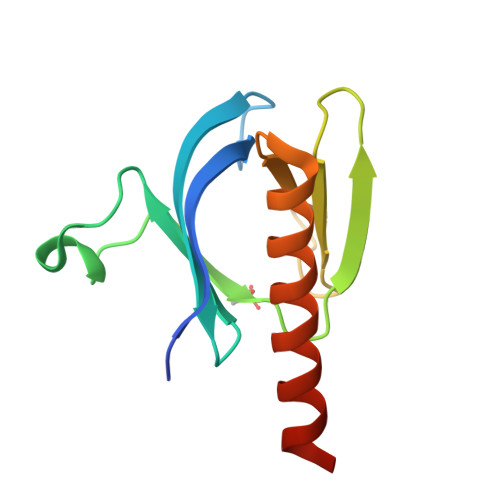 Click to view 3D structure Click to view 3D structure | RAC-gamma serine/threonine-protein kinase | Q9Y243 | Humans | Predicted (SEA) | - Prediction Confidence Score
- 0.264
- Applicability Domain
- 0.325
- Statistical Significance
- 0.1923
- Supporting Reference Compounds
- 620
- E-value
- 1497.27
|
 Click to view 3D structure Click to view 3D structure | Cytochrome P450 3A4 | P08684 | Humans | Predicted (SEA) | - Prediction Confidence Score
- 0.263
- Applicability Domain
- 0.325
- Statistical Significance
- 0.4285
- Supporting Reference Compounds
- 1538
- E-value
- 3335.68
|
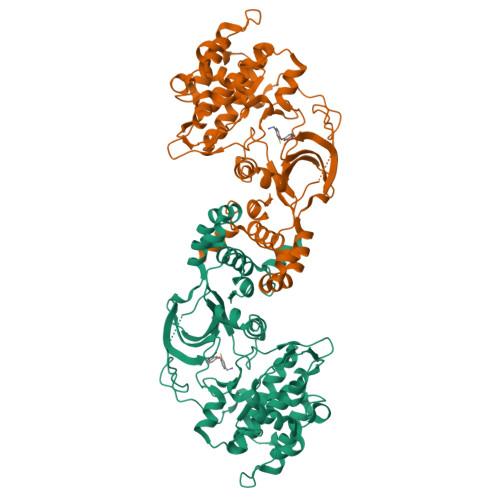 Click to view 3D structure Click to view 3D structure | Rho-associated protein kinase 2 | O75116 | Humans | Predicted (SEA) | - Prediction Confidence Score
- 0.261
- Applicability Domain
- 0.325
- Statistical Significance
- 0.2518
- Supporting Reference Compounds
- 811
- E-value
- 1960.48
|
 Click to view 3D structure Click to view 3D structure | RAC-alpha serine/threonine-protein kinase | P31749 | Humans | Predicted (SEA) | - Prediction Confidence Score
- 0.261
- Applicability Domain
- 0.325
- Statistical Significance
- 0.2397
- Supporting Reference Compounds
- 797
- E-value
- 1865.97
|
 Click to view 3D structure Click to view 3D structure | Serine/threonine-protein kinase N2 | Q16513 | Humans | Predicted (SEA) | - Prediction Confidence Score
- 0.261
- Applicability Domain
- 0.325
- Statistical Significance
- 0.1969
- Supporting Reference Compounds
- 567
- E-value
- 1533.16
|
 Click to view 3D structure Click to view 3D structure | RAC-beta serine/threonine-protein kinase | P31751 | Humans | Predicted (SEA) | - Prediction Confidence Score
- 0.261
- Applicability Domain
- 0.325
- Statistical Significance
- 0.2011
- Supporting Reference Compounds
- 631
- E-value
- 1565.7
|
 Click to view 3D structure Click to view 3D structure | Sarcoplasmic/endoplasmic reticulum calcium ATPase 2 | P11507 | Rattus norvegicus | Predicted (SEA) | - Prediction Confidence Score
- 0.259
- Applicability Domain
- 0.259 Low confidence
- Statistical Significance
- 4.40e-04
- Supporting Reference Compounds
- 1
- E-value
- 3.42537
|
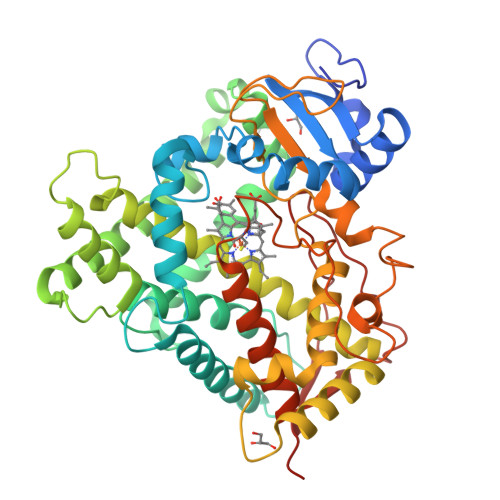 Click to view 3D structure Click to view 3D structure | Cytochrome P450 2C19 | P33261 | Humans | Predicted (SEA) | - Prediction Confidence Score
- 0.259
- Applicability Domain
- 0.325
- Statistical Significance
- 0.2727
- Supporting Reference Compounds
- 825
- E-value
- 2122.95
|
| Click to view 3D structure | Aromatase | P22443 | Rattus norvegicus | Predicted (SEA) | - Prediction Confidence Score
- 0.257
- Applicability Domain
- 0.448
- Statistical Significance
- 1.40e-04
- Supporting Reference Compounds
- 7
- E-value
- 1.08989
|
 Click to view 3D structure Click to view 3D structure | Glycogen synthase kinase-3 beta | P49841 | Humans | Predicted (SEA) | - Prediction Confidence Score
- 0.25
- Applicability Domain
- 0.286 Low confidence
- Statistical Significance
- 0.4061
- Supporting Reference Compounds
- 1157
- E-value
- 3161.53
|
 Click to view 3D structure Click to view 3D structure | Dual specificity tyrosine-phosphorylation-regulated kinase 1A | Q13627 | Humans | Predicted (SEA) | - Prediction Confidence Score
- 0.25
- Applicability Domain
- 0.286 Low confidence
- Statistical Significance
- 0.3473
- Supporting Reference Compounds
- 906
- E-value
- 2703.63
|
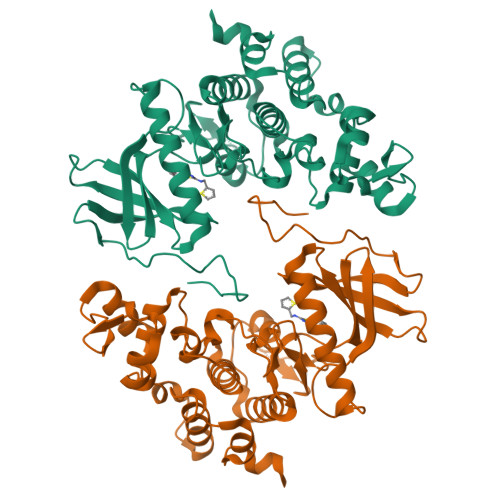 Click to view 3D structure Click to view 3D structure | Dual specificity protein kinase CLK2 | P49760 | Humans | Predicted (SEA) | - Prediction Confidence Score
- 0.25
- Applicability Domain
- 0.286 Low confidence
- Statistical Significance
- 0.3142
- Supporting Reference Compounds
- 727
- E-value
- 2445.79
|
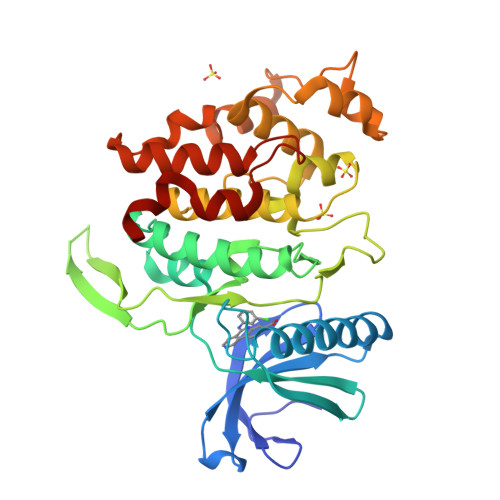 Click to view 3D structure Click to view 3D structure | Dual specificity protein kinase CLK4 | Q9HAZ1 | Humans | Predicted (SEA) | - Prediction Confidence Score
- 0.25
- Applicability Domain
- 0.286 Low confidence
- Statistical Significance
- 0.3141
- Supporting Reference Compounds
- 742
- E-value
- 2444.93
|
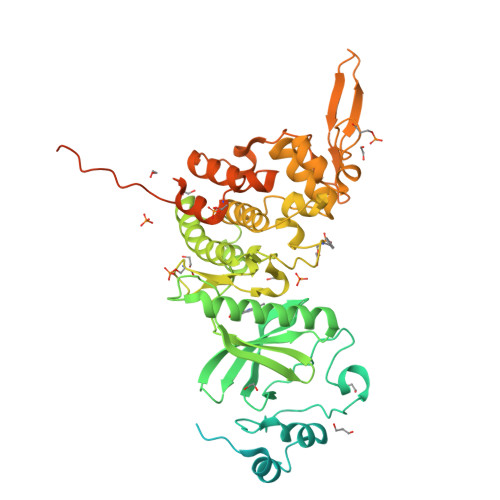 Click to view 3D structure Click to view 3D structure | Dual specificity tyrosine-phosphorylation-regulated kinase 3 | O43781 | Humans | Predicted (SEA) | - Prediction Confidence Score
- 0.25
- Applicability Domain
- 0.286 Low confidence
- Statistical Significance
- 0.213
- Supporting Reference Compounds
- 412
- E-value
- 1658.5
|
| Click to view 3D structure | Dual specificity tyrosine-phosphorylation-regulated kinase 4 | Q9NR20 | Humans | Predicted (SEA) | - Prediction Confidence Score
- 0.25
- Applicability Domain
- 0.286 Low confidence
- Statistical Significance
- 0.2068
- Supporting Reference Compounds
- 393
- E-value
- 1609.77
|
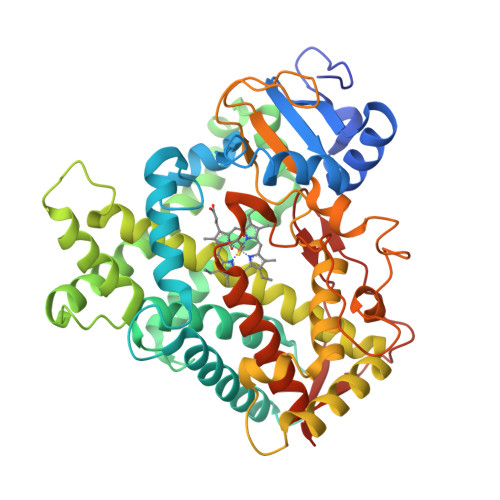 Click to view 3D structure Click to view 3D structure | Cytochrome P450 2C9 | P11712 | Humans | Predicted (SEA) | - Prediction Confidence Score
- 0.249
- Applicability Domain
- 0.325
- Statistical Significance
- 0.5194
- Supporting Reference Compounds
- 1245
- E-value
- 4043.33
|
 Click to view 3D structure Click to view 3D structure | Cytochrome P450 1A2 | P05177 | Humans | Predicted (SEA) | - Prediction Confidence Score
- 0.248
- Applicability Domain
- 0.325
- Statistical Significance
- 0.3702
- Supporting Reference Compounds
- 793
- E-value
- 2881.67
|
 Click to view 3D structure Click to view 3D structure | Voltage-gated inwardly rectifying potassium channel KCNH2 | Q12809 | Humans | Predicted (SEA) | - Prediction Confidence Score
- 0.245
- Applicability Domain
- 0.277 Low confidence
- Statistical Significance
- 0.6045
- Supporting Reference Compounds
- 1498
- E-value
- 4705.83
|
 Click to view 3D structure Click to view 3D structure | Serine/threonine-protein kinase pim-1 | P11309 | Humans | Predicted (SEA) | - Prediction Confidence Score
- 0.243
- Applicability Domain
- 0.286 Low confidence
- Statistical Significance
- 0.4267
- Supporting Reference Compounds
- 967
- E-value
- 3322.22
|
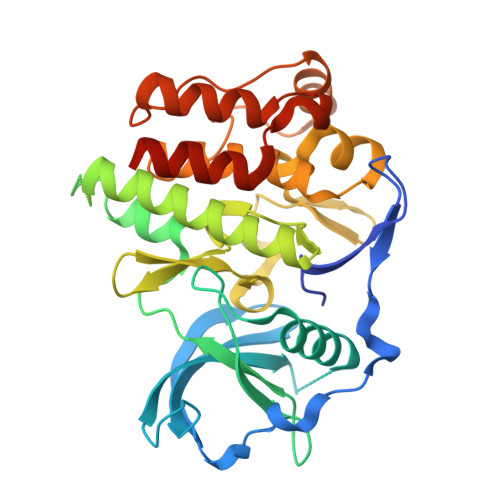 Click to view 3D structure Click to view 3D structure | Receptor-type tyrosine-protein kinase FLT3 | P36888 | Humans | Predicted (SEA) | - Prediction Confidence Score
- 0.243
- Applicability Domain
- 0.286 Low confidence
- Statistical Significance
- 0.4723
- Supporting Reference Compounds
- 1274
- E-value
- 3677.05
|
 Click to view 3D structure Click to view 3D structure | Vascular endothelial growth factor receptor 2 | P35968 | Humans | Predicted (SEA) | - Prediction Confidence Score
- 0.243
- Applicability Domain
- 0.286 Low confidence
- Statistical Significance
- 0.5103
- Supporting Reference Compounds
- 1660
- E-value
- 3972.49
|
 Click to view 3D structure Click to view 3D structure | Nuclear receptor subfamily 1 group I member 2 | O75469 | Humans | Known | Not Available |
 Click to view 3D structure Click to view 3D structure | Estrogen receptor | P03372 | Humans | Known | Causes endocrine disruption in humans by binding to and inhibiting the estrogen receptor. (A590) |
 Click to view 3D structure Click to view 3D structure | Estrogen receptor beta | Q92731 | Humans | Known | Causes endocrine disruption in humans by binding to and inhibiting the estrogen receptor. (A590) |
 Click to view 3D structure Click to view 3D structure | Androgen receptor | P10275 | Humans | Known | Difocol is also an endocrine disruptor and binds both the androgen and estrogen receptor. (A214) |
 Click to view 3D structure Click to view 3D structure | Calcium-transporting ATPase type 2C member 1 | P98194 | Humans | Known | This organochloride inhibits Na+/K+ ATPase and Ca2+ and Mg2+ ATPase, which are essential for the transport of calcium across membranes. This results in the accumulation of intracellular free calcium ions, which promotes release of neurotransmitters from storage vesicles, the subsequent depolarization of adjacent neurons, and the propagation of stimuli throughout the central nervous system. (T10) |
 Click to view 3D structure Click to view 3D structure | Aromatase | P11511 | Humans | Known | Difocol may alter sex hormone metabolism by directly inhibiting cytochrome P-450 19A1. (A228) |
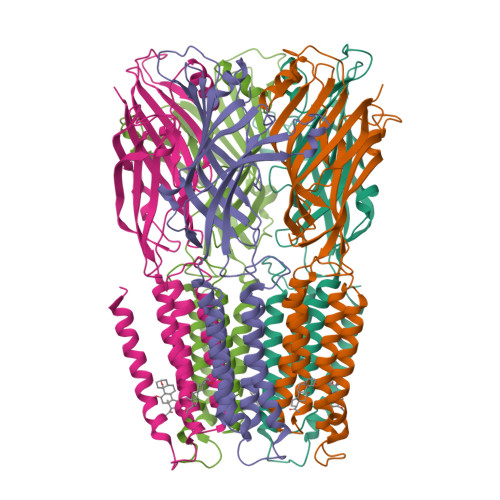 Click to view 3D structure Click to view 3D structure | Gamma-aminobutyric acid receptor subunit alpha-1 | P14867 | Humans | Known | This organochloride antagonizes the action of the neurotransmitter gamma-aminobutyric acid (GABA) acting at the GABA-A receptors, effectively blocking the GABA-induced uptake of chloride ions and causing hyperexcitability of the central nervous system. (T10) |
 Click to view 3D structure Click to view 3D structure | Gamma-aminobutyric acid receptor subunit alpha-2 | P47869 | Humans | Known | This organochloride antagonizes the action of the neurotransmitter gamma-aminobutyric acid (GABA) acting at the GABA-A receptors, effectively blocking the GABA-induced uptake of chloride ions and causing hyperexcitability of the central nervous system. (T10) |
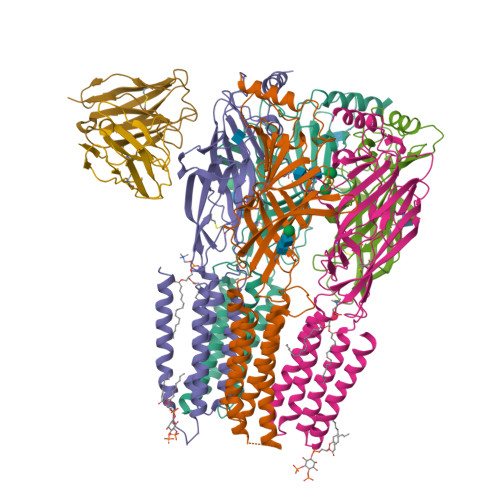 Click to view 3D structure Click to view 3D structure | Gamma-aminobutyric acid receptor subunit alpha-3 | P34903 | Humans | Known | This organochloride antagonizes the action of the neurotransmitter gamma-aminobutyric acid (GABA) acting at the GABA-A receptors, effectively blocking the GABA-induced uptake of chloride ions and causing hyperexcitability of the central nervous system. (T10) |
 Click to view 3D structure Click to view 3D structure | Gamma-aminobutyric acid receptor subunit alpha-4 | P48169 | Humans | Known | This organochloride antagonizes the action of the neurotransmitter gamma-aminobutyric acid (GABA) acting at the GABA-A receptors, effectively blocking the GABA-induced uptake of chloride ions and causing hyperexcitability of the central nervous system. (T10) |
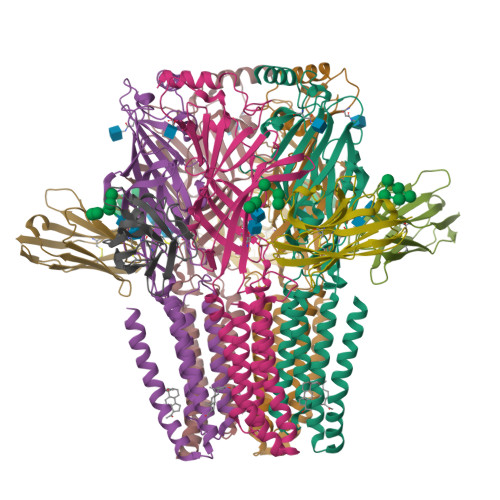 Click to view 3D structure Click to view 3D structure | Gamma-aminobutyric acid receptor subunit alpha-5 | P31644 | Humans | Known | This organochloride antagonizes the action of the neurotransmitter gamma-aminobutyric acid (GABA) acting at the GABA-A receptors, effectively blocking the GABA-induced uptake of chloride ions and causing hyperexcitability of the central nervous system. (T10) |
| Click to view 3D structure | Gamma-aminobutyric acid receptor subunit alpha-6 | Q16445 | Humans | Known | This organochloride antagonizes the action of the neurotransmitter gamma-aminobutyric acid (GABA) acting at the GABA-A receptors, effectively blocking the GABA-induced uptake of chloride ions and causing hyperexcitability of the central nervous system. (T10) |
 Click to view 3D structure Click to view 3D structure | Gamma-aminobutyric acid receptor subunit beta-1 | P18505 | Humans | Known | This organochloride antagonizes the action of the neurotransmitter gamma-aminobutyric acid (GABA) acting at the GABA-A receptors, effectively blocking the GABA-induced uptake of chloride ions and causing hyperexcitability of the central nervous system. (T10) |
 Click to view 3D structure Click to view 3D structure | Gamma-aminobutyric acid receptor subunit beta-2 | P47870 | Humans | Known | This organochloride antagonizes the action of the neurotransmitter gamma-aminobutyric acid (GABA) acting at the GABA-A receptors, effectively blocking the GABA-induced uptake of chloride ions and causing hyperexcitability of the central nervous system. (T10) |
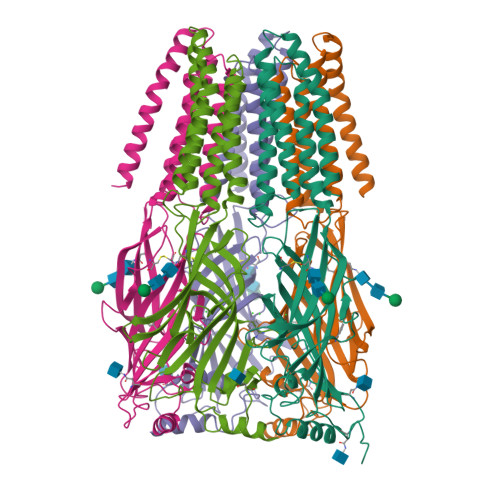 Click to view 3D structure Click to view 3D structure | Gamma-aminobutyric acid receptor subunit beta-3 | P28472 | Humans | Known | This organochloride antagonizes the action of the neurotransmitter gamma-aminobutyric acid (GABA) acting at the GABA-A receptors, effectively blocking the GABA-induced uptake of chloride ions and causing hyperexcitability of the central nervous system. (T10) |
| Click to view 3D structure | Gamma-aminobutyric acid receptor subunit delta | O14764 | Humans | Known | This organochloride antagonizes the action of the neurotransmitter gamma-aminobutyric acid (GABA) acting at the GABA-A receptors, effectively blocking the GABA-induced uptake of chloride ions and causing hyperexcitability of the central nervous system. (T10) |
| Click to view 3D structure | Gamma-aminobutyric acid receptor subunit epsilon | P78334 | Humans | Known | This organochloride antagonizes the action of the neurotransmitter gamma-aminobutyric acid (GABA) acting at the GABA-A receptors, effectively blocking the GABA-induced uptake of chloride ions and causing hyperexcitability of the central nervous system. (T10) |
| Click to view 3D structure | Gamma-aminobutyric acid receptor subunit gamma-1 | Q8N1C3 | Humans | Known | This organochloride antagonizes the action of the neurotransmitter gamma-aminobutyric acid (GABA) acting at the GABA-A receptors, effectively blocking the GABA-induced uptake of chloride ions and causing hyperexcitability of the central nervous system. (T10) |
| Click to view 3D structure | Gamma-aminobutyric acid receptor subunit gamma-2 | P18507 | Humans | Known | This organochloride antagonizes the action of the neurotransmitter gamma-aminobutyric acid (GABA) acting at the GABA-A receptors, effectively blocking the GABA-induced uptake of chloride ions and causing hyperexcitability of the central nervous system. (T10) |
| Click to view 3D structure | Gamma-aminobutyric acid receptor subunit gamma-3 | Q99928 | Humans | Known | This organochloride antagonizes the action of the neurotransmitter gamma-aminobutyric acid (GABA) acting at the GABA-A receptors, effectively blocking the GABA-induced uptake of chloride ions and causing hyperexcitability of the central nervous system. (T10) |
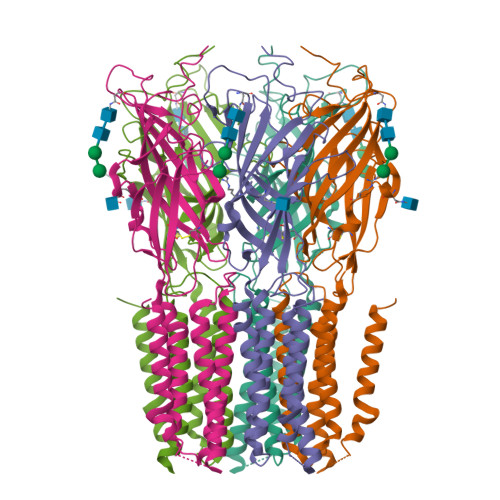 Click to view 3D structure Click to view 3D structure | Gamma-aminobutyric acid receptor subunit pi | O00591 | Humans | Known | This organochloride antagonizes the action of the neurotransmitter gamma-aminobutyric acid (GABA) acting at the GABA-A receptors, effectively blocking the GABA-induced uptake of chloride ions and causing hyperexcitability of the central nervous system. (T10) |
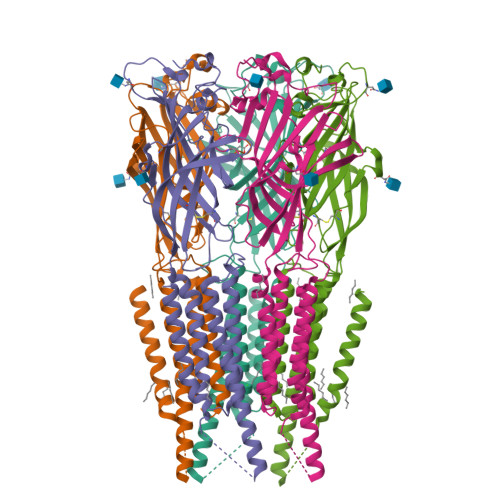 Click to view 3D structure Click to view 3D structure | Gamma-aminobutyric acid receptor subunit rho-1 | P24046 | Humans | Known | This organochloride antagonizes the action of the neurotransmitter gamma-aminobutyric acid (GABA) acting at the GABA-A receptors, effectively blocking the GABA-induced uptake of chloride ions and causing hyperexcitability of the central nervous system. (T10) |
| Click to view 3D structure | Gamma-aminobutyric acid receptor subunit rho-2 | P28476 | Humans | Known | This organochloride antagonizes the action of the neurotransmitter gamma-aminobutyric acid (GABA) acting at the GABA-A receptors, effectively blocking the GABA-induced uptake of chloride ions and causing hyperexcitability of the central nervous system. (T10) |
| Click to view 3D structure | Gamma-aminobutyric acid receptor subunit rho-3 | A8MPY1 | Humans | Known | This organochloride antagonizes the action of the neurotransmitter gamma-aminobutyric acid (GABA) acting at the GABA-A receptors, effectively blocking the GABA-induced uptake of chloride ions and causing hyperexcitability of the central nervous system. (T10) |
| Click to view 3D structure | Gamma-aminobutyric acid receptor subunit theta | Q9UN88 | Humans | Known | This organochloride antagonizes the action of the neurotransmitter gamma-aminobutyric acid (GABA) acting at the GABA-A receptors, effectively blocking the GABA-induced uptake of chloride ions and causing hyperexcitability of the central nervous system. (T10) |
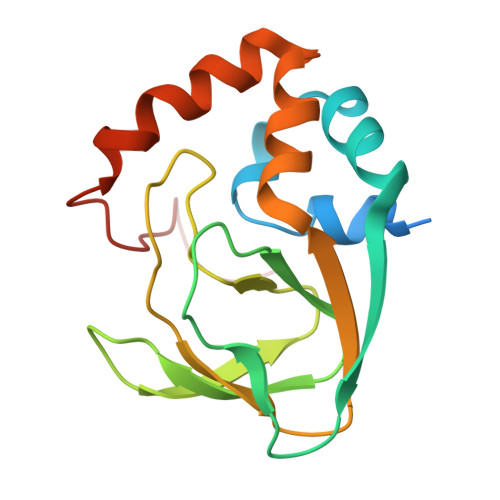 Click to view 3D structure Click to view 3D structure | Potassium/sodium hyperpolarization-activated cyclic nucleotide-gated channel 2 | Q9UL51 | Humans | Known | Difocol inhibits the inactivation of voltaged-gated sodium channels. The channels activate (open) normally but are inactivated (closed) slowly, thus interfering with the active transport of sodium out of the nerve axon during repolarization and resulting in a state of hyperexcitability. (A99) |
| Click to view 3D structure | Sarcoplasmic/endoplasmic reticulum calcium ATPase 1 | O14983 | Humans | Known | This organochloride inhibits Na+/K+ ATPase and Ca2+ and Mg2+ ATPase, which are essential for the transport of calcium across membranes. This results in the accumulation of intracellular free calcium ions, which promotes release of neurotransmitters from storage vesicles, the subsequent depolarization of adjacent neurons, and the propagation of stimuli throughout the central nervous system. (T10) |
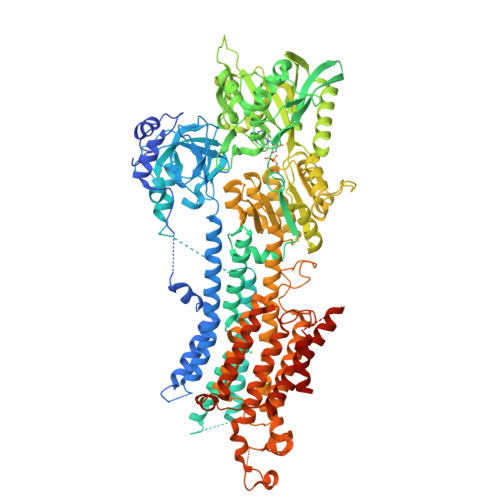 Click to view 3D structure Click to view 3D structure | Sarcoplasmic/endoplasmic reticulum calcium ATPase 2 | P16615 | Humans | Known | This organochloride inhibits Na+/K+ ATPase and Ca2+ and Mg2+ ATPase, which are essential for the transport of calcium across membranes. This results in the accumulation of intracellular free calcium ions, which promotes release of neurotransmitters from storage vesicles, the subsequent depolarization of adjacent neurons, and the propagation of stimuli throughout the central nervous system. (T10) |
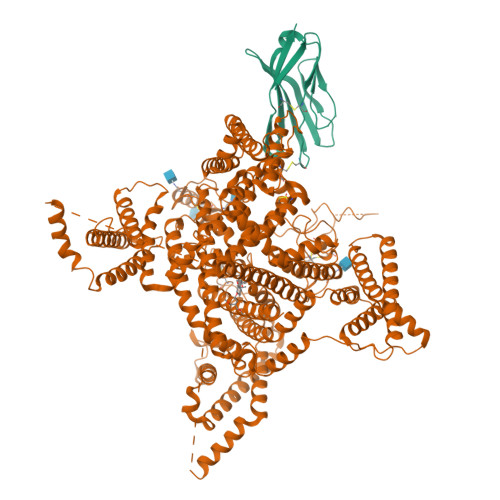 Click to view 3D structure Click to view 3D structure | Sodium channel protein type 1 subunit alpha | P35498 | Humans | Known | Difocol inhibits the inactivation of voltaged-gated sodium channels. The channels activate (open) normally but are inactivated (closed) slowly, thus interfering with the active transport of sodium out of the nerve axon during repolarization and resulting in a state of hyperexcitability. (A99) |
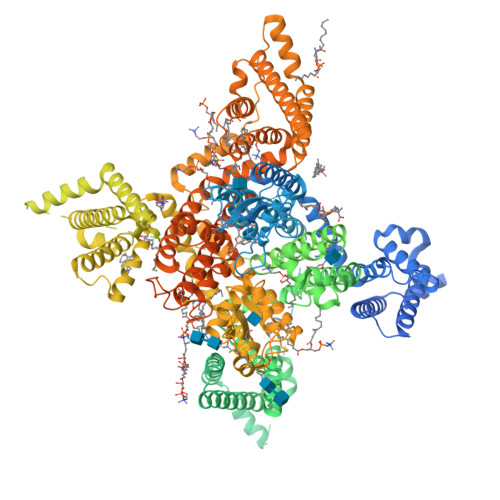 Click to view 3D structure Click to view 3D structure | Sodium channel protein type 10 subunit alpha | Q9Y5Y9 | Humans | Known | Difocol inhibits the inactivation of voltaged-gated sodium channels. The channels activate (open) normally but are inactivated (closed) slowly, thus interfering with the active transport of sodium out of the nerve axon during repolarization and resulting in a state of hyperexcitability. (A99) |
| Click to view 3D structure | Sodium channel protein type 11 subunit alpha | Q9UI33 | Humans | Known | Difocol inhibits the inactivation of voltaged-gated sodium channels. The channels activate (open) normally but are inactivated (closed) slowly, thus interfering with the active transport of sodium out of the nerve axon during repolarization and resulting in a state of hyperexcitability. (A99) |
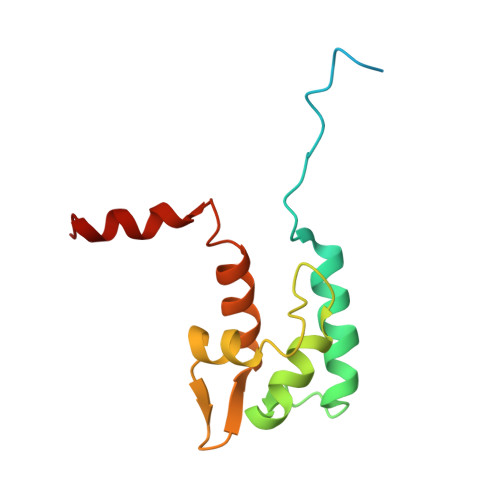 Click to view 3D structure Click to view 3D structure | Sodium channel protein type 2 subunit alpha | Q99250 | Humans | Known | Difocol inhibits the inactivation of voltaged-gated sodium channels. The channels activate (open) normally but are inactivated (closed) slowly, thus interfering with the active transport of sodium out of the nerve axon during repolarization and resulting in a state of hyperexcitability. (A99) |
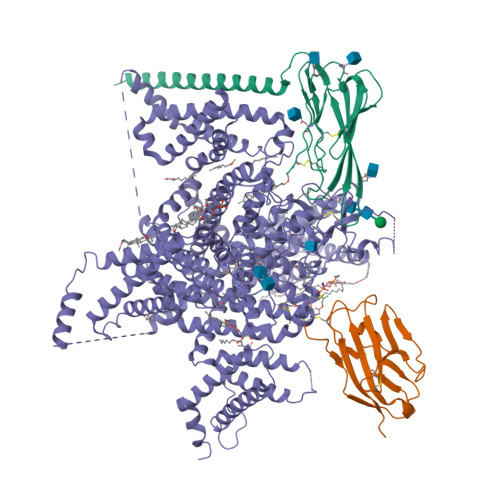 Click to view 3D structure Click to view 3D structure | Sodium channel protein type 3 subunit alpha | Q9NY46 | Humans | Known | Difocol inhibits the inactivation of voltaged-gated sodium channels. The channels activate (open) normally but are inactivated (closed) slowly, thus interfering with the active transport of sodium out of the nerve axon during repolarization and resulting in a state of hyperexcitability. (A99) |
 Click to view 3D structure Click to view 3D structure | Sodium channel protein type 4 subunit alpha | P35499 | Humans | Known | Difocol inhibits the inactivation of voltaged-gated sodium channels. The channels activate (open) normally but are inactivated (closed) slowly, thus interfering with the active transport of sodium out of the nerve axon during repolarization and resulting in a state of hyperexcitability. (A99) |
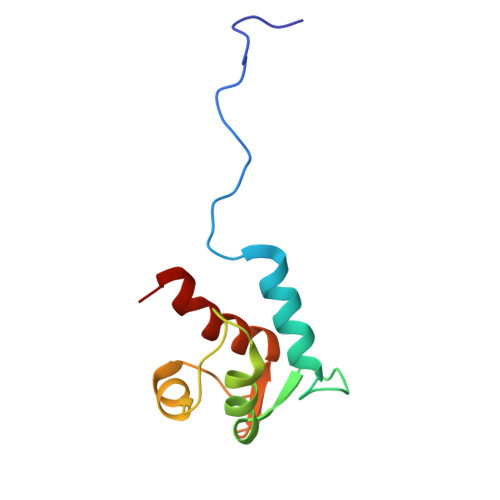 Click to view 3D structure Click to view 3D structure | Sodium channel protein type 5 subunit alpha | Q14524 | Humans | Known | Difocol inhibits the inactivation of voltaged-gated sodium channels. The channels activate (open) normally but are inactivated (closed) slowly, thus interfering with the active transport of sodium out of the nerve axon during repolarization and resulting in a state of hyperexcitability. (A99) |
 Click to view 3D structure Click to view 3D structure | Sodium channel protein type 8 subunit alpha | Q9UQD0 | Humans | Known | Difocol inhibits the inactivation of voltaged-gated sodium channels. The channels activate (open) normally but are inactivated (closed) slowly, thus interfering with the active transport of sodium out of the nerve axon during repolarization and resulting in a state of hyperexcitability. (A99) |
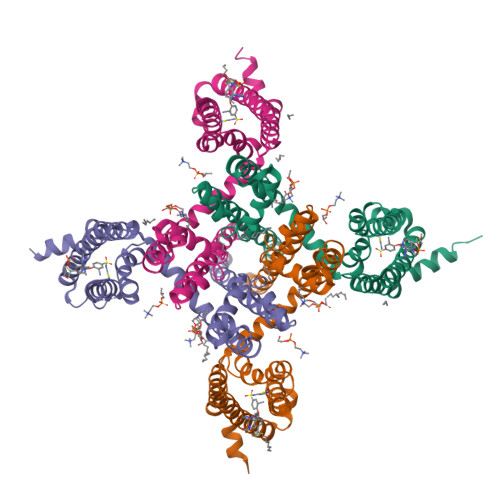 Click to view 3D structure Click to view 3D structure | Sodium channel protein type 9 subunit alpha | Q15858 | Humans | Known | Difocol inhibits the inactivation of voltaged-gated sodium channels. The channels activate (open) normally but are inactivated (closed) slowly, thus interfering with the active transport of sodium out of the nerve axon during repolarization and resulting in a state of hyperexcitability. (A99) |
| Click to view 3D structure | Sodium channel regulatory subunit beta-1 | Q07699 | Humans | Known | Difocol inhibits the inactivation of voltaged-gated sodium channels. The channels activate (open) normally but are inactivated (closed) slowly, thus interfering with the active transport of sodium out of the nerve axon during repolarization and resulting in a state of hyperexcitability. (A99) |
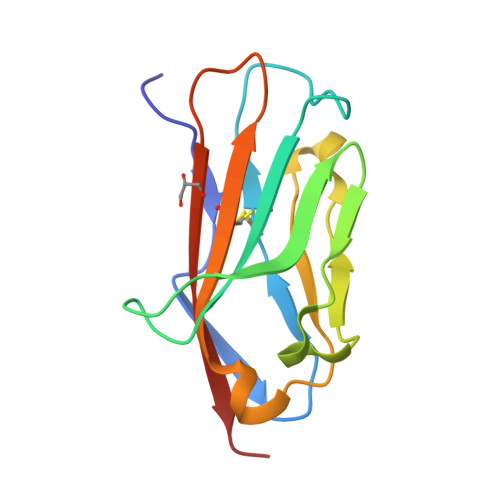 Click to view 3D structure Click to view 3D structure | Sodium channel regulatory subunit beta-2 | O60939 | Humans | Known | Difocol inhibits the inactivation of voltaged-gated sodium channels. The channels activate (open) normally but are inactivated (closed) slowly, thus interfering with the active transport of sodium out of the nerve axon during repolarization and resulting in a state of hyperexcitability. (A99) |
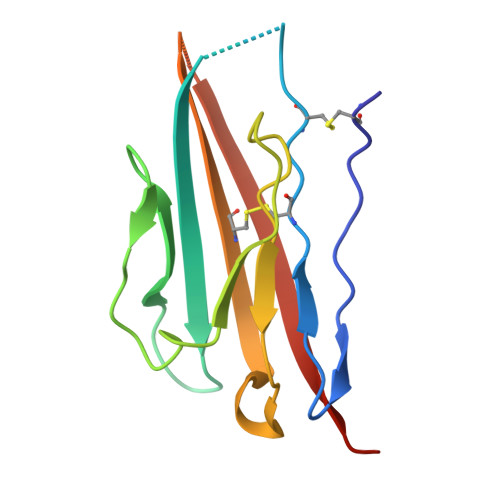 Click to view 3D structure Click to view 3D structure | Sodium channel regulatory subunit beta-3 | Q9NY72 | Humans | Known | Difocol inhibits the inactivation of voltaged-gated sodium channels. The channels activate (open) normally but are inactivated (closed) slowly, thus interfering with the active transport of sodium out of the nerve axon during repolarization and resulting in a state of hyperexcitability. (A99) |
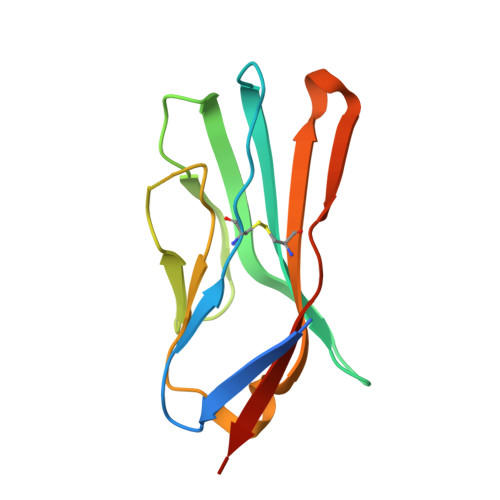 Click to view 3D structure Click to view 3D structure | Sodium channel regulatory subunit beta-4 | Q8IWT1 | Humans | Known | Difocol inhibits the inactivation of voltaged-gated sodium channels. The channels activate (open) normally but are inactivated (closed) slowly, thus interfering with the active transport of sodium out of the nerve axon during repolarization and resulting in a state of hyperexcitability. (A99) |
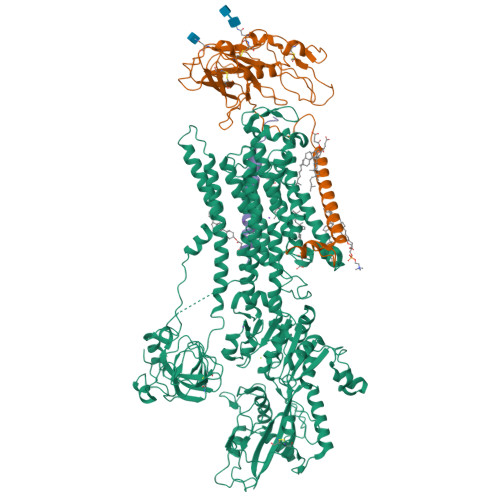 Click to view 3D structure Click to view 3D structure | Sodium/potassium-transporting ATPase subunit alpha-1 | P05023 | Humans | Known | This organochloride inhibits Na+/K+ ATPase and Ca2+ and Mg2+ ATPase, which are essential for the transport of calcium across membranes. This results in the accumulation of intracellular free calcium ions, which promotes release of neurotransmitters from storage vesicles, the subsequent depolarization of adjacent neurons, and the propagation of stimuli throughout the central nervous system. (T10) |
| Click to view 3D structure | Sodium/potassium-transporting ATPase subunit alpha-2 | P50993 | Humans | Known | This organochloride inhibits Na+/K+ ATPase and Ca2+ and Mg2+ ATPase, which are essential for the transport of calcium across membranes. This results in the accumulation of intracellular free calcium ions, which promotes release of neurotransmitters from storage vesicles, the subsequent depolarization of adjacent neurons, and the propagation of stimuli throughout the central nervous system. (T10) |
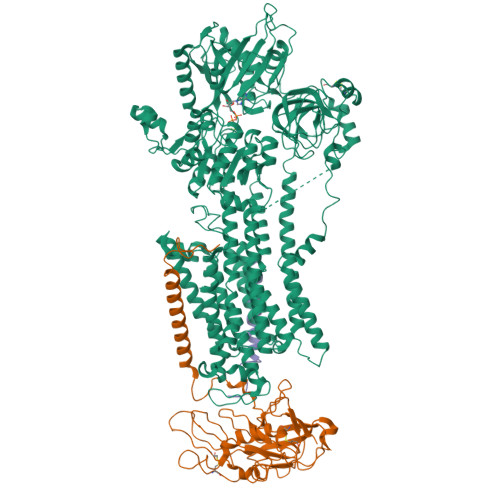 Click to view 3D structure Click to view 3D structure | Sodium/potassium-transporting ATPase subunit alpha-3 | P13637 | Humans | Known | This organochloride inhibits Na+/K+ ATPase and Ca2+ and Mg2+ ATPase, which are essential for the transport of calcium across membranes. This results in the accumulation of intracellular free calcium ions, which promotes release of neurotransmitters from storage vesicles, the subsequent depolarization of adjacent neurons, and the propagation of stimuli throughout the central nervous system. (T10) |
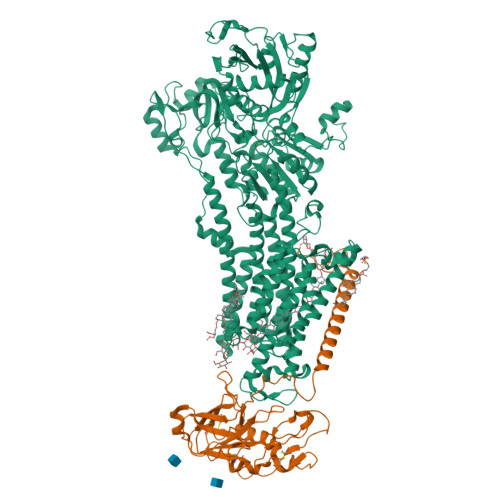 Click to view 3D structure Click to view 3D structure | Sodium/potassium-transporting ATPase subunit alpha-4 | Q13733 | Humans | Known | This organochloride inhibits Na+/K+ ATPase and Ca2+ and Mg2+ ATPase, which are essential for the transport of calcium across membranes. This results in the accumulation of intracellular free calcium ions, which promotes release of neurotransmitters from storage vesicles, the subsequent depolarization of adjacent neurons, and the propagation of stimuli throughout the central nervous system. (T10) |
| Click to view 3D structure | Sodium/potassium-transporting ATPase subunit beta-1 | P05026 | Humans | Known | This organochloride inhibits Na+/K+ ATPase and Ca2+ and Mg2+ ATPase, which are essential for the transport of calcium across membranes. This results in the accumulation of intracellular free calcium ions, which promotes release of neurotransmitters from storage vesicles, the subsequent depolarization of adjacent neurons, and the propagation of stimuli throughout the central nervous system. (T10) |
| Click to view 3D structure | Sodium/potassium-transporting ATPase subunit beta-2 | P14415 | Humans | Known | This organochloride inhibits Na+/K+ ATPase and Ca2+ and Mg2+ ATPase, which are essential for the transport of calcium across membranes. This results in the accumulation of intracellular free calcium ions, which promotes release of neurotransmitters from storage vesicles, the subsequent depolarization of adjacent neurons, and the propagation of stimuli throughout the central nervous system. (T10) |
| Click to view 3D structure | Sodium/potassium-transporting ATPase subunit beta-3 | P54709 | Humans | Known | This organochloride inhibits Na+/K+ ATPase and Ca2+ and Mg2+ ATPase, which are essential for the transport of calcium across membranes. This results in the accumulation of intracellular free calcium ions, which promotes release of neurotransmitters from storage vesicles, the subsequent depolarization of adjacent neurons, and the propagation of stimuli throughout the central nervous system. (T10) |
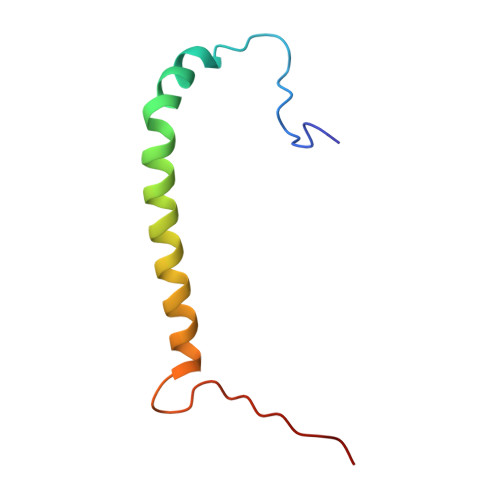 Click to view 3D structure Click to view 3D structure | Sodium/potassium-transporting ATPase subunit gamma | P54710 | Humans | Known | This organochloride inhibits Na+/K+ ATPase and Ca2+ and Mg2+ ATPase, which are essential for the transport of calcium across membranes. This results in the accumulation of intracellular free calcium ions, which promotes release of neurotransmitters from storage vesicles, the subsequent depolarization of adjacent neurons, and the propagation of stimuli throughout the central nervous system. (T10) |
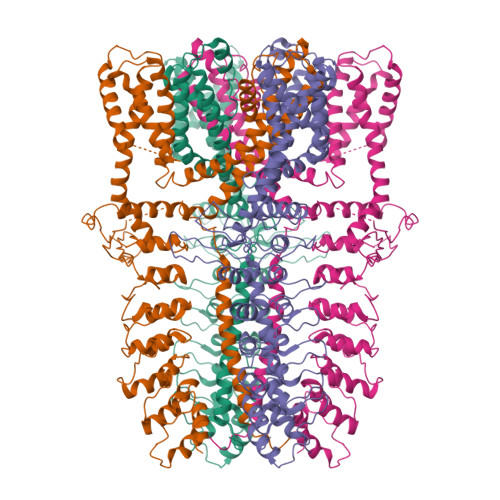 Click to view 3D structure Click to view 3D structure | Transient receptor potential cation channel subfamily A member 1 | O75762 | Humans | Known | Not Available |
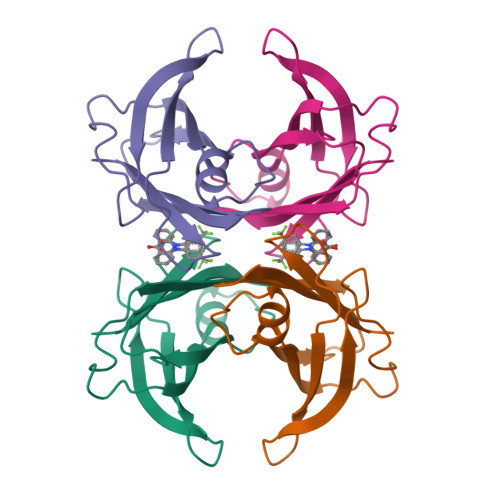 Click to view 3D structure Click to view 3D structure | Transthyretin | P02766 | Humans | Known | Difocol is able to competitively bind transthyretin, which lowers plasma thyroid hormone levels. (A229) |
| Click to view 3D structure | Cytochrome P450 2C19 | P33261 | Humans | Known | Not Available |
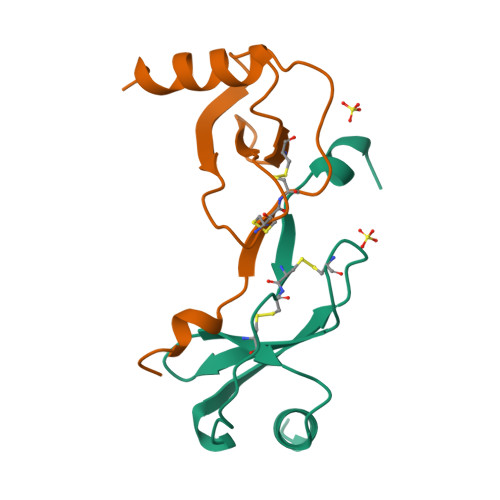 Click to view 3D structure Click to view 3D structure | C-C motif chemokine 2 | P13500 | Humans | Known | Not Available |
 Click to view 3D structure Click to view 3D structure | Plasminogen activator inhibitor 1 | P05121 | Humans | Known | Not Available |
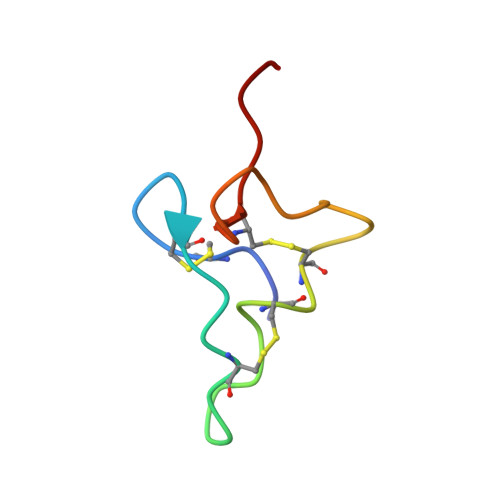 Click to view 3D structure Click to view 3D structure | Thrombomodulin | P07204 | Humans | Known | Not Available |
 Click to view 3D structure Click to view 3D structure | Tissue factor | P13726 | Humans | Known | Not Available |
 Click to view 3D structure Click to view 3D structure | Urokinase plasminogen activator surface receptor | Q03405 | Humans | Known | Not Available |
 Click to view 3D structure Click to view 3D structure | Cytochrome P450 2B6 | P20813 | Humans | Known | Not Available |
| Click to view 3D structure | UDP-glucuronosyltransferase 1A1 | P22309 | Humans | Known | Not Available |
| Click to view 3D structure | Cytochrome P450 2C9 | P11712 | Humans | Known | Not Available |
 Click to view 3D structure Click to view 3D structure | Sulfotransferase 2A1 | Q06520 | Humans | Known | Not Available |
| Click to view 3D structure | Cytochrome P450 3A4 | P08684 | Humans | Known | Not Available |
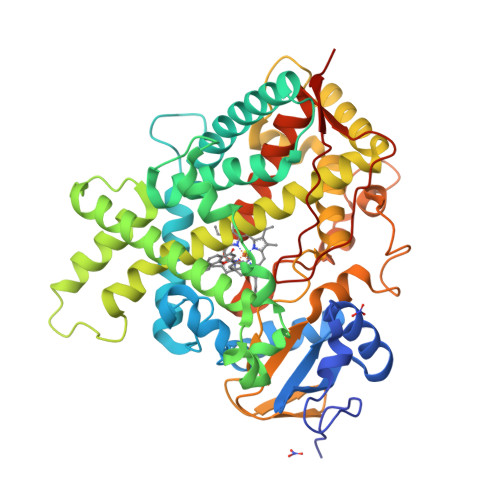 Click to view 3D structure Click to view 3D structure | Cytochrome P450 1A1 | P04798 | Humans | Known | Not Available |