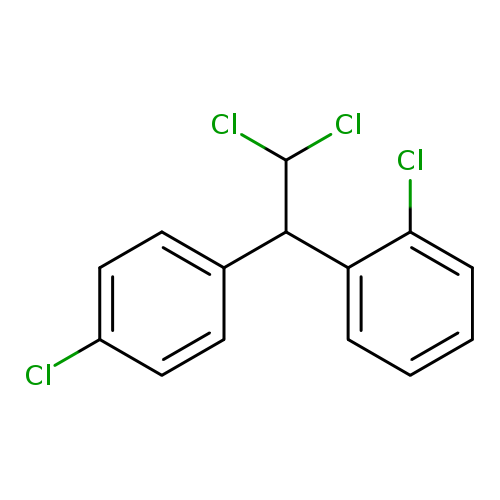
Click to view 3D structure Click to view 3D structure | Sodium-dependent serotonin transporter | P31645 | Humans | Predicted (SEA) | 63.3693 |
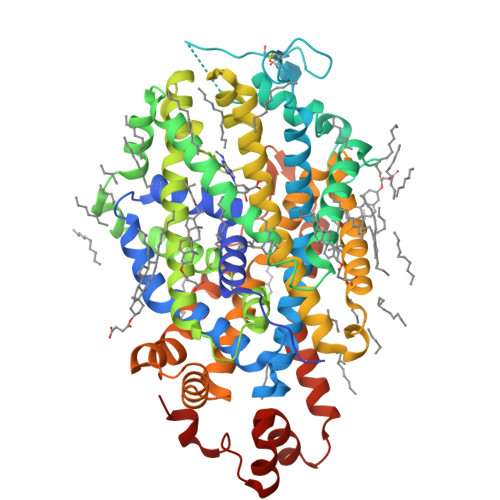 Click to view 3D structure Click to view 3D structure | Sodium-dependent dopamine transporter | Q01959 | Humans | Predicted (SEA) | 36.9784 |
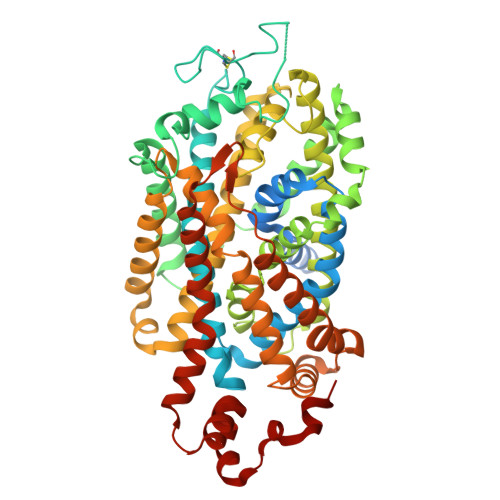 Click to view 3D structure Click to view 3D structure | Sodium-dependent noradrenaline transporter | P23975 | Humans | Predicted (SEA) | 36.9005 |
 Click to view 3D structure Click to view 3D structure | Alpha-2A adrenergic receptor | P08913 | Humans | Predicted (SEA) | 67.1839 |
 Click to view 3D structure Click to view 3D structure | 5-hydroxytryptamine receptor 2B | P41595 | Humans | Predicted (SEA) | 123.78 |
 Click to view 3D structure Click to view 3D structure | 5-hydroxytryptamine receptor 6 | P50406 | Humans | Predicted (SEA) | 122.846 |
 Click to view 3D structure Click to view 3D structure | Adenosine receptor A3 | P0DMS8 | Humans | Predicted (SEA) | 87.1133 |
 Click to view 3D structure Click to view 3D structure | Bile salt export pump | O95342 | Humans | Predicted (SEA) | 8.71911 |
 Click to view 3D structure Click to view 3D structure | Acetyl-CoA acetyltransferase, mitochondrial | P24752 | Humans | Predicted (SEA) | 4.9045 |
 Click to view 3D structure Click to view 3D structure | Sodium-dependent serotonin transporter | P31652 | Rattus norvegicus | Predicted (SEA) | 506.721 |
| Click to view 3D structure | Sodium-dependent dopamine transporter | P23977 | Rattus norvegicus | Predicted (SEA) | 507.733 |
 Click to view 3D structure Click to view 3D structure | Cytochrome P450 2D6 | P10635 | Humans | Predicted (SEA) | 4243.09 |
| Click to view 3D structure | Transporter | Q63380 | Rattus norvegicus | Predicted (SEA) | 214.397 |
 Click to view 3D structure Click to view 3D structure | Histamine H1 receptor | P35367 | Humans | Predicted (SEA) | 2410.21 |
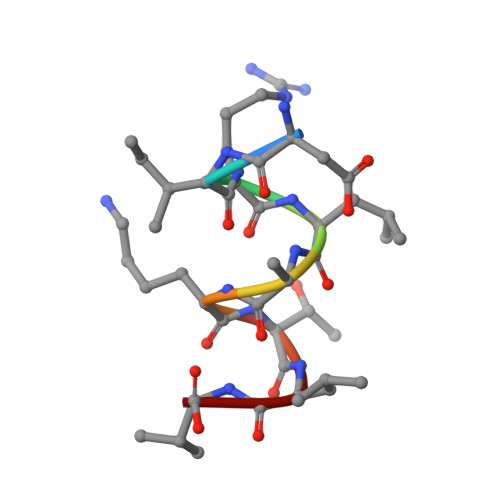 Click to view 3D structure Click to view 3D structure | Cannabinoid receptor 1 | P21554 | Humans | Predicted (SEA) | 1644.95 |
 Click to view 3D structure Click to view 3D structure | Cytochrome P450 3A4 | P08684 | Humans | Predicted (SEA) | 6174.92 |
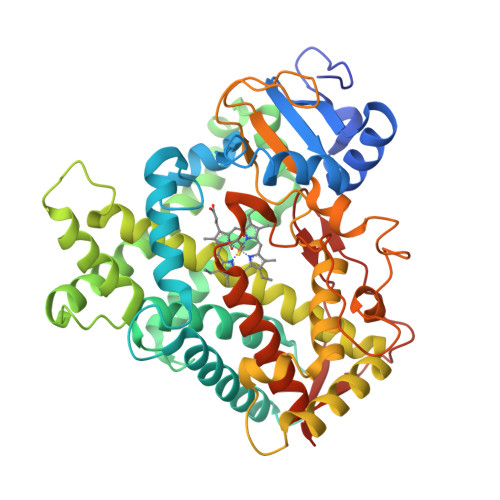 Click to view 3D structure Click to view 3D structure | Cytochrome P450 2C9 | P11712 | Humans | Predicted (SEA) | 5963.95 |
 Click to view 3D structure Click to view 3D structure | D(3) dopamine receptor | P35462 | Humans | Predicted (SEA) | 3997.4 |
 Click to view 3D structure Click to view 3D structure | Indoleamine 2,3-dioxygenase 1 | P14902 | Humans | Predicted (SEA) | 628.165 |
 Click to view 3D structure Click to view 3D structure | Voltage-gated inwardly rectifying potassium channel KCNH2 | Q12809 | Humans | Predicted (SEA) | 6498.46 |
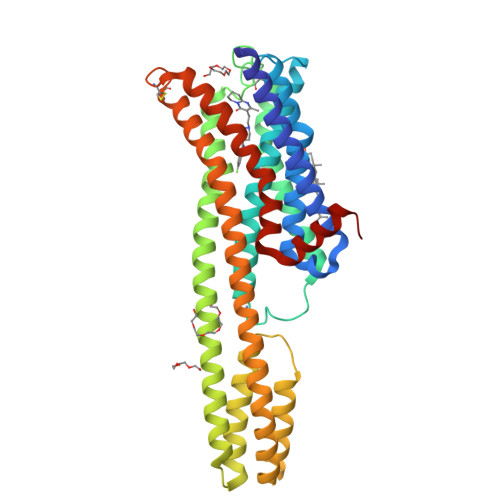 Click to view 3D structure Click to view 3D structure | 5-hydroxytryptamine receptor 2A | P28223 | Humans | Predicted (SEA) | 4631.41 |
| Click to view 3D structure | Alpha-1A adrenergic receptor | P43140 | Rattus norvegicus | Predicted (SEA) | 1655.15 |
| Click to view 3D structure | Sigma intracellular receptor 2 | Q8VD00 | Mus musculus | Predicted (SEA) | 24.9896 |
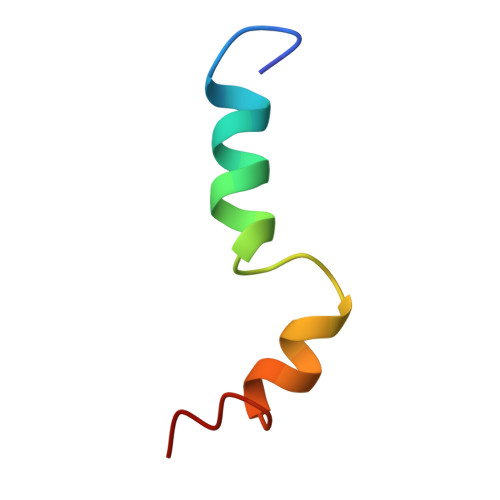 Click to view 3D structure Click to view 3D structure | Cannabinoid receptor 2 | P34972 | Humans | Predicted (SEA) | 2377.36 |
| Click to view 3D structure | Norepinephrine transporter | Q9WTR4 | Rattus norvegicus | Predicted (SEA) | 795.308 |
 Click to view 3D structure Click to view 3D structure | Estrogen receptor | P03372 | Humans | Known | Causes endocrine disruption in humans by binding to and inhibiting the estrogen receptor. (A590) |
 Click to view 3D structure Click to view 3D structure | Estrogen receptor beta | Q92731 | Humans | Known | Causes endocrine disruption in humans by binding to and inhibiting the estrogen receptor. (A590) |
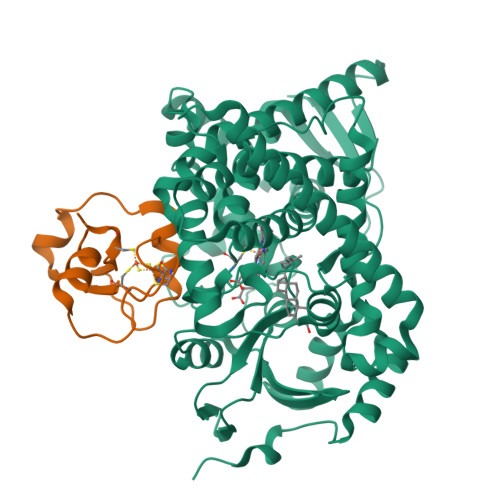 Click to view 3D structure Click to view 3D structure | Adrenodoxin, mitochondrial | P10109 | Humans | Known | Not Available |
 Click to view 3D structure Click to view 3D structure | Androgen receptor | P10275 | Humans | Known | DDD is also believed to adversely affect the reproductive system by mimicking endogenous hormones and binding to the estrogen and adrogen receptors. (L85) |
 Click to view 3D structure Click to view 3D structure | Calcium-transporting ATPase type 2C member 1 | P98194 | Humans | Known | DDD inhibits neuronal adenosine triphosphatases (ATPases), particularly Na+K+-ATPase, and Ca2+-ATPase which play vital roles in neuronal repolarization. This reduces the rate of depolarization and increases the sensitivity of neurons to small stimuli that would not elicit a response in a fully depolarized neuron. (T10) |
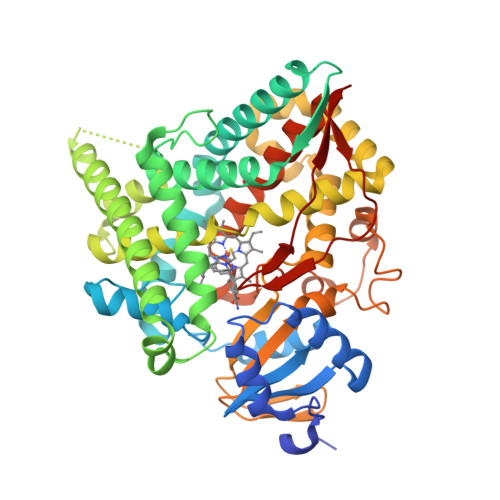 Click to view 3D structure Click to view 3D structure | Cytochrome P450 11B1, mitochondrial | P15538 | Humans | Known | Not Available |
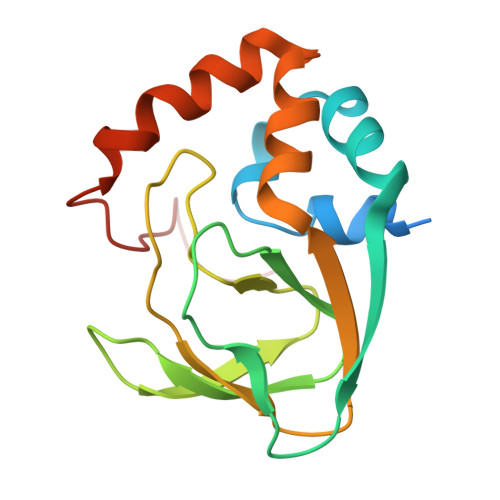 Click to view 3D structure Click to view 3D structure | Potassium/sodium hyperpolarization-activated cyclic nucleotide-gated channel 2 | Q9UL51 | Humans | Known | DDD inhibits the inactivation of voltaged-gated sodium channels. The channels activate (open) normally but are inactivated (closed) slowly, thus interfering with the active transport of sodium out of the nerve axon during repolarization and resulting in a state of hyperexcitability. (A99) |
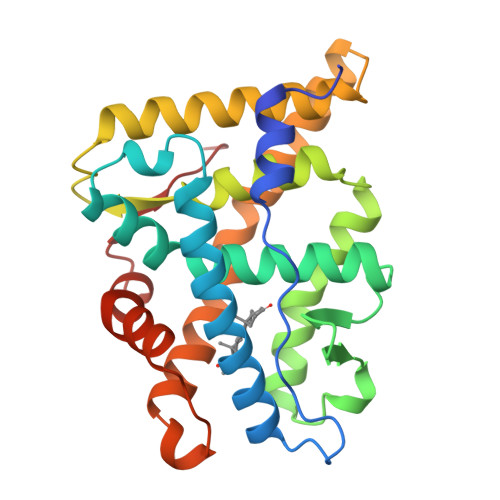 Click to view 3D structure Click to view 3D structure | Progesterone receptor | P06401 | Humans | Known | Not Available |
| Click to view 3D structure | Sarcoplasmic/endoplasmic reticulum calcium ATPase 1 | O14983 | Humans | Known | DDD inhibits neuronal adenosine triphosphatases (ATPases), particularly Na+K+-ATPase, and Ca2+-ATPase which play vital roles in neuronal repolarization. This reduces the rate of depolarization and increases the sensitivity of neurons to small stimuli that would not elicit a response in a fully depolarized neuron. (T10) |
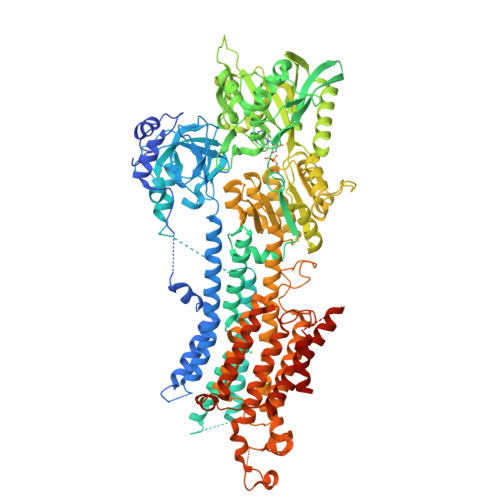 Click to view 3D structure Click to view 3D structure | Sarcoplasmic/endoplasmic reticulum calcium ATPase 2 | P16615 | Humans | Known | DDD inhibits neuronal adenosine triphosphatases (ATPases), particularly Na+K+-ATPase, and Ca2+-ATPase which play vital roles in neuronal repolarization. This reduces the rate of depolarization and increases the sensitivity of neurons to small stimuli that would not elicit a response in a fully depolarized neuron. (T10) |
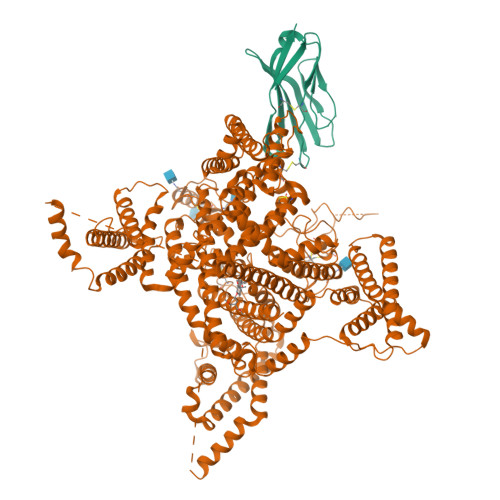 Click to view 3D structure Click to view 3D structure | Sodium channel protein type 1 subunit alpha | P35498 | Humans | Known | DDD inhibits the inactivation of voltaged-gated sodium channels. The channels activate (open) normally but are inactivated (closed) slowly, thus interfering with the active transport of sodium out of the nerve axon during repolarization and resulting in a state of hyperexcitability. (A99) |
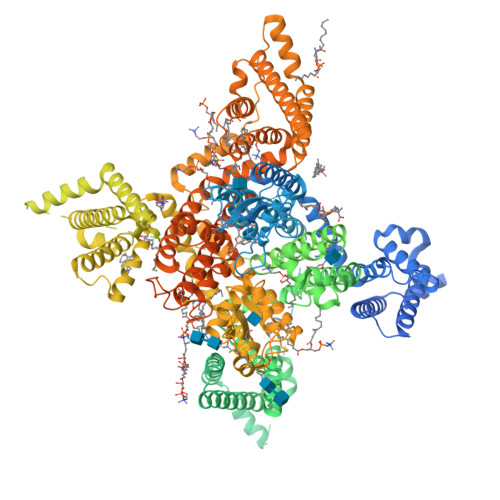 Click to view 3D structure Click to view 3D structure | Sodium channel protein type 10 subunit alpha | Q9Y5Y9 | Humans | Known | DDD inhibits the inactivation of voltaged-gated sodium channels. The channels activate (open) normally but are inactivated (closed) slowly, thus interfering with the active transport of sodium out of the nerve axon during repolarization and resulting in a state of hyperexcitability. (A99) |
| Click to view 3D structure | Sodium channel protein type 11 subunit alpha | Q9UI33 | Humans | Known | DDD inhibits the inactivation of voltaged-gated sodium channels. The channels activate (open) normally but are inactivated (closed) slowly, thus interfering with the active transport of sodium out of the nerve axon during repolarization and resulting in a state of hyperexcitability. (A99) |
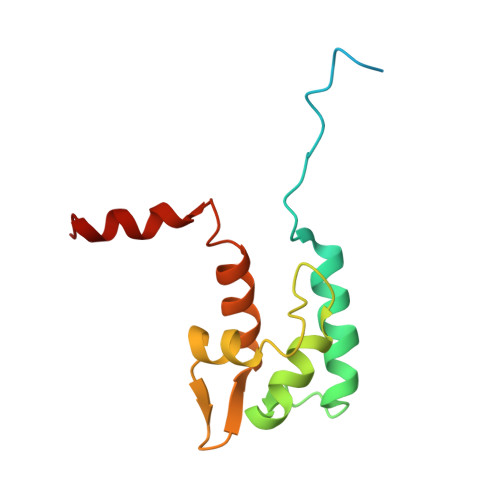 Click to view 3D structure Click to view 3D structure | Sodium channel protein type 2 subunit alpha | Q99250 | Humans | Known | DDD inhibits the inactivation of voltaged-gated sodium channels. The channels activate (open) normally but are inactivated (closed) slowly, thus interfering with the active transport of sodium out of the nerve axon during repolarization and resulting in a state of hyperexcitability. (A99) |
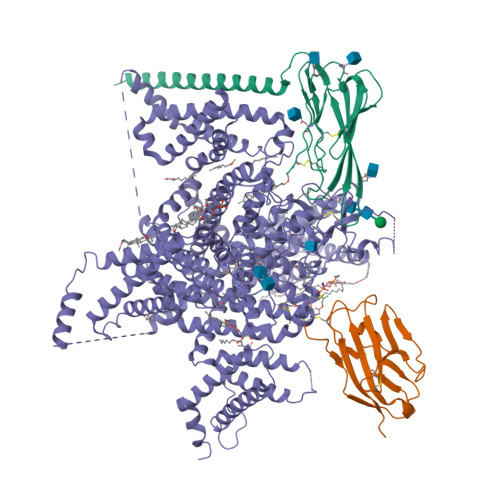 Click to view 3D structure Click to view 3D structure | Sodium channel protein type 3 subunit alpha | Q9NY46 | Humans | Known | DDD inhibits the inactivation of voltaged-gated sodium channels. The channels activate (open) normally but are inactivated (closed) slowly, thus interfering with the active transport of sodium out of the nerve axon during repolarization and resulting in a state of hyperexcitability. (A99) |
 Click to view 3D structure Click to view 3D structure | Sodium channel protein type 4 subunit alpha | P35499 | Humans | Known | DDD inhibits the inactivation of voltaged-gated sodium channels. The channels activate (open) normally but are inactivated (closed) slowly, thus interfering with the active transport of sodium out of the nerve axon during repolarization and resulting in a state of hyperexcitability. (A99) |
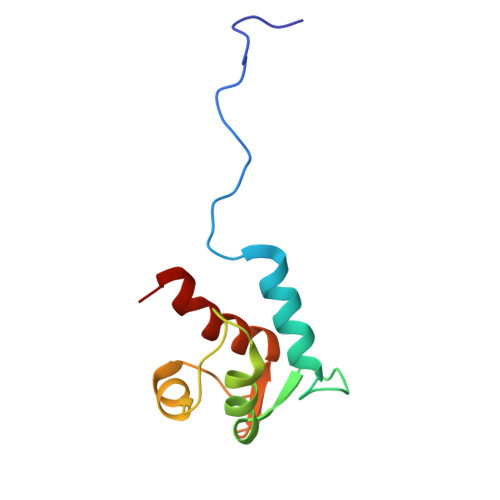 Click to view 3D structure Click to view 3D structure | Sodium channel protein type 5 subunit alpha | Q14524 | Humans | Known | DDD inhibits the inactivation of voltaged-gated sodium channels. The channels activate (open) normally but are inactivated (closed) slowly, thus interfering with the active transport of sodium out of the nerve axon during repolarization and resulting in a state of hyperexcitability. (A99) |
 Click to view 3D structure Click to view 3D structure | Sodium channel protein type 8 subunit alpha | Q9UQD0 | Humans | Known | DDD inhibits the inactivation of voltaged-gated sodium channels. The channels activate (open) normally but are inactivated (closed) slowly, thus interfering with the active transport of sodium out of the nerve axon during repolarization and resulting in a state of hyperexcitability. (A99) |
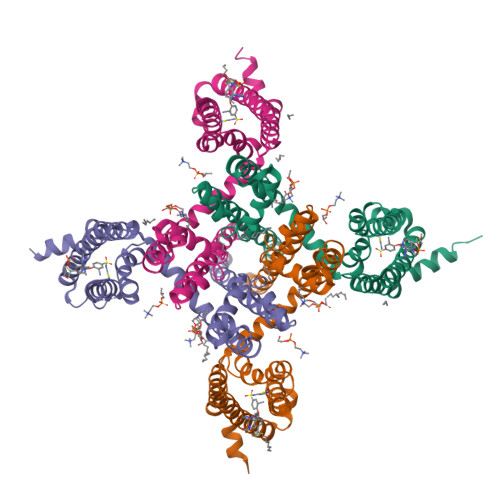 Click to view 3D structure Click to view 3D structure | Sodium channel protein type 9 subunit alpha | Q15858 | Humans | Known | DDD inhibits the inactivation of voltaged-gated sodium channels. The channels activate (open) normally but are inactivated (closed) slowly, thus interfering with the active transport of sodium out of the nerve axon during repolarization and resulting in a state of hyperexcitability. (A99) |
| Click to view 3D structure | Sodium channel regulatory subunit beta-1 | Q07699 | Humans | Known | DDD inhibits the inactivation of voltaged-gated sodium channels. The channels activate (open) normally but are inactivated (closed) slowly, thus interfering with the active transport of sodium out of the nerve axon during repolarization and resulting in a state of hyperexcitability. (A99) |
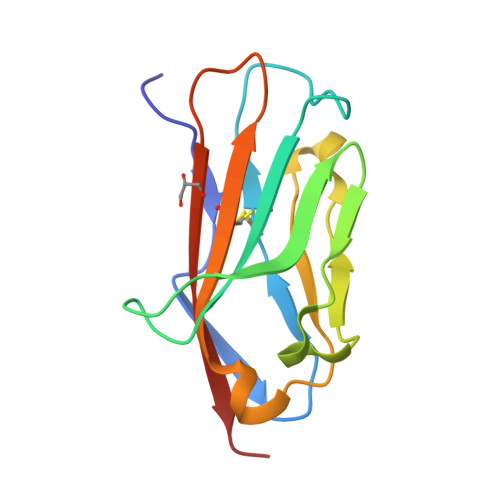 Click to view 3D structure Click to view 3D structure | Sodium channel regulatory subunit beta-2 | O60939 | Humans | Known | DDD inhibits the inactivation of voltaged-gated sodium channels. The channels activate (open) normally but are inactivated (closed) slowly, thus interfering with the active transport of sodium out of the nerve axon during repolarization and resulting in a state of hyperexcitability. (A99) |
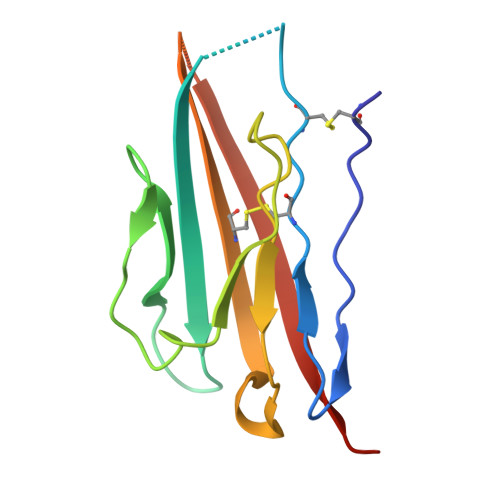 Click to view 3D structure Click to view 3D structure | Sodium channel regulatory subunit beta-3 | Q9NY72 | Humans | Known | DDD inhibits the inactivation of voltaged-gated sodium channels. The channels activate (open) normally but are inactivated (closed) slowly, thus interfering with the active transport of sodium out of the nerve axon during repolarization and resulting in a state of hyperexcitability. (A99) |
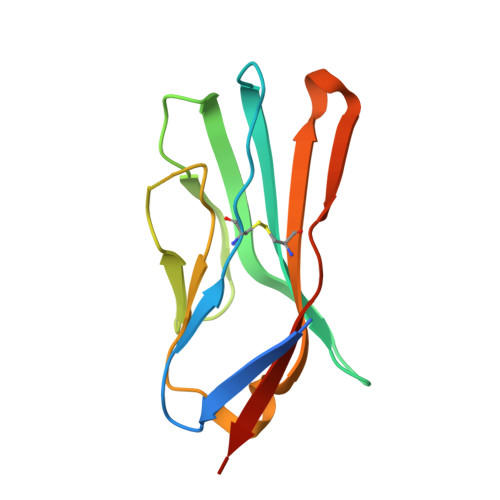 Click to view 3D structure Click to view 3D structure | Sodium channel regulatory subunit beta-4 | Q8IWT1 | Humans | Known | DDD inhibits the inactivation of voltaged-gated sodium channels. The channels activate (open) normally but are inactivated (closed) slowly, thus interfering with the active transport of sodium out of the nerve axon during repolarization and resulting in a state of hyperexcitability. (A99) |
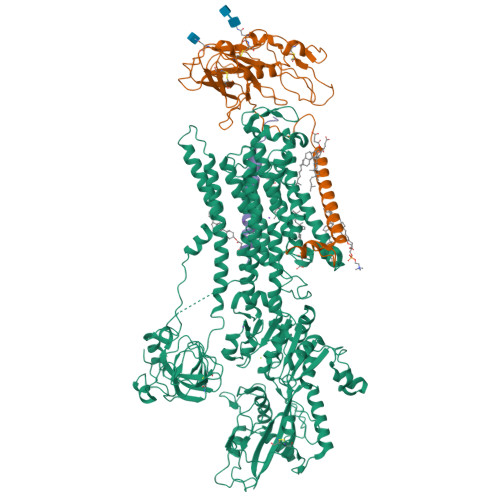 Click to view 3D structure Click to view 3D structure | Sodium/potassium-transporting ATPase subunit alpha-1 | P05023 | Humans | Known | DDD inhibits neuronal adenosine triphosphatases (ATPases), particularly Na+K+-ATPase, and Ca2+-ATPase which play vital roles in neuronal repolarization. This reduces the rate of depolarization and increases the sensitivity of neurons to small stimuli that would not elicit a response in a fully depolarized neuron. (T10) |
| Click to view 3D structure | Sodium/potassium-transporting ATPase subunit alpha-2 | P50993 | Humans | Known | DDD inhibits neuronal adenosine triphosphatases (ATPases), particularly Na+K+-ATPase, and Ca2+-ATPase which play vital roles in neuronal repolarization. This reduces the rate of depolarization and increases the sensitivity of neurons to small stimuli that would not elicit a response in a fully depolarized neuron. (T10) |
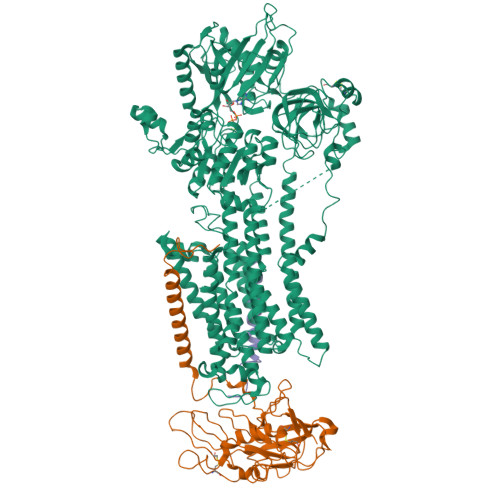 Click to view 3D structure Click to view 3D structure | Sodium/potassium-transporting ATPase subunit alpha-3 | P13637 | Humans | Known | DDD inhibits neuronal adenosine triphosphatases (ATPases), particularly Na+K+-ATPase, and Ca2+-ATPase which play vital roles in neuronal repolarization. This reduces the rate of depolarization and increases the sensitivity of neurons to small stimuli that would not elicit a response in a fully depolarized neuron. (T10) |
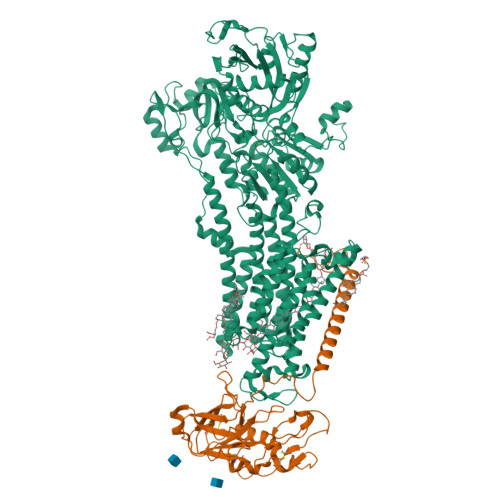 Click to view 3D structure Click to view 3D structure | Sodium/potassium-transporting ATPase subunit alpha-4 | Q13733 | Humans | Known | DDD inhibits neuronal adenosine triphosphatases (ATPases), particularly Na+K+-ATPase, and Ca2+-ATPase which play vital roles in neuronal repolarization. This reduces the rate of depolarization and increases the sensitivity of neurons to small stimuli that would not elicit a response in a fully depolarized neuron. (T10) |
| Click to view 3D structure | Sodium/potassium-transporting ATPase subunit beta-1 | P05026 | Humans | Known | DDD inhibits neuronal adenosine triphosphatases (ATPases), particularly Na+K+-ATPase, and Ca2+-ATPase which play vital roles in neuronal repolarization. This reduces the rate of depolarization and increases the sensitivity of neurons to small stimuli that would not elicit a response in a fully depolarized neuron. (T10) |
| Click to view 3D structure | Sodium/potassium-transporting ATPase subunit beta-2 | P14415 | Humans | Known | DDD inhibits neuronal adenosine triphosphatases (ATPases), particularly Na+K+-ATPase, and Ca2+-ATPase which play vital roles in neuronal repolarization. This reduces the rate of depolarization and increases the sensitivity of neurons to small stimuli that would not elicit a response in a fully depolarized neuron. (T10) |
| Click to view 3D structure | Sodium/potassium-transporting ATPase subunit beta-3 | P54709 | Humans | Known | DDD inhibits neuronal adenosine triphosphatases (ATPases), particularly Na+K+-ATPase, and Ca2+-ATPase which play vital roles in neuronal repolarization. This reduces the rate of depolarization and increases the sensitivity of neurons to small stimuli that would not elicit a response in a fully depolarized neuron. (T10) |
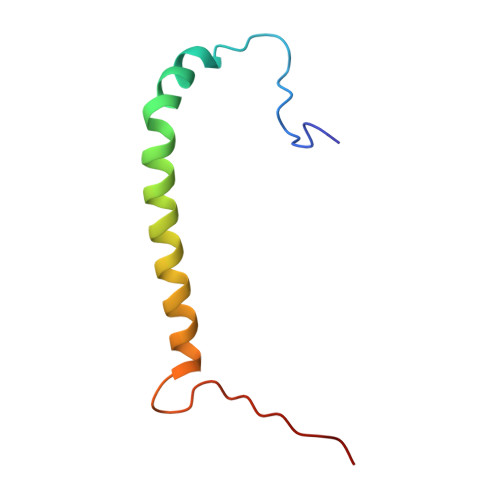 Click to view 3D structure Click to view 3D structure | Sodium/potassium-transporting ATPase subunit gamma | P54710 | Humans | Known | DDD inhibits neuronal adenosine triphosphatases (ATPases), particularly Na+K+-ATPase, and Ca2+-ATPase which play vital roles in neuronal repolarization. This reduces the rate of depolarization and increases the sensitivity of neurons to small stimuli that would not elicit a response in a fully depolarized neuron. (T10) |
 Click to view 3D structure Click to view 3D structure | Nuclear receptor subfamily 1 group I member 2 | O75469 | Humans | Known | Not Available |