1,4-Dichlorobenzene (CED0008399)

Record Information
Version1.0
Creation Date2009-03-06 18:58:11 UTC
Update Date2026-08-23 09:52:51 UTC
SynCED IDCED0008399
Secondary Accession Numbers
  • CHEM000146
  • T3D0159
Identification
Common Name1,4-Dichlorobenzene
ClassSmall Molecule
Description
1,4-Dichlorobenzene belongs to the halobenzenes, a subclass of benzene and substituted derivatives within the organic compounds. It is an exogenous solid with the formula C6H4Cl2 and an average molecular weight of 147.00 g/mol. This compound is used as an insecticide and an industrial deodorizer. It is present in polyvinyl chloride and released from polycarbonate, polyethylene terephthalate, styrene acrylonitrile, and polypropylene. Findings are inconclusive regarding its presence in superabsorbent polymer and low-density polyethylene. The compound is found in or released from 31 recorded sources, including ceilings, drinking water, and pesticides. Other sources include food preservation, processing meats, fermentation processes for beer, food contact materials, soap detergents, perfumes within detergents and soaps, bleaching agents, cigar cigarettes, tobacco smoke filters, and various electrical and electronic equipment such as communication cables or conductors, antennas, contacts, and auxiliary devices. Exposure routes include oral, touch, and inhalation (PMC3582101 ). 1,4-Dichlorobenzene is associated with an increase in cancer (PMC9880867 ). It targets 34 proteins, including the estrogen receptor (ESR1, ESR2), causing endocrine disruption in humans. It also targets hepatocyte nuclear factor 4-alpha (HNF4A) and transient receptor potential cation channel subfamily A member 1 (TRPA1). By antagonizing gamma-aminobutyric acid (GABA) at GABA-A receptors (including GABRA1, GABRA2, GABRA3, and GABRA4), it blocks GABA-induced chloride ion uptake, causing central nervous system hyperexcitability. Additionally, it inhibits Na+/K+ ATPase and Ca2+ and Mg2+ ATPase (including ATP2C1, ATP2A1, ATP2A2, and FXYD2), which disrupts calcium transport across membranes. This leads to intracellular free calcium ion accumulation, promoting neurotransmitter release, depolarization of adjacent neurons, and propagation of stimuli throughout the central nervous system.
Contaminant Type
  • Aromatic Hydrocarbon
  • Food Toxin
  • Household Toxin
  • Human Neurotoxin
  • Industrial Precursor/Intermediate
  • Industrial/Workplace Toxin
  • Lachrymator
  • Metabolite
  • Organic Compound
  • Organochloride
  • Pesticide
  • Pollutant
  • Synthetic Compound
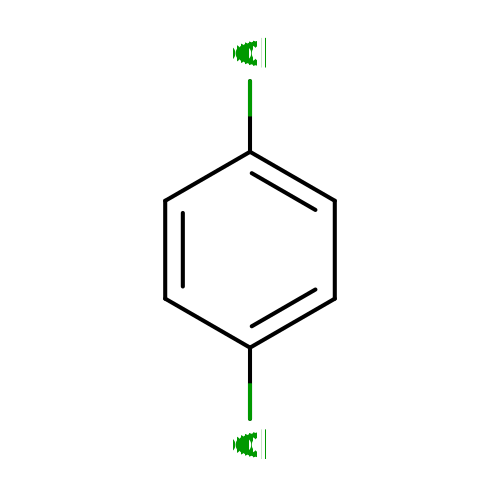
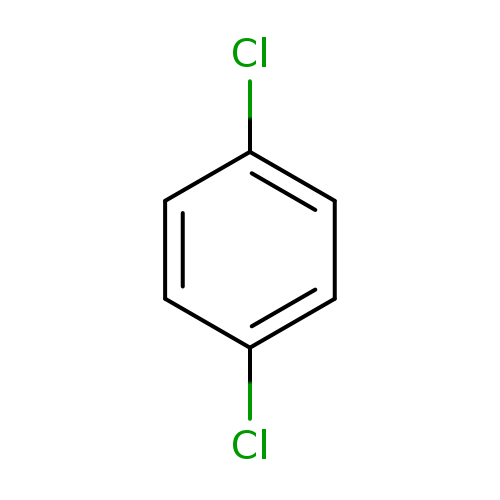
Chemical Structure
Synonyms
ValueSource
p-Chlorophenyl chlorideChEBI
p-DichlorbenzolChEBI
PARAChEBI
ParadichlorbenzolChEBI
ParadichlorobenzeneChEBI
PDCBChEBI
1, 4-DichlorobenzeneHMDB
1,4-ChlorobenzeneHMDB
1,4-DichloorbenzeenHMDB
1,4-Dichlor-benzolHMDB
1,4-Dichloro-benzeneHMDB
1,4-Dichlorobenzene (acd/name 4.0)HMDB
1,4-DiclorobenzeneHMDB
Di-chloricideHMDB
DichlorobenzeneHMDB
Dichlorobenzene, p-, solidHMDB
Dichlorobenzene, paraHMDB
DichlorocideHMDB
EvolaHMDB
GlobolHMDB
KaydoxHMDB
p-DichloorbenzeenHMDB
p-DichlorbenzeneHMDB
p-Dichloro-benzeneHMDB
p-DichlorobenzolHMDB
p-DiclorobenzeneHMDB
Para crystalsHMDB
Para-dichlorobenzeneHMDB
ParacideHMDB
ParadiHMDB
ParadichlorobenzolHMDB
ParadowHMDB
ParamothHMDB
ParanuggetsHMDB
ParazeneHMDB
PDBHMDB
Persia-perazolHMDB
Rcra waste number u070HMDB
Rcra waste number u071HMDB
Rcra waste number u072HMDB
SantochlorHMDB
4-DichlorobenzeneHMDB
P-DichlorobenzeneChEBI
Chemical FormulaC6H4Cl2
Average Molecular Mass147.002 g/mol
Monoisotopic Mass145.969 g/mol
CAS Registry Number106-46-7
IUPAC Name1,4-dichlorobenzene
Traditional Nameparadi
SMILESClC1=CC=C(Cl)C=C1
InChI IdentifierInChI=1S/C6H4Cl2/c7-5-1-2-6(8)4-3-5/h1-4H
InChI KeyOCJBOOLMMGQPQU-UHFFFAOYSA-N
Chemical Taxonomy
Description Belongs to the class of organic compounds known as dichlorobenzenes. Dichlorobenzenes are compounds containing a benzene with exactly two chlorine atoms attached to it.
KingdomOrganic compounds
Super ClassBenzenoids
ClassBenzene and substituted derivatives
Sub ClassHalobenzenes
Direct ParentDichlorobenzenes
Alternative Parents
Substituents
  • 1,4-dichlorobenzene
  • Aryl halide
  • Aryl chloride
  • Hydrocarbon derivative
  • Organochloride
  • Organohalogen compound
  • Aromatic homomonocyclic compound
Molecular FrameworkAromatic homomonocyclic compounds
External Descriptors
Biological Properties
StatusDetected and Not Quantified
OriginExogenous
Cellular Locations
  • Membrane
Biofluid LocationsNot Available
Tissue LocationsNot Available
Applications
Biological Roles
Chemical RolesNot Available
Organoleptic EffectsNot Available
Physical Properties
StateSolid
AppearanceWhite powder.
Experimental Properties
PropertyValue
Melting Point52.7°C
Boiling PointNot Available
Solubility0.0813 mg/mL at 25°C
Predicted Properties
PropertyValueSource
Water Solubility0.14 g/LALOGPS
logP3.46ALOGPS
logP3.18ChemAxon
logS-3ALOGPS
Physiological Charge0ChemAxon
Hydrogen Acceptor Count0ChemAxon
Hydrogen Donor Count0ChemAxon
Polar Surface Area0 ŲChemAxon
Rotatable Bond Count0ChemAxon
Refractivity35.67 m³·mol⁻¹ChemAxon
Polarizability13.32 ųChemAxon
Number of Rings1ChemAxon
BioavailabilityYesChemAxon
Rule of FiveYesChemAxon
Ghose FilterNoChemAxon
Veber's RuleYesChemAxon
MDDR-like RuleNoChemAxon
Spectra
Spectra
Spectrum TypeDescriptionSplash KeyDeposition DateView
GC-MSGC-MS Spectrumsplash10-0002-4900000000-73f255545f9196d189adNot AvailableView Spectrum
GC-MSGC-MS Spectrumsplash10-0002-2900000000-983d7c8ebc0e5f138b53Not AvailableView Spectrum
GC-MSGC-MS Spectrumsplash10-0002-4900000000-33e4c1cd3b8d393493c5Not AvailableView Spectrum
GC-MSGC-MS Spectrumsplash10-0002-2900000000-324c6fc09e913a17becfNot AvailableView Spectrum
GC-MSGC-MS Spectrumsplash10-0002-4900000000-73f255545f9196d189adNot AvailableView Spectrum
GC-MSGC-MS Spectrumsplash10-0002-2900000000-983d7c8ebc0e5f138b53Not AvailableView Spectrum
GC-MSGC-MS Spectrumsplash10-0002-4900000000-33e4c1cd3b8d393493c5Not AvailableView Spectrum
GC-MSGC-MS Spectrumsplash10-0002-2900000000-324c6fc09e913a17becfNot AvailableView Spectrum
Predicted GC-MSPredicted GC-MS Spectrumsplash10-0002-3900000000-20b22c60107af8d61659Not AvailableView Spectrum
Predicted GC-MSPredicted GC-MS SpectrumNot AvailableNot AvailableView Spectrum
Predicted LC-MS/MSPredicted LC-MS/MS Spectrumsplash10-0002-0900000000-29f82f20a2b88e992b2fNot AvailableView Spectrum
Predicted LC-MS/MSPredicted LC-MS/MS Spectrumsplash10-0002-0900000000-79725bc4bbbb391c3305Not AvailableView Spectrum
Predicted LC-MS/MSPredicted LC-MS/MS Spectrumsplash10-0002-0900000000-92754602e0e625430820Not AvailableView Spectrum
Predicted LC-MS/MSPredicted LC-MS/MS Spectrumsplash10-0006-0900000000-40127a320d53fe67229cNot AvailableView Spectrum
Predicted LC-MS/MSPredicted LC-MS/MS Spectrumsplash10-0006-1900000000-30520308036afaac23c0Not AvailableView Spectrum
Predicted LC-MS/MSPredicted LC-MS/MS Spectrumsplash10-0006-0900000000-49a9c8d124e4edc0341aNot AvailableView Spectrum
Predicted LC-MS/MSPredicted LC-MS/MS Spectrumsplash10-0006-1900000000-2a065e692fdf9b188915Not AvailableView Spectrum
Predicted LC-MS/MSPredicted LC-MS/MS Spectrumsplash10-0002-0900000000-a9d440f8a98d9647aefbNot AvailableView Spectrum
Predicted LC-MS/MSPredicted LC-MS/MS Spectrumsplash10-0002-4900000000-cd14a666e852017d58a1Not AvailableView Spectrum
MSMS Spectrumsplash10-0002-3900000000-12fe56062da20e240f5cNot AvailableView Spectrum
1D NMR13C NMR Spectrum (1D, H2O, predicted)Not AvailableNot AvailableView Spectrum
1D NMR1H NMR Spectrum (1D, H2O, predicted)Not AvailableNot AvailableView Spectrum
Toxicity Profile
Toxicity Values
Toxicity ValueOrganismDose DescriptorRoute of ExposurePredicted or ExperimentalToxicity RatingReference
6000.0 mg/kg/day >6000RatLD50DermalexperimentalNot Available5
500.0 mg/kg/day RatLD50OralexperimentalNot Available5
250.0 mg/kg-day RatNOELoralexperimentalNot AvailableECOTOX - EPA ORD
250.0 mg/kg-day RatLOELoralexperimentalNot AvailableECOTOX - EPA ORD
1.8 mmol/kg RatNOELinjectionexperimentalNot AvailableECOTOX - EPA ORD
5.0 mmol/kg RatNOELinjectionexperimentalNot AvailableECOTOX - EPA ORD
1200.0 mg/kg-day MouseNOELoralexperimentalNot AvailableECOTOX - EPA ORD
355.0 mg/kg-day MouseLOELinjectionexperimentalNot AvailableECOTOX - EPA ORD
4.0 mmol/kg RatNOELinjectionexperimentalNot AvailableECOTOX - EPA ORD
1800.0 mg/kg-day MouseLOELoralexperimentalNot AvailableECOTOX - EPA ORD
2.0 mmol/kg RatLOELinjectionexperimentalNot AvailableECOTOX - EPA ORD
1.0 mmol/kg RatNOELinjectionexperimentalNot AvailableECOTOX - EPA ORD
4.0 mmol/kg RatNOELinjectionexperimentalNot AvailableECOTOX - EPA ORD
4.0 mmol/kg RatLOELinjectionexperimentalNot AvailableECOTOX - EPA ORD
2.0 mmol/kg RatNOELinjectionexperimentalNot AvailableECOTOX - EPA ORD
1800.0 mg/kg-day MouseNOELoralexperimentalNot AvailableECOTOX - EPA ORD
4.0 mmol/kg RatNOELinjectionexperimentalNot AvailableECOTOX - EPA ORD
0.4 mmol/kg-day RatNOELoralexperimentalNot AvailableECOTOX - EPA ORD
4.0 mmol/kg RatNOELinjectionexperimentalNot AvailableECOTOX - EPA ORD
2.0 mmol/kg RatLOELinjectionexperimentalNot AvailableECOTOX - EPA ORD
4.0 mmol/kg RatLOELinjectionexperimentalNot AvailableECOTOX - EPA ORD
2.0 mmol/kg RatNOELinjectionexperimentalNot AvailableECOTOX - EPA ORD
1000.0 mg/kg-day MouseNOELoralexperimentalNot AvailableECOTOX - EPA ORD
5.0 mmol/kg RatLOELinjectionexperimentalNot AvailableECOTOX - EPA ORD
300.0 mg/kg-day RatNOELoralexperimentalNot AvailableECOTOX - EPA ORD
300.0 mg/kg-day RatLOELoralexperimentalNot AvailableECOTOX - EPA ORD
1.0 mmol/kg RatNOELinjectionexperimentalNot AvailableECOTOX - EPA ORD
600.0 mg/kg-day MouseNOELoralexperimentalNot AvailableECOTOX - EPA ORD
1000.0 mg/kg-day MouseLOELoralexperimentalNot AvailableECOTOX - EPA ORD
150.0 mg/kg-day MouseLOELoralexperimentalNot AvailableECOTOX - EPA ORD
300.0 mg/kg-day RatNOELoralexperimentalNot AvailableECOTOX - EPA ORD
150.0 mg/kg-day RatLOELoralexperimentalNot AvailableECOTOX - EPA ORD
900.0 mg/kg-day MouseNOELoralexperimentalNot AvailableECOTOX - EPA ORD
300.0 mg/kg-day RatLOELoralexperimentalNot AvailableECOTOX - EPA ORD
Toxicity / Toxin ClassNot Available
Mechanism of ToxicityThe hepatotoxicity and nephrotoxicity observed in laboratory animals are likely due to the formation of toxic intermediates formed while converting 1,4-DCB to 2,5-dichlorophenol by cytochrome P-450, or by depletion of GSH at higher doses of 1,4-DCB, or both. (5)
Carcinogenicity (IARC Classification)2B, possibly carcinogenic to humans. (3)
Minimum Risk LevelAcute Inhalation: 2 ppm (5) Intermediate Inhalation: 0.2 ppm (5) Chronic Inhalation: 0.01 ppm (5) Intermediate Oral: 0.07 mg/kg/day (Rodent) (5) Chronic Oral: 0.07 mg/kg/day (Rat) (5)
SymptomsBurning sensation, cough, drowsiness, headache, nausea, shortness of breath, and vomiting can follow inhalation or ingestion of 1,4-DCB. Moreover, its ingestion can cause diarrhoea. Eye exposure can lead to redness and pain of the contact surface. Vapors may cause irritation to skin, nose, throat, and eyes. Solid p-dichlorobenzene has very little effect on the skin. (5, 8)
TreatmentAdminister charcoal as a slurry (240 mL water/30 g charcoal). Following inhalation, move patient to fresh air. Monitor for respiratory distress. If cough or difficulty breathing develops, evaluate for respiratory tract irritation, bronchitis, or pneumonitis. Administer oxygen and assist ventilation as required. Treat bronchospasm with inhaled beta2 agonist and oral or parenteral corticosteroids. After eye exposure, irrigate exposed eyes with copious amounts of room temperature water for at least 15 minutes. If the exposure occurs through dermal contact, remove contaminated clothing and wash exposed area thoroughly with soap and water. In any case, a physician may need to examine the area if irritation or pain persists. (7)
Health Effects
Health EffectRelationshipDirectionDescriptionReference
cancerAssociated With?increaseCancer is a group of diseases involving abnormal cell growth with the potential to invade or spread to other parts of the body. Possible signs and symptoms include a lump, abnormal bleeding, prolonged cough, unexplained weight loss, and a change in bowel movements. There are over 100 types of cancers affect humans. The risk of developing certain cancers can be reduced by not smoking, maintaining a healthy weight, not drinking too much alcohol, eating plenty of vegetables, fruits and whole grains, vaccination against certain infectious diseases, not eating too much processed and red meat and avoiding too much sunlight exposure. Cancer is often treated with some combination of radiation therapy, surgery, chemotherapy and targeted therapy. The majority of cancers, some 90–95% of cases, are due to genetic mutations from environmental and lifestyle factors. The remaining 5–10% are due to inherited genetics.PMC9880867
asthmaAssociated With?increaseA bronchial disease that is characterized by chronic inflammation and narrowing of the airways, which is caused by a combination of environmental and genetic factors. The disease has symptom recurring periods of wheezing (a whistling sound while breathing), has symptom chest tightness, has symptom shortness of breath, has symptom mucus production and has symptom coughing. The symptoms appear due to a variety of triggers such as allergens, irritants, respiratory infections, weather changes, exercise, stress, reflux disease, medications, foods and emotional anxiety. (DO)PMC12337040 , PMC11671006
obesityAssociated With?Not AvailableA disorder characterized by having a high amount of body fat. (NCI CTCAE)PMC9127373
Exposure Sources
Source IDSourceSectorReference
CEDs000007Pesticides?Pesticides are synthetic chemicals designed to prevent, destroy, or control pests that threaten crops and agricultural productivity.Agriculture & land managementPMC10586371
CEDs000010Insecticides?Insecticides are synthetic chemicals designed to control or eliminate insect pests that threaten crops and other agricultural products.Agriculture & land managementPubChem, PMC12269074
CEDs000013Soil?Soil serves as a critical medium for plant growth and sustains various ecological functions; however, it can become a reservoir for synthetic chemical contamination.Agriculture & land managementPMC11111642
CEDs000019Indoor air?Indoor air can be a significant reservoir for synthetic chemical contaminants, which often originate from various sources within enclosed environments.Air, dust & atmospheric transportPMC4057989
CEDs000070Stormwater runoff?Stormwater runoff refers to the flow of rainwater or melted snow that does not soak into the ground and instead collects pollutants as it travels over impervious surfaces such as roads and parking lots.Automotive & urban infrastructurePubChem
CEDs000115Drinking water?Drinking water can be a medium for synthetic chemical contamination, often originating from various industrial processes and agricultural practices.Drinking water & water supplyNot Available
CEDs000157Air fresheners?Air fresheners are products designed to mask or eliminate unpleasant odors in indoor environments.Household cleaning & consumer productsPMC4581186 , PMC1253763
CEDs000181Ballast water?Ballast water, taken on by ships to maintain stability and balance, often contains a diverse array of microorganisms, including bacteria, viruses, and plankton.Marine, shipping & aquaculturePubChem
CEDs000182Bilge water?Bilge water is a byproduct generated from the accumulation of water in the lowest part of a ship's hull, which may include a mixture of seawater, oil, fuel residues, and various contaminants.Marine, shipping & aquaculturePubChem
CEDs000233Brushes?Brushes used in personal care and cosmetics can be a source of synthetic chemical contamination due to the materials and coatings used in their manufacturing.Personal care & cosmeticsPubChem
CEDs000479Effluent?Effluent refers to liquid waste or sewage that is discharged into the environment, typically resulting from industrial processes, municipal wastewater treatment, or agricultural runoff.Wastewater, sanitation & biosolidsPMC9878729
CEDs000494Food contact materials?Food contact materials refer to substances and products that are intended to come into contact with food during processing, packaging, or preparation.Food, food processing & cookwareNot Available
CEDs000495Ceilings?Ceilings in built environments can be a source of synthetic chemical contamination due to the materials used in their construction and finishes.Building & ConstructionPubChem
CEDs000506Antennas?Antennas, commonly used in communication technologies, can be a source of synthetic chemical contamination through the materials and coatings used in their construction.Electrical & Electronic EquipmentPubChem
CEDs000507Auxiliary Devices?Auxiliary devices, such as capacitors, transformers, and circuit breakers, are integral components in various electronic systems.Electrical & Electronic EquipmentPubChem
CEDs000510Communication Cables Or Conductors?Communication cables or conductors are essential components in the transmission of data and signals in various applications, including telecommunications and networking.Electrical & Electronic EquipmentPubChem
CEDs000511Conductors Or Conductive Bodies Characterised By The Conductive Materials?Conductors, or conductive bodies, are materials that allow the flow of electrical current, typically made from metals such as copper, aluminum, or silver.Electrical & Electronic EquipmentPubChem
CEDs000512Contacts?Contacts in electrical and electronic equipment are components that facilitate the flow of electricity between circuits.Electrical & Electronic EquipmentPubChem
CEDs000515Discharge Tubes With Liquid Pool Cathodes?Discharge tubes with liquid pool cathodes are devices that utilize a liquid metal as the cathode in gas discharge applications.Electrical & Electronic EquipmentPubChem
CEDs000517Electric Switches?Electric switches, integral components in numerous devices, can be a source of synthetic chemical contamination due to the materials and manufacturing processes involved in their production.Electrical & Electronic EquipmentPubChem
CEDs000519Electrodes?Electrodes, used in various electrical and electronic applications, can be a source of synthetic chemical contamination due to the materials from which they are constructed and the processes involved in their manufacturing.Electrical & Electronic EquipmentPubChem
CEDs000520Emergency Protective Devices?Emergency protective devices, such as circuit breakers and surge protectors, are essential components in electrical systems designed to prevent damage from overcurrent and surges.Electrical & Electronic EquipmentPubChem
CEDs000521Fixed Capacitors And Their Manufacture?Fixed capacitors are passive electronic components used to store and release electrical energy, playing a critical role in various circuits.Electrical & Electronic EquipmentPubChem
CEDs000524Hybrid Capacitors?Hybrid capacitors are energy storage devices that combine the properties of electrolytic and supercapacitors, utilizing a combination of electrochemical principles to achieve higher energy density and power density.Electrical & Electronic EquipmentPubChem
CEDs000527Magnets?Magnets, commonly used in various electrical and electronic applications, can be a source of synthetic chemical contamination due to the materials used in their production.Electrical & Electronic EquipmentPubChem
CEDs000529Power Cables?Power cables are used to transmit electrical energy and are typically composed of conductive materials, insulation, and protective coatings.Electrical & Electronic EquipmentPubChem
CEDs000530Radio Transmission Systems?Radio transmission systems utilize a variety of synthetic chemicals in their manufacturing and maintenance processes.Electrical & Electronic EquipmentPubChem
CEDs000531Relays?Relays are electromechanical switches used to control circuits and manage electrical loads.Electrical & Electronic EquipmentPubChem
CEDs000536Superconductive Or Hyperconductive Conductors Cables Or Transmission Lines?Superconductive or hyperconductive conductors, including cables and transmission lines, are materials that exhibit zero electrical resistance under specific conditions, typically at low temperatures.Electrical & Electronic EquipmentPubChem
CEDs000537Television Systems?Television systems can be a source of synthetic chemical contamination due to the various materials and components used in their manufacture and operation.Electrical & Electronic EquipmentPubChem
CEDs000538Thin Magnetic Films?Thin magnetic films are layers of magnetic material ranging from a few nanometers to several micrometers in thickness, commonly used in applications such as magnetic sensors, data storage devices, and electronic components.Electrical & Electronic EquipmentPubChem
CEDs000539Video Games?Video games, through their production and disposal processes, can be a source of synthetic chemical contamination.Electrical & Electronic EquipmentPubChem
CEDs000544Fermentation Processes For Beer?Fermentation processes for beer involve the conversion of sugars into alcohol and carbon dioxide by yeast.Food, food processing & cookwarePubChem
CEDs000545Food Preservation?Food preservation often involves the use of synthetic chemicals, such as preservatives, flavor enhancers, and color additives, to extend shelf life and enhance the sensory qualities of food products.Food, food processing & cookwarePubChem
CEDs000552Processing Meats?Processing meats can lead to synthetic chemical contamination primarily through the use of additives and preservatives.Food, food processing & cookwarePubChem
CEDs000555Bleaching Agents?Bleaching agents are chemical substances used to whiten or lighten materials, often employed in various cleaning products for their stain removal and disinfecting properties.Household cleaning & consumer productsPubChem
CEDs000556Cigar Cigarettes?Cigar cigarettes are a source of synthetic chemical contamination due to the combustion of various tobacco blends and additives.Household cleaning & consumer productsPubChem
CEDs000561Perfumes Within Detergents And Soaps?Perfumes within detergents and soaps are synthetic fragrance compounds added to enhance the sensory experience of cleaning products.Household cleaning & consumer productsPubChem
CEDs000563Soap Detergents?Soap detergents are synthetic surfactants designed to enhance the cleaning efficacy of water by reducing surface tension, allowing for better interaction with dirt and grease.Household cleaning & consumer productsPubChem
CEDs000569Tobacco Smoke Filters?Tobacco smoke filters are designed to reduce the inhalation of harmful substances in cigarette smoke, including tar and other particulate matter.Household cleaning & consumer productsPubChem
CEDs000579Manufacture Of Iron Or Steel?The manufacture of iron or steel involves various processes, including smelting, refining, and alloying, which can result in the release of synthetic chemicals and contaminants.Industrial manufacturing & chemical processingPubChem
CEDs000580Manufacture Preparation Of Tobacco Products?The manufacture and preparation of tobacco products involve various processes that can result in the introduction of synthetic chemicals into the environment.Industrial manufacturing & chemical processingPubChem
CEDs000581Paper Making Machines?Paper making machines utilize various synthetic chemicals throughout the production process, including additives, coatings, and bleaching agents.Industrial manufacturing & chemical processingPubChem
CEDs000596Acaricides?Acaricides are synthetic chemicals specifically designed to target and control mite populations that can damage crops and plants.Agriculture & land managementPubChem
CEDs000598Fertiliser Distributors?Fertiliser distributors play a critical role in the supply of synthetic fertilizers, which are widely used to enhance soil fertility and crop yield.Agriculture & land managementPubChem
CEDs000600Herbicides And Algicides?Herbicides and algicides are synthetic chemicals primarily used to control unwanted plants and algae in various environments.Agriculture & land managementPubChem
CEDs000602Molluscicides?Molluscicides are synthetic chemicals specifically designed to control and eliminate mollusks, such as snails and slugs, which can be detrimental to crops and agricultural productivity.Agriculture & land managementPubChem
CEDs000603Nematocides?Nematocides are synthetic chemicals specifically designed to control nematodes, which are microscopic roundworms that can cause significant damage to crops and plants.Agriculture & land managementPubChem
CEDs000605Pest Repellants?Pest repellents, often formulated from synthetic chemicals, are widely used to protect crops from insect infestations and other pests.Agriculture & land managementPubChem
CEDs000606Plant Growth Regulators?Plant Growth Regulators (PGRs) are synthetic chemicals designed to influence the growth and development of plants.Agriculture & land managementPubChem
CEDs000610Aftersun Products?Aftersun products are designed to soothe and hydrate the skin after sun exposure, often containing various synthetic chemicals such as emollients, preservatives, and fragrances.Personal care & cosmeticsPubChem
CEDs000611Anti Perspirants Or Body Deoderants?Antiperspirants and body deodorants commonly contain synthetic chemicals such as aluminum compounds, parabens, and synthetic fragrances.Personal care & cosmeticsPubChem
CEDs000614Essential Oils Or Perfumes?Essential oils and perfumes are complex mixtures of volatile compounds derived from natural or synthetic sources, commonly used for their aromatic properties.Personal care & cosmeticsPubChem
CEDs000615Eye Makeup Products?Eye makeup products, including mascaras, eyeliners, and eyeshadows, often contain a variety of synthetic chemicals such as pigments, preservatives, and film-forming agents.Personal care & cosmeticsPubChem
CEDs000618Lip Makeup Products?Lip makeup products, such as lipsticks, lip glosses, and lip liners, often contain a variety of synthetic chemicals, including pigments, preservatives, and emollients.Personal care & cosmeticsPubChem
CEDs000630Toys?Toys, particularly those made from synthetic materials such as plastics, can be a source of chemical contamination due to the presence of various additives and compounds used in their production.Recreation & sports surfacesPubChem
CEDs000631Anthraquinone Dyes?Anthraquinone dyes are a class of synthetic organic compounds characterized by their vibrant colors and stability, making them widely used in various applications, particularly in coloring textiles and leather.Textiles, leather & furnishingsPubChem
CEDs000632Apparel?Apparel production often involves the use of various synthetic chemicals, including dyes, finishing agents, and preservatives.Textiles, leather & furnishingsPubChem
CEDs000633Azo Dyes?Azo dyes are synthetic organic compounds characterized by the presence of one or more azo groups (-N=N-), which are widely used for coloring textiles, leather, and furnishings.Textiles, leather & furnishingsPubChem
CEDs000638Decorating Textiles?Decorating textiles often involves the use of synthetic chemicals such as dyes, finishes, and coatings.Textiles, leather & furnishingsPubChem
CEDs000642Footwear?Footwear production often involves the use of various synthetic chemicals, such as adhesives, dyes, and treatments, which can contribute to environmental contamination.Textiles, leather & furnishingsPubChem
CEDs000648Nitro Dyes?Nitro dyes are synthetic colorants that contain nitro groups (-NO2) in their chemical structure.Textiles, leather & furnishingsPubChem
CEDs000652Ropes?Ropes manufactured from synthetic fibers, such as polypropylene, nylon, and polyester, are widely used in various applications, including marine, construction, and outdoor activities.Textiles, leather & furnishingsPubChem
CEDs000653Sewing?Sewing processes often involve the use of various synthetic chemicals, which can become sources of contamination in the environment.Textiles, leather & furnishingsPubChem
CEDs000657Surface Finishing Of Leather?Surface finishing of leather often involves the use of various synthetic chemicals, including dyes, resins, and finishing agents.Textiles, leather & furnishingsPubChem
CEDs000658Touch Fasteners?Touch fasteners, commonly known as hook-and-loop fasteners, are composed of synthetic materials such as nylon or polyester.Textiles, leather & furnishingsPubChem
CEDs000659Transfer Printing?Transfer printing is a process used to apply designs and patterns onto various substrates, commonly utilizing synthetic dyes and inks that can contain hazardous chemicals.Textiles, leather & furnishingsPubChem
CEDs000661Umbrellas?Umbrellas are commonly manufactured using synthetic materials such as polyester, nylon, and polyvinyl chloride (PVC), which can contribute to synthetic chemical contamination.Textiles, leather & furnishingsPubChem
CEDs000662Yarns Or Threads?Yarns or threads used in textiles can be a source of synthetic chemical contamination due to the production processes and treatments they undergo.Textiles, leather & furnishingsPubChem
CEDs000672Light Than Air Aircraft?Light than air aircraft, such as dirigibles and airships, utilize lifting gases like helium or hydrogen for buoyancy.Aviation & AerospacePubChem
CEDs000673Unmanned Aerial Vehicles?Unmanned Aerial Vehicles (UAVs), commonly known as drones, utilize various synthetic chemicals in their manufacturing, operation, and maintenance processes.Aviation & AerospacePubChem
CEDs000678Nitrogenous Fertilisers?Nitrogenous fertilizers are synthetic chemical compounds primarily used to enhance plant growth by supplying essential nitrogen, a crucial nutrient for photosynthesis and protein synthesis.Agriculture & land managementPubChem
CEDs000679Phosphatic Fertilisers?Phosphatic fertilizers are synthetic chemical products primarily composed of phosphorus, which is essential for plant growth.Agriculture & land managementPubChem
CEDs000684Cements?Cements are a composite material primarily used as a binding agent in construction applications, formed by the calcination of limestone and clay minerals at high temperatures.Building & ConstructionPubChem
CEDs000685Ceramics?Ceramics can be a source of synthetic chemical contamination through various additives and processing agents used in their production.Building & ConstructionPubChem
CEDs000686Clay Wares?Clay wares are ceramic products made from natural clay, often utilized in various construction applications such as tiles, bricks, and sanitary ware.Building & ConstructionPubChem
CEDs000688Glass Coatings?Glass coatings are synthetic chemical formulations applied to glass surfaces to enhance properties such as durability, UV resistance, and aesthetic appeal.Building & ConstructionPubChem
CEDs000692Silica Free Oxide Glass?Silica Free Oxide Glass is a type of glass that is produced using alternative materials to traditional silica-based formulations.Building & ConstructionPubChem
CEDs000693Silica Glass?Silica glass, primarily composed of silicon dioxide (SiO2), is widely used in various applications, including windows, glass facades, and insulation materials.Building & ConstructionPubChem
CEDs000696Nanotechnology?Nanotechnology involves the manipulation of materials at the molecular or atomic level, typically within the range of 1 to 100 nanometers.Industrial manufacturing & chemical processingPubChem
CEDs000727Printing Machines Or Presses?Printing machines or presses commonly utilize synthetic chemicals such as inks, solvents, and cleaning agents.Paper, pulp & fiber productsPubChem
CEDs000734Coating Compositions?Coating compositions, which include paints, sealants, and varnishes, are formulated with a variety of synthetic chemicals such as solvents, resins, pigments, and additives.Building & ConstructionPubChem
CEDs000735Explosives?Explosives are chemical compounds or mixtures designed to undergo rapid decomposition, releasing energy in the form of gas and heat.Defense & military infrastructurePubChem
CEDs000739Inks?Inks are complex mixtures composed of pigments or dyes, solvents, resins, and additives used primarily for printing and writing applications.Paper, pulp & fiber productsPubChem
CEDs000740Paper?Paper production involves the processing of wood fibers and the use of various chemicals, which can lead to synthetic chemical contamination.Paper, pulp & fiber productsPubChem
CEDs000741Pigment Pastes?Pigment pastes are concentrated dispersions of pigments used to impart color and properties to materials.Paper, pulp & fiber productsPubChem
CEDs000742Leather Tanning?Leather tanning is a process that transforms raw animal hides into durable leather through the application of various chemicals, including chromium salts, aldehydes, and vegetable tannins.Textiles, leather & furnishingsPubChem
CEDs000743Sludge Treatment?Sludge treatment involves the processing of waste materials generated from wastewater treatment plants, which often contain a variety of organic and inorganic substances.Wastewater, sanitation & biosolidsPubChem
CEDs000744Water, Wastewater, & Sewage Treatment?Water, wastewater, and sewage treatment processes are critical for managing and mitigating pollutants in water systems.Wastewater, sanitation & biosolidsPubChem
CEDs00745Corn OilAgriculture & land managementPMC1519420
CEDs01198HoneyFood, food processing & cookwarePMC10572548
CEDs02109MSWWaste management, landfill & incinerationPMC11639324
CEDs02255WaterAquatic systems & sedimentsPMC7003512
CEDs02264SedimentAquatic systems & sedimentsPMC5617142
CEDs02342Underground WaterAquatic systems & sedimentsPMC7037944
CEDs02589AirAir, dust & atmospheric transportPMC4366558 , PMC4335682
CEDs02847Personal Care ProductsPersonal care & cosmeticsPMC10005944
CEDs03182Cleaning AgentHousehold cleaning & consumer productsPMC4120768
Pathways
0 pathwaysPathway Source: PathBank

No pathways found

No metabolic pathways have been associated with this synthetic chemical

Targets
StructureProteinUniProt IDOrganismRelationshipDetails
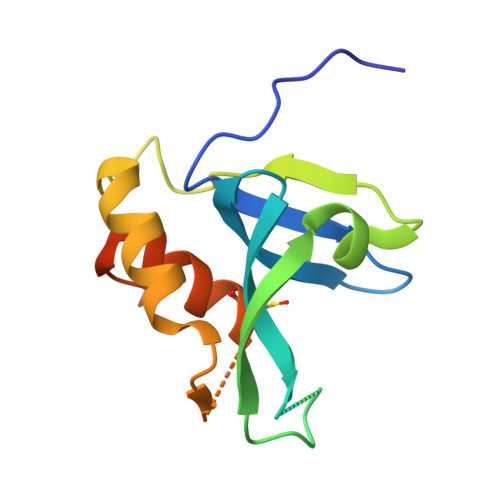
Sodium-dependent dopamine transporter structureClick to view 3D structureSodium-dependent dopamine transporterQ01959HumansPredicted (SEA)
Prediction Confidence Score
0.314
Applicability Domain
0.381
Statistical Significance
0.0296
Supporting Reference Compounds
506
E-value
230.745
Sodium-dependent noradrenaline transporter structureClick to view 3D structureSodium-dependent noradrenaline transporterP23975HumansPredicted (SEA)
Prediction Confidence Score
0.289
Applicability Domain
0.381
Statistical Significance
0.0479
Supporting Reference Compounds
451
E-value
372.664
Click to view 3D structureSodium-dependent serotonin transporterP31652Rattus norvegicusPredicted (SEA)
Prediction Confidence Score
0.287
Applicability Domain
0.381
Statistical Significance
0.0402
Supporting Reference Compounds
297
E-value
312.72
Sodium-dependent serotonin transporter structureClick to view 3D structureSodium-dependent serotonin transporterP31645HumansPredicted (SEA)
Prediction Confidence Score
0.286
Applicability Domain
0.333
Statistical Significance
0.07
Supporting Reference Compounds
593
E-value
545.022
Superoxide dismutase [Cu-Zn] structureClick to view 3D structureSuperoxide dismutase [Cu-Zn]P00441HumansPredicted (SEA)
Prediction Confidence Score
0.276
Applicability Domain
0.276 Low confidence
Statistical Significance
6.30e-04
Supporting Reference Compounds
1
E-value
4.9045
Click to view 3D structureMethionine--tRNA ligaseA0A3N3ZFK4Enterococcus faecalisPredicted (SEA)
Prediction Confidence Score
0.271
Applicability Domain
0.276 Low confidence
Statistical Significance
7.50e-04
Supporting Reference Compounds
2
E-value
5.83869
Click to view 3D structureMethionine--tRNA ligaseP67578Staphylococcus aureus (strain Mu50 / ATCC 700699)Predicted (SEA)
Prediction Confidence Score
0.271
Applicability Domain
0.276 Low confidence
Statistical Significance
7.50e-04
Supporting Reference Compounds
2
E-value
5.83869
Click to view 3D structureMultidrug and toxin extrusion protein 1Q8K0H1Mus musculusPredicted (SEA)
Prediction Confidence Score
0.267
Applicability Domain
0.267 Low confidence
Statistical Significance
9.40e-04
Supporting Reference Compounds
1
E-value
7.31783
Click to view 3D structureSodium-dependent dopamine transporterP23977Rattus norvegicusPredicted (SEA)
Prediction Confidence Score
0.264
Applicability Domain
0.333
Statistical Significance
0.0459
Supporting Reference Compounds
203
E-value
357.094
Voltage-gated inwardly rectifying potassium channel KCNH2 structureClick to view 3D structureVoltage-gated inwardly rectifying potassium channel KCNH2Q12809HumansPredicted (SEA)
Prediction Confidence Score
0.261
Applicability Domain
0.276 Low confidence
Statistical Significance
0.4297
Supporting Reference Compounds
1498
E-value
3345.03
Cytochrome P450 2D6 structureClick to view 3D structureCytochrome P450 2D6P10635HumansPredicted (SEA)
Prediction Confidence Score
0.256
Applicability Domain
0.32
Statistical Significance
0.3928
Supporting Reference Compounds
1130
E-value
3058.0
Aromatase structureClick to view 3D structureAromataseP11511HumansPredicted (SEA)
Prediction Confidence Score
0.256
Applicability Domain
0.333
Statistical Significance
0.0264
Supporting Reference Compounds
127
E-value
205.911
Cannabinoid receptor 1 structureClick to view 3D structureCannabinoid receptor 1P21554HumansPredicted (SEA)
Prediction Confidence Score
0.251
Applicability Domain
0.276 Low confidence
Statistical Significance
0.0909
Supporting Reference Compounds
200
E-value
707.338
Click to view 3D structurePhotosystem II protein D1P06402Marchantia polymorphaPredicted (SEA)
Prediction Confidence Score
0.25
Applicability Domain
0.333
Statistical Significance
0.0045
Supporting Reference Compounds
2
E-value
35.2657
Mitogen-activated protein kinase kinase kinase kinase 4 structureClick to view 3D structureMitogen-activated protein kinase kinase kinase kinase 4O95819HumansPredicted (SEA)
Prediction Confidence Score
0.248
Applicability Domain
0.276 Low confidence
Statistical Significance
0.3359
Supporting Reference Compounds
714
E-value
2614.8
Solute carrier family 22 member 1 structureClick to view 3D structureSolute carrier family 22 member 1O15245HumansPredicted (SEA)
Prediction Confidence Score
0.248
Applicability Domain
0.381
Statistical Significance
0.0028
Supporting Reference Compounds
30
E-value
21.7199
5-hydroxytryptamine receptor 2B structureClick to view 3D structure5-hydroxytryptamine receptor 2BP41595HumansPredicted (SEA)
Prediction Confidence Score
0.245
Applicability Domain
0.32
Statistical Significance
0.2741
Supporting Reference Compounds
686
E-value
2133.54
Cytochrome P450 3A4 structureClick to view 3D structureCytochrome P450 3A4P08684HumansPredicted (SEA)
Prediction Confidence Score
0.245
Applicability Domain
0.296 Low confidence
Statistical Significance
0.6155
Supporting Reference Compounds
1538
E-value
4791.54
Melanocortin receptor 4 structureClick to view 3D structureMelanocortin receptor 4P32245HumansPredicted (SEA)
Prediction Confidence Score
0.244
Applicability Domain
0.296 Low confidence
Statistical Significance
0.0526
Supporting Reference Compounds
96
E-value
409.798
Alpha-2A adrenergic receptor structureClick to view 3D structureAlpha-2A adrenergic receptorP08913HumansPredicted (SEA)
Prediction Confidence Score
0.243
Applicability Domain
0.32
Statistical Significance
0.2066
Supporting Reference Compounds
487
E-value
1608.05
Amine oxidase [flavin-containing] B structureClick to view 3D structureAmine oxidase [flavin-containing] BP27338HumansPredicted (SEA)
Prediction Confidence Score
0.243
Applicability Domain
0.296 Low confidence
Statistical Significance
0.1677
Supporting Reference Compounds
315
E-value
1305.92
Phospholipase A and acyltransferase 4 structureClick to view 3D structurePhospholipase A and acyltransferase 4Q9UL19HumansPredicted (SEA)
Prediction Confidence Score
0.242
Applicability Domain
0.242 Low confidence
Statistical Significance
0.0133
Supporting Reference Compounds
1
E-value
103.306
Click to view 3D structurePhospholipase A and acyltransferase 5Q96KN8HumansPredicted (SEA)
Prediction Confidence Score
0.242
Applicability Domain
0.242 Low confidence
Statistical Significance
0.0133
Supporting Reference Compounds
1
E-value
103.306
Phospholipase A and acyltransferase 3 structureClick to view 3D structurePhospholipase A and acyltransferase 3P53816HumansPredicted (SEA)
Prediction Confidence Score
0.242
Applicability Domain
0.242 Low confidence
Statistical Significance
0.0133
Supporting Reference Compounds
1
E-value
103.306
Phospholipase A and acyltransferase 2 structureClick to view 3D structurePhospholipase A and acyltransferase 2Q9NWW9HumansPredicted (SEA)
Prediction Confidence Score
0.242
Applicability Domain
0.242 Low confidence
Statistical Significance
0.0133
Supporting Reference Compounds
1
E-value
103.306
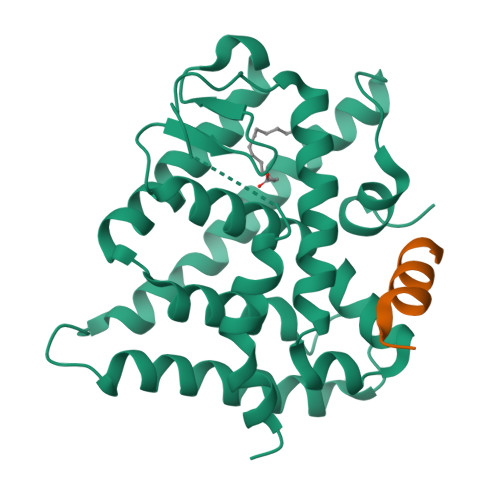
Estrogen receptor structureClick to view 3D structureEstrogen receptorP03372HumansKnownCauses endocrine disruption in humans by binding to and inhibiting the estrogen receptor. (A590)
Estrogen receptor beta structureClick to view 3D structureEstrogen receptor betaQ92731HumansKnownCauses endocrine disruption in humans by binding to and inhibiting the estrogen receptor. (A590)
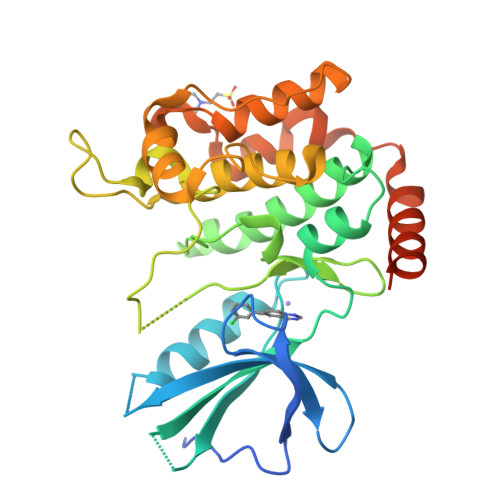
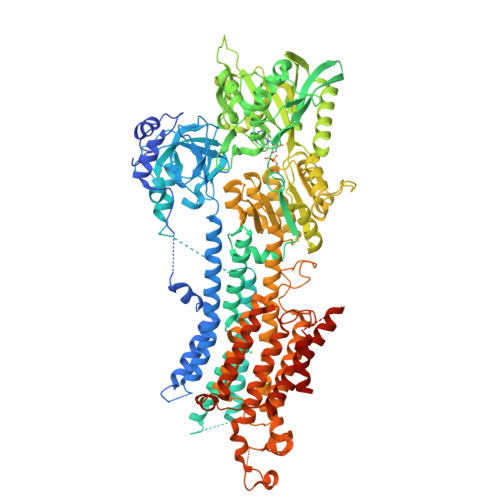
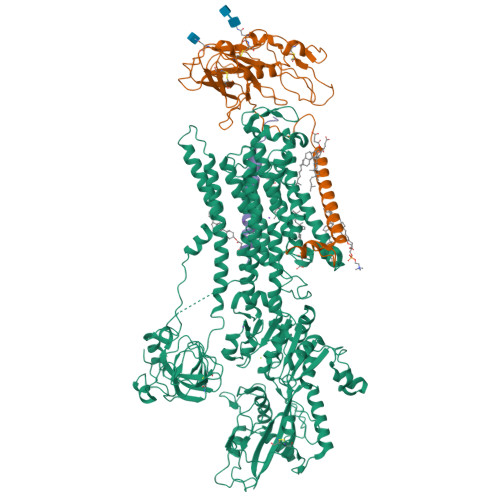
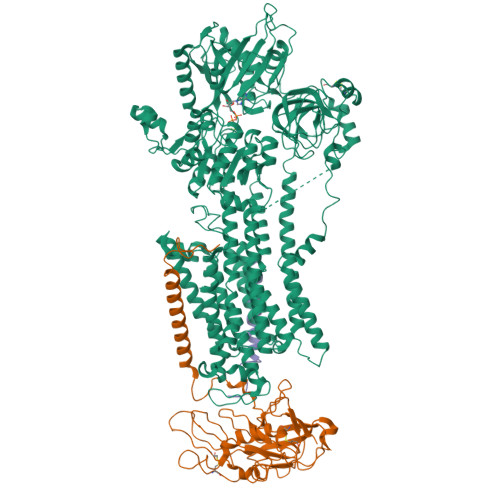
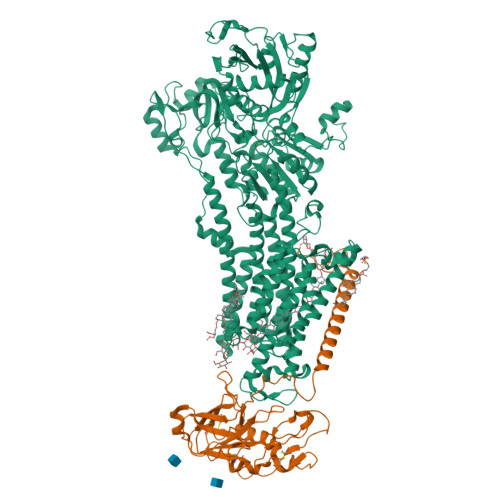
Calcium-transporting ATPase type 2C member 1 structureClick to view 3D structureCalcium-transporting ATPase type 2C member 1P98194HumansKnownThis organochloride inhibits Na+/K+ ATPase and Ca2+ and Mg2+ ATPase, which are essential for the transport of calcium across membranes. This results in the accumulation of intracellular free calcium ions, which promotes release of neurotransmitters from storage vesicles, the subsequent depolarization of adjacent neurons, and the propagation of stimuli throughout the central nervous system. (T10)
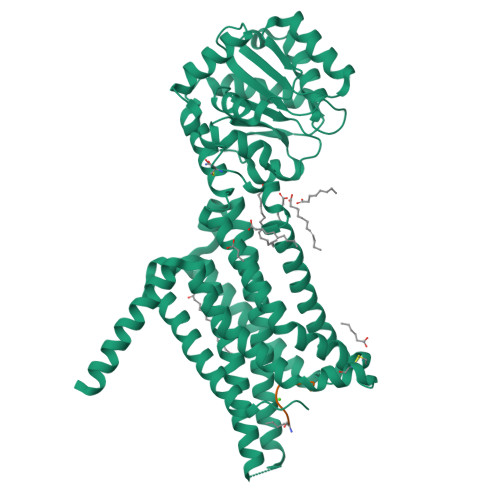
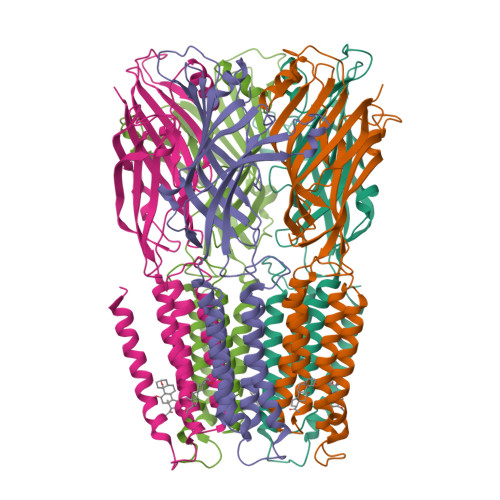
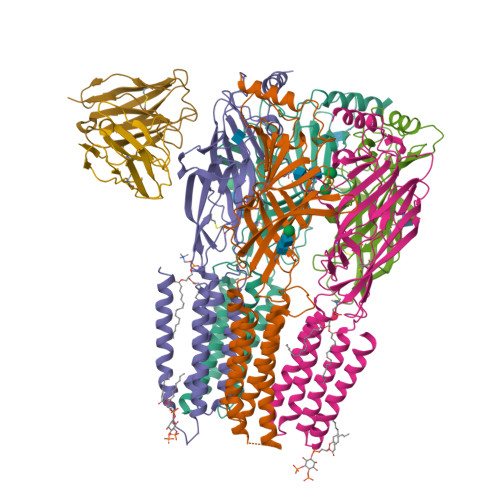
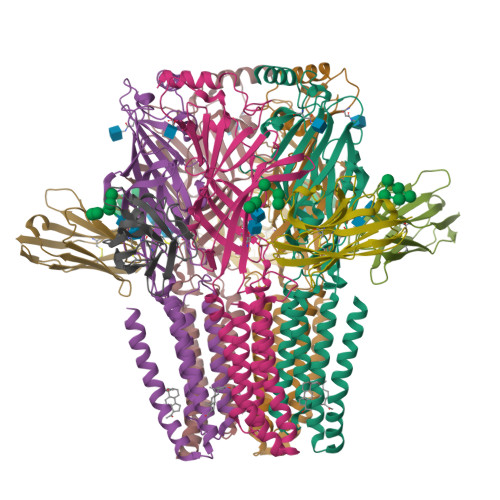
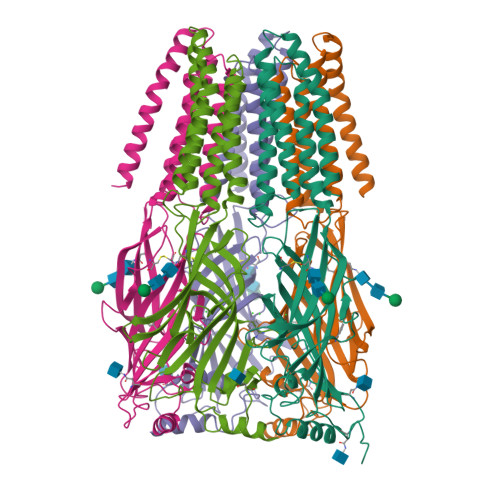
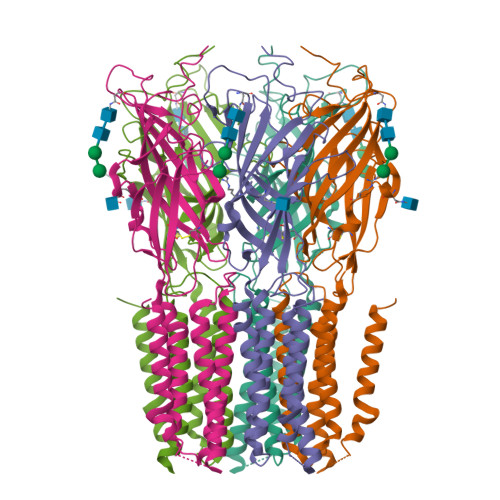
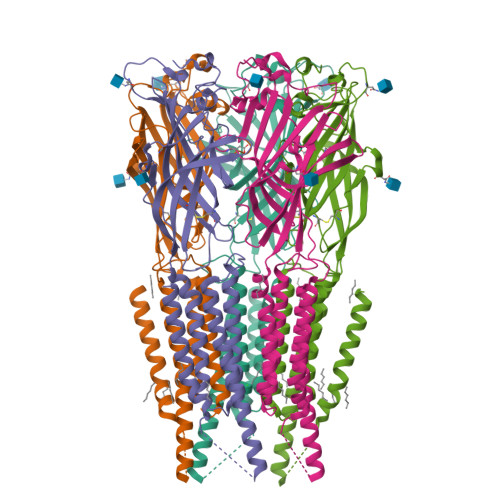
Gamma-aminobutyric acid receptor subunit alpha-1 structureClick to view 3D structureGamma-aminobutyric acid receptor subunit alpha-1P14867HumansKnownThis organochloride antagonizes the action of the neurotransmitter gamma-aminobutyric acid (GABA) acting at the GABA-A receptors, effectively blocking the GABA-induced uptake of chloride ions and causing hyperexcitability of the central nervous system. (T10)
Gamma-aminobutyric acid receptor subunit alpha-2 structureClick to view 3D structureGamma-aminobutyric acid receptor subunit alpha-2P47869HumansKnownThis organochloride antagonizes the action of the neurotransmitter gamma-aminobutyric acid (GABA) acting at the GABA-A receptors, effectively blocking the GABA-induced uptake of chloride ions and causing hyperexcitability of the central nervous system. (T10)
Gamma-aminobutyric acid receptor subunit alpha-3 structureClick to view 3D structureGamma-aminobutyric acid receptor subunit alpha-3P34903HumansKnownThis organochloride antagonizes the action of the neurotransmitter gamma-aminobutyric acid (GABA) acting at the GABA-A receptors, effectively blocking the GABA-induced uptake of chloride ions and causing hyperexcitability of the central nervous system. (T10)
Gamma-aminobutyric acid receptor subunit alpha-4 structureClick to view 3D structureGamma-aminobutyric acid receptor subunit alpha-4P48169HumansKnownThis organochloride antagonizes the action of the neurotransmitter gamma-aminobutyric acid (GABA) acting at the GABA-A receptors, effectively blocking the GABA-induced uptake of chloride ions and causing hyperexcitability of the central nervous system. (T10)
Gamma-aminobutyric acid receptor subunit alpha-5 structureClick to view 3D structureGamma-aminobutyric acid receptor subunit alpha-5P31644HumansKnownThis organochloride antagonizes the action of the neurotransmitter gamma-aminobutyric acid (GABA) acting at the GABA-A receptors, effectively blocking the GABA-induced uptake of chloride ions and causing hyperexcitability of the central nervous system. (T10)
Click to view 3D structureGamma-aminobutyric acid receptor subunit alpha-6Q16445HumansKnownThis organochloride antagonizes the action of the neurotransmitter gamma-aminobutyric acid (GABA) acting at the GABA-A receptors, effectively blocking the GABA-induced uptake of chloride ions and causing hyperexcitability of the central nervous system. (T10)
Gamma-aminobutyric acid receptor subunit beta-1 structureClick to view 3D structureGamma-aminobutyric acid receptor subunit beta-1P18505HumansKnownThis organochloride antagonizes the action of the neurotransmitter gamma-aminobutyric acid (GABA) acting at the GABA-A receptors, effectively blocking the GABA-induced uptake of chloride ions and causing hyperexcitability of the central nervous system. (T10)
Gamma-aminobutyric acid receptor subunit beta-2 structureClick to view 3D structureGamma-aminobutyric acid receptor subunit beta-2P47870HumansKnownThis organochloride antagonizes the action of the neurotransmitter gamma-aminobutyric acid (GABA) acting at the GABA-A receptors, effectively blocking the GABA-induced uptake of chloride ions and causing hyperexcitability of the central nervous system. (T10)
Gamma-aminobutyric acid receptor subunit beta-3 structureClick to view 3D structureGamma-aminobutyric acid receptor subunit beta-3P28472HumansKnownThis organochloride antagonizes the action of the neurotransmitter gamma-aminobutyric acid (GABA) acting at the GABA-A receptors, effectively blocking the GABA-induced uptake of chloride ions and causing hyperexcitability of the central nervous system. (T10)
Gamma-aminobutyric acid receptor subunit delta structureClick to view 3D structureGamma-aminobutyric acid receptor subunit deltaO14764HumansKnownThis organochloride antagonizes the action of the neurotransmitter gamma-aminobutyric acid (GABA) acting at the GABA-A receptors, effectively blocking the GABA-induced uptake of chloride ions and causing hyperexcitability of the central nervous system. (T10)
Click to view 3D structureGamma-aminobutyric acid receptor subunit epsilonP78334HumansKnownThis organochloride antagonizes the action of the neurotransmitter gamma-aminobutyric acid (GABA) acting at the GABA-A receptors, effectively blocking the GABA-induced uptake of chloride ions and causing hyperexcitability of the central nervous system. (T10)
Click to view 3D structureGamma-aminobutyric acid receptor subunit gamma-1Q8N1C3HumansKnownThis organochloride antagonizes the action of the neurotransmitter gamma-aminobutyric acid (GABA) acting at the GABA-A receptors, effectively blocking the GABA-induced uptake of chloride ions and causing hyperexcitability of the central nervous system. (T10)
Gamma-aminobutyric acid receptor subunit gamma-2 structureClick to view 3D structureGamma-aminobutyric acid receptor subunit gamma-2P18507HumansKnownThis organochloride antagonizes the action of the neurotransmitter gamma-aminobutyric acid (GABA) acting at the GABA-A receptors, effectively blocking the GABA-induced uptake of chloride ions and causing hyperexcitability of the central nervous system. (T10)
Click to view 3D structureGamma-aminobutyric acid receptor subunit gamma-3Q99928HumansKnownThis organochloride antagonizes the action of the neurotransmitter gamma-aminobutyric acid (GABA) acting at the GABA-A receptors, effectively blocking the GABA-induced uptake of chloride ions and causing hyperexcitability of the central nervous system. (T10)
Gamma-aminobutyric acid receptor subunit pi structureClick to view 3D structureGamma-aminobutyric acid receptor subunit piO00591HumansKnownThis organochloride antagonizes the action of the neurotransmitter gamma-aminobutyric acid (GABA) acting at the GABA-A receptors, effectively blocking the GABA-induced uptake of chloride ions and causing hyperexcitability of the central nervous system. (T10)
Gamma-aminobutyric acid receptor subunit rho-1 structureClick to view 3D structureGamma-aminobutyric acid receptor subunit rho-1P24046HumansKnownThis organochloride antagonizes the action of the neurotransmitter gamma-aminobutyric acid (GABA) acting at the GABA-A receptors, effectively blocking the GABA-induced uptake of chloride ions and causing hyperexcitability of the central nervous system. (T10)
Click to view 3D structureGamma-aminobutyric acid receptor subunit rho-2P28476HumansKnownThis organochloride antagonizes the action of the neurotransmitter gamma-aminobutyric acid (GABA) acting at the GABA-A receptors, effectively blocking the GABA-induced uptake of chloride ions and causing hyperexcitability of the central nervous system. (T10)
Click to view 3D structureGamma-aminobutyric acid receptor subunit rho-3A8MPY1HumansKnownThis organochloride antagonizes the action of the neurotransmitter gamma-aminobutyric acid (GABA) acting at the GABA-A receptors, effectively blocking the GABA-induced uptake of chloride ions and causing hyperexcitability of the central nervous system. (T10)
Click to view 3D structureGamma-aminobutyric acid receptor subunit thetaQ9UN88HumansKnownThis organochloride antagonizes the action of the neurotransmitter gamma-aminobutyric acid (GABA) acting at the GABA-A receptors, effectively blocking the GABA-induced uptake of chloride ions and causing hyperexcitability of the central nervous system. (T10)
Click to view 3D structureSarcoplasmic/endoplasmic reticulum calcium ATPase 1O14983HumansKnownThis organochloride inhibits Na+/K+ ATPase and Ca2+ and Mg2+ ATPase, which are essential for the transport of calcium across membranes. This results in the accumulation of intracellular free calcium ions, which promotes release of neurotransmitters from storage vesicles, the subsequent depolarization of adjacent neurons, and the propagation of stimuli throughout the central nervous system. (T10)
Sarcoplasmic/endoplasmic reticulum calcium ATPase 2 structureClick to view 3D structureSarcoplasmic/endoplasmic reticulum calcium ATPase 2P16615HumansKnownThis organochloride inhibits Na+/K+ ATPase and Ca2+ and Mg2+ ATPase, which are essential for the transport of calcium across membranes. This results in the accumulation of intracellular free calcium ions, which promotes release of neurotransmitters from storage vesicles, the subsequent depolarization of adjacent neurons, and the propagation of stimuli throughout the central nervous system. (T10)
Sodium/potassium-transporting ATPase subunit alpha-1 structureClick to view 3D structureSodium/potassium-transporting ATPase subunit alpha-1P05023HumansKnownThis organochloride inhibits Na+/K+ ATPase and Ca2+ and Mg2+ ATPase, which are essential for the transport of calcium across membranes. This results in the accumulation of intracellular free calcium ions, which promotes release of neurotransmitters from storage vesicles, the subsequent depolarization of adjacent neurons, and the propagation of stimuli throughout the central nervous system. (T10)
Click to view 3D structureSodium/potassium-transporting ATPase subunit alpha-2P50993HumansKnownThis organochloride inhibits Na+/K+ ATPase and Ca2+ and Mg2+ ATPase, which are essential for the transport of calcium across membranes. This results in the accumulation of intracellular free calcium ions, which promotes release of neurotransmitters from storage vesicles, the subsequent depolarization of adjacent neurons, and the propagation of stimuli throughout the central nervous system. (T10)
Sodium/potassium-transporting ATPase subunit alpha-3 structureClick to view 3D structureSodium/potassium-transporting ATPase subunit alpha-3P13637HumansKnownThis organochloride inhibits Na+/K+ ATPase and Ca2+ and Mg2+ ATPase, which are essential for the transport of calcium across membranes. This results in the accumulation of intracellular free calcium ions, which promotes release of neurotransmitters from storage vesicles, the subsequent depolarization of adjacent neurons, and the propagation of stimuli throughout the central nervous system. (T10)
Sodium/potassium-transporting ATPase subunit alpha-4 structureClick to view 3D structureSodium/potassium-transporting ATPase subunit alpha-4Q13733HumansKnownThis organochloride inhibits Na+/K+ ATPase and Ca2+ and Mg2+ ATPase, which are essential for the transport of calcium across membranes. This results in the accumulation of intracellular free calcium ions, which promotes release of neurotransmitters from storage vesicles, the subsequent depolarization of adjacent neurons, and the propagation of stimuli throughout the central nervous system. (T10)
Sodium/potassium-transporting ATPase subunit beta-1 structureClick to view 3D structureSodium/potassium-transporting ATPase subunit beta-1P05026HumansKnownThis organochloride inhibits Na+/K+ ATPase and Ca2+ and Mg2+ ATPase, which are essential for the transport of calcium across membranes. This results in the accumulation of intracellular free calcium ions, which promotes release of neurotransmitters from storage vesicles, the subsequent depolarization of adjacent neurons, and the propagation of stimuli throughout the central nervous system. (T10)
Click to view 3D structureSodium/potassium-transporting ATPase subunit beta-2P14415HumansKnownThis organochloride inhibits Na+/K+ ATPase and Ca2+ and Mg2+ ATPase, which are essential for the transport of calcium across membranes. This results in the accumulation of intracellular free calcium ions, which promotes release of neurotransmitters from storage vesicles, the subsequent depolarization of adjacent neurons, and the propagation of stimuli throughout the central nervous system. (T10)
Click to view 3D structureSodium/potassium-transporting ATPase subunit beta-3P54709HumansKnownThis organochloride inhibits Na+/K+ ATPase and Ca2+ and Mg2+ ATPase, which are essential for the transport of calcium across membranes. This results in the accumulation of intracellular free calcium ions, which promotes release of neurotransmitters from storage vesicles, the subsequent depolarization of adjacent neurons, and the propagation of stimuli throughout the central nervous system. (T10)
Sodium/potassium-transporting ATPase subunit gamma structureClick to view 3D structureSodium/potassium-transporting ATPase subunit gammaP54710HumansKnownThis organochloride inhibits Na+/K+ ATPase and Ca2+ and Mg2+ ATPase, which are essential for the transport of calcium across membranes. This results in the accumulation of intracellular free calcium ions, which promotes release of neurotransmitters from storage vesicles, the subsequent depolarization of adjacent neurons, and the propagation of stimuli throughout the central nervous system. (T10)
Transient receptor potential cation channel subfamily A member 1 structureClick to view 3D structureTransient receptor potential cation channel subfamily A member 1O75762HumansKnownNot Available
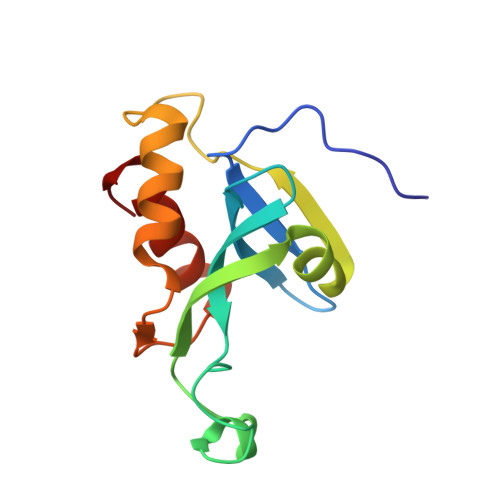
Hepatocyte nuclear factor 4-alpha structureClick to view 3D structureHepatocyte nuclear factor 4-alphaP41235HumansKnownNot Available
Concentrations
Not Available
External Links
DrugBank IDNot Available
HMDB IDHMDB0041971
FooDB IDNot Available
Phenol Explorer IDNot Available
KNApSAcK IDNot Available
BiGG IDNot Available
BioCyc IDNot Available
METLIN IDNot Available
PDB IDNot Available
Wikipedia Link1,4-Dichlorobenzene
Chemspider ID13866817
ChEBI ID28618
PubChem Compound ID4685
Kegg Compound IDC07092
YMDB IDYMDB16063
ECMDB IDNot Available
References
Synthesis ReferenceNot Available
MSDSNot Available
General References
  1. Bogaards JJ, van Ommen B, Wolf CR, van Bladeren PJ: Human cytochrome P450 enzyme selectivities in the oxidation of chlorinated benzenes. Toxicol Appl Pharmacol. 1995 May;132(1):44-52. [PubMed: 7747284]
  2. Gutierrez-Plascencia P, Ruiz-Sandoval MC, Martinez-Rocha M, Chiquete E, Zuniga-Ramirez C, Ruiz-Sandoval JL: [Dementia associated to paradichlorobenzene poisoning]. Rev Neurol. 2012 Feb 16;54(4):251-2. [PubMed: 22314767]
  3. International Agency for Research on Cancer (2014). IARC Monographs on the Evaluation of Carcinogenic Risks to Humans. - http://monographs.iarc.fr/index.php
  4. Wikipedia. 1,4-Dichlorobenzene. Last Updated 26 May 2009. - http://en.wikipedia.org/wiki/1,4-dichlorobenzene
  5. ATSDR - Agency for Toxic Substances and Disease Registry (2006). Toxicological profile for dichlorobenzenes. U.S. Public Health Service in collaboration with U.S. Environmental Protection Agency (EPA). - http://www.atsdr.cdc.gov/toxprofiles/tp10.html
  6. International Programme on Chemical Safety (IPCS) INCHEM (2003). Poison Information Monograph for 1,4-Dichlorobenzene. - http://www.inchem.org/documents/icsc/icsc/eics0037.htm
  7. Rumack BH (2009). POISINDEX(R) Information System. Englewood, CO: Micromedex, Inc. CCIS Volume 141, edition expires Aug, 2009.
  8. The Merck Index (1983). The Merck Index. 10th ed. Rahway, New Jersey: Merck Co., Inc.