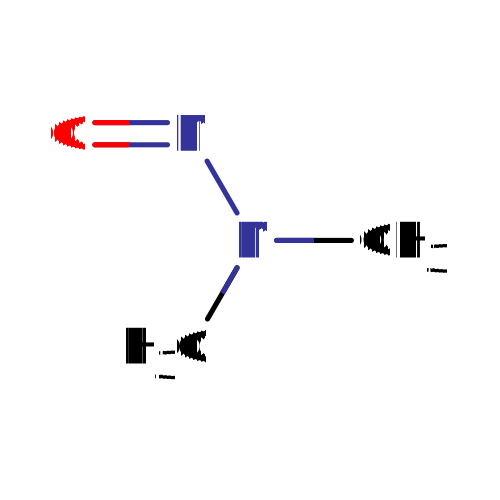
N-Nitrosodimethylamine (CHEM000177)
| Record Information | ||||||||||||||||||||||||||||||||||||||||||||||||||||||||||
|---|---|---|---|---|---|---|---|---|---|---|---|---|---|---|---|---|---|---|---|---|---|---|---|---|---|---|---|---|---|---|---|---|---|---|---|---|---|---|---|---|---|---|---|---|---|---|---|---|---|---|---|---|---|---|---|---|---|---|
| Version | 1.0 | |||||||||||||||||||||||||||||||||||||||||||||||||||||||||
| Creation Date | 2009-03-06 18:58:16 UTC | |||||||||||||||||||||||||||||||||||||||||||||||||||||||||
| Update Date | 2026-08-22 09:55:22 UTC | |||||||||||||||||||||||||||||||||||||||||||||||||||||||||
| Accession Number | CHEM000177 | |||||||||||||||||||||||||||||||||||||||||||||||||||||||||
| Identification | ||||||||||||||||||||||||||||||||||||||||||||||||||||||||||
| Common Name | N-Nitrosodimethylamine | |||||||||||||||||||||||||||||||||||||||||||||||||||||||||
| Class | Small Molecule | |||||||||||||||||||||||||||||||||||||||||||||||||||||||||
| Description | N-Nitrosodimethylamine is found in pepper (Capsicum annuum). N-Nitrosodimethylamine is a food contaminant especially in cured meat products. N-Nitrosodimethylamine (NDMA), also known as dimethylnitrosamine (DMN), is a semi-volatile organic chemical that is highly toxic and is a suspected human carcinogen. The US Environmental Protection Agency has determined that the maximum admissible concentration of NDMA in drinking water is 7 ng L 1. The EPA has not yet set a regulatory maximum contaminant level (MCL) for drinking water. At high doses, it is a potent hepatotoxin that can cause fibrosis of the liver in rats. The induction of liver tumors in rats after chronic exposure to low doses is well-documented. Its toxic effects on humans are inferred from animal experiments but not well-established experimentally. NDMA is an industrial by-product or waste product of several industrial processes. It first came to attention as a groundwater contaminant in California in 1998 and 1999 at several sites that produced rocket fuel. Manufacturing of unsymmetrical dimethylhydrazine (UDMH), which is a component of rocket fuel that requires NDMA for its synthesis, proved to be the culprit in these cases. Of more general concern, water treatment via chlorination or chloramination of organic nitrogen-containing wastewater can lead to the production of NDMA at potentially harmful levels. Further, NDMA can form or be leached during treatment of water by anion exchange resins. Finally, NDMA is found at low levels in numerous items of human consumption including cured meat, fish, beer, and tobacco smoke It is, however, unlikely to bioaccumulate.
N-nitrosodimethylamine belongs to the family of Nitrosamines. These are compounds containing the nitrosamine functional group, with the structure R2NNO. | |||||||||||||||||||||||||||||||||||||||||||||||||||||||||
| Contaminant Sources |
| |||||||||||||||||||||||||||||||||||||||||||||||||||||||||
| Contaminant Type |
| |||||||||||||||||||||||||||||||||||||||||||||||||||||||||
| Chemical Structure | 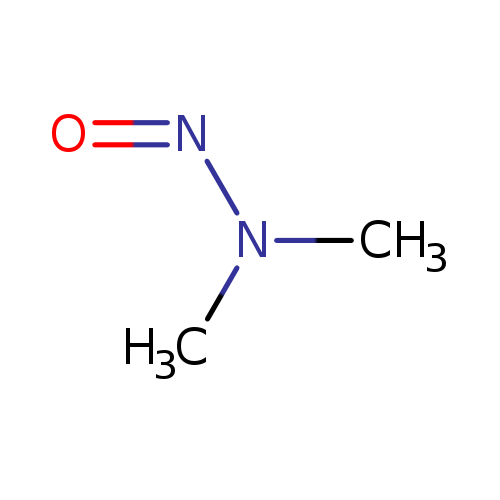 | |||||||||||||||||||||||||||||||||||||||||||||||||||||||||
| Synonyms |
| |||||||||||||||||||||||||||||||||||||||||||||||||||||||||
| Chemical Formula | C2H6N2O | |||||||||||||||||||||||||||||||||||||||||||||||||||||||||
| Average Molecular Mass | 74.082 g/mol | |||||||||||||||||||||||||||||||||||||||||||||||||||||||||
| Monoisotopic Mass | 74.048 g/mol | |||||||||||||||||||||||||||||||||||||||||||||||||||||||||
| CAS Registry Number | 62-75-9 | |||||||||||||||||||||||||||||||||||||||||||||||||||||||||
| IUPAC Name | dimethyl(nitroso)amine | |||||||||||||||||||||||||||||||||||||||||||||||||||||||||
| Traditional Name | nitrosodimethylamine | |||||||||||||||||||||||||||||||||||||||||||||||||||||||||
| SMILES | CN(C)N=O | |||||||||||||||||||||||||||||||||||||||||||||||||||||||||
| InChI Identifier | InChI=1S/C2H6N2O/c1-4(2)3-5/h1-2H3 | |||||||||||||||||||||||||||||||||||||||||||||||||||||||||
| InChI Key | UMFJAHHVKNCGLG-UHFFFAOYSA-N | |||||||||||||||||||||||||||||||||||||||||||||||||||||||||
| Chemical Taxonomy | ||||||||||||||||||||||||||||||||||||||||||||||||||||||||||
| Description | Belongs to the class of organic compounds known as organic n-nitroso compounds. These are organic compounds containing a n-nitroso group -NN=O. | |||||||||||||||||||||||||||||||||||||||||||||||||||||||||
| Kingdom | Organic compounds | |||||||||||||||||||||||||||||||||||||||||||||||||||||||||
| Super Class | Organic nitrogen compounds | |||||||||||||||||||||||||||||||||||||||||||||||||||||||||
| Class | Organonitrogen compounds | |||||||||||||||||||||||||||||||||||||||||||||||||||||||||
| Sub Class | Organic nitroso compounds | |||||||||||||||||||||||||||||||||||||||||||||||||||||||||
| Direct Parent | Organic N-nitroso compounds | |||||||||||||||||||||||||||||||||||||||||||||||||||||||||
| Alternative Parents | ||||||||||||||||||||||||||||||||||||||||||||||||||||||||||
| Substituents |
| |||||||||||||||||||||||||||||||||||||||||||||||||||||||||
| Molecular Framework | Aliphatic acyclic compounds | |||||||||||||||||||||||||||||||||||||||||||||||||||||||||
| External Descriptors |
| |||||||||||||||||||||||||||||||||||||||||||||||||||||||||
| Biological Properties | ||||||||||||||||||||||||||||||||||||||||||||||||||||||||||
| Status | Detected and Not Quantified | |||||||||||||||||||||||||||||||||||||||||||||||||||||||||
| Origin | Exogenous | |||||||||||||||||||||||||||||||||||||||||||||||||||||||||
| Cellular Locations |
| |||||||||||||||||||||||||||||||||||||||||||||||||||||||||
| Biofluid Locations | Not Available | |||||||||||||||||||||||||||||||||||||||||||||||||||||||||
| Tissue Locations | Not Available | |||||||||||||||||||||||||||||||||||||||||||||||||||||||||
| Pathways | Not Available | |||||||||||||||||||||||||||||||||||||||||||||||||||||||||
| Applications | Not Available | |||||||||||||||||||||||||||||||||||||||||||||||||||||||||
| Biological Roles | ||||||||||||||||||||||||||||||||||||||||||||||||||||||||||
| Chemical Roles | Not Available | |||||||||||||||||||||||||||||||||||||||||||||||||||||||||
| Physical Properties | ||||||||||||||||||||||||||||||||||||||||||||||||||||||||||
| State | Liquid | |||||||||||||||||||||||||||||||||||||||||||||||||||||||||
| Appearance | Yellow liquid. (6) | |||||||||||||||||||||||||||||||||||||||||||||||||||||||||
| Experimental Properties |
| |||||||||||||||||||||||||||||||||||||||||||||||||||||||||
| Predicted Properties |
| |||||||||||||||||||||||||||||||||||||||||||||||||||||||||
| Spectra | ||||||||||||||||||||||||||||||||||||||||||||||||||||||||||
| Spectra | ||||||||||||||||||||||||||||||||||||||||||||||||||||||||||
| Toxicity Profile | ||||||||||||||||||||||||||||||||||||||||||||||||||||||||||
| Route of Exposure | Oral (6) ; inhalation (6) ; dermal (6) | |||||||||||||||||||||||||||||||||||||||||||||||||||||||||
| Mechanism of Toxicity | The mechanism of NDMAinduced liver toxicity is not clearly understood but may be related to alkylation of cellular protein. (6) | |||||||||||||||||||||||||||||||||||||||||||||||||||||||||
| Metabolism | Evidence from in vitro and in vivo studies with rodents indicates that NDMA is metabolized by hydroxylation of the alpha-carbon, followed by formation of formaldehyde, molecular nitrogen and a methylating agent, which is considered to be the carcinogenic form. Recent evidence suggests that a significant proportion of NDMA is metabolized via a denitrosation mechanism. (6) | |||||||||||||||||||||||||||||||||||||||||||||||||||||||||
| Toxicity Values | Not Available | |||||||||||||||||||||||||||||||||||||||||||||||||||||||||
| Lethal Dose | Not Available | |||||||||||||||||||||||||||||||||||||||||||||||||||||||||
| Carcinogenicity (IARC Classification) | 2A, probably carcinogenic to humans. (5) | |||||||||||||||||||||||||||||||||||||||||||||||||||||||||
| Uses/Sources | The general population might be exposed to NDMA from a wide variety of sources, including environmental, consumer, and occupational sources. The primary sources of human exposure to NDMA are tobacco smoke, chewing tobacco, diet (cured meats [particularly bacon], beer, fish, cheese, and other food items), toiletry and cosmetic products (for example, shampoos and cleansers), interior air of cars, and various other household goods, such as detergents and pesticides. In addition, NDMA can form in the stomach during digestion of alkylamine-containing foods. Alkylamines are naturally occurring compounds which are found in some drugs and in a variety of foods. Infants may be exposed to NDMA from the use of rubber baby bottle nipples and pacifiers which may contain very small amounts of NDMA, from ingestion of contaminated infant formulas, and from breast milk of some nursing mothers. Very low levels of NDMA have been found in some samples of human breast milk. Occupational exposure may happen in a large number of places including industries such as tanneries, pesticide manufacturing plants, rubber and tire manufacturing plants, alkylamine manufacture/use industries, fish processing industries, foundries, and dye manufacturing plants. Researchers making or handling NDMA may also be exposed to this compound if it passes through the rubber gloves they wear during laboratory work. (6) | |||||||||||||||||||||||||||||||||||||||||||||||||||||||||
| Minimum Risk Level | Not Available | |||||||||||||||||||||||||||||||||||||||||||||||||||||||||
| Health Effects | NDMA is very harmful to the liver of animals and humans. Moreover, although there are no reports of NDMA causing cancer in humans, it is reasonable to expect that exposure to NDMA by eating, drinking, or breathing could also cause cancer in humans. (6) | |||||||||||||||||||||||||||||||||||||||||||||||||||||||||
| Symptoms | Not Available | |||||||||||||||||||||||||||||||||||||||||||||||||||||||||
| Treatment | Not Available | |||||||||||||||||||||||||||||||||||||||||||||||||||||||||
| Concentrations | ||||||||||||||||||||||||||||||||||||||||||||||||||||||||||
| Not Available | ||||||||||||||||||||||||||||||||||||||||||||||||||||||||||
| External Links | ||||||||||||||||||||||||||||||||||||||||||||||||||||||||||
| DrugBank ID | Not Available | |||||||||||||||||||||||||||||||||||||||||||||||||||||||||
| HMDB ID | HMDB0031419 | |||||||||||||||||||||||||||||||||||||||||||||||||||||||||
| FooDB ID | FDB003496 | |||||||||||||||||||||||||||||||||||||||||||||||||||||||||
| Phenol Explorer ID | Not Available | |||||||||||||||||||||||||||||||||||||||||||||||||||||||||
| KNApSAcK ID | Not Available | |||||||||||||||||||||||||||||||||||||||||||||||||||||||||
| BiGG ID | Not Available | |||||||||||||||||||||||||||||||||||||||||||||||||||||||||
| BioCyc ID | Not Available | |||||||||||||||||||||||||||||||||||||||||||||||||||||||||
| METLIN ID | Not Available | |||||||||||||||||||||||||||||||||||||||||||||||||||||||||
| PDB ID | Not Available | |||||||||||||||||||||||||||||||||||||||||||||||||||||||||
| Wikipedia Link | N-Nitrosodimethylamine | |||||||||||||||||||||||||||||||||||||||||||||||||||||||||
| Chemspider ID | 5894 | |||||||||||||||||||||||||||||||||||||||||||||||||||||||||
| ChEBI ID | 35807 | |||||||||||||||||||||||||||||||||||||||||||||||||||||||||
| PubChem Compound ID | 6124 | |||||||||||||||||||||||||||||||||||||||||||||||||||||||||
| Kegg Compound ID | C14704 | |||||||||||||||||||||||||||||||||||||||||||||||||||||||||
| YMDB ID | Not Available | |||||||||||||||||||||||||||||||||||||||||||||||||||||||||
| ECMDB ID | Not Available | |||||||||||||||||||||||||||||||||||||||||||||||||||||||||
| References | ||||||||||||||||||||||||||||||||||||||||||||||||||||||||||
| Synthesis Reference | Not Available | |||||||||||||||||||||||||||||||||||||||||||||||||||||||||
| MSDS | Not Available | |||||||||||||||||||||||||||||||||||||||||||||||||||||||||
| General References | ||||||||||||||||||||||||||||||||||||||||||||||||||||||||||