N,N-Dimethylformamide (CED0001991)

Record Information
Version1.0
Creation Date2009-03-06 18:58:22 UTC
Update Date2026-05-14 17:18:11 UTC
SynCED IDCED0001991
Secondary Accession Numbers
  • CHEM000219
  • T3D0252
Identification
Common NameN,N-Dimethylformamide
ClassSmall Molecule
Description
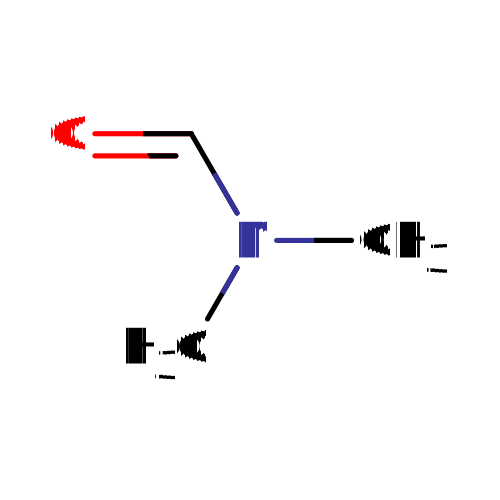
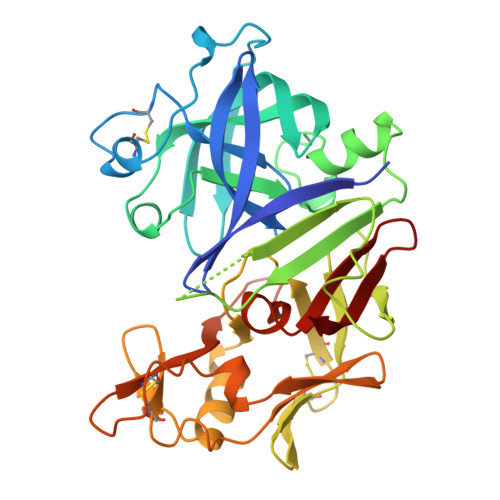
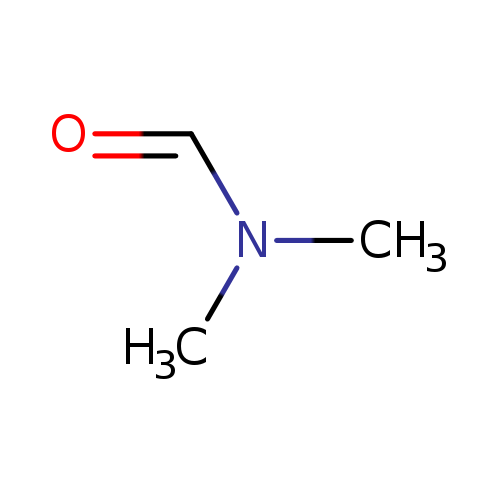
N,N-Dimethylformamide (C3H7NO) is an exogenous organic compound with an average molecular weight of 73.09 g/mol. It exists as a liquid at room temperature. N,N-Dimethylformamide belongs to the carboxylic acid derivatives, a subclass of carboxylic acids and derivatives within the organic compounds. The compound serves as a polar aprotic solvent and an industrial solvent (PMC10663487 , PMC11891868 ), as well as an industrial reducing agent (PMC7906594 ). In the context of plastics, it is used in polyamide and polyvinyl chloride and is present in polyurethane and polyethylene terephthalate. It is recorded as being released from 52 sources, including drinking water and water supply; household cleaning and consumer products such as bleaching agents, perfumes within detergents and soaps, and smoking requisites; building and construction materials including floors, roofs, and ceilings; food, food processing and cookware, including food contact materials and fermentation processes for beer; and electrical and electronic equipment such as amplifiers, antennas, and adjustable resistors. Recorded exposure routes include touch, oral, and inhalation. Biologically, N,N-Dimethylformamide acts as a hepatotoxic agent and is associated with hepatic necrosis (PMC3431904 ). Its recorded protein targets include renin (REN), chymotrypsin-like elastase family member 1 (CELA1), and mitochondrial aldehyde dehydrogenase (ALDH2). While the mechanism of action for N,N-Dimethylformamide has not been fully elucidated, thiocarbamate pesticides have been shown to inhibit aldehyde dehydrogenases.
Contaminant Type
  • Amide
  • Amine
  • Food Toxin
  • Human Neurotoxin
  • Industrial/Workplace Toxin
  • Metabolite
  • Organic Compound
  • Pollutant
  • Solvent
  • Synthetic Compound
Chemical Structure
Synonyms
ValueSource
DimethylformamideChEBI
DMFChEBI
N,N-DimethylmethanamideChEBI
N-FormyldimethylamineChEBI
Dimethyl formamideHMDB
Dimethyl-formamideHMDB
Dimethylamid kyseliny mravenciHMDB
DimethylforamideHMDB
DimethylformamidHMDB
DimetilformamideHMDB
DimetylformamiduHMDB
DwumetyloformamidHMDB
FormyldimethylamineHMDB
N,N- Dimethyl formamideHMDB
N,N- DimethylformamideHMDB
N,N-Dimethyl-formamideHMDB
N,N DimethylformamideHMDB
Chemical FormulaC3H7NO
Average Molecular Mass73.094 g/mol
Monoisotopic Mass73.053 g/mol
CAS Registry Number1968-12-02
IUPAC NameN,N-dimethylformamide
Traditional Namedimethylformamide
SMILESCN(C)C=O
InChI IdentifierInChI=1S/C3H7NO/c1-4(2)3-5/h3H,1-2H3
InChI KeyZMXDDKWLCZADIW-UHFFFAOYSA-N
Chemical Taxonomy
Description Belongs to the class of organic compounds known as tertiary carboxylic acid amides. Tertiary carboxylic acid amides are compounds containing an amide derivative of carboxylic acid, with the general structure RN(R1)C(R2)=O (R1-R2 any atom but H).
KingdomOrganic compounds
Super ClassOrganic acids and derivatives
ClassCarboxylic acids and derivatives
Sub ClassCarboxylic acid derivatives
Direct ParentTertiary carboxylic acid amides
Alternative Parents
Substituents
  • Tertiary carboxylic acid amide
  • Organic nitrogen compound
  • Organic oxygen compound
  • Organopnictogen compound
  • Organic oxide
  • Hydrocarbon derivative
  • Organooxygen compound
  • Organonitrogen compound
  • Carbonyl group
  • Aliphatic acyclic compound
Molecular FrameworkAliphatic acyclic compounds
External Descriptors
Biological Properties
StatusDetected and Not Quantified
OriginExogenous
Cellular Locations
  • Cytoplasm
  • Extracellular
Biofluid LocationsNot Available
Tissue LocationsNot Available
Applications
Biological Roles
Chemical Roles
Organoleptic Effects
  • yellow colour ?
  • colorless colour ?
  • black colour ?
  • brown colour ?
  • dark brown colour ?
  • dark yellow colour ?
Physical Properties
StateLiquid
AppearanceNot Available
Experimental Properties
PropertyValue
Melting Point-60.4°C
Boiling Point153°C (307.4°F)
Solubility1000 mg/mL at 25°C
Predicted Properties
PropertyValueSource
Water Solubility725 g/LALOGPS
logP-0.77ALOGPS
logP-0.63ChemAxon
logS1ALOGPS
pKa (Strongest Basic)-1.3ChemAxon
Physiological Charge0ChemAxon
Hydrogen Acceptor Count1ChemAxon
Hydrogen Donor Count0ChemAxon
Polar Surface Area20.31 ŲChemAxon
Rotatable Bond Count0ChemAxon
Refractivity19.77 m³·mol⁻¹ChemAxon
Polarizability7.69 ųChemAxon
Number of Rings0ChemAxon
BioavailabilityYesChemAxon
Rule of FiveYesChemAxon
Ghose FilterNoChemAxon
Veber's RuleYesChemAxon
MDDR-like RuleNoChemAxon
Spectra
Spectra
Spectrum TypeDescriptionSplash KeyDeposition DateView
Predicted GC-MSPredicted GC-MS Spectrumsplash10-006x-9000000000-34e0d5dce52ab7332a48Not AvailableView Spectrum
Predicted GC-MSPredicted GC-MS SpectrumNot AvailableNot AvailableView Spectrum
LC-MS/MSLC-MS/MS Spectrumsplash10-00di-9000000000-2fc3e0f8da9a647359faNot AvailableView Spectrum
LC-MS/MSLC-MS/MS Spectrumsplash10-001l-9000000000-f4fe42c25bc21b32c720Not AvailableView Spectrum
LC-MS/MSLC-MS/MS Spectrumsplash10-000x-9000000000-c16bd85f59063ed223cdNot AvailableView Spectrum
LC-MS/MSLC-MS/MS Spectrumsplash10-00di-9000000000-cc68a0ecc7c49de9adf0Not AvailableView Spectrum
LC-MS/MSLC-MS/MS Spectrumsplash10-00di-9000000000-9f91c0e4ecf9323c5268Not AvailableView Spectrum
LC-MS/MSLC-MS/MS Spectrumsplash10-00di-9000000000-cc68a0ecc7c49de9adf0Not AvailableView Spectrum
LC-MS/MSLC-MS/MS Spectrumsplash10-00di-9000000000-9f91c0e4ecf9323c5268Not AvailableView Spectrum
LC-MS/MSLC-MS/MS Spectrumsplash10-006y-9000000000-5543ffa660a73e2f60aeNot AvailableView Spectrum
LC-MS/MSLC-MS/MS Spectrumsplash10-00di-9000000000-9f91c0e4ecf9323c5268Not AvailableView Spectrum
Predicted LC-MS/MSPredicted LC-MS/MS Spectrumsplash10-00di-9000000000-7021cfe3ddcd7eead969Not AvailableView Spectrum
Predicted LC-MS/MSPredicted LC-MS/MS Spectrumsplash10-00di-9000000000-ceda884adf62fcbbade6Not AvailableView Spectrum
Predicted LC-MS/MSPredicted LC-MS/MS Spectrumsplash10-00di-9000000000-dfa16f4b703eedcce213Not AvailableView Spectrum
Predicted LC-MS/MSPredicted LC-MS/MS Spectrumsplash10-00di-9000000000-20383304fc1b3341c39dNot AvailableView Spectrum
Predicted LC-MS/MSPredicted LC-MS/MS Spectrumsplash10-00di-9000000000-4add65e7ea3604d5d1fcNot AvailableView Spectrum
Predicted LC-MS/MSPredicted LC-MS/MS Spectrumsplash10-05fr-9000000000-a05f660af113d947481eNot AvailableView Spectrum
Predicted LC-MS/MSPredicted LC-MS/MS Spectrumsplash10-00di-9000000000-bc974757d0839ce6b57cNot AvailableView Spectrum
Predicted LC-MS/MSPredicted LC-MS/MS Spectrumsplash10-0006-9000000000-33646a67bc59fe05be54Not AvailableView Spectrum
Predicted LC-MS/MSPredicted LC-MS/MS Spectrumsplash10-00di-9000000000-ca67ae001025b0816d1cNot AvailableView Spectrum
Predicted LC-MS/MSPredicted LC-MS/MS Spectrumsplash10-00dm-9000000000-c1637e5f95671002e1bcNot AvailableView Spectrum
Predicted LC-MS/MSPredicted LC-MS/MS Spectrumsplash10-00di-9000000000-78ef7927403f69155f40Not AvailableView Spectrum
MSMS Spectrumsplash10-006x-9000000000-039511887fde37138176Not AvailableView Spectrum
Toxicity Profile
Toxicity Values
Toxicity ValueOrganismDose DescriptorRoute of ExposurePredicted or ExperimentalToxicity RatingReference
2800.0 mg/kg RatLD50OralexperimentalNot Available7
1400.0 mg/kg RatLD50IntraperitonealexperimentalNot Available7
3800.0 mg/kg RatLD50SubcutaneousexperimentalNot Available7
2000.0 mg/kg RatLD50IntravenousexperimentalNot Available7
25.0 uL MouseNOELdermalexperimentalNot AvailableECOTOX - EPA ORD
25.0 uL MouseLOELdermalexperimentalNot AvailableECOTOX - EPA ORD
Toxicity / Toxin ClassNot Available
Mechanism of ToxicityWhile the mechanism of action of dimethyl formamide has not bee fully elucidated, thiocarbamate pesticides have been shown to inhibit aldehyde dehydrogenases. (1)
Carcinogenicity (IARC Classification)3, not classifiable as to its carcinogenicity to humans. (4)
Minimum Risk LevelNot Available
SymptomsSymptoms of dimethyl formamide exposure may include abdominal pain, nausea, vomiting, dizziness, fatigue, headache, loss of appetite, and temporary alcohol intolerance. (5)
TreatmentAs there is no antidote for dimethyl formamide poisoning, treatment is mainly supportive and symptomatic. (8)
Health Effects
Health EffectRelationshipDirectionDescriptionReference
inflammationNot AvailableNot AvailableNot AvailablePMC9192195
cancerAssociated With?Not AvailableCancer is a group of diseases involving abnormal cell growth with the potential to invade or spread to other parts of the body. Possible signs and symptoms include a lump, abnormal bleeding, prolonged cough, unexplained weight loss, and a change in bowel movements. There are over 100 types of cancers affect humans. The risk of developing certain cancers can be reduced by not smoking, maintaining a healthy weight, not drinking too much alcohol, eating plenty of vegetables, fruits and whole grains, vaccination against certain infectious diseases, not eating too much processed and red meat and avoiding too much sunlight exposure. Cancer is often treated with some combination of radiation therapy, surgery, chemotherapy and targeted therapy. The majority of cancers, some 90–95% of cases, are due to genetic mutations from environmental and lifestyle factors. The remaining 5–10% are due to inherited genetics.PMC5114851 , PMC10538092
multiple sclerosisNot AvailableNot AvailableA demyelinating disease that involves damage to the fatty myelin sheaths around the axons of the brain and spinal cord resulting in demyelination and scarring. (DO)PMC7594024 , PMC7594024
liver cirrhosisAssociated With?Not AvailableNot AvailablePMC5114851 , PMC10538092
hepatitisAssociated With?Not AvailableA disorder characterized by an inflammation of the liver. (NCI CTCAE)PMC10538092
psoriasisNot AvailableNot AvailableA disorder characterized by a quicker life span of skin cells causing cells to build up rapidly on the surface of the skin.PMC12409670 , PMC11704350
Parkinson's diseaseNot AvailableNot AvailableA long-term degenerative disorder of the central nervous system that mainly affects the motor system. The symptoms generally come on slowly over time.PMC9369284
neurodegenerative diseaseHas Therapeutic Effect OnNot AvailableA central nervous system disease that results in the progressive deterioration of function or structure of neurons. (DO)PMC7594024
neurodegenerative diseaseNot AvailableNot AvailableA central nervous system disease that results in the progressive deterioration of function or structure of neurons. (DO)PMC9369284
periodontitisNot AvailableNot AvailableNot AvailablePMC5783833
hepatic necrosisAssociated With?Not AvailableA disorder characterized by a necrotic process occurring in the hepatic parenchyma. (NCI CTCAE)PMC3431904
brain edemaHas Therapeutic Effect OnNot AvailableNot AvailablePMC8913707
pulmonary hypertensionNot AvailableNot AvailableNot AvailablePMC9192195
abdominal obesity-metabolic syndromeAssociated With?increaseNot AvailablePMC10562170 , PMC10562170
abdominal obesity-metabolic syndromeAssociated With?Not AvailableNot AvailablePMC10562170
Oxidative StressHas Therapeutic Effect OnNot AvailableNot AvailablePMC9219662 , PMC12943260
MortalityAssociated With?Not AvailableNot AvailablePMC12891130
FibrosisAssociated With?Not AvailableNot AvailablePMC5114851 , PMC10538092
hearing loss disorderHas Therapeutic Effect OnNot AvailableNot AvailablePMC12828674
nervous system disorderHas Therapeutic Effect OnNot AvailableNot AvailablePMC12935980
nervous system disorderNot AvailableNot AvailableNot AvailablePMC7316599
NeuroinflammationHas Therapeutic Effect OnNot AvailableNot AvailablePMC7594024
relapsing-remitting multiple sclerosisNot AvailableNot AvailableNot AvailablePMC11704350 , PMC8772843
lung disorderNot AvailableNot AvailableNot AvailablePMC9192195
Chromosomal InstabilityAssociated With?Not AvailableNot AvailablePMC12249926
systemic sclerodermaNot AvailableNot AvailableNot AvailablePMC9192195
testicular germ cell tumorAssociated With?increaseNot AvailablePMC11209113
Fulminant hepatitisAssociated With?Not AvailableNot AvailablePMC4085180
Disability-Adjusted Life YearsAssociated With?Not AvailableNot AvailablePMC11372181
Skin AbnormalitiesAssociated With?Not AvailableNot AvailablePMC4270264
Exposure Sources
Source IDSourceSectorReference
CEDs000010Insecticides?Insecticides are synthetic chemicals designed to control or eliminate insect pests that threaten crops and other agricultural products.Agriculture & land managementPubChem
CEDs000050Groundwater?Groundwater serves as a vital resource for drinking water and agricultural irrigation but is increasingly susceptible to contamination from synthetic chemicals.Aquatic systems & sedimentsPMC12300424
CEDs000070Stormwater runoff?Stormwater runoff refers to the flow of rainwater or melted snow that does not soak into the ground and instead collects pollutants as it travels over impervious surfaces such as roads and parking lots.Automotive & urban infrastructurePubChem
CEDs000115Drinking water?Drinking water can be a medium for synthetic chemical contamination, often originating from various industrial processes and agricultural practices.Drinking water & water supplyNot Available
CEDs000233Brushes?Brushes used in personal care and cosmetics can be a source of synthetic chemical contamination due to the materials and coatings used in their manufacturing.Personal care & cosmeticsPubChem
CEDs000494Food contact materials?Food contact materials refer to substances and products that are intended to come into contact with food during processing, packaging, or preparation.Food, food processing & cookwareNot Available
CEDs000495Ceilings?Ceilings in built environments can be a source of synthetic chemical contamination due to the materials used in their construction and finishes.Building & ConstructionPubChem
CEDs000496Fencing?Fencing materials, particularly those used in construction and landscaping, can be a source of synthetic chemical contamination due to the treatments and coatings applied for durability and weather resistance.Building & ConstructionPubChem
CEDs000497Floors?Floors in built environments can be a significant source of synthetic chemical contamination due to the materials and finishes used in their construction.Building & ConstructionPubChem
CEDs000498Ladders?Ladders, commonly used in various construction and maintenance activities, can become a source of synthetic chemical contamination due to the materials and coatings applied during their manufacture and use.Building & ConstructionPubChem
CEDs000499Roofs?Roofs can be a significant source of synthetic chemical contamination due to the materials used in their construction and maintenance.Building & ConstructionPubChem
CEDs000500Stairs And Ramps?Stairs and ramps in construction are often treated with various synthetic chemicals to enhance durability, slip resistance, and weather resistance.Building & ConstructionPubChem
CEDs000503Tents Or Canopies?Tents and canopies used in various applications can be a source of synthetic chemical contamination primarily due to the materials from which they are made.Building & ConstructionPubChem
CEDs000504Adjustable Resistors?Adjustable resistors, commonly used in various electronic devices, can contribute to synthetic chemical contamination through the materials and substances used in their manufacturing and disposal.Electrical & Electronic EquipmentPubChem
CEDs000505Amplifiers?Amplifiers, commonly used in various electronic devices to enhance signal strength, can be a source of synthetic chemical contamination due to the materials and processes involved in their production and disposal.Electrical & Electronic EquipmentPubChem
CEDs000506Antennas?Antennas, commonly used in communication technologies, can be a source of synthetic chemical contamination through the materials and coatings used in their construction.Electrical & Electronic EquipmentPubChem
CEDs000507Auxiliary Devices?Auxiliary devices, such as capacitors, transformers, and circuit breakers, are integral components in various electronic systems.Electrical & Electronic EquipmentPubChem
CEDs000508Coils?Coils are components used in various electrical and electronic applications, such as transformers, inductors, and motors.Electrical & Electronic EquipmentPubChem
CEDs000510Communication Cables Or Conductors?Communication cables or conductors are essential components in the transmission of data and signals in various applications, including telecommunications and networking.Electrical & Electronic EquipmentPubChem
CEDs000511Conductors Or Conductive Bodies Characterised By The Conductive Materials?Conductors, or conductive bodies, are materials that allow the flow of electrical current, typically made from metals such as copper, aluminum, or silver.Electrical & Electronic EquipmentPubChem
CEDs000513Cores Yokes Or Armatures?Cores, yokes, or armatures are components commonly found in electrical devices, used to facilitate the magnetic and electrical functions within motors, transformers, and generators.Electrical & Electronic EquipmentPubChem
CEDs000514Discharge Lamps?Discharge lamps, including fluorescent and high-intensity discharge (HID) lamps, are commonly used for lighting applications due to their energy efficiency and brightness.Electrical & Electronic EquipmentPubChem
CEDs000516Electric Hearing Aids?Electric hearing aids are small electronic devices designed to amplify sound for individuals with hearing loss.Electrical & Electronic EquipmentPubChem
CEDs000517Electric Switches?Electric switches, integral components in numerous devices, can be a source of synthetic chemical contamination due to the materials and manufacturing processes involved in their production.Electrical & Electronic EquipmentPubChem
CEDs000518Electrically Stimulated Smoking Devices?Electrically stimulated smoking devices, commonly known as e-cigarettes or vape pens, utilize electrical components to heat a liquid solution, often containing nicotine, flavorings, and other additives, to produce an aerosol for inhalation.Electrical & Electronic EquipmentPubChem
CEDs000519Electrodes?Electrodes, used in various electrical and electronic applications, can be a source of synthetic chemical contamination due to the materials from which they are constructed and the processes involved in their manufacturing.Electrical & Electronic EquipmentPubChem
CEDs000520Emergency Protective Devices?Emergency protective devices, such as circuit breakers and surge protectors, are essential components in electrical systems designed to prevent damage from overcurrent and surges.Electrical & Electronic EquipmentPubChem
CEDs000521Fixed Capacitors And Their Manufacture?Fixed capacitors are passive electronic components used to store and release electrical energy, playing a critical role in various circuits.Electrical & Electronic EquipmentPubChem
CEDs000524Hybrid Capacitors?Hybrid capacitors are energy storage devices that combine the properties of electrolytic and supercapacitors, utilizing a combination of electrochemical principles to achieve higher energy density and power density.Electrical & Electronic EquipmentPubChem
CEDs000525Line Transmission Systems?Line Transmission Systems, commonly used for the distribution of electrical energy, can be a source of synthetic chemical contamination through the insulation materials and coatings utilized in their construction.Electrical & Electronic EquipmentPubChem
CEDs000526Loudspeakers?Loudspeakers, as components in audio systems, can be sources of synthetic chemical contamination primarily due to the materials used in their construction.Electrical & Electronic EquipmentPubChem
CEDs000527Magnets?Magnets, commonly used in various electrical and electronic applications, can be a source of synthetic chemical contamination due to the materials used in their production.Electrical & Electronic EquipmentPubChem
CEDs000529Power Cables?Power cables are used to transmit electrical energy and are typically composed of conductive materials, insulation, and protective coatings.Electrical & Electronic EquipmentPubChem
CEDs000530Radio Transmission Systems?Radio transmission systems utilize a variety of synthetic chemicals in their manufacturing and maintenance processes.Electrical & Electronic EquipmentPubChem
CEDs000531Relays?Relays are electromechanical switches used to control circuits and manage electrical loads.Electrical & Electronic EquipmentPubChem
CEDs000533Sparking Plugs?Spark plugs are critical components in internal combustion engines, facilitating the ignition of fuel-air mixtures by generating a spark.Electrical & Electronic EquipmentPubChem
CEDs000535Superconducting Magnets And Superconducting Coils?Superconducting magnets and coils are utilized in various applications that require strong magnetic fields, such as magnetic resonance imaging (MRI) and particle accelerators.Electrical & Electronic EquipmentPubChem
CEDs000536Superconductive Or Hyperconductive Conductors Cables Or Transmission Lines?Superconductive or hyperconductive conductors, including cables and transmission lines, are materials that exhibit zero electrical resistance under specific conditions, typically at low temperatures.Electrical & Electronic EquipmentPubChem
CEDs000537Television Systems?Television systems can be a source of synthetic chemical contamination due to the various materials and components used in their manufacture and operation.Electrical & Electronic EquipmentPubChem
CEDs000538Thin Magnetic Films?Thin magnetic films are layers of magnetic material ranging from a few nanometers to several micrometers in thickness, commonly used in applications such as magnetic sensors, data storage devices, and electronic components.Electrical & Electronic EquipmentPubChem
CEDs000539Video Games?Video games, through their production and disposal processes, can be a source of synthetic chemical contamination.Electrical & Electronic EquipmentPubChem
CEDs000540X Ray Tubes?X-ray tubes are devices used to produce X-rays for various applications, including medical imaging and industrial inspections.Electrical & Electronic EquipmentPubChem
CEDs000544Fermentation Processes For Beer?Fermentation processes for beer involve the conversion of sugars into alcohol and carbon dioxide by yeast.Food, food processing & cookwarePubChem
CEDs000545Food Preservation?Food preservation often involves the use of synthetic chemicals, such as preservatives, flavor enhancers, and color additives, to extend shelf life and enhance the sensory qualities of food products.Food, food processing & cookwarePubChem
CEDs000548Preparation Of Vinegar?Vinegar is produced through the fermentation of ethanol by acetic acid bacteria, resulting in a solution that typically contains 4-8% acetic acid.Food, food processing & cookwarePubChem
CEDs000549Preparation Of Wine Or Sparkling Wine?The preparation of wine or sparkling wine involves various stages, including fermentation, aging, and bottling, which can introduce potential sources of synthetic chemical contamination.Food, food processing & cookwarePubChem
CEDs000550Preparation Of Wort?The preparation of wort involves the extraction of sugars from malted grains, a crucial step in the brewing process.Food, food processing & cookwarePubChem
CEDs000552Processing Meats?Processing meats can lead to synthetic chemical contamination primarily through the use of additives and preservatives.Food, food processing & cookwarePubChem
CEDs000553Treatment Of Hops?Hops, a key ingredient in brewing and food flavoring, can be a source of synthetic chemical contamination due to various agricultural practices.Food, food processing & cookwarePubChem
CEDs000555Bleaching Agents?Bleaching agents are chemical substances used to whiten or lighten materials, often employed in various cleaning products for their stain removal and disinfecting properties.Household cleaning & consumer productsPubChem
CEDs000556Cigar Cigarettes?Cigar cigarettes are a source of synthetic chemical contamination due to the combustion of various tobacco blends and additives.Household cleaning & consumer productsPubChem
CEDs000560Other Smoking Requisites?Other smoking requisites, including items such as lighters, matches, and rolling papers, can introduce synthetic chemical contamination through various components and additives.Household cleaning & consumer productsPubChem
CEDs000561Perfumes Within Detergents And Soaps?Perfumes within detergents and soaps are synthetic fragrance compounds added to enhance the sensory experience of cleaning products.Household cleaning & consumer productsPubChem
CEDs000562Pipe Accessories?Pipe accessories, such as fittings, connectors, and seals, are components used in plumbing systems to facilitate the flow of liquids and gases.Household cleaning & consumer productsPubChem
CEDs000563Soap Detergents?Soap detergents are synthetic surfactants designed to enhance the cleaning efficacy of water by reducing surface tension, allowing for better interaction with dirt and grease.Household cleaning & consumer productsPubChem
CEDs000569Tobacco Smoke Filters?Tobacco smoke filters are designed to reduce the inhalation of harmful substances in cigarette smoke, including tar and other particulate matter.Household cleaning & consumer productsPubChem
CEDs000578Making Cigars?The process of making cigars involves several steps, including the cultivation of tobacco, fermentation, and the application of various additives to enhance flavor and preservation.Industrial manufacturing & chemical processingPubChem
CEDs000579Manufacture Of Iron Or Steel?The manufacture of iron or steel involves various processes, including smelting, refining, and alloying, which can result in the release of synthetic chemicals and contaminants.Industrial manufacturing & chemical processingPubChem
CEDs000580Manufacture Preparation Of Tobacco Products?The manufacture and preparation of tobacco products involve various processes that can result in the introduction of synthetic chemicals into the environment.Industrial manufacturing & chemical processingPubChem
CEDs000581Paper Making Machines?Paper making machines utilize various synthetic chemicals throughout the production process, including additives, coatings, and bleaching agents.Industrial manufacturing & chemical processingPubChem
CEDs000589Life Buoys?Life buoys, commonly used in marine environments for safety and rescue operations, can be a source of synthetic chemical contamination due to the materials used in their production.Marine, shipping & aquaculturePubChem
CEDs000592Marine Propulsion Or Steering?Marine propulsion and steering systems often rely on various synthetic chemicals, including lubricants, fuels, and hydraulic fluids.Marine, shipping & aquaculturePubChem
CEDs000596Acaricides?Acaricides are synthetic chemicals specifically designed to target and control mite populations that can damage crops and plants.Agriculture & land managementPubChem
CEDs000598Fertiliser Distributors?Fertiliser distributors play a critical role in the supply of synthetic fertilizers, which are widely used to enhance soil fertility and crop yield.Agriculture & land managementPubChem
CEDs000600Herbicides And Algicides?Herbicides and algicides are synthetic chemicals primarily used to control unwanted plants and algae in various environments.Agriculture & land managementPubChem
CEDs000602Molluscicides?Molluscicides are synthetic chemicals specifically designed to control and eliminate mollusks, such as snails and slugs, which can be detrimental to crops and agricultural productivity.Agriculture & land managementPubChem
CEDs000603Nematocides?Nematocides are synthetic chemicals specifically designed to control nematodes, which are microscopic roundworms that can cause significant damage to crops and plants.Agriculture & land managementPubChem
CEDs000604Pest Attractants?Pest attractants are synthetic chemicals designed to lure specific pests for monitoring or control purposes.Agriculture & land managementPubChem
CEDs000605Pest Repellants?Pest repellents, often formulated from synthetic chemicals, are widely used to protect crops from insect infestations and other pests.Agriculture & land managementPubChem
CEDs000606Plant Growth Regulators?Plant Growth Regulators (PGRs) are synthetic chemicals designed to influence the growth and development of plants.Agriculture & land managementPubChem
CEDs000607Rodenticides(1)?Rodenticides are synthetic chemicals specifically formulated to control rodent populations, serving as a crucial tool in managing pests that can damage crops and spread diseases.Agriculture & land managementPubChem
CEDs000608Rodenticides?Rodenticides are chemical substances specifically designed to control rodent populations by causing death through various mechanisms, including anticoagulation or neurotoxicity.Agriculture & land managementPubChem
CEDs000609Aftershave?Aftershave is a grooming product typically used to soothe and protect the skin following shaving.Personal care & cosmeticsPubChem
CEDs000610Aftersun Products?Aftersun products are designed to soothe and hydrate the skin after sun exposure, often containing various synthetic chemicals such as emollients, preservatives, and fragrances.Personal care & cosmeticsPubChem
CEDs000611Anti Perspirants Or Body Deoderants?Antiperspirants and body deodorants commonly contain synthetic chemicals such as aluminum compounds, parabens, and synthetic fragrances.Personal care & cosmeticsPubChem
CEDs000612Body Washing Or Cleaning Implements?Body washing or cleaning implements, such as synthetic sponges, loofahs, and washcloths, can be sources of synthetic chemical contamination due to the materials used in their production.Personal care & cosmeticsPubChem
CEDs000613Depilatories?Depilatories are products designed to remove unwanted hair through the application of synthetic chemicals that break down the protein structure of hair, facilitating its removal.Personal care & cosmeticsPubChem
CEDs000614Essential Oils Or Perfumes?Essential oils and perfumes are complex mixtures of volatile compounds derived from natural or synthetic sources, commonly used for their aromatic properties.Personal care & cosmeticsPubChem
CEDs000615Eye Makeup Products?Eye makeup products, including mascaras, eyeliners, and eyeshadows, often contain a variety of synthetic chemicals such as pigments, preservatives, and film-forming agents.Personal care & cosmeticsPubChem
CEDs000616Face Mask Cosmetics?Face mask cosmetics often contain a variety of synthetic chemicals, including preservatives, emulsifiers, and fragrances, which can contribute to chemical contamination.Personal care & cosmeticsPubChem
CEDs000617Lip Care Products?Lip care products, including lipsticks, balms, and glosses, often contain a variety of synthetic chemicals such as parabens, phthalates, and synthetic fragrances.Personal care & cosmeticsPubChem
CEDs000618Lip Makeup Products?Lip makeup products, such as lipsticks, lip glosses, and lip liners, often contain a variety of synthetic chemicals, including pigments, preservatives, and emollients.Personal care & cosmeticsPubChem
CEDs000619Manicure Pedicure?Manicure and pedicure procedures often involve the use of various synthetic chemicals, including solvents, nail polishes, and nail adhesives.Personal care & cosmeticsPubChem
CEDs000620Card Games?Card games often utilize synthetic materials for playing cards and associated gaming equipment, which may contain various chemicals such as polyvinyl chloride (PVC), plastics, and dyes.Recreation & sports surfacesPubChem
CEDs000621Chutes And Slides?Chutes and slides, commonly found in playgrounds and recreational areas, are often constructed from synthetic materials such as plastics and rubber.Recreation & sports surfacesPubChem
CEDs000630Toys?Toys, particularly those made from synthetic materials such as plastics, can be a source of chemical contamination due to the presence of various additives and compounds used in their production.Recreation & sports surfacesPubChem
CEDs000631Anthraquinone Dyes?Anthraquinone dyes are a class of synthetic organic compounds characterized by their vibrant colors and stability, making them widely used in various applications, particularly in coloring textiles and leather.Textiles, leather & furnishingsPubChem
CEDs000632Apparel?Apparel production often involves the use of various synthetic chemicals, including dyes, finishing agents, and preservatives.Textiles, leather & furnishingsPubChem
CEDs000633Azo Dyes?Azo dyes are synthetic organic compounds characterized by the presence of one or more azo groups (-N=N-), which are widely used for coloring textiles, leather, and furnishings.Textiles, leather & furnishingsPubChem
CEDs000634Buckles?Buckles, commonly used as fasteners in clothing, accessories, and furniture, can be a source of synthetic chemical contamination due to the materials and coatings employed in their production.Textiles, leather & furnishingsPubChem
CEDs000635Buttons?Buttons, often made from synthetic materials such as polyester, nylon, or polycarbonate, can be a source of synthetic chemical contamination during their production, use, and disposal.Textiles, leather & furnishingsPubChem
CEDs000638Decorating Textiles?Decorating textiles often involves the use of synthetic chemicals such as dyes, finishes, and coatings.Textiles, leather & furnishingsPubChem
CEDs000639Degreasing Leather?Degreasing leather involves the removal of natural fats and oils from animal hides to prepare them for tanning and finishing processes.Textiles, leather & furnishingsPubChem
CEDs000640Embroidering And Tufting?Embroidering and tufting processes often involve the use of synthetic chemicals such as dyes, adhesives, and finishing agents.Textiles, leather & furnishingsPubChem
CEDs000642Footwear?Footwear production often involves the use of various synthetic chemicals, such as adhesives, dyes, and treatments, which can contribute to environmental contamination.Textiles, leather & furnishingsPubChem
CEDs000643Headwear?Headwear made from synthetic materials often incorporates chemicals used in the manufacturing and finishing processes, such as dyes, flame retardants, and water repellents.Textiles, leather & furnishingsPubChem
CEDs000647Multicolour Dyeing?Multicolour dyeing involves the application of multiple synthetic dyes to textiles and other materials to achieve vibrant, diverse color patterns.Textiles, leather & furnishingsPubChem
CEDs000648Nitro Dyes?Nitro dyes are synthetic colorants that contain nitro groups (-NO2) in their chemical structure.Textiles, leather & furnishingsPubChem
CEDs000650Purses Luggage Hand Bags?Purses, luggage, and handbags are often manufactured using synthetic materials such as polyvinyl chloride (PVC), polyurethane, and various types of nylon.Textiles, leather & furnishingsPubChem
CEDs000652Ropes?Ropes manufactured from synthetic fibers, such as polypropylene, nylon, and polyester, are widely used in various applications, including marine, construction, and outdoor activities.Textiles, leather & furnishingsPubChem
CEDs000653Sewing?Sewing processes often involve the use of various synthetic chemicals, which can become sources of contamination in the environment.Textiles, leather & furnishingsPubChem
CEDs000655Slide Fasteners?Slide fasteners, commonly known as zippers, are mechanical devices used to join two edges of fabric or other materials.Textiles, leather & furnishingsPubChem
CEDs000657Surface Finishing Of Leather?Surface finishing of leather often involves the use of various synthetic chemicals, including dyes, resins, and finishing agents.Textiles, leather & furnishingsPubChem
CEDs000658Touch Fasteners?Touch fasteners, commonly known as hook-and-loop fasteners, are composed of synthetic materials such as nylon or polyester.Textiles, leather & furnishingsPubChem
CEDs000659Transfer Printing?Transfer printing is a process used to apply designs and patterns onto various substrates, commonly utilizing synthetic dyes and inks that can contain hazardous chemicals.Textiles, leather & furnishingsPubChem
CEDs000661Umbrellas?Umbrellas are commonly manufactured using synthetic materials such as polyester, nylon, and polyvinyl chloride (PVC), which can contribute to synthetic chemical contamination.Textiles, leather & furnishingsPubChem
CEDs000662Yarns Or Threads?Yarns or threads used in textiles can be a source of synthetic chemical contamination due to the production processes and treatments they undergo.Textiles, leather & furnishingsPubChem
CEDs000664Fire Fighting Gels?Fire fighting gels are synthetic chemical formulations designed to enhance fire suppression effectiveness by creating a protective barrier against heat and flames.Fire suppression systems & agentsPubChem
CEDs000665Fire Extinguishers?Fire extinguishers contain various synthetic chemicals designed to suppress flames and prevent the spread of fire.Fire suppression systems & agentsPubChem
CEDs000666Flame Traps?Flame traps are devices designed to prevent the propagation of flames and explosions by allowing gases to escape while blocking flames.Fire suppression systems & agentsPubChem
CEDs000667Gaseous Fire Fighting?Gaseous fire fighting systems utilize synthetic chemicals, such as halocarbons and inert gases, to suppress fires through chemical and physical processes.Fire suppression systems & agentsPubChem
CEDs000668Non-PFAS Fire Fighting Foam?Non-PFAS fire fighting foam refers to fire suppression agents that do not contain per- and polyfluoroalkyl substances (PFAS), which are synthetic chemicals known for their water- and grease-resistant properties.Fire suppression systems & agentsPubChem
CEDs000669PFAS Fire Fighting Foam?PFAS fire fighting foam refers to a class of synthetic foams containing per- and polyfluoroalkyl substances (PFAS), which are designed to suppress flammable liquid fires.Fire suppression systems & agentsPubChem
CEDs000670Solid Fire Fighting Substances?Solid fire fighting substances, such as certain types of dry chemical powders, are used in fire suppression applications to extinguish flames and prevent fire spread.Fire suppression systems & agentsPubChem
CEDs000671Airplanes And Helicopters?Airplanes and helicopters are significant sources of synthetic chemical contamination primarily through the use of aviation fuels, lubricants, and de-icing agents.Aviation & AerospacePubChem
CEDs000672Light Than Air Aircraft?Light than air aircraft, such as dirigibles and airships, utilize lifting gases like helium or hydrogen for buoyancy.Aviation & AerospacePubChem
CEDs000673Unmanned Aerial Vehicles?Unmanned Aerial Vehicles (UAVs), commonly known as drones, utilize various synthetic chemicals in their manufacturing, operation, and maintenance processes.Aviation & AerospacePubChem
CEDs000678Nitrogenous Fertilisers?Nitrogenous fertilizers are synthetic chemical compounds primarily used to enhance plant growth by supplying essential nitrogen, a crucial nutrient for photosynthesis and protein synthesis.Agriculture & land managementPubChem
CEDs000679Phosphatic Fertilisers?Phosphatic fertilizers are synthetic chemical products primarily composed of phosphorus, which is essential for plant growth.Agriculture & land managementPubChem
CEDs000684Cements?Cements are a composite material primarily used as a binding agent in construction applications, formed by the calcination of limestone and clay minerals at high temperatures.Building & ConstructionPubChem
CEDs000685Ceramics?Ceramics can be a source of synthetic chemical contamination through various additives and processing agents used in their production.Building & ConstructionPubChem
CEDs000686Clay Wares?Clay wares are ceramic products made from natural clay, often utilized in various construction applications such as tiles, bricks, and sanitary ware.Building & ConstructionPubChem
CEDs000688Glass Coatings?Glass coatings are synthetic chemical formulations applied to glass surfaces to enhance properties such as durability, UV resistance, and aesthetic appeal.Building & ConstructionPubChem
CEDs000690Lime?Lime, primarily comprised of calcium oxide (CaO) or calcium hydroxide (Ca(OH)₂), is widely used in various applications, including as a key ingredient in mortars, plasters, and cement.Building & ConstructionPubChem
CEDs000691Non Oxide Glass?Non-oxide glass refers to a category of glasses primarily composed of materials other than silicon dioxide, such as boron oxide or phosphorous oxide.Building & ConstructionPubChem
CEDs000692Silica Free Oxide Glass?Silica Free Oxide Glass is a type of glass that is produced using alternative materials to traditional silica-based formulations.Building & ConstructionPubChem
CEDs000693Silica Glass?Silica glass, primarily composed of silicon dioxide (SiO2), is widely used in various applications, including windows, glass facades, and insulation materials.Building & ConstructionPubChem
CEDs000696Nanotechnology?Nanotechnology involves the manipulation of materials at the molecular or atomic level, typically within the range of 1 to 100 nanometers.Industrial manufacturing & chemical processingPubChem
CEDs000697Submarines?Submarines, while essential for military and research purposes, can be a source of synthetic chemical contamination due to their use of various industrial chemicals.Marine, shipping & aquaculturePubChem
CEDs000698Jewellery?Jewellery production often involves the use of various synthetic chemicals during the extraction and processing of metals.Mining & metal processingPubChem
CEDs000703Blackboards?Blackboards, traditionally made from slate or coated wood, can also be produced using synthetic materials that may contain various chemicals.Paper, pulp & fiber productsPubChem
CEDs000707Books?Books can be a source of synthetic chemical contamination due to the use of various chemicals in their production and preservation processes.Paper, pulp & fiber productsPubChem
CEDs000709Carving Tools?Carving tools used in the processing of materials can become a source of synthetic chemical contamination through the residues and lubricants applied during manufacturing.Paper, pulp & fiber productsPubChem
CEDs000714Embossing Machines?Embossing machines are industrial devices used to create raised patterns or designs on materials, including paper and fiber products.Paper, pulp & fiber productsPubChem
CEDs000717Fountain Pens?Fountain pens utilize a liquid ink that often contains synthetic chemicals, including dyes, pigments, and solvents, which can contribute to environmental contamination.Paper, pulp & fiber productsPubChem
CEDs000720Ink Reservoir Pens2?Ink reservoir pens are writing instruments that utilize a reservoir to store ink, which is often composed of synthetic dyes, solvents, and additives.Paper, pulp & fiber productsPubChem
CEDs000727Printing Machines Or Presses?Printing machines or presses commonly utilize synthetic chemicals such as inks, solvents, and cleaning agents.Paper, pulp & fiber productsPubChem
CEDs000729Stamps?Stamps, particularly those produced using synthetic inks and adhesives, can contribute to chemical contamination when disposed of improperly.Paper, pulp & fiber productsPubChem
CEDs000733Walking Sticks?Walking sticks, while primarily designed for mobility assistance, can be sources of synthetic chemical contamination if not properly manufactured or maintained.Healthcare, pharmaceuticals & veterinary productsPubChem
CEDs000734Coating Compositions?Coating compositions, which include paints, sealants, and varnishes, are formulated with a variety of synthetic chemicals such as solvents, resins, pigments, and additives.Building & ConstructionPubChem
CEDs000735Explosives?Explosives are chemical compounds or mixtures designed to undergo rapid decomposition, releasing energy in the form of gas and heat.Defense & military infrastructurePubChem
CEDs000736Fuses?Fuses are safety devices designed to protect electrical circuits by breaking the circuit when excessive current flows through.Electrical & Electronic EquipmentPubChem
CEDs000738Cooling Circuit Water?Cooling circuit water is utilized in various industrial processes to absorb and dissipate heat generated during operations.Industrial manufacturing & chemical processingPubChem
CEDs000739Inks?Inks are complex mixtures composed of pigments or dyes, solvents, resins, and additives used primarily for printing and writing applications.Paper, pulp & fiber productsPubChem
CEDs000740Paper?Paper production involves the processing of wood fibers and the use of various chemicals, which can lead to synthetic chemical contamination.Paper, pulp & fiber productsPubChem
CEDs000741Pigment Pastes?Pigment pastes are concentrated dispersions of pigments used to impart color and properties to materials.Paper, pulp & fiber productsPubChem
CEDs000742Leather Tanning?Leather tanning is a process that transforms raw animal hides into durable leather through the application of various chemicals, including chromium salts, aldehydes, and vegetable tannins.Textiles, leather & furnishingsPubChem
CEDs000743Sludge Treatment?Sludge treatment involves the processing of waste materials generated from wastewater treatment plants, which often contain a variety of organic and inorganic substances.Wastewater, sanitation & biosolidsPubChem
CEDs000744Water, Wastewater, & Sewage Treatment?Water, wastewater, and sewage treatment processes are critical for managing and mitigating pollutants in water systems.Wastewater, sanitation & biosolidsPubChem
CEDs00751FeedAgriculture & land managementPMC8073406
CEDs00777Feed SolutionAgriculture & land managementPMC12366672 , PMC12366672
CEDs01135Glass SyringeHealthcare, pharmaceuticals & veterinary productsPMC4215912
CEDs01608Yak MeatFood, food processing & cookwarePMC9743155
CEDs01804Glass BottlePackagingPMC9655496 , PMC8698826
CEDs01819ContainerPackagingPMC12130451
CEDs01853Glass ContainerPackagingPMC11357460
CEDs02032Industrial WatersIndustrial manufacturing & chemical processingPMC10538092
CEDs02053Microplastic ParticleIndustrial manufacturing & chemical processingPMC11598476
CEDs02072Waste SolutionsWaste management, landfill & incinerationPMC12366672 , PMC12366672
CEDs02090WasteWaste management, landfill & incinerationPMC12010466
CEDs02255WaterAquatic systems & sedimentsPMC12035950 , PMC9798531
CEDs02591AtmosphereAir, dust & atmospheric transportPMC12300424
CEDs02596Ambient AirAir, dust & atmospheric transportPMC9822030
CEDs02640Chamber AirAir, dust & atmospheric transportPMC12734227
CEDs02678Air AtmosphereAir, dust & atmospheric transportPMC8690964
CEDs02738PaintBuilding & ConstructionPMC11209113
CEDs03009Waste WaterWastewater, sanitation & biosolidsPMC12366672 , PMC12366672
CEDs03126Organic WastewaterWastewater, sanitation & biosolidsPMC12366672
CEDs03389Stainless Steel ReactorMining & metal processingPMC10349873
Pathways
0 pathwaysPathway Source: PathBank

No pathways found

No metabolic pathways have been associated with this synthetic chemical

Targets
StructureProteinUniProt IDOrganismRelationshipDetails
Click to view 3D structure1-deoxy-D-xylulose 5-phosphate reductoisomerase, chloroplasticQ9XFS9Arabidopsis thalianaPredicted (SEA)
Prediction Confidence Score
0.192
Applicability Domain
0.192 Low confidence
Statistical Significance
4.80e-04
Supporting Reference Compounds
1
E-value
3.73676
Click to view 3D structure1-deoxy-D-xylulose 5-phosphate reductoisomeraseQ55663Synechocystis sp. (strain PCC 6803 / Kazusa)Predicted (SEA)
Prediction Confidence Score
0.192
Applicability Domain
0.192 Low confidence
Statistical Significance
4.80e-04
Supporting Reference Compounds
1
E-value
3.73676
Alcohol dehydrogenase 1A structureClick to view 3D structureAlcohol dehydrogenase 1AP07327HumansPredicted (SEA)
Prediction Confidence Score
0.183
Applicability Domain
0.25 Low confidence
Statistical Significance
9.90e-04
Supporting Reference Compounds
8
E-value
7.70707
All-trans-retinol dehydrogenase [NAD(+)] ADH7 structureClick to view 3D structureAll-trans-retinol dehydrogenase [NAD(+)] ADH7P40394HumansPredicted (SEA)
Prediction Confidence Score
0.174
Applicability Domain
0.174 Low confidence
Statistical Significance
0.0065
Supporting Reference Compounds
1
E-value
50.7577
Click to view 3D structureCytochrome P450 2C23P24470Rattus norvegicusPredicted (SEA)
Prediction Confidence Score
0.167
Applicability Domain
0.167 Low confidence
Statistical Significance
0.0061
Supporting Reference Compounds
1
E-value
47.488
Phosphoheptose isomerase structureClick to view 3D structurePhosphoheptose isomeraseQ93UJ2Burkholderia pseudomallei (strain K96243)Predicted (SEA)
Prediction Confidence Score
0.161
Applicability Domain
0.161 Low confidence
Statistical Significance
8.90e-04
Supporting Reference Compounds
1
E-value
6.92858
Click to view 3D structureSodium- and chloride-dependent creatine transporter 1P48029HumansPredicted (SEA)
Prediction Confidence Score
0.16
Applicability Domain
0.16 Low confidence
Statistical Significance
0.0036
Supporting Reference Compounds
1
E-value
28.415
1-deoxy-D-xylulose 5-phosphate reductoisomerase structureClick to view 3D structure1-deoxy-D-xylulose 5-phosphate reductoisomeraseP9WNS1Mycobacterium tuberculosisPredicted (SEA)
Prediction Confidence Score
0.149
Applicability Domain
0.192 Low confidence
Statistical Significance
0.0637
Supporting Reference Compounds
10
E-value
495.666
Alcohol dehydrogenase 1C structureClick to view 3D structureAlcohol dehydrogenase 1CP00326HumansPredicted (SEA)
Prediction Confidence Score
0.147
Applicability Domain
0.214 Low confidence
Statistical Significance
0.0024
Supporting Reference Compounds
4
E-value
18.4503
All-trans-retinol dehydrogenase [NAD(+)] ADH1B structureClick to view 3D structureAll-trans-retinol dehydrogenase [NAD(+)] ADH1BP00325HumansPredicted (SEA)
Prediction Confidence Score
0.144
Applicability Domain
0.174 Low confidence
Statistical Significance
0.0019
Supporting Reference Compounds
6
E-value
14.9471
1-deoxy-D-xylulose 5-phosphate reductoisomerase structureClick to view 3D structure1-deoxy-D-xylulose 5-phosphate reductoisomeraseP45568Escherichia coli (strain K12)Predicted (SEA)
Prediction Confidence Score
0.142
Applicability Domain
0.192 Low confidence
Statistical Significance
0.1534
Supporting Reference Compounds
11
E-value
1194.21
Click to view 3D structure1-deoxy-D-xylulose 5-phosphate reductoisomeraseW8T2T2Escherichia coliPredicted (SEA)
Prediction Confidence Score
0.137
Applicability Domain
0.192 Low confidence
Statistical Significance
0.0068
Supporting Reference Compounds
6
E-value
52.6261
Click to view 3D structurePhotosystem II protein D1P06402Marchantia polymorphaPredicted (SEA)
Prediction Confidence Score
0.131
Applicability Domain
0.138 Low confidence
Statistical Significance
0.268
Supporting Reference Compounds
2
E-value
2086.2
5-hydroxytryptamine receptor 2A structureClick to view 3D structure5-hydroxytryptamine receptor 2AP28223HumansPredicted (SEA)
Prediction Confidence Score
0.129
Applicability Domain
0.15 Low confidence
Statistical Significance
0.9989
Supporting Reference Compounds
955
E-value
7776.36
Lysine-specific demethylase 2A structureClick to view 3D structureLysine-specific demethylase 2AQ9Y2K7HumansPredicted (SEA)
Prediction Confidence Score
0.129
Applicability Domain
0.16 Low confidence
Statistical Significance
0.8916
Supporting Reference Compounds
35
E-value
6940.73
5-hydroxytryptamine receptor 6 structureClick to view 3D structure5-hydroxytryptamine receptor 6P50406HumansPredicted (SEA)
Prediction Confidence Score
0.128
Applicability Domain
0.15 Low confidence
Statistical Significance
0.9971
Supporting Reference Compounds
536
E-value
7762.66
1-deoxy-D-xylulose 5-phosphate reductoisomerase, apicoplastic structureClick to view 3D structure1-deoxy-D-xylulose 5-phosphate reductoisomerase, apicoplasticQ8IKG4Plasmodium falciparum (isolate 3D7)Predicted (SEA)
Prediction Confidence Score
0.126
Applicability Domain
0.192 Low confidence
Statistical Significance
0.2422
Supporting Reference Compounds
8
E-value
1885.43
5-hydroxytryptamine receptor 1B structureClick to view 3D structure5-hydroxytryptamine receptor 1BP28222HumansPredicted (SEA)
Prediction Confidence Score
0.126
Applicability Domain
0.15 Low confidence
Statistical Significance
0.9958
Supporting Reference Compounds
337
E-value
7751.91
5-hydroxytryptamine receptor 1A structureClick to view 3D structure5-hydroxytryptamine receptor 1AP08908HumansPredicted (SEA)
Prediction Confidence Score
0.126
Applicability Domain
0.15 Low confidence
Statistical Significance
0.9985
Supporting Reference Compounds
953
E-value
7773.4
Interstitial collagenase structureClick to view 3D structureInterstitial collagenaseP03956HumansPredicted (SEA)
Prediction Confidence Score
0.126
Applicability Domain
0.167 Low confidence
Statistical Significance
0.9943
Supporting Reference Compounds
258
E-value
7740.94
5-hydroxytryptamine receptor 2C structureClick to view 3D structure5-hydroxytryptamine receptor 2CP28335HumansPredicted (SEA)
Prediction Confidence Score
0.125
Applicability Domain
0.15 Low confidence
Statistical Significance
0.9991
Supporting Reference Compounds
823
E-value
7777.76
Click to view 3D structureProline racemaseQ9L4Q3Clostridium sticklandiiPredicted (SEA)
Prediction Confidence Score
0.125
Applicability Domain
0.125 Low confidence
Statistical Significance
0.0187
Supporting Reference Compounds
1
E-value
145.422
5-hydroxytryptamine receptor 2B structureClick to view 3D structure5-hydroxytryptamine receptor 2BP41595HumansPredicted (SEA)
Prediction Confidence Score
0.124
Applicability Domain
0.15 Low confidence
Statistical Significance
0.9991
Supporting Reference Compounds
686
E-value
7778.23
Amine oxidase [flavin-containing] A structureClick to view 3D structureAmine oxidase [flavin-containing] AP21397HumansPredicted (SEA)
Prediction Confidence Score
0.123
Applicability Domain
0.15 Low confidence
Statistical Significance
0.9955
Supporting Reference Compounds
241
E-value
7750.2
Tyrosine-protein kinase JAK2 structureClick to view 3D structureTyrosine-protein kinase JAK2O60674HumansPredicted (SEA)
Prediction Confidence Score
0.122
Applicability Domain
0.158 Low confidence
Statistical Significance
0.9986
Supporting Reference Compounds
1022
E-value
7773.95
Kelch-like ECH-associated protein 1 structureClick to view 3D structureKelch-like ECH-associated protein 1Q14145HumansKnownNot Available
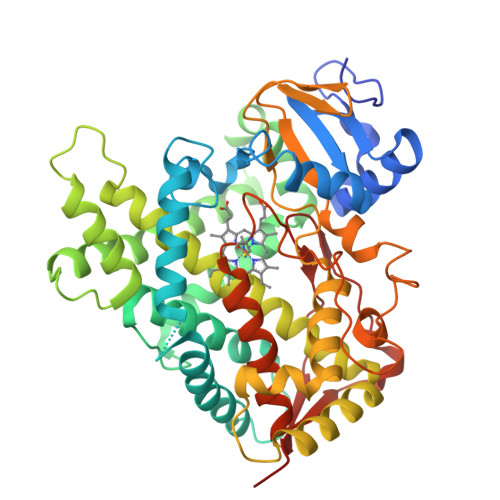
Cytochrome P450 2E1 structureClick to view 3D structureCytochrome P450 2E1P05181HumansKnownNot Available
Estrogen receptor structureClick to view 3D structureEstrogen receptorP03372HumansKnownNot Available
Gasdermin-D structureClick to view 3D structureGasdermin-DP57764HumansKnownNot Available
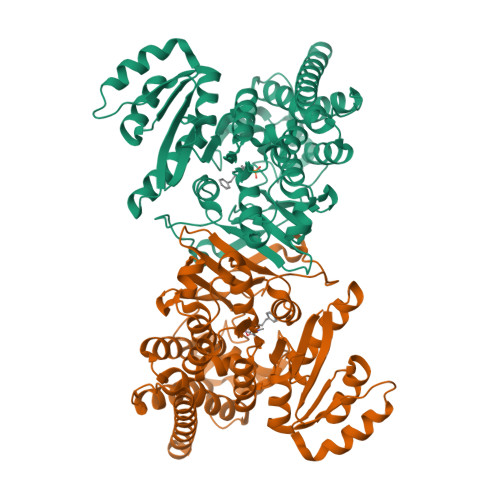
Click to view 3D structureChymotrypsin-like elastase family member 1Q9UNI1HumansKnownNot Available
Renin structureClick to view 3D structureReninP00797HumansKnownNot Available
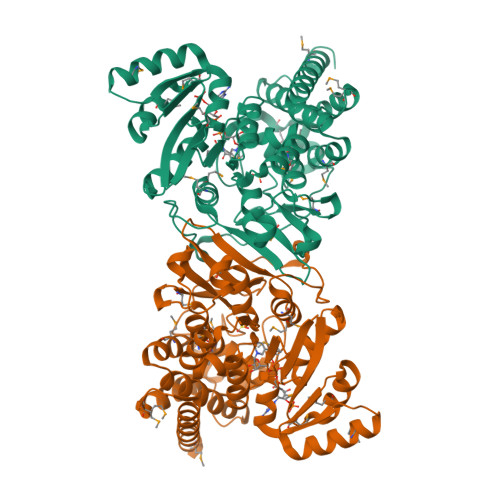
Aldehyde dehydrogenase, mitochondrial structureClick to view 3D structureAldehyde dehydrogenase, mitochondrialP05091HumansKnownWhile the mechanism of action of dimethyl formamide has not bee fully elucidated, thiocarbamate pesticides have been shown to inhibit aldehyde dehydrogenases. (A2459)
Concentrations
Not Available
External Links
DrugBank IDDB01844
HMDB IDHMDB0001888
FooDB IDFDB004724
Phenol Explorer IDNot Available
KNApSAcK IDNot Available
BiGG IDNot Available
BioCyc IDCPD-581
METLIN IDNot Available
PDB IDNot Available
Wikipedia LinkDimethylformamide
Chemspider ID5993
ChEBI ID17741
PubChem Compound ID6228
Kegg Compound IDC03134
YMDB IDYMDB01396
ECMDB IDM2MDB005291
References
Synthesis Reference

Masao Saito, Kinichi Mizuno, Yuzi Onda, Tetsuo Aoyama, Kumiko Kato, “Process for producing dimethylformamide.” U.S. Patent US4218398, issued August, 1933.

MSDSLink
General References
  1. Hart BW, Faiman MD: Inhibition of rat liver low Km aldehyde dehydrogenase by thiocarbamate herbicides. Occupational implications. Biochem Pharmacol. 1995 Jan 18;49(2):157-63. [PubMed: 7840792]
  2. Shieh DB, Chen CC, Shih TS, Tai HM, Wei YH, Chang HY: Mitochondrial DNA alterations in blood of the humans exposed to N,N-dimethylformamide. Chem Biol Interact. 2007 Feb 20;165(3):211-9. Epub 2006 Dec 20. [PubMed: 17254560]
  3. Redlich CA, Beckett WS, Sparer J, Barwick KW, Riely CA, Miller H, Sigal SL, Shalat SL, Cullen MR: Liver disease associated with occupational exposure to the solvent dimethylformamide. Ann Intern Med. 1988 May;108(5):680-6. [PubMed: 3358569]
  4. International Agency for Research on Cancer (2014). IARC Monographs on the Evaluation of Carcinogenic Risks to Humans. - http://monographs.iarc.fr/index.php
  5. Wikipedia. Dimethylformamide. Last Updated 12 June 2009. - http://en.wikipedia.org/wiki/Dimethyl_formamide
  6. International Programme on Chemical Safety (IPCS) INCHEM (1998). Environmental Health Criteria for Dimethylformamide. - http://www.inchem.org/documents/ehc/ehc/ehc114.htm
  7. Lewis RJ (1996). Sax's Dangerous Properties of Industrial Materials. 9th ed. Volumes 1-3. New York, NY: Van Nostrand Reinhold.
  8. Rumack BH (2009). POISINDEX(R) Information System. Englewood, CO: Micromedex, Inc. CCIS Volume 141, edition expires Aug, 2009.