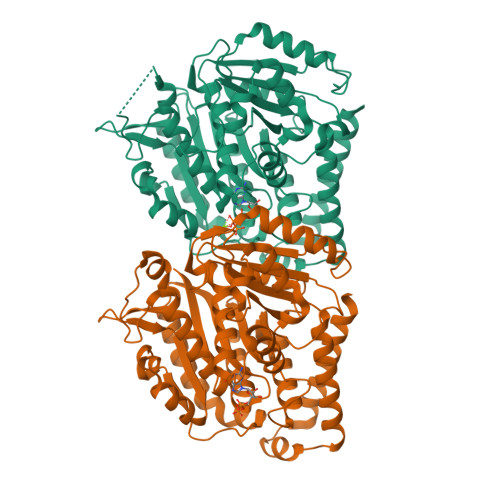
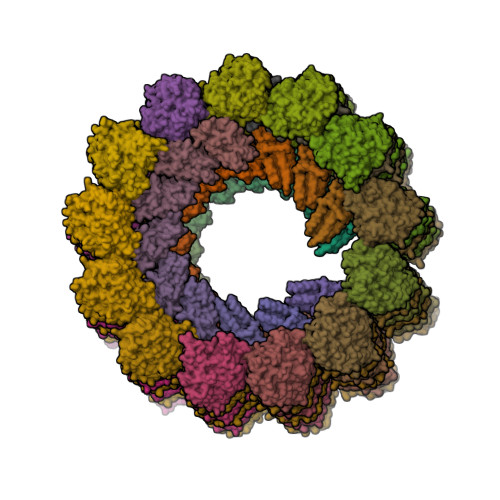
Sodium dimethylarsinate (CED0006521)

Record Information
Version1.0
Creation Date2009-03-06 18:58:31 UTC
Update Date2026-04-05 17:35:41 UTC
SynCED IDCED0006521
Secondary Accession Numbers
  • CHEM000266
  • T3D0317
Identification
Common NameSodium dimethylarsinate
ClassSmall Molecule
Description
Sodium dimethylarsinate is a solid organometallic compound with the formula C2H6AsNaO2 and an average molecular weight of 159.98 g/mol. Sodium dimethylarsinate belongs to the organoarsenic compounds, a subclass of organometalloid compounds within the organic compounds. This exogenous substance is used as a chemical buffer and as an herbicide. It has been released from several recorded sources, including electrical and electronic equipment such as amplifiers, antennas, and adjustable resistors, as well as building and construction materials including floors, ceilings, roofs, fencing, and ladders. The compound interacts with 32 recorded protein targets. Arsenic binds to hemoglobin subunits alpha (HBA1) and beta (HBB), the estrogen receptor (ESR1), the glucocorticoid receptor (NR3C1), and actin proteins including ACTA1, ACTA2, ACTB, and ACTG1. It also binds to haptoglobin and an unnamed protein where the binding of XPA is believed to induce carcinogenesis by affecting DNA repair. Arsenic binds glutathione reductase (GSR), resulting in cytotoxicity, alteration of cellular redox status, and the inhibition of essential biochemical reactions. Furthermore, arsenic disrupts ATP production by inhibiting pyruvate dehydrogenase—specifically the mitochondrial components PDHA1, PDHA2, PDHB, and DLAT—and by competing with phosphate to uncouple oxidative phosphorylation. These mechanisms inhibit mitochondrial respiration, ATP synthesis, and the energy-linked reduction of NAD+, while increasing the production of hydrogen peroxide, which may lead to oxidative stress and the formation of reactive oxygen species.
Contaminant Type
  • Arsenic Compound
  • Household Toxin
  • Organic Compound
  • Organometallic
  • Pesticide
  • Synthetic Compound
Chemical Structure
Synonyms
ValueSource
((Dimethylarsino)oxy)sodium as-oxideChEBI
((Dimethylarsino)oxy)sodium-as-oxideChEBI
Cacodylate de sodiumChEBI
Cacodylic acid sodium saltChEBI
Dimethylarsinic acid sodium saltChEBI
Hydroxydimethylarsine oxide, sodium saltChEBI
Sodium cacodylateChEBI
Sodium dimethyl arsinateChEBI
Sodium dimethyl arsonideChEBI
Sodium salt OF cacodylic acidChEBI
Cacodylic acid de sodiumGenerator
Cacodylate sodium saltGenerator
Dimethylarsinate sodium saltGenerator
Sodium cacodylic acidGenerator
Sodium dimethyl arsinic acidGenerator
Sodium salt OF cacodylateGenerator
Sodium dimethylarsinic acidGenerator
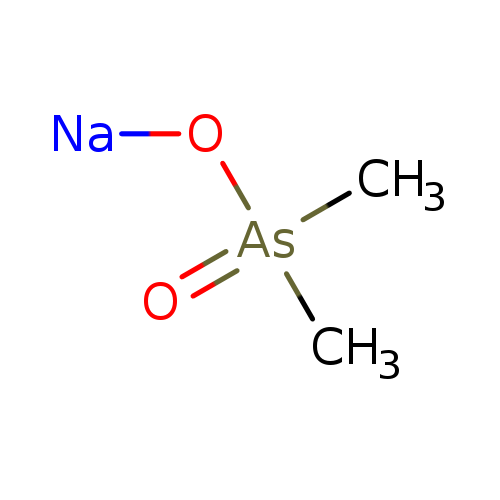
Chemical FormulaC2H6AsNaO2
Average Molecular Mass159.979 g/mol
Monoisotopic Mass159.948 g/mol
CAS Registry Number124-65-2
IUPAC Namesodium dimethylarsinate
Traditional Namecacodylic acid sodium salt
SMILESC[As](C)(=O)O[Na]
InChI IdentifierInChI=1S/C2H7AsO2.Na/c1-3(2,4)5;/h1-2H3,(H,4,5);/q;+1/p-1
InChI KeyIHQKEDIOMGYHEB-UHFFFAOYSA-M
Chemical Taxonomy
Description Belongs to the class of organic compounds known as pentaorganoarsanes. These are organoarsenic compounds containing an arsenic compound that is pentasubstituted by only organic groups.
KingdomOrganic compounds
Super ClassOrganometallic compounds
ClassOrganometalloid compounds
Sub ClassOrganoarsenic compounds
Direct ParentPentaorganoarsanes
Alternative Parents
Substituents
  • Pentaorganoarsane
  • Alkylarsine oxide
  • Oxygen-containing organoarsenic compound
  • Organic alkali metal salt
  • Organic metalloid salt
  • Organic oxygen compound
  • Organopnictogen compound
  • Organic oxide
  • Hydrocarbon derivative
  • Organic sodium salt
  • Organic salt
  • Aliphatic acyclic compound
Molecular FrameworkAliphatic acyclic compounds
External Descriptors
Biological Properties
StatusDetected and Not Quantified
OriginExogenous
Cellular Locations
  • Cytoplasm
  • Extracellular
Biofluid LocationsNot Available
Tissue LocationsNot Available
Applications
Biological RolesNot Available
Chemical Roles
Organoleptic EffectsNot Available
Physical Properties
StateSolid
AppearanceColorless or light yellow solid.
Experimental Properties
PropertyValue
Melting Point200°C
Boiling PointNot Available
Solubility2000 mg/mL at 25°C [TOMLIN,C (1997)]
Predicted Properties
PropertyValueSource
Water Solubility81.5 g/LALOGPS
logP0.02ALOGPS
logP0.68ChemAxon
logS-0.29ALOGPS
pKa (Strongest Basic)-4ChemAxon
Physiological Charge0ChemAxon
Hydrogen Acceptor Count1ChemAxon
Hydrogen Donor Count0ChemAxon
Polar Surface Area26.3 ŲChemAxon
Rotatable Bond Count1ChemAxon
Refractivity14.68 m³·mol⁻¹ChemAxon
Polarizability10.7 ųChemAxon
Number of Rings0ChemAxon
BioavailabilityYesChemAxon
Rule of FiveYesChemAxon
Ghose FilterNoChemAxon
Veber's RuleYesChemAxon
MDDR-like RuleNoChemAxon
Spectra
Spectra
Spectrum TypeDescriptionSplash KeyDeposition DateView
Predicted LC-MS/MSPredicted LC-MS/MS Spectrumsplash10-03di-0900000000-0993c0623dab9641a32fNot AvailableView Spectrum
Predicted LC-MS/MSPredicted LC-MS/MS Spectrumsplash10-03di-1900000000-0876109ccae392548437Not AvailableView Spectrum
Predicted LC-MS/MSPredicted LC-MS/MS Spectrumsplash10-03dr-2900000000-b84793119de751f7f518Not AvailableView Spectrum
Predicted LC-MS/MSPredicted LC-MS/MS Spectrumsplash10-052f-0900000000-2db0d3913727a956a23dNot AvailableView Spectrum
Predicted LC-MS/MSPredicted LC-MS/MS Spectrumsplash10-0aor-9800000000-07ad2a14b539ac838bc2Not AvailableView Spectrum
Predicted LC-MS/MSPredicted LC-MS/MS Spectrumsplash10-066u-0900000000-3649cea90d2cd4061c46Not AvailableView Spectrum
Toxicity Profile
Toxicity Values
Toxicity ValueOrganismDose DescriptorRoute of ExposurePredicted or ExperimentalToxicity RatingReference
2600.0 mg/kg RatLD50OralexperimentalNot AvailableNot Available
Toxicity / Toxin ClassNot Available
Mechanism of ToxicityArsenic and its metabolites disrupt ATP production through several mechanisms. At the level of the citric acid cycle, arsenic inhibits pyruvate dehydrogenase and by competing with phosphate it uncouples oxidative phosphorylation, thus inhibiting energy-linked reduction of NAD+, mitochondrial respiration, and ATP synthesis. Hydrogen peroxide production is also increased, which might form reactive oxygen species and oxidative stress. Arsenic's carcinogenicity is influenced by the arsenical binding of tubulin, which results in aneuploidy, polyploidy and mitotic arrests. The binding of other arsenic protein targets may also cause altered DNA repair enzyme activity, altered DNA methylation patterns and cell proliferation. (7, 1)
Carcinogenicity (IARC Classification)3, not classifiable as to its carcinogenicity to humans. (6)
Minimum Risk LevelAcute Oral: 0.005 mg/kg/day (5) Chronic Oral: 0.0003 mg/kg/day (5) Chronic Inhalation: 0.01 mg/m3 (5)
SymptomsInitial signs and symptoms of arsenic ingestion include burning lips, throat constriction and dysphagia, followed by excruciating abdominal pain, hemorrhagic gastritis, gastroenteritis, severe nausea, projectile voting, profuse "rice water-like" diarrhea, with hypovolemia that may result in hypotension and an irregular pulse. The sequence of chronic poisoning involves weakness, anorexia, hepatomegaly, jaundice, and gastrointestinal complaints, followed by conjunctivitis, irritation of the throat and respiratory tract. ther effects of chronic exposure include conjunctivitis with irritation and lacrimation; hair, skin and nail changes; hyperkeratosis of feet and hands; and melanosis, with pigment spots in corneal and conjunctival epithelium. Peripheral nervous system symptoms may include numbness, burning, and tingling of the hands and feet; pain; paresthesias; tenderness (8).
TreatmentAggressive decontamination with gastric lavage is recommended if the patient has consumed a potentially life-threatening dose and if the patient is not vomiting. Administer charcoal as a slurry (8).
Health Effects
Health EffectRelationshipDirectionDescriptionReference
Exposure Sources
Source IDSourceSectorReference
CEDs000010Insecticides?Insecticides are synthetic chemicals designed to control or eliminate insect pests that threaten crops and other agricultural products.Agriculture & land managementPubChem
CEDs000233Brushes?Brushes used in personal care and cosmetics can be a source of synthetic chemical contamination due to the materials and coatings used in their manufacturing.Personal care & cosmeticsPubChem
CEDs000495Ceilings?Ceilings in built environments can be a source of synthetic chemical contamination due to the materials used in their construction and finishes.Building & ConstructionPubChem
CEDs000496Fencing?Fencing materials, particularly those used in construction and landscaping, can be a source of synthetic chemical contamination due to the treatments and coatings applied for durability and weather resistance.Building & ConstructionPubChem
CEDs000497Floors?Floors in built environments can be a significant source of synthetic chemical contamination due to the materials and finishes used in their construction.Building & ConstructionPubChem
CEDs000498Ladders?Ladders, commonly used in various construction and maintenance activities, can become a source of synthetic chemical contamination due to the materials and coatings applied during their manufacture and use.Building & ConstructionPubChem
CEDs000499Roofs?Roofs can be a significant source of synthetic chemical contamination due to the materials used in their construction and maintenance.Building & ConstructionPubChem
CEDs000500Stairs And Ramps?Stairs and ramps in construction are often treated with various synthetic chemicals to enhance durability, slip resistance, and weather resistance.Building & ConstructionPubChem
CEDs000501Sunshades Awnings Or Outside Screens?Sunshades, awnings, and outside screens are often constructed using synthetic materials such as polyvinyl chloride (PVC), polyester, or acrylic fabrics.Building & ConstructionPubChem
CEDs000502Sunshades Awnings Or Outside Screens?Sunshades, awnings, and outside screens are commonly used in construction to enhance energy efficiency and provide shade.Building & ConstructionPubChem
CEDs000503Tents Or Canopies?Tents and canopies used in various applications can be a source of synthetic chemical contamination primarily due to the materials from which they are made.Building & ConstructionPubChem
CEDs000504Adjustable Resistors?Adjustable resistors, commonly used in various electronic devices, can contribute to synthetic chemical contamination through the materials and substances used in their manufacturing and disposal.Electrical & Electronic EquipmentPubChem
CEDs000505Amplifiers?Amplifiers, commonly used in various electronic devices to enhance signal strength, can be a source of synthetic chemical contamination due to the materials and processes involved in their production and disposal.Electrical & Electronic EquipmentPubChem
CEDs000506Antennas?Antennas, commonly used in communication technologies, can be a source of synthetic chemical contamination through the materials and coatings used in their construction.Electrical & Electronic EquipmentPubChem
CEDs000511Conductors Or Conductive Bodies Characterised By The Conductive Materials?Conductors, or conductive bodies, are materials that allow the flow of electrical current, typically made from metals such as copper, aluminum, or silver.Electrical & Electronic EquipmentPubChem
CEDs000514Discharge Lamps?Discharge lamps, including fluorescent and high-intensity discharge (HID) lamps, are commonly used for lighting applications due to their energy efficiency and brightness.Electrical & Electronic EquipmentPubChem
CEDs000517Electric Switches?Electric switches, integral components in numerous devices, can be a source of synthetic chemical contamination due to the materials and manufacturing processes involved in their production.Electrical & Electronic EquipmentPubChem
CEDs000518Electrically Stimulated Smoking Devices?Electrically stimulated smoking devices, commonly known as e-cigarettes or vape pens, utilize electrical components to heat a liquid solution, often containing nicotine, flavorings, and other additives, to produce an aerosol for inhalation.Electrical & Electronic EquipmentPubChem
CEDs000519Electrodes?Electrodes, used in various electrical and electronic applications, can be a source of synthetic chemical contamination due to the materials from which they are constructed and the processes involved in their manufacturing.Electrical & Electronic EquipmentPubChem
CEDs000521Fixed Capacitors And Their Manufacture?Fixed capacitors are passive electronic components used to store and release electrical energy, playing a critical role in various circuits.Electrical & Electronic EquipmentPubChem
CEDs000524Hybrid Capacitors?Hybrid capacitors are energy storage devices that combine the properties of electrolytic and supercapacitors, utilizing a combination of electrochemical principles to achieve higher energy density and power density.Electrical & Electronic EquipmentPubChem
CEDs000530Radio Transmission Systems?Radio transmission systems utilize a variety of synthetic chemicals in their manufacturing and maintenance processes.Electrical & Electronic EquipmentPubChem
CEDs000537Television Systems?Television systems can be a source of synthetic chemical contamination due to the various materials and components used in their manufacture and operation.Electrical & Electronic EquipmentPubChem
CEDs000545Food Preservation?Food preservation often involves the use of synthetic chemicals, such as preservatives, flavor enhancers, and color additives, to extend shelf life and enhance the sensory qualities of food products.Food, food processing & cookwarePubChem
CEDs000556Cigar Cigarettes?Cigar cigarettes are a source of synthetic chemical contamination due to the combustion of various tobacco blends and additives.Household cleaning & consumer productsPubChem
CEDs000561Perfumes Within Detergents And Soaps?Perfumes within detergents and soaps are synthetic fragrance compounds added to enhance the sensory experience of cleaning products.Household cleaning & consumer productsPubChem
CEDs000563Soap Detergents?Soap detergents are synthetic surfactants designed to enhance the cleaning efficacy of water by reducing surface tension, allowing for better interaction with dirt and grease.Household cleaning & consumer productsPubChem
CEDs000569Tobacco Smoke Filters?Tobacco smoke filters are designed to reduce the inhalation of harmful substances in cigarette smoke, including tar and other particulate matter.Household cleaning & consumer productsPubChem
CEDs000580Manufacture Preparation Of Tobacco Products?The manufacture and preparation of tobacco products involve various processes that can result in the introduction of synthetic chemicals into the environment.Industrial manufacturing & chemical processingPubChem
CEDs000581Paper Making Machines?Paper making machines utilize various synthetic chemicals throughout the production process, including additives, coatings, and bleaching agents.Industrial manufacturing & chemical processingPubChem
CEDs000595Ships?Ships, as vehicles for international trade and transportation, can be significant sources of synthetic chemical contamination in marine environments.Marine, shipping & aquaculturePubChem
CEDs000596Acaricides?Acaricides are synthetic chemicals specifically designed to target and control mite populations that can damage crops and plants.Agriculture & land managementPubChem
CEDs000600Herbicides And Algicides?Herbicides and algicides are synthetic chemicals primarily used to control unwanted plants and algae in various environments.Agriculture & land managementPubChem
CEDs000602Molluscicides?Molluscicides are synthetic chemicals specifically designed to control and eliminate mollusks, such as snails and slugs, which can be detrimental to crops and agricultural productivity.Agriculture & land managementPubChem
CEDs000603Nematocides?Nematocides are synthetic chemicals specifically designed to control nematodes, which are microscopic roundworms that can cause significant damage to crops and plants.Agriculture & land managementPubChem
CEDs000604Pest Attractants?Pest attractants are synthetic chemicals designed to lure specific pests for monitoring or control purposes.Agriculture & land managementPubChem
CEDs000605Pest Repellants?Pest repellents, often formulated from synthetic chemicals, are widely used to protect crops from insect infestations and other pests.Agriculture & land managementPubChem
CEDs000606Plant Growth Regulators?Plant Growth Regulators (PGRs) are synthetic chemicals designed to influence the growth and development of plants.Agriculture & land managementPubChem
CEDs000610Aftersun Products?Aftersun products are designed to soothe and hydrate the skin after sun exposure, often containing various synthetic chemicals such as emollients, preservatives, and fragrances.Personal care & cosmeticsPubChem
CEDs000614Essential Oils Or Perfumes?Essential oils and perfumes are complex mixtures of volatile compounds derived from natural or synthetic sources, commonly used for their aromatic properties.Personal care & cosmeticsPubChem
CEDs000630Toys?Toys, particularly those made from synthetic materials such as plastics, can be a source of chemical contamination due to the presence of various additives and compounds used in their production.Recreation & sports surfacesPubChem
CEDs000632Apparel?Apparel production often involves the use of various synthetic chemicals, including dyes, finishing agents, and preservatives.Textiles, leather & furnishingsPubChem
CEDs000642Footwear?Footwear production often involves the use of various synthetic chemicals, such as adhesives, dyes, and treatments, which can contribute to environmental contamination.Textiles, leather & furnishingsPubChem
CEDs000650Purses Luggage Hand Bags?Purses, luggage, and handbags are often manufactured using synthetic materials such as polyvinyl chloride (PVC), polyurethane, and various types of nylon.Textiles, leather & furnishingsPubChem
CEDs000662Yarns Or Threads?Yarns or threads used in textiles can be a source of synthetic chemical contamination due to the production processes and treatments they undergo.Textiles, leather & furnishingsPubChem
CEDs000665Fire Extinguishers?Fire extinguishers contain various synthetic chemicals designed to suppress flames and prevent the spread of fire.Fire suppression systems & agentsPubChem
CEDs000671Airplanes And Helicopters?Airplanes and helicopters are significant sources of synthetic chemical contamination primarily through the use of aviation fuels, lubricants, and de-icing agents.Aviation & AerospacePubChem
CEDs000672Light Than Air Aircraft?Light than air aircraft, such as dirigibles and airships, utilize lifting gases like helium or hydrogen for buoyancy.Aviation & AerospacePubChem
CEDs000673Unmanned Aerial Vehicles?Unmanned Aerial Vehicles (UAVs), commonly known as drones, utilize various synthetic chemicals in their manufacturing, operation, and maintenance processes.Aviation & AerospacePubChem
CEDs000678Nitrogenous Fertilisers?Nitrogenous fertilizers are synthetic chemical compounds primarily used to enhance plant growth by supplying essential nitrogen, a crucial nutrient for photosynthesis and protein synthesis.Agriculture & land managementPubChem
CEDs000679Phosphatic Fertilisers?Phosphatic fertilizers are synthetic chemical products primarily composed of phosphorus, which is essential for plant growth.Agriculture & land managementPubChem
CEDs000684Cements?Cements are a composite material primarily used as a binding agent in construction applications, formed by the calcination of limestone and clay minerals at high temperatures.Building & ConstructionPubChem
CEDs000685Ceramics?Ceramics can be a source of synthetic chemical contamination through various additives and processing agents used in their production.Building & ConstructionPubChem
CEDs000686Clay Wares?Clay wares are ceramic products made from natural clay, often utilized in various construction applications such as tiles, bricks, and sanitary ware.Building & ConstructionPubChem
CEDs000688Glass Coatings?Glass coatings are synthetic chemical formulations applied to glass surfaces to enhance properties such as durability, UV resistance, and aesthetic appeal.Building & ConstructionPubChem
CEDs000692Silica Free Oxide Glass?Silica Free Oxide Glass is a type of glass that is produced using alternative materials to traditional silica-based formulations.Building & ConstructionPubChem
CEDs000693Silica Glass?Silica glass, primarily composed of silicon dioxide (SiO2), is widely used in various applications, including windows, glass facades, and insulation materials.Building & ConstructionPubChem
CEDs000694Cheese Making?Cheese making involves the fermentation of milk, utilizing bacteria and enzymes to coagulate proteins and develop flavor.Food, food processing & cookwarePubChem
CEDs000696Nanotechnology?Nanotechnology involves the manipulation of materials at the molecular or atomic level, typically within the range of 1 to 100 nanometers.Industrial manufacturing & chemical processingPubChem
CEDs000697Submarines?Submarines, while essential for military and research purposes, can be a source of synthetic chemical contamination due to their use of various industrial chemicals.Marine, shipping & aquaculturePubChem
CEDs000698Jewellery?Jewellery production often involves the use of various synthetic chemicals during the extraction and processing of metals.Mining & metal processingPubChem
CEDs000699Mining Or Quarrying?Mining and quarrying operations can lead to synthetic chemical contamination through the release of various pollutants associated with the extraction and processing of minerals.Mining & metal processingPubChem
CEDs000701Ventilation Of Mines Or Tunnels?Ventilation in mines or tunnels is essential for maintaining air quality and ensuring the safety of workers.Mining & metal processingPubChem
CEDs000702Blackboard Eraser?Blackboard erasers are commonly used tools for removing chalk from blackboards, and they often contain synthetic materials such as rubber, plastics, and adhesives.Paper, pulp & fiber productsPubChem
CEDs000705Bookbinding?Bookbinding involves the use of various synthetic chemicals, including adhesives, inks, and coatings, which can contribute to environmental contamination.Paper, pulp & fiber productsPubChem
CEDs000707Books?Books can be a source of synthetic chemical contamination due to the use of various chemicals in their production and preservation processes.Paper, pulp & fiber productsPubChem
CEDs000712Combination Pens?Combination pens, which typically contain both ink and additional functionalities such as highlighters or stylus tips, may contribute to synthetic chemical contamination primarily through their ink formulations and plastic components.Paper, pulp & fiber productsPubChem
CEDs000713Drawing Boards?Drawing boards are often used in design and drafting applications, where they may be coated or treated with various synthetic chemicals to enhance durability, smoothness, or water resistance.Paper, pulp & fiber productsPubChem
CEDs000714Embossing Machines?Embossing machines are industrial devices used to create raised patterns or designs on materials, including paper and fiber products.Paper, pulp & fiber productsPubChem
CEDs000716Erasers?Erasers, commonly used in writing and drawing applications, are often made from synthetic rubber or thermoplastic materials, which can contain various additives such as plasticizers, fillers, and colorants.Paper, pulp & fiber productsPubChem
CEDs000717Fountain Pens?Fountain pens utilize a liquid ink that often contains synthetic chemicals, including dyes, pigments, and solvents, which can contribute to environmental contamination.Paper, pulp & fiber productsPubChem
CEDs000718Ink Receptacles?Ink receptacles, commonly utilized in printing processes, can be a source of synthetic chemical contamination due to the solvents, pigments, and additives contained within the inks.Paper, pulp & fiber productsPubChem
CEDs000719Ink Reservoir Pens?Ink reservoir pens are writing instruments that contain a reservoir filled with ink, often made from synthetic dyes and solvents.Paper, pulp & fiber productsPubChem
CEDs000720Ink Reservoir Pens2?Ink reservoir pens are writing instruments that utilize a reservoir to store ink, which is often composed of synthetic dyes, solvents, and additives.Paper, pulp & fiber productsPubChem
CEDs000723Newspapers?Newspapers are printed on paper that may contain various synthetic chemicals, including inks, dyes, and coatings used in the printing process.Paper, pulp & fiber productsPubChem
CEDs000724Pencil Sharpener?A pencil sharpener, commonly used in various settings for maintaining the sharpness of pencils, can be a source of synthetic chemical contamination primarily through the materials from which it is constructed.Paper, pulp & fiber productsPubChem
CEDs000727Printing Machines Or Presses?Printing machines or presses commonly utilize synthetic chemicals such as inks, solvents, and cleaning agents.Paper, pulp & fiber productsPubChem
CEDs000729Stamps?Stamps, particularly those produced using synthetic inks and adhesives, can contribute to chemical contamination when disposed of improperly.Paper, pulp & fiber productsPubChem
CEDs000732Spectacle Cases?Spectacle cases can serve as a source of synthetic chemical contamination due to the materials used in their production, such as polycarbonate, PVC, and various plastics, which may leach harmful substances over time.Healthcare, pharmaceuticals & veterinary productsPubChem
CEDs000733Walking Sticks?Walking sticks, while primarily designed for mobility assistance, can be sources of synthetic chemical contamination if not properly manufactured or maintained.Healthcare, pharmaceuticals & veterinary productsPubChem
CEDs000734Coating Compositions?Coating compositions, which include paints, sealants, and varnishes, are formulated with a variety of synthetic chemicals such as solvents, resins, pigments, and additives.Building & ConstructionPubChem
CEDs000735Explosives?Explosives are chemical compounds or mixtures designed to undergo rapid decomposition, releasing energy in the form of gas and heat.Defense & military infrastructurePubChem
CEDs000739Inks?Inks are complex mixtures composed of pigments or dyes, solvents, resins, and additives used primarily for printing and writing applications.Paper, pulp & fiber productsPubChem
CEDs000740Paper?Paper production involves the processing of wood fibers and the use of various chemicals, which can lead to synthetic chemical contamination.Paper, pulp & fiber productsPubChem
CEDs000742Leather Tanning?Leather tanning is a process that transforms raw animal hides into durable leather through the application of various chemicals, including chromium salts, aldehydes, and vegetable tannins.Textiles, leather & furnishingsPubChem
CEDs000743Sludge Treatment?Sludge treatment involves the processing of waste materials generated from wastewater treatment plants, which often contain a variety of organic and inorganic substances.Wastewater, sanitation & biosolidsPubChem
CEDs000744Water, Wastewater, & Sewage Treatment?Water, wastewater, and sewage treatment processes are critical for managing and mitigating pollutants in water systems.Wastewater, sanitation & biosolidsPubChem
Pathways
0 pathwaysPathway Source: PathBank

No pathways found

No metabolic pathways have been associated with this synthetic chemical

Targets
StructureProteinUniProt IDOrganismRelationshipDetails
NADPH--cytochrome P450 reductase structureClick to view 3D structureNADPH--cytochrome P450 reductaseP16435HumansPredicted (SEA)
Prediction Confidence Score
0.125
Applicability Domain
0.125 Low confidence
Statistical Significance
0.0793
Supporting Reference Compounds
1
E-value
617.344
Click to view 3D structureEquilibrative nucleoside transporter 2O54699Rattus norvegicusPredicted (SEA)
Prediction Confidence Score
0.119
Applicability Domain
0.119 Low confidence
Statistical Significance
0.4543
Supporting Reference Compounds
1
E-value
3536.38
Carbonic anhydrase 2 structureClick to view 3D structureCarbonic anhydrase 2P00918HumansPredicted (SEA)
Prediction Confidence Score
0.111
Applicability Domain
0.125 Low confidence
Statistical Significance
0.9996
Supporting Reference Compounds
472
E-value
7781.5
Carbonic anhydrase 1 structureClick to view 3D structureCarbonic anhydrase 1P00915HumansPredicted (SEA)
Prediction Confidence Score
0.11
Applicability Domain
0.125 Low confidence
Statistical Significance
0.9994
Supporting Reference Compounds
407
E-value
7780.48
Fructose-bisphosphate aldolase class 2 structureClick to view 3D structureFructose-bisphosphate aldolase class 2P0AB71Escherichia coli (strain K12)Predicted (SEA)
Prediction Confidence Score
0.107
Applicability Domain
0.107 Low confidence
Statistical Significance
0.0541
Supporting Reference Compounds
1
E-value
421.086
3-isopropylmalate dehydrogenase structureClick to view 3D structure3-isopropylmalate dehydrogenaseQ5SIY4Thermus thermophilusPredicted (SEA)
Prediction Confidence Score
0.107
Applicability Domain
0.107 Low confidence
Statistical Significance
0.017
Supporting Reference Compounds
1
E-value
132.032
Amine oxidase [flavin-containing] B structureClick to view 3D structureAmine oxidase [flavin-containing] BP27338HumansPredicted (SEA)
Prediction Confidence Score
0.104
Applicability Domain
0.118 Low confidence
Statistical Significance
0.9992
Supporting Reference Compounds
315
E-value
7778.38
Click to view 3D structure1-deoxy-D-xylulose-5-phosphate synthaseB7UJP3Escherichia coli O127:H6 (strain E2348/69 / EPEC)Predicted (SEA)
Prediction Confidence Score
0.104
Applicability Domain
0.111 Low confidence
Statistical Significance
0.0897
Supporting Reference Compounds
2
E-value
698.541
Nuclear factor erythroid 2-related factor 2 structureClick to view 3D structureNuclear factor erythroid 2-related factor 2Q16236HumansPredicted (SEA)
Prediction Confidence Score
0.104
Applicability Domain
0.143 Low confidence
Statistical Significance
0.8722
Supporting Reference Compounds
19
E-value
6789.93
Carbonic anhydrase 14 structureClick to view 3D structureCarbonic anhydrase 14Q9ULX7HumansPredicted (SEA)
Prediction Confidence Score
0.104
Applicability Domain
0.114 Low confidence
Statistical Significance
0.9984
Supporting Reference Compounds
172
E-value
7772.31
Click to view 3D structureCannabinoid receptor 1P20272Rattus norvegicusPredicted (SEA)
Prediction Confidence Score
0.102
Applicability Domain
0.114 Low confidence
Statistical Significance
0.9975
Supporting Reference Compounds
83
E-value
7765.62
Carbonic anhydrase 9 structureClick to view 3D structureCarbonic anhydrase 9Q16790HumansPredicted (SEA)
Prediction Confidence Score
0.102
Applicability Domain
0.114 Low confidence
Statistical Significance
0.9998
Supporting Reference Compounds
372
E-value
7783.37
Carbonic anhydrase 7 structureClick to view 3D structureCarbonic anhydrase 7P43166HumansPredicted (SEA)
Prediction Confidence Score
0.102
Applicability Domain
0.114 Low confidence
Statistical Significance
0.9993
Supporting Reference Compounds
242
E-value
7779.47
Carbonic anhydrase 12 structureClick to view 3D structureCarbonic anhydrase 12O43570HumansPredicted (SEA)
Prediction Confidence Score
0.102
Applicability Domain
0.114 Low confidence
Statistical Significance
0.9996
Supporting Reference Compounds
332
E-value
7782.12
Muscarinic acetylcholine receptor M1 structureClick to view 3D structureMuscarinic acetylcholine receptor M1P11229HumansPredicted (SEA)
Prediction Confidence Score
0.102
Applicability Domain
0.111 Low confidence
Statistical Significance
0.9998
Supporting Reference Compounds
385
E-value
7783.37
Muscarinic acetylcholine receptor M5 structureClick to view 3D structureMuscarinic acetylcholine receptor M5P08912HumansPredicted (SEA)
Prediction Confidence Score
0.102
Applicability Domain
0.111 Low confidence
Statistical Significance
0.9997
Supporting Reference Compounds
266
E-value
7782.51
Click to view 3D structureTransient receptor potential cation channel subfamily A member 1Q6RI86Rattus norvegicusPredicted (SEA)
Prediction Confidence Score
0.101
Applicability Domain
0.118 Low confidence
Statistical Significance
0.9976
Supporting Reference Compounds
56
E-value
7766.16
Muscarinic acetylcholine receptor M2 structureClick to view 3D structureMuscarinic acetylcholine receptor M2P08172HumansPredicted (SEA)
Prediction Confidence Score
0.101
Applicability Domain
0.111 Low confidence
Statistical Significance
0.9998
Supporting Reference Compounds
373
E-value
7783.52
Polyunsaturated fatty acid 5-lipoxygenase structureClick to view 3D structurePolyunsaturated fatty acid 5-lipoxygenaseP09917HumansPredicted (SEA)
Prediction Confidence Score
0.1
Applicability Domain
0.111 Low confidence
Statistical Significance
0.9991
Supporting Reference Compounds
182
E-value
7778.31
6-phosphogluconate dehydrogenase, decarboxylating structureClick to view 3D structure6-phosphogluconate dehydrogenase, decarboxylatingP00349Ovis ariesPredicted (SEA)
Prediction Confidence Score
0.1
Applicability Domain
0.103 Low confidence
Statistical Significance
0.1189
Supporting Reference Compounds
2
E-value
926.016
Transient receptor potential cation channel subfamily V member 1 structureClick to view 3D structureTransient receptor potential cation channel subfamily V member 1Q8NER1HumansPredicted (SEA)
Prediction Confidence Score
0.1
Applicability Domain
0.118 Low confidence
Statistical Significance
0.9993
Supporting Reference Compounds
104
E-value
7779.63
Muscarinic acetylcholine receptor M3 structureClick to view 3D structureMuscarinic acetylcholine receptor M3P20309HumansPredicted (SEA)
Prediction Confidence Score
0.099
Applicability Domain
0.111 Low confidence
Statistical Significance
0.9998
Supporting Reference Compounds
310
E-value
7783.29
Carbonic anhydrase 6 structureClick to view 3D structureCarbonic anhydrase 6P23280HumansPredicted (SEA)
Prediction Confidence Score
0.099
Applicability Domain
0.125 Low confidence
Statistical Significance
0.9992
Supporting Reference Compounds
151
E-value
7778.69
Matrix metalloproteinase-9 structureClick to view 3D structureMatrix metalloproteinase-9P14780HumansPredicted (SEA)
Prediction Confidence Score
0.099
Applicability Domain
0.108 Low confidence
Statistical Significance
0.9997
Supporting Reference Compounds
292
E-value
7782.28
Carbonic anhydrase 4 structureClick to view 3D structureCarbonic anhydrase 4P22748HumansPredicted (SEA)
Prediction Confidence Score
0.099
Applicability Domain
0.125 Low confidence
Statistical Significance
0.9995
Supporting Reference Compounds
193
E-value
7781.26
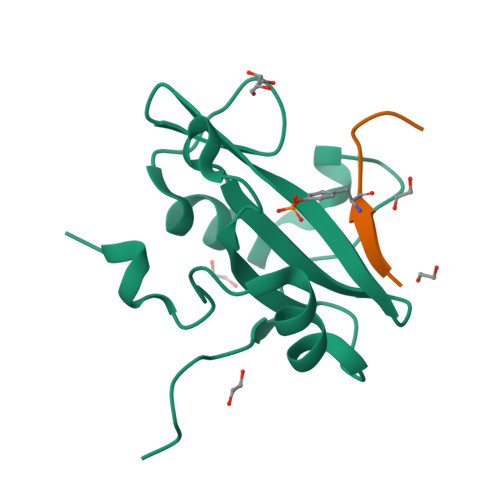
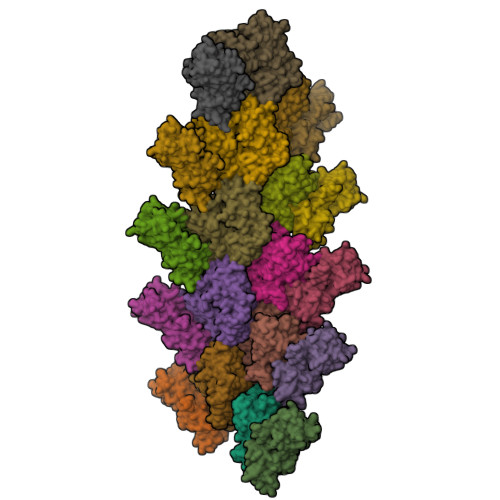
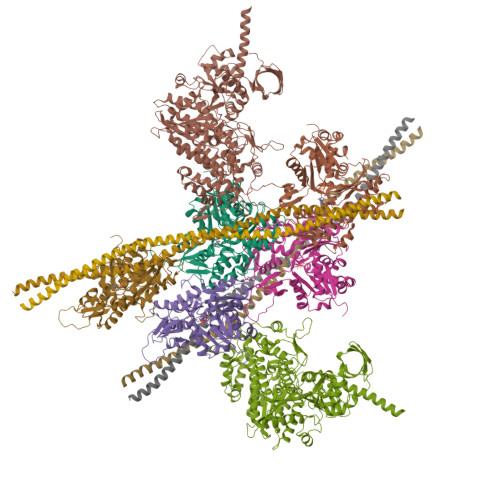
Actin, alpha skeletal muscle structureClick to view 3D structureActin, alpha skeletal muscleP68133HumansKnownArsenic binds to actin. (A16)
Click to view 3D structureActin, aortic smooth muscleP62736HumansKnownArsenic binds to actin. (A16)
Actin, cytoplasmic 1 structureClick to view 3D structureActin, cytoplasmic 1P60709HumansKnownArsenic binds to actin. (A16)
Actin, cytoplasmic 2 structureClick to view 3D structureActin, cytoplasmic 2P63261HumansKnownArsenic binds to actin. (A16)
Dihydrolipoyllysine-residue acetyltransferase component of pyruvate dehydrogenase complex, mitochondrial structureClick to view 3D structureDihydrolipoyllysine-residue acetyltransferase component of pyruvate dehydrogenase complex, mitochondrialP10515HumansKnownArsenic disrupts ATP production through several mechanisms. At the level of the citric acid cycle, arsenic inhibits pyruvate dehydrogenase and by competing with phosphate it uncouples oxidative phosphorylation, thus inhibiting energy-linked reduction of NAD+, mitochondrial respiration, and ATP synthesis. Hydrogen peroxide production is also increased, which might form reactive oxygen species and oxidative stress. (T1)
Estrogen receptor structureClick to view 3D structureEstrogen receptorP03372HumansKnownArsenic binds to the estrogen receptor. (A17)
Glucocorticoid receptor structureClick to view 3D structureGlucocorticoid receptorP04150HumansKnownArsenic binds to the glucocorticoid receptor. (A17)
Glutathione reductase, mitochondrial structureClick to view 3D structureGlutathione reductase, mitochondrialP00390HumansKnownArsenic binds glutathione reductase, which results in the inhibition of essential biochemical reactions, alteration of cellular redox status, and eventual cytotoxicity. (L2)
Hemoglobin subunit alpha structureClick to view 3D structureHemoglobin subunit alphaP69905HumansKnownArsenic binds to hemoglobin. (A15)
Hemoglobin subunit beta structureClick to view 3D structureHemoglobin subunit betaP68871HumansKnownArsenic binds to hemoglobin. (A15)
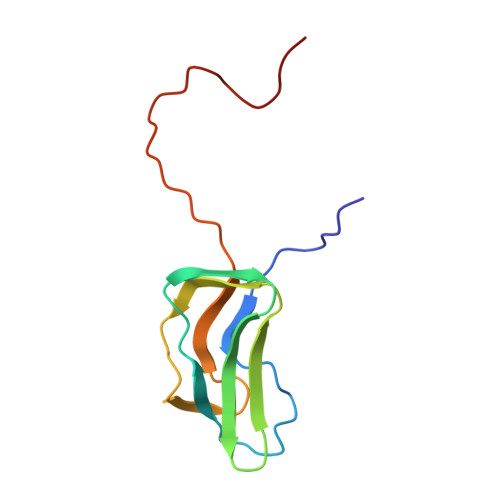
Kelch-like ECH-associated protein 1 structureClick to view 3D structureKelch-like ECH-associated protein 1Q14145HumansKnownArsenic binds to kelch-like ECH-associated protein 1. (A17)
Poly [ADP-ribose] polymerase 1 structureClick to view 3D structurePoly [ADP-ribose] polymerase 1P09874HumansKnownArsenic binding of PARP-1 is believed to induce carcinogenesis by affecting DNA repair. (A17)
Click to view 3D structureTubulin-like protein alpha-4BQ9H853HumansKnownArsenic's carginogenicity is believed to be caused by the arsenical binding of tubulin, which results in aneuploidy, polyploidy and mitotic arrests. (A17)
Pyruvate dehydrogenase E1 component subunit alpha, somatic form, mitochondrial structureClick to view 3D structurePyruvate dehydrogenase E1 component subunit alpha, somatic form, mitochondrialP08559HumansKnownArsenic disrupts ATP production through several mechanisms. At the level of the citric acid cycle, arsenic inhibits pyruvate dehydrogenase and by competing with phosphate it uncouples oxidative phosphorylation, thus inhibiting energy-linked reduction of NAD+, mitochondrial respiration, and ATP synthesis. Hydrogen peroxide production is also increased, which might form reactive oxygen species and oxidative stress. (T1)
Click to view 3D structurePyruvate dehydrogenase E1 component subunit alpha, testis-specific form, mitochondrialP29803HumansKnownArsenic disrupts ATP production through several mechanisms. At the level of the citric acid cycle, arsenic inhibits pyruvate dehydrogenase and by competing with phosphate it uncouples oxidative phosphorylation, thus inhibiting energy-linked reduction of NAD+, mitochondrial respiration, and ATP synthesis. Hydrogen peroxide production is also increased, which might form reactive oxygen species and oxidative stress. (T1)
Pyruvate dehydrogenase E1 component subunit beta, mitochondrial structureClick to view 3D structurePyruvate dehydrogenase E1 component subunit beta, mitochondrialP11177HumansKnownArsenic disrupts ATP production through several mechanisms. At the level of the citric acid cycle, arsenic inhibits pyruvate dehydrogenase and by competing with phosphate it uncouples oxidative phosphorylation, thus inhibiting energy-linked reduction of NAD+, mitochondrial respiration, and ATP synthesis. Hydrogen peroxide production is also increased, which might form reactive oxygen species and oxidative stress. (T1)
Thioredoxin reductase 1, cytoplasmic structureClick to view 3D structureThioredoxin reductase 1, cytoplasmicQ16881HumansKnownArsenic binds thioredoxin reductase, which results in the inhibition of essential biochemical reactions, alteration of cellular redox status, and eventual cytotoxicity. (L2)
Click to view 3D structureThioredoxin reductase 2, mitochondrialQ9NNW7HumansKnownArsenic binds thioredoxin reductase, which results in the inhibition of essential biochemical reactions, alteration of cellular redox status, and eventual cytotoxicity. (L2)
Tubulin alpha-1A chain structureClick to view 3D structureTubulin alpha-1A chainQ71U36HumansKnownArsenic's carginogenicity is believed to be caused by the arsenical binding of tubulin, which results in aneuploidy, polyploidy and mitotic arrests. (A17)
Tubulin alpha-1B chain structureClick to view 3D structureTubulin alpha-1B chainP68363HumansKnownArsenic's carginogenicity is believed to be caused by the arsenical binding of tubulin, which results in aneuploidy, polyploidy and mitotic arrests. (A17)
Click to view 3D structureTubulin alpha-1C chainQ9BQE3HumansKnownArsenic's carginogenicity is believed to be caused by the arsenical binding of tubulin, which results in aneuploidy, polyploidy and mitotic arrests. (A17)
Click to view 3D structureTubulin alpha-3E chainQ6PEY2HumansKnownArsenic's carginogenicity is believed to be caused by the arsenical binding of tubulin, which results in aneuploidy, polyploidy and mitotic arrests. (A17)
Click to view 3D structureTubulin alpha-4A chainP68366HumansKnownArsenic's carginogenicity is believed to be caused by the arsenical binding of tubulin, which results in aneuploidy, polyploidy and mitotic arrests. (A17)
Click to view 3D structureTubulin alpha-8 chainQ9NY65HumansKnownArsenic's carginogenicity is believed to be caused by the arsenical binding of tubulin, which results in aneuploidy, polyploidy and mitotic arrests. (A17)
Tubulin beta chain structureClick to view 3D structureTubulin beta chainP07437HumansKnownArsenic's carginogenicity is believed to be caused by the arsenical binding of tubulin, which results in aneuploidy, polyploidy and mitotic arrests. (A17)
Click to view 3D structureTubulin beta-1 chainQ9H4B7HumansKnownArsenic's carginogenicity is believed to be caused by the arsenical binding of tubulin, which results in aneuploidy, polyploidy and mitotic arrests. (A17)
Tubulin beta-2A chain structureClick to view 3D structureTubulin beta-2A chainQ13885HumansKnownArsenic's carginogenicity is believed to be caused by the arsenical binding of tubulin, which results in aneuploidy, polyploidy and mitotic arrests. (A17)
Tubulin beta-2B chain structureClick to view 3D structureTubulin beta-2B chainQ9BVA1HumansKnownArsenic's carginogenicity is believed to be caused by the arsenical binding of tubulin, which results in aneuploidy, polyploidy and mitotic arrests. (A17)
Tubulin beta-3 chain structureClick to view 3D structureTubulin beta-3 chainQ13509HumansKnownArsenic's carginogenicity is believed to be caused by the arsenical binding of tubulin, which results in aneuploidy, polyploidy and mitotic arrests. (A17)
Click to view 3D structureTubulin beta-4A chainP04350HumansKnownArsenic's carginogenicity is believed to be caused by the arsenical binding of tubulin, which results in aneuploidy, polyploidy and mitotic arrests. (A17)
Tubulin beta-4B chain structureClick to view 3D structureTubulin beta-4B chainP68371HumansKnownArsenic's carginogenicity is believed to be caused by the arsenical binding of tubulin, which results in aneuploidy, polyploidy and mitotic arrests. (A17)
Click to view 3D structureTubulin beta-6 chainQ9BUF5HumansKnownArsenic's carginogenicity is believed to be caused by the arsenical binding of tubulin, which results in aneuploidy, polyploidy and mitotic arrests. (A17)
Concentrations
Not Available
External Links
DrugBank IDNot Available
HMDB IDNot Available
FooDB IDNot Available
Phenol Explorer IDNot Available
KNApSAcK IDNot Available
BiGG IDNot Available
BioCyc IDNot Available
METLIN IDNot Available
PDB IDNot Available
Wikipedia LinkNot Available
Chemspider IDNot Available
ChEBI ID62956
PubChem Compound IDNot Available
Kegg Compound IDNot Available
YMDB IDNot Available
ECMDB IDNot Available
References
Synthesis ReferenceNot Available
MSDSNot Available
General References
  1. Kitchin KT, Wallace K: The role of protein binding of trivalent arsenicals in arsenic carcinogenesis and toxicity. J Inorg Biochem. 2008 Mar;102(3):532-9. doi: 10.1016/j.jinorgbio.2007.10.021. Epub 2007 Nov 22. [PubMed: 18164070]
  2. ATSDR - Agency for Toxic Substances and Disease Registry (2007). Toxicological profile for arsenic. U.S. Public Health Service in collaboration with U.S. Environmental Protection Agency (EPA). - http://www.atsdr.cdc.gov/toxprofiles/tp2.html
  3. Wikipedia. Arsenic toxicity. Last Updated 22 February 2009. - http://en.wikipedia.org/wiki/Arsenic_toxicity
  4. Wikipedia. Metallothionein. Last Updated 20 December 2008. - http://en.wikipedia.org/wiki/Metallothionein
  5. ATSDR - Agency for Toxic Substances and Disease Registry (2001). Minimal Risk Levels (MRLs) for Hazardous Substances. U.S. Public Health Service in collaboration with U.S. Environmental Protection Agency (EPA). - http://www.atsdr.cdc.gov/mrls/
  6. International Agency for Research on Cancer (2014). IARC Monographs on the Evaluation of Carcinogenic Risks to Humans. - http://monographs.iarc.fr/index.php
  7. Klaassen C and Watkins J (2003). Casarett and Doull's Essentials of Toxicology. New York, NY: McGraw-Hill.
  8. Rumack BH (2009). POISINDEX(R) Information System. Englewood, CO: Micromedex, Inc. CCIS Volume 141, edition expires Aug, 2009.