4-Chlorobiphenyl (CED0010267)

Record Information
Version1.0
Creation Date2009-03-06 18:58:41 UTC
Update Date2026-08-18 21:57:13 UTC
SynCED IDCED0010267
Secondary Accession Numbers
  • CHEM000335
  • T3D0392
Identification
Common Name4-Chlorobiphenyl
ClassSmall Molecule
Description
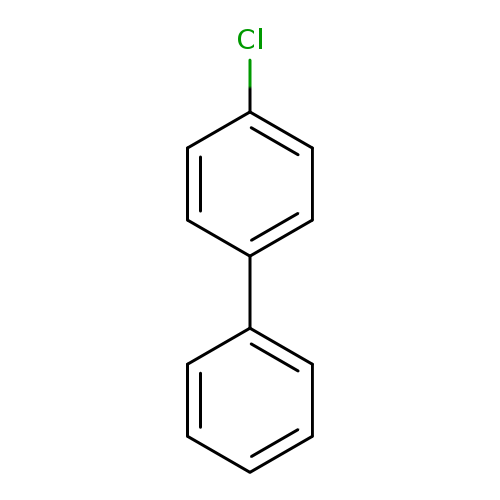
4-Chlorobiphenyl (C12H9Cl) is an exogenous organic compound with an average molecular weight of 188.65 g/mol. It exists as a solid at room temperature. 4-Chlorobiphenyl belongs to the biphenyls and derivatives, a subclass of benzene and substituted derivatives within the organic compounds. This compound is used in Low-Density Polyethylene and High-Density Polyethylene plastics. It has been released from eight recorded sources, including indoor air and electrical and electronic equipment such as fixed capacitors, antennas, amplifiers, auxiliary devices, and electrically stimulated smoking devices. The recorded exposure route for this substance is inhalation. The compound interacts with eight recorded protein targets. It binds to the aryl hydrocarbon receptor (AHR), which disrupts cell function by altering gene transcription and inducing the expression of hepatic Phase II and Phase I enzymes, specifically the cytochrome P450 family. It also targets Cytochrome P450 1A2 (CYP1A2). 4-Chlorobiphenyl causes endocrine disruption in humans by binding to and inhibiting the estrogen receptor beta (ESR2) and estrogen receptor (ESR1). Additionally, it can bind to estrogen sulfotransferase (SULT1E1), which may produce other estrogenic effects such as reproductive dysfunction and stimulate the growth of certain cancer cells. Inhibition of tyrosine 3-monooxygenase (TH) and aromatic-L-amino-acid decarboxylase (DDC) is believed to cause decreased dopamine synthesis. Finally, 4-Chlorobiphenyl will bioaccumulate by binding to receptor proteins such as uteroglobin (SCGB1A1).
Contaminant Type
  • Aromatic Hydrocarbon
  • Coolant
  • Industrial/Workplace Toxin
  • Organic Compound
  • Organochloride
  • Plasticizer
  • Pollutant
  • Polychlorinated Biphenyl
  • Synthetic Compound
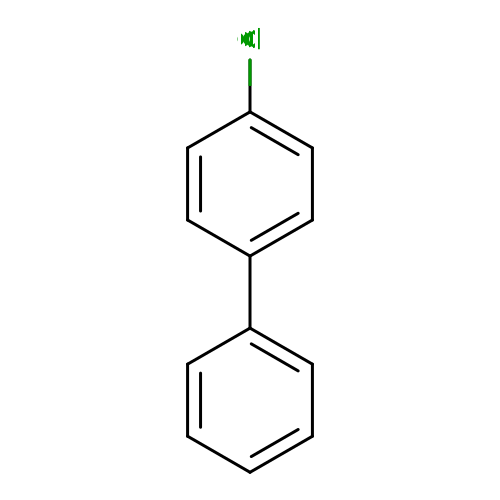
Chemical Structure
Synonyms
ValueSource
1-Chloro-4-phenyl benzeneChEBI
4-ChlorbiphenylChEBI
4-ChlorodiphenylChEBI
4-Monochloro-biphenylChEBI
p-ChlorobiphenylChEBI
p-ChlorodiphenylChEBI
4-MonochlorobiphenylMeSH
Chemical FormulaC12H9Cl
Average Molecular Mass188.653 g/mol
Monoisotopic Mass188.039 g/mol
CAS Registry Number2051-62-9
IUPAC Name1-chloro-4-phenylbenzene
Traditional Name4-chlorobiphenyl
SMILESClC1=CC=C(C=C1)C1=CC=CC=C1
InChI IdentifierInChI=1S/C12H9Cl/c13-12-8-6-11(7-9-12)10-4-2-1-3-5-10/h1-9H
InChI KeyFPWNLURCHDRMHC-UHFFFAOYSA-N
Chemical Taxonomy
Description Belongs to the class of organic compounds known as chlorinated biphenyls. These are organic compounds containing at least one chlorine atom attached to either benzene ring of the biphenyl moiety.
KingdomOrganic compounds
Super ClassBenzenoids
ClassBenzene and substituted derivatives
Sub ClassBiphenyls and derivatives
Direct ParentChlorinated biphenyls
Alternative Parents
Substituents
  • Chlorinated biphenyl
  • Halobenzene
  • Chlorobenzene
  • Aryl halide
  • Aryl chloride
  • Hydrocarbon derivative
  • Organochloride
  • Organohalogen compound
  • Aromatic homomonocyclic compound
Molecular FrameworkAromatic homomonocyclic compounds
External Descriptors
Biological Properties
StatusDetected and Not Quantified
OriginExogenous
Cellular Locations
  • Membrane
Biofluid LocationsNot Available
Tissue LocationsNot Available
ApplicationsNot Available
Biological RolesNot Available
Chemical RolesNot Available
Organoleptic EffectsNot Available
Physical Properties
StateSolid
AppearanceOily liquids or solids that are colorless to light yellow.
Experimental Properties
PropertyValue
Melting Point78.8°C
Boiling PointNot Available
Solubility0.00134 mg/mL at 25°C [YALKOWSKY,SH & DANNENFELSER,RM (1992)]
Predicted Properties
PropertyValueSource
Water Solubility0.0027 g/LALOGPS
logP4.57ALOGPS
logP4.22ChemAxon
logS-4.8ALOGPS
Physiological Charge0ChemAxon
Hydrogen Acceptor Count0ChemAxon
Hydrogen Donor Count0ChemAxon
Polar Surface Area0 ŲChemAxon
Rotatable Bond Count1ChemAxon
Refractivity56 m³·mol⁻¹ChemAxon
Polarizability20.34 ųChemAxon
Number of Rings2ChemAxon
BioavailabilityYesChemAxon
Rule of FiveYesChemAxon
Ghose FilterYesChemAxon
Veber's RuleYesChemAxon
MDDR-like RuleNoChemAxon
Spectra
Spectra
Spectrum TypeDescriptionSplash KeyDeposition DateView
Predicted GC-MSPredicted GC-MS Spectrumsplash10-000i-1900000000-c28a59f6a993a3e7bfd8Not AvailableView Spectrum
Predicted GC-MSPredicted GC-MS SpectrumNot AvailableNot AvailableView Spectrum
Predicted LC-MS/MSPredicted LC-MS/MS Spectrumsplash10-000i-0900000000-8dc7a87d74939f7260cbNot AvailableView Spectrum
Predicted LC-MS/MSPredicted LC-MS/MS Spectrumsplash10-000i-0900000000-ba13f199959e75e32a61Not AvailableView Spectrum
Predicted LC-MS/MSPredicted LC-MS/MS Spectrumsplash10-0gw0-3900000000-c56e0677417a0ca75d00Not AvailableView Spectrum
Predicted LC-MS/MSPredicted LC-MS/MS Spectrumsplash10-000i-0900000000-bd3b2f5318bba291f5c9Not AvailableView Spectrum
Predicted LC-MS/MSPredicted LC-MS/MS Spectrumsplash10-000i-0900000000-58123fd794585b7dc9c8Not AvailableView Spectrum
Predicted LC-MS/MSPredicted LC-MS/MS Spectrumsplash10-000i-0900000000-11939ca1d475c7aef404Not AvailableView Spectrum
Predicted LC-MS/MSPredicted LC-MS/MS Spectrumsplash10-000i-0900000000-f095ab7572210f9adb68Not AvailableView Spectrum
Predicted LC-MS/MSPredicted LC-MS/MS Spectrumsplash10-000i-0900000000-7e793e1a0ff1d221dc86Not AvailableView Spectrum
Predicted LC-MS/MSPredicted LC-MS/MS Spectrumsplash10-000i-0900000000-535c1f4b60318dd82d14Not AvailableView Spectrum
MSMS Spectrumsplash10-0f79-2900000000-4a3f1776b8f713afdd8dNot AvailableView Spectrum
Toxicity Profile
Toxicity Values
Toxicity ValueOrganismDose DescriptorRoute of ExposurePredicted or ExperimentalToxicity RatingReference
1010.0 mg/kg RatLD50OralexperimentalNot Available10
880.0 mg/kg MouseLD50IntraperitonealexperimentalNot Available10
Toxicity / Toxin ClassNot Available
Mechanism of ToxicityThe mechanism of action varies with the specific PCB. Dioxin-like PCBs bind to the aryl hydrocarbon receptor, which disrupts cell function by altering the transcription of genes, mainly be inducing the expression of hepatic Phase I and Phase II enzymes, especially of the cytochrome P450 family. Most of the toxic effects of PCBs are believed to be results of Ah receptor binding. Other PBCs are believed to interfere with calcium channels and/or change brain dopamine levels. PCBs can also cause endocrine disurption by altering the production of thyroid hormones and binding to estrogen receptors, which can stimulate the growth of certain cancer cells and produce other estrogenic effects, such as reproductive dysfunction. They will bioaccumulate by binding to receptor proteins such as uteroglobin. (1, 2, 4, 5)
Carcinogenicity (IARC Classification)1, carcinogenic to humans. (8)
Minimum Risk LevelIntermediate Oral: 0.03 ug/kg/day (7)
SymptomsChronic PCB exposure results in symptoms such as abdominal pain, nausea, vomiting, diarrhea, headache, dizziness, depression, nervousness, dermal and ocular lesions, fatigue, irregular menstrual cycles and a lowered immune response. (1)
TreatmentThere are no specific treatments for PCB poisoning, since it is not usually recognized until after substantial chronic exposure. Only preventing further exposure and treating the observed symptoms can be done. Acute inhalation can be treated by administering oxygen. (6)
Health Effects
Health EffectRelationshipDirectionDescriptionReference
disease of metabolismAssociated With?Not AvailableNot AvailablePMC4687097
Exposure Sources
Source IDSourceSectorReference
CEDs000007Pesticides?Pesticides are synthetic chemicals designed to prevent, destroy, or control pests that threaten crops and agricultural productivity.Agriculture & land managementPMC4687097
CEDs000010Insecticides?Insecticides are synthetic chemicals designed to control or eliminate insect pests that threaten crops and other agricultural products.Agriculture & land managementPubChem
CEDs000013Soil?Soil serves as a critical medium for plant growth and sustains various ecological functions; however, it can become a reservoir for synthetic chemical contamination.Agriculture & land managementPMC4441874
CEDs000019Indoor air?Indoor air can be a significant reservoir for synthetic chemical contaminants, which often originate from various sources within enclosed environments.Air, dust & atmospheric transportPMC2949545 , PMC2888624
CEDs000505Amplifiers?Amplifiers, commonly used in various electronic devices to enhance signal strength, can be a source of synthetic chemical contamination due to the materials and processes involved in their production and disposal.Electrical & Electronic EquipmentPubChem
CEDs000506Antennas?Antennas, commonly used in communication technologies, can be a source of synthetic chemical contamination through the materials and coatings used in their construction.Electrical & Electronic EquipmentPubChem
CEDs000507Auxiliary Devices?Auxiliary devices, such as capacitors, transformers, and circuit breakers, are integral components in various electronic systems.Electrical & Electronic EquipmentPubChem
CEDs000511Conductors Or Conductive Bodies Characterised By The Conductive Materials?Conductors, or conductive bodies, are materials that allow the flow of electrical current, typically made from metals such as copper, aluminum, or silver.Electrical & Electronic EquipmentPubChem
CEDs000518Electrically Stimulated Smoking Devices?Electrically stimulated smoking devices, commonly known as e-cigarettes or vape pens, utilize electrical components to heat a liquid solution, often containing nicotine, flavorings, and other additives, to produce an aerosol for inhalation.Electrical & Electronic EquipmentPubChem
CEDs000519Electrodes?Electrodes, used in various electrical and electronic applications, can be a source of synthetic chemical contamination due to the materials from which they are constructed and the processes involved in their manufacturing.Electrical & Electronic EquipmentPubChem
CEDs000521Fixed Capacitors And Their Manufacture?Fixed capacitors are passive electronic components used to store and release electrical energy, playing a critical role in various circuits.Electrical & Electronic EquipmentPubChem
CEDs000537Television Systems?Television systems can be a source of synthetic chemical contamination due to the various materials and components used in their manufacture and operation.Electrical & Electronic EquipmentPubChem
CEDs000539Video Games?Video games, through their production and disposal processes, can be a source of synthetic chemical contamination.Electrical & Electronic EquipmentPubChem
CEDs000545Food Preservation?Food preservation often involves the use of synthetic chemicals, such as preservatives, flavor enhancers, and color additives, to extend shelf life and enhance the sensory qualities of food products.Food, food processing & cookwarePubChem
CEDs000596Acaricides?Acaricides are synthetic chemicals specifically designed to target and control mite populations that can damage crops and plants.Agriculture & land managementPubChem
CEDs000602Molluscicides?Molluscicides are synthetic chemicals specifically designed to control and eliminate mollusks, such as snails and slugs, which can be detrimental to crops and agricultural productivity.Agriculture & land managementPubChem
CEDs000603Nematocides?Nematocides are synthetic chemicals specifically designed to control nematodes, which are microscopic roundworms that can cause significant damage to crops and plants.Agriculture & land managementPubChem
CEDs000606Plant Growth Regulators?Plant Growth Regulators (PGRs) are synthetic chemicals designed to influence the growth and development of plants.Agriculture & land managementPubChem
CEDs000610Aftersun Products?Aftersun products are designed to soothe and hydrate the skin after sun exposure, often containing various synthetic chemicals such as emollients, preservatives, and fragrances.Personal care & cosmeticsPubChem
CEDs000632Apparel?Apparel production often involves the use of various synthetic chemicals, including dyes, finishing agents, and preservatives.Textiles, leather & furnishingsPubChem
CEDs000662Yarns Or Threads?Yarns or threads used in textiles can be a source of synthetic chemical contamination due to the production processes and treatments they undergo.Textiles, leather & furnishingsPubChem
CEDs000685Ceramics?Ceramics can be a source of synthetic chemical contamination through various additives and processing agents used in their production.Building & ConstructionPubChem
CEDs000696Nanotechnology?Nanotechnology involves the manipulation of materials at the molecular or atomic level, typically within the range of 1 to 100 nanometers.Industrial manufacturing & chemical processingPubChem
CEDs000698Jewellery?Jewellery production often involves the use of various synthetic chemicals during the extraction and processing of metals.Mining & metal processingPubChem
CEDs000739Inks?Inks are complex mixtures composed of pigments or dyes, solvents, resins, and additives used primarily for printing and writing applications.Paper, pulp & fiber productsPubChem
CEDs000741Pigment Pastes?Pigment pastes are concentrated dispersions of pigments used to impart color and properties to materials.Paper, pulp & fiber productsPubChem
CEDs000743Sludge Treatment?Sludge treatment involves the processing of waste materials generated from wastewater treatment plants, which often contain a variety of organic and inorganic substances.Wastewater, sanitation & biosolidsPubChem
CEDs000744Water, Wastewater, & Sewage Treatment?Water, wastewater, and sewage treatment processes are critical for managing and mitigating pollutants in water systems.Wastewater, sanitation & biosolidsPubChem
CEDs00745Corn OilAgriculture & land managementPMC3524396
CEDs01886PlasticIndustrial manufacturing & chemical processingPMC4687097
CEDs02589AirAir, dust & atmospheric transportPMC3524396 , PMC4441874
CEDs02602Outdoor AirAir, dust & atmospheric transportPMC5777175
CEDs02613TroposphereAir, dust & atmospheric transportPMC12379764
CEDs02738PaintBuilding & ConstructionPMC4687097
CEDs02739GlueBuilding & ConstructionPMC4687097
CEDs03360Electronic EquipmentElectrical & Electronic EquipmentPMC4687097
Pathways
0 pathwaysPathway Source: PathBank

No pathways found

No metabolic pathways have been associated with this synthetic chemical

Targets
StructureProteinUniProt IDOrganismRelationshipDetails
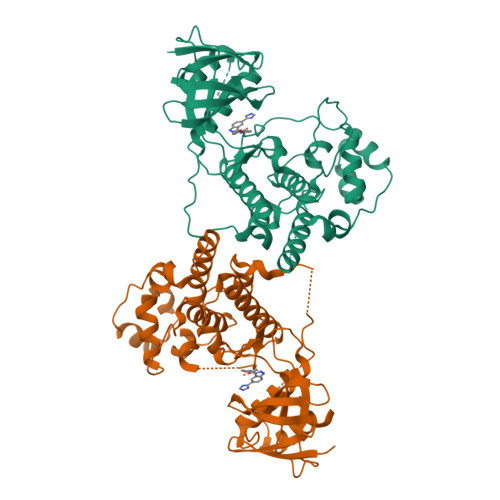
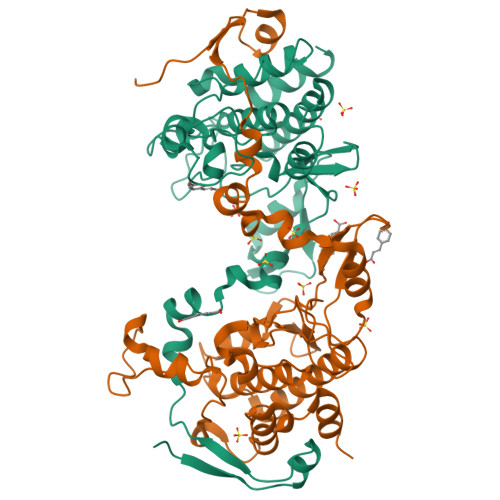
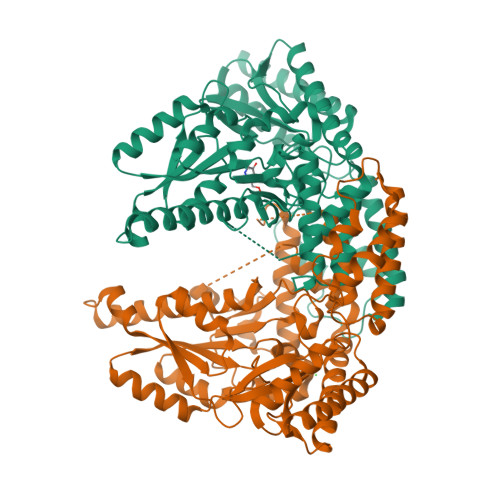
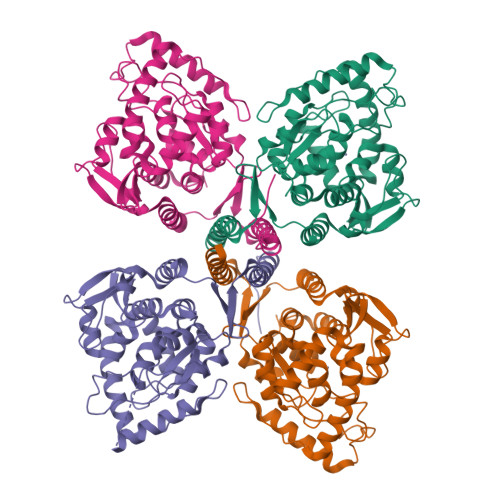
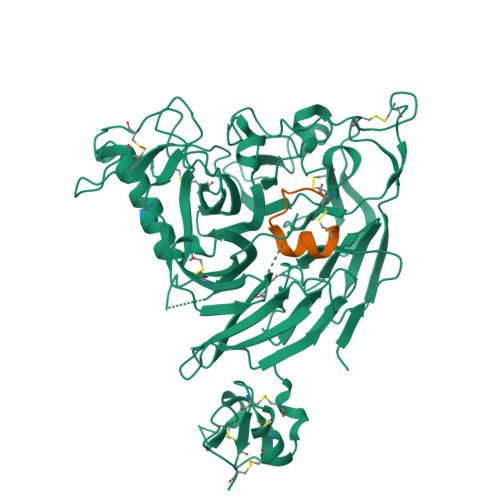
Cytochrome P450 1A2 structureClick to view 3D structureCytochrome P450 1A2P05177HumansPredicted (SEA)
Prediction Confidence Score
0.3
Applicability Domain
0.333
Statistical Significance
0.0727
Supporting Reference Compounds
793
E-value
566.042
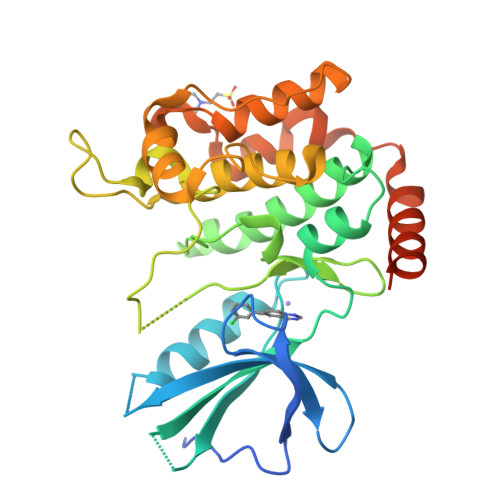
Mitogen-activated protein kinase 8 structureClick to view 3D structureMitogen-activated protein kinase 8P45983HumansPredicted (SEA)
Prediction Confidence Score
0.299
Applicability Domain
0.324
Statistical Significance
0.1004
Supporting Reference Compounds
782
E-value
781.295
Serine/threonine-protein kinase PAK 4 structureClick to view 3D structureSerine/threonine-protein kinase PAK 4O96013HumansPredicted (SEA)
Prediction Confidence Score
0.299
Applicability Domain
0.324
Statistical Significance
0.0898
Supporting Reference Compounds
728
E-value
699.086
High affinity nerve growth factor receptor structureClick to view 3D structureHigh affinity nerve growth factor receptorP04629HumansPredicted (SEA)
Prediction Confidence Score
0.299
Applicability Domain
0.324
Statistical Significance
0.11
Supporting Reference Compounds
869
E-value
856.575
Glycogen synthase kinase-3 beta structureClick to view 3D structureGlycogen synthase kinase-3 betaP49841HumansPredicted (SEA)
Prediction Confidence Score
0.299
Applicability Domain
0.324
Statistical Significance
0.131
Supporting Reference Compounds
1157
E-value
1019.59
Aurora kinase A structureClick to view 3D structureAurora kinase AO14965HumansPredicted (SEA)
Prediction Confidence Score
0.299
Applicability Domain
0.324
Statistical Significance
0.1161
Supporting Reference Compounds
996
E-value
903.596
Tyrosine-protein kinase Lck structureClick to view 3D structureTyrosine-protein kinase LckP06239HumansPredicted (SEA)
Prediction Confidence Score
0.299
Applicability Domain
0.324
Statistical Significance
0.1331
Supporting Reference Compounds
1130
E-value
1036.41
Mitogen-activated protein kinase 9 structureClick to view 3D structureMitogen-activated protein kinase 9P45984HumansPredicted (SEA)
Prediction Confidence Score
0.299
Applicability Domain
0.324
Statistical Significance
0.0966
Supporting Reference Compounds
758
E-value
752.101
Dual specificity tyrosine-phosphorylation-regulated kinase 1A structureClick to view 3D structureDual specificity tyrosine-phosphorylation-regulated kinase 1AQ13627HumansPredicted (SEA)
Prediction Confidence Score
0.299
Applicability Domain
0.324
Statistical Significance
0.1032
Supporting Reference Compounds
906
E-value
803.715
Ribosomal protein S6 kinase alpha-3 structureClick to view 3D structureRibosomal protein S6 kinase alpha-3P51812HumansPredicted (SEA)
Prediction Confidence Score
0.299
Applicability Domain
0.324
Statistical Significance
0.0893
Supporting Reference Compounds
733
E-value
695.194
Cannabinoid receptor 1 structureClick to view 3D structureCannabinoid receptor 1P21554HumansPredicted (SEA)
Prediction Confidence Score
0.339
Applicability Domain
0.438
Statistical Significance
0.0072
Supporting Reference Compounds
200
E-value
55.9736
Carbonic anhydrase 2 structureClick to view 3D structureCarbonic anhydrase 2P00918HumansPredicted (SEA)
Prediction Confidence Score
0.319
Applicability Domain
0.435
Statistical Significance
0.0304
Supporting Reference Compounds
472
E-value
236.973
Protein RecA structureClick to view 3D structureProtein RecAP9WHJ3Mycobacterium tuberculosisPredicted (SEA)
Prediction Confidence Score
0.319
Applicability Domain
0.379
Statistical Significance
0.0053
Supporting Reference Compounds
296
E-value
41.2601
Cytochrome P450 1B1 structureClick to view 3D structureCytochrome P450 1B1Q16678HumansKnownNot Available
Click to view 3D structureHeat shock factor protein 1P38532Mus musculusPredicted (SEA)
Prediction Confidence Score
0.319
Applicability Domain
0.367
Statistical Significance
0.0036
Supporting Reference Compounds
166
E-value
28.415
Mitogen-activated protein kinase kinase kinase kinase 4 structureClick to view 3D structureMitogen-activated protein kinase kinase kinase kinase 4O95819HumansPredicted (SEA)
Prediction Confidence Score
0.312
Applicability Domain
0.351
Statistical Significance
0.0686
Supporting Reference Compounds
714
E-value
534.357
Cytochrome P450 3A4 structureClick to view 3D structureCytochrome P450 3A4P08684HumansPredicted (SEA)
Prediction Confidence Score
0.311
Applicability Domain
0.355
Statistical Significance
0.1297
Supporting Reference Compounds
1538
E-value
1009.47
Carbonic anhydrase 1 structureClick to view 3D structureCarbonic anhydrase 1P00915HumansPredicted (SEA)
Prediction Confidence Score
0.311
Applicability Domain
0.435
Statistical Significance
0.0306
Supporting Reference Compounds
407
E-value
238.53
Click to view 3D structureSerine/threonine-protein kinase TAO1Q7L7X3HumansPredicted (SEA)
Prediction Confidence Score
0.307
Applicability Domain
0.351
Statistical Significance
0.0673
Supporting Reference Compounds
620
E-value
523.77
Fibroblast growth factor receptor 1 structureClick to view 3D structureFibroblast growth factor receptor 1P11362HumansPredicted (SEA)
Prediction Confidence Score
0.306
Applicability Domain
0.324
Statistical Significance
0.0961
Supporting Reference Compounds
1010
E-value
748.52
Serine/threonine-protein kinase pim-1 structureClick to view 3D structureSerine/threonine-protein kinase pim-1P11309HumansPredicted (SEA)
Prediction Confidence Score
0.306
Applicability Domain
0.324
Statistical Significance
0.0918
Supporting Reference Compounds
967
E-value
714.967
Receptor-type tyrosine-protein kinase FLT3 structureClick to view 3D structureReceptor-type tyrosine-protein kinase FLT3P36888HumansPredicted (SEA)
Prediction Confidence Score
0.306
Applicability Domain
0.324
Statistical Significance
0.1184
Supporting Reference Compounds
1274
E-value
921.501
Matrix metalloproteinase-14 structureClick to view 3D structureMatrix metalloproteinase-14P50281HumansPredicted (SEA)
Prediction Confidence Score
0.303
Applicability Domain
0.333
Statistical Significance
0.0275
Supporting Reference Compounds
198
E-value
214.475
STE20-like serine/threonine-protein kinase structureClick to view 3D structureSTE20-like serine/threonine-protein kinaseQ9H2G2HumansPredicted (SEA)
Prediction Confidence Score
0.301
Applicability Domain
0.351
Statistical Significance
0.0678
Supporting Reference Compounds
515
E-value
527.818
Lymphokine-activated killer T-cell-originated protein kinase structureClick to view 3D structureLymphokine-activated killer T-cell-originated protein kinaseQ96KB5HumansPredicted (SEA)
Prediction Confidence Score
0.301
Applicability Domain
0.351
Statistical Significance
0.0464
Supporting Reference Compounds
383
E-value
361.065
cAMP-dependent protein kinase catalytic subunit alpha structureClick to view 3D structurecAMP-dependent protein kinase catalytic subunit alphaP17612HumansPredicted (SEA)
Prediction Confidence Score
0.3
Applicability Domain
0.324
Statistical Significance
0.0867
Supporting Reference Compounds
735
E-value
675.186
Estrogen receptor structureClick to view 3D structureEstrogen receptorP03372HumansKnownCauses endocrine disruption in humans by binding to and inhibiting the estrogen receptor. (A590)
Estrogen receptor beta structureClick to view 3D structureEstrogen receptor betaQ92731HumansKnownCauses endocrine disruption in humans by binding to and inhibiting the estrogen receptor. (A590)
Sulfotransferase 1E1 structureClick to view 3D structureSulfotransferase 1E1P49888HumansKnownPCBs can cause endocrine disurption by binding to estrogen sulfotransferase, which can stimulate the growth of certain cancer cells and produce other estrogenic effects, such as reproductive dysfunction. (A3, A66)
Aromatic-L-amino-acid decarboxylase structureClick to view 3D structureAromatic-L-amino-acid decarboxylaseP20711HumansKnownPCB inhibition of aromatic-L-amino-acid decarboxylase is believed to cause decreased dopamine synthesis. (L4)
Aryl hydrocarbon receptor structureClick to view 3D structureAryl hydrocarbon receptorP35869HumansKnownDioxin-like PCBs bind to the aryl hydrocarbon receptor, which disrupts cell function by altering the transcription of genes, mainly be inducing the expression of hepatic Phase I and Phase II enzymes, especially of the cytochrome P450 family. (A4)
Cytochrome P450 1A2 structureClick to view 3D structureCytochrome P450 1A2P05177HumansKnownNot Available
Tyrosine 3-monooxygenase structureClick to view 3D structureTyrosine 3-monooxygenaseP07101HumansKnownPCB inhibition of tyrosine 3-monooxygenase is believed to cause decreased dopamine synthesis. (L4)
Uteroglobin structureClick to view 3D structureUteroglobinP11684HumansKnownPCBs will bioaccumulate by binding to receptor proteins such as uteroglobin. (A30)
Concentrations
Not Available
External Links
DrugBank IDNot Available
HMDB IDNot Available
FooDB IDNot Available
Phenol Explorer IDNot Available
KNApSAcK IDNot Available
BiGG IDNot Available
BioCyc IDNot Available
METLIN IDNot Available
PDB IDNot Available
Wikipedia LinkNot Available
Chemspider ID15489
ChEBI ID27757
PubChem Compound IDNot Available
Kegg Compound IDC06584
YMDB IDNot Available
ECMDB IDNot Available
References
Synthesis ReferenceNot Available
MSDSNot Available
General References
  1. Aoki Y: Polychlorinated biphenyls, polychlorinated dibenzo-p-dioxins, and polychlorinated dibenzofurans as endocrine disrupters--what we have learned from Yusho disease. Environ Res. 2001 May;86(1):2-11. [PubMed: 11386736]
  2. Safe S, Bandiera S, Sawyer T, Robertson L, Safe L, Parkinson A, Thomas PE, Ryan DE, Reik LM, Levin W, et al.: PCBs: structure-function relationships and mechanism of action. Environ Health Perspect. 1985 May;60:47-56. [PubMed: 2992927]
  3. Horowitz Y, Greenberg D, Ling G, Lifshitz M: Acrodynia: a case report of two siblings. Arch Dis Child. 2002 Jun;86(6):453. [PubMed: 12023189]
  4. Troisi GM, Haraguchi K, Kaydoo DS, Nyman M, Aguilar A, Borrell A, Siebert U, Mason CF: Bioaccumulation of polychlorinated biphenyls (PCBs) and dichlorodiphenylethane (DDE) methyl sulfones in tissues of seal and dolphin morbillivirus epizootic victims. J Toxicol Environ Health A. 2001 Jan 12;62(1):1-8. [PubMed: 11205532]
  5. Kester MH, Bulduk S, Tibboel D, Meinl W, Glatt H, Falany CN, Coughtrie MW, Bergman A, Safe SH, Kuiper GG, Schuur AG, Brouwer A, Visser TJ: Potent inhibition of estrogen sulfotransferase by hydroxylated PCB metabolites: a novel pathway explaining the estrogenic activity of PCBs. Endocrinology. 2000 May;141(5):1897-900. [PubMed: 10803601]
  6. ATSDR - Agency for Toxic Substances and Disease Registry (2000). Toxicological profile for polychlorinated biphenyls. U.S. Public Health Service in collaboration with U.S. Environmental Protection Agency (EPA). - http://www.atsdr.cdc.gov/toxprofiles/tp17.html
  7. ATSDR - Agency for Toxic Substances and Disease Registry (2001). Minimal Risk Levels (MRLs) for Hazardous Substances. U.S. Public Health Service in collaboration with U.S. Environmental Protection Agency (EPA). - http://www.atsdr.cdc.gov/mrls/
  8. International Agency for Research on Cancer (2014). IARC Monographs on the Evaluation of Carcinogenic Risks to Humans. - http://monographs.iarc.fr/index.php
  9. World Health Organization (1993). Environ Health Criteria 140: Polychlorniated Biphenyls and Terphenyls.
  10. Lewis RJ (1996). Sax's Dangerous Properties of Industrial Materials. 9th ed. Volumes 1-3. New York, NY: Van Nostrand Reinhold.