1-Methylnaphthalene (CED0009412)

Record Information
Version1.0
Creation Date2009-03-06 18:59:15 UTC
Update Date2026-03-26 20:25:09 UTC
SynCED IDCED0009412
Secondary Accession Numbers
  • CHEM000557
  • T3D0628
Identification
Common Name1-Methylnaphthalene
ClassSmall Molecule
Description
1-Methylnaphthalene belongs to the naphthalenes, a class of benzenoids within the organic compounds. This exogenous liquid has the formula C11H10 and an average molecular weight of 142.20 g/mol. It serves as an industrial fragrance, nutrient, and flavouring ingredient. Biologically, it is classified as a plant metabolite and a carcinogenic agent. The compound is found in or released from 27 recorded sources, including drinking water and food, food processing and cookware materials such as food contact materials and processes for the preparation of wine, sparkling wine, and beer fermentation. It is associated with household cleaning and consumer products, including soap detergents, bleaching agents, perfumes within detergents and soaps, tobacco pipes, and cigar cigarettes. It is also linked to electrical and electronic equipment, such as antennas, amplifiers, communication cables or conductors, coils, and conductive bodies characterised by the conductive materials. Regarding plastics, 1-methylnaphthalene is used in low-density polyethylene, present in polyvinyl chloride, polystyrene, high-density polyethylene, and polyethylene terephthalate, and is released in polycarbonate and polypropylene. Exposure occurs via touch, oral, and inhalation routes. 1-Methylnaphthalene binds to cellular tumor antigen p53 (TP53) and targets cytochrome P450 1A2 (CYP1A2). It also interacts with the aryl hydrocarbon receptor (AHR) and glycine N-methyltransferase (GNMT). Binding to AHR or GNMT can induce the expression of cytochrome P450 enzymes, specifically CYP1B1, CYP1A2, and CYP1A1. These enzymes metabolize polycyclic aromatic hydrocarbons (PAHs) into reactive metabolites—including quinones, phenols, dihydrodiols, and epoxide intermediates—which covalently bind to other cellular macromolecules and DNA, initiating carcinogenesis and mutagenesis. These reactive metabolites also bind to an unnamed protein.
Contaminant Type
  • Aromatic Hydrocarbon
  • Food Toxin
  • Metabolite
  • Natural Compound
  • Organic Compound
  • Pollutant
  • Polycyclic Aromatic Hydrocarbon
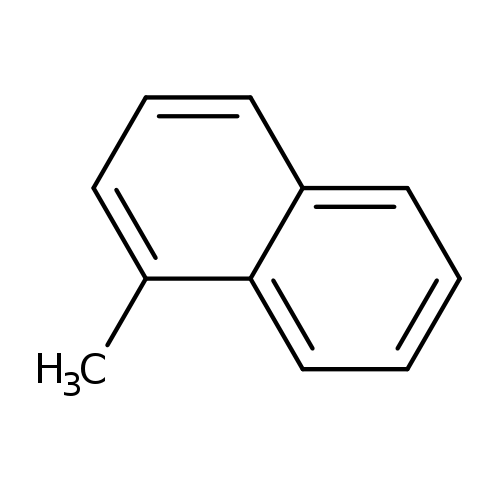
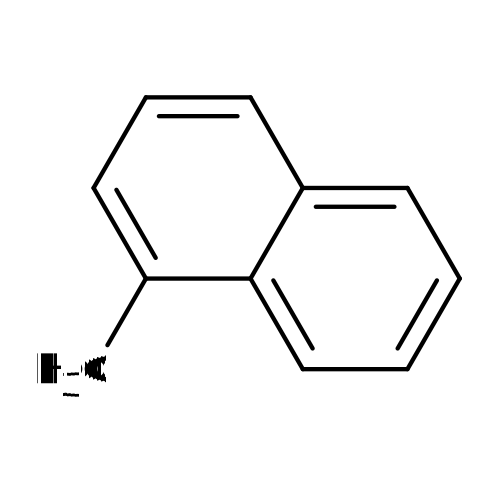
Chemical Structure
Synonyms
ValueSource
alpha-MethylnaphthaleneChEBI
a-MethylnaphthaleneGenerator
Α-methylnaphthaleneGenerator
1-Methyl naphthaleneHMDB
1-Methyl-naphthaleneHMDB
alpha-Methyl naphthalenesHMDB
alpha-Methyl-naphthaleneHMDB
FEMA 3193HMDB
Methyl naphthaleneHMDB
Methyl-1-naphthaleneHMDB
Methyl-naphthaleneHMDB
Naphthalene, methyl-, homopolymerHMDB
PolymethylnaphthaleneHMDB
Chemical FormulaC11H10
Average Molecular Mass142.197 g/mol
Monoisotopic Mass142.078 g/mol
CAS Registry Number90-12-0
IUPAC Name1-methylnaphthalene
Traditional Name1-methylnaphthalene
SMILESCC1=CC=CC2=CC=CC=C12
InChI IdentifierInChI=1S/C11H10/c1-9-5-4-7-10-6-2-3-8-11(9)10/h2-8H,1H3
InChI KeyQPUYECUOLPXSFR-UHFFFAOYSA-N
Chemical Taxonomy
Description Belongs to the class of organic compounds known as naphthalenes. Naphthalenes are compounds containing a naphthalene moiety, which consists of two fused benzene rings.
KingdomOrganic compounds
Super ClassBenzenoids
ClassNaphthalenes
Sub ClassNot Available
Direct ParentNaphthalenes
Alternative Parents
Substituents
  • Naphthalene
  • Aromatic hydrocarbon
  • Polycyclic hydrocarbon
  • Unsaturated hydrocarbon
  • Hydrocarbon
  • Aromatic homopolycyclic compound
Molecular FrameworkAromatic homopolycyclic compounds
External Descriptors
Biological Properties
StatusDetected and Not Quantified
OriginExogenous
Cellular Locations
  • Membrane
Biofluid LocationsNot Available
Tissue LocationsNot Available
ApplicationsNot Available
Biological Roles
  • carcinogenic agent ?A role played by a chemical compound which is known to induce a process of carcinogenesis by corrupting normal cellular pathways, leading to the acquistion of tumoral capabilities.
  • plant metabolite ?Any eukaryotic metabolite produced during a metabolic reaction in plants, the kingdom that include flowering plants, conifers and other gymnosperms
Chemical RolesNot Available
Organoleptic EffectsNot Available
Physical Properties
StateLiquid
AppearanceColorless solid.
Experimental Properties
PropertyValue
Melting Point-22°C
Boiling Point244.6°C (472.3°F)
Solubility0.0258 mg/mL at 25°C
Predicted Properties
PropertyValueSource
Water Solubility0.016 g/LALOGPS
logP3.84ALOGPS
logP3.48ChemAxon
logS-3.9ALOGPS
Physiological Charge0ChemAxon
Hydrogen Acceptor Count0ChemAxon
Hydrogen Donor Count0ChemAxon
Polar Surface Area0 ŲChemAxon
Rotatable Bond Count0ChemAxon
Refractivity47.55 m³·mol⁻¹ChemAxon
Polarizability16.61 ųChemAxon
Number of Rings2ChemAxon
BioavailabilityYesChemAxon
Rule of FiveYesChemAxon
Ghose FilterNoChemAxon
Veber's RuleYesChemAxon
MDDR-like RuleNoChemAxon
Spectra
Spectra
Spectrum TypeDescriptionSplash KeyDeposition DateView
GC-MSGC-MS Spectrumsplash10-0006-5900000000-1053593aad42a77aa98bNot AvailableView Spectrum
GC-MSGC-MS Spectrumsplash10-0006-2900000000-56264ce7fb87f61d59e3Not AvailableView Spectrum
GC-MSGC-MS Spectrumsplash10-0006-3900000000-466eebbbc710f9d74e3bNot AvailableView Spectrum
GC-MSGC-MS Spectrumsplash10-0006-3900000000-5b7a1e8903022a3f5a57Not AvailableView Spectrum
GC-MSGC-MS Spectrumsplash10-0006-0900000000-e017871c9adc6ee00fb9Not AvailableView Spectrum
GC-MSGC-MS Spectrumsplash10-0006-0900000000-e2ebef06c838787a1720Not AvailableView Spectrum
GC-MSGC-MS Spectrumsplash10-0006-5900000000-1053593aad42a77aa98bNot AvailableView Spectrum
GC-MSGC-MS Spectrumsplash10-0006-2900000000-56264ce7fb87f61d59e3Not AvailableView Spectrum
GC-MSGC-MS Spectrumsplash10-0006-3900000000-466eebbbc710f9d74e3bNot AvailableView Spectrum
GC-MSGC-MS Spectrumsplash10-0006-3900000000-5b7a1e8903022a3f5a57Not AvailableView Spectrum
GC-MSGC-MS Spectrumsplash10-0006-0900000000-e017871c9adc6ee00fb9Not AvailableView Spectrum
GC-MSGC-MS Spectrumsplash10-0006-0900000000-e2ebef06c838787a1720Not AvailableView Spectrum
Predicted GC-MSPredicted GC-MS Spectrumsplash10-0006-0900000000-0da70ea2233c3affb638Not AvailableView Spectrum
Predicted GC-MSPredicted GC-MS SpectrumNot AvailableNot AvailableView Spectrum
Predicted LC-MS/MSPredicted LC-MS/MS Spectrumsplash10-0006-0900000000-9a9a9f94bee2dbaba3c0Not AvailableView Spectrum
Predicted LC-MS/MSPredicted LC-MS/MS Spectrumsplash10-0006-0900000000-5692907557a9baf3d257Not AvailableView Spectrum
Predicted LC-MS/MSPredicted LC-MS/MS Spectrumsplash10-014l-3900000000-7eef39e40fe85545ba50Not AvailableView Spectrum
Predicted LC-MS/MSPredicted LC-MS/MS Spectrumsplash10-0006-0900000000-4b4ea885969f2a72f1b7Not AvailableView Spectrum
Predicted LC-MS/MSPredicted LC-MS/MS Spectrumsplash10-0006-0900000000-e204af06be24fa547ed9Not AvailableView Spectrum
Predicted LC-MS/MSPredicted LC-MS/MS Spectrumsplash10-0006-0900000000-c989a442d4404542ed61Not AvailableView Spectrum
Predicted LC-MS/MSPredicted LC-MS/MS Spectrumsplash10-0006-2900000000-4c5f4b7cbec6cfd38b14Not AvailableView Spectrum
Predicted LC-MS/MSPredicted LC-MS/MS Spectrumsplash10-00mo-9800000000-c7005946673c7bd7a926Not AvailableView Spectrum
Predicted LC-MS/MSPredicted LC-MS/MS Spectrumsplash10-0006-0900000000-84dab5fd9e005e323db0Not AvailableView Spectrum
Predicted LC-MS/MSPredicted LC-MS/MS Spectrumsplash10-0006-1900000000-3a4e7194998e40dc39cfNot AvailableView Spectrum
MSMS Spectrumsplash10-0006-2900000000-53cda581a6605326e48cNot AvailableView Spectrum
Toxicity Profile
Toxicity Values
Toxicity ValueOrganismDose DescriptorRoute of ExposurePredicted or ExperimentalToxicity RatingReference
1840.0 mg/kg RatLD50OralexperimentalNot Available21
2139.0 Log mg/kg [1200:3800]RatLD50oralpredictedNot AvailableNot Available
Toxicity / Toxin ClassNot Available
Mechanism of ToxicityThe ability of PAH's to bind to blood proteins such as albumin allows them to be transported throughout the body. Many PAH's induce the expression of cytochrome P450 enzymes, especially CYP1A1, CYP1A2, and CYP1B1, by binding to the aryl hydrocarbon receptor or glycine N-methyltransferase protein. These enzymes metabolize PAH's into their toxic intermediates. The reactive metabolites of PAHs (epoxide intermediates, dihydrodiols, phenols, quinones, and their various combinations) covalently bind to DNA and other cellular macromolecules, initiating mutagenesis and carcinogenesis. (18, 19, 2, 3)
Carcinogenicity (IARC Classification)No indication of carcinogenicity (not listed by IARC). (20)
Minimum Risk LevelNot Available
SymptomsAcute exposure to PAHs causes irritation and inflammation of the skin and lung tissue. (1)
TreatmentThere is no know antidote for PAHs. Exposure is usually handled with symptomatic treatment. (18)
Health Effects
Health EffectRelationshipDirectionDescriptionReference
Exposure Sources
Source IDSourceSectorReference
CEDs000010Insecticides?Insecticides are synthetic chemicals designed to control or eliminate insect pests that threaten crops and other agricultural products.Agriculture & land managementPubChem
CEDs000013Soil?Soil serves as a critical medium for plant growth and sustains various ecological functions; however, it can become a reservoir for synthetic chemical contamination.Agriculture & land managementPMC13455759 , PMC13455759
CEDs000070Stormwater runoff?Stormwater runoff refers to the flow of rainwater or melted snow that does not soak into the ground and instead collects pollutants as it travels over impervious surfaces such as roads and parking lots.Automotive & urban infrastructurePubChem
CEDs000115Drinking water?Drinking water can be a medium for synthetic chemical contamination, often originating from various industrial processes and agricultural practices.Drinking water & water supplyNot Available
CEDs000181Ballast water?Ballast water, taken on by ships to maintain stability and balance, often contains a diverse array of microorganisms, including bacteria, viruses, and plankton.Marine, shipping & aquaculturePubChem
CEDs000182Bilge water?Bilge water is a byproduct generated from the accumulation of water in the lowest part of a ship's hull, which may include a mixture of seawater, oil, fuel residues, and various contaminants.Marine, shipping & aquaculturePubChem
CEDs000233Brushes?Brushes used in personal care and cosmetics can be a source of synthetic chemical contamination due to the materials and coatings used in their manufacturing.Personal care & cosmeticsPubChem
CEDs000494Food contact materials?Food contact materials refer to substances and products that are intended to come into contact with food during processing, packaging, or preparation.Food, food processing & cookwareNot Available
CEDs000505Amplifiers?Amplifiers, commonly used in various electronic devices to enhance signal strength, can be a source of synthetic chemical contamination due to the materials and processes involved in their production and disposal.Electrical & Electronic EquipmentPubChem
CEDs000506Antennas?Antennas, commonly used in communication technologies, can be a source of synthetic chemical contamination through the materials and coatings used in their construction.Electrical & Electronic EquipmentPubChem
CEDs000508Coils?Coils are components used in various electrical and electronic applications, such as transformers, inductors, and motors.Electrical & Electronic EquipmentPubChem
CEDs000510Communication Cables Or Conductors?Communication cables or conductors are essential components in the transmission of data and signals in various applications, including telecommunications and networking.Electrical & Electronic EquipmentPubChem
CEDs000511Conductors Or Conductive Bodies Characterised By The Conductive Materials?Conductors, or conductive bodies, are materials that allow the flow of electrical current, typically made from metals such as copper, aluminum, or silver.Electrical & Electronic EquipmentPubChem
CEDs000514Discharge Lamps?Discharge lamps, including fluorescent and high-intensity discharge (HID) lamps, are commonly used for lighting applications due to their energy efficiency and brightness.Electrical & Electronic EquipmentPubChem
CEDs000517Electric Switches?Electric switches, integral components in numerous devices, can be a source of synthetic chemical contamination due to the materials and manufacturing processes involved in their production.Electrical & Electronic EquipmentPubChem
CEDs000518Electrically Stimulated Smoking Devices?Electrically stimulated smoking devices, commonly known as e-cigarettes or vape pens, utilize electrical components to heat a liquid solution, often containing nicotine, flavorings, and other additives, to produce an aerosol for inhalation.Electrical & Electronic EquipmentPubChem
CEDs000519Electrodes?Electrodes, used in various electrical and electronic applications, can be a source of synthetic chemical contamination due to the materials from which they are constructed and the processes involved in their manufacturing.Electrical & Electronic EquipmentPubChem
CEDs000521Fixed Capacitors And Their Manufacture?Fixed capacitors are passive electronic components used to store and release electrical energy, playing a critical role in various circuits.Electrical & Electronic EquipmentPubChem
CEDs000524Hybrid Capacitors?Hybrid capacitors are energy storage devices that combine the properties of electrolytic and supercapacitors, utilizing a combination of electrochemical principles to achieve higher energy density and power density.Electrical & Electronic EquipmentPubChem
CEDs000527Magnets?Magnets, commonly used in various electrical and electronic applications, can be a source of synthetic chemical contamination due to the materials used in their production.Electrical & Electronic EquipmentPubChem
CEDs000529Power Cables?Power cables are used to transmit electrical energy and are typically composed of conductive materials, insulation, and protective coatings.Electrical & Electronic EquipmentPubChem
CEDs000530Radio Transmission Systems?Radio transmission systems utilize a variety of synthetic chemicals in their manufacturing and maintenance processes.Electrical & Electronic EquipmentPubChem
CEDs000538Thin Magnetic Films?Thin magnetic films are layers of magnetic material ranging from a few nanometers to several micrometers in thickness, commonly used in applications such as magnetic sensors, data storage devices, and electronic components.Electrical & Electronic EquipmentPubChem
CEDs000539Video Games?Video games, through their production and disposal processes, can be a source of synthetic chemical contamination.Electrical & Electronic EquipmentPubChem
CEDs000544Fermentation Processes For Beer?Fermentation processes for beer involve the conversion of sugars into alcohol and carbon dioxide by yeast.Food, food processing & cookwarePubChem
CEDs000545Food Preservation?Food preservation often involves the use of synthetic chemicals, such as preservatives, flavor enhancers, and color additives, to extend shelf life and enhance the sensory qualities of food products.Food, food processing & cookwarePubChem
CEDs000549Preparation Of Wine Or Sparkling Wine?The preparation of wine or sparkling wine involves various stages, including fermentation, aging, and bottling, which can introduce potential sources of synthetic chemical contamination.Food, food processing & cookwarePubChem
CEDs000555Bleaching Agents?Bleaching agents are chemical substances used to whiten or lighten materials, often employed in various cleaning products for their stain removal and disinfecting properties.Household cleaning & consumer productsPubChem
CEDs000556Cigar Cigarettes?Cigar cigarettes are a source of synthetic chemical contamination due to the combustion of various tobacco blends and additives.Household cleaning & consumer productsPubChem
CEDs000561Perfumes Within Detergents And Soaps?Perfumes within detergents and soaps are synthetic fragrance compounds added to enhance the sensory experience of cleaning products.Household cleaning & consumer productsPubChem
CEDs000563Soap Detergents?Soap detergents are synthetic surfactants designed to enhance the cleaning efficacy of water by reducing surface tension, allowing for better interaction with dirt and grease.Household cleaning & consumer productsPubChem
CEDs000566Tobacco Pipes?Tobacco pipes, often made from materials such as plastic, wood, or metal, can serve as sources of synthetic chemical contamination due to the residues left by tobacco products.Household cleaning & consumer productsPubChem
CEDs000569Tobacco Smoke Filters?Tobacco smoke filters are designed to reduce the inhalation of harmful substances in cigarette smoke, including tar and other particulate matter.Household cleaning & consumer productsPubChem
CEDs000579Manufacture Of Iron Or Steel?The manufacture of iron or steel involves various processes, including smelting, refining, and alloying, which can result in the release of synthetic chemicals and contaminants.Industrial manufacturing & chemical processingPubChem
CEDs000580Manufacture Preparation Of Tobacco Products?The manufacture and preparation of tobacco products involve various processes that can result in the introduction of synthetic chemicals into the environment.Industrial manufacturing & chemical processingPubChem
CEDs000581Paper Making Machines?Paper making machines utilize various synthetic chemicals throughout the production process, including additives, coatings, and bleaching agents.Industrial manufacturing & chemical processingPubChem
CEDs000584Buoys?Buoys, often used for navigation and marine monitoring, can be sources of synthetic chemical contamination due to the materials and coatings employed in their construction.Marine, shipping & aquaculturePubChem
CEDs000592Marine Propulsion Or Steering?Marine propulsion and steering systems often rely on various synthetic chemicals, including lubricants, fuels, and hydraulic fluids.Marine, shipping & aquaculturePubChem
CEDs000596Acaricides?Acaricides are synthetic chemicals specifically designed to target and control mite populations that can damage crops and plants.Agriculture & land managementPubChem
CEDs000597Chemosterilants?Chemosterilants are synthetic chemicals designed to induce sterility in target pest populations, thereby controlling their reproduction and mitigating damage to crops.Agriculture & land managementPubChem
CEDs000598Fertiliser Distributors?Fertiliser distributors play a critical role in the supply of synthetic fertilizers, which are widely used to enhance soil fertility and crop yield.Agriculture & land managementPubChem
CEDs000600Herbicides And Algicides?Herbicides and algicides are synthetic chemicals primarily used to control unwanted plants and algae in various environments.Agriculture & land managementPubChem
CEDs000602Molluscicides?Molluscicides are synthetic chemicals specifically designed to control and eliminate mollusks, such as snails and slugs, which can be detrimental to crops and agricultural productivity.Agriculture & land managementPubChem
CEDs000603Nematocides?Nematocides are synthetic chemicals specifically designed to control nematodes, which are microscopic roundworms that can cause significant damage to crops and plants.Agriculture & land managementPubChem
CEDs000604Pest Attractants?Pest attractants are synthetic chemicals designed to lure specific pests for monitoring or control purposes.Agriculture & land managementPubChem
CEDs000605Pest Repellants?Pest repellents, often formulated from synthetic chemicals, are widely used to protect crops from insect infestations and other pests.Agriculture & land managementPubChem
CEDs000606Plant Growth Regulators?Plant Growth Regulators (PGRs) are synthetic chemicals designed to influence the growth and development of plants.Agriculture & land managementPubChem
CEDs000607Rodenticides(1)?Rodenticides are synthetic chemicals specifically formulated to control rodent populations, serving as a crucial tool in managing pests that can damage crops and spread diseases.Agriculture & land managementPubChem
CEDs000608Rodenticides?Rodenticides are chemical substances specifically designed to control rodent populations by causing death through various mechanisms, including anticoagulation or neurotoxicity.Agriculture & land managementPubChem
CEDs000609Aftershave?Aftershave is a grooming product typically used to soothe and protect the skin following shaving.Personal care & cosmeticsPubChem
CEDs000610Aftersun Products?Aftersun products are designed to soothe and hydrate the skin after sun exposure, often containing various synthetic chemicals such as emollients, preservatives, and fragrances.Personal care & cosmeticsPubChem
CEDs000611Anti Perspirants Or Body Deoderants?Antiperspirants and body deodorants commonly contain synthetic chemicals such as aluminum compounds, parabens, and synthetic fragrances.Personal care & cosmeticsPubChem
CEDs000612Body Washing Or Cleaning Implements?Body washing or cleaning implements, such as synthetic sponges, loofahs, and washcloths, can be sources of synthetic chemical contamination due to the materials used in their production.Personal care & cosmeticsPubChem
CEDs000613Depilatories?Depilatories are products designed to remove unwanted hair through the application of synthetic chemicals that break down the protein structure of hair, facilitating its removal.Personal care & cosmeticsPubChem
CEDs000614Essential Oils Or Perfumes?Essential oils and perfumes are complex mixtures of volatile compounds derived from natural or synthetic sources, commonly used for their aromatic properties.Personal care & cosmeticsPubChem
CEDs000615Eye Makeup Products?Eye makeup products, including mascaras, eyeliners, and eyeshadows, often contain a variety of synthetic chemicals such as pigments, preservatives, and film-forming agents.Personal care & cosmeticsPubChem
CEDs000617Lip Care Products?Lip care products, including lipsticks, balms, and glosses, often contain a variety of synthetic chemicals such as parabens, phthalates, and synthetic fragrances.Personal care & cosmeticsPubChem
CEDs000618Lip Makeup Products?Lip makeup products, such as lipsticks, lip glosses, and lip liners, often contain a variety of synthetic chemicals, including pigments, preservatives, and emollients.Personal care & cosmeticsPubChem
CEDs000630Toys?Toys, particularly those made from synthetic materials such as plastics, can be a source of chemical contamination due to the presence of various additives and compounds used in their production.Recreation & sports surfacesPubChem
CEDs000631Anthraquinone Dyes?Anthraquinone dyes are a class of synthetic organic compounds characterized by their vibrant colors and stability, making them widely used in various applications, particularly in coloring textiles and leather.Textiles, leather & furnishingsPubChem
CEDs000632Apparel?Apparel production often involves the use of various synthetic chemicals, including dyes, finishing agents, and preservatives.Textiles, leather & furnishingsPubChem
CEDs000633Azo Dyes?Azo dyes are synthetic organic compounds characterized by the presence of one or more azo groups (-N=N-), which are widely used for coloring textiles, leather, and furnishings.Textiles, leather & furnishingsPubChem
CEDs000634Buckles?Buckles, commonly used as fasteners in clothing, accessories, and furniture, can be a source of synthetic chemical contamination due to the materials and coatings employed in their production.Textiles, leather & furnishingsPubChem
CEDs000638Decorating Textiles?Decorating textiles often involves the use of synthetic chemicals such as dyes, finishes, and coatings.Textiles, leather & furnishingsPubChem
CEDs000648Nitro Dyes?Nitro dyes are synthetic colorants that contain nitro groups (-NO2) in their chemical structure.Textiles, leather & furnishingsPubChem
CEDs000652Ropes?Ropes manufactured from synthetic fibers, such as polypropylene, nylon, and polyester, are widely used in various applications, including marine, construction, and outdoor activities.Textiles, leather & furnishingsPubChem
CEDs000653Sewing?Sewing processes often involve the use of various synthetic chemicals, which can become sources of contamination in the environment.Textiles, leather & furnishingsPubChem
CEDs000657Surface Finishing Of Leather?Surface finishing of leather often involves the use of various synthetic chemicals, including dyes, resins, and finishing agents.Textiles, leather & furnishingsPubChem
CEDs000658Touch Fasteners?Touch fasteners, commonly known as hook-and-loop fasteners, are composed of synthetic materials such as nylon or polyester.Textiles, leather & furnishingsPubChem
CEDs000659Transfer Printing?Transfer printing is a process used to apply designs and patterns onto various substrates, commonly utilizing synthetic dyes and inks that can contain hazardous chemicals.Textiles, leather & furnishingsPubChem
CEDs000662Yarns Or Threads?Yarns or threads used in textiles can be a source of synthetic chemical contamination due to the production processes and treatments they undergo.Textiles, leather & furnishingsPubChem
CEDs000668Non-PFAS Fire Fighting Foam?Non-PFAS fire fighting foam refers to fire suppression agents that do not contain per- and polyfluoroalkyl substances (PFAS), which are synthetic chemicals known for their water- and grease-resistant properties.Fire suppression systems & agentsPubChem
CEDs000671Airplanes And Helicopters?Airplanes and helicopters are significant sources of synthetic chemical contamination primarily through the use of aviation fuels, lubricants, and de-icing agents.Aviation & AerospacePubChem
CEDs000673Unmanned Aerial Vehicles?Unmanned Aerial Vehicles (UAVs), commonly known as drones, utilize various synthetic chemicals in their manufacturing, operation, and maintenance processes.Aviation & AerospacePubChem
CEDs000678Nitrogenous Fertilisers?Nitrogenous fertilizers are synthetic chemical compounds primarily used to enhance plant growth by supplying essential nitrogen, a crucial nutrient for photosynthesis and protein synthesis.Agriculture & land managementPubChem
CEDs000679Phosphatic Fertilisers?Phosphatic fertilizers are synthetic chemical products primarily composed of phosphorus, which is essential for plant growth.Agriculture & land managementPubChem
CEDs000684Cements?Cements are a composite material primarily used as a binding agent in construction applications, formed by the calcination of limestone and clay minerals at high temperatures.Building & ConstructionPubChem
CEDs000685Ceramics?Ceramics can be a source of synthetic chemical contamination through various additives and processing agents used in their production.Building & ConstructionPubChem
CEDs000686Clay Wares?Clay wares are ceramic products made from natural clay, often utilized in various construction applications such as tiles, bricks, and sanitary ware.Building & ConstructionPubChem
CEDs000688Glass Coatings?Glass coatings are synthetic chemical formulations applied to glass surfaces to enhance properties such as durability, UV resistance, and aesthetic appeal.Building & ConstructionPubChem
CEDs000692Silica Free Oxide Glass?Silica Free Oxide Glass is a type of glass that is produced using alternative materials to traditional silica-based formulations.Building & ConstructionPubChem
CEDs000693Silica Glass?Silica glass, primarily composed of silicon dioxide (SiO2), is widely used in various applications, including windows, glass facades, and insulation materials.Building & ConstructionPubChem
CEDs000696Nanotechnology?Nanotechnology involves the manipulation of materials at the molecular or atomic level, typically within the range of 1 to 100 nanometers.Industrial manufacturing & chemical processingPubChem
CEDs000726Pens?Pens, commonly utilized for writing and marking, can be a source of synthetic chemical contamination primarily due to the materials used in their manufacturing.Paper, pulp & fiber productsPubChem
CEDs000727Printing Machines Or Presses?Printing machines or presses commonly utilize synthetic chemicals such as inks, solvents, and cleaning agents.Paper, pulp & fiber productsPubChem
CEDs000734Coating Compositions?Coating compositions, which include paints, sealants, and varnishes, are formulated with a variety of synthetic chemicals such as solvents, resins, pigments, and additives.Building & ConstructionPubChem
CEDs000735Explosives?Explosives are chemical compounds or mixtures designed to undergo rapid decomposition, releasing energy in the form of gas and heat.Defense & military infrastructurePubChem
CEDs000736Fuses?Fuses are safety devices designed to protect electrical circuits by breaking the circuit when excessive current flows through.Electrical & Electronic EquipmentPubChem
CEDs000738Cooling Circuit Water?Cooling circuit water is utilized in various industrial processes to absorb and dissipate heat generated during operations.Industrial manufacturing & chemical processingPubChem
CEDs000739Inks?Inks are complex mixtures composed of pigments or dyes, solvents, resins, and additives used primarily for printing and writing applications.Paper, pulp & fiber productsPubChem
CEDs000740Paper?Paper production involves the processing of wood fibers and the use of various chemicals, which can lead to synthetic chemical contamination.Paper, pulp & fiber productsPubChem
CEDs000741Pigment Pastes?Pigment pastes are concentrated dispersions of pigments used to impart color and properties to materials.Paper, pulp & fiber productsPubChem
CEDs000742Leather Tanning?Leather tanning is a process that transforms raw animal hides into durable leather through the application of various chemicals, including chromium salts, aldehydes, and vegetable tannins.Textiles, leather & furnishingsPubChem
CEDs000743Sludge Treatment?Sludge treatment involves the processing of waste materials generated from wastewater treatment plants, which often contain a variety of organic and inorganic substances.Wastewater, sanitation & biosolidsPubChem
CEDs000744Water, Wastewater, & Sewage Treatment?Water, wastewater, and sewage treatment processes are critical for managing and mitigating pollutants in water systems.Wastewater, sanitation & biosolidsPubChem
CEDs00982Residential SoilAgriculture & land managementPMC13455759
CEDs01151FruitsFood, food processing & cookwarePMC8551961
CEDs01500Coffee PulpFood, food processing & cookwarePMC12859811
CEDs01797PackagingPackagingPMC12096275
CEDs02264SedimentAquatic systems & sedimentsPMC168665 , PMC10711100
CEDs02590DustAir, dust & atmospheric transportPMC13455759 , PMC13455759
CEDs02953Transportation FuelsEnergy, oil & gasPMC9424124
Pathways
0 pathwaysPathway Source: PathBank

No pathways found

No metabolic pathways have been associated with this synthetic chemical

Targets
StructureProteinUniProt IDOrganismRelationshipDetails
Cytochrome P450 1A2 structureClick to view 3D structureCytochrome P450 1A2P05177HumansPredicted (SEA)
Prediction Confidence Score
0.423
Applicability Domain
0.542
Statistical Significance
0.0065
Supporting Reference Compounds
793
E-value
50.4463
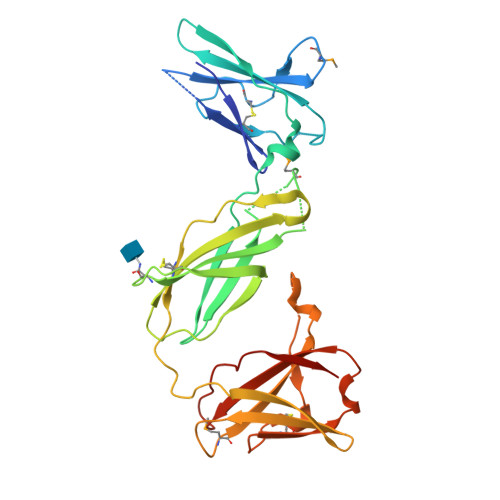
Interferon alpha/beta receptor 1 structureClick to view 3D structureInterferon alpha/beta receptor 1P17181HumansPredicted (SEA)
Prediction Confidence Score
0.343
Applicability Domain
0.343
Statistical Significance
9.00e-05
Supporting Reference Compounds
1
E-value
0.700643
Click to view 3D structure5-hydroxytryptamine receptor 1AP19327Rattus norvegicusPredicted (SEA)
Prediction Confidence Score
0.33
Applicability Domain
0.355
Statistical Significance
0.0307
Supporting Reference Compounds
541
E-value
238.997
5-hydroxytryptamine receptor 1B structureClick to view 3D structure5-hydroxytryptamine receptor 1BP28222HumansPredicted (SEA)
Prediction Confidence Score
0.33
Applicability Domain
0.355
Statistical Significance
0.0147
Supporting Reference Compounds
337
E-value
114.127
Click to view 3D structureCytochrome P450 2A5P20852Mus musculusPredicted (SEA)
Prediction Confidence Score
0.324
Applicability Domain
0.542
Statistical Significance
9.00e-05
Supporting Reference Compounds
11
E-value
0.700643
Sigma non-opioid intracellular receptor 1 structureClick to view 3D structureSigma non-opioid intracellular receptor 1Q99720HumansPredicted (SEA)
Prediction Confidence Score
0.323
Applicability Domain
0.357
Statistical Significance
0.041
Supporting Reference Compounds
562
E-value
319.415
Click to view 3D structureTrans-cinnamate 4-monooxygenaseQ04468Helianthus tuberosusPredicted (SEA)
Prediction Confidence Score
0.323
Applicability Domain
0.323
Statistical Significance
2.80e-04
Supporting Reference Compounds
1
E-value
2.17978
Sodium-dependent serotonin transporter structureClick to view 3D structureSodium-dependent serotonin transporterP31645HumansPredicted (SEA)
Prediction Confidence Score
0.321
Applicability Domain
0.379
Statistical Significance
0.0337
Supporting Reference Compounds
593
E-value
262.118
Cytochrome P450 2A6 structureClick to view 3D structureCytochrome P450 2A6P11509HumansPredicted (SEA)
Prediction Confidence Score
0.311
Applicability Domain
0.542
Statistical Significance
0.0011
Supporting Reference Compounds
68
E-value
8.56341
Click to view 3D structure5-hydroxytryptamine receptor 1BP28564Rattus norvegicusPredicted (SEA)
Prediction Confidence Score
0.311
Applicability Domain
0.353
Statistical Significance
0.013
Supporting Reference Compounds
154
E-value
100.97
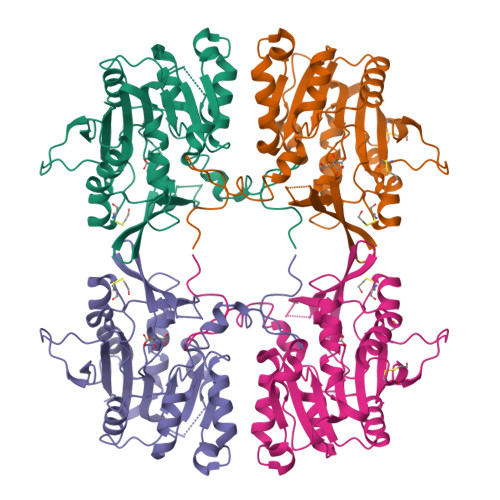
Peptidoglycan-N-acetylglucosamine deacetylase BC_1974 structureClick to view 3D structurePeptidoglycan-N-acetylglucosamine deacetylase BC_1974Q81EJ6Bacillus cereus (strain ATCC 14579 / DSM 31 / JCM 2152 / NBRC 15305 /NCIMB 9373 / NRRL B-3711)Predicted (SEA)
Prediction Confidence Score
0.306
Applicability Domain
0.306
Statistical Significance
0.0013
Supporting Reference Compounds
1
E-value
10.0426
Poly [ADP-ribose] polymerase 1 structureClick to view 3D structurePoly [ADP-ribose] polymerase 1P09874HumansPredicted (SEA)
Prediction Confidence Score
0.303
Applicability Domain
0.333
Statistical Significance
0.0095
Supporting Reference Compounds
146
E-value
73.6454
Click to view 3D structurePolyunsaturated fatty acid 5-lipoxygenaseP12527Rattus norvegicusPredicted (SEA)
Prediction Confidence Score
0.302
Applicability Domain
0.478
Statistical Significance
0.0058
Supporting Reference Compounds
78
E-value
45.1525
5-hydroxytryptamine receptor 2A structureClick to view 3D structure5-hydroxytryptamine receptor 2AP28223HumansPredicted (SEA)
Prediction Confidence Score
0.302
Applicability Domain
0.344
Statistical Significance
0.078
Supporting Reference Compounds
955
E-value
607.146
Poly [ADP-ribose] polymerase tankyrase-2 structureClick to view 3D structurePoly [ADP-ribose] polymerase tankyrase-2Q9H2K2HumansPredicted (SEA)
Prediction Confidence Score
0.301
Applicability Domain
0.333
Statistical Significance
0.0057
Supporting Reference Compounds
90
E-value
44.6076
Poly [ADP-ribose] polymerase tankyrase-1 structureClick to view 3D structurePoly [ADP-ribose] polymerase tankyrase-1O95271HumansPredicted (SEA)
Prediction Confidence Score
0.301
Applicability Domain
0.333
Statistical Significance
0.0069
Supporting Reference Compounds
94
E-value
53.9495
5-hydroxytryptamine receptor 6 structureClick to view 3D structure5-hydroxytryptamine receptor 6P50406HumansPredicted (SEA)
Prediction Confidence Score
0.301
Applicability Domain
0.344
Statistical Significance
0.0443
Supporting Reference Compounds
536
E-value
344.872
Alpha-2A adrenergic receptor structureClick to view 3D structureAlpha-2A adrenergic receptorP08913HumansPredicted (SEA)
Prediction Confidence Score
0.299
Applicability Domain
0.379
Statistical Significance
0.0424
Supporting Reference Compounds
487
E-value
330.392
Cytochrome P450 2D6 structureClick to view 3D structureCytochrome P450 2D6P10635HumansPredicted (SEA)
Prediction Confidence Score
0.298
Applicability Domain
0.308
Statistical Significance
0.1139
Supporting Reference Compounds
1130
E-value
886.858
Cytochrome P450 3A4 structureClick to view 3D structureCytochrome P450 3A4P08684HumansPredicted (SEA)
Prediction Confidence Score
0.297
Applicability Domain
0.371
Statistical Significance
0.1832
Supporting Reference Compounds
1538
E-value
1426.51
5-hydroxytryptamine receptor 1A structureClick to view 3D structure5-hydroxytryptamine receptor 1AP08908HumansPredicted (SEA)
Prediction Confidence Score
0.295
Applicability Domain
0.344
Statistical Significance
0.0812
Supporting Reference Compounds
953
E-value
632.136
5-hydroxytryptamine receptor 7 structureClick to view 3D structure5-hydroxytryptamine receptor 7P34969HumansPredicted (SEA)
Prediction Confidence Score
0.295
Applicability Domain
0.344
Statistical Significance
0.0548
Supporting Reference Compounds
565
E-value
426.38
Acetylcholinesterase structureClick to view 3D structureAcetylcholinesteraseP22303HumansPredicted (SEA)
Prediction Confidence Score
0.293
Applicability Domain
0.316
Statistical Significance
0.0497
Supporting Reference Compounds
406
E-value
386.988
Beta-2 adrenergic receptor structureClick to view 3D structureBeta-2 adrenergic receptorP07550HumansPredicted (SEA)
Prediction Confidence Score
0.292
Applicability Domain
0.3
Statistical Significance
0.0193
Supporting Reference Compounds
258
E-value
150.093
Alpha-2C adrenergic receptor structureClick to view 3D structureAlpha-2C adrenergic receptorP18825HumansPredicted (SEA)
Prediction Confidence Score
0.292
Applicability Domain
0.379
Statistical Significance
0.0385
Supporting Reference Compounds
386
E-value
299.797
Aryl hydrocarbon receptor structureClick to view 3D structureAryl hydrocarbon receptorP35869HumansKnownMany PAH's induce the expression of cytochrome P450 enzymes, especially CYP1A1, CYP1A2, and CYP1B1, by binding to the aryl hydrocarbon receptor or glycine N-methyltransferase protein. These enzymes metabolize PAH's into their toxic intermediates. The reactive metabolites of PAHs (epoxide intermediates, dihydrodiols, phenols, quinones, and their various combinations) covalently bind to DNA and other cellular macromolecules, initiating mutagenesis and carcinogenesis. (L10, L23, A27, A32)
Glycine N-methyltransferase structureClick to view 3D structureGlycine N-methyltransferaseQ14749HumansKnownMany PAH's induce the expression of cytochrome P450 enzymes, especially CYP1A1, CYP1A2, and CYP1B1, by binding to the aryl hydrocarbon receptor or glycine N-methyltransferase protein. These enzymes metabolize PAH's into their toxic intermediates. The reactive metabolites of PAHs (epoxide intermediates, dihydrodiols, phenols, quinones, and their various combinations) covalently bind to DNA and other cellular macromolecules, initiating mutagenesis and carcinogenesis. (L10, L23, A27, A32)
Cytochrome P450 1A2 structureClick to view 3D structureCytochrome P450 1A2P05177HumansKnownNot Available
Cellular tumor antigen p53 structureClick to view 3D structureCellular tumor antigen p53P04637HumansKnown1-Methylnaphthalene binds to cellular tumor antigen p53.
Concentrations
Not Available
External Links
DrugBank IDNot Available
HMDB IDHMDB0032860
FooDB IDFDB010838
Phenol Explorer IDNot Available
KNApSAcK IDC00050647
BiGG IDNot Available
BioCyc IDNot Available
METLIN IDNot Available
PDB IDNot Available
Wikipedia Link1-Methylnaphthalene
Chemspider ID6736
ChEBI ID50717
PubChem Compound ID7002
Kegg Compound IDC14082
YMDB IDNot Available
ECMDB IDNot Available
References
Synthesis ReferenceNot Available
MSDSLink
General References
  1. Santodonato J, Howard P, Basu D: Health and ecological assessment of polynuclear aromatic hydrocarbons. J Environ Pathol Toxicol. 1981 Sep;5(1):1-364. [PubMed: 7310260]
  2. Uno S, Dragin N, Miller ML, Dalton TP, Gonzalez FJ, Nebert DW: Basal and inducible CYP1 mRNA quantitation and protein localization throughout the mouse gastrointestinal tract. Free Radic Biol Med. 2008 Feb 15;44(4):570-83. Epub 2007 Nov 12. [PubMed: 17997381]
  3. Padros J, Pelletier E: In vivo formation of (+)-anti-benzo[a]pyrene diol-epoxide-plasma albumin adducts in fish. Mar Environ Res. 2000 Jul-Dec;50(1-5):347-51. [PubMed: 11460716]
  4. Adachi K: Mass fragmentographic determination of polymethylnaphthalene and polymethylphenanthrene in a crude oil and in marine organisms. Bull Environ Contam Toxicol. 1980 Sep;25(3):416-23. [PubMed: 6893557]
  5. Jin M, Kijima A, Suzuki Y, Hibi D, Ishii Y, Nohmi T, Nishikawa A, Ogawa K, Umemura T: In vivo genotoxicity of 1-methylnaphthalene from comprehensive toxicity studies with B6C3F1 gpt delta mice. J Toxicol Sci. 2012;37(4):711-21. [PubMed: 22863852]
  6. Kameda T, Inazu K, Asano K, Murota M, Takenaka N, Sadanaga Y, Hisamatsu Y, Bandow H: Prediction of rate constants for the gas phase reactions of triphenylene with OH and NO3 radicals using a relative rate method in CCl4 liquid phase-system. Chemosphere. 2013 Jan;90(2):766-71. doi: 10.1016/j.chemosphere.2012.09.071. Epub 2012 Oct 22. [PubMed: 23084261]
  7. Kwon HC, Kwon JH: Measuring aqueous solubility in the presence of small cosolvent volume fractions by passive dosing. Environ Sci Technol. 2012 Nov 20;46(22):12550-6. doi: 10.1021/es3035363. Epub 2012 Oct 29. [PubMed: 23088587]
  8. Wang Y, Lonard DM, Yu Y, Chow DC, Palzkill TG, O'Malley BW: Small molecule inhibition of the steroid receptor coactivators, SRC-3 and SRC-1. Mol Endocrinol. 2011 Dec;25(12):2041-53. doi: 10.1210/me.2011-1222. Epub 2011 Nov 3. [PubMed: 22053001]
  9. Shintani M, Matsuo Y, Sakuraba S, Matubayasi N: Interaction of naphthalene derivatives with lipids in membranes studied by the 1H-nuclear Overhauser effect and molecular dynamics simulation. Phys Chem Chem Phys. 2012 Oct 28;14(40):14049-60. Epub 2012 Sep 17. [PubMed: 22983117]
  10. Kleemann R, Meckenstock RU: Anaerobic naphthalene degradation by Gram-positive, iron-reducing bacteria. FEMS Microbiol Ecol. 2011 Dec;78(3):488-96. doi: 10.1111/j.1574-6941.2011.01193.x. Epub 2011 Sep 22. [PubMed: 22066721]
  11. Govindarajan M, Karabacak M: FT-IR, FT-Raman and UV spectral investigation: computed frequency estimation analysis and electronic structure calculations on 1-bromo-2-methylnaphthalene. Spectrochim Acta A Mol Biomol Spectrosc. 2013 Jan 15;101:314-24. doi: 10.1016/j.saa.2012.09.099. Epub 2012 Oct 12. [PubMed: 23123238]
  12. Lopez ER, Pensado AS, Fernandez J, Harris KR: On the density scaling of pVT data and transport properties for molecular and ionic liquids. J Chem Phys. 2012 Jun 7;136(21):214502. doi: 10.1063/1.4720070. [PubMed: 22697553]
  13. Wang LF, Wu QJ, Zu LL: [Laser-induced fluorescence of 1-methylnaphthalene in a supersonic jet expansion]. Guang Pu Xue Yu Guang Pu Fen Xi. 2011 Nov;31(11):2965-8. [PubMed: 22242496]
  14. Liu J, Tang X, Zhang Y, Zhao W: Determination of the volatile composition in brown millet, milled millet and millet bran by gas chromatography/mass spectrometry. Molecules. 2012 Feb 24;17(3):2271-82. doi: 10.3390/molecules17032271. [PubMed: 22367023]
  15. Molloy JK, Kotova O, Peacock RD, Gunnlaugsson T: Synthesis of luminescent homo-dinuclear cationic lanthanide cyclen complexes bearing amide pendant arms through the use of copper catalysed (1,3-Huisgen, CuAAC) click chemistry. Org Biomol Chem. 2012 Jan 14;10(2):314-22. doi: 10.1039/c1ob06203d. Epub 2011 Nov 9. [PubMed: 22071980]
  16. Berdugo-Clavijo C, Dong X, Soh J, Sensen CW, Gieg LM: Methanogenic biodegradation of two-ringed polycyclic aromatic hydrocarbons. FEMS Microbiol Ecol. 2012 Jul;81(1):124-33. doi: 10.1111/j.1574-6941.2012.01328.x. Epub 2012 Mar 8. [PubMed: 22324881]
  17. Baedecker MJ, Eganhouse RP, Bekins BA, Delin GN: Loss of volatile hydrocarbons from an LNAPL oil source. J Contam Hydrol. 2011 Nov 1;126(3-4):140-52. doi: 10.1016/j.jconhyd.2011.06.006. Epub 2011 Jul 19. [PubMed: 22115081]
  18. ATSDR - Agency for Toxic Substances and Disease Registry (1995). Toxicological profile for PAHs. U.S. Public Health Service in collaboration with U.S. Environmental Protection Agency (EPA). - http://www.atsdr.cdc.gov/toxprofiles/tp69.html
  19. Wikipedia. Benzopyrene. Last Updated 22 January 2009. - http://en.wikipedia.org/wiki/Benzopyrene
  20. International Agency for Research on Cancer (2014). IARC Monographs on the Evaluation of Carcinogenic Risks to Humans. - http://monographs.iarc.fr/index.php
  21. Lewis RJ (1996). Sax's Dangerous Properties of Industrial Materials. 9th ed. Volumes 1-3. New York, NY: Van Nostrand Reinhold.
  22. Rumack BH (2009). POISINDEX(R) Information System. Englewood, CO: Micromedex, Inc. CCIS Volume 141, edition expires Aug, 2009.
  23. Yannai, Shmuel. (2004) Dictionary of food compounds with CD-ROM: Additives, flavors, and ingredients. Boca Raton: Chapman & Hall/CRC.