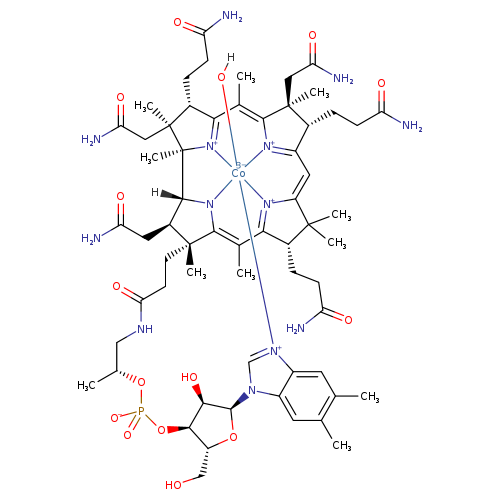
Click to view 3D structure Click to view 3D structure | Ribonuclease pancreatic | P07998 | Humans | Predicted (SEA) | 54.0274 |
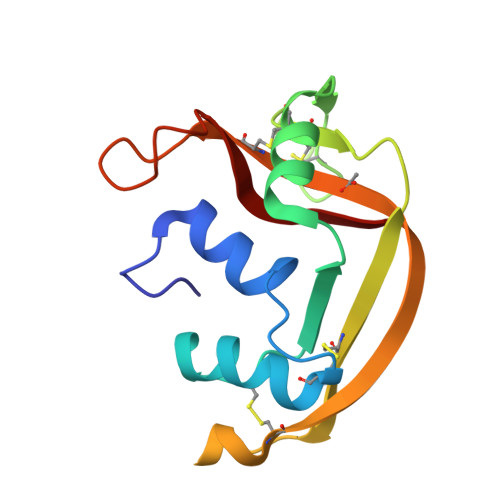 Click to view 3D structure Click to view 3D structure | Non-secretory ribonuclease | P10153 | Humans | Predicted (SEA) | 54.0274 |
 Click to view 3D structure Click to view 3D structure | Glutamine--tRNA ligase | P00962 | Escherichia coli (strain K12) | Predicted (SEA) | 60.9559 |
| Click to view 3D structure | Histone acetyltransferase GCN5 | Q245K9 | Tetrahymena thermophila (strain SB210) | Predicted (SEA) | 120.433 |
| Click to view 3D structure | Aminoglycoside acetyltransferase | Q70E71 | Enterococcus durans | Predicted (SEA) | 38.0683 |
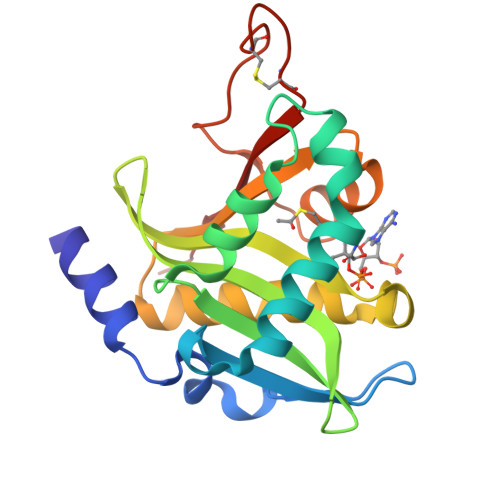 Click to view 3D structure Click to view 3D structure | N-alpha-acetyltransferase 40 | Q86UY6 | Humans | Predicted (SEA) | 91.6285 |
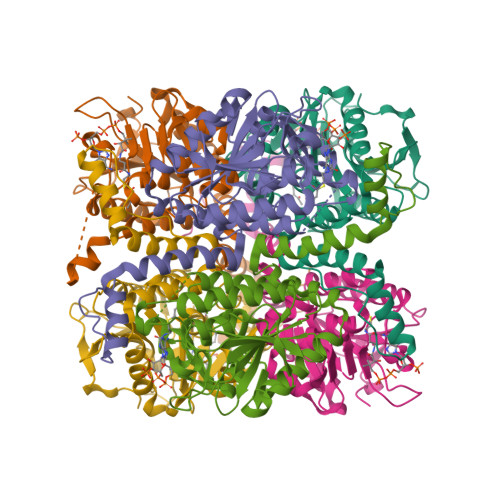 Click to view 3D structure Click to view 3D structure | 1,4-dihydroxy-2-naphthoyl-CoA synthase | P9WNP5 | Mycobacterium tuberculosis (strain ATCC 25618 / H37Rv) | Predicted (SEA) | 56.2071 |
| Click to view 3D structure | S-adenosylmethionine synthase isoform type-1 | P13444 | Rattus norvegicus | Predicted (SEA) | 57.1413 |
| Click to view 3D structure | Aspartate--tRNA ligase | P21889 | Escherichia coli (strain K12) | Predicted (SEA) | 72.3219 |
 Click to view 3D structure Click to view 3D structure | Histone-arginine methyltransferase CARM1 | Q86X55 | Humans | Predicted (SEA) | 1865.5 |
| Click to view 3D structure | Adenosine receptor A2a | P30543 | Rattus norvegicus | Predicted (SEA) | 4118.77 |
| Click to view 3D structure | Protein arginine N-methyltransferase 7 | Q9NVM4 | Humans | Predicted (SEA) | 484.456 |
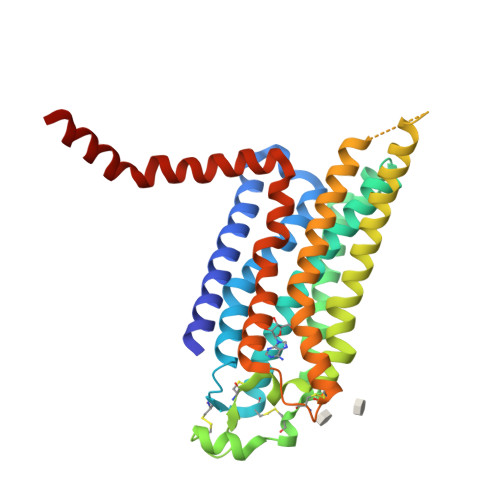 Click to view 3D structure Click to view 3D structure | Adenosine receptor A2a | P29274 | Humans | Predicted (SEA) | 6218.44 |
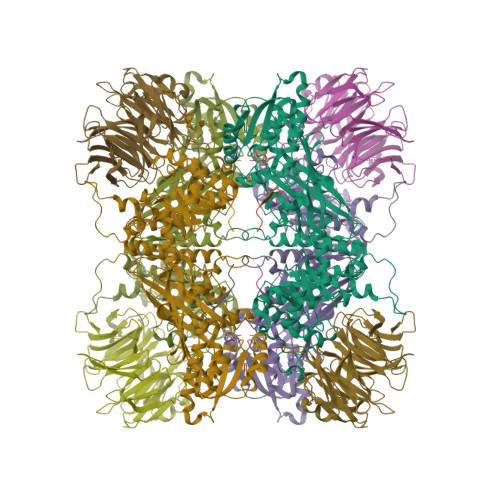 Click to view 3D structure Click to view 3D structure | Protein arginine N-methyltransferase 5 | O14744 | Humans | Predicted (SEA) | 1231.34 |
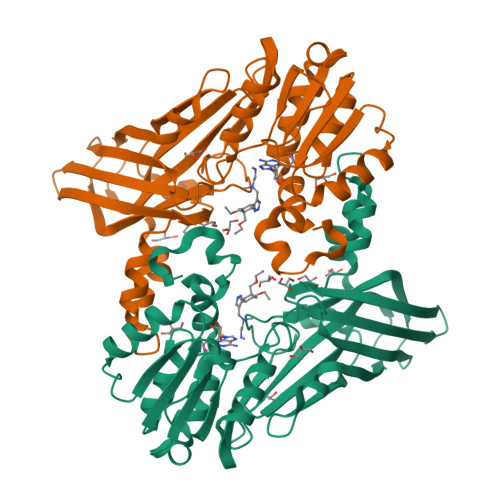 Click to view 3D structure Click to view 3D structure | Protein arginine N-methyltransferase 1 | Q99873 | Humans | Predicted (SEA) | 1316.35 |
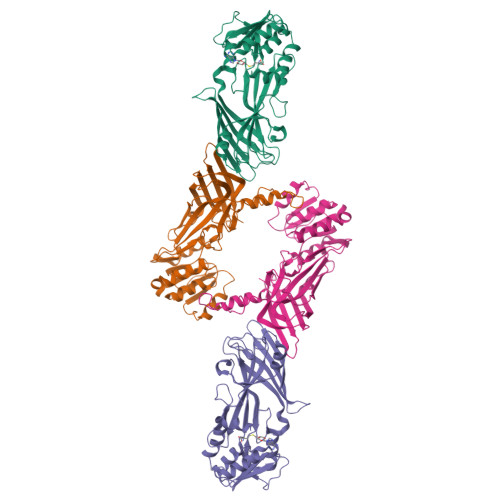 Click to view 3D structure Click to view 3D structure | Protein arginine N-methyltransferase 8 | Q9NR22 | Humans | Predicted (SEA) | 1061.71 |
| Click to view 3D structure | 4-diphosphocytidyl-2-C-methyl-D-erythritol kinase | P62615 | Escherichia coli (strain K12) | Predicted (SEA) | 207.312 |
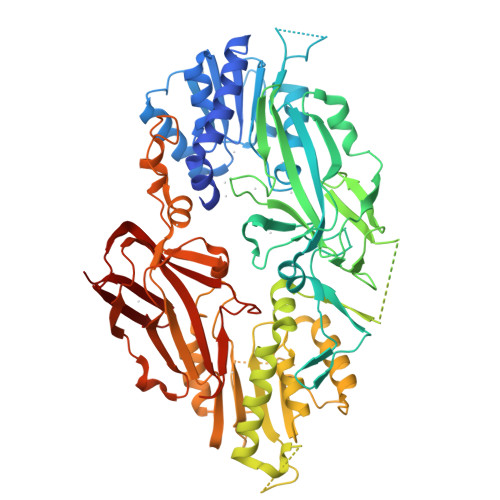 Click to view 3D structure Click to view 3D structure | Protein arginine N-methyltransferase 9 | Q6P2P2 | Humans | Predicted (SEA) | 225.062 |
| Click to view 3D structure | 2-dehydropantoate 2-reductase | P0A9J4 | Escherichia coli K-12 | Predicted (SEA) | 61.6566 |
| Click to view 3D structure | Met repressor | C3SIU2 | Escherichia coli | Predicted (SEA) | 92.952 |
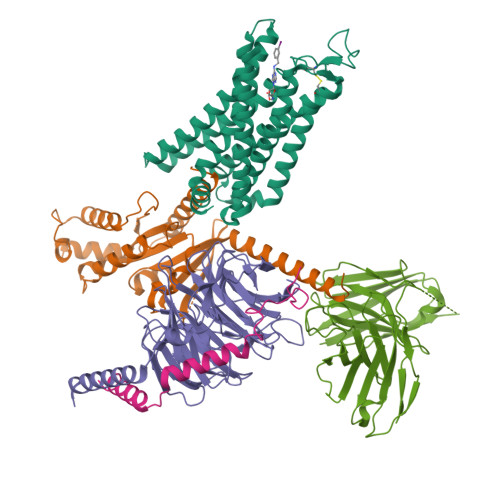 Click to view 3D structure Click to view 3D structure | Adenosine receptor A3 | P0DMS8 | Humans | Predicted (SEA) | 6695.42 |
 Click to view 3D structure Click to view 3D structure | P2Y purinoceptor 1 | P47900 | Humans | Predicted (SEA) | 1691.97 |
 Click to view 3D structure Click to view 3D structure | Adenosine receptor A1 | P30542 | Humans | Predicted (SEA) | 6479.94 |
| Click to view 3D structure | Serine--tRNA ligase | P0A8L1 | Escherichia coli (strain K12) | Predicted (SEA) | 80.9632 |
| Click to view 3D structure | BirA bifunctional protein | P96884 | Mycobacterium tuberculosis (strain CDC 1551 / Oshkosh) | Predicted (SEA) | 75.5137 |
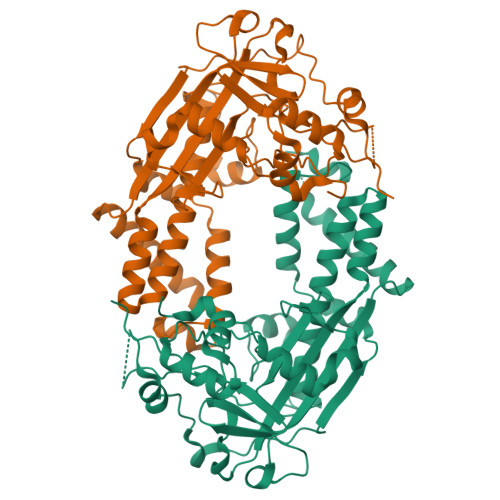 Click to view 3D structure Click to view 3D structure | Methionine synthase | Q99707 | Humans | Known | Vitamin B12 exists in four major forms referred to collectively as cobalamins; deoxyadenosylcobalamin, methylcobalamin, hydroxocobalamin, and cyanocobalamin. Two of these, methylcobalamin and 5-deoxyadenosyl cobalamin, are primarily used by the body. Methionine synthase needs methylcobalamin as a cofactor. This enzyme is involved in the conversion of the amino acid homocysteine into methionine. Methionine in turn is required for DNA methylation. 5-Deoxyadenosyl cobalamin is a cofactor needed by the enzyme that converts L-methylmalonyl-CoA to succinyl-CoA. This conversion is an important step in the extraction of energy from proteins and fats. Furthermore, succinyl CoA is necessary for the production of hemoglobin, the substances that carries oxygen in red blood cells. |
 Click to view 3D structure Click to view 3D structure | Methylmalonyl-CoA mutase, mitochondrial | P22033 | Humans | Known | Vitamin B12 exists in four major forms referred to collectively as cobalamins; deoxyadenosylcobalamin, methylcobalamin, hydroxocobalamin, and cyanocobalamin. Two of these, methylcobalamin and 5-deoxyadenosyl cobalamin, are primarily used by the body. Methionine synthase needs methylcobalamin as a cofactor. This enzyme is involved in the conversion of the amino acid homocysteine into methionine. Methionine in turn is required for DNA methylation. 5-Deoxyadenosyl cobalamin is a cofactor needed by the enzyme that converts L-methylmalonyl-CoA to succinyl-CoA. This conversion is an important step in the extraction of energy from proteins and fats. Furthermore, succinyl CoA is necessary for the production of hemoglobin, the substances that carries oxygen in red blood cells. |
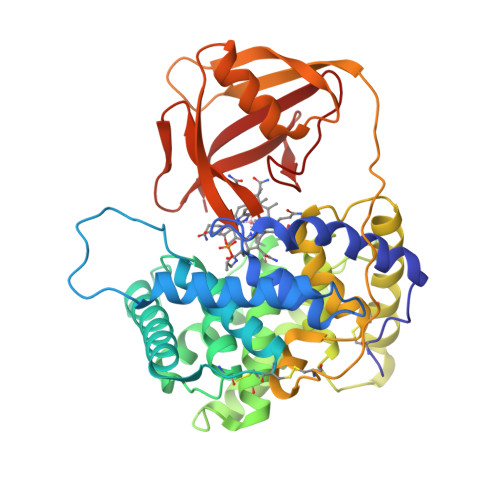 Click to view 3D structure Click to view 3D structure | Transcobalamin-2 | P20062 | Humans | Known | Vitamin B12 exists in four major forms referred to collectively as cobalamins; deoxyadenosylcobalamin, methylcobalamin, hydroxocobalamin, and cyanocobalamin. Two of these, methylcobalamin and 5-deoxyadenosyl cobalamin, are primarily used by the body. Methionine synthase needs methylcobalamin as a cofactor. This enzyme is involved in the conversion of the amino acid homocysteine into methionine. Methionine in turn is required for DNA methylation. 5-Deoxyadenosyl cobalamin is a cofactor needed by the enzyme that converts L-methylmalonyl-CoA to succinyl-CoA. This conversion is an important step in the extraction of energy from proteins and fats. Furthermore, succinyl CoA is necessary for the production of hemoglobin, the substances that carries oxygen in red blood cells. |
 Click to view 3D structure Click to view 3D structure | Cyanocobalamin reductase / alkylcobalamin dealkylase | Q9Y4U1 | Humans | Known | Vitamin B12 exists in four major forms referred to collectively as cobalamins; deoxyadenosylcobalamin, methylcobalamin, hydroxocobalamin, and cyanocobalamin. Two of these, methylcobalamin and 5-deoxyadenosyl cobalamin, are primarily used by the body. Methionine synthase needs methylcobalamin as a cofactor. This enzyme is involved in the conversion of the amino acid homocysteine into methionine. Methionine in turn is required for DNA methylation. 5-Deoxyadenosyl cobalamin is a cofactor needed by the enzyme that converts L-methylmalonyl-CoA to succinyl-CoA. This conversion is an important step in the extraction of energy from proteins and fats. Furthermore, succinyl CoA is necessary for the production of hemoglobin, the substances that carries oxygen in red blood cells. |
 Click to view 3D structure Click to view 3D structure | Carbonic anhydrase 1 | P00915 | Humans | Known | Cobalt inhibits carbonic anhydrases.(A38, A98) |
 Click to view 3D structure Click to view 3D structure | Carbonic anhydrase 2 | P00918 | Humans | Known | Cobalt inhibits carbonic anhydrases.(A38, A98) |
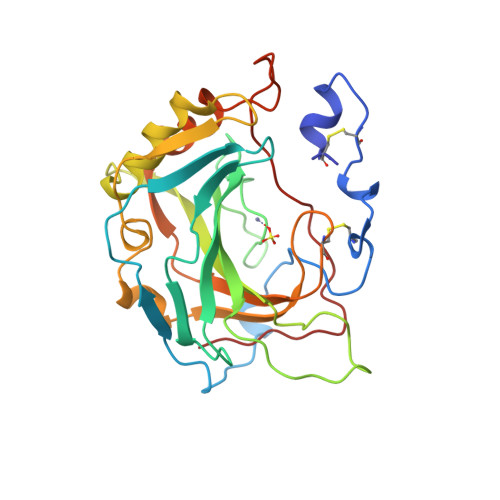 Click to view 3D structure Click to view 3D structure | Carbonic anhydrase 4 | P22748 | Humans | Known | Cobalt inhibits carbonic anhydrases.(A38, A98) |
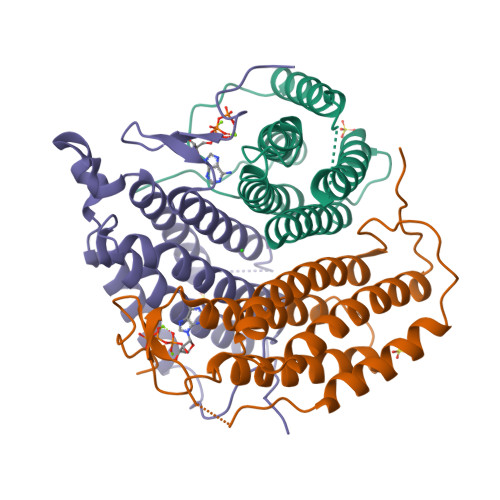 Click to view 3D structure Click to view 3D structure | Corrinoid adenosyltransferase MMAB | Q96EY8 | Humans | Known | Vitamin B12 exists in four major forms referred to collectively as cobalamins; deoxyadenosylcobalamin, methylcobalamin, hydroxocobalamin, and cyanocobalamin. Two of these, methylcobalamin and 5-deoxyadenosyl cobalamin, are primarily used by the body. Methionine synthase needs methylcobalamin as a cofactor. This enzyme is involved in the conversion of the amino acid homocysteine into methionine. Methionine in turn is required for DNA methylation. 5-Deoxyadenosyl cobalamin is a cofactor needed by the enzyme that converts L-methylmalonyl-CoA to succinyl-CoA. This conversion is an important step in the extraction of energy from proteins and fats. Furthermore, succinyl CoA is necessary for the production of hemoglobin, the substances that carries oxygen in red blood cells. |
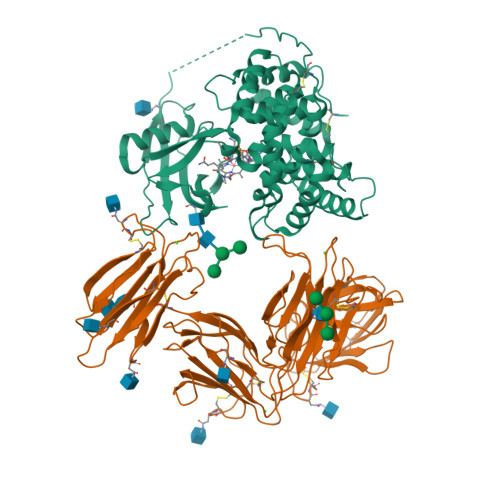 Click to view 3D structure Click to view 3D structure | Cubilin | O60494 | Humans | Known | Vitamin B12 exists in four major forms referred to collectively as cobalamins; deoxyadenosylcobalamin, methylcobalamin, hydroxocobalamin, and cyanocobalamin. Two of these, methylcobalamin and 5-deoxyadenosyl cobalamin, are primarily used by the body. Methionine synthase needs methylcobalamin as a cofactor. This enzyme is involved in the conversion of the amino acid homocysteine into methionine. Methionine in turn is required for DNA methylation. 5-Deoxyadenosyl cobalamin is a cofactor needed by the enzyme that converts L-methylmalonyl-CoA to succinyl-CoA. This conversion is an important step in the extraction of energy from proteins and fats. Furthermore, succinyl CoA is necessary for the production of hemoglobin, the substances that carries oxygen in red blood cells. |
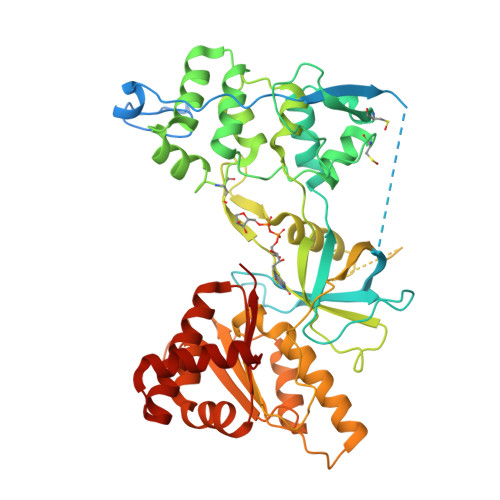 Click to view 3D structure Click to view 3D structure | Methionine synthase reductase | Q9UBK8 | Humans | Known | Vitamin B12 exists in four major forms referred to collectively as cobalamins; deoxyadenosylcobalamin, methylcobalamin, hydroxocobalamin, and cyanocobalamin. Two of these, methylcobalamin and 5-deoxyadenosyl cobalamin, are primarily used by the body. Methionine synthase needs methylcobalamin as a cofactor. This enzyme is involved in the conversion of the amino acid homocysteine into methionine. Methionine in turn is required for DNA methylation. 5-Deoxyadenosyl cobalamin is a cofactor needed by the enzyme that converts L-methylmalonyl-CoA to succinyl-CoA. This conversion is an important step in the extraction of energy from proteins and fats. Furthermore, succinyl CoA is necessary for the production of hemoglobin, the substances that carries oxygen in red blood cells. |
 Click to view 3D structure Click to view 3D structure | Methylmalonic aciduria type A protein, mitochondrial | Q8IVH4 | Humans | Known | Vitamin B12 exists in four major forms referred to collectively as cobalamins; deoxyadenosylcobalamin, methylcobalamin, hydroxocobalamin, and cyanocobalamin. Two of these, methylcobalamin and 5-deoxyadenosyl cobalamin, are primarily used by the body. Methionine synthase needs methylcobalamin as a cofactor. This enzyme is involved in the conversion of the amino acid homocysteine into methionine. Methionine in turn is required for DNA methylation. 5-Deoxyadenosyl cobalamin is a cofactor needed by the enzyme that converts L-methylmalonyl-CoA to succinyl-CoA. This conversion is an important step in the extraction of energy from proteins and fats. Furthermore, succinyl CoA is necessary for the production of hemoglobin, the substances that carries oxygen in red blood cells. |
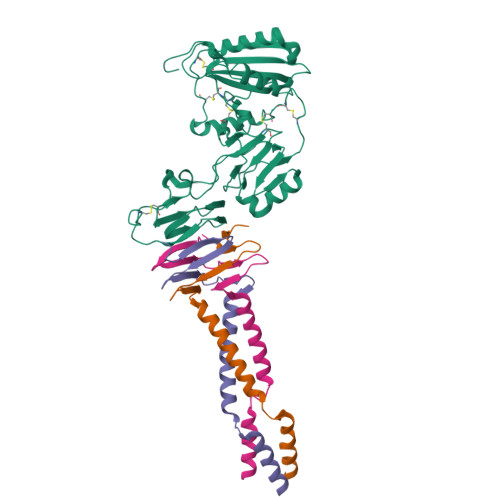 Click to view 3D structure Click to view 3D structure | Protein amnionless | Q9BXJ7 | Humans | Known | Vitamin B12 exists in four major forms referred to collectively as cobalamins; deoxyadenosylcobalamin, methylcobalamin, hydroxocobalamin, and cyanocobalamin. Two of these, methylcobalamin and 5-deoxyadenosyl cobalamin, are primarily used by the body. Methionine synthase needs methylcobalamin as a cofactor. This enzyme is involved in the conversion of the amino acid homocysteine into methionine. Methionine in turn is required for DNA methylation. 5-Deoxyadenosyl cobalamin is a cofactor needed by the enzyme that converts L-methylmalonyl-CoA to succinyl-CoA. This conversion is an important step in the extraction of energy from proteins and fats. Furthermore, succinyl CoA is necessary for the production of hemoglobin, the substances that carries oxygen in red blood cells. |
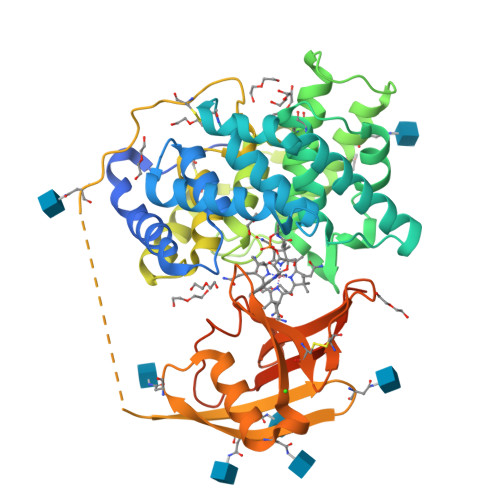 Click to view 3D structure Click to view 3D structure | Transcobalamin-1 | P20061 | Humans | Known | Vitamin B12 exists in four major forms referred to collectively as cobalamins; deoxyadenosylcobalamin, methylcobalamin, hydroxocobalamin, and cyanocobalamin. Two of these, methylcobalamin and 5-deoxyadenosyl cobalamin, are primarily used by the body. Methionine synthase needs methylcobalamin as a cofactor. This enzyme is involved in the conversion of the amino acid homocysteine into methionine. Methionine in turn is required for DNA methylation. 5-Deoxyadenosyl cobalamin is a cofactor needed by the enzyme that converts L-methylmalonyl-CoA to succinyl-CoA. This conversion is an important step in the extraction of energy from proteins and fats. Furthermore, succinyl CoA is necessary for the production of hemoglobin, the substances that carries oxygen in red blood cells. |
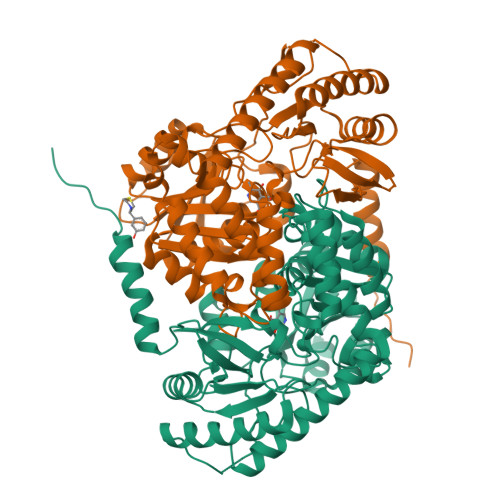 Click to view 3D structure Click to view 3D structure | 5-aminolevulinate synthase, erythroid-specific, mitochondrial | P22557 | Humans | Known | Cobalt inhibits heme synthesis by preventing synthesis of 5-aminolaevulinate via inhibition of 5-aminolaevulinate synthase. (L22) |
| Click to view 3D structure | 5-aminolevulinate synthase, non-specific, mitochondrial | P13196 | Humans | Known | Cobalt inhibits heme synthesis by preventing synthesis of 5-aminolaevulinate via inhibition of 5-aminolaevulinate synthase. (L22) |
 Click to view 3D structure Click to view 3D structure | Immunoglobulin heavy constant alpha 1 | P01876 | Humans | Known | Cobalt interacts with specific IgA antibodies, resulting in immunosensitization. (A102) |
 Click to view 3D structure Click to view 3D structure | Immunoglobulin heavy constant alpha 2 | P01877 | Humans | Known | Cobalt interacts with specific IgA antibodies, resulting in immunosensitization. (A102) |
![Poly [ADP-ribose] polymerase 1 structure](https://cdn.rcsb.org/images/structures/1uk0_assembly-1.jpeg) Click to view 3D structure Click to view 3D structure | Poly [ADP-ribose] polymerase 1 | P09874 | Humans | Known | Cobalt inhibits DNA repair by interacting with zinc finger DNA repair proteins. (A103) |
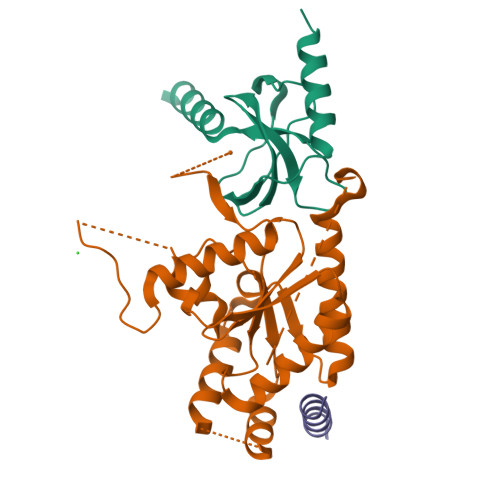 Click to view 3D structure Click to view 3D structure | Voltage-dependent L-type calcium channel subunit alpha-1C | Q13936 | Humans | Known | Cobalt blocks high-voltage-activated calcium channels, possibly impairing neurotransmission. (A100) |
 Click to view 3D structure Click to view 3D structure | Voltage-dependent L-type calcium channel subunit alpha-1D | Q01668 | Humans | Known | Cobalt blocks high-voltage-activated calcium channels, possibly impairing neurotransmission. (A100) |
| Click to view 3D structure | Voltage-dependent L-type calcium channel subunit alpha-1F | O60840 | Humans | Known | Cobalt blocks high-voltage-activated calcium channels, possibly impairing neurotransmission. (A100) |
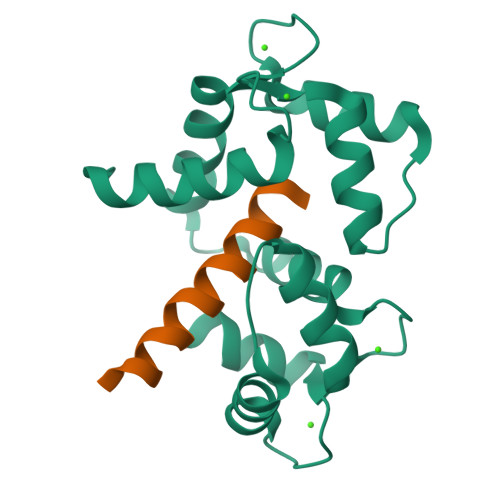 Click to view 3D structure Click to view 3D structure | Voltage-dependent L-type calcium channel subunit alpha-1S | Q13698 | Humans | Known | Cobalt blocks high-voltage-activated calcium channels, possibly impairing neurotransmission. (A100) |
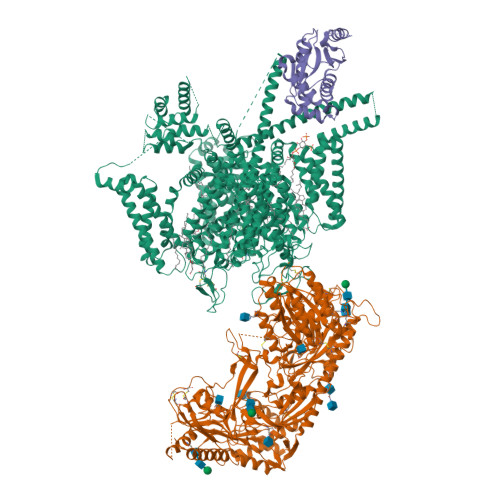 Click to view 3D structure Click to view 3D structure | Voltage-dependent L-type calcium channel subunit beta-1 | Q02641 | Humans | Known | Cobalt blocks high-voltage-activated calcium channels, possibly impairing neurotransmission. (A100) |
 Click to view 3D structure Click to view 3D structure | Voltage-dependent L-type calcium channel subunit beta-2 | Q08289 | Humans | Known | Cobalt blocks high-voltage-activated calcium channels, possibly impairing neurotransmission. (A100) |
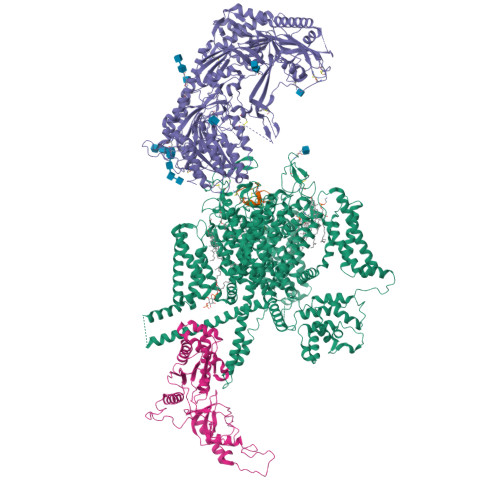 Click to view 3D structure Click to view 3D structure | Voltage-dependent L-type calcium channel subunit beta-3 | P54284 | Humans | Known | Cobalt blocks high-voltage-activated calcium channels, possibly impairing neurotransmission. (A100) |
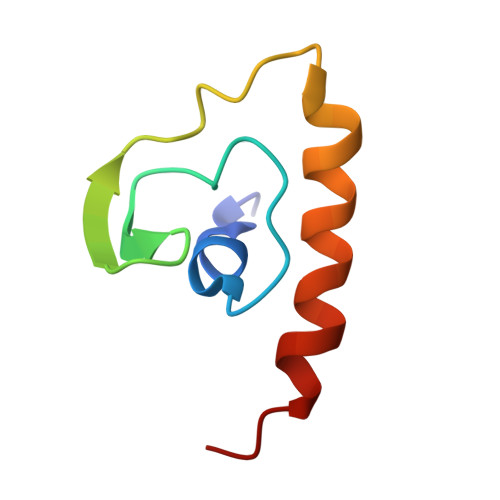 Click to view 3D structure Click to view 3D structure | Voltage-dependent L-type calcium channel subunit beta-4 | O00305 | Humans | Known | Cobalt blocks high-voltage-activated calcium channels, possibly impairing neurotransmission. (A100) |
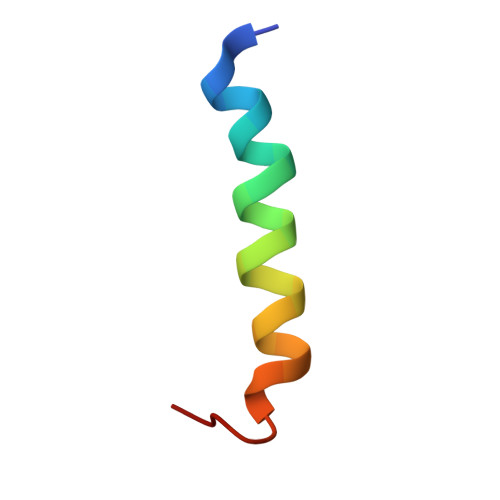 Click to view 3D structure Click to view 3D structure | Voltage-dependent N-type calcium channel subunit alpha-1B | Q00975 | Humans | Known | Cobalt blocks high-voltage-activated calcium channels, possibly impairing neurotransmission. (A100) |
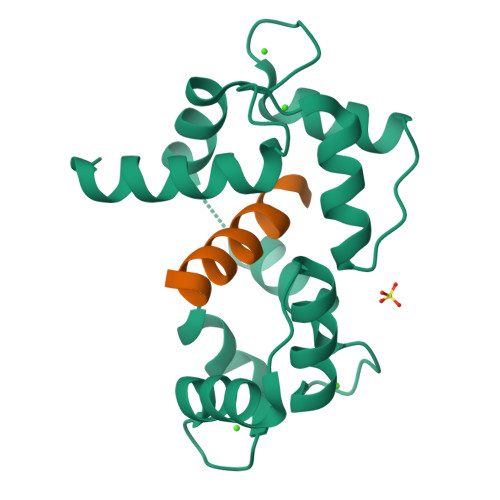 Click to view 3D structure Click to view 3D structure | Voltage-dependent P/Q-type calcium channel subunit alpha-1A | O00555 | Humans | Known | Cobalt blocks high-voltage-activated calcium channels, possibly impairing neurotransmission. (A100) |
| Click to view 3D structure | Voltage-dependent calcium channel gamma-1 subunit | Q06432 | Humans | Known | Cobalt blocks high-voltage-activated calcium channels, possibly impairing neurotransmission. (A100) |
| Click to view 3D structure | Voltage-dependent calcium channel subunit alpha-2/delta-1 | P54289 | Humans | Known | Cobalt blocks high-voltage-activated calcium channels, possibly impairing neurotransmission. (A100) |
| Click to view 3D structure | Voltage-dependent calcium channel subunit alpha-2/delta-2 | Q9NY47 | Humans | Known | Cobalt blocks high-voltage-activated calcium channels, possibly impairing neurotransmission. (A100) |
| Click to view 3D structure | Voltage-dependent calcium channel subunit alpha-2/delta-3 | Q8IZS8 | Humans | Known | Cobalt blocks high-voltage-activated calcium channels, possibly impairing neurotransmission. (A100) |