Barium chromate (CED0018043)

Record Information
Version1.0
Creation Date2009-03-26 19:29:18 UTC
Update Date2026-04-06 07:33:32 UTC
SynCED IDCED0018043
Secondary Accession Numbers
  • CHEM000628
  • T3D0701
Identification
Common NameBarium chromate
ClassSmall Molecule
Description
Barium chromate is an exogenous inorganic compound with the formula BaCrH6O4 and an average molecular weight of 259.37 g/mol. It exists as a solid at room temperature. Barium chromate belongs to the alkaline earth metal hydroxides, a subclass of alkaline earth metal oxoanionic compounds within the inorganic compounds. This compound is used in various plastics, including High-Density Polyethylene, Low-Density Polyethylene, Polypropylene, and Polyvinyl Chloride. It has been found in or released from 13 recorded sources, including food processing (processing meats and fermentation processes for beer), household cleaning and consumer products (tobacco smoke filters, cigar cigarettes, and bleaching agents), and electrical and electronic equipment (electric switches, antennas, fixed capacitors and their manufacture, discharge lamps, and electrically stimulated smoking devices). The compound interacts with several protein targets. Barium acts as a competitive antagonist at inward rectifier potassium channels (including KCNJ1, KCNJ10, KCNJ14, and KCNJ15) and potassium voltage-gated channel subfamily KQT members (including KCNQ1, KCNQ2, KCNQ3, and KCNQ4). These interactions block the passive efflux of intracellular potassium, causing a shift of potassium from extracellular to intracellular compartments, which decreases resting membrane potential and makes muscle fibers electrically unexcitable, resulting in paralysis. Barium is also believed to bind and activate calmodulin, leading to neurotoxic effects. Chromium targets include MAPK1 and MAPK3, which may induce carcinogenesis by increasing peroxide levels and overstimulating cellular regulatory pathways. Chromium can cause transcriptional repression by cross-linking histone deacetylase 1-DNA methyltransferase 1 complexes to CYP1A1 promoter chromatin, inhibiting histone modification via HDAC1. Additionally, chromium may inhibit zinc-induced metallothionein transcription by modifying metal regulatory transcription factor 1 and may form complexes with proteins, peptides, and DNA.
Contaminant Type
  • Barium Compound
  • Chromium Compound
  • Industrial/Workplace Toxin
  • Inorganic Compound
  • Pollutant
  • Synthetic Compound
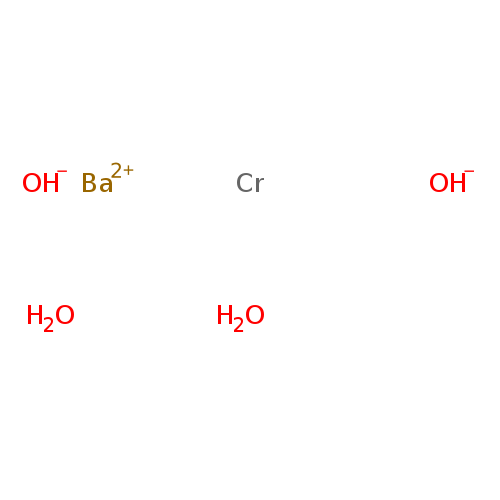
Chemical Structure
SynonymsNot Available
Chemical FormulaBaCrH6O4
Average Molecular Mass259.368 g/mol
Monoisotopic Mass259.872 g/mol
CAS Registry Number10294-40-3
IUPAC Namebarium(2+) ion chromium dihydrate dihydroxide
Traditional Namebarium(2+) ion chromium dihydrate dihydroxide
SMILESO.O.[OH-].[OH-].[Cr].[Ba++]
InChI IdentifierInChI=1S/Ba.Cr.4H2O/h;;4*1H2/q+2;;;;;/p-2
InChI KeyTZGRXKSQDISXRW-UHFFFAOYSA-L
Chemical Taxonomy
ClassificationNot classified
Biological Properties
StatusDetected and Not Quantified
OriginExogenous
Cellular Locations
  • Cytoplasm
  • Extracellular
Biofluid LocationsNot Available
Tissue LocationsNot Available
ApplicationsNot Available
Biological RolesNot Available
Chemical RolesNot Available
Organoleptic EffectsNot Available
Physical Properties
StateSolid
AppearanceYellow powder.
Experimental Properties
PropertyValue
Melting PointNot Available
Boiling PointNot Available
SolubilityNot Available
Predicted Properties
PropertyValueSource
Water Solubility380 g/LALOGPS
logP-1.3ALOGPS
logP-0.2ChemAxon
logS0.35ALOGPS
pKa (Strongest Acidic)3.09ChemAxon
Physiological Charge2ChemAxon
Hydrogen Acceptor Count0ChemAxon
Hydrogen Donor Count0ChemAxon
Polar Surface Area0 ŲChemAxon
Rotatable Bond Count0ChemAxon
Refractivity0 m³·mol⁻¹ChemAxon
Polarizability1.78 ųChemAxon
Number of Rings0ChemAxon
BioavailabilityYesChemAxon
Rule of FiveYesChemAxon
Ghose FilterNoChemAxon
Veber's RuleYesChemAxon
MDDR-like RuleNoChemAxon
Spectra
SpectraNot Available
Toxicity Profile
Toxicity ValuesNot Available
Toxicity / Toxin ClassNot Available
Mechanism of ToxicityBarium is a competitive potassium channel antagonist that blocks the passive efflux of intracellular potassium, resulting in a shift of potassium from extracellular to intracellular compartments. The intracellular translocation of potassium results in a decreased resting membrane potential, making the muscle fibers electrically unexcitable and causing paralysis. Some of these barium's effects may also be due to barium induced neuromuscular blockade and membrane depolarization. Hexavalent chromium's carcinogenic effects are caused by its metabolites, pentavalent and trivalent chromium. The DNA damage may be caused by hydroxyl radicals produced during reoxidation of pentavalent chromium by hydrogen peroxide molecules present in the cell. Trivalent chromium may also form complexes with peptides, proteins, and DNA, resulting in DNA-protein crosslinks, DNA strand breaks, DNA-DNA interstrand crosslinks, chromium-DNA adducts, chromosomal aberrations and alterations in cellular signaling pathways. It has been shown to induce carcinogenesis by overstimulating cellular regulatory pathways and increasing peroxide levels by activating certain mitogen-activated protein kinases. It can also cause transcriptional repression by cross-linking histone deacetylase 1-DNA methyltransferase 1 complexes to CYP1A1 promoter chromatin, inhibiting histone modification. Chromium may increase its own toxicity by modifying metal regulatory transcription factor 1, causing the inhibition of zinc-induced metallothionein transcription. (1, 5, 2, 3, 4, 9)
Carcinogenicity (IARC Classification)1, carcinogenic to humans. (8)
Minimum Risk LevelIntermediate Oral: 0.2 mg/kg/day (Barium salts) (7) Chronic Oral: 0.2 mg/kg/day (Barium salts) (7) Intermediate Oral: 0.005 mg/kg/day (Chromium) (7) Chronic Oral: 0.001 mg/kg/day (Chromium) (7)
SymptomsIngesting excess barium may cause vomiting, abdominal cramps, diarrhea, difficulties in breathing, increased or decreased blood pressure, numbness around the face, and muscle weakness. High levels may result in changes in heart rhythm or paralysis and possibly death. Breathing hexavalent chromium can cause irritation to the lining of the nose, nose ulcers, runny nose, and breathing problems, such as asthma, cough, shortness of breath, or wheezing. Ingestion of hexavalent chromium causes irritation and ulcers in the stomach and small intestine, as well as anemia. Skin contact can cause skin ulcers. (5, 9)
TreatmentIntravenous infusion of potassium often relieves many of the symptoms of barium toxicity. There is no know antidote for chromium poisoning. Exposure is usually handled with symptomatic treatment. (5, 9)
Health Effects
Health EffectRelationshipDirectionReference
Exposure Sources
Source IDSourceSectorReference
CEDs000233Brushes?Brushes used in personal care and cosmetics can be a source of synthetic chemical contamination due to the materials and coatings used in their manufacturing.Personal care & cosmeticsNot Available
CEDs000506Antennas?Antennas, commonly used in communication technologies, can be a source of synthetic chemical contamination through the materials and coatings used in their construction.Electrical & Electronic EquipmentNot Available
CEDs000511Conductors Or Conductive Bodies Characterised By The Conductive Materials?Conductors, or conductive bodies, are materials that allow the flow of electrical current, typically made from metals such as copper, aluminum, or silver.Electrical & Electronic EquipmentNot Available
CEDs000514Discharge Lamps?Discharge lamps, including fluorescent and high-intensity discharge (HID) lamps, are commonly used for lighting applications due to their energy efficiency and brightness.Electrical & Electronic EquipmentNot Available
CEDs000517Electric Switches?Electric switches, integral components in numerous devices, can be a source of synthetic chemical contamination due to the materials and manufacturing processes involved in their production.Electrical & Electronic EquipmentNot Available
CEDs000518Electrically Stimulated Smoking Devices?Electrically stimulated smoking devices, commonly known as e-cigarettes or vape pens, utilize electrical components to heat a liquid solution, often containing nicotine, flavorings, and other additives, to produce an aerosol for inhalation.Electrical & Electronic EquipmentNot Available
CEDs000519Electrodes?Electrodes, used in various electrical and electronic applications, can be a source of synthetic chemical contamination due to the materials from which they are constructed and the processes involved in their manufacturing.Electrical & Electronic EquipmentNot Available
CEDs000521Fixed Capacitors And Their Manufacture?Fixed capacitors are passive electronic components used to store and release electrical energy, playing a critical role in various circuits.Electrical & Electronic EquipmentNot Available
CEDs000523Gas Filled Discharge Tubes With Solid Cathode?Gas Filled Discharge Tubes with Solid Cathodes are electrical components that facilitate the flow of current by ionizing gas within a sealed tube.Electrical & Electronic EquipmentNot Available
CEDs000524Hybrid Capacitors?Hybrid capacitors are energy storage devices that combine the properties of electrolytic and supercapacitors, utilizing a combination of electrochemical principles to achieve higher energy density and power density.Electrical & Electronic EquipmentNot Available
CEDs000529Power Cables?Power cables are used to transmit electrical energy and are typically composed of conductive materials, insulation, and protective coatings.Electrical & Electronic EquipmentNot Available
CEDs000537Television Systems?Television systems can be a source of synthetic chemical contamination due to the various materials and components used in their manufacture and operation.Electrical & Electronic EquipmentNot Available
CEDs000544Fermentation Processes For Beer?Fermentation processes for beer involve the conversion of sugars into alcohol and carbon dioxide by yeast.Food, food processing & cookwareNot Available
CEDs000545Food Preservation?Food preservation often involves the use of synthetic chemicals, such as preservatives, flavor enhancers, and color additives, to extend shelf life and enhance the sensory qualities of food products.Food, food processing & cookwareNot Available
CEDs000552Processing Meats?Processing meats can lead to synthetic chemical contamination primarily through the use of additives and preservatives.Food, food processing & cookwareNot Available
CEDs000555Bleaching Agents?Bleaching agents are chemical substances used to whiten or lighten materials, often employed in various cleaning products for their stain removal and disinfecting properties.Household cleaning & consumer productsNot Available
CEDs000556Cigar Cigarettes?Cigar cigarettes are a source of synthetic chemical contamination due to the combustion of various tobacco blends and additives.Household cleaning & consumer productsNot Available
CEDs000561Perfumes Within Detergents And Soaps?Perfumes within detergents and soaps are synthetic fragrance compounds added to enhance the sensory experience of cleaning products.Household cleaning & consumer productsNot Available
CEDs000563Soap Detergents?Soap detergents are synthetic surfactants designed to enhance the cleaning efficacy of water by reducing surface tension, allowing for better interaction with dirt and grease.Household cleaning & consumer productsNot Available
CEDs000569Tobacco Smoke Filters?Tobacco smoke filters are designed to reduce the inhalation of harmful substances in cigarette smoke, including tar and other particulate matter.Household cleaning & consumer productsNot Available
CEDs000580Manufacture Preparation Of Tobacco Products?The manufacture and preparation of tobacco products involve various processes that can result in the introduction of synthetic chemicals into the environment.Industrial manufacturing & chemical processingNot Available
CEDs000581Paper Making Machines?Paper making machines utilize various synthetic chemicals throughout the production process, including additives, coatings, and bleaching agents.Industrial manufacturing & chemical processingNot Available
CEDs000584Buoys?Buoys, often used for navigation and marine monitoring, can be sources of synthetic chemical contamination due to the materials and coatings employed in their construction.Marine, shipping & aquacultureNot Available
CEDs000606Plant Growth Regulators?Plant Growth Regulators (PGRs) are synthetic chemicals designed to influence the growth and development of plants.Agriculture & land managementNot Available
CEDs000614Essential Oils Or Perfumes?Essential oils and perfumes are complex mixtures of volatile compounds derived from natural or synthetic sources, commonly used for their aromatic properties.Personal care & cosmeticsNot Available
CEDs000615Eye Makeup Products?Eye makeup products, including mascaras, eyeliners, and eyeshadows, often contain a variety of synthetic chemicals such as pigments, preservatives, and film-forming agents.Personal care & cosmeticsNot Available
CEDs000618Lip Makeup Products?Lip makeup products, such as lipsticks, lip glosses, and lip liners, often contain a variety of synthetic chemicals, including pigments, preservatives, and emollients.Personal care & cosmeticsNot Available
CEDs000619Manicure Pedicure?Manicure and pedicure procedures often involve the use of various synthetic chemicals, including solvents, nail polishes, and nail adhesives.Personal care & cosmeticsNot Available
CEDs000624Merry Go Rounds?Merry-go-rounds, commonly found in playgrounds and recreational areas, can be a source of synthetic chemical contamination primarily due to the materials used in their construction.Recreation & sports surfacesNot Available
CEDs000630Toys?Toys, particularly those made from synthetic materials such as plastics, can be a source of chemical contamination due to the presence of various additives and compounds used in their production.Recreation & sports surfacesNot Available
CEDs000631Anthraquinone Dyes?Anthraquinone dyes are a class of synthetic organic compounds characterized by their vibrant colors and stability, making them widely used in various applications, particularly in coloring textiles and leather.Textiles, leather & furnishingsNot Available
CEDs000632Apparel?Apparel production often involves the use of various synthetic chemicals, including dyes, finishing agents, and preservatives.Textiles, leather & furnishingsNot Available
CEDs000633Azo Dyes?Azo dyes are synthetic organic compounds characterized by the presence of one or more azo groups (-N=N-), which are widely used for coloring textiles, leather, and furnishings.Textiles, leather & furnishingsNot Available
CEDs000642Footwear?Footwear production often involves the use of various synthetic chemicals, such as adhesives, dyes, and treatments, which can contribute to environmental contamination.Textiles, leather & furnishingsNot Available
CEDs000650Purses Luggage Hand Bags?Purses, luggage, and handbags are often manufactured using synthetic materials such as polyvinyl chloride (PVC), polyurethane, and various types of nylon.Textiles, leather & furnishingsNot Available
CEDs000659Transfer Printing?Transfer printing is a process used to apply designs and patterns onto various substrates, commonly utilizing synthetic dyes and inks that can contain hazardous chemicals.Textiles, leather & furnishingsNot Available
CEDs000662Yarns Or Threads?Yarns or threads used in textiles can be a source of synthetic chemical contamination due to the production processes and treatments they undergo.Textiles, leather & furnishingsNot Available
CEDs000664Fire Fighting Gels?Fire fighting gels are synthetic chemical formulations designed to enhance fire suppression effectiveness by creating a protective barrier against heat and flames.Fire suppression systems & agentsNot Available
CEDs000670Solid Fire Fighting Substances?Solid fire fighting substances, such as certain types of dry chemical powders, are used in fire suppression applications to extinguish flames and prevent fire spread.Fire suppression systems & agentsNot Available
CEDs000671Airplanes And Helicopters?Airplanes and helicopters are significant sources of synthetic chemical contamination primarily through the use of aviation fuels, lubricants, and de-icing agents.Aviation & AerospaceNot Available
CEDs000678Nitrogenous Fertilisers?Nitrogenous fertilizers are synthetic chemical compounds primarily used to enhance plant growth by supplying essential nitrogen, a crucial nutrient for photosynthesis and protein synthesis.Agriculture & land managementNot Available
CEDs000679Phosphatic Fertilisers?Phosphatic fertilizers are synthetic chemical products primarily composed of phosphorus, which is essential for plant growth.Agriculture & land managementNot Available
CEDs000684Cements?Cements are a composite material primarily used as a binding agent in construction applications, formed by the calcination of limestone and clay minerals at high temperatures.Building & ConstructionNot Available
CEDs000685Ceramics?Ceramics can be a source of synthetic chemical contamination through various additives and processing agents used in their production.Building & ConstructionNot Available
CEDs000686Clay Wares?Clay wares are ceramic products made from natural clay, often utilized in various construction applications such as tiles, bricks, and sanitary ware.Building & ConstructionNot Available
CEDs000688Glass Coatings?Glass coatings are synthetic chemical formulations applied to glass surfaces to enhance properties such as durability, UV resistance, and aesthetic appeal.Building & ConstructionNot Available
CEDs000693Silica Glass?Silica glass, primarily composed of silicon dioxide (SiO2), is widely used in various applications, including windows, glass facades, and insulation materials.Building & ConstructionNot Available
CEDs000696Nanotechnology?Nanotechnology involves the manipulation of materials at the molecular or atomic level, typically within the range of 1 to 100 nanometers.Industrial manufacturing & chemical processingNot Available
CEDs000698Jewellery?Jewellery production often involves the use of various synthetic chemicals during the extraction and processing of metals.Mining & metal processingNot Available
CEDs000703Blackboards?Blackboards, traditionally made from slate or coated wood, can also be produced using synthetic materials that may contain various chemicals.Paper, pulp & fiber productsNot Available
CEDs000711Coloured Pencils?Coloured pencils are commonly used tools for artistic expression and education, composed primarily of a wood casing and a core made from a mixture of pigments, binders, and waxes.Paper, pulp & fiber productsNot Available
CEDs000716Erasers?Erasers, commonly used in writing and drawing applications, are often made from synthetic rubber or thermoplastic materials, which can contain various additives such as plasticizers, fillers, and colorants.Paper, pulp & fiber productsNot Available
CEDs000717Fountain Pens?Fountain pens utilize a liquid ink that often contains synthetic chemicals, including dyes, pigments, and solvents, which can contribute to environmental contamination.Paper, pulp & fiber productsNot Available
CEDs000720Ink Reservoir Pens2?Ink reservoir pens are writing instruments that utilize a reservoir to store ink, which is often composed of synthetic dyes, solvents, and additives.Paper, pulp & fiber productsNot Available
CEDs000727Printing Machines Or Presses?Printing machines or presses commonly utilize synthetic chemicals such as inks, solvents, and cleaning agents.Paper, pulp & fiber productsNot Available
CEDs000734Coating Compositions?Coating compositions, which include paints, sealants, and varnishes, are formulated with a variety of synthetic chemicals such as solvents, resins, pigments, and additives.Building & ConstructionNot Available
CEDs000735Explosives?Explosives are chemical compounds or mixtures designed to undergo rapid decomposition, releasing energy in the form of gas and heat.Defense & military infrastructureNot Available
CEDs000736Fuses?Fuses are safety devices designed to protect electrical circuits by breaking the circuit when excessive current flows through.Electrical & Electronic EquipmentNot Available
CEDs000737Chemical Igniters?Chemical igniters are substances or devices designed to initiate combustion in various applications, often found in products like lighters, candles, and certain household cleaning agents.Household itemsNot Available
CEDs000739Inks?Inks are complex mixtures composed of pigments or dyes, solvents, resins, and additives used primarily for printing and writing applications.Paper, pulp & fiber productsNot Available
CEDs000740Paper?Paper production involves the processing of wood fibers and the use of various chemicals, which can lead to synthetic chemical contamination.Paper, pulp & fiber productsNot Available
CEDs000741Pigment Pastes?Pigment pastes are concentrated dispersions of pigments used to impart color and properties to materials.Paper, pulp & fiber productsNot Available
CEDs000742Leather Tanning?Leather tanning is a process that transforms raw animal hides into durable leather through the application of various chemicals, including chromium salts, aldehydes, and vegetable tannins.Textiles, leather & furnishingsNot Available
CEDs000743Sludge Treatment?Sludge treatment involves the processing of waste materials generated from wastewater treatment plants, which often contain a variety of organic and inorganic substances.Wastewater, sanitation & biosolidsNot Available
CEDs000744Water, Wastewater, & Sewage Treatment?Water, wastewater, and sewage treatment processes are critical for managing and mitigating pollutants in water systems.Wastewater, sanitation & biosolidsNot Available
Pathways
0 pathwaysPathway Source: PathBank

No pathways found

No metabolic pathways have been associated with this synthetic chemical

Targets
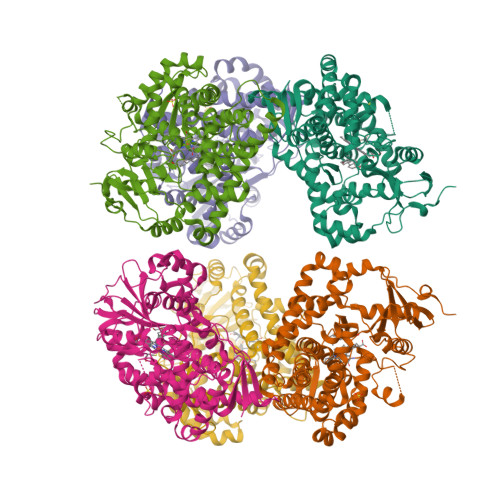
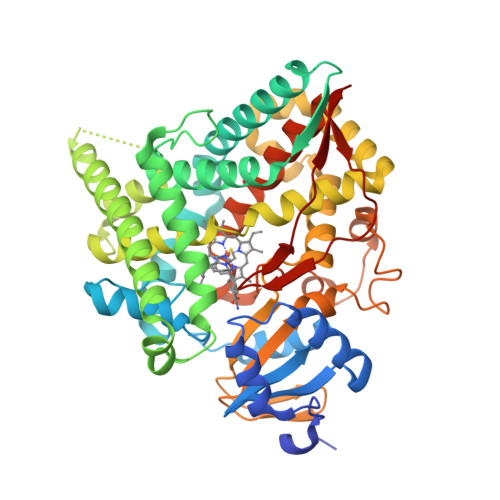
StructureProteinUniProt IDOrganismRelationshipDetails
Cytochrome P450 11B2, mitochondrial structureClick to view 3D structureCytochrome P450 11B2, mitochondrialP19099HumansPredicted (SEA)
Prediction Confidence Score
0.053
Applicability Domain
0.065 Low confidence
Statistical Significance
0.9998
Supporting Reference Compounds
62
E-value
7783.75
Sodium-dependent serotonin transporter structureClick to view 3D structureSodium-dependent serotonin transporterP31645HumansPredicted (SEA)
Prediction Confidence Score
0.053
Applicability Domain
0.059 Low confidence
Statistical Significance
1.0
Supporting Reference Compounds
593
E-value
7784.69
Sodium-dependent dopamine transporter structureClick to view 3D structureSodium-dependent dopamine transporterQ01959HumansPredicted (SEA)
Prediction Confidence Score
0.053
Applicability Domain
0.059 Low confidence
Statistical Significance
1.0
Supporting Reference Compounds
506
E-value
7784.61
Sodium-dependent noradrenaline transporter structureClick to view 3D structureSodium-dependent noradrenaline transporterP23975HumansPredicted (SEA)
Prediction Confidence Score
0.053
Applicability Domain
0.059 Low confidence
Statistical Significance
1.0
Supporting Reference Compounds
451
E-value
7784.61
D(2) dopamine receptor structureClick to view 3D structureD(2) dopamine receptorP14416HumansPredicted (SEA)
Prediction Confidence Score
0.053
Applicability Domain
0.059 Low confidence
Statistical Significance
1.0
Supporting Reference Compounds
1103
E-value
7784.69
5-hydroxytryptamine receptor 6 structureClick to view 3D structure5-hydroxytryptamine receptor 6P50406HumansPredicted (SEA)
Prediction Confidence Score
0.052
Applicability Domain
0.059 Low confidence
Statistical Significance
1.0
Supporting Reference Compounds
536
E-value
7784.69
5-hydroxytryptamine receptor 1A structureClick to view 3D structure5-hydroxytryptamine receptor 1AP08908HumansPredicted (SEA)
Prediction Confidence Score
0.052
Applicability Domain
0.059 Low confidence
Statistical Significance
1.0
Supporting Reference Compounds
953
E-value
7784.69
5-hydroxytryptamine receptor 7 structureClick to view 3D structure5-hydroxytryptamine receptor 7P34969HumansPredicted (SEA)
Prediction Confidence Score
0.051
Applicability Domain
0.059 Low confidence
Statistical Significance
1.0
Supporting Reference Compounds
565
E-value
7784.61
D(4) dopamine receptor structureClick to view 3D structureD(4) dopamine receptorP21917HumansPredicted (SEA)
Prediction Confidence Score
0.051
Applicability Domain
0.059 Low confidence
Statistical Significance
1.0
Supporting Reference Compounds
524
E-value
7784.61
Carbonic anhydrase 1 structureClick to view 3D structureCarbonic anhydrase 1P00915HumansPredicted (SEA)
Prediction Confidence Score
0.051
Applicability Domain
0.111 Low confidence
Statistical Significance
1.0
Supporting Reference Compounds
407
E-value
7784.92
Alpha-2C adrenergic receptor structureClick to view 3D structureAlpha-2C adrenergic receptorP18825HumansPredicted (SEA)
Prediction Confidence Score
0.051
Applicability Domain
0.059 Low confidence
Statistical Significance
1.0
Supporting Reference Compounds
386
E-value
7784.69
Click to view 3D structureHistamine H3 receptorQ9QYN8Rattus norvegicusPredicted (SEA)
Prediction Confidence Score
0.051
Applicability Domain
0.057 Low confidence
Statistical Significance
1.0
Supporting Reference Compounds
80
E-value
7784.61
Carbonic anhydrase 2 structureClick to view 3D structureCarbonic anhydrase 2P00918HumansPredicted (SEA)
Prediction Confidence Score
0.051
Applicability Domain
0.111 Low confidence
Statistical Significance
1.0
Supporting Reference Compounds
472
E-value
7784.77
5-hydroxytryptamine receptor 1D structureClick to view 3D structure5-hydroxytryptamine receptor 1DP28221HumansPredicted (SEA)
Prediction Confidence Score
0.05
Applicability Domain
0.059 Low confidence
Statistical Significance
1.0
Supporting Reference Compounds
365
E-value
7784.69
Carbonic anhydrase 12 structureClick to view 3D structureCarbonic anhydrase 12O43570HumansPredicted (SEA)
Prediction Confidence Score
0.05
Applicability Domain
0.111 Low confidence
Statistical Significance
1.0
Supporting Reference Compounds
332
E-value
7784.69
5-hydroxytryptamine receptor 2A structureClick to view 3D structure5-hydroxytryptamine receptor 2AP28223HumansPredicted (SEA)
Prediction Confidence Score
0.05
Applicability Domain
0.059 Low confidence
Statistical Significance
1.0
Supporting Reference Compounds
955
E-value
7784.69
Muscarinic acetylcholine receptor M1 structureClick to view 3D structureMuscarinic acetylcholine receptor M1P11229HumansPredicted (SEA)
Prediction Confidence Score
0.05
Applicability Domain
0.059 Low confidence
Statistical Significance
1.0
Supporting Reference Compounds
385
E-value
7784.61
Interleukin-18 structureClick to view 3D structureInterleukin-18Q14116HumansPredicted (SEA)
Prediction Confidence Score
0.067
Applicability Domain
0.067 Low confidence
Statistical Significance
0.8063
Supporting Reference Compounds
1
E-value
6277.29
D(3) dopamine receptor structureClick to view 3D structureD(3) dopamine receptorP35462HumansPredicted (SEA)
Prediction Confidence Score
0.057
Applicability Domain
0.071 Low confidence
Statistical Significance
1.0
Supporting Reference Compounds
861
E-value
7784.69
Click to view 3D structureSTE20/SPS1-related proline-alanine-rich protein kinaseO88506Rattus norvegicusPredicted (SEA)
Prediction Confidence Score
0.055
Applicability Domain
0.055 Low confidence
Statistical Significance
0.994
Supporting Reference Compounds
1
E-value
7738.06
Sigma non-opioid intracellular receptor 1 structureClick to view 3D structureSigma non-opioid intracellular receptor 1Q99720HumansPredicted (SEA)
Prediction Confidence Score
0.054
Applicability Domain
0.059 Low confidence
Statistical Significance
1.0
Supporting Reference Compounds
562
E-value
7784.69
Aromatase structureClick to view 3D structureAromataseP11511HumansPredicted (SEA)
Prediction Confidence Score
0.054
Applicability Domain
0.065 Low confidence
Statistical Significance
1.0
Supporting Reference Compounds
127
E-value
7784.69
Histamine H1 receptor structureClick to view 3D structureHistamine H1 receptorP35367HumansPredicted (SEA)
Prediction Confidence Score
0.054
Applicability Domain
0.059 Low confidence
Statistical Significance
1.0
Supporting Reference Compounds
507
E-value
7784.69
Histamine H3 receptor structureClick to view 3D structureHistamine H3 receptorQ9Y5N1HumansPredicted (SEA)
Prediction Confidence Score
0.054
Applicability Domain
0.059 Low confidence
Statistical Significance
1.0
Supporting Reference Compounds
294
E-value
7784.61
Cytochrome P450 11B1, mitochondrial structureClick to view 3D structureCytochrome P450 11B1, mitochondrialP15538HumansPredicted (SEA)
Prediction Confidence Score
0.053
Applicability Domain
0.065 Low confidence
Statistical Significance
0.9999
Supporting Reference Compounds
66
E-value
7783.91
Click to view 3D structureATP-sensitive inward rectifier potassium channel 1P48048HumansKnownBarium is a competitive antagonist at inward rectifier potassium channels and blocks the passive efflux of intracellular potassium, resulting in a shift of potassium from extracellular to intracellular compartments. The intracellular translocation of potassium results in a decreased resting membrane potential, making the muscle fibers electrically unexcitable and causing paralysis. (A150)
ATP-sensitive inward rectifier potassium channel 11 structureClick to view 3D structureATP-sensitive inward rectifier potassium channel 11Q14654HumansKnownBarium is a competitive antagonist at inward rectifier potassium channels and blocks the passive efflux of intracellular potassium, resulting in a shift of potassium from extracellular to intracellular compartments. The intracellular translocation of potassium results in a decreased resting membrane potential, making the muscle fibers electrically unexcitable and causing paralysis. (A150)
Click to view 3D structureATP-sensitive inward rectifier potassium channel 12Q14500HumansKnownBarium is a competitive antagonist at inward rectifier potassium channels and blocks the passive efflux of intracellular potassium, resulting in a shift of potassium from extracellular to intracellular compartments. The intracellular translocation of potassium results in a decreased resting membrane potential, making the muscle fibers electrically unexcitable and causing paralysis. (A150)
Click to view 3D structureATP-sensitive inward rectifier potassium channel 8Q15842HumansKnownBarium is a competitive antagonist at inward rectifier potassium channels and blocks the passive efflux of intracellular potassium, resulting in a shift of potassium from extracellular to intracellular compartments. The intracellular translocation of potassium results in a decreased resting membrane potential, making the muscle fibers electrically unexcitable and causing paralysis. (A150)
Click to view 3D structureATP-sensitive inward rectifier potassium channel 14Q9UNX9HumansKnownBarium is a competitive antagonist at inward rectifier potassium channels and blocks the passive efflux of intracellular potassium, resulting in a shift of potassium from extracellular to intracellular compartments. The intracellular translocation of potassium results in a decreased resting membrane potential, making the muscle fibers electrically unexcitable and causing paralysis. (A150)
Click to view 3D structureG protein-activated inward rectifier potassium channel 1P48549HumansKnownBarium is a competitive antagonist at inward rectifier potassium channels and blocks the passive efflux of intracellular potassium, resulting in a shift of potassium from extracellular to intracellular compartments. The intracellular translocation of potassium results in a decreased resting membrane potential, making the muscle fibers electrically unexcitable and causing paralysis. (A150)
Click to view 3D structureG protein-activated inward rectifier potassium channel 2P48051HumansKnownBarium is a competitive antagonist at inward rectifier potassium channels and blocks the passive efflux of intracellular potassium, resulting in a shift of potassium from extracellular to intracellular compartments. The intracellular translocation of potassium results in a decreased resting membrane potential, making the muscle fibers electrically unexcitable and causing paralysis. (A150)
G protein-activated inward rectifier potassium channel 3 structureClick to view 3D structureG protein-activated inward rectifier potassium channel 3Q92806HumansKnownBarium is a competitive antagonist at inward rectifier potassium channels and blocks the passive efflux of intracellular potassium, resulting in a shift of potassium from extracellular to intracellular compartments. The intracellular translocation of potassium results in a decreased resting membrane potential, making the muscle fibers electrically unexcitable and causing paralysis. (A150)
Click to view 3D structureG protein-activated inward rectifier potassium channel 4P48544HumansKnownBarium is a competitive antagonist at inward rectifier potassium channels and blocks the passive efflux of intracellular potassium, resulting in a shift of potassium from extracellular to intracellular compartments. The intracellular translocation of potassium results in a decreased resting membrane potential, making the muscle fibers electrically unexcitable and causing paralysis. (A150)
Histone deacetylase 1 structureClick to view 3D structureHistone deacetylase 1Q13547HumansKnownChromium can cause transcriptional repression by cross-linking histone deacetylase 1-DNA methyltransferase 1 complexes to CYP1A1 promoter chromatin, inhibiting histone modification. (A35)
Inward rectifier potassium channel 4 structureClick to view 3D structureInward rectifier potassium channel 4P48050HumansKnownBarium is a competitive antagonist at inward rectifier potassium channels and blocks the passive efflux of intracellular potassium, resulting in a shift of potassium from extracellular to intracellular compartments. The intracellular translocation of potassium results in a decreased resting membrane potential, making the muscle fibers electrically unexcitable and causing paralysis. (A150)
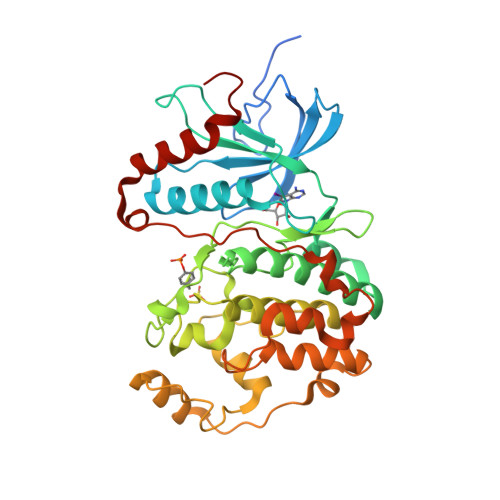
Mitogen-activated protein kinase 1 structureClick to view 3D structureMitogen-activated protein kinase 1P28482HumansKnownChromium has been shown to induce carcinogenesis by overstimulating cellular regulatory pathways and increasing peroxide levels by activating certain mitogen-activated protein kinases. (A34)
Mitogen-activated protein kinase 3 structureClick to view 3D structureMitogen-activated protein kinase 3P27361HumansKnownChromium has been shown to induce carcinogenesis by overstimulating cellular regulatory pathways and increasing peroxide levels by activating certain mitogen-activated protein kinases. (A34)
Potassium voltage-gated channel subfamily KQT member 1 structureClick to view 3D structurePotassium voltage-gated channel subfamily KQT member 1P51787HumansKnownBarium is a competitive potassium channel antagonist that blocks the passive efflux of intracellular potassium, resulting in a shift of potassium from extracellular to intracellular compartments. The intracellular translocation of potassium results in a decreased resting membrane potential, making the muscle fibers electrically unexcitable and causing paralysis. (A151)
Potassium voltage-gated channel subfamily KQT member 2 structureClick to view 3D structurePotassium voltage-gated channel subfamily KQT member 2O43526HumansKnownBarium is a competitive potassium channel antagonist that blocks the passive efflux of intracellular potassium, resulting in a shift of potassium from extracellular to intracellular compartments. The intracellular translocation of potassium results in a decreased resting membrane potential, making the muscle fibers electrically unexcitable and causing paralysis. (A151)
Potassium voltage-gated channel subfamily KQT member 3 structureClick to view 3D structurePotassium voltage-gated channel subfamily KQT member 3O43525HumansKnownBarium is a competitive potassium channel antagonist that blocks the passive efflux of intracellular potassium, resulting in a shift of potassium from extracellular to intracellular compartments. The intracellular translocation of potassium results in a decreased resting membrane potential, making the muscle fibers electrically unexcitable and causing paralysis. (A151)
Potassium voltage-gated channel subfamily KQT member 4 structureClick to view 3D structurePotassium voltage-gated channel subfamily KQT member 4P56696HumansKnownBarium is a competitive potassium channel antagonist that blocks the passive efflux of intracellular potassium, resulting in a shift of potassium from extracellular to intracellular compartments. The intracellular translocation of potassium results in a decreased resting membrane potential, making the muscle fibers electrically unexcitable and causing paralysis. (A151)
Potassium voltage-gated channel subfamily KQT member 5 structureClick to view 3D structurePotassium voltage-gated channel subfamily KQT member 5Q9NR82HumansKnownBarium is a competitive potassium channel antagonist that blocks the passive efflux of intracellular potassium, resulting in a shift of potassium from extracellular to intracellular compartments. The intracellular translocation of potassium results in a decreased resting membrane potential, making the muscle fibers electrically unexcitable and causing paralysis. (A151)
Concentrations
Not Available
External Links
IdentifiersNot Available
References
Synthesis ReferenceNot Available
MSDSNot Available
General References
  1. Salnikow K, Zhitkovich A: Genetic and epigenetic mechanisms in metal carcinogenesis and cocarcinogenesis: nickel, arsenic, and chromium. Chem Res Toxicol. 2008 Jan;21(1):28-44. Epub 2007 Oct 30. [PubMed: 17970581]
  2. Kim G, Yurkow EJ: Chromium induces a persistent activation of mitogen-activated protein kinases by a redox-sensitive mechanism in H4 rat hepatoma cells. Cancer Res. 1996 May 1;56(9):2045-51. [PubMed: 8616849]
  3. Schnekenburger M, Talaska G, Puga A: Chromium cross-links histone deacetylase 1-DNA methyltransferase 1 complexes to chromatin, inhibiting histone-remodeling marks critical for transcriptional activation. Mol Cell Biol. 2007 Oct;27(20):7089-101. Epub 2007 Aug 6. [PubMed: 17682057]
  4. Kimura T: [Molecular mechanism involved in chromium(VI) toxicity]. Yakugaku Zasshi. 2007 Dec;127(12):1957-65. [PubMed: 18057785]
  5. ATSDR - Agency for Toxic Substances and Disease Registry (2008). Toxicological profile for chromium. U.S. Public Health Service in collaboration with U.S. Environmental Protection Agency (EPA). - http://www.atsdr.cdc.gov/toxprofiles/tp7.html
  6. Wikipedia. Barium chromate. Last Updated 22 January 2009. - http://en.wikipedia.org/wiki/Barium_chromate
  7. ATSDR - Agency for Toxic Substances and Disease Registry (2001). Minimal Risk Levels (MRLs) for Hazardous Substances. U.S. Public Health Service in collaboration with U.S. Environmental Protection Agency (EPA). - http://www.atsdr.cdc.gov/mrls/
  8. International Agency for Research on Cancer (2014). IARC Monographs on the Evaluation of Carcinogenic Risks to Humans. - http://monographs.iarc.fr/index.php
  9. ATSDR - Agency for Toxic Substances and Disease Registry (2007). Toxicological profile for barium. U.S. Public Health Service in collaboration with U.S. Environmental Protection Agency (EPA). - http://www.atsdr.cdc.gov/toxprofiles/tp24.html
  10. Wikipedia. Barium. Last Updated 21 May 2009. - http://en.wikipedia.org/wiki/Barium
  11. Gosselin RE, Smith RP, and Hodge HC (1984). Clinical Toxicology of Commercial Products. 5th ed. Baltimore: Williams and Wilkins.