Some data may have been extracted from scientific literature using a pipeline that uses large language models (LLMs). Source articles are cited where applicable to help verify the extracted relationships.
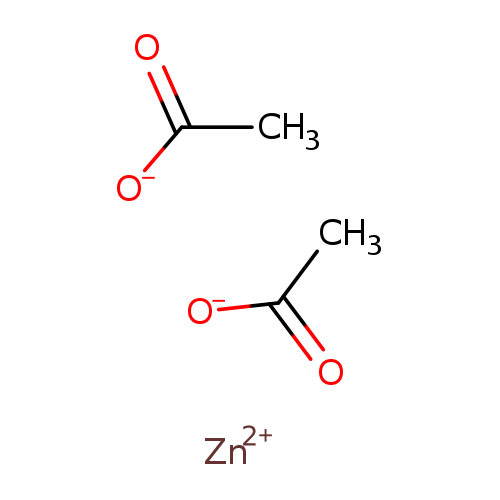
Zinc acetate is an exogenous organic compound with the formula C4H6O4Zn and an average molecular weight of 183.50 g/mol. It exists as a solid at room temperature. Zinc acetate belongs to the carboxylic acids, a subclass of carboxylic acids and derivatives within the organic compounds.
In industrial applications, the compound serves as a biocide, a stabilizing agent, a Lewis acid (PMC9105383 ), and a catalyst (PMC13208812 , PMC9632252 ). It is also used as an astringent. Zinc acetate is found in 31 recorded sources, including healthcare, pharmaceuticals and veterinary products such as vasoprotectives and alimentary tract and metabolism products. Other sources include food, food processing and cookware—specifically the preparation of vinegar, wine or sparkling wine, food preservation, preparation of wort, and fermentation processes for beer—as well as household cleaning and consumer products like soap detergents, bleaching agents, pipe accessories, cigar cigarettes, and perfumes within detergents and soaps. Additionally, it is found in building and construction materials such as stairs and ramps, and electrical and electronic equipment including amplifiers, antennas, discharge lamps, electric switches, and conductors or conductive bodies characterized by the conductive materials. Recorded exposure routes include topical and oral administration.
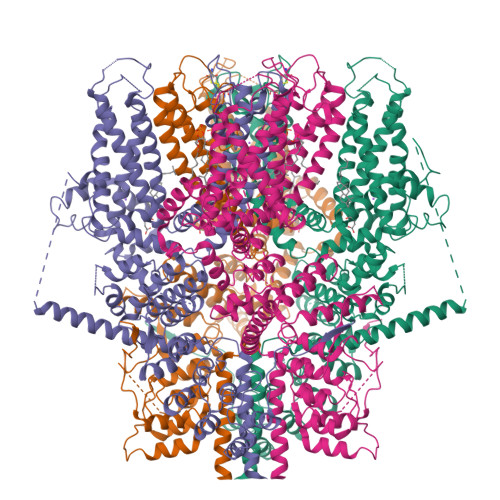
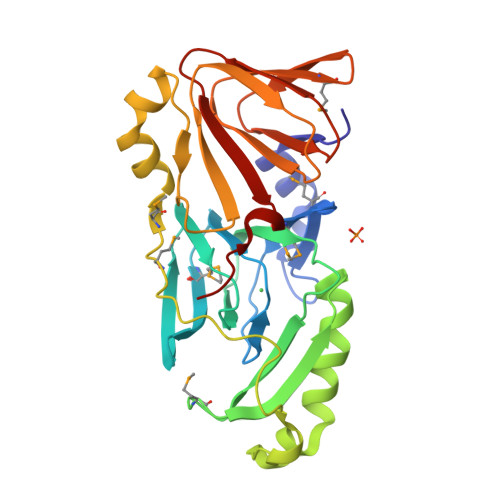
The compound interacts with 124 recorded protein targets, including the B1 bradykinin receptor (BDKRB1), elongation factor 1-alpha 1 (EEF1A1), fructose-bisphosphate aldolase A (ALDOA), and methylated-DNA--protein-cysteine methyltransferase (MGMT). It also targets Cu,Zn-superoxide dismutase (SOD1), a protein where unbalanced levels of copper and zinc binding have been linked to amyotrophic lateral sclerosis (ALS).
Belongs to the class of organic compounds known as carboxylic acids. Carboxylic acids are compounds containing a carboxylic acid group with the formula -C(=O)OH.
Anaemia results from the excessive absorption of zinc suppressing copper and iron absorption, most likely through competitive binding of intestinal mucosal cells. Unbalanced levels of copper and zinc binding to Cu,Zn-superoxide dismutase has been linked to amyotrophic lateral sclerosis (ALS). Stomach acid dissolves metallic zinc to give corrosive zinc chloride, which can cause damage to the stomach lining. Metal fume fever is thought to be an immune response to inhaled zinc. (2, 3, 1)
Ingestion of large doses of zinc causes stomach cramps, nausea, and vomiting. Acute inhalation of large amounts of zinc causes metal fume fever, which is characterized by chills, fever, headache, weakness, dryness of the nose and throat, chest pain, and coughing. Dermal contact with zinc results in skin irritation. (3)
Treatment
Zinc poisoning is treated symptomatically, often by administering fluids such as water or milk, or with gastric lavage. (3)
Brushes?Brushes used in personal care and cosmetics can be a source of synthetic chemical contamination due to the materials and coatings used in their manufacturing.
Alimentary tract and metabolism products?Alimentary tract and metabolism products refer to the substances produced during the digestion and metabolic processes of organisms.
Stairs And Ramps?Stairs and ramps in construction are often treated with various synthetic chemicals to enhance durability, slip resistance, and weather resistance.
Amplifiers?Amplifiers, commonly used in various electronic devices to enhance signal strength, can be a source of synthetic chemical contamination due to the materials and processes involved in their production and disposal.
Antennas?Antennas, commonly used in communication technologies, can be a source of synthetic chemical contamination through the materials and coatings used in their construction.
Conductors Or Conductive Bodies Characterised By The Conductive Materials?Conductors, or conductive bodies, are materials that allow the flow of electrical current, typically made from metals such as copper, aluminum, or silver.
Discharge Lamps?Discharge lamps, including fluorescent and high-intensity discharge (HID) lamps, are commonly used for lighting applications due to their energy efficiency and brightness.
Electric Switches?Electric switches, integral components in numerous devices, can be a source of synthetic chemical contamination due to the materials and manufacturing processes involved in their production.
Electrically Stimulated Smoking Devices?Electrically stimulated smoking devices, commonly known as e-cigarettes or vape pens, utilize electrical components to heat a liquid solution, often containing nicotine, flavorings, and other additives, to produce an aerosol for inhalation.
Electrodes?Electrodes, used in various electrical and electronic applications, can be a source of synthetic chemical contamination due to the materials from which they are constructed and the processes involved in their manufacturing.
Fixed Capacitors And Their Manufacture?Fixed capacitors are passive electronic components used to store and release electrical energy, playing a critical role in various circuits.
Hybrid Capacitors?Hybrid capacitors are energy storage devices that combine the properties of electrolytic and supercapacitors, utilizing a combination of electrochemical principles to achieve higher energy density and power density.
Magnets?Magnets, commonly used in various electrical and electronic applications, can be a source of synthetic chemical contamination due to the materials used in their production.
Power Cables?Power cables are used to transmit electrical energy and are typically composed of conductive materials, insulation, and protective coatings.
Superconductive Or Hyperconductive Conductors Cables Or Transmission Lines?Superconductive or hyperconductive conductors, including cables and transmission lines, are materials that exhibit zero electrical resistance under specific conditions, typically at low temperatures.
Food Preservation?Food preservation often involves the use of synthetic chemicals, such as preservatives, flavor enhancers, and color additives, to extend shelf life and enhance the sensory qualities of food products.
Preparation Of Vinegar?Vinegar is produced through the fermentation of ethanol by acetic acid bacteria, resulting in a solution that typically contains 4-8% acetic acid.
Preparation Of Wine Or Sparkling Wine?The preparation of wine or sparkling wine involves various stages, including fermentation, aging, and bottling, which can introduce potential sources of synthetic chemical contamination.
Treatment Of Hops?Hops, a key ingredient in brewing and food flavoring, can be a source of synthetic chemical contamination due to various agricultural practices.
Bleaching Agents?Bleaching agents are chemical substances used to whiten or lighten materials, often employed in various cleaning products for their stain removal and disinfecting properties.
Perfumes Within Detergents And Soaps?Perfumes within detergents and soaps are synthetic fragrance compounds added to enhance the sensory experience of cleaning products.
Pipe Accessories?Pipe accessories, such as fittings, connectors, and seals, are components used in plumbing systems to facilitate the flow of liquids and gases.
Soap Detergents?Soap detergents are synthetic surfactants designed to enhance the cleaning efficacy of water by reducing surface tension, allowing for better interaction with dirt and grease.
Soap Dispensers?Soap dispensers, commonly used for dispensing liquid soaps and sanitizers, can become a source of synthetic chemical contamination due to the materials used in their construction and the products they dispense.
Tobacco Smoke Filters?Tobacco smoke filters are designed to reduce the inhalation of harmful substances in cigarette smoke, including tar and other particulate matter.
Manufacture Of Iron Or Steel?The manufacture of iron or steel involves various processes, including smelting, refining, and alloying, which can result in the release of synthetic chemicals and contaminants.
Manufacture Preparation Of Tobacco Products?The manufacture and preparation of tobacco products involve various processes that can result in the introduction of synthetic chemicals into the environment.
Paper Making Machines?Paper making machines utilize various synthetic chemicals throughout the production process, including additives, coatings, and bleaching agents.
Anchoring Equipment?Anchoring equipment, commonly used in marine applications, can be a source of synthetic chemical contamination due to the materials and coatings utilized in their manufacturing.
Buoys?Buoys, often used for navigation and marine monitoring, can be sources of synthetic chemical contamination due to the materials and coatings employed in their construction.
Aftersun Products?Aftersun products are designed to soothe and hydrate the skin after sun exposure, often containing various synthetic chemicals such as emollients, preservatives, and fragrances.
Anti Perspirants Or Body Deoderants?Antiperspirants and body deodorants commonly contain synthetic chemicals such as aluminum compounds, parabens, and synthetic fragrances.
Body Washing Or Cleaning Implements?Body washing or cleaning implements, such as synthetic sponges, loofahs, and washcloths, can be sources of synthetic chemical contamination due to the materials used in their production.
Depilatories?Depilatories are products designed to remove unwanted hair through the application of synthetic chemicals that break down the protein structure of hair, facilitating its removal.
Essential Oils Or Perfumes?Essential oils and perfumes are complex mixtures of volatile compounds derived from natural or synthetic sources, commonly used for their aromatic properties.
Eye Makeup Products?Eye makeup products, including mascaras, eyeliners, and eyeshadows, often contain a variety of synthetic chemicals such as pigments, preservatives, and film-forming agents.
Lip Care Products?Lip care products, including lipsticks, balms, and glosses, often contain a variety of synthetic chemicals such as parabens, phthalates, and synthetic fragrances.
Lip Makeup Products?Lip makeup products, such as lipsticks, lip glosses, and lip liners, often contain a variety of synthetic chemicals, including pigments, preservatives, and emollients.
Azo Dyes?Azo dyes are synthetic organic compounds characterized by the presence of one or more azo groups (-N=N-), which are widely used for coloring textiles, leather, and furnishings.
Buckles?Buckles, commonly used as fasteners in clothing, accessories, and furniture, can be a source of synthetic chemical contamination due to the materials and coatings employed in their production.
Embroidering And Tufting?Embroidering and tufting processes often involve the use of synthetic chemicals such as dyes, adhesives, and finishing agents.
Footwear?Footwear production often involves the use of various synthetic chemicals, such as adhesives, dyes, and treatments, which can contribute to environmental contamination.
Multicolour Dyeing?Multicolour dyeing involves the application of multiple synthetic dyes to textiles and other materials to achieve vibrant, diverse color patterns.
Purses Luggage Hand Bags?Purses, luggage, and handbags are often manufactured using synthetic materials such as polyvinyl chloride (PVC), polyurethane, and various types of nylon.
Purses Money Bags Wallets?Purses, money bags, and wallets are often manufactured using synthetic materials, including plastics, polyurethanes, and various treated fabrics.
Ropes?Ropes manufactured from synthetic fibers, such as polypropylene, nylon, and polyester, are widely used in various applications, including marine, construction, and outdoor activities.
Surface Finishing Of Leather?Surface finishing of leather often involves the use of various synthetic chemicals, including dyes, resins, and finishing agents.
Umbrellas?Umbrellas are commonly manufactured using synthetic materials such as polyester, nylon, and polyvinyl chloride (PVC), which can contribute to synthetic chemical contamination.
Yarns Or Threads?Yarns or threads used in textiles can be a source of synthetic chemical contamination due to the production processes and treatments they undergo.
PFAS Fire Fighting Foam?PFAS fire fighting foam refers to a class of synthetic foams containing per- and polyfluoroalkyl substances (PFAS), which are designed to suppress flammable liquid fires.
Solid Fire Fighting Substances?Solid fire fighting substances, such as certain types of dry chemical powders, are used in fire suppression applications to extinguish flames and prevent fire spread.
Airplanes And Helicopters?Airplanes and helicopters are significant sources of synthetic chemical contamination primarily through the use of aviation fuels, lubricants, and de-icing agents.
Unmanned Aerial Vehicles?Unmanned Aerial Vehicles (UAVs), commonly known as drones, utilize various synthetic chemicals in their manufacturing, operation, and maintenance processes.
Nitrogenous Fertilisers?Nitrogenous fertilizers are synthetic chemical compounds primarily used to enhance plant growth by supplying essential nitrogen, a crucial nutrient for photosynthesis and protein synthesis.
Cements?Cements are a composite material primarily used as a binding agent in construction applications, formed by the calcination of limestone and clay minerals at high temperatures.
Clay Wares?Clay wares are ceramic products made from natural clay, often utilized in various construction applications such as tiles, bricks, and sanitary ware.
Glass Coatings?Glass coatings are synthetic chemical formulations applied to glass surfaces to enhance properties such as durability, UV resistance, and aesthetic appeal.
Lime?Lime, primarily comprised of calcium oxide (CaO) or calcium hydroxide (Ca(OH)₂), is widely used in various applications, including as a key ingredient in mortars, plasters, and cement.
Silica Free Oxide Glass?Silica Free Oxide Glass is a type of glass that is produced using alternative materials to traditional silica-based formulations.
Silica Glass?Silica glass, primarily composed of silicon dioxide (SiO2), is widely used in various applications, including windows, glass facades, and insulation materials.
Nanotechnology?Nanotechnology involves the manipulation of materials at the molecular or atomic level, typically within the range of 1 to 100 nanometers.
Coating Compositions?Coating compositions, which include paints, sealants, and varnishes, are formulated with a variety of synthetic chemicals such as solvents, resins, pigments, and additives.
Leather Tanning?Leather tanning is a process that transforms raw animal hides into durable leather through the application of various chemicals, including chromium salts, aldehydes, and vegetable tannins.
Sludge Treatment?Sludge treatment involves the processing of waste materials generated from wastewater treatment plants, which often contain a variety of organic and inorganic substances.
Water, Wastewater, & Sewage Treatment?Water, wastewater, and sewage treatment processes are critical for managing and mitigating pollutants in water systems.
Vonk WI, Klomp LW: Role of transition metals in the pathogenesis of amyotrophic lateral sclerosis. Biochem Soc Trans. 2008 Dec;36(Pt 6):1322-8. doi: 10.1042/BST0361322. [PubMed: 19021549]
ATSDR - Agency for Toxic Substances and Disease Registry (2005). Toxicological profile for zinc. U.S. Public Health Service in collaboration with U.S. Environmental Protection Agency (EPA). - http://www.atsdr.cdc.gov/toxprofiles/tp60.html
ATSDR - Agency for Toxic Substances and Disease Registry (2001). Minimal Risk Levels (MRLs) for Hazardous Substances. U.S. Public Health Service in collaboration with U.S. Environmental Protection Agency (EPA). - http://www.atsdr.cdc.gov/mrls/
Lewis RJ Sr. (ed) (2004). Sax's Dangerous Properties of Industrial Materials. 11th Edition. Hoboken, NJ: Wiley-Interscience, Wiley & Sons, Inc.
Yannai, Shmuel. (2004) Dictionary of food compounds with CD-ROM: Additives, flavors, and ingredients. Boca Raton: Chapman & Hall/CRC.













![Superoxide dismutase [Cu-Zn] structure](https://cdn.rcsb.org/images/structures/1azv_assembly-1.jpeg)