Propoxur (CED0007131)

Record Information
Version1.0
Creation Date2009-06-17 23:53:05 UTC
Update Date2026-08-18 11:21:29 UTC
SynCED IDCED0007131
Secondary Accession Numbers
  • CHEM000862
  • T3D1003
Identification
Common NamePropoxur
ClassSmall Molecule
Description
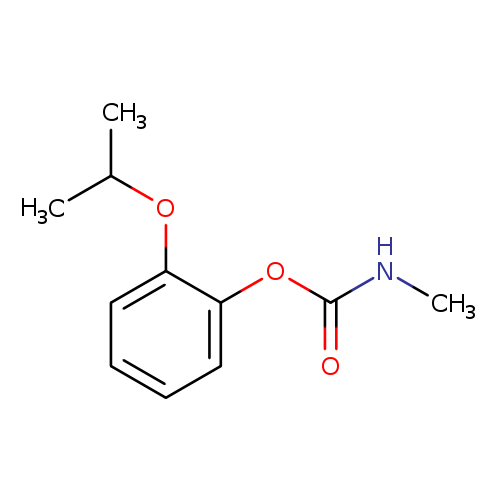
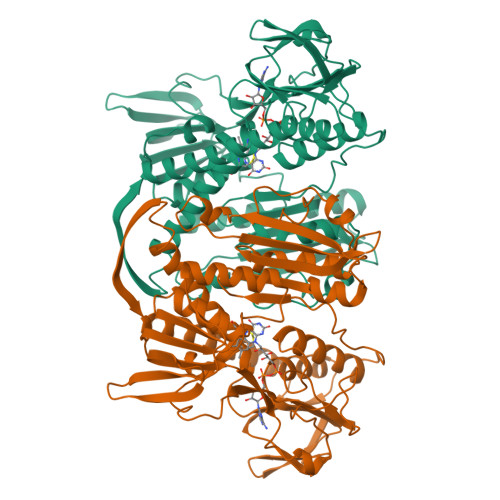
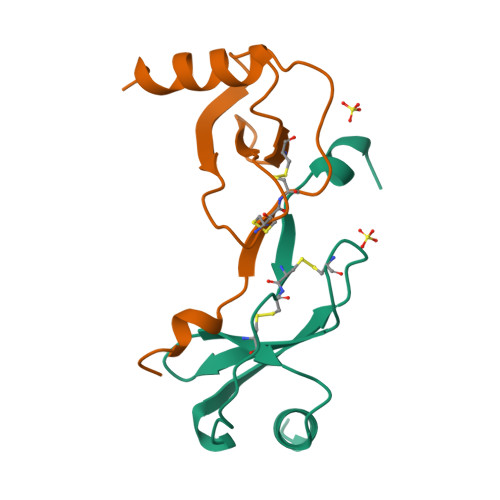
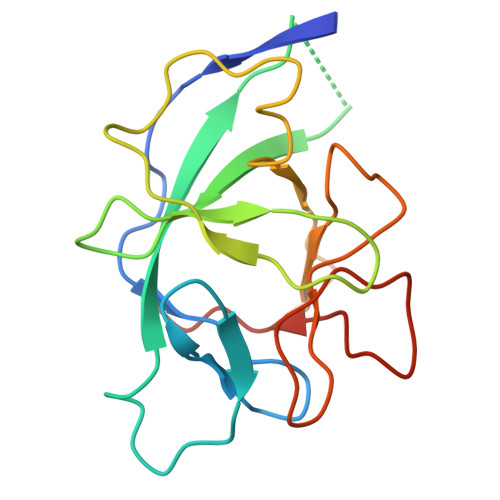
Propoxur belongs to the phenol ethers, a class of benzenoids within the organic compounds. It is an exogenous solid with the formula C11H15NO3 and an average molecular weight of 209.24 g/mol. This compound serves as an agrochemical, biocide, and carbamate insecticide (PMC7799788 ). Its biological and chemical roles include acting as an insecticide and an acaricide, as well as functioning as an EC 3.1.1.7 (acetylcholinesterase) inhibitor (PMC7799788 ). Industrially, it is also identified as a degradant or impurity (PMC7799788 ). Propoxur targets ten recorded proteins, including C-C motif chemokine 2 (CCL2), Cytochrome P450 2B6 (CYP2B6), Cytochrome P450 2C9 (CYP2C9), Cytochrome P450 3A4 (CYP3A4), and five others. It specifically targets cholinesterase (BCHE), where its mode of action is the inhibition of cholinesterase enzymes, which affects nerve impulse transmission. The compound is found in or released from 23 recorded sources. These include drinking water, indoor air, and building and construction materials such as tents or canopies. It is present in household cleaning and consumer products, including soap dispensers, soap detergents, perfumes within detergents and soaps, cigar cigarettes, and tobacco smoke filters. It is also associated with food preservation and the preparation of malt. Additionally, it is found in electrical and electronic equipment, such as electric switches, electric hearing aids, antennas, conductors or conductive bodies characterised by the conductive materials, and electrically stimulated smoking devices. Recorded exposure routes for propoxur include oral and inhalation.
Contaminant Type
  • Amine
  • Carbamate
  • Ester
  • Ether
  • Household Toxin
  • Human Neurotoxin
  • Organic Compound
  • Pesticide
  • Pollutant
  • Synthetic Compound
Chemical Structure
Synonyms
ValueSource
2-(1-Methylethoxy)phenyl methylcarbamateChEBI
2-Isopropoxyphenyl methylcarbamateChEBI
2-Isopropoxyphenyl N-methylcarbamateChEBI
AprocarbChEBI
BaygonChEBI
BolfoKegg
2-(1-Methylethoxy)phenyl methylcarbamic acidGenerator
2-Isopropoxyphenyl methylcarbamic acidGenerator
2-Isopropoxyphenyl N-methylcarbamic acidGenerator
UndenMeSH
O IsopropoxyphenylmethylcarbamateMeSH
O-IsopropoxyphenylmethylcarbamateMeSH
SendranMeSH
Chemical FormulaC11H15NO3
Average Molecular Mass209.242 g/mol
Monoisotopic Mass209.105 g/mol
CAS Registry Number114-26-1
IUPAC Name2-(propan-2-yloxy)phenyl N-methylcarbamate
Traditional Namerhoden
SMILESCNC(=O)OC1=CC=CC=C1OC(C)C
InChI IdentifierInChI=1S/C11H15NO3/c1-8(2)14-9-6-4-5-7-10(9)15-11(13)12-3/h4-8H,1-3H3,(H,12,13)
InChI KeyISRUGXGCCGIOQO-UHFFFAOYSA-N
Chemical Taxonomy
Description Belongs to the class of organic compounds known as phenol ethers. These are aromatic compounds containing an ether group substituted with a benzene ring.
KingdomOrganic compounds
Super ClassBenzenoids
ClassPhenol ethers
Sub ClassNot Available
Direct ParentPhenol ethers
Alternative Parents
Substituents
  • Phenoxy compound
  • Phenol ether
  • Alkyl aryl ether
  • Monocyclic benzene moiety
  • Carboximidic acid derivative
  • Ether
  • Propargyl-type 1,3-dipolar organic compound
  • Organic 1,3-dipolar compound
  • Organooxygen compound
  • Organonitrogen compound
  • Imine
  • Organopnictogen compound
  • Organic oxygen compound
  • Organic nitrogen compound
  • Hydrocarbon derivative
  • Aromatic homomonocyclic compound
Molecular FrameworkAromatic homomonocyclic compounds
External Descriptors
Biological Properties
StatusDetected and Not Quantified
OriginExogenous
Cellular Locations
  • Membrane
Biofluid LocationsNot Available
Tissue LocationsNot Available
Applications
Biological Roles
Chemical Roles
Organoleptic EffectsNot Available
Physical Properties
StateSolid
AppearanceWhite powder.
Experimental Properties
PropertyValue
Melting Point87°C
Boiling PointNot Available
Solubility1.86 mg/mL at 20°C [BOWMAN,BT & SANS,WW (1983)]
Predicted Properties
PropertyValueSource
Water Solubility0.71 g/LALOGPS
logP1.97ALOGPS
logP2.09ChemAxon
logS-2.5ALOGPS
pKa (Strongest Acidic)14.76ChemAxon
pKa (Strongest Basic)-4.9ChemAxon
Physiological Charge0ChemAxon
Hydrogen Acceptor Count2ChemAxon
Hydrogen Donor Count1ChemAxon
Polar Surface Area47.56 ŲChemAxon
Rotatable Bond Count4ChemAxon
Refractivity56.39 m³·mol⁻¹ChemAxon
Polarizability22.14 ųChemAxon
Number of Rings1ChemAxon
BioavailabilityYesChemAxon
Rule of FiveYesChemAxon
Ghose FilterYesChemAxon
Veber's RuleNoChemAxon
MDDR-like RuleNoChemAxon
Spectra
Spectra
Spectrum TypeDescriptionSplash KeyDeposition DateView
Predicted GC-MSPredicted GC-MS SpectrumNot AvailableNot AvailableView Spectrum
LC-MS/MSLC-MS/MS Spectrumsplash10-03di-0900000000-076909e40c1f06da265dNot AvailableView Spectrum
LC-MS/MSLC-MS/MS Spectrumsplash10-00e9-9840000000-15726b4525320e58e336Not AvailableView Spectrum
LC-MS/MSLC-MS/MS Spectrumsplash10-03di-0900000000-0653e45a40325cf2566cNot AvailableView Spectrum
LC-MS/MSLC-MS/MS Spectrumsplash10-03xv-9700000000-ab680708144f345b19d9Not AvailableView Spectrum
LC-MS/MSLC-MS/MS Spectrumsplash10-02t9-9200000000-c1d7672d90bded282acbNot AvailableView Spectrum
LC-MS/MSLC-MS/MS Spectrumsplash10-03di-0900000000-e7645160622a94187796Not AvailableView Spectrum
LC-MS/MSLC-MS/MS Spectrumsplash10-03di-0900000000-29e84e3b240eee0dc146Not AvailableView Spectrum
LC-MS/MSLC-MS/MS Spectrumsplash10-03di-1900000000-fa425f04d84ea26b1162Not AvailableView Spectrum
LC-MS/MSLC-MS/MS Spectrumsplash10-03dl-3900000000-bbe8468f2fe23ba875e9Not AvailableView Spectrum
LC-MS/MSLC-MS/MS Spectrumsplash10-03di-0900000000-b1804f2cc53b3311b368Not AvailableView Spectrum
Predicted LC-MS/MSPredicted LC-MS/MS Spectrumsplash10-0w29-5940000000-a2b4e0a74c81f5ef01a9Not AvailableView Spectrum
Predicted LC-MS/MSPredicted LC-MS/MS Spectrumsplash10-08fr-4900000000-4d2864ece79eb45d8158Not AvailableView Spectrum
Predicted LC-MS/MSPredicted LC-MS/MS Spectrumsplash10-0a4i-9200000000-d5814add203c851ea101Not AvailableView Spectrum
Predicted LC-MS/MSPredicted LC-MS/MS Spectrumsplash10-0a4i-9440000000-78d2a41a1f91cb8531d3Not AvailableView Spectrum
Predicted LC-MS/MSPredicted LC-MS/MS Spectrumsplash10-0a4i-9610000000-a33cf88332a92e007d32Not AvailableView Spectrum
Predicted LC-MS/MSPredicted LC-MS/MS Spectrumsplash10-0a4i-9100000000-698cf7a9d385aba390c1Not AvailableView Spectrum
MSMS Spectrumsplash10-03di-8900000000-b48959d55eb8491bb7e1Not AvailableView Spectrum
Toxicity Profile
Toxicity Values
Toxicity ValueOrganismDose DescriptorRoute of ExposurePredicted or ExperimentalToxicity RatingReference
48.0 Log mg/kg [30:85]RatLD50oralpredictedNot AvailableNot Available
1.73 mg/kg-day RatNOELoralexperimentalNot AvailableECOTOX - EPA ORD
2.6 mg/kg-day RatLOELoralexperimentalNot AvailableECOTOX - EPA ORD
702.0 mg/kg-day RatLOELoralexperimentalNot AvailableECOTOX - EPA ORD
1.0 mg/kg-day MouseLOELinjectionexperimentalNot AvailableECOTOX - EPA ORD
864.0 mg/kg-day RatLOELoralexperimentalNot AvailableECOTOX - EPA ORD
8.51 mg/kg-day RatLOELoralexperimentalNot AvailableECOTOX - EPA ORD
1000.0 ppm RatLOELoralexperimentalNot AvailableECOTOX - EPA ORD
30.0 mg/kg-day RatNOELoralexperimentalNot AvailableECOTOX - EPA ORD
0.74 mg/kg-day MouseNOELinjectionexperimentalNot AvailableECOTOX - EPA ORD
3750.0 mg/kg-day RatNOELoralexperimentalNot AvailableECOTOX - EPA ORD
5.0 mg/kg-day RatLOELinjectionexperimentalNot AvailableECOTOX - EPA ORD
10.0 mg/kg-day RatLOELoralexperimentalNot AvailableECOTOX - EPA ORD
25.0 mg/kg-day MouseLOELinjectionexperimentalNot AvailableECOTOX - EPA ORD
30.0 mg/kg-day RatLOELoralexperimentalNot AvailableECOTOX - EPA ORD
17.0 mg/kg-day RatLOELoralexperimentalNot AvailableECOTOX - EPA ORD
5.0 mg/kg-day MouseNOELinjectionexperimentalNot AvailableECOTOX - EPA ORD
1.1 mg/kg-day RatNOELoralexperimentalNot AvailableECOTOX - EPA ORD
3.4 mg/kg-day RatLOELoralexperimentalNot AvailableECOTOX - EPA ORD
1.0 mg/kg-day RatLOELoralexperimentalNot AvailableECOTOX - EPA ORD
8.51 mg/kg-day RatLOELoralexperimentalNot AvailableECOTOX - EPA ORD
0.851 mg/kg-day RatNOELoralexperimentalNot AvailableECOTOX - EPA ORD
20.0 mg/kg-day RatLOELoralexperimentalNot AvailableECOTOX - EPA ORD
10.0 mg/kg-day MouseLOELinjectionexperimentalNot AvailableECOTOX - EPA ORD
2.0 mg/kg-day MouseLOELinjectionexperimentalNot AvailableECOTOX - EPA ORD
10.0 mg/kg-day RatLOELoralexperimentalNot AvailableECOTOX - EPA ORD
10.0 mg/kg-day RatLOELinjectionexperimentalNot AvailableECOTOX - EPA ORD
30.0 mg/kg-day RatNOELoralexperimentalNot AvailableECOTOX - EPA ORD
0.74 mg/kg-day MouseLOELinjectionexperimentalNot AvailableECOTOX - EPA ORD
702.0 mg/kg-day RatNOELoralexperimentalNot AvailableECOTOX - EPA ORD
10.0 mg/kg-day RatLOELinjectionexperimentalNot AvailableECOTOX - EPA ORD
1.0 mg/kg-day MouseLOELinjectionexperimentalNot AvailableECOTOX - EPA ORD
90.0 mg/kg-day RatNOELoralexperimentalNot AvailableECOTOX - EPA ORD
40.0 mg/kg-day RatNOELoralexperimentalNot AvailableECOTOX - EPA ORD
10.0 mg/kg-day RatNOELinjectionexperimentalNot AvailableECOTOX - EPA ORD
702.0 mg/kg-day RatNOELoralexperimentalNot AvailableECOTOX - EPA ORD
90.0 mg/kg-day RatNOELoralexperimentalNot AvailableECOTOX - EPA ORD
1000.0 ppm RatNOELoralexperimentalNot AvailableECOTOX - EPA ORD
30.0 mg/kg-day RatLOELoralexperimentalNot AvailableECOTOX - EPA ORD
10.0 mg/kg-day RatNOELoralexperimentalNot AvailableECOTOX - EPA ORD
0.0031 mmol/kg European RabbitNOELinjectionexperimentalNot AvailableECOTOX - EPA ORD
0.0125 mmol/kg European RabbitLOELinjectionexperimentalNot AvailableECOTOX - EPA ORD
8000.0 ppm RatNOELoralexperimentalNot AvailableECOTOX - EPA ORD
10.0 mg/kg-day RatLOELoralexperimentalNot AvailableECOTOX - EPA ORD
12.0 mg/kg-day RatLOELoralexperimentalNot AvailableECOTOX - EPA ORD
10.0 mg/kg-day RatNOELinjectionexperimentalNot AvailableECOTOX - EPA ORD
10.0 mg/kg-day RatLOELoralexperimentalNot AvailableECOTOX - EPA ORD
8.51 mg/kg-day RatLOELoralexperimentalNot AvailableECOTOX - EPA ORD
0.74 mg/kg-day MouseLOELinjectionexperimentalNot AvailableECOTOX - EPA ORD
10.0 mg/kg-day RatLOELinjectionexperimentalNot AvailableECOTOX - EPA ORD
10.0 mg/kg-day RatLOELoralexperimentalNot AvailableECOTOX - EPA ORD
8.51 mg/kg-day RatNOELoralexperimentalNot AvailableECOTOX - EPA ORD
3.4 mg/kg-day RatNOELoralexperimentalNot AvailableECOTOX - EPA ORD
8.51 mg/kg-day RatLOELoralexperimentalNot AvailableECOTOX - EPA ORD
10.0 mg/kg-day RatLOELinjectionexperimentalNot AvailableECOTOX - EPA ORD
2.0 mg/kg-day RatLOELinjectionexperimentalNot AvailableECOTOX - EPA ORD
5.2 mg/kg-day RatLOELoralexperimentalNot AvailableECOTOX - EPA ORD
2.6 mg/kg-day RatNOELoralexperimentalNot AvailableECOTOX - EPA ORD
0.851 mg/kg-day RatLOELoralexperimentalNot AvailableECOTOX - EPA ORD
5.0 mg/kg-day MouseLOELinjectionexperimentalNot AvailableECOTOX - EPA ORD
3.4 mg/kg-day RatNOELoralexperimentalNot AvailableECOTOX - EPA ORD
10.0 mg/kg-day RatLOELinjectionexperimentalNot AvailableECOTOX - EPA ORD
2.0 mg/kg-day MouseNOELinjectionexperimentalNot AvailableECOTOX - EPA ORD
5.0 mg/kg-day MouseLOELinjectionexperimentalNot AvailableECOTOX - EPA ORD
10.0 mg/kg-day RatNOELinjectionexperimentalNot AvailableECOTOX - EPA ORD
20.0 mg/kg-day RatLOELoralexperimentalNot AvailableECOTOX - EPA ORD
8.51 mg/kg-day RatLOELoralexperimentalNot AvailableECOTOX - EPA ORD
40.0 mg/kg-day RatNOELoralexperimentalNot AvailableECOTOX - EPA ORD
8.51 mg/kg-day RatLOELoralexperimentalNot AvailableECOTOX - EPA ORD
0.851 mg/kg-day RatNOELoralexperimentalNot AvailableECOTOX - EPA ORD
10.0 mg/kg-day RatLOELinjectionexperimentalNot AvailableECOTOX - EPA ORD
1.0 mg/kg-day RatLOELoralexperimentalNot AvailableECOTOX - EPA ORD
0.0031 mmol/kg European RabbitLOELinjectionexperimentalNot AvailableECOTOX - EPA ORD
1.0 mg/kg-day MouseLOELoralexperimentalNot AvailableECOTOX - EPA ORD
0.3 mg/kg-day RatNOELoralexperimentalNot AvailableECOTOX - EPA ORD
3.0 mg/kg-day RatLOELoralexperimentalNot AvailableECOTOX - EPA ORD
1.73 mg/kg-day RatLOELoralexperimentalNot AvailableECOTOX - EPA ORD
10.0 mg/kg-day RatLOELinjectionexperimentalNot AvailableECOTOX - EPA ORD
8000.0 ppm RatLOELoralexperimentalNot AvailableECOTOX - EPA ORD
0.851 mg/kg-day RatLOELoralexperimentalNot AvailableECOTOX - EPA ORD
0.05 mmol/kg European RabbitLOELinjectionexperimentalNot AvailableECOTOX - EPA ORD
17.0 mg/kg-day RatLOELoralexperimentalNot AvailableECOTOX - EPA ORD
12.5 ppm MouseLOELoralexperimentalNot AvailableECOTOX - EPA ORD
10.0 mg/kg-day RatNOELoralexperimentalNot AvailableECOTOX - EPA ORD
8.51 mg/kg-day RatNOELoralexperimentalNot AvailableECOTOX - EPA ORD
8.0 mg/kg-day RatNOELinjectionexperimentalNot AvailableECOTOX - EPA ORD
2000.0 mg/L MouseLOELoralexperimentalNot AvailableECOTOX - EPA ORD
2.0 mg/kg-day MouseNOELoralexperimentalNot AvailableECOTOX - EPA ORD
5.0 mg/kg-day MouseLOELoralexperimentalNot AvailableECOTOX - EPA ORD
7.4 mg/kg-day MouseLOELinjectionexperimentalNot AvailableECOTOX - EPA ORD
0.851 mg/kg-day RatLOELoralexperimentalNot AvailableECOTOX - EPA ORD
25.0 mg/kg-day RatLOELinjectionexperimentalNot AvailableECOTOX - EPA ORD
5.2 mg/kg-day RatNOELoralexperimentalNot AvailableECOTOX - EPA ORD
2.0 mg/kg-day RatNOELinjectionexperimentalNot AvailableECOTOX - EPA ORD
30.0 ppm RatLOELoralexperimentalNot AvailableECOTOX - EPA ORD
15.0 mg/kg-day RatLOELinjectionexperimentalNot AvailableECOTOX - EPA ORD
90.0 mg/kg-day RatLOELoralexperimentalNot AvailableECOTOX - EPA ORD
0.851 mg/kg-day RatNOELoralexperimentalNot AvailableECOTOX - EPA ORD
12.5 mg/kg-day MouseNOELinjectionexperimentalNot AvailableECOTOX - EPA ORD
10.0 mg/kg-day RatLOELoralexperimentalNot AvailableECOTOX - EPA ORD
50.0 ppm RatLOELoralexperimentalNot AvailableECOTOX - EPA ORD
4.25 mg/kg-day RatLOELoralexperimentalNot AvailableECOTOX - EPA ORD
1.7 mg/kg-day RatNOELoralexperimentalNot AvailableECOTOX - EPA ORD
8.51 mg/kg-day RatLOELoralexperimentalNot AvailableECOTOX - EPA ORD
3.0 mg/kg-day RatNOELoralexperimentalNot AvailableECOTOX - EPA ORD
10.0 mg/kg-day RatLOELoralexperimentalNot AvailableECOTOX - EPA ORD
10.0 mg/kg-day RatNOELoralexperimentalNot AvailableECOTOX - EPA ORD
7.4 mg/kg-day MouseLOELinjectionexperimentalNot AvailableECOTOX - EPA ORD
8.51 mg/kg-day RatNOELoralexperimentalNot AvailableECOTOX - EPA ORD
10.0 mg/kg-day RatNOELoralexperimentalNot AvailableECOTOX - EPA ORD
0.74 mg/kg-day MouseNOELinjectionexperimentalNot AvailableECOTOX - EPA ORD
5.0 mg/kg-day MouseLOELoralexperimentalNot AvailableECOTOX - EPA ORD
2.0 mg/kg-day MouseNOELoralexperimentalNot AvailableECOTOX - EPA ORD
2.0 mg/kg-day RatLOELinjectionexperimentalNot AvailableECOTOX - EPA ORD
8.51 mg/kg-day RatNOELoralexperimentalNot AvailableECOTOX - EPA ORD
5.0 mg/kg-day RatLOELinjectionexperimentalNot AvailableECOTOX - EPA ORD
6.2 mg/kg-day RatLOELinjectionexperimentalNot AvailableECOTOX - EPA ORD
10.0 mg/kg-day RatNOELinjectionexperimentalNot AvailableECOTOX - EPA ORD
5.0 mg/kg-day MouseLOELoralexperimentalNot AvailableECOTOX - EPA ORD
0.5 mg/kg-day MouseNOELoralexperimentalNot AvailableECOTOX - EPA ORD
5.0 mg/kg-day MouseNOELoralexperimentalNot AvailableECOTOX - EPA ORD
10.0 mg/kg-day MouseLOELoralexperimentalNot AvailableECOTOX - EPA ORD
0.5 mg/kg-day MouseNOELoralexperimentalNot AvailableECOTOX - EPA ORD
2.0 mg/kg-day MouseLOELoralexperimentalNot AvailableECOTOX - EPA ORD
8.51 mg/kg-day RatNOELoralexperimentalNot AvailableECOTOX - EPA ORD
2000.0 mg/L MouseLOELoralexperimentalNot AvailableECOTOX - EPA ORD
2000.0 mg/L MouseNOELoralexperimentalNot AvailableECOTOX - EPA ORD
600.0 mg/L MouseLOELoralexperimentalNot AvailableECOTOX - EPA ORD
17.52 mg/L European RabbitNOELoralexperimentalNot AvailableECOTOX - EPA ORD
8.76 mg/L European RabbitLOELoralexperimentalNot AvailableECOTOX - EPA ORD
17.52 mg/L European RabbitLOELoralexperimentalNot AvailableECOTOX - EPA ORD
8.76 mg/L European RabbitNOELoralexperimentalNot AvailableECOTOX - EPA ORD
1.1 mg/kg-day RatNOELoralexperimentalNot AvailableECOTOX - EPA ORD
3.4 mg/kg-day RatLOELoralexperimentalNot AvailableECOTOX - EPA ORD
0.0031 mmol/kg European RabbitNOELinjectionexperimentalNot AvailableECOTOX - EPA ORD
0.0125 mmol/kg European RabbitLOELinjectionexperimentalNot AvailableECOTOX - EPA ORD
1.0 mg/kg-day RatLOELoralexperimentalNot AvailableECOTOX - EPA ORD
5.9 mg/kg-day RatBMD (50)oralexperimentalNot AvailableECOTOX - EPA ORD
0.24 mg/kg-day RatBMD (10)oralexperimentalNot AvailableECOTOX - EPA ORD
10.0 mg/kg-day RatLOELoralexperimentalNot AvailableECOTOX - EPA ORD
0.3 mg/kg-day RatNOELoralexperimentalNot AvailableECOTOX - EPA ORD
3.3 mg/kg-day RatBMD (50)oralexperimentalNot AvailableECOTOX - EPA ORD
3.0 mg/kg-day RatNOELoralexperimentalNot AvailableECOTOX - EPA ORD
0.55 mg/kg-day RatBMD (10)oralexperimentalNot AvailableECOTOX - EPA ORD
5.0 mg/kg-day RatLOELinjectionexperimentalNot AvailableECOTOX - EPA ORD
Toxicity / Toxin ClassNot Available
Mechanism of ToxicityPropoxur is a cholinesterase or acetylcholinesterase (AChE) inhibitor. Carbamates form unstable complexes with chlolinesterases by carbamoylation of the active sites of the enzymes. This inhibition is reversible. A cholinesterase inhibitor suppresses the action of acetylcholine esterase. Because of its essential function, chemicals that interfere with the action of acetylcholine esterase are potent neurotoxins, causing excessive salivation and eye-watering in low doses. Headache, salivation, nausea, vomiting, abdominal pain and diarrhea are often prominent at higher levels of exposure. Acetylcholine esterase breaks down the neurotransmitter acetylcholine, which is released at nerve and muscle junctions, in order to allow the muscle or organ to relax. The result of acetylcholine esterase inhibition is that acetylcholine builds up and continues to act so that any nerve impulses are continually transmitted and muscle contractions do not stop.
Carcinogenicity (IARC Classification)No indication of carcinogenicity to humans (not listed by IARC).
Minimum Risk LevelNot Available
SymptomsAs with organophosphates, the signs and symptoms are based on excessive cholinergic stimulation. Unlike organophosphate poisoning, carbamate poisonings tend to be of shorter duration because the inhibition of nervous tissue acetylcholinesterase is reversible, and carbamates are more rapidly metabolized. Muscle weakness, dizziness, sweating and slight body discomfort are commonly reported early symptoms. Headache, salivation, nausea, vomiting, abdominal pain and diarrhea are often prominent at higher levels of exposure. Contraction of the pupils with blurred vision, incoordination, muscle twitching and slurred speech have been reported. (3)
TreatmentIf the compound has been ingested, rapid gastric lavage should be performed using 5% sodium bicarbonate. For skin contact, the skin should be washed with soap and water. If the compound has entered the eyes, they should be washed with large quantities of isotonic saline or water. In serious cases, atropine and/or pralidoxime should be administered. Anti-cholinergic drugs work to counteract the effects of excess acetylcholine and reactivate AChE. Atropine can be used as an antidote in conjunction with pralidoxime or other pyridinium oximes (such as trimedoxime or obidoxime), though the use of '-oximes' has been found to be of no benefit, or possibly harmful, in at least two meta-analyses. Atropine is a muscarinic antagonist, and thus blocks the action of acetylcholine peripherally.
Health Effects
Health EffectRelationshipDirectionDescriptionReference
Oxidative StressAssociated With?Not AvailableNot AvailablePMC8230257 , PMC5963642
MortalityAssociated With?Not AvailableNot AvailablePMC2359736
Exposure Sources
Source IDSourceSectorReference
CEDs000010Insecticides?Insecticides are synthetic chemicals designed to control or eliminate insect pests that threaten crops and other agricultural products.Agriculture & land managementPubChem
CEDs000019Indoor air?Indoor air can be a significant reservoir for synthetic chemical contaminants, which often originate from various sources within enclosed environments.Air, dust & atmospheric transportNot Available
CEDs000070Stormwater runoff?Stormwater runoff refers to the flow of rainwater or melted snow that does not soak into the ground and instead collects pollutants as it travels over impervious surfaces such as roads and parking lots.Automotive & urban infrastructurePubChem
CEDs000115Drinking water?Drinking water can be a medium for synthetic chemical contamination, often originating from various industrial processes and agricultural practices.Drinking water & water supplyNot Available
CEDs000233Brushes?Brushes used in personal care and cosmetics can be a source of synthetic chemical contamination due to the materials and coatings used in their manufacturing.Personal care & cosmeticsPubChem
CEDs000456Nylon?Nylon is a synthetic polymer, primarily composed of polyamide, created through the polymerization of amine and carboxylic acid monomers.Textiles, leather & furnishingsPMC10048222
CEDs000503Tents Or Canopies?Tents and canopies used in various applications can be a source of synthetic chemical contamination primarily due to the materials from which they are made.Building & ConstructionPubChem
CEDs000506Antennas?Antennas, commonly used in communication technologies, can be a source of synthetic chemical contamination through the materials and coatings used in their construction.Electrical & Electronic EquipmentPubChem
CEDs000511Conductors Or Conductive Bodies Characterised By The Conductive Materials?Conductors, or conductive bodies, are materials that allow the flow of electrical current, typically made from metals such as copper, aluminum, or silver.Electrical & Electronic EquipmentPubChem
CEDs000516Electric Hearing Aids?Electric hearing aids are small electronic devices designed to amplify sound for individuals with hearing loss.Electrical & Electronic EquipmentPubChem
CEDs000517Electric Switches?Electric switches, integral components in numerous devices, can be a source of synthetic chemical contamination due to the materials and manufacturing processes involved in their production.Electrical & Electronic EquipmentPubChem
CEDs000518Electrically Stimulated Smoking Devices?Electrically stimulated smoking devices, commonly known as e-cigarettes or vape pens, utilize electrical components to heat a liquid solution, often containing nicotine, flavorings, and other additives, to produce an aerosol for inhalation.Electrical & Electronic EquipmentPubChem
CEDs000519Electrodes?Electrodes, used in various electrical and electronic applications, can be a source of synthetic chemical contamination due to the materials from which they are constructed and the processes involved in their manufacturing.Electrical & Electronic EquipmentPubChem
CEDs000521Fixed Capacitors And Their Manufacture?Fixed capacitors are passive electronic components used to store and release electrical energy, playing a critical role in various circuits.Electrical & Electronic EquipmentPubChem
CEDs000525Line Transmission Systems?Line Transmission Systems, commonly used for the distribution of electrical energy, can be a source of synthetic chemical contamination through the insulation materials and coatings utilized in their construction.Electrical & Electronic EquipmentPubChem
CEDs000527Magnets?Magnets, commonly used in various electrical and electronic applications, can be a source of synthetic chemical contamination due to the materials used in their production.Electrical & Electronic EquipmentPubChem
CEDs000530Radio Transmission Systems?Radio transmission systems utilize a variety of synthetic chemicals in their manufacturing and maintenance processes.Electrical & Electronic EquipmentPubChem
CEDs000533Sparking Plugs?Spark plugs are critical components in internal combustion engines, facilitating the ignition of fuel-air mixtures by generating a spark.Electrical & Electronic EquipmentPubChem
CEDs000537Television Systems?Television systems can be a source of synthetic chemical contamination due to the various materials and components used in their manufacture and operation.Electrical & Electronic EquipmentPubChem
CEDs000538Thin Magnetic Films?Thin magnetic films are layers of magnetic material ranging from a few nanometers to several micrometers in thickness, commonly used in applications such as magnetic sensors, data storage devices, and electronic components.Electrical & Electronic EquipmentPubChem
CEDs000545Food Preservation?Food preservation often involves the use of synthetic chemicals, such as preservatives, flavor enhancers, and color additives, to extend shelf life and enhance the sensory qualities of food products.Food, food processing & cookwarePubChem
CEDs000547Preparation Of Malt?Malt preparation involves the germination and drying of cereal grains, primarily barley, to produce malt for brewing and food products.Food, food processing & cookwarePubChem
CEDs000556Cigar Cigarettes?Cigar cigarettes are a source of synthetic chemical contamination due to the combustion of various tobacco blends and additives.Household cleaning & consumer productsPubChem
CEDs000561Perfumes Within Detergents And Soaps?Perfumes within detergents and soaps are synthetic fragrance compounds added to enhance the sensory experience of cleaning products.Household cleaning & consumer productsPubChem
CEDs000563Soap Detergents?Soap detergents are synthetic surfactants designed to enhance the cleaning efficacy of water by reducing surface tension, allowing for better interaction with dirt and grease.Household cleaning & consumer productsPubChem
CEDs000564Soap Dispensers?Soap dispensers, commonly used for dispensing liquid soaps and sanitizers, can become a source of synthetic chemical contamination due to the materials used in their construction and the products they dispense.Household cleaning & consumer productsPubChem
CEDs000569Tobacco Smoke Filters?Tobacco smoke filters are designed to reduce the inhalation of harmful substances in cigarette smoke, including tar and other particulate matter.Household cleaning & consumer productsPubChem
CEDs000578Making Cigars?The process of making cigars involves several steps, including the cultivation of tobacco, fermentation, and the application of various additives to enhance flavor and preservation.Industrial manufacturing & chemical processingPubChem
CEDs000580Manufacture Preparation Of Tobacco Products?The manufacture and preparation of tobacco products involve various processes that can result in the introduction of synthetic chemicals into the environment.Industrial manufacturing & chemical processingPubChem
CEDs000583Anchoring Equipment?Anchoring equipment, commonly used in marine applications, can be a source of synthetic chemical contamination due to the materials and coatings utilized in their manufacturing.Marine, shipping & aquaculturePubChem
CEDs000592Marine Propulsion Or Steering?Marine propulsion and steering systems often rely on various synthetic chemicals, including lubricants, fuels, and hydraulic fluids.Marine, shipping & aquaculturePubChem
CEDs000595Ships?Ships, as vehicles for international trade and transportation, can be significant sources of synthetic chemical contamination in marine environments.Marine, shipping & aquaculturePubChem
CEDs000596Acaricides?Acaricides are synthetic chemicals specifically designed to target and control mite populations that can damage crops and plants.Agriculture & land managementPubChem
CEDs000597Chemosterilants?Chemosterilants are synthetic chemicals designed to induce sterility in target pest populations, thereby controlling their reproduction and mitigating damage to crops.Agriculture & land managementPubChem
CEDs000598Fertiliser Distributors?Fertiliser distributors play a critical role in the supply of synthetic fertilizers, which are widely used to enhance soil fertility and crop yield.Agriculture & land managementPubChem
CEDs000600Herbicides And Algicides?Herbicides and algicides are synthetic chemicals primarily used to control unwanted plants and algae in various environments.Agriculture & land managementPubChem
CEDs000602Molluscicides?Molluscicides are synthetic chemicals specifically designed to control and eliminate mollusks, such as snails and slugs, which can be detrimental to crops and agricultural productivity.Agriculture & land managementPubChem
CEDs000603Nematocides?Nematocides are synthetic chemicals specifically designed to control nematodes, which are microscopic roundworms that can cause significant damage to crops and plants.Agriculture & land managementPubChem
CEDs000604Pest Attractants?Pest attractants are synthetic chemicals designed to lure specific pests for monitoring or control purposes.Agriculture & land managementPubChem
CEDs000605Pest Repellants?Pest repellents, often formulated from synthetic chemicals, are widely used to protect crops from insect infestations and other pests.Agriculture & land managementPubChem
CEDs000606Plant Growth Regulators?Plant Growth Regulators (PGRs) are synthetic chemicals designed to influence the growth and development of plants.Agriculture & land managementPubChem
CEDs000607Rodenticides(1)?Rodenticides are synthetic chemicals specifically formulated to control rodent populations, serving as a crucial tool in managing pests that can damage crops and spread diseases.Agriculture & land managementPubChem
CEDs000608Rodenticides?Rodenticides are chemical substances specifically designed to control rodent populations by causing death through various mechanisms, including anticoagulation or neurotoxicity.Agriculture & land managementPubChem
CEDs000609Aftershave?Aftershave is a grooming product typically used to soothe and protect the skin following shaving.Personal care & cosmeticsPubChem
CEDs000610Aftersun Products?Aftersun products are designed to soothe and hydrate the skin after sun exposure, often containing various synthetic chemicals such as emollients, preservatives, and fragrances.Personal care & cosmeticsPubChem
CEDs000611Anti Perspirants Or Body Deoderants?Antiperspirants and body deodorants commonly contain synthetic chemicals such as aluminum compounds, parabens, and synthetic fragrances.Personal care & cosmeticsPubChem
CEDs000614Essential Oils Or Perfumes?Essential oils and perfumes are complex mixtures of volatile compounds derived from natural or synthetic sources, commonly used for their aromatic properties.Personal care & cosmeticsPubChem
CEDs000615Eye Makeup Products?Eye makeup products, including mascaras, eyeliners, and eyeshadows, often contain a variety of synthetic chemicals such as pigments, preservatives, and film-forming agents.Personal care & cosmeticsPubChem
CEDs000617Lip Care Products?Lip care products, including lipsticks, balms, and glosses, often contain a variety of synthetic chemicals such as parabens, phthalates, and synthetic fragrances.Personal care & cosmeticsPubChem
CEDs000618Lip Makeup Products?Lip makeup products, such as lipsticks, lip glosses, and lip liners, often contain a variety of synthetic chemicals, including pigments, preservatives, and emollients.Personal care & cosmeticsPubChem
CEDs000630Toys?Toys, particularly those made from synthetic materials such as plastics, can be a source of chemical contamination due to the presence of various additives and compounds used in their production.Recreation & sports surfacesPubChem
CEDs000632Apparel?Apparel production often involves the use of various synthetic chemicals, including dyes, finishing agents, and preservatives.Textiles, leather & furnishingsPubChem
CEDs000650Purses Luggage Hand Bags?Purses, luggage, and handbags are often manufactured using synthetic materials such as polyvinyl chloride (PVC), polyurethane, and various types of nylon.Textiles, leather & furnishingsPubChem
CEDs000652Ropes?Ropes manufactured from synthetic fibers, such as polypropylene, nylon, and polyester, are widely used in various applications, including marine, construction, and outdoor activities.Textiles, leather & furnishingsPubChem
CEDs000658Touch Fasteners?Touch fasteners, commonly known as hook-and-loop fasteners, are composed of synthetic materials such as nylon or polyester.Textiles, leather & furnishingsPubChem
CEDs000662Yarns Or Threads?Yarns or threads used in textiles can be a source of synthetic chemical contamination due to the production processes and treatments they undergo.Textiles, leather & furnishingsPubChem
CEDs000665Fire Extinguishers?Fire extinguishers contain various synthetic chemicals designed to suppress flames and prevent the spread of fire.Fire suppression systems & agentsPubChem
CEDs000667Gaseous Fire Fighting?Gaseous fire fighting systems utilize synthetic chemicals, such as halocarbons and inert gases, to suppress fires through chemical and physical processes.Fire suppression systems & agentsPubChem
CEDs000671Airplanes And Helicopters?Airplanes and helicopters are significant sources of synthetic chemical contamination primarily through the use of aviation fuels, lubricants, and de-icing agents.Aviation & AerospacePubChem
CEDs000673Unmanned Aerial Vehicles?Unmanned Aerial Vehicles (UAVs), commonly known as drones, utilize various synthetic chemicals in their manufacturing, operation, and maintenance processes.Aviation & AerospacePubChem
CEDs000678Nitrogenous Fertilisers?Nitrogenous fertilizers are synthetic chemical compounds primarily used to enhance plant growth by supplying essential nitrogen, a crucial nutrient for photosynthesis and protein synthesis.Agriculture & land managementPubChem
CEDs000679Phosphatic Fertilisers?Phosphatic fertilizers are synthetic chemical products primarily composed of phosphorus, which is essential for plant growth.Agriculture & land managementPubChem
CEDs000685Ceramics?Ceramics can be a source of synthetic chemical contamination through various additives and processing agents used in their production.Building & ConstructionPubChem
CEDs000686Clay Wares?Clay wares are ceramic products made from natural clay, often utilized in various construction applications such as tiles, bricks, and sanitary ware.Building & ConstructionPubChem
CEDs000693Silica Glass?Silica glass, primarily composed of silicon dioxide (SiO2), is widely used in various applications, including windows, glass facades, and insulation materials.Building & ConstructionPubChem
CEDs000696Nanotechnology?Nanotechnology involves the manipulation of materials at the molecular or atomic level, typically within the range of 1 to 100 nanometers.Industrial manufacturing & chemical processingPubChem
CEDs000697Submarines?Submarines, while essential for military and research purposes, can be a source of synthetic chemical contamination due to their use of various industrial chemicals.Marine, shipping & aquaculturePubChem
CEDs000698Jewellery?Jewellery production often involves the use of various synthetic chemicals during the extraction and processing of metals.Mining & metal processingPubChem
CEDs000699Mining Or Quarrying?Mining and quarrying operations can lead to synthetic chemical contamination through the release of various pollutants associated with the extraction and processing of minerals.Mining & metal processingPubChem
CEDs000701Ventilation Of Mines Or Tunnels?Ventilation in mines or tunnels is essential for maintaining air quality and ensuring the safety of workers.Mining & metal processingPubChem
CEDs000727Printing Machines Or Presses?Printing machines or presses commonly utilize synthetic chemicals such as inks, solvents, and cleaning agents.Paper, pulp & fiber productsPubChem
CEDs000730Contact Lens Cases?Contact lens cases are small containers designed to store contact lenses in a sterile environment, typically made from various synthetic materials including plastics such as polypropylene or polycarbonate.Healthcare, pharmaceuticals & veterinary productsPubChem
CEDs000735Explosives?Explosives are chemical compounds or mixtures designed to undergo rapid decomposition, releasing energy in the form of gas and heat.Defense & military infrastructurePubChem
CEDs000738Cooling Circuit Water?Cooling circuit water is utilized in various industrial processes to absorb and dissipate heat generated during operations.Industrial manufacturing & chemical processingPubChem
CEDs000739Inks?Inks are complex mixtures composed of pigments or dyes, solvents, resins, and additives used primarily for printing and writing applications.Paper, pulp & fiber productsPubChem
CEDs000740Paper?Paper production involves the processing of wood fibers and the use of various chemicals, which can lead to synthetic chemical contamination.Paper, pulp & fiber productsPubChem
CEDs000741Pigment Pastes?Pigment pastes are concentrated dispersions of pigments used to impart color and properties to materials.Paper, pulp & fiber productsPubChem
CEDs000742Leather Tanning?Leather tanning is a process that transforms raw animal hides into durable leather through the application of various chemicals, including chromium salts, aldehydes, and vegetable tannins.Textiles, leather & furnishingsPubChem
CEDs000744Water, Wastewater, & Sewage Treatment?Water, wastewater, and sewage treatment processes are critical for managing and mitigating pollutants in water systems.Wastewater, sanitation & biosolidsPubChem
CEDs01199Honey SamplesFood, food processing & cookwarePMC9968705
CEDs01200VegetablesFood, food processing & cookwarePMC3909396
CEDs02264SedimentAquatic systems & sedimentsPMC10785821
CEDs02589AirAir, dust & atmospheric transportPMC11185994
CEDs03047Wastewater Treatment Plant EffluentsWastewater, sanitation & biosolidsPMC3499860
Pathways
0 pathwaysPathway Source: PathBank

No pathways found

No metabolic pathways have been associated with this synthetic chemical

Targets
StructureProteinUniProt IDOrganismRelationshipDetails
Click to view 3D structureAcetylcholinesteraseK4JQ36Laodelphax striatellaPredicted (SEA)
Prediction Confidence Score
0.421
Applicability Domain
0.579
Statistical Significance
1.00e-05
Supporting Reference Compounds
3
E-value
0.0778492
Click to view 3D structureAce-orthologous acetylcholinesteraseQ9NJH6Nephotettix cincticepsPredicted (SEA)
Prediction Confidence Score
0.362
Applicability Domain
0.579
Statistical Significance
2.00e-05
Supporting Reference Compounds
4
E-value
0.155698
Click to view 3D structureAcetylcholinesteraseO42275Electrophorus electricusPredicted (SEA)
Prediction Confidence Score
0.32
Applicability Domain
0.556
Statistical Significance
0.0163
Supporting Reference Compounds
206
E-value
126.583
Transcription factor EB structureClick to view 3D structureTranscription factor EBP19484HumansPredicted (SEA)
Prediction Confidence Score
0.317
Applicability Domain
0.317
Statistical Significance
9.00e-04
Supporting Reference Compounds
1
E-value
7.00643
Click to view 3D structureAcetylcholinesteraseQ7YWJ9Musca domesticaPredicted (SEA)
Prediction Confidence Score
0.302
Applicability Domain
0.579
Statistical Significance
1.00e-05
Supporting Reference Compounds
5
E-value
0.0778492
Click to view 3D structureAcetylcholinesteraseP23795Bos taurusPredicted (SEA)
Prediction Confidence Score
0.296
Applicability Domain
0.556
Statistical Significance
0.0035
Supporting Reference Compounds
50
E-value
27.3251
Acetylcholinesterase structureClick to view 3D structureAcetylcholinesteraseP22303HumansPredicted (SEA)
Prediction Confidence Score
0.287
Applicability Domain
0.306
Statistical Significance
0.057
Supporting Reference Compounds
406
E-value
444.052
Click to view 3D structureAcetylcholinesteraseP36196Gallus gallusPredicted (SEA)
Prediction Confidence Score
0.286
Applicability Domain
0.286 Low confidence
Statistical Significance
4.40e-04
Supporting Reference Compounds
1
E-value
3.42537
Alpha-1A adrenergic receptor structureClick to view 3D structureAlpha-1A adrenergic receptorP35348HumansPredicted (SEA)
Prediction Confidence Score
0.273
Applicability Domain
0.302
Statistical Significance
0.0712
Supporting Reference Compounds
376
E-value
554.598
Alpha-2C adrenergic receptor structureClick to view 3D structureAlpha-2C adrenergic receptorP18825HumansPredicted (SEA)
Prediction Confidence Score
0.272
Applicability Domain
0.364
Statistical Significance
0.0637
Supporting Reference Compounds
386
E-value
496.055
Click to view 3D structure5-hydroxytryptamine receptor 1AP19327Rattus norvegicusPredicted (SEA)
Prediction Confidence Score
0.272
Applicability Domain
0.295 Low confidence
Statistical Significance
0.1034
Supporting Reference Compounds
541
E-value
805.117
5-hydroxytryptamine receptor 2A structureClick to view 3D structure5-hydroxytryptamine receptor 2AP28223HumansPredicted (SEA)
Prediction Confidence Score
0.272
Applicability Domain
0.328
Statistical Significance
0.1634
Supporting Reference Compounds
955
E-value
1272.37
Beta-1 adrenergic receptor structureClick to view 3D structureBeta-1 adrenergic receptorP08588HumansPredicted (SEA)
Prediction Confidence Score
0.271
Applicability Domain
0.305
Statistical Significance
0.0272
Supporting Reference Compounds
180
E-value
211.672
Beta-3 adrenergic receptor structureClick to view 3D structureBeta-3 adrenergic receptorP13945HumansPredicted (SEA)
Prediction Confidence Score
0.27
Applicability Domain
0.305
Statistical Significance
0.017
Supporting Reference Compounds
145
E-value
132.266
5-hydroxytryptamine receptor 1A structureClick to view 3D structure5-hydroxytryptamine receptor 1AP08908HumansPredicted (SEA)
Prediction Confidence Score
0.27
Applicability Domain
0.295 Low confidence
Statistical Significance
0.1543
Supporting Reference Compounds
953
E-value
1200.9
Click to view 3D structureAryl hydrocarbon receptorQ9YGV3Danio rerioPredicted (SEA)
Prediction Confidence Score
0.27
Applicability Domain
0.383
Statistical Significance
2.10e-04
Supporting Reference Compounds
2
E-value
1.63483
Cholinesterase structureClick to view 3D structureCholinesteraseP06276HumansPredicted (SEA)
Prediction Confidence Score
0.269
Applicability Domain
0.286 Low confidence
Statistical Significance
0.0563
Supporting Reference Compounds
234
E-value
438.369
Alpha-2B adrenergic receptor structureClick to view 3D structureAlpha-2B adrenergic receptorP18089HumansPredicted (SEA)
Prediction Confidence Score
0.269
Applicability Domain
0.364
Statistical Significance
0.0655
Supporting Reference Compounds
340
E-value
509.757
Cytochrome P450 2D6 structureClick to view 3D structureCytochrome P450 2D6P10635HumansPredicted (SEA)
Prediction Confidence Score
0.268
Applicability Domain
0.286 Low confidence
Statistical Significance
0.2743
Supporting Reference Compounds
1130
E-value
2135.4
Beta-2 adrenergic receptor structureClick to view 3D structureBeta-2 adrenergic receptorP07550HumansPredicted (SEA)
Prediction Confidence Score
0.268
Applicability Domain
0.305
Statistical Significance
0.0441
Supporting Reference Compounds
258
E-value
343.004
Muscarinic acetylcholine receptor M1 structureClick to view 3D structureMuscarinic acetylcholine receptor M1P11229HumansPredicted (SEA)
Prediction Confidence Score
0.265
Applicability Domain
0.306
Statistical Significance
0.0883
Supporting Reference Compounds
385
E-value
687.097
Muscarinic acetylcholine receptor M3 structureClick to view 3D structureMuscarinic acetylcholine receptor M3P20309HumansPredicted (SEA)
Prediction Confidence Score
0.265
Applicability Domain
0.306
Statistical Significance
0.0682
Supporting Reference Compounds
310
E-value
531.087
Prostaglandin G/H synthase 1 structureClick to view 3D structureProstaglandin G/H synthase 1P23219HumansPredicted (SEA)
Prediction Confidence Score
0.264
Applicability Domain
0.333
Statistical Significance
0.032
Supporting Reference Compounds
136
E-value
248.806
Muscarinic acetylcholine receptor M2 structureClick to view 3D structureMuscarinic acetylcholine receptor M2P08172HumansPredicted (SEA)
Prediction Confidence Score
0.264
Applicability Domain
0.306
Statistical Significance
0.0867
Supporting Reference Compounds
373
E-value
674.953
Sodium-dependent serotonin transporter structureClick to view 3D structureSodium-dependent serotonin transporterP31645HumansPredicted (SEA)
Prediction Confidence Score
0.263
Applicability Domain
0.277 Low confidence
Statistical Significance
0.1302
Supporting Reference Compounds
593
E-value
1013.75
Acetylcholinesterase structureClick to view 3D structureAcetylcholinesteraseP22303HumansKnownNot Available
Glutathione reductase structureClick to view 3D structureGlutathione reductaseP06715Escherichia coli (strain K12)KnownNot Available
Glutathione S-transferase structureClick to view 3D structureGlutathione S-transferaseQ59721Burkholderia xenovorans (strain LB400)KnownNot Available
Catalase structureClick to view 3D structureCatalaseP04040HumansKnownNot Available
Acetylcholinesterase structureClick to view 3D structureAcetylcholinesteraseP22303HumansKnownNot Available
Cholinesterase structureClick to view 3D structureCholinesteraseP06276HumansKnownLike the organophosphates, their mode of action is inhibition of cholinesterase enzymes, affecting nerve impulse transmission. (L795)
C-C motif chemokine 2 structureClick to view 3D structureC-C motif chemokine 2P13500HumansKnownNot Available
Interstitial collagenase structureClick to view 3D structureInterstitial collagenaseP03956HumansKnownNot Available
Urokinase plasminogen activator surface receptor structureClick to view 3D structureUrokinase plasminogen activator surface receptorQ03405HumansKnownNot Available
Cytochrome P450 2B6 structureClick to view 3D structureCytochrome P450 2B6P20813HumansKnownNot Available
Intercellular adhesion molecule 1 structureClick to view 3D structureIntercellular adhesion molecule 1P05362HumansKnownNot Available
Interleukin-1 alpha structureClick to view 3D structureInterleukin-1 alphaP01583HumansKnownNot Available
Cytochrome P450 2C9 structureClick to view 3D structureCytochrome P450 2C9P11712HumansKnownNot Available
Cytochrome P450 3A4 structureClick to view 3D structureCytochrome P450 3A4P08684HumansKnownNot Available
Concentrations
Not Available
External Links
DrugBank IDNot Available
HMDB IDHMDB0256832
FooDB IDNot Available
Phenol Explorer IDNot Available
KNApSAcK IDNot Available
BiGG IDNot Available
BioCyc IDNot Available
METLIN IDNot Available
PDB IDNot Available
Wikipedia LinkPropoxur
Chemspider ID4775
ChEBI ID34938
PubChem Compound IDNot Available
Kegg Compound IDC14334
YMDB IDNot Available
ECMDB IDNot Available
References
Synthesis ReferenceNot Available
MSDSNot Available
General References
  1. Roldan-Tapia L, Nieto-Escamez FA, del Aguila EM, Laynez F, Parron T, Sanchez-Santed F: Neuropsychological sequelae from acute poisoning and long-term exposure to carbamate and organophosphate pesticides. Neurotoxicol Teratol. 2006 Nov-Dec;28(6):694-703. Epub 2006 Aug 30. [PubMed: 17029710]
  2. IPCS Intox Database (1987). Antimony pentoxide. - http://www.intox.org/databank/documents/chemical/antpenta/ukpid36.htm
  3. Fishel F (2009). Pesticide Toxicity Profile: Carbamate Pesticides. University of Florida, IFAS Extension. - http://edis.ifas.ufl.edu/PI088