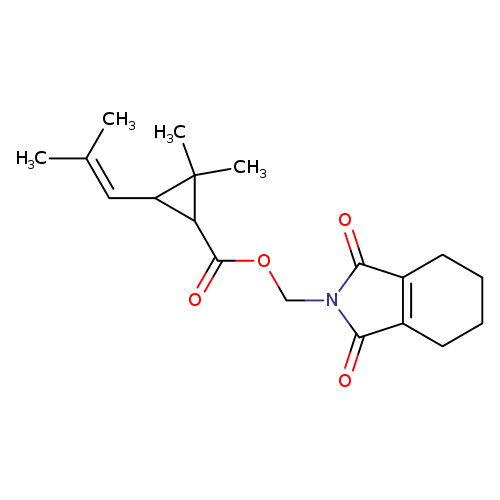
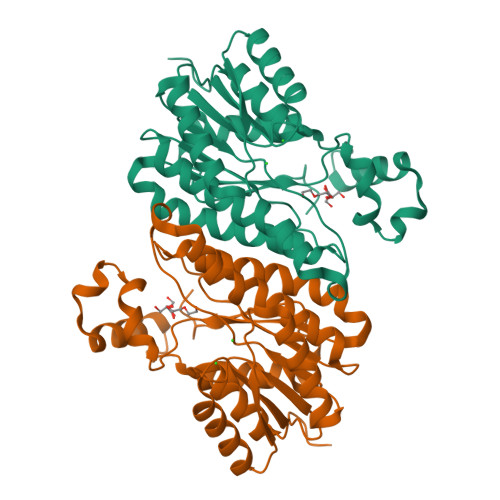
 Click to view 3D structure Click to view 3D structure | 17-beta-hydroxysteroid-dehydrogenase | O93874 | Cochliobolus lunatus | Predicted (SEA) | - Prediction Confidence Score
- 0.25
- Applicability Domain
- 0.25 Low confidence
- Statistical Significance
- 0.003
- Supporting Reference Compounds
- 1
- E-value
- 23.5105
|
 Click to view 3D structure Click to view 3D structure | Protoporphyrinogen oxidase, chloroplastic | Q9AR38 | Oryza sativa subsp. japonica | Predicted (SEA) | - Prediction Confidence Score
- 0.21
- Applicability Domain
- 0.222 Low confidence
- Statistical Significance
- 4.70e-04
- Supporting Reference Compounds
- 2
- E-value
- 3.65891
|
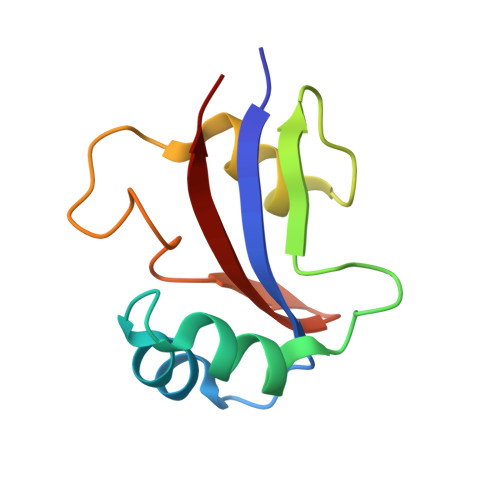 Click to view 3D structure Click to view 3D structure | Peptidyl-prolyl cis-trans isomerase NIMA-interacting 4 | Q9Y237 | Humans | Predicted (SEA) | - Prediction Confidence Score
- 0.207
- Applicability Domain
- 0.207 Low confidence
- Statistical Significance
- 0.0086
- Supporting Reference Compounds
- 1
- E-value
- 67.0282
|
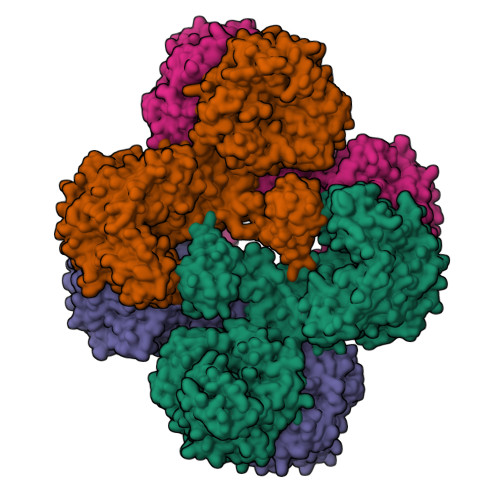 Click to view 3D structure Click to view 3D structure | Pyruvate carboxylase | A0A0H3JRU9 | Staphylococcus aureus (strain Mu50 / ATCC 700699) | Predicted (SEA) | - Prediction Confidence Score
- 0.206
- Applicability Domain
- 0.206 Low confidence
- Statistical Significance
- 0.0184
- Supporting Reference Compounds
- 1
- E-value
- 143.009
|
 Click to view 3D structure Click to view 3D structure | Beta-lactamase | P00807 | Staphylococcus aureus | Predicted (SEA) | - Prediction Confidence Score
- 0.205
- Applicability Domain
- 0.246 Low confidence
- Statistical Significance
- 3.70e-04
- Supporting Reference Compounds
- 10
- E-value
- 2.88042
|
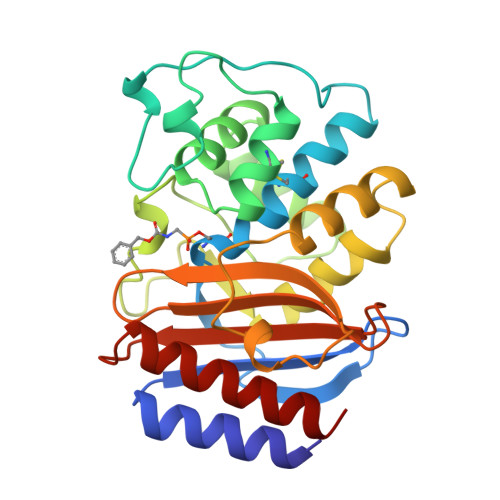 Click to view 3D structure Click to view 3D structure | Beta-lactamase TEM | P62593 | Escherichia coli | Predicted (SEA) | - Prediction Confidence Score
- 0.203
- Applicability Domain
- 0.215 Low confidence
- Statistical Significance
- 6.40e-04
- Supporting Reference Compounds
- 22
- E-value
- 4.98235
|
 Click to view 3D structure Click to view 3D structure | Beta-lactamase | P05364 | Enterobacter cloacae | Predicted (SEA) | - Prediction Confidence Score
- 0.201
- Applicability Domain
- 0.215 Low confidence
- Statistical Significance
- 7.70e-04
- Supporting Reference Compounds
- 22
- E-value
- 5.99439
|
 Click to view 3D structure Click to view 3D structure | Coproporphyrinogen III oxidase | P32397 | Bacillus subtilis (strain 168) | Predicted (SEA) | - Prediction Confidence Score
- 0.2
- Applicability Domain
- 0.2 Low confidence
- Statistical Significance
- 0.0334
- Supporting Reference Compounds
- 1
- E-value
- 260.094
|
| Click to view 3D structure | Solute carrier family 12 member 5 | Q63633 | Rattus norvegicus | Predicted (SEA) | - Prediction Confidence Score
- 0.191
- Applicability Domain
- 0.191 Low confidence
- Statistical Significance
- 0.0546
- Supporting Reference Compounds
- 1
- E-value
- 424.745
|
| Click to view 3D structure | Adenylate cyclase type 1 | P19754 | Bos taurus | Predicted (SEA) | - Prediction Confidence Score
- 0.19
- Applicability Domain
- 0.213 Low confidence
- Statistical Significance
- 7.70e-04
- Supporting Reference Compounds
- 5
- E-value
- 5.99439
|
| Click to view 3D structure | Beta-lactamase OXA-2 | P0A1V9 | Escherichia coli | Predicted (SEA) | - Prediction Confidence Score
- 0.188
- Applicability Domain
- 0.188 Low confidence
- Statistical Significance
- 2.30e-04
- Supporting Reference Compounds
- 1
- E-value
- 1.79053
|
| Click to view 3D structure | Beta-lactamase pse-1 | Q2V0Y6 | Escherichia coli | Predicted (SEA) | - Prediction Confidence Score
- 0.188
- Applicability Domain
- 0.188 Low confidence
- Statistical Significance
- 2.30e-04
- Supporting Reference Compounds
- 1
- E-value
- 1.79053
|
 Click to view 3D structure Click to view 3D structure | Replicase polyprotein 1ab | P0DTD1 | SARS-CoV-2 | Predicted (SEA) | - Prediction Confidence Score
- 0.187
- Applicability Domain
- 0.25 Low confidence
- Statistical Significance
- 0.5952
- Supporting Reference Compounds
- 215
- E-value
- 4633.74
|
 Click to view 3D structure Click to view 3D structure | Arylamine N-acetyltransferase | O86309 | Mycolicibacterium smegmatis | Predicted (SEA) | - Prediction Confidence Score
- 0.187
- Applicability Domain
- 0.187 Low confidence
- Statistical Significance
- 0.0348
- Supporting Reference Compounds
- 1
- E-value
- 270.837
|
| Click to view 3D structure | Extended-spectrum beta-lactamase PER-6 | D5HSX5 | Aeromonas allosaccharophila | Predicted (SEA) | - Prediction Confidence Score
- 0.186
- Applicability Domain
- 0.186 Low confidence
- Statistical Significance
- 8.50e-04
- Supporting Reference Compounds
- 1
- E-value
- 6.61718
|
| Click to view 3D structure | ADC-14 protein | Q0VTR6 | Acinetobacter genomosp. 3 | Predicted (SEA) | - Prediction Confidence Score
- 0.186
- Applicability Domain
- 0.186 Low confidence
- Statistical Significance
- 8.50e-04
- Supporting Reference Compounds
- 1
- E-value
- 6.61718
|
| Click to view 3D structure | Beta-lactamase SHV-11 | Q7X575 | Escherichia coli | Predicted (SEA) | - Prediction Confidence Score
- 0.186
- Applicability Domain
- 0.186 Low confidence
- Statistical Significance
- 8.50e-04
- Supporting Reference Compounds
- 1
- E-value
- 6.61718
|
| Click to view 3D structure | ADC-16 protein | Q0VTR8 | Acinetobacter genomosp. 3 | Predicted (SEA) | - Prediction Confidence Score
- 0.186
- Applicability Domain
- 0.186 Low confidence
- Statistical Significance
- 8.50e-04
- Supporting Reference Compounds
- 1
- E-value
- 6.61718
|
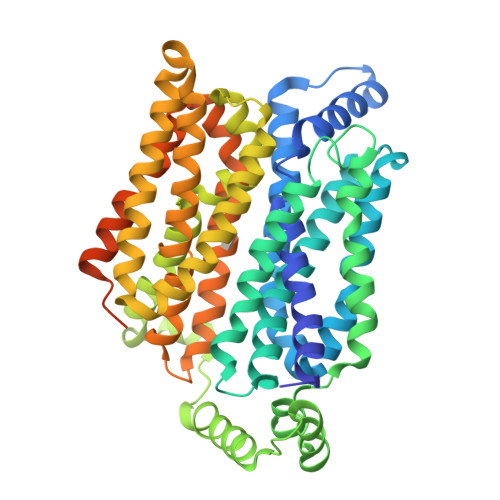 Click to view 3D structure Click to view 3D structure | Solute carrier family 2, facilitated glucose transporter member 1 | P11166 | Humans | Predicted (SEA) | - Prediction Confidence Score
- 0.186
- Applicability Domain
- 0.213 Low confidence
- Statistical Significance
- 0.516
- Supporting Reference Compounds
- 62
- E-value
- 4017.25
|
 Click to view 3D structure Click to view 3D structure | Progesterone receptor | P06401 | Humans | Predicted (SEA) | - Prediction Confidence Score
- 0.185
- Applicability Domain
- 0.195 Low confidence
- Statistical Significance
- 0.5119
- Supporting Reference Compounds
- 119
- E-value
- 3984.95
|
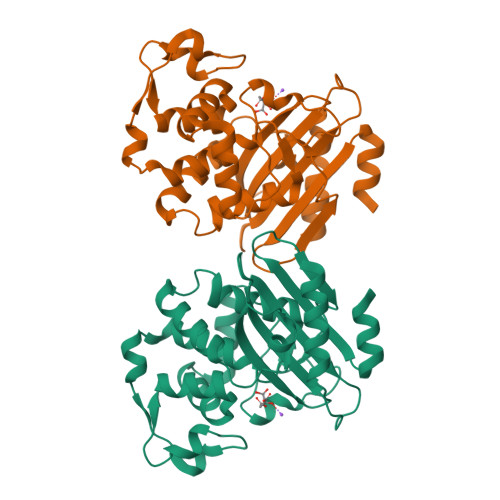 Click to view 3D structure Click to view 3D structure | Beta-lactamase | P00808 | Bacillus licheniformis | Predicted (SEA) | - Prediction Confidence Score
- 0.184
- Applicability Domain
- 0.217 Low confidence
- Statistical Significance
- 3.80e-04
- Supporting Reference Compounds
- 6
- E-value
- 2.95827
|
 Click to view 3D structure Click to view 3D structure | Glucocorticoid receptor | P04150 | Humans | Predicted (SEA) | - Prediction Confidence Score
- 0.183
- Applicability Domain
- 0.195 Low confidence
- Statistical Significance
- 0.55
- Supporting Reference Compounds
- 154
- E-value
- 4281.86
|
 Click to view 3D structure Click to view 3D structure | Estrogen receptor | P03372 | Humans | Predicted (SEA) | - Prediction Confidence Score
- 0.183
- Applicability Domain
- 0.195 Low confidence
- Statistical Significance
- 0.6179
- Supporting Reference Compounds
- 201
- E-value
- 4810.61
|
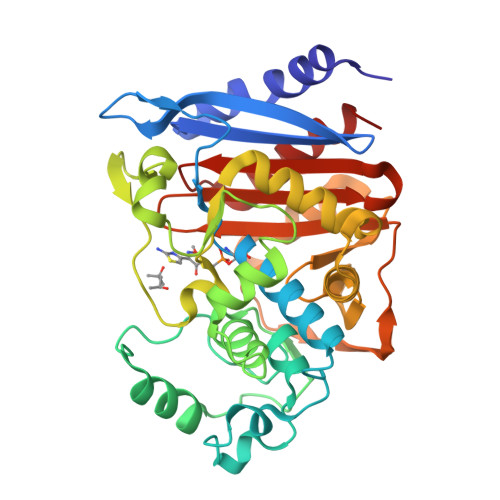 Click to view 3D structure Click to view 3D structure | Beta-lactamase | P05193 | Citrobacter freundii | Predicted (SEA) | - Prediction Confidence Score
- 0.182
- Applicability Domain
- 0.217 Low confidence
- Statistical Significance
- 2.90e-04
- Supporting Reference Compounds
- 6
- E-value
- 2.25763
|
 Click to view 3D structure Click to view 3D structure | Mineralocorticoid receptor | P08235 | Humans | Predicted (SEA) | - Prediction Confidence Score
- 0.182
- Applicability Domain
- 0.195 Low confidence
- Statistical Significance
- 0.3715
- Supporting Reference Compounds
- 74
- E-value
- 2891.79
|
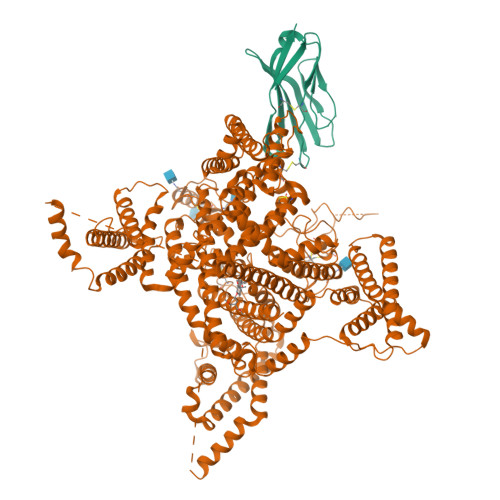 Click to view 3D structure Click to view 3D structure | Sodium channel protein type 1 subunit alpha | P35498 | Humans | Known | This pyrethroid exerts its profound effect by prolonging the open phase of the sodium channel gates when a nerve cell is excited. This pyrethroid is a axonic poison that block the closing of the sodium gates in the nerves, and, thus, prolongs the return of the membrane potential to its resting state leading to hyperactivity of the nervous system which can result in paralysis and/or death. Type I Pyrethroid esters (lacking the alpha-cyano substituents) affect sodium channels in nerve membranes, causing repetitive (sensory, motor) neuronal discharge and a prolonged negative afterpotential, the effects being quite similar to those produced by DDT (L857, A560). |
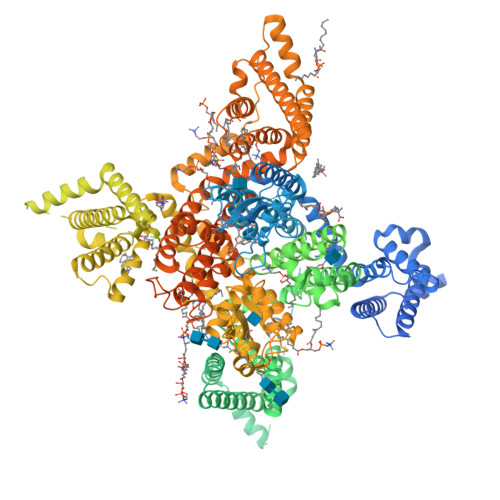 Click to view 3D structure Click to view 3D structure | Sodium channel protein type 10 subunit alpha | Q9Y5Y9 | Humans | Known | This pyrethroid exerts its profound effect by prolonging the open phase of the sodium channel gates when a nerve cell is excited. This pyrethroid is a axonic poison that block the closing of the sodium gates in the nerves, and, thus, prolongs the return of the membrane potential to its resting state leading to hyperactivity of the nervous system which can result in paralysis and/or death. Type I Pyrethroid esters (lacking the alpha-cyano substituents) affect sodium channels in nerve membranes, causing repetitive (sensory, motor) neuronal discharge and a prolonged negative afterpotential, the effects being quite similar to those produced by DDT (L857, A560). |
| Click to view 3D structure | Sodium channel protein type 11 subunit alpha | Q9UI33 | Humans | Known | This pyrethroid exerts its profound effect by prolonging the open phase of the sodium channel gates when a nerve cell is excited. This pyrethroid is a axonic poison that block the closing of the sodium gates in the nerves, and, thus, prolongs the return of the membrane potential to its resting state leading to hyperactivity of the nervous system which can result in paralysis and/or death. Type I Pyrethroid esters (lacking the alpha-cyano substituents) affect sodium channels in nerve membranes, causing repetitive (sensory, motor) neuronal discharge and a prolonged negative afterpotential, the effects being quite similar to those produced by DDT (L857, A560). |
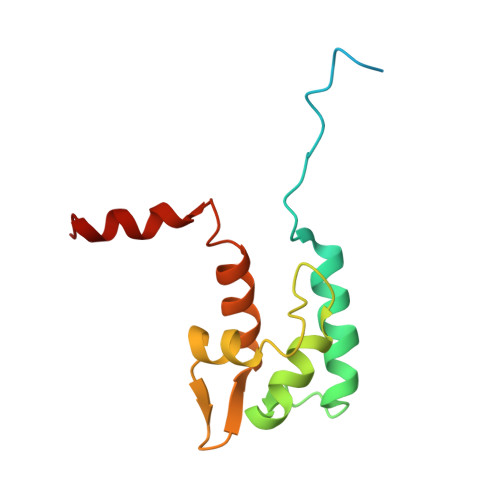 Click to view 3D structure Click to view 3D structure | Sodium channel protein type 2 subunit alpha | Q99250 | Humans | Known | This pyrethroid exerts its profound effect by prolonging the open phase of the sodium channel gates when a nerve cell is excited. This pyrethroid is a axonic poison that block the closing of the sodium gates in the nerves, and, thus, prolongs the return of the membrane potential to its resting state leading to hyperactivity of the nervous system which can result in paralysis and/or death. Type I Pyrethroid esters (lacking the alpha-cyano substituents) affect sodium channels in nerve membranes, causing repetitive (sensory, motor) neuronal discharge and a prolonged negative afterpotential, the effects being quite similar to those produced by DDT (L857, A560). |
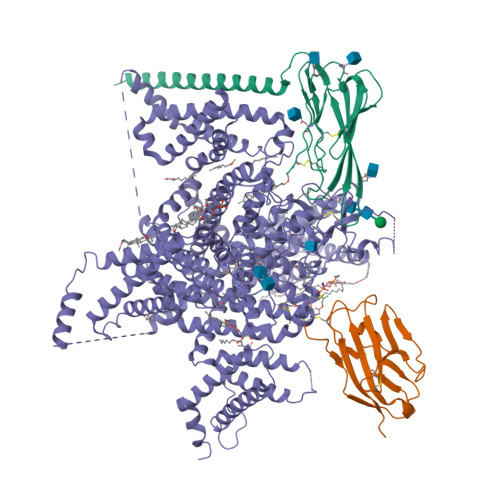 Click to view 3D structure Click to view 3D structure | Sodium channel protein type 3 subunit alpha | Q9NY46 | Humans | Known | This pyrethroid exerts its profound effect by prolonging the open phase of the sodium channel gates when a nerve cell is excited. This pyrethroid is a axonic poison that block the closing of the sodium gates in the nerves, and, thus, prolongs the return of the membrane potential to its resting state leading to hyperactivity of the nervous system which can result in paralysis and/or death. Type I Pyrethroid esters (lacking the alpha-cyano substituents) affect sodium channels in nerve membranes, causing repetitive (sensory, motor) neuronal discharge and a prolonged negative afterpotential, the effects being quite similar to those produced by DDT (L857, A560). |
 Click to view 3D structure Click to view 3D structure | Sodium channel protein type 4 subunit alpha | P35499 | Humans | Known | This pyrethroid exerts its profound effect by prolonging the open phase of the sodium channel gates when a nerve cell is excited. This pyrethroid is a axonic poison that block the closing of the sodium gates in the nerves, and, thus, prolongs the return of the membrane potential to its resting state leading to hyperactivity of the nervous system which can result in paralysis and/or death. Type I Pyrethroid esters (lacking the alpha-cyano substituents) affect sodium channels in nerve membranes, causing repetitive (sensory, motor) neuronal discharge and a prolonged negative afterpotential, the effects being quite similar to those produced by DDT (L857, A560). |
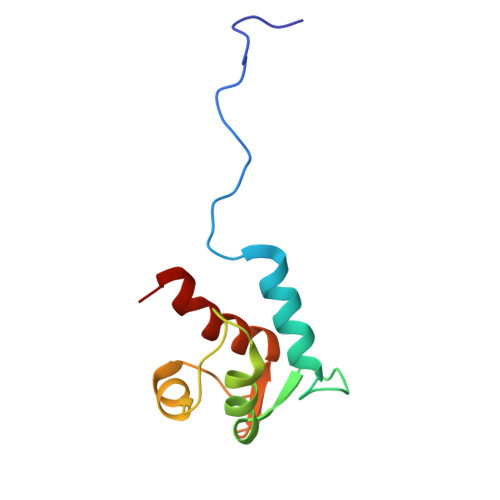 Click to view 3D structure Click to view 3D structure | Sodium channel protein type 5 subunit alpha | Q14524 | Humans | Known | This pyrethroid exerts its profound effect by prolonging the open phase of the sodium channel gates when a nerve cell is excited. This pyrethroid is a axonic poison that block the closing of the sodium gates in the nerves, and, thus, prolongs the return of the membrane potential to its resting state leading to hyperactivity of the nervous system which can result in paralysis and/or death. Type I Pyrethroid esters (lacking the alpha-cyano substituents) affect sodium channels in nerve membranes, causing repetitive (sensory, motor) neuronal discharge and a prolonged negative afterpotential, the effects being quite similar to those produced by DDT (L857, A560). |
 Click to view 3D structure Click to view 3D structure | Sodium channel protein type 8 subunit alpha | Q9UQD0 | Humans | Known | This pyrethroid exerts its profound effect by prolonging the open phase of the sodium channel gates when a nerve cell is excited. This pyrethroid is a axonic poison that block the closing of the sodium gates in the nerves, and, thus, prolongs the return of the membrane potential to its resting state leading to hyperactivity of the nervous system which can result in paralysis and/or death. Type I Pyrethroid esters (lacking the alpha-cyano substituents) affect sodium channels in nerve membranes, causing repetitive (sensory, motor) neuronal discharge and a prolonged negative afterpotential, the effects being quite similar to those produced by DDT (L857, A560). |
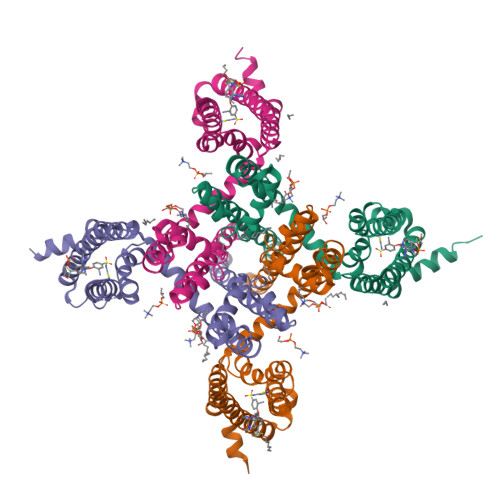 Click to view 3D structure Click to view 3D structure | Sodium channel protein type 9 subunit alpha | Q15858 | Humans | Known | This pyrethroid exerts its profound effect by prolonging the open phase of the sodium channel gates when a nerve cell is excited. This pyrethroid is a axonic poison that block the closing of the sodium gates in the nerves, and, thus, prolongs the return of the membrane potential to its resting state leading to hyperactivity of the nervous system which can result in paralysis and/or death. Type I Pyrethroid esters (lacking the alpha-cyano substituents) affect sodium channels in nerve membranes, causing repetitive (sensory, motor) neuronal discharge and a prolonged negative afterpotential, the effects being quite similar to those produced by DDT (L857, A560). |
| Click to view 3D structure | Sodium channel regulatory subunit beta-1 | Q07699 | Humans | Known | This pyrethroid exerts its profound effect by prolonging the open phase of the sodium channel gates when a nerve cell is excited. This pyrethroid is a axonic poison that block the closing of the sodium gates in the nerves, and, thus, prolongs the return of the membrane potential to its resting state leading to hyperactivity of the nervous system which can result in paralysis and/or death. Type I Pyrethroid esters (lacking the alpha-cyano substituents) affect sodium channels in nerve membranes, causing repetitive (sensory, motor) neuronal discharge and a prolonged negative afterpotential, the effects being quite similar to those produced by DDT (L857, A560). |
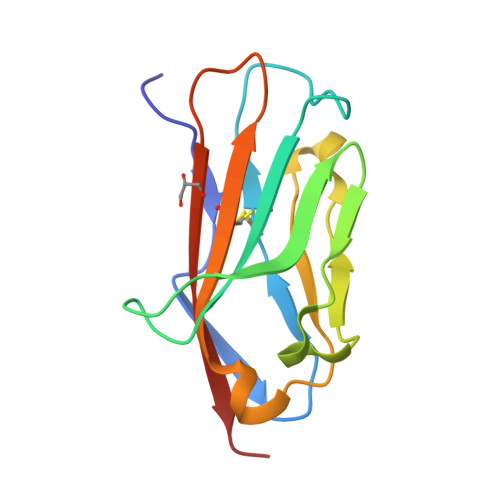 Click to view 3D structure Click to view 3D structure | Sodium channel regulatory subunit beta-2 | O60939 | Humans | Known | This pyrethroid exerts its profound effect by prolonging the open phase of the sodium channel gates when a nerve cell is excited. This pyrethroid is a axonic poison that block the closing of the sodium gates in the nerves, and, thus, prolongs the return of the membrane potential to its resting state leading to hyperactivity of the nervous system which can result in paralysis and/or death. Type I Pyrethroid esters (lacking the alpha-cyano substituents) affect sodium channels in nerve membranes, causing repetitive (sensory, motor) neuronal discharge and a prolonged negative afterpotential, the effects being quite similar to those produced by DDT (L857, A560). |
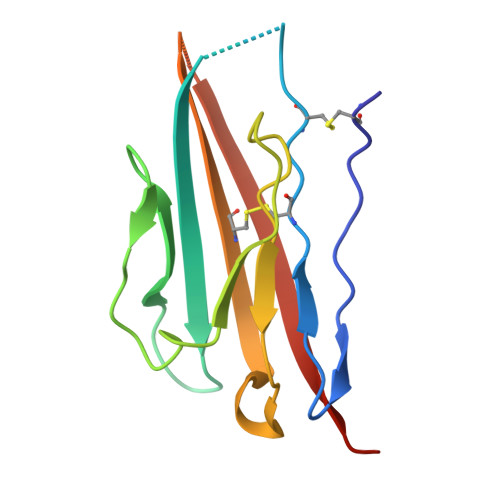 Click to view 3D structure Click to view 3D structure | Sodium channel regulatory subunit beta-3 | Q9NY72 | Humans | Known | This pyrethroid exerts its profound effect by prolonging the open phase of the sodium channel gates when a nerve cell is excited. This pyrethroid is a axonic poison that block the closing of the sodium gates in the nerves, and, thus, prolongs the return of the membrane potential to its resting state leading to hyperactivity of the nervous system which can result in paralysis and/or death. Type I Pyrethroid esters (lacking the alpha-cyano substituents) affect sodium channels in nerve membranes, causing repetitive (sensory, motor) neuronal discharge and a prolonged negative afterpotential, the effects being quite similar to those produced by DDT (L857, A560). |
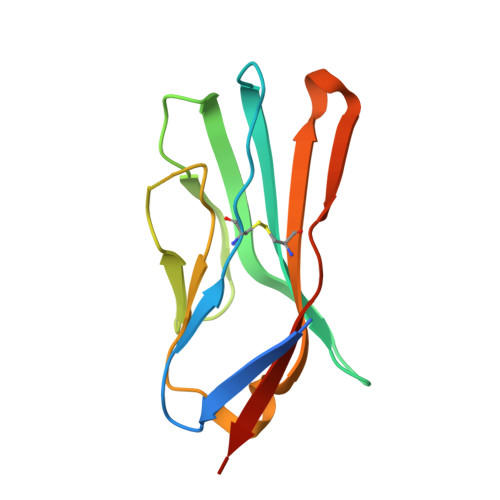 Click to view 3D structure Click to view 3D structure | Sodium channel regulatory subunit beta-4 | Q8IWT1 | Humans | Known | This pyrethroid exerts its profound effect by prolonging the open phase of the sodium channel gates when a nerve cell is excited. This pyrethroid is a axonic poison that block the closing of the sodium gates in the nerves, and, thus, prolongs the return of the membrane potential to its resting state leading to hyperactivity of the nervous system which can result in paralysis and/or death. Type I Pyrethroid esters (lacking the alpha-cyano substituents) affect sodium channels in nerve membranes, causing repetitive (sensory, motor) neuronal discharge and a prolonged negative afterpotential, the effects being quite similar to those produced by DDT (L857, A560). |
 Click to view 3D structure Click to view 3D structure | Calcium-transporting ATPase type 2C member 1 | P98194 | Humans | Known | This pyrethroid inhibits Na+/K+ ATPase and Ca2+ and Mg2+ ATPase, which are essential for the transport of calcium across membranes. This results in the accumulation of intracellular free calcium ions, which promotes release of neurotransmitters from storage vesicles, the subsequent depolarization of adjacent neurons, and the propagation of stimuli throughout the central nervous system. (T10) |
| Click to view 3D structure | Sarcoplasmic/endoplasmic reticulum calcium ATPase 1 | O14983 | Humans | Known | This pyrethroid inhibits Na+/K+ ATPase and Ca2+ and Mg2+ ATPase, which are essential for the transport of calcium across membranes. This results in the accumulation of intracellular free calcium ions, which promotes release of neurotransmitters from storage vesicles, the subsequent depolarization of adjacent neurons, and the propagation of stimuli throughout the central nervous system. (T10) |
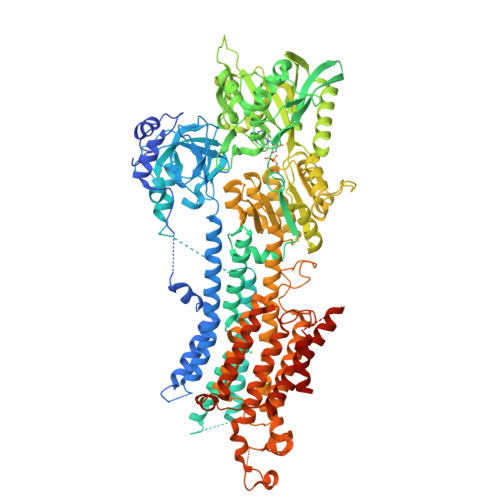 Click to view 3D structure Click to view 3D structure | Sarcoplasmic/endoplasmic reticulum calcium ATPase 2 | P16615 | Humans | Known | This pyrethroid inhibits Na+/K+ ATPase and Ca2+ and Mg2+ ATPase, which are essential for the transport of calcium across membranes. This results in the accumulation of intracellular free calcium ions, which promotes release of neurotransmitters from storage vesicles, the subsequent depolarization of adjacent neurons, and the propagation of stimuli throughout the central nervous system. (T10) |
 Click to view 3D structure Click to view 3D structure | Matrix metalloproteinase-9 | P14780 | Humans | Known | Not Available |
 Click to view 3D structure Click to view 3D structure | Cytochrome P450 3A4 | P08684 | Humans | Known | Not Available |
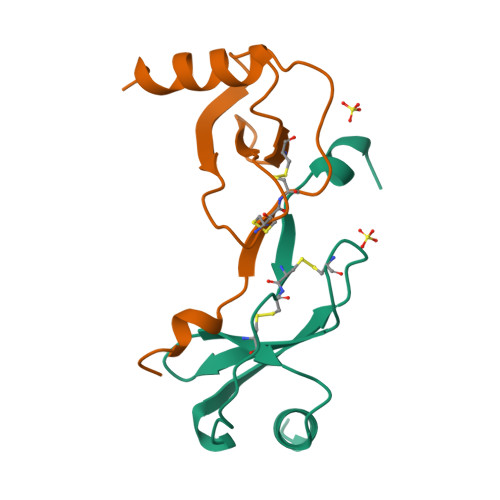 Click to view 3D structure Click to view 3D structure | C-C motif chemokine 2 | P13500 | Humans | Known | Not Available |
 Click to view 3D structure Click to view 3D structure | E-selectin | P16581 | Humans | Known | Not Available |
 Click to view 3D structure Click to view 3D structure | Prostaglandin E2 receptor EP2 subtype | P43116 | Humans | Known | Not Available |
 Click to view 3D structure Click to view 3D structure | Cytochrome P450 2B6 | P20813 | Humans | Known | Not Available |
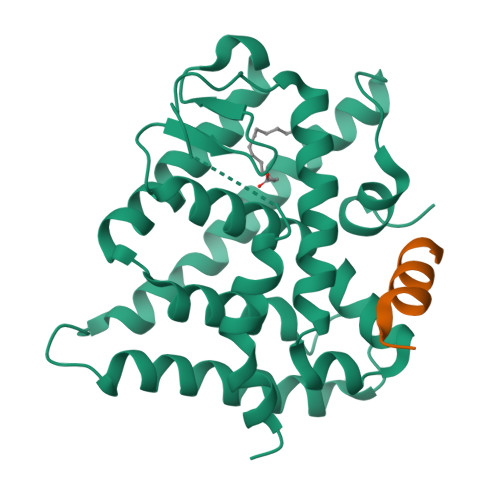 Click to view 3D structure Click to view 3D structure | Hepatocyte nuclear factor 4-alpha | P41235 | Humans | Known | Not Available |
 Click to view 3D structure Click to view 3D structure | Nuclear receptor subfamily 1 group I member 2 | O75469 | Humans | Known | Not Available |
 Click to view 3D structure Click to view 3D structure | Cytochrome P450 2C19 | P33261 | Humans | Known | Not Available |