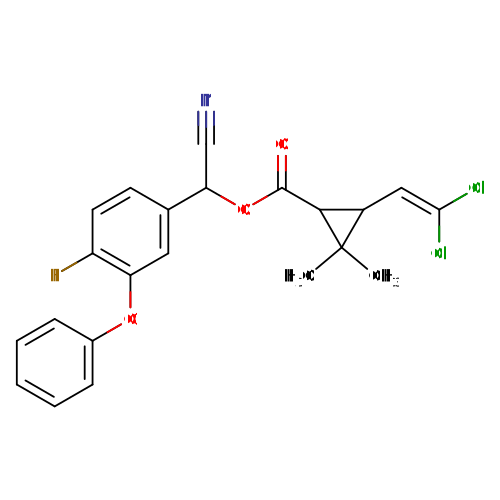
Cyfluthrin (CED0006784)

Record Information
Version1.0
Creation Date2009-06-18 17:03:35 UTC
Update Date2026-05-14 19:37:44 UTC
SynCED IDCED0006784
Secondary Accession Numbers
  • CHEM000889
  • T3D1031
Identification
Common NameCyfluthrin
ClassSmall Molecule
Description
Cyfluthrin is an exogenous solid with the formula C22H18Cl2FNO3 and an average molecular weight of 434.29 g/mol. Cyfluthrin belongs to the fatty acid esters, a subclass of fatty acyls within the organic compounds. It is used as a pyrethroid ester insecticide, agrochemical, biocide, and industrial insecticide (PMC10770572 ). The compound is found in or released from eleven recorded sources, including pesticides in agriculture and land management, drinking water, pipe accessories in household cleaning and consumer products, and building and construction materials such as floors, fencing, and tents or canopies. It is also associated with food contact materials, including the preparation of malt and vinegar, molasses and the treatment of molasses, and the treatment of hops. Recorded exposure routes include touch, oral, and inhalation, with inhalation supported by literature (PMC3108137 ). Cyfluthrin has 30 recorded protein targets. These include sodium channel protein type 1 subunit alpha (SCN1A), type 10 subunit alpha (SCN10A), type 11 subunit alpha (SCN11A), and type 2 subunit alpha (SCN2A). As an axonic poison, it prolongs the open phase of sodium channel gates during nerve cell excitation, blocking their closing and prolonging the return of the membrane potential to its resting state, which leads to nervous system hyperactivity, paralysis, and/or death. Additionally, it targets Calcium-transporting ATPase type 2C member 1 (ATP2C1), Sarcoplasmic/endoplasmic reticulum calcium ATPase 2 (ATP2A2), and Sarcoplasmic/end reticulum calcium ATPase 1 (ATP2A1) by inhibiting Na+/K+ ATPase and Ca2+ and Mg2+ ATPase. This inhibition causes intracellular free calcium ions to accumulate, promoting neurotransmitter release from storage vesicles, depolarization of adjacent neurons, and the propagation of stimuli throughout the central nervous system. Other targets include Nuclear receptor subfamily 1 group I member 2 (NR1I2), 25-hydroxyvitamin D-1 alpha hydroxylase, mitochondrial (CYP27B1), C-C motif chemokine 2 (CCL2), and Collagen alpha-1(III) chain (COL3A1).
Contaminant Type
  • Ester
  • Ether
  • Household Toxin
  • Insecticide
  • Nitrile
  • Organic Compound
  • Organochloride
  • Organofluoride
  • Pesticide
  • Pyrethroid
  • Synthetic Compound
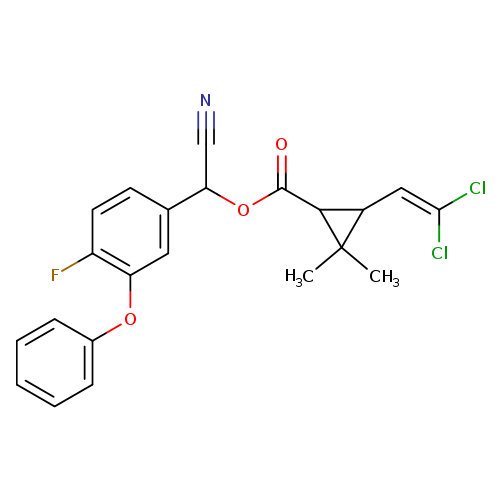
Chemical Structure
Synonyms
ValueSource
(R,S)-alpha-Cyano-4-fluoro-3-phenoxybenzyl-(1R,S)-cis,trans-3-(2,2-dichlorovinyl)-2,2-dimethylcyclopropanecarboxylateChEBI
CylenceKegg
(R,S)-a-Cyano-4-fluoro-3-phenoxybenzyl-(1R,S)-cis,trans-3-(2,2-dichlorovinyl)-2,2-dimethylcyclopropanecarboxylateGenerator
(R,S)-a-Cyano-4-fluoro-3-phenoxybenzyl-(1R,S)-cis,trans-3-(2,2-dichlorovinyl)-2,2-dimethylcyclopropanecarboxylic acidGenerator
(R,S)-alpha-Cyano-4-fluoro-3-phenoxybenzyl-(1R,S)-cis,trans-3-(2,2-dichlorovinyl)-2,2-dimethylcyclopropanecarboxylic acidGenerator
(R,S)-Α-cyano-4-fluoro-3-phenoxybenzyl-(1R,S)-cis,trans-3-(2,2-dichlorovinyl)-2,2-dimethylcyclopropanecarboxylateGenerator
(R,S)-Α-cyano-4-fluoro-3-phenoxybenzyl-(1R,S)-cis,trans-3-(2,2-dichlorovinyl)-2,2-dimethylcyclopropanecarboxylic acidGenerator
beta-CyfluthrinMeSH
cyano(4-fluoro-3-Phenoxyphenyl)methyl 3-(2,2-dichloroethenyl)-2,2-dimethylcyclopropane carboxylateMeSH
Chemical FormulaC22H18Cl2FNO3
Average Molecular Mass434.288 g/mol
Monoisotopic Mass433.065 g/mol
CAS Registry Number68359-37-5
IUPAC Namecyano(4-fluoro-3-phenoxyphenyl)methyl 3-(2,2-dichloroethenyl)-2,2-dimethylcyclopropane-1-carboxylate
Traditional Nameβ-cyfluthrin
SMILESCC1(C)C(C=C(Cl)Cl)C1C(=O)OC(C#N)C1=CC=C(F)C(OC2=CC=CC=C2)=C1
InChI IdentifierInChI=1S/C22H18Cl2FNO3/c1-22(2)15(11-19(23)24)20(22)21(27)29-18(12-26)13-8-9-16(25)17(10-13)28-14-6-4-3-5-7-14/h3-11,15,18,20H,1-2H3
InChI KeyQQODLKZGRKWIFG-UHFFFAOYSA-N
Chemical Taxonomy
Description Belongs to the class of organic compounds known as pyrethroids. These are organic compounds similar to the pyrethrins. Some pyrethroids containing a chrysanthemic acid esterified with a cyclopentenone (pyrethrins), or with a phenoxybenzyl group.
KingdomOrganic compounds
Super ClassLipids and lipid-like molecules
ClassFatty Acyls
Sub ClassFatty acid esters
Direct ParentPyrethroids
Alternative Parents
Substituents
  • Pyrethroid skeleton
  • Diphenylether
  • Diaryl ether
  • Benzyloxycarbonyl
  • Phenoxy compound
  • Phenol ether
  • Fluorobenzene
  • Halobenzene
  • Aryl fluoride
  • Aryl halide
  • Monocyclic benzene moiety
  • Cyclopropanecarboxylic acid or derivatives
  • Benzenoid
  • Carboxylic acid ester
  • Ketene acetal or derivatives
  • Carboxylic acid derivative
  • Chloroalkene
  • Haloalkene
  • Ether
  • Vinyl halide
  • Vinyl chloride
  • Monocarboxylic acid or derivatives
  • Carbonitrile
  • Nitrile
  • Organic oxide
  • Organopnictogen compound
  • Organic oxygen compound
  • Carbonyl group
  • Organooxygen compound
  • Hydrocarbon derivative
  • Organic nitrogen compound
  • Organohalogen compound
  • Organochloride
  • Organofluoride
  • Organonitrogen compound
  • Aromatic homomonocyclic compound
Molecular FrameworkAromatic homomonocyclic compounds
External Descriptors
Biological Properties
StatusDetected and Not Quantified
OriginExogenous
Cellular Locations
  • Membrane
Biofluid LocationsNot Available
Tissue LocationsNot Available
Applications
Biological Roles
Chemical RolesNot Available
Organoleptic EffectsNot Available
Physical Properties
StateSolid
AppearancePasty yellow mass (5).
Experimental Properties
PropertyValue
Melting Point60°C
Boiling PointNot Available
Solubility3e-06 mg/mL at 20°C [TOMLIN,C (1997)]
Predicted Properties
PropertyValueSource
Water Solubility0.00066 g/LALOGPS
logP5.93ALOGPS
logP5.59ChemAxon
logS-5.8ALOGPS
pKa (Strongest Acidic)10.31ChemAxon
pKa (Strongest Basic)-3.8ChemAxon
Physiological Charge0ChemAxon
Hydrogen Acceptor Count2ChemAxon
Hydrogen Donor Count0ChemAxon
Polar Surface Area59.32 ŲChemAxon
Rotatable Bond Count7ChemAxon
Refractivity119.31 m³·mol⁻¹ChemAxon
Polarizability40.69 ųChemAxon
Number of Rings3ChemAxon
BioavailabilityYesChemAxon
Rule of FiveNoChemAxon
Ghose FilterYesChemAxon
Veber's RuleNoChemAxon
MDDR-like RuleYesChemAxon
Spectra
Spectra
Spectrum TypeDescriptionSplash KeyDeposition DateView
Predicted GC-MSPredicted GC-MS SpectrumNot AvailableNot AvailableView Spectrum
Predicted LC-MS/MSPredicted LC-MS/MS Spectrumsplash10-001i-0411900000-82d489d521b94dd36133Not AvailableView Spectrum
Predicted LC-MS/MSPredicted LC-MS/MS Spectrumsplash10-0006-1911300000-dbc0afa759697bd70812Not AvailableView Spectrum
Predicted LC-MS/MSPredicted LC-MS/MS Spectrumsplash10-052g-1900000000-e8271ff3241bf417cdbdNot AvailableView Spectrum
Predicted LC-MS/MSPredicted LC-MS/MS Spectrumsplash10-001i-0010900000-52c1e47e200a764bc841Not AvailableView Spectrum
Predicted LC-MS/MSPredicted LC-MS/MS Spectrumsplash10-000x-6233900000-0878a88f0910857d2055Not AvailableView Spectrum
Predicted LC-MS/MSPredicted LC-MS/MS Spectrumsplash10-01ox-9840000000-3bfbc158bcbeba59459cNot AvailableView Spectrum
Predicted LC-MS/MSPredicted LC-MS/MS Spectrumsplash10-000t-2139700000-281b012ae0ff4d37f2a1Not AvailableView Spectrum
Predicted LC-MS/MSPredicted LC-MS/MS Spectrumsplash10-00pm-4193400000-c62a9a1fd4c1473f9a6bNot AvailableView Spectrum
Predicted LC-MS/MSPredicted LC-MS/MS Spectrumsplash10-0f96-5491000000-15be69ce0d838ddeb7a7Not AvailableView Spectrum
Predicted LC-MS/MSPredicted LC-MS/MS Spectrumsplash10-001i-0110900000-ad11da39a4241591ad3aNot AvailableView Spectrum
Predicted LC-MS/MSPredicted LC-MS/MS Spectrumsplash10-01q9-0790700000-22968118e763a44a9acdNot AvailableView Spectrum
Predicted LC-MS/MSPredicted LC-MS/MS Spectrumsplash10-00kf-6951100000-5793b7461253f0356124Not AvailableView Spectrum
MSMS Spectrumsplash10-0929-4920000000-f2349cc858651d6fdae3Not AvailableView Spectrum
Toxicity Profile
Toxicity Values
Toxicity ValueOrganismDose DescriptorRoute of ExposurePredicted or ExperimentalToxicity RatingReference
869.0 mg/kg [869:1271]RatLD50OralexperimentalNot Available5
291.0 mg/kg [291:609]MouseLD50OralexperimentalNot Available5
295.0 Log mg/kg [170:520]RatLD50oralpredictedNot AvailableNot Available
300.0 ppm RatNOELoralexperimentalNot AvailableECOTOX - EPA ORD
1000.0 ppm RatLOELoralexperimentalNot AvailableECOTOX - EPA ORD
6.0 mg/kg-day RatNOELoralexperimentalNot AvailableECOTOX - EPA ORD
18.0 mg/kg-day RatLOELoralexperimentalNot AvailableECOTOX - EPA ORD
50.0 mg/kg-day RatLOELoralexperimentalNot AvailableECOTOX - EPA ORD
12.0 mg/kg-day RatNOELoralexperimentalNot AvailableECOTOX - EPA ORD
36.0 mg/kg-day RatLOELoralexperimentalNot AvailableECOTOX - EPA ORD
54.0 mg/kg-day RatNOELoralexperimentalNot AvailableECOTOX - EPA ORD
150.0 ppm RatNOELoralexperimentalNot AvailableECOTOX - EPA ORD
450.0 ppm RatLOELoralexperimentalNot AvailableECOTOX - EPA ORD
1.68 mg/kg-day RatLOELoralexperimentalNot AvailableECOTOX - EPA ORD
1.68 mg/kg-day RatNOELoralexperimentalNot AvailableECOTOX - EPA ORD
1000.0 ppm RatLOELoralexperimentalNot AvailableECOTOX - EPA ORD
300.0 ppm RatNOELoralexperimentalNot AvailableECOTOX - EPA ORD
100.0 ppm RatLOELoralexperimentalNot AvailableECOTOX - EPA ORD
150.0 ppm RatLOELoralexperimentalNot AvailableECOTOX - EPA ORD
50.0 ppm RatNOELoralexperimentalNot AvailableECOTOX - EPA ORD
2.2 mg/kg-day RatNOELoralexperimentalNot AvailableECOTOX - EPA ORD
12.5 mg/kg-day RatNOELoralexperimentalNot AvailableECOTOX - EPA ORD
25.0 mg/kg-day RatLOELoralexperimentalNot AvailableECOTOX - EPA ORD
50.0 mg/kg-day RatNOELoralexperimentalNot AvailableECOTOX - EPA ORD
14.0 mg/kg-day RatLOELinjectionexperimentalNot AvailableECOTOX - EPA ORD
45.0 mg/kg-day RatNOELoralexperimentalNot AvailableECOTOX - EPA ORD
20.0 mg/kg-day RatNOELoralexperimentalNot AvailableECOTOX - EPA ORD
80.0 mg/kg-day RatLOELoralexperimentalNot AvailableECOTOX - EPA ORD
20.0 mg/kg-day RatNOELoralexperimentalNot AvailableECOTOX - EPA ORD
36.0 mg/kg-day RatNOELoralexperimentalNot AvailableECOTOX - EPA ORD
300.0 ppm RatNOELoralexperimentalNot AvailableECOTOX - EPA ORD
1000.0 ppm RatLOELoralexperimentalNot AvailableECOTOX - EPA ORD
300.0 ppm RatNOELoralexperimentalNot AvailableECOTOX - EPA ORD
1000.0 ppm RatLOELoralexperimentalNot AvailableECOTOX - EPA ORD
250.0 mg/kg-day RatLOELoralexperimentalNot AvailableECOTOX - EPA ORD
35.48 mg/kg-day RatLOELoralexperimentalNot AvailableECOTOX - EPA ORD
23.4 mg/kg-day RatNOELoralexperimentalNot AvailableECOTOX - EPA ORD
1000.0 ppm RatLOELoralexperimentalNot AvailableECOTOX - EPA ORD
300.0 ppm RatNOELoralexperimentalNot AvailableECOTOX - EPA ORD
300.0 ppm RatLOELoralexperimentalNot AvailableECOTOX - EPA ORD
100.0 ppm RatNOELoralexperimentalNot AvailableECOTOX - EPA ORD
78.0 mg/kg-day RatNOELoralexperimentalNot AvailableECOTOX - EPA ORD
2.53 mg/kg-day RatLOELoralexperimentalNot AvailableECOTOX - EPA ORD
1.69 mg/kg-day RatLOELoralexperimentalNot AvailableECOTOX - EPA ORD
78.0 mg/kg-day RatLOELoralexperimentalNot AvailableECOTOX - EPA ORD
23.4 mg/kg-day RatNOELoralexperimentalNot AvailableECOTOX - EPA ORD
20.0 mg/kg-day RatNOELoralexperimentalNot AvailableECOTOX - EPA ORD
20.0 mg/kg-day RatLOELoralexperimentalNot AvailableECOTOX - EPA ORD
10.0 mg/kg-day RatNOELoralexperimentalNot AvailableECOTOX - EPA ORD
100.0 mg/kg-day MouseNOELoralexperimentalNot AvailableECOTOX - EPA ORD
50.0 mg/kg-day RatNOELoralexperimentalNot AvailableECOTOX - EPA ORD
75.0 mg/kg-day RatLOELoralexperimentalNot AvailableECOTOX - EPA ORD
2.53 mg/kg-day RatLOELoralexperimentalNot AvailableECOTOX - EPA ORD
2.53 mg/kg-day RatNOELoralexperimentalNot AvailableECOTOX - EPA ORD
20.0 mg/kg-day RatLOELoralexperimentalNot AvailableECOTOX - EPA ORD
5.0 mg/kg-day RatNOELoralexperimentalNot AvailableECOTOX - EPA ORD
16.0 mg/kg-day MouseLOELoralexperimentalNot AvailableECOTOX - EPA ORD
32.0 mg/kg-day MouseLOELoralexperimentalNot AvailableECOTOX - EPA ORD
16.0 mg/kg-day MouseNOELoralexperimentalNot AvailableECOTOX - EPA ORD
16.0 mg/kg-day MouseLOELoralexperimentalNot AvailableECOTOX - EPA ORD
32.0 mg/kg-day MouseNOELoralexperimentalNot AvailableECOTOX - EPA ORD
32.0 mg/kg-day MouseLOELoralexperimentalNot AvailableECOTOX - EPA ORD
80.0 mg/kg-day RatNOELoralexperimentalNot AvailableECOTOX - EPA ORD
100.0 mg/kg-day MouseLOELoralexperimentalNot AvailableECOTOX - EPA ORD
1.27 mg/kg-day RatLOELoralexperimentalNot AvailableECOTOX - EPA ORD
78.0 mg/kg-day RatNOELoralexperimentalNot AvailableECOTOX - EPA ORD
78.0 mg/kg-day RatLOELoralexperimentalNot AvailableECOTOX - EPA ORD
16.0 mg/kg-day MouseNOELoralexperimentalNot AvailableECOTOX - EPA ORD
32.0 mg/kg-day MouseLOELoralexperimentalNot AvailableECOTOX - EPA ORD
32.0 mg/kg-day MouseNOELoralexperimentalNot AvailableECOTOX - EPA ORD
16.0 mg/kg-day MouseNOELoralexperimentalNot AvailableECOTOX - EPA ORD
32.0 mg/kg-day MouseNOELoralexperimentalNot AvailableECOTOX - EPA ORD
32.0 mg/kg-day MouseLOELoralexperimentalNot AvailableECOTOX - EPA ORD
0.88 mg/kg-day RatNOELoralexperimentalNot AvailableECOTOX - EPA ORD
50.0 mg/kg-day RatLOELoralexperimentalNot AvailableECOTOX - EPA ORD
16.0 mg/kg-day MouseNOELoralexperimentalNot AvailableECOTOX - EPA ORD
32.0 mg/kg-day MouseLOELoralexperimentalNot AvailableECOTOX - EPA ORD
32.0 mg/kg-day MouseNOELoralexperimentalNot AvailableECOTOX - EPA ORD
32.0 mg/kg-day MouseLOELoralexperimentalNot AvailableECOTOX - EPA ORD
16.0 mg/kg-day MouseNOELoralexperimentalNot AvailableECOTOX - EPA ORD
1000.0 ppm RatNOELoralexperimentalNot AvailableECOTOX - EPA ORD
7.8 mg/kg-day RatNOELoralexperimentalNot AvailableECOTOX - EPA ORD
23.4 mg/kg-day RatLOELoralexperimentalNot AvailableECOTOX - EPA ORD
1000.0 ppm RatLOELoralexperimentalNot AvailableECOTOX - EPA ORD
300.0 ppm RatNOELoralexperimentalNot AvailableECOTOX - EPA ORD
250.0 mg/kg-day RatLOELinjectionexperimentalNot AvailableECOTOX - EPA ORD
5.06 mg/kg-day RatNOELoralexperimentalNot AvailableECOTOX - EPA ORD
4.0 mg/kg-day RatNOELoralexperimentalNot AvailableECOTOX - EPA ORD
12.0 mg/kg-day RatLOELoralexperimentalNot AvailableECOTOX - EPA ORD
12.5 mg/kg-day RatLOELoralexperimentalNot AvailableECOTOX - EPA ORD
80.0 mg/kg-day RatLOELoralexperimentalNot AvailableECOTOX - EPA ORD
20.0 mg/kg-day RatNOELoralexperimentalNot AvailableECOTOX - EPA ORD
5.07 mg/kg-day RatLOELoralexperimentalNot AvailableECOTOX - EPA ORD
35.48 mg/kg-day RatNOELoralexperimentalNot AvailableECOTOX - EPA ORD
Toxicity / Toxin ClassNot Available
Mechanism of ToxicityBoth type I and type II pyrethroids exert their effect by prolonging the open phase of the sodium channel gates when a nerve cell is excited. They appear to bind to the membrane lipid phase in the immediate vicinity of the sodium channel, thus modifying the channel kinetics. This blocks the closing of the sodium gates in the nerves, and thus prolongs the return of the membrane potential to its resting state. The repetitive (sensory, motor) neuronal discharge and a prolonged negative afterpotential produces effects quite similar to those produced by DDT, leading to hyperactivity of the nervous system which can result in paralysis and/or death. Other mechanisms of action of pyrethroids include antagonism of gamma-aminobutyric acid (GABA)-mediated inhibition, modulation of nicotinic cholinergic transmission, enhancement of noradrenaline release, and actions on calcium ions. They also inhibit calium channels and Ca2+, Mg2+-ATPase. (7, 8, 4) L50: > 5000 mg/kg (Dermal, Rat) (5)
Carcinogenicity (IARC Classification)No indication of carcinogenicity to humans (not listed by IARC).
Minimum Risk LevelNot Available
SymptomsFollowing dermal exposure to cyfluthrin, feelings of numbness, itching, burning, stinging, tingling, or warmth may occur, that could last for a few hours. Dizziness, headache, nausea, muscle twitching, reduced energy, and changes in awareness can result from inhalation or ingestion of large amounts of cyfluthrin. Paralysis can occur after exposure. (4)
TreatmentFollowing oral exposure, the treatment is symptomatic and supportive and includes monitoring for the development of hypersensitivity reactions with respiratory distress. Provide adequate airway management when needed. Gastric decontamination is usually not required unless the pyrethrin product is combined with a hydrocarbon. Following inhalation exposure, move patient to fresh air. monitor for respiratory distress. If cough or difficulty breathing develops, evaluate for respiratory tract irritation, bronchitis, or pneumonitis. Administer oxygen and assist ventilation as required. Treat bronchospasm with inhaled beta2 agonist and oral or parenteral corticosteroids. In case of eye exposure, irrigate exposed eyes with copious amounts of room temperature water for at least 15 minutes. If irritation, pain, swelling, lacrimation, or photophobia persist, the patient should be seen in a health care facility. If the contamination occurs through dermal exposure, Remove contaminated clothing and wash exposed area thoroughly with soap and water. A physician may need to examine the area if irritation or pain persists. Vitamin E topical application is highly effective in relieving parenthesis. (3)
Health Effects
Health EffectRelationshipDirectionDescriptionReference
Exposure Sources
Source IDSourceSectorReference
CEDs000007Pesticides?Pesticides are synthetic chemicals designed to prevent, destroy, or control pests that threaten crops and agricultural productivity.Agriculture & land managementNot Available
CEDs000010Insecticides?Insecticides are synthetic chemicals designed to control or eliminate insect pests that threaten crops and other agricultural products.Agriculture & land managementPubChem
CEDs000013Soil?Soil serves as a critical medium for plant growth and sustains various ecological functions; however, it can become a reservoir for synthetic chemical contamination.Agriculture & land managementPMC3941031 , PMC12028412
CEDs000014Compost?Compost, while primarily used as an organic soil amendment to enhance fertility and improve soil structure, can become a source of synthetic chemical contamination.Agriculture & land managementPMC3941031
CEDs000070Stormwater runoff?Stormwater runoff refers to the flow of rainwater or melted snow that does not soak into the ground and instead collects pollutants as it travels over impervious surfaces such as roads and parking lots.Automotive & urban infrastructurePubChem
CEDs000115Drinking water?Drinking water can be a medium for synthetic chemical contamination, often originating from various industrial processes and agricultural practices.Drinking water & water supplyNot Available
CEDs000181Ballast water?Ballast water, taken on by ships to maintain stability and balance, often contains a diverse array of microorganisms, including bacteria, viruses, and plankton.Marine, shipping & aquaculturePubChem
CEDs000182Bilge water?Bilge water is a byproduct generated from the accumulation of water in the lowest part of a ship's hull, which may include a mixture of seawater, oil, fuel residues, and various contaminants.Marine, shipping & aquaculturePubChem
CEDs000494Food contact materials?Food contact materials refer to substances and products that are intended to come into contact with food during processing, packaging, or preparation.Food, food processing & cookwareNot Available
CEDs000496Fencing?Fencing materials, particularly those used in construction and landscaping, can be a source of synthetic chemical contamination due to the treatments and coatings applied for durability and weather resistance.Building & ConstructionPubChem
CEDs000497Floors?Floors in built environments can be a significant source of synthetic chemical contamination due to the materials and finishes used in their construction.Building & ConstructionPubChem
CEDs000503Tents Or Canopies?Tents and canopies used in various applications can be a source of synthetic chemical contamination primarily due to the materials from which they are made.Building & ConstructionPubChem
CEDs000517Electric Switches?Electric switches, integral components in numerous devices, can be a source of synthetic chemical contamination due to the materials and manufacturing processes involved in their production.Electrical & Electronic EquipmentPubChem
CEDs000518Electrically Stimulated Smoking Devices?Electrically stimulated smoking devices, commonly known as e-cigarettes or vape pens, utilize electrical components to heat a liquid solution, often containing nicotine, flavorings, and other additives, to produce an aerosol for inhalation.Electrical & Electronic EquipmentPubChem
CEDs000519Electrodes?Electrodes, used in various electrical and electronic applications, can be a source of synthetic chemical contamination due to the materials from which they are constructed and the processes involved in their manufacturing.Electrical & Electronic EquipmentPubChem
CEDs000524Hybrid Capacitors?Hybrid capacitors are energy storage devices that combine the properties of electrolytic and supercapacitors, utilizing a combination of electrochemical principles to achieve higher energy density and power density.Electrical & Electronic EquipmentPubChem
CEDs000545Food Preservation?Food preservation often involves the use of synthetic chemicals, such as preservatives, flavor enhancers, and color additives, to extend shelf life and enhance the sensory qualities of food products.Food, food processing & cookwarePubChem
CEDs000546Molasses And Treatment Of Molasses?Molasses is a thick, viscous byproduct of sugar production, derived from the extraction of sugar cane or sugar beet juice.Food, food processing & cookwarePubChem
CEDs000547Preparation Of Malt?Malt preparation involves the germination and drying of cereal grains, primarily barley, to produce malt for brewing and food products.Food, food processing & cookwarePubChem
CEDs000548Preparation Of Vinegar?Vinegar is produced through the fermentation of ethanol by acetic acid bacteria, resulting in a solution that typically contains 4-8% acetic acid.Food, food processing & cookwarePubChem
CEDs000553Treatment Of Hops?Hops, a key ingredient in brewing and food flavoring, can be a source of synthetic chemical contamination due to various agricultural practices.Food, food processing & cookwarePubChem
CEDs000556Cigar Cigarettes?Cigar cigarettes are a source of synthetic chemical contamination due to the combustion of various tobacco blends and additives.Household cleaning & consumer productsPubChem
CEDs000561Perfumes Within Detergents And Soaps?Perfumes within detergents and soaps are synthetic fragrance compounds added to enhance the sensory experience of cleaning products.Household cleaning & consumer productsPubChem
CEDs000562Pipe Accessories?Pipe accessories, such as fittings, connectors, and seals, are components used in plumbing systems to facilitate the flow of liquids and gases.Household cleaning & consumer productsPubChem
CEDs000563Soap Detergents?Soap detergents are synthetic surfactants designed to enhance the cleaning efficacy of water by reducing surface tension, allowing for better interaction with dirt and grease.Household cleaning & consumer productsPubChem
CEDs000569Tobacco Smoke Filters?Tobacco smoke filters are designed to reduce the inhalation of harmful substances in cigarette smoke, including tar and other particulate matter.Household cleaning & consumer productsPubChem
CEDs000580Manufacture Preparation Of Tobacco Products?The manufacture and preparation of tobacco products involve various processes that can result in the introduction of synthetic chemicals into the environment.Industrial manufacturing & chemical processingPubChem
CEDs000583Anchoring Equipment?Anchoring equipment, commonly used in marine applications, can be a source of synthetic chemical contamination due to the materials and coatings utilized in their manufacturing.Marine, shipping & aquaculturePubChem
CEDs000596Acaricides?Acaricides are synthetic chemicals specifically designed to target and control mite populations that can damage crops and plants.Agriculture & land managementPubChem
CEDs000597Chemosterilants?Chemosterilants are synthetic chemicals designed to induce sterility in target pest populations, thereby controlling their reproduction and mitigating damage to crops.Agriculture & land managementPubChem
CEDs000598Fertiliser Distributors?Fertiliser distributors play a critical role in the supply of synthetic fertilizers, which are widely used to enhance soil fertility and crop yield.Agriculture & land managementPubChem
CEDs000600Herbicides And Algicides?Herbicides and algicides are synthetic chemicals primarily used to control unwanted plants and algae in various environments.Agriculture & land managementPubChem
CEDs000602Molluscicides?Molluscicides are synthetic chemicals specifically designed to control and eliminate mollusks, such as snails and slugs, which can be detrimental to crops and agricultural productivity.Agriculture & land managementPubChem
CEDs000603Nematocides?Nematocides are synthetic chemicals specifically designed to control nematodes, which are microscopic roundworms that can cause significant damage to crops and plants.Agriculture & land managementPubChem
CEDs000604Pest Attractants?Pest attractants are synthetic chemicals designed to lure specific pests for monitoring or control purposes.Agriculture & land managementPubChem
CEDs000605Pest Repellants?Pest repellents, often formulated from synthetic chemicals, are widely used to protect crops from insect infestations and other pests.Agriculture & land managementPubChem
CEDs000606Plant Growth Regulators?Plant Growth Regulators (PGRs) are synthetic chemicals designed to influence the growth and development of plants.Agriculture & land managementPubChem
CEDs000607Rodenticides(1)?Rodenticides are synthetic chemicals specifically formulated to control rodent populations, serving as a crucial tool in managing pests that can damage crops and spread diseases.Agriculture & land managementPubChem
CEDs000608Rodenticides?Rodenticides are chemical substances specifically designed to control rodent populations by causing death through various mechanisms, including anticoagulation or neurotoxicity.Agriculture & land managementPubChem
CEDs000609Aftershave?Aftershave is a grooming product typically used to soothe and protect the skin following shaving.Personal care & cosmeticsPubChem
CEDs000610Aftersun Products?Aftersun products are designed to soothe and hydrate the skin after sun exposure, often containing various synthetic chemicals such as emollients, preservatives, and fragrances.Personal care & cosmeticsPubChem
CEDs000611Anti Perspirants Or Body Deoderants?Antiperspirants and body deodorants commonly contain synthetic chemicals such as aluminum compounds, parabens, and synthetic fragrances.Personal care & cosmeticsPubChem
CEDs000613Depilatories?Depilatories are products designed to remove unwanted hair through the application of synthetic chemicals that break down the protein structure of hair, facilitating its removal.Personal care & cosmeticsPubChem
CEDs000614Essential Oils Or Perfumes?Essential oils and perfumes are complex mixtures of volatile compounds derived from natural or synthetic sources, commonly used for their aromatic properties.Personal care & cosmeticsPubChem
CEDs000615Eye Makeup Products?Eye makeup products, including mascaras, eyeliners, and eyeshadows, often contain a variety of synthetic chemicals such as pigments, preservatives, and film-forming agents.Personal care & cosmeticsPubChem
CEDs000617Lip Care Products?Lip care products, including lipsticks, balms, and glosses, often contain a variety of synthetic chemicals such as parabens, phthalates, and synthetic fragrances.Personal care & cosmeticsPubChem
CEDs000632Apparel?Apparel production often involves the use of various synthetic chemicals, including dyes, finishing agents, and preservatives.Textiles, leather & furnishingsPubChem
CEDs000634Buckles?Buckles, commonly used as fasteners in clothing, accessories, and furniture, can be a source of synthetic chemical contamination due to the materials and coatings employed in their production.Textiles, leather & furnishingsPubChem
CEDs000662Yarns Or Threads?Yarns or threads used in textiles can be a source of synthetic chemical contamination due to the production processes and treatments they undergo.Textiles, leather & furnishingsPubChem
CEDs000671Airplanes And Helicopters?Airplanes and helicopters are significant sources of synthetic chemical contamination primarily through the use of aviation fuels, lubricants, and de-icing agents.Aviation & AerospacePubChem
CEDs000673Unmanned Aerial Vehicles?Unmanned Aerial Vehicles (UAVs), commonly known as drones, utilize various synthetic chemicals in their manufacturing, operation, and maintenance processes.Aviation & AerospacePubChem
CEDs000678Nitrogenous Fertilisers?Nitrogenous fertilizers are synthetic chemical compounds primarily used to enhance plant growth by supplying essential nitrogen, a crucial nutrient for photosynthesis and protein synthesis.Agriculture & land managementPubChem
CEDs000679Phosphatic Fertilisers?Phosphatic fertilizers are synthetic chemical products primarily composed of phosphorus, which is essential for plant growth.Agriculture & land managementPubChem
CEDs000685Ceramics?Ceramics can be a source of synthetic chemical contamination through various additives and processing agents used in their production.Building & ConstructionPubChem
CEDs000696Nanotechnology?Nanotechnology involves the manipulation of materials at the molecular or atomic level, typically within the range of 1 to 100 nanometers.Industrial manufacturing & chemical processingPubChem
CEDs000727Printing Machines Or Presses?Printing machines or presses commonly utilize synthetic chemicals such as inks, solvents, and cleaning agents.Paper, pulp & fiber productsPubChem
CEDs000738Cooling Circuit Water?Cooling circuit water is utilized in various industrial processes to absorb and dissipate heat generated during operations.Industrial manufacturing & chemical processingPubChem
CEDs000739Inks?Inks are complex mixtures composed of pigments or dyes, solvents, resins, and additives used primarily for printing and writing applications.Paper, pulp & fiber productsPubChem
CEDs000740Paper?Paper production involves the processing of wood fibers and the use of various chemicals, which can lead to synthetic chemical contamination.Paper, pulp & fiber productsPubChem
CEDs000741Pigment Pastes?Pigment pastes are concentrated dispersions of pigments used to impart color and properties to materials.Paper, pulp & fiber productsPubChem
CEDs000744Water, Wastewater, & Sewage Treatment?Water, wastewater, and sewage treatment processes are critical for managing and mitigating pollutants in water systems.Wastewater, sanitation & biosolidsPubChem
CEDs01148MilkFood, food processing & cookwarePMC11143778
CEDs01153Breast MilkFood, food processing & cookwarePMC2790498
CEDs01198HoneyFood, food processing & cookwarePMC9968705
CEDs01316VegetableFood, food processing & cookwarePMC6060873
CEDs01545Cereal SamplesFood, food processing & cookwarePMC10379487
CEDs01574Liquid FoodFood, food processing & cookwarePMC4025031
CEDs02590DustAir, dust & atmospheric transportPMC4025031 , PMC11321257
Pathways
0 pathwaysPathway Source: PathBank

No pathways found

No metabolic pathways have been associated with this synthetic chemical

Targets
StructureProteinUniProt IDOrganismRelationshipDetails
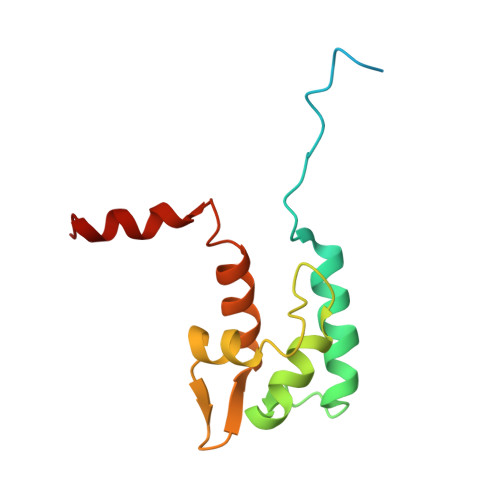
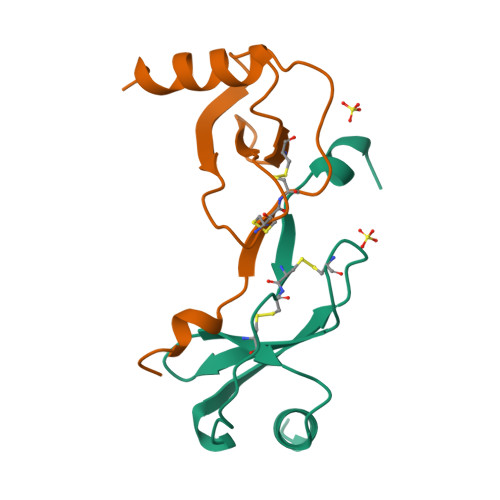
Cytochrome P450 2C19 structureClick to view 3D structureCytochrome P450 2C19P33261HumansKnownNot Available
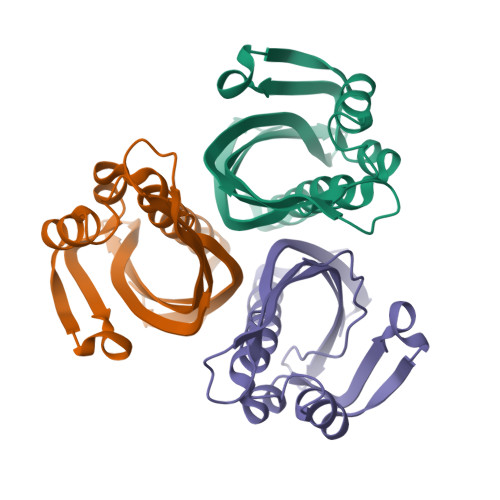
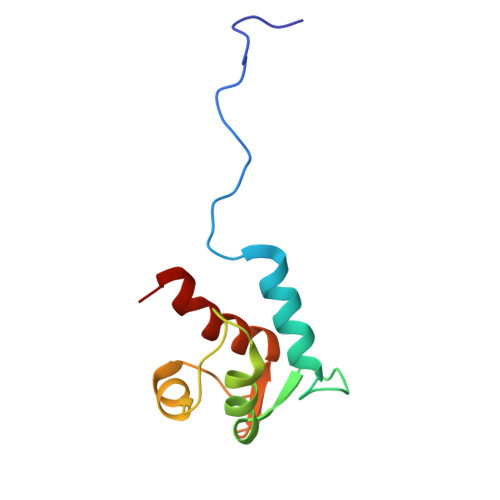
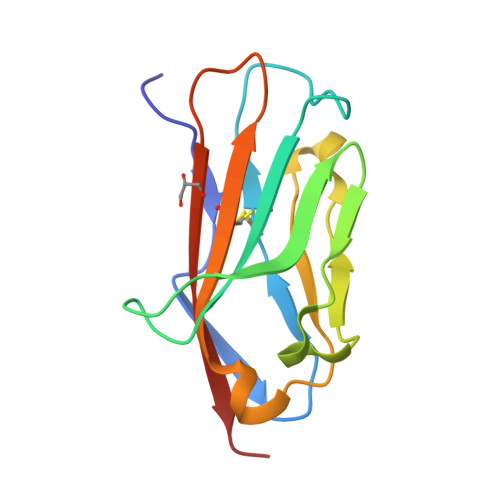
Scytalone dehydratase structureClick to view 3D structureScytalone dehydrataseP56221Magnaporthe oryzae (strain 70-15 / FGSC 8958) (Rice blast fungus)(Pyricularia oryzae)Predicted (SEA)
Prediction Confidence Score
0.266
Applicability Domain
0.266 Low confidence
Statistical Significance
8.00e-04
Supporting Reference Compounds
1
E-value
6.22794
Sodium-dependent serotonin transporter structureClick to view 3D structureSodium-dependent serotonin transporterP31645HumansPredicted (SEA)
Prediction Confidence Score
0.245
Applicability Domain
0.263 Low confidence
Statistical Significance
0.2277
Supporting Reference Compounds
593
E-value
1772.47
Cytochrome P450 2D6 structureClick to view 3D structureCytochrome P450 2D6P10635HumansPredicted (SEA)
Prediction Confidence Score
0.24
Applicability Domain
0.263 Low confidence
Statistical Significance
0.5811
Supporting Reference Compounds
1130
E-value
4523.66
Click to view 3D structure15-cis-phytoene desaturaseP26294Synechococcus elongatus (strain PCC 7942) (Anacystis nidulans R2)Predicted (SEA)
Prediction Confidence Score
0.238
Applicability Domain
0.238 Low confidence
Statistical Significance
0.0221
Supporting Reference Compounds
1
E-value
171.969
Prostaglandin G/H synthase 2 structureClick to view 3D structureProstaglandin G/H synthase 2P35354HumansPredicted (SEA)
Prediction Confidence Score
0.231
Applicability Domain
0.246 Low confidence
Statistical Significance
0.1748
Supporting Reference Compounds
201
E-value
1360.65
Nitric oxide synthase, inducible structureClick to view 3D structureNitric oxide synthase, inducibleP35228HumansPredicted (SEA)
Prediction Confidence Score
0.229
Applicability Domain
0.263 Low confidence
Statistical Significance
0.0096
Supporting Reference Compounds
47
E-value
74.5017
Click to view 3D structureBeta-ketoacyl-[acyl-carrier-protein] synthase IIIP68795Staphylococcus aureus subsp. aureus Mu50Predicted (SEA)
Prediction Confidence Score
0.228
Applicability Domain
0.234 Low confidence
Statistical Significance
0.0181
Supporting Reference Compounds
2
E-value
140.596
Beta-ketoacyl-[acyl-carrier-protein] synthase III structureClick to view 3D structureBeta-ketoacyl-[acyl-carrier-protein] synthase IIIQ820T1Enterococcus faecalis (strain ATCC 700802 / V583)Predicted (SEA)
Prediction Confidence Score
0.227
Applicability Domain
0.234 Low confidence
Statistical Significance
0.018
Supporting Reference Compounds
4
E-value
140.44
Click to view 3D structureBeta-ketoacyl-[acyl-carrier-protein] synthase IIIP0DB00Streptococcus pyogenes serotype M3 (strain ATCC BAA-595 / MGAS315)Predicted (SEA)
Prediction Confidence Score
0.227
Applicability Domain
0.234 Low confidence
Statistical Significance
0.0181
Supporting Reference Compounds
3
E-value
140.985
Cathepsin K structureClick to view 3D structureCathepsin KP43235HumansPredicted (SEA)
Prediction Confidence Score
0.225
Applicability Domain
0.241 Low confidence
Statistical Significance
0.1331
Supporting Reference Compounds
129
E-value
1035.86
Prostaglandin G/H synthase 1 structureClick to view 3D structureProstaglandin G/H synthase 1P05979Ovis ariesPredicted (SEA)
Prediction Confidence Score
0.225
Applicability Domain
0.246 Low confidence
Statistical Significance
0.1156
Supporting Reference Compounds
106
E-value
899.703
Prostaglandin G/H synthase 1 structureClick to view 3D structureProstaglandin G/H synthase 1P23219HumansPredicted (SEA)
Prediction Confidence Score
0.225
Applicability Domain
0.246 Low confidence
Statistical Significance
0.1435
Supporting Reference Compounds
136
E-value
1117.37
Aldo-keto reductase family 1 member C3 structureClick to view 3D structureAldo-keto reductase family 1 member C3P42330HumansPredicted (SEA)
Prediction Confidence Score
0.224
Applicability Domain
0.253 Low confidence
Statistical Significance
0.0982
Supporting Reference Compounds
57
E-value
764.324
Aldo-keto reductase family 1 member C2 structureClick to view 3D structureAldo-keto reductase family 1 member C2P52895HumansPredicted (SEA)
Prediction Confidence Score
0.224
Applicability Domain
0.253 Low confidence
Statistical Significance
0.0791
Supporting Reference Compounds
40
E-value
615.943
Voltage-gated inwardly rectifying potassium channel KCNH2 structureClick to view 3D structureVoltage-gated inwardly rectifying potassium channel KCNH2Q12809HumansPredicted (SEA)
Prediction Confidence Score
0.223
Applicability Domain
0.263 Low confidence
Statistical Significance
0.8247
Supporting Reference Compounds
1498
E-value
6420.54
Procathepsin L structureClick to view 3D structureProcathepsin LP07711HumansPredicted (SEA)
Prediction Confidence Score
0.223
Applicability Domain
0.241 Low confidence
Statistical Significance
0.175
Supporting Reference Compounds
167
E-value
1362.75
Cathepsin B structureClick to view 3D structureCathepsin BP07858HumansPredicted (SEA)
Prediction Confidence Score
0.223
Applicability Domain
0.241 Low confidence
Statistical Significance
0.1811
Supporting Reference Compounds
173
E-value
1409.77
Beta-ketoacyl-[acyl-carrier-protein] synthase III structureClick to view 3D structureBeta-ketoacyl-[acyl-carrier-protein] synthase IIIP43711Haemophilus influenzae (strain ATCC 51907 / DSM 11121 / KW20 / Rd)Predicted (SEA)
Prediction Confidence Score
0.222
Applicability Domain
0.222 Low confidence
Statistical Significance
0.0197
Supporting Reference Compounds
1
E-value
153.285
Cytochrome P450 3A4 structureClick to view 3D structureCytochrome P450 3A4P08684HumansPredicted (SEA)
Prediction Confidence Score
0.221
Applicability Domain
0.233 Low confidence
Statistical Significance
0.8412
Supporting Reference Compounds
1538
E-value
6548.6
Cathepsin S structureClick to view 3D structureCathepsin SP25774HumansPredicted (SEA)
Prediction Confidence Score
0.221
Applicability Domain
0.241 Low confidence
Statistical Significance
0.1756
Supporting Reference Compounds
141
E-value
1367.42
Cytochrome P450 2C9 structureClick to view 3D structureCytochrome P450 2C9P11712HumansPredicted (SEA)
Prediction Confidence Score
0.22
Applicability Domain
0.233 Low confidence
Statistical Significance
0.8246
Supporting Reference Compounds
1245
E-value
6419.68
Sodium-dependent noradrenaline transporter structureClick to view 3D structureSodium-dependent noradrenaline transporterP23975HumansPredicted (SEA)
Prediction Confidence Score
0.219
Applicability Domain
0.227 Low confidence
Statistical Significance
0.4465
Supporting Reference Compounds
451
E-value
3476.36
Dipeptidyl peptidase 1 structureClick to view 3D structureDipeptidyl peptidase 1P53634HumansPredicted (SEA)
Prediction Confidence Score
0.217
Applicability Domain
0.236 Low confidence
Statistical Significance
0.0859
Supporting Reference Compounds
44
E-value
668.803
Sodium-dependent dopamine transporter structureClick to view 3D structureSodium-dependent dopamine transporterQ01959HumansPredicted (SEA)
Prediction Confidence Score
0.216
Applicability Domain
0.227 Low confidence
Statistical Significance
0.5458
Supporting Reference Compounds
506
E-value
4249.4
Cytochrome P450 2C19 structureClick to view 3D structureCytochrome P450 2C19P33261HumansPredicted (SEA)
Prediction Confidence Score
0.215
Applicability Domain
0.233 Low confidence
Statistical Significance
0.7857
Supporting Reference Compounds
825
E-value
6116.77
Nuclear receptor subfamily 1 group I member 2 structureClick to view 3D structureNuclear receptor subfamily 1 group I member 2O75469HumansKnownNot Available
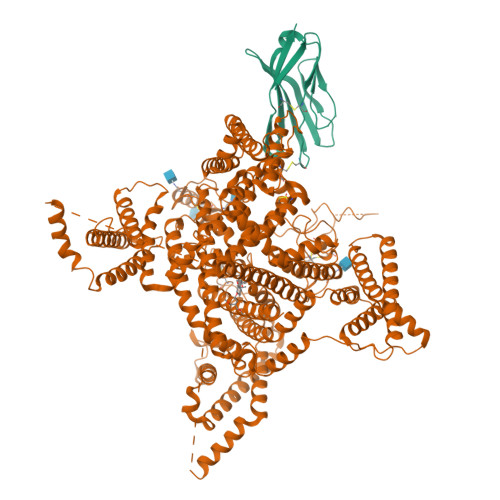
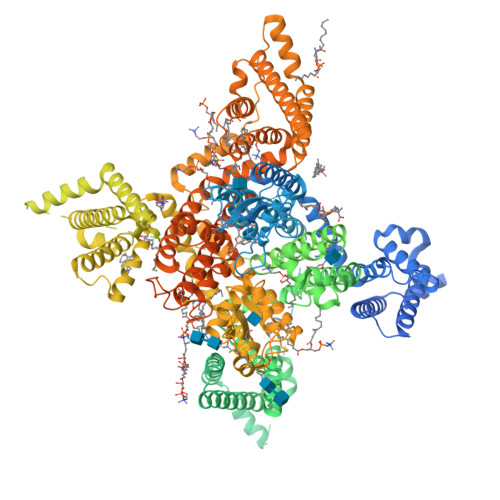
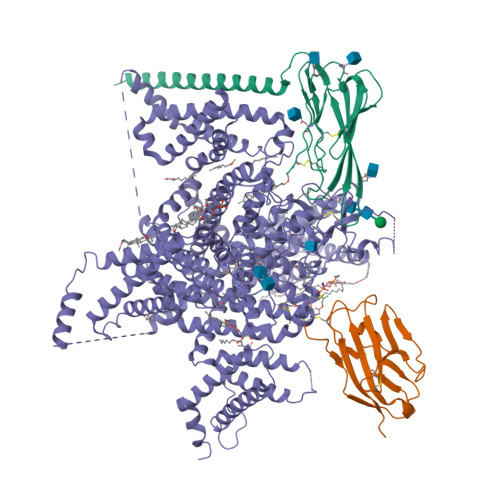
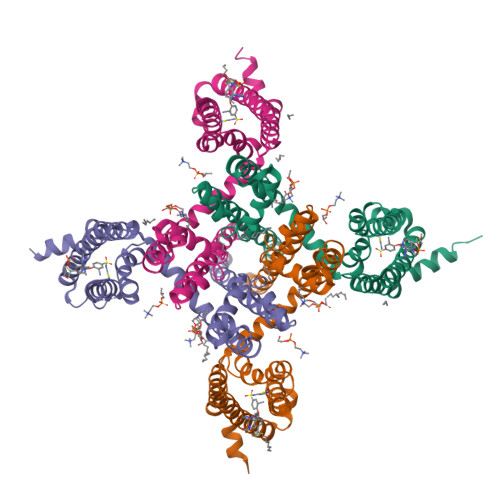
Sodium channel protein type 1 subunit alpha structureClick to view 3D structureSodium channel protein type 1 subunit alphaP35498HumansKnownThis pyrethroid exerts its profound effect by prolonging the open phase of the sodium channel gates when a nerve cell is excited. This pyrethroid is a axonic poison that block the closing of the sodium gates in the nerves, and, thus, prolongs the return of the membrane potential to its resting state leading to hyperactivity of the nervous system which can result in paralysis and/or death. Type I Pyrethroid esters (lacking the alpha-cyano substituents) affect sodium channels in nerve membranes, causing repetitive (sensory, motor) neuronal discharge and a prolonged negative afterpotential, the effects being quite similar to those produced by DDT (L857, A560).
Sodium channel protein type 10 subunit alpha structureClick to view 3D structureSodium channel protein type 10 subunit alphaQ9Y5Y9HumansKnownThis pyrethroid exerts its profound effect by prolonging the open phase of the sodium channel gates when a nerve cell is excited. This pyrethroid is a axonic poison that block the closing of the sodium gates in the nerves, and, thus, prolongs the return of the membrane potential to its resting state leading to hyperactivity of the nervous system which can result in paralysis and/or death. Type I Pyrethroid esters (lacking the alpha-cyano substituents) affect sodium channels in nerve membranes, causing repetitive (sensory, motor) neuronal discharge and a prolonged negative afterpotential, the effects being quite similar to those produced by DDT (L857, A560).
Click to view 3D structureSodium channel protein type 11 subunit alphaQ9UI33HumansKnownThis pyrethroid exerts its profound effect by prolonging the open phase of the sodium channel gates when a nerve cell is excited. This pyrethroid is a axonic poison that block the closing of the sodium gates in the nerves, and, thus, prolongs the return of the membrane potential to its resting state leading to hyperactivity of the nervous system which can result in paralysis and/or death. Type I Pyrethroid esters (lacking the alpha-cyano substituents) affect sodium channels in nerve membranes, causing repetitive (sensory, motor) neuronal discharge and a prolonged negative afterpotential, the effects being quite similar to those produced by DDT (L857, A560).
Sodium channel protein type 2 subunit alpha structureClick to view 3D structureSodium channel protein type 2 subunit alphaQ99250HumansKnownThis pyrethroid exerts its profound effect by prolonging the open phase of the sodium channel gates when a nerve cell is excited. This pyrethroid is a axonic poison that block the closing of the sodium gates in the nerves, and, thus, prolongs the return of the membrane potential to its resting state leading to hyperactivity of the nervous system which can result in paralysis and/or death. Type I Pyrethroid esters (lacking the alpha-cyano substituents) affect sodium channels in nerve membranes, causing repetitive (sensory, motor) neuronal discharge and a prolonged negative afterpotential, the effects being quite similar to those produced by DDT (L857, A560).
Sodium channel protein type 3 subunit alpha structureClick to view 3D structureSodium channel protein type 3 subunit alphaQ9NY46HumansKnownThis pyrethroid exerts its profound effect by prolonging the open phase of the sodium channel gates when a nerve cell is excited. This pyrethroid is a axonic poison that block the closing of the sodium gates in the nerves, and, thus, prolongs the return of the membrane potential to its resting state leading to hyperactivity of the nervous system which can result in paralysis and/or death. Type I Pyrethroid esters (lacking the alpha-cyano substituents) affect sodium channels in nerve membranes, causing repetitive (sensory, motor) neuronal discharge and a prolonged negative afterpotential, the effects being quite similar to those produced by DDT (L857, A560).
Sodium channel protein type 4 subunit alpha structureClick to view 3D structureSodium channel protein type 4 subunit alphaP35499HumansKnownThis pyrethroid exerts its profound effect by prolonging the open phase of the sodium channel gates when a nerve cell is excited. This pyrethroid is a axonic poison that block the closing of the sodium gates in the nerves, and, thus, prolongs the return of the membrane potential to its resting state leading to hyperactivity of the nervous system which can result in paralysis and/or death. Type I Pyrethroid esters (lacking the alpha-cyano substituents) affect sodium channels in nerve membranes, causing repetitive (sensory, motor) neuronal discharge and a prolonged negative afterpotential, the effects being quite similar to those produced by DDT (L857, A560).
Sodium channel protein type 5 subunit alpha structureClick to view 3D structureSodium channel protein type 5 subunit alphaQ14524HumansKnownThis pyrethroid exerts its profound effect by prolonging the open phase of the sodium channel gates when a nerve cell is excited. This pyrethroid is a axonic poison that block the closing of the sodium gates in the nerves, and, thus, prolongs the return of the membrane potential to its resting state leading to hyperactivity of the nervous system which can result in paralysis and/or death. Type I Pyrethroid esters (lacking the alpha-cyano substituents) affect sodium channels in nerve membranes, causing repetitive (sensory, motor) neuronal discharge and a prolonged negative afterpotential, the effects being quite similar to those produced by DDT (L857, A560).
Sodium channel protein type 8 subunit alpha structureClick to view 3D structureSodium channel protein type 8 subunit alphaQ9UQD0HumansKnownThis pyrethroid exerts its profound effect by prolonging the open phase of the sodium channel gates when a nerve cell is excited. This pyrethroid is a axonic poison that block the closing of the sodium gates in the nerves, and, thus, prolongs the return of the membrane potential to its resting state leading to hyperactivity of the nervous system which can result in paralysis and/or death. Type I Pyrethroid esters (lacking the alpha-cyano substituents) affect sodium channels in nerve membranes, causing repetitive (sensory, motor) neuronal discharge and a prolonged negative afterpotential, the effects being quite similar to those produced by DDT (L857, A560).
Sodium channel protein type 9 subunit alpha structureClick to view 3D structureSodium channel protein type 9 subunit alphaQ15858HumansKnownThis pyrethroid exerts its profound effect by prolonging the open phase of the sodium channel gates when a nerve cell is excited. This pyrethroid is a axonic poison that block the closing of the sodium gates in the nerves, and, thus, prolongs the return of the membrane potential to its resting state leading to hyperactivity of the nervous system which can result in paralysis and/or death. Type I Pyrethroid esters (lacking the alpha-cyano substituents) affect sodium channels in nerve membranes, causing repetitive (sensory, motor) neuronal discharge and a prolonged negative afterpotential, the effects being quite similar to those produced by DDT (L857, A560).
Sodium channel regulatory subunit beta-1 structureClick to view 3D structureSodium channel regulatory subunit beta-1Q07699HumansKnownThis pyrethroid exerts its profound effect by prolonging the open phase of the sodium channel gates when a nerve cell is excited. This pyrethroid is a axonic poison that block the closing of the sodium gates in the nerves, and, thus, prolongs the return of the membrane potential to its resting state leading to hyperactivity of the nervous system which can result in paralysis and/or death. Type I Pyrethroid esters (lacking the alpha-cyano substituents) affect sodium channels in nerve membranes, causing repetitive (sensory, motor) neuronal discharge and a prolonged negative afterpotential, the effects being quite similar to those produced by DDT (L857, A560).
Sodium channel regulatory subunit beta-2 structureClick to view 3D structureSodium channel regulatory subunit beta-2O60939HumansKnownThis pyrethroid exerts its profound effect by prolonging the open phase of the sodium channel gates when a nerve cell is excited. This pyrethroid is a axonic poison that block the closing of the sodium gates in the nerves, and, thus, prolongs the return of the membrane potential to its resting state leading to hyperactivity of the nervous system which can result in paralysis and/or death. Type I Pyrethroid esters (lacking the alpha-cyano substituents) affect sodium channels in nerve membranes, causing repetitive (sensory, motor) neuronal discharge and a prolonged negative afterpotential, the effects being quite similar to those produced by DDT (L857, A560).
Sodium channel regulatory subunit beta-3 structureClick to view 3D structureSodium channel regulatory subunit beta-3Q9NY72HumansKnownThis pyrethroid exerts its profound effect by prolonging the open phase of the sodium channel gates when a nerve cell is excited. This pyrethroid is a axonic poison that block the closing of the sodium gates in the nerves, and, thus, prolongs the return of the membrane potential to its resting state leading to hyperactivity of the nervous system which can result in paralysis and/or death. Type I Pyrethroid esters (lacking the alpha-cyano substituents) affect sodium channels in nerve membranes, causing repetitive (sensory, motor) neuronal discharge and a prolonged negative afterpotential, the effects being quite similar to those produced by DDT (L857, A560).
Sodium channel regulatory subunit beta-4 structureClick to view 3D structureSodium channel regulatory subunit beta-4Q8IWT1HumansKnownThis pyrethroid exerts its profound effect by prolonging the open phase of the sodium channel gates when a nerve cell is excited. This pyrethroid is a axonic poison that block the closing of the sodium gates in the nerves, and, thus, prolongs the return of the membrane potential to its resting state leading to hyperactivity of the nervous system which can result in paralysis and/or death. Type I Pyrethroid esters (lacking the alpha-cyano substituents) affect sodium channels in nerve membranes, causing repetitive (sensory, motor) neuronal discharge and a prolonged negative afterpotential, the effects being quite similar to those produced by DDT (L857, A560).
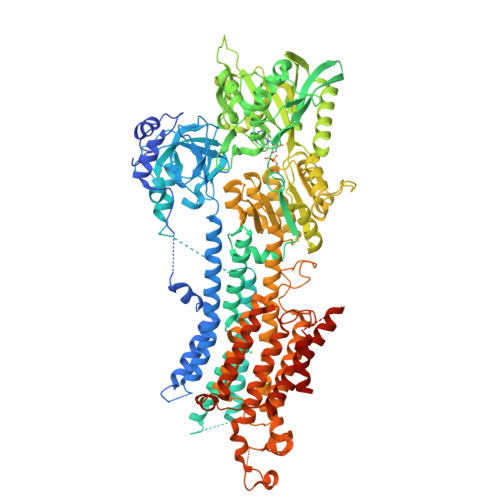
Calcium-transporting ATPase type 2C member 1 structureClick to view 3D structureCalcium-transporting ATPase type 2C member 1P98194HumansKnownThis pyrethroid inhibits Na+/K+ ATPase and Ca2+ and Mg2+ ATPase, which are essential for the transport of calcium across membranes. This results in the accumulation of intracellular free calcium ions, which promotes release of neurotransmitters from storage vesicles, the subsequent depolarization of adjacent neurons, and the propagation of stimuli throughout the central nervous system. (T10)
Click to view 3D structureSarcoplasmic/endoplasmic reticulum calcium ATPase 1O14983HumansKnownThis pyrethroid inhibits Na+/K+ ATPase and Ca2+ and Mg2+ ATPase, which are essential for the transport of calcium across membranes. This results in the accumulation of intracellular free calcium ions, which promotes release of neurotransmitters from storage vesicles, the subsequent depolarization of adjacent neurons, and the propagation of stimuli throughout the central nervous system. (T10)
Sarcoplasmic/endoplasmic reticulum calcium ATPase 2 structureClick to view 3D structureSarcoplasmic/endoplasmic reticulum calcium ATPase 2P16615HumansKnownThis pyrethroid inhibits Na+/K+ ATPase and Ca2+ and Mg2+ ATPase, which are essential for the transport of calcium across membranes. This results in the accumulation of intracellular free calcium ions, which promotes release of neurotransmitters from storage vesicles, the subsequent depolarization of adjacent neurons, and the propagation of stimuli throughout the central nervous system. (T10)
Solute carrier organic anion transporter family member 1B1 structureClick to view 3D structureSolute carrier organic anion transporter family member 1B1Q9Y6L6HumansKnownNot Available
C-C motif chemokine 2 structureClick to view 3D structureC-C motif chemokine 2P13500HumansKnownNot Available
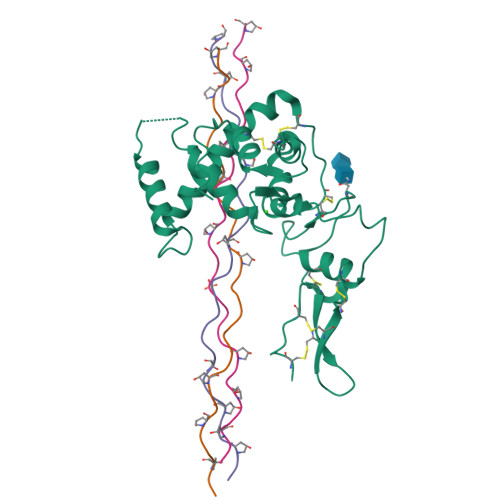
Collagen alpha-1(III) chain structureClick to view 3D structureCollagen alpha-1(III) chainP02461HumansKnownNot Available
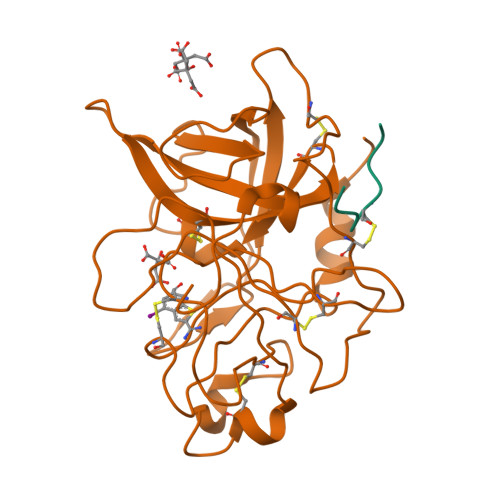
Urokinase-type plasminogen activator structureClick to view 3D structureUrokinase-type plasminogen activatorP00749HumansKnownNot Available
Sulfotransferase 2A1 structureClick to view 3D structureSulfotransferase 2A1Q06520HumansKnownNot Available
Beta-secretase 1 structureClick to view 3D structureBeta-secretase 1P56817HumansKnownNot Available
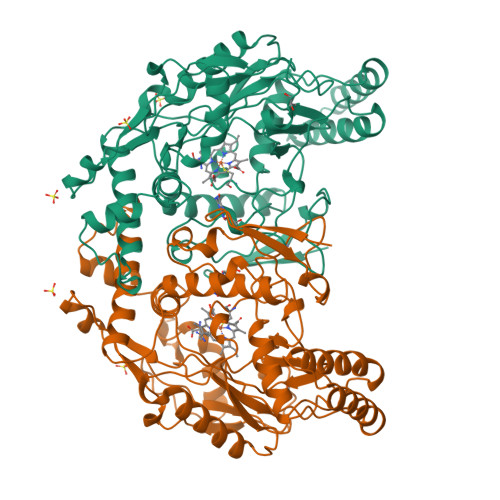
Cytochrome P450 2B6 structureClick to view 3D structureCytochrome P450 2B6P20813HumansKnownNot Available
Click to view 3D structureUDP-glucuronosyltransferase 1A1P22309HumansKnownNot Available
Cytochrome P450 1A2 structureClick to view 3D structureCytochrome P450 1A2P05177HumansKnownNot Available
Peroxisome proliferator-activated receptor alpha structureClick to view 3D structurePeroxisome proliferator-activated receptor alphaQ07869HumansKnownNot Available
Cytochrome P450 2C19 structureClick to view 3D structureCytochrome P450 2C19P33261HumansKnownNot Available
Click to view 3D structure25-hydroxyvitamin D-1 alpha hydroxylase, mitochondrialO15528HumansKnownNot Available
Vitamin D3 receptor structureClick to view 3D structureVitamin D3 receptorP11473HumansKnownNot Available
Concentrations
Not Available
External Links
DrugBank IDDB13828
HMDB IDHMDB0249116
FooDB IDNot Available
Phenol Explorer IDNot Available
KNApSAcK IDNot Available
BiGG IDNot Available
BioCyc IDNot Available
METLIN IDNot Available
PDB IDNot Available
Wikipedia LinkCyfluthrin
Chemspider ID94690
ChEBI ID4034
PubChem Compound ID104926
Kegg Compound IDC10982
YMDB IDNot Available
ECMDB IDNot Available
References
Synthesis ReferenceNot Available
MSDSNot Available
General References
  1. Leng G, Lewalter J, Rohrig B, Idel H: The influence of individual susceptibility in pyrethroid exposure. Toxicol Lett. 1999 Jun 30;107(1-3):123-30. [PubMed: 10414789]
  2. O'Byrne SM, Wongsiriroj N, Libien J, Vogel S, Goldberg IJ, Baehr W, Palczewski K, Blaner WS: Retinoid absorption and storage is impaired in mice lacking lecithin:retinol acyltransferase (LRAT). J Biol Chem. 2005 Oct 21;280(42):35647-57. Epub 2005 Aug 22. [PubMed: 16115871]
  3. Wikipedia. Blister agent. Last Updated 24 May 2009. - http://en.wikipedia.org/wiki/Vesicant
  4. ATSDR - Agency for Toxic Substances and Disease Registry (2003). Toxicological profile for pyrethrins and pyrethroids. U.S. Public Health Service in collaboration with U.S. Environmental Protection Agency (EPA). - http://www.atsdr.cdc.gov/toxprofiles/tp155.html
  5. Extension Toxicology Network (1996). Pesticide Information Profile for Cyfluthrin. A Pesticide Information Project of Cooperative Extension Offices of Cornell University, Michigan State University, Oregon State University, and University of California at Davis. - http://extoxnet.orst.edu/pips/cyfluthr.htm
  6. Das R et al. Worker Illness Related to Ground Application of Pesticide --- Kern County, California. MMWR 2006;55(17):486-8 - http://www.cdc.gov/mmwr/preview/mmwrhtml/mm5517a4.htm
  7. Casarett LJ, Klaassen CD, and Watkins JB (2003). Casarett and Doull's essentials of toxicology. New York: McGraw-Hill/Medical Pub. Div.
  8. Hayes WJ Jr. and Laws ER Jr. (eds) (1991). Handbook of Pesticide Toxicology. Volume 3. Classes of Pesticides. New York, NY: Academic Press, Inc.
  9. Rumack BH (2009). POISINDEX(R) Information System. Englewood, CO: Micromedex, Inc. CCIS Volume 141, edition expires Aug, 2009.
  10. WHO (1997). Toxicological evaluation of certain veterinary drug residues in food. WHO Food Additives Series 39. Cyfluthrin. Prepared for the forty-eighth meeting of the Joint FAO/WHO Expert Committee on Food Additives (JECFA), World Health Organization, Geneva.