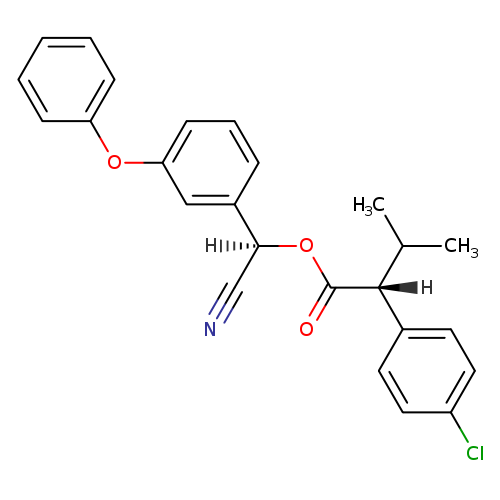
Click to view 3D structure Click to view 3D structure | Cytochrome P450 2D6 | P10635 | Humans | Predicted (SEA) | - Prediction Confidence Score
- 0.286
- Applicability Domain
- 0.319
- Statistical Significance
- 0.163
- Supporting Reference Compounds
- 1130
- E-value
- 1269.25
|
 Click to view 3D structure Click to view 3D structure | 15-cis-phytoene desaturase | P26294 | Synechococcus elongatus (strain PCC 7942) (Anacystis nidulans R2) | Predicted (SEA) | - Prediction Confidence Score
- 0.282
- Applicability Domain
- 0.282 Low confidence
- Statistical Significance
- 0.004
- Supporting Reference Compounds
- 1
- E-value
- 31.5289
|
 Click to view 3D structure Click to view 3D structure | Sodium-dependent serotonin transporter | P31645 | Humans | Predicted (SEA) | - Prediction Confidence Score
- 0.28
- Applicability Domain
- 0.319
- Statistical Significance
- 0.0822
- Supporting Reference Compounds
- 593
- E-value
- 639.843
|
 Click to view 3D structure Click to view 3D structure | Prostaglandin G/H synthase 2 | P35354 | Humans | Predicted (SEA) | - Prediction Confidence Score
- 0.278
- Applicability Domain
- 0.3
- Statistical Significance
- 0.0319
- Supporting Reference Compounds
- 201
- E-value
- 248.728
|
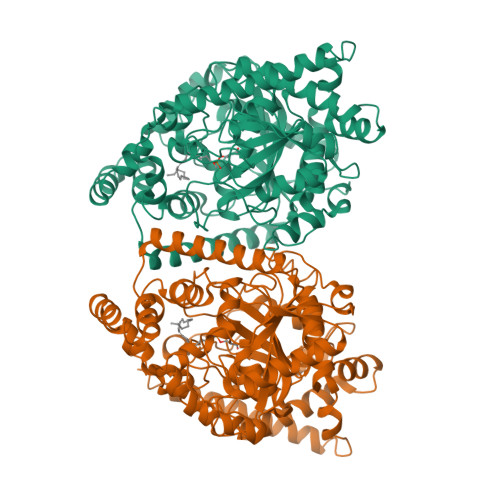 Click to view 3D structure Click to view 3D structure | Fatty-acid amide hydrolase 1 | P97612 | Rattus norvegicus | Predicted (SEA) | - Prediction Confidence Score
- 0.274
- Applicability Domain
- 0.319
- Statistical Significance
- 0.0204
- Supporting Reference Compounds
- 102
- E-value
- 158.657
|
 Click to view 3D structure Click to view 3D structure | Monoglyceride lipase | Q99685 | Humans | Predicted (SEA) | - Prediction Confidence Score
- 0.269
- Applicability Domain
- 0.296 Low confidence
- Statistical Significance
- 0.0131
- Supporting Reference Compounds
- 76
- E-value
- 101.827
|
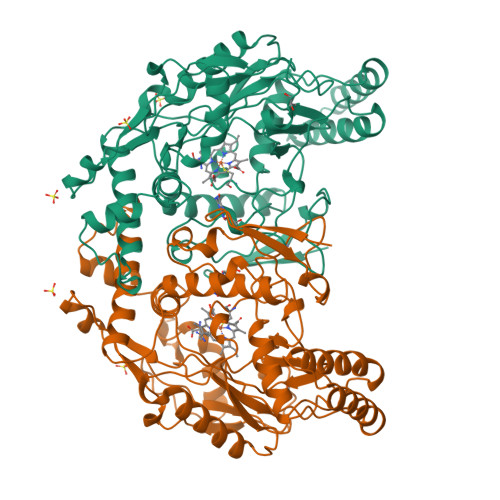 Click to view 3D structure Click to view 3D structure | Nitric oxide synthase, inducible | P35228 | Humans | Predicted (SEA) | - Prediction Confidence Score
- 0.268
- Applicability Domain
- 0.319
- Statistical Significance
- 0.0018
- Supporting Reference Compounds
- 47
- E-value
- 14.0907
|
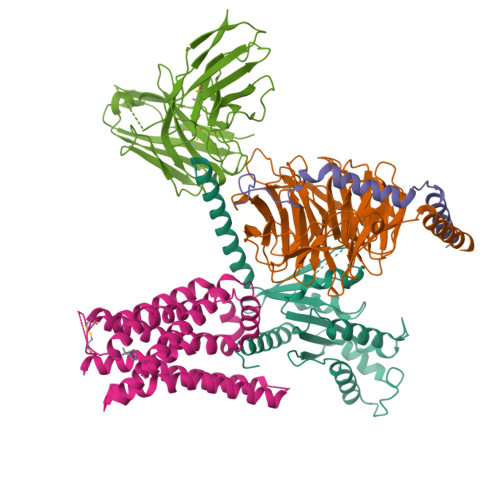 Click to view 3D structure Click to view 3D structure | Alpha-2B adrenergic receptor | P18089 | Humans | Predicted (SEA) | - Prediction Confidence Score
- 0.266
- Applicability Domain
- 0.296 Low confidence
- Statistical Significance
- 0.0695
- Supporting Reference Compounds
- 340
- E-value
- 540.974
|
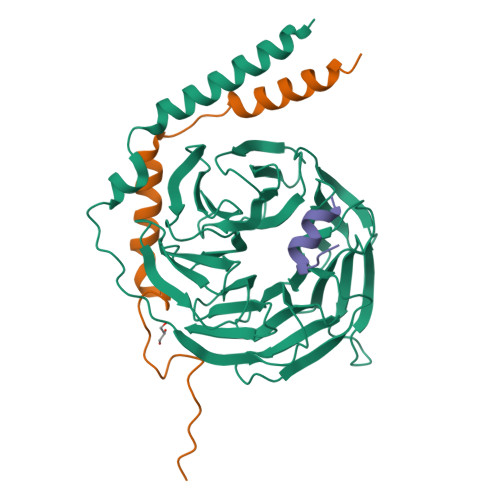 Click to view 3D structure Click to view 3D structure | Transient receptor potential cation channel subfamily M member 1 | Q2TV84 | Mus musculus | Predicted (SEA) | - Prediction Confidence Score
- 0.265
- Applicability Domain
- 0.265 Low confidence
- Statistical Significance
- 0.0094
- Supporting Reference Compounds
- 1
- E-value
- 73.334
|
| Click to view 3D structure | Fatty-acid amide hydrolase 1 | O00519 | Humans | Predicted (SEA) | - Prediction Confidence Score
- 0.262
- Applicability Domain
- 0.319
- Statistical Significance
- 0.0487
- Supporting Reference Compounds
- 106
- E-value
- 379.437
|
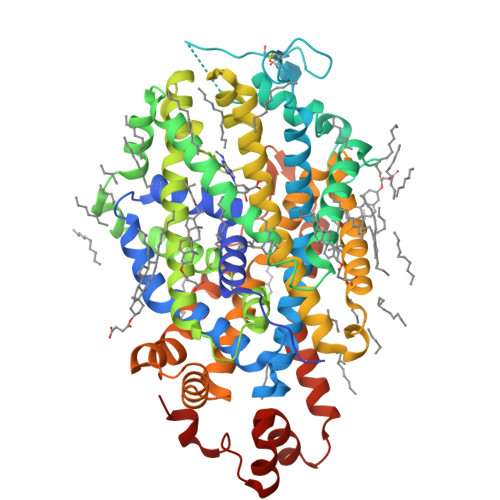 Click to view 3D structure Click to view 3D structure | Sodium-dependent dopamine transporter | Q01959 | Humans | Predicted (SEA) | - Prediction Confidence Score
- 0.262
- Applicability Domain
- 0.273 Low confidence
- Statistical Significance
- 0.1226
- Supporting Reference Compounds
- 506
- E-value
- 954.12
|
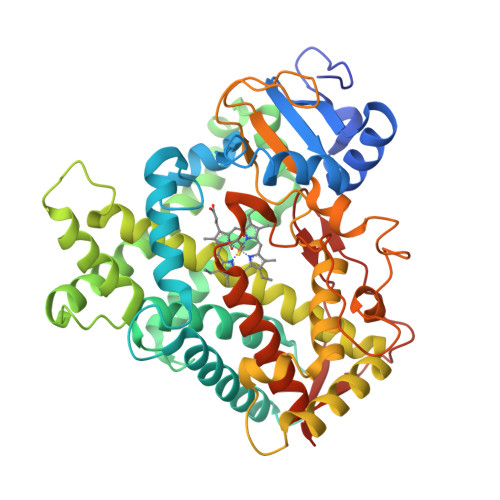 Click to view 3D structure Click to view 3D structure | Cytochrome P450 2C9 | P11712 | Humans | Predicted (SEA) | - Prediction Confidence Score
- 0.261
- Applicability Domain
- 0.273 Low confidence
- Statistical Significance
- 0.3887
- Supporting Reference Compounds
- 1245
- E-value
- 3025.77
|
 Click to view 3D structure Click to view 3D structure | Voltage-gated inwardly rectifying potassium channel KCNH2 | Q12809 | Humans | Predicted (SEA) | - Prediction Confidence Score
- 0.26
- Applicability Domain
- 0.274 Low confidence
- Statistical Significance
- 0.4412
- Supporting Reference Compounds
- 1498
- E-value
- 3434.71
|
 Click to view 3D structure Click to view 3D structure | Acetylcholinesterase | P22303 | Humans | Predicted (SEA) | - Prediction Confidence Score
- 0.259
- Applicability Domain
- 0.29 Low confidence
- Statistical Significance
- 0.127
- Supporting Reference Compounds
- 406
- E-value
- 988.997
|
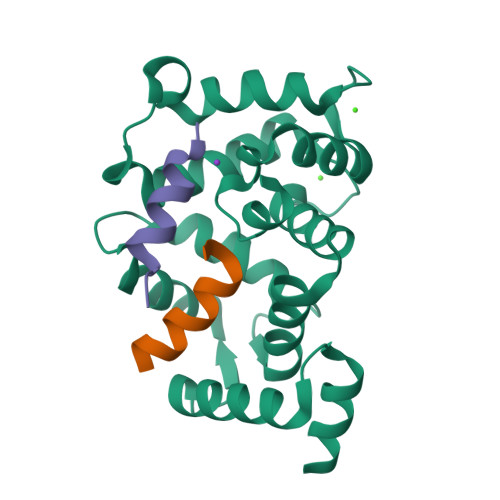 Click to view 3D structure Click to view 3D structure | D(2) dopamine receptor | P14416 | Humans | Predicted (SEA) | - Prediction Confidence Score
- 0.259
- Applicability Domain
- 0.286 Low confidence
- Statistical Significance
- 0.2395
- Supporting Reference Compounds
- 1103
- E-value
- 1864.41
|
 Click to view 3D structure Click to view 3D structure | Cytochrome P450 3A4 | P08684 | Humans | Predicted (SEA) | - Prediction Confidence Score
- 0.259
- Applicability Domain
- 0.273 Low confidence
- Statistical Significance
- 0.4665
- Supporting Reference Compounds
- 1538
- E-value
- 3631.59
|
 Click to view 3D structure Click to view 3D structure | Epidermal growth factor receptor | P00533 | Humans | Predicted (SEA) | - Prediction Confidence Score
- 0.258
- Applicability Domain
- 0.273 Low confidence
- Statistical Significance
- 0.3417
- Supporting Reference Compounds
- 1301
- E-value
- 2660.11
|
 Click to view 3D structure Click to view 3D structure | Prostaglandin G/H synthase 1 | P05979 | Ovis aries | Predicted (SEA) | - Prediction Confidence Score
- 0.255
- Applicability Domain
- 0.288 Low confidence
- Statistical Significance
- 0.0334
- Supporting Reference Compounds
- 106
- E-value
- 260.328
|
 Click to view 3D structure Click to view 3D structure | Peroxisome proliferator-activated receptor alpha | Q07869 | Humans | Predicted (SEA) | - Prediction Confidence Score
- 0.255
- Applicability Domain
- 0.265 Low confidence
- Statistical Significance
- 0.0632
- Supporting Reference Compounds
- 127
- E-value
- 492.007
|
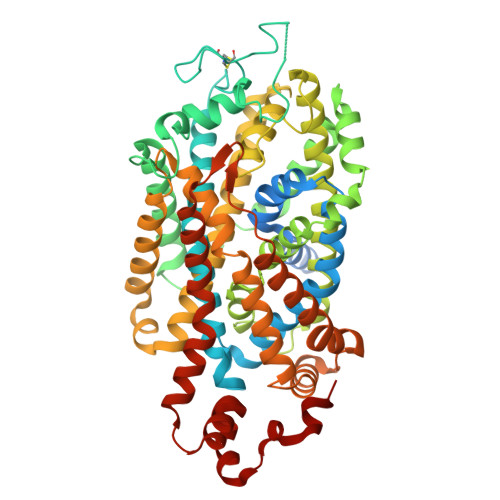 Click to view 3D structure Click to view 3D structure | Sodium-dependent noradrenaline transporter | P23975 | Humans | Predicted (SEA) | - Prediction Confidence Score
- 0.254
- Applicability Domain
- 0.268 Low confidence
- Statistical Significance
- 0.1366
- Supporting Reference Compounds
- 451
- E-value
- 1063.81
|
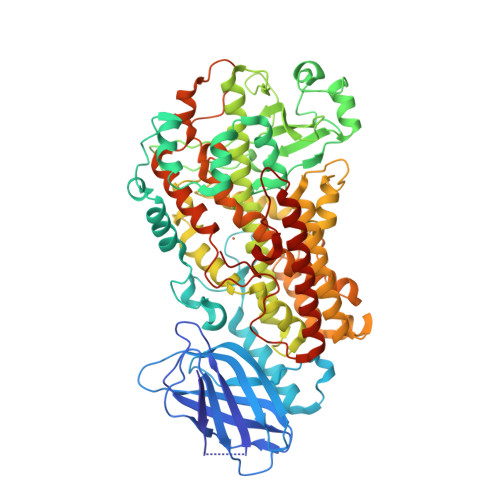 Click to view 3D structure Click to view 3D structure | Polyunsaturated fatty acid 5-lipoxygenase | P09917 | Humans | Predicted (SEA) | - Prediction Confidence Score
- 0.254
- Applicability Domain
- 0.288 Low confidence
- Statistical Significance
- 0.0527
- Supporting Reference Compounds
- 182
- E-value
- 410.577
|
 Click to view 3D structure Click to view 3D structure | Peroxisome proliferator-activated receptor gamma | P37231 | Humans | Predicted (SEA) | - Prediction Confidence Score
- 0.253
- Applicability Domain
- 0.265 Low confidence
- Statistical Significance
- 0.0878
- Supporting Reference Compounds
- 192
- E-value
- 683.205
|
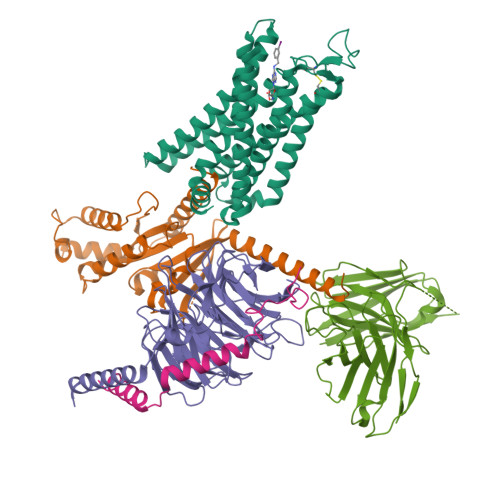 Click to view 3D structure Click to view 3D structure | Adenosine receptor A3 | P0DMS8 | Humans | Predicted (SEA) | - Prediction Confidence Score
- 0.253
- Applicability Domain
- 0.275 Low confidence
- Statistical Significance
- 0.1096
- Supporting Reference Compounds
- 391
- E-value
- 853.617
|
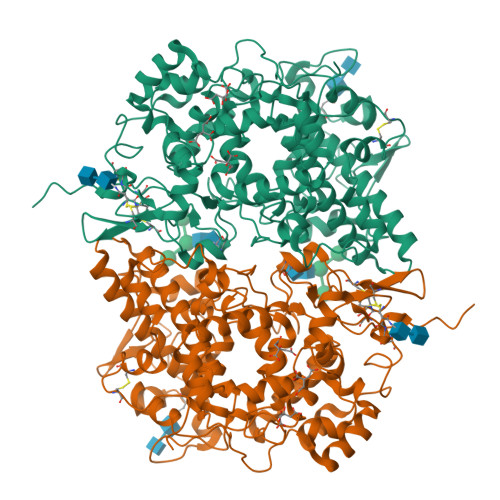 Click to view 3D structure Click to view 3D structure | Prostaglandin G/H synthase 1 | P23219 | Humans | Predicted (SEA) | - Prediction Confidence Score
- 0.252
- Applicability Domain
- 0.271 Low confidence
- Statistical Significance
- 0.0503
- Supporting Reference Compounds
- 136
- E-value
- 391.426
|
 Click to view 3D structure Click to view 3D structure | Tyrosine-protein kinase Fyn | P06241 | Humans | Predicted (SEA) | - Prediction Confidence Score
- 0.251
- Applicability Domain
- 0.273 Low confidence
- Statistical Significance
- 0.3076
- Supporting Reference Compounds
- 707
- E-value
- 2394.72
|
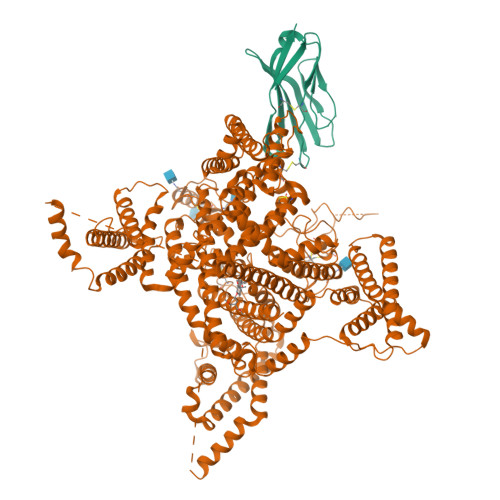 Click to view 3D structure Click to view 3D structure | Sodium channel protein type 1 subunit alpha | P35498 | Humans | Known | This pyrethroid exerts its profound effect by prolonging the open phase of the sodium channel gates when a nerve cell is excited. This pyrethroid is a axonic poison that block the closing of the sodium gates in the nerves, and, thus, prolongs the return of the membrane potential to its resting state leading to hyperactivity of the nervous system which can result in paralysis and/or death. Type I Pyrethroid esters (lacking the alpha-cyano substituents) affect sodium channels in nerve membranes, causing repetitive (sensory, motor) neuronal discharge and a prolonged negative afterpotential, the effects being quite similar to those produced by DDT (L857, A560). |
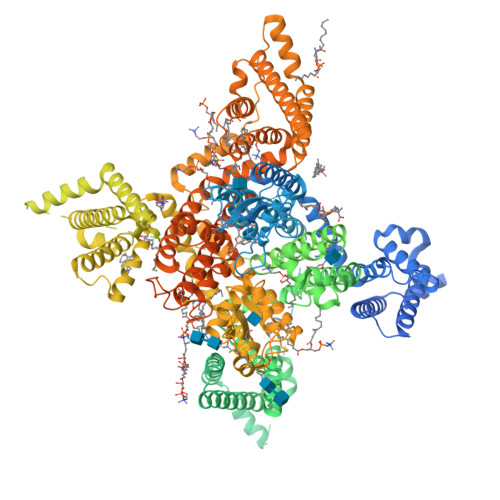 Click to view 3D structure Click to view 3D structure | Sodium channel protein type 10 subunit alpha | Q9Y5Y9 | Humans | Known | This pyrethroid exerts its profound effect by prolonging the open phase of the sodium channel gates when a nerve cell is excited. This pyrethroid is a axonic poison that block the closing of the sodium gates in the nerves, and, thus, prolongs the return of the membrane potential to its resting state leading to hyperactivity of the nervous system which can result in paralysis and/or death. Type I Pyrethroid esters (lacking the alpha-cyano substituents) affect sodium channels in nerve membranes, causing repetitive (sensory, motor) neuronal discharge and a prolonged negative afterpotential, the effects being quite similar to those produced by DDT (L857, A560). |
| Click to view 3D structure | Sodium channel protein type 11 subunit alpha | Q9UI33 | Humans | Known | This pyrethroid exerts its profound effect by prolonging the open phase of the sodium channel gates when a nerve cell is excited. This pyrethroid is a axonic poison that block the closing of the sodium gates in the nerves, and, thus, prolongs the return of the membrane potential to its resting state leading to hyperactivity of the nervous system which can result in paralysis and/or death. Type I Pyrethroid esters (lacking the alpha-cyano substituents) affect sodium channels in nerve membranes, causing repetitive (sensory, motor) neuronal discharge and a prolonged negative afterpotential, the effects being quite similar to those produced by DDT (L857, A560). |
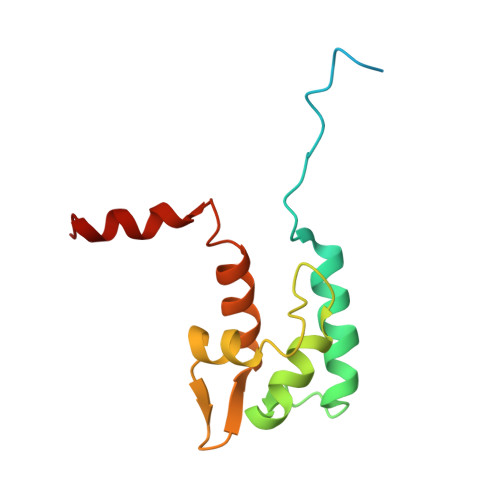 Click to view 3D structure Click to view 3D structure | Sodium channel protein type 2 subunit alpha | Q99250 | Humans | Known | This pyrethroid exerts its profound effect by prolonging the open phase of the sodium channel gates when a nerve cell is excited. This pyrethroid is a axonic poison that block the closing of the sodium gates in the nerves, and, thus, prolongs the return of the membrane potential to its resting state leading to hyperactivity of the nervous system which can result in paralysis and/or death. Type I Pyrethroid esters (lacking the alpha-cyano substituents) affect sodium channels in nerve membranes, causing repetitive (sensory, motor) neuronal discharge and a prolonged negative afterpotential, the effects being quite similar to those produced by DDT (L857, A560). |
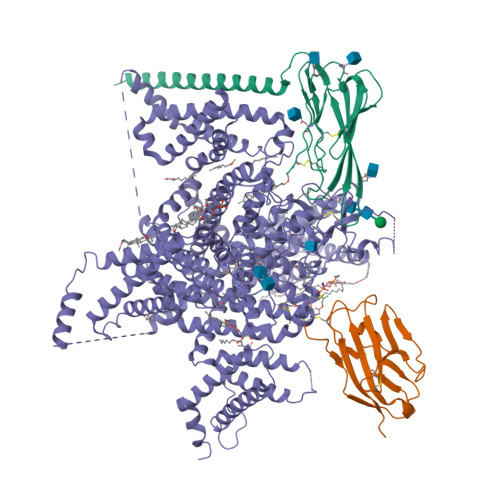 Click to view 3D structure Click to view 3D structure | Sodium channel protein type 3 subunit alpha | Q9NY46 | Humans | Known | This pyrethroid exerts its profound effect by prolonging the open phase of the sodium channel gates when a nerve cell is excited. This pyrethroid is a axonic poison that block the closing of the sodium gates in the nerves, and, thus, prolongs the return of the membrane potential to its resting state leading to hyperactivity of the nervous system which can result in paralysis and/or death. Type I Pyrethroid esters (lacking the alpha-cyano substituents) affect sodium channels in nerve membranes, causing repetitive (sensory, motor) neuronal discharge and a prolonged negative afterpotential, the effects being quite similar to those produced by DDT (L857, A560). |
 Click to view 3D structure Click to view 3D structure | Sodium channel protein type 4 subunit alpha | P35499 | Humans | Known | This pyrethroid exerts its profound effect by prolonging the open phase of the sodium channel gates when a nerve cell is excited. This pyrethroid is a axonic poison that block the closing of the sodium gates in the nerves, and, thus, prolongs the return of the membrane potential to its resting state leading to hyperactivity of the nervous system which can result in paralysis and/or death. Type I Pyrethroid esters (lacking the alpha-cyano substituents) affect sodium channels in nerve membranes, causing repetitive (sensory, motor) neuronal discharge and a prolonged negative afterpotential, the effects being quite similar to those produced by DDT (L857, A560). |
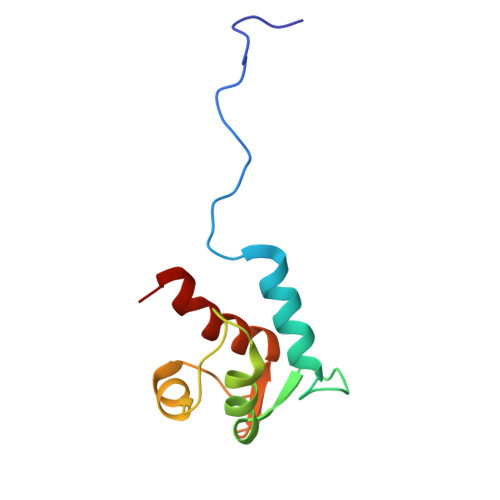 Click to view 3D structure Click to view 3D structure | Sodium channel protein type 5 subunit alpha | Q14524 | Humans | Known | This pyrethroid exerts its profound effect by prolonging the open phase of the sodium channel gates when a nerve cell is excited. This pyrethroid is a axonic poison that block the closing of the sodium gates in the nerves, and, thus, prolongs the return of the membrane potential to its resting state leading to hyperactivity of the nervous system which can result in paralysis and/or death. Type I Pyrethroid esters (lacking the alpha-cyano substituents) affect sodium channels in nerve membranes, causing repetitive (sensory, motor) neuronal discharge and a prolonged negative afterpotential, the effects being quite similar to those produced by DDT (L857, A560). |
 Click to view 3D structure Click to view 3D structure | Sodium channel protein type 8 subunit alpha | Q9UQD0 | Humans | Known | This pyrethroid exerts its profound effect by prolonging the open phase of the sodium channel gates when a nerve cell is excited. This pyrethroid is a axonic poison that block the closing of the sodium gates in the nerves, and, thus, prolongs the return of the membrane potential to its resting state leading to hyperactivity of the nervous system which can result in paralysis and/or death. Type I Pyrethroid esters (lacking the alpha-cyano substituents) affect sodium channels in nerve membranes, causing repetitive (sensory, motor) neuronal discharge and a prolonged negative afterpotential, the effects being quite similar to those produced by DDT (L857, A560). |
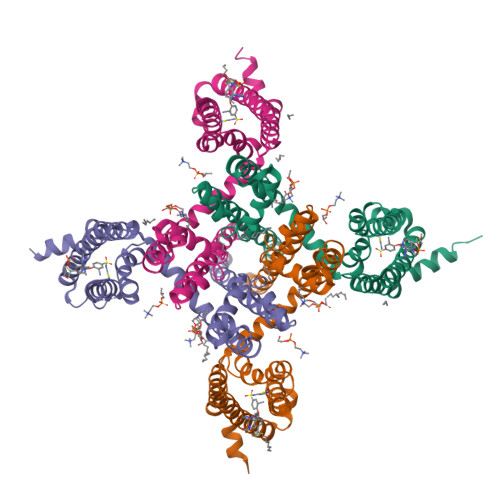 Click to view 3D structure Click to view 3D structure | Sodium channel protein type 9 subunit alpha | Q15858 | Humans | Known | This pyrethroid exerts its profound effect by prolonging the open phase of the sodium channel gates when a nerve cell is excited. This pyrethroid is a axonic poison that block the closing of the sodium gates in the nerves, and, thus, prolongs the return of the membrane potential to its resting state leading to hyperactivity of the nervous system which can result in paralysis and/or death. Type I Pyrethroid esters (lacking the alpha-cyano substituents) affect sodium channels in nerve membranes, causing repetitive (sensory, motor) neuronal discharge and a prolonged negative afterpotential, the effects being quite similar to those produced by DDT (L857, A560). |
| Click to view 3D structure | Sodium channel regulatory subunit beta-1 | Q07699 | Humans | Known | This pyrethroid exerts its profound effect by prolonging the open phase of the sodium channel gates when a nerve cell is excited. This pyrethroid is a axonic poison that block the closing of the sodium gates in the nerves, and, thus, prolongs the return of the membrane potential to its resting state leading to hyperactivity of the nervous system which can result in paralysis and/or death. Type I Pyrethroid esters (lacking the alpha-cyano substituents) affect sodium channels in nerve membranes, causing repetitive (sensory, motor) neuronal discharge and a prolonged negative afterpotential, the effects being quite similar to those produced by DDT (L857, A560). |
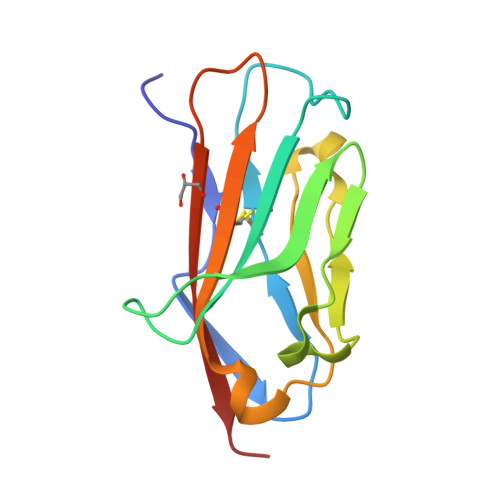 Click to view 3D structure Click to view 3D structure | Sodium channel regulatory subunit beta-2 | O60939 | Humans | Known | This pyrethroid exerts its profound effect by prolonging the open phase of the sodium channel gates when a nerve cell is excited. This pyrethroid is a axonic poison that block the closing of the sodium gates in the nerves, and, thus, prolongs the return of the membrane potential to its resting state leading to hyperactivity of the nervous system which can result in paralysis and/or death. Type I Pyrethroid esters (lacking the alpha-cyano substituents) affect sodium channels in nerve membranes, causing repetitive (sensory, motor) neuronal discharge and a prolonged negative afterpotential, the effects being quite similar to those produced by DDT (L857, A560). |
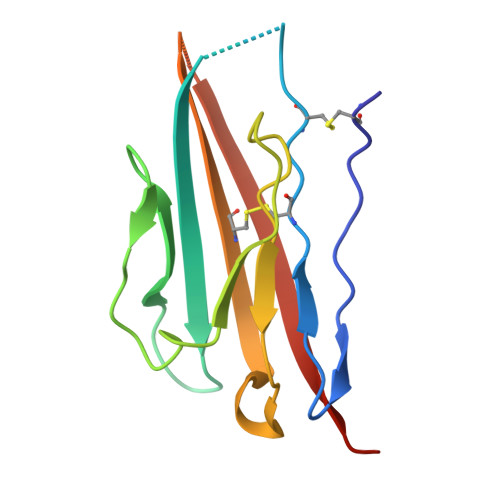 Click to view 3D structure Click to view 3D structure | Sodium channel regulatory subunit beta-3 | Q9NY72 | Humans | Known | This pyrethroid exerts its profound effect by prolonging the open phase of the sodium channel gates when a nerve cell is excited. This pyrethroid is a axonic poison that block the closing of the sodium gates in the nerves, and, thus, prolongs the return of the membrane potential to its resting state leading to hyperactivity of the nervous system which can result in paralysis and/or death. Type I Pyrethroid esters (lacking the alpha-cyano substituents) affect sodium channels in nerve membranes, causing repetitive (sensory, motor) neuronal discharge and a prolonged negative afterpotential, the effects being quite similar to those produced by DDT (L857, A560). |
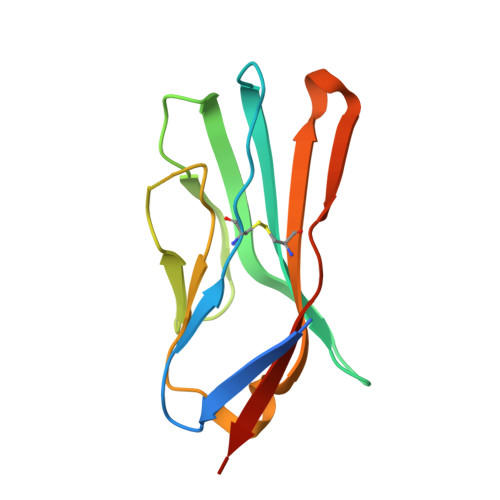 Click to view 3D structure Click to view 3D structure | Sodium channel regulatory subunit beta-4 | Q8IWT1 | Humans | Known | This pyrethroid exerts its profound effect by prolonging the open phase of the sodium channel gates when a nerve cell is excited. This pyrethroid is a axonic poison that block the closing of the sodium gates in the nerves, and, thus, prolongs the return of the membrane potential to its resting state leading to hyperactivity of the nervous system which can result in paralysis and/or death. Type I Pyrethroid esters (lacking the alpha-cyano substituents) affect sodium channels in nerve membranes, causing repetitive (sensory, motor) neuronal discharge and a prolonged negative afterpotential, the effects being quite similar to those produced by DDT (L857, A560). |
 Click to view 3D structure Click to view 3D structure | Calcium-transporting ATPase type 2C member 1 | P98194 | Humans | Known | This pyrethroid inhibits Na+/K+ ATPase and Ca2+ and Mg2+ ATPase, which are essential for the transport of calcium across membranes. This results in the accumulation of intracellular free calcium ions, which promotes release of neurotransmitters from storage vesicles, the subsequent depolarization of adjacent neurons, and the propagation of stimuli throughout the central nervous system. (T10) |
| Click to view 3D structure | Sarcoplasmic/endoplasmic reticulum calcium ATPase 1 | O14983 | Humans | Known | This pyrethroid inhibits Na+/K+ ATPase and Ca2+ and Mg2+ ATPase, which are essential for the transport of calcium across membranes. This results in the accumulation of intracellular free calcium ions, which promotes release of neurotransmitters from storage vesicles, the subsequent depolarization of adjacent neurons, and the propagation of stimuli throughout the central nervous system. (T10) |
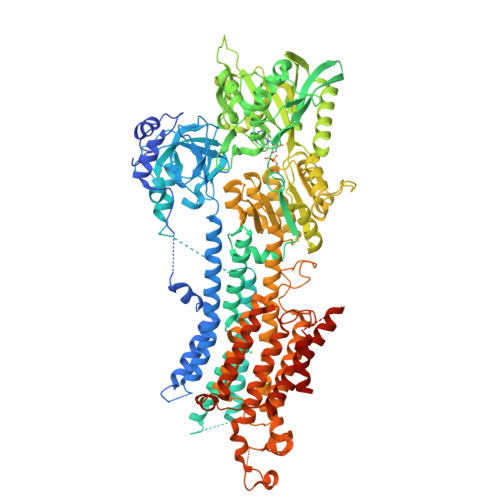 Click to view 3D structure Click to view 3D structure | Sarcoplasmic/endoplasmic reticulum calcium ATPase 2 | P16615 | Humans | Known | This pyrethroid inhibits Na+/K+ ATPase and Ca2+ and Mg2+ ATPase, which are essential for the transport of calcium across membranes. This results in the accumulation of intracellular free calcium ions, which promotes release of neurotransmitters from storage vesicles, the subsequent depolarization of adjacent neurons, and the propagation of stimuli throughout the central nervous system. (T10) |
 Click to view 3D structure Click to view 3D structure | Beta-secretase 1 | P56817 | Humans | Known | Not Available |
 Click to view 3D structure Click to view 3D structure | ADP-ribosyl cyclase/cyclic ADP-ribose hydrolase 1 | P28907 | Humans | Known | Not Available |
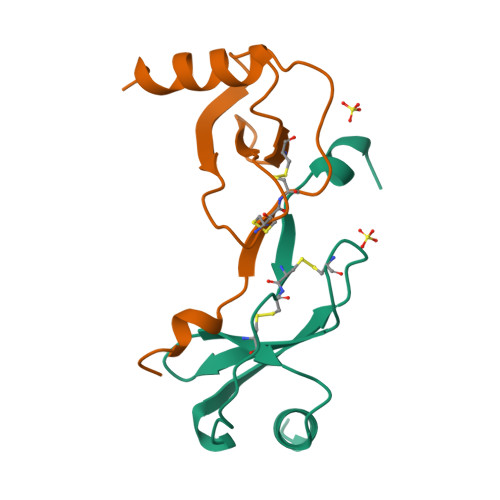 Click to view 3D structure Click to view 3D structure | C-C motif chemokine 2 | P13500 | Humans | Known | Not Available |
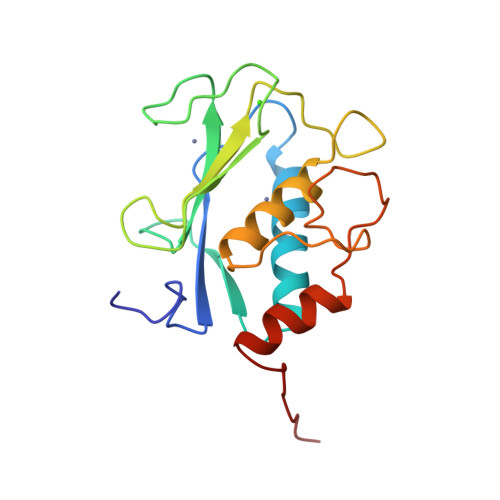 Click to view 3D structure Click to view 3D structure | Interstitial collagenase | P03956 | Humans | Known | Not Available |
 Click to view 3D structure Click to view 3D structure | Urokinase plasminogen activator surface receptor | Q03405 | Humans | Known | Not Available |
 Click to view 3D structure Click to view 3D structure | Nuclear receptor subfamily 1 group I member 2 | O75469 | Humans | Known | Not Available |
| Click to view 3D structure | Cytochrome P450 3A4 | P08684 | Humans | Known | Not Available |
 Click to view 3D structure Click to view 3D structure | Retinoic acid receptor alpha | P10276 | Humans | Known | Not Available |
 Click to view 3D structure Click to view 3D structure | Cytochrome P450 2B6 | P20813 | Humans | Known | Not Available |
 Click to view 3D structure Click to view 3D structure | Prostaglandin E2 receptor EP2 subtype | P43116 | Humans | Known | Not Available |
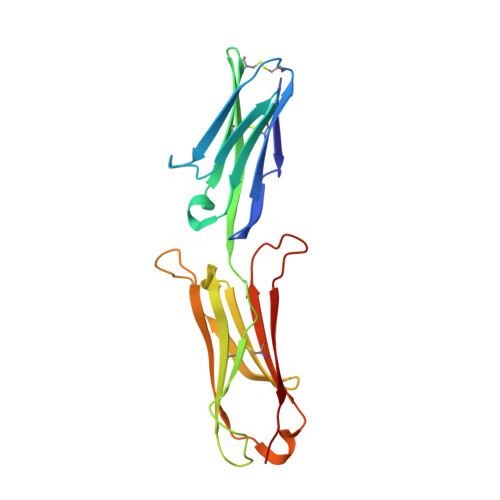 Click to view 3D structure Click to view 3D structure | Vascular cell adhesion protein 1 | P19320 | Humans | Known | Not Available |
| Click to view 3D structure | UDP-glucuronosyltransferase 1A1 | P22309 | Humans | Known | Not Available |
| Click to view 3D structure | Cytochrome P450 2C9 | P11712 | Humans | Known | Not Available |
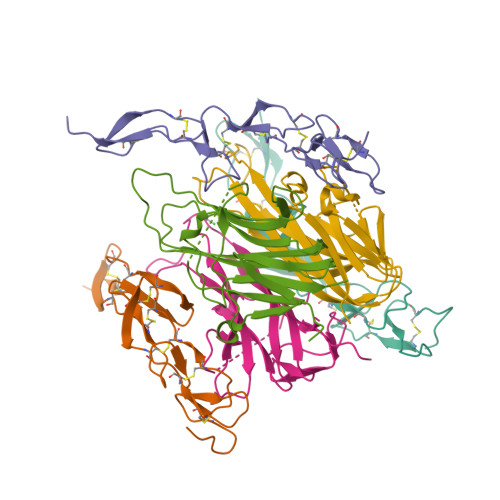 Click to view 3D structure Click to view 3D structure | Tumor necrosis factor receptor superfamily member 10B | O14763 | Humans | Known | Not Available |
 Click to view 3D structure Click to view 3D structure | Estrogen receptor | P03372 | Humans | Known | Not Available |