Tin(II) fluoride (CED0003980)

Record Information
Version1.0
Creation Date2009-06-19 21:58:29 UTC
Update Date2026-05-14 19:06:55 UTC
Accession NumberCHEM001058
Identification
Common NameTin(II) fluoride
ClassSmall Molecule
Description
Tin(II) fluoride is an exogenous inorganic compound with the formula F2Sn and an average molecular weight of 156.71 g/mol. It exists as a solid at room temperature and is classified as a mixed metal/non-metal compound. Tin(II) fluoride belongs to the post-transition metal fluorides, a subclass of post-transition metal salts within the inorganic compounds. The compound is used for industrial pharmaceutical purposes and is found in stomatological preparations. It is also released from various sources, including electrical and electronic equipment such as magnets, discharge lamps, antennas, fixed capacitors and their manufacture, and electrically stimulated smoking devices. Other sources include household cleaning and consumer products like soap dispensers, bleaching agents, tobacco smoke filters, cigar cigarettes, and non-electric simulated smoking devices, as well as food processing and cookware related to the processing of meats and fermentation processes for beer, wine, or sparkling wine. Recorded exposure routes include oral, buccal, dental, topical, and intravenous. Tin(II) fluoride acts on seven recorded protein targets, including alcohol dehydrogenase 1A (ADH1A), alcohol dehydrogenase 1C (ADH1C), and all-trans-retinol dehydrogenase [NAD(+)] ADH1B and ADH4. Inorganic and organic tin compounds are weak inhibitors of alcohol dehydrogenase.
Contaminant Type
  • Fluoride Compound
  • Household Toxin
  • Inorganic Compound
  • Synthetic Compound
  • Tin Compound
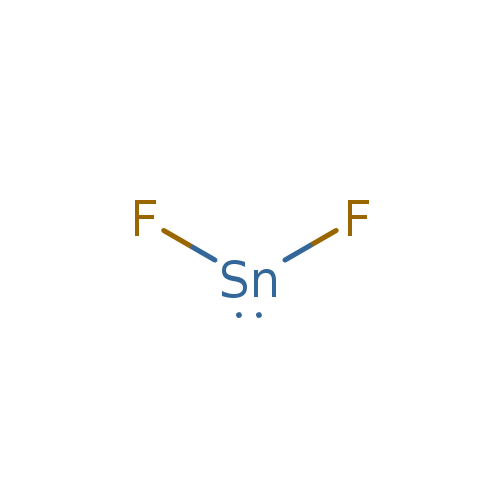
Chemical Structure
Synonyms
ValueSource
Difluorides, tinMeSH
FloranMeSH
FluoristanMeSH
McGloin brand OF tin difluorideMeSH
Omnii brand 2 OF tin difluorideMeSH
Omnii-gelMeSH
Tetrafluorides, tinMeSH
Tin difluorideMeSH
Tin difluoridesMeSH
Tin tetrafluoridesMeSH
Fluoride, stannicMeSH
FluoristansMeSH
Omnii brand 1 OF tin difluorideMeSH
StanimaxsMeSH
Stannous fluoridesMeSH
Tetrafluoride, tinMeSH
Tin fluoridesMeSH
Tin tetrafluorideMeSH
Cav-XMeSH
Fluoride, tinMeSH
Fluorides, stannicMeSH
Fluorides, tinMeSH
Gel-kamMeSH
Gel-tinMeSH
Omnii-medMeSH
Procter and gamble brand OF stannous fluorideMeSH
StanimaxMeSH
Stannic fluoridesMeSH
Colgate brand OF tin difluorideMeSH
Difluoride, tinMeSH
FloransMeSH
Fluoride, stannousMeSH
Fluorides, stannousMeSH
ortho Brand OF tin difluorideMeSH
Palisades brand OF tin difluorideMeSH
Stannic fluorideMeSH
Tin fluorideMeSH
Young dental brand OF tin difluorideMeSH
Stannous fluorideMeSH
Chemical FormulaF2Sn
Average Molecular Mass156.710 g/mol
Monoisotopic Mass157.899 g/mol
CAS Registry Number7783-47-3
IUPAC Namedifluorostannane
Traditional Namedifluorostannane
SMILESF[Sn]F
InChI IdentifierInChI=1S/2FH.Sn/h2*1H;/q;;+2/p-2
InChI KeyANOBYBYXJXCGBS-UHFFFAOYSA-L
Chemical Taxonomy
Description Belongs to the class of inorganic compounds known as post-transition metal fluorides. These are inorganic compounds in which the largest halogen atom is fluorine, and the heaviest metal atom is a post-transition metal.
KingdomInorganic compounds
Super ClassMixed metal/non-metal compounds
ClassPost-transition metal salts
Sub ClassPost-transition metal fluorides
Direct ParentPost-transition metal fluorides
Alternative Parents
Substituents
  • Post-transition metal fluoride
  • Inorganic tin salt
  • Inorganic salt
Molecular FrameworkNot Available
External DescriptorsNot Available
Biological Properties
StatusDetected and Not Quantified
OriginExogenous
Cellular Locations
  • Cytoplasm
  • Extracellular
Biofluid LocationsNot Available
Tissue LocationsNot Available
ApplicationsNot Available
Biological RolesNot Available
Chemical RolesNot Available
Organoleptic EffectsNot Available
Physical Properties
StateSolid
AppearanceWhite powder.
Experimental Properties
PropertyValue
Melting PointNot Available
Boiling PointNot Available
SolubilityNot Available
Predicted Properties
PropertyValueSource
logP0.18ChemAxon
Physiological Charge0ChemAxon
Hydrogen Acceptor Count0ChemAxon
Hydrogen Donor Count0ChemAxon
Polar Surface Area0 ŲChemAxon
Rotatable Bond Count0ChemAxon
Refractivity3 m³·mol⁻¹ChemAxon
Polarizability2.78 ųChemAxon
Number of Rings0ChemAxon
BioavailabilityYesChemAxon
Rule of FiveYesChemAxon
Ghose FilterNoChemAxon
Veber's RuleYesChemAxon
MDDR-like RuleNoChemAxon
Spectra
Spectra
Spectrum TypeDescriptionSplash KeyDeposition DateView
Predicted LC-MS/MSPredicted LC-MS/MS Spectrumsplash10-03di-0900000000-d560ead066385892475aNot AvailableView Spectrum
Predicted LC-MS/MSPredicted LC-MS/MS Spectrumsplash10-03di-0900000000-276346311beb28c81c2aNot AvailableView Spectrum
Toxicity Profile
Mechanism of ToxicityInorganic and organic tin compounds are weak inhibitors of alcohol dehydrogenase. (1)
Carcinogenicity (IARC Classification)3, not classifiable as to its carcinogenicity to humans. (2)
Minimum Risk LevelNot Available
SymptomsInorganic or organic tin compounds placed on the skin or in the eyes can produce skin and eye irritation. (4)
TreatmentEYES: irrigate opened eyes for several minutes under running water. INGESTION: do not induce vomiting. Rinse mouth with water (never give anything by mouth to an unconscious person). Seek immediate medical advice. SKIN: should be treated immediately by rinsing the affected parts in cold running water for at least 15 minutes, followed by thorough washing with soap and water. If necessary, the person should shower and change contaminated clothing and shoes, and then must seek medical attention. INHALATION: supply fresh air. If required provide artificial respiration.
Toxicity Values
Toxicity ValueUnitValue RangeOrganismDose DescriptorRoute of ExposurePredicted or ExperimentalReference
112.0mg/kgNot AvailableRatLD50OralexperimentalT48
16150.0ug/kgNot AvailableMouseLD50IntraperitonealexperimentalT14
Health Effects
Health EffectRelationshipDirectionReference
Exposure Sources
Source IDSourceSectorReference
233BrushesPersonal care & cosmeticsNot Available
241Stomatological preparationsHealthcare, pharmaceuticals & veterinary productsNot Available
506AntennasElectrical & Electronic EquipmentNot Available
514Discharge LampsElectrical & Electronic EquipmentNot Available
518Electrically Stimulated Smoking DevicesElectrical & Electronic EquipmentNot Available
521Fixed Capacitors And Their ManufactureElectrical & Electronic EquipmentNot Available
527MagnetsElectrical & Electronic EquipmentNot Available
535Superconducting Magnets And Superconducting CoilsElectrical & Electronic EquipmentNot Available
536Superconductive Or Hyperconductive Conductors Cables Or Transmission LinesElectrical & Electronic EquipmentNot Available
544Fermentation Processes For BeerFood, food processing & cookwareNot Available
549Preparation Of Wine Or Sparkling WineFood, food processing & cookwareNot Available
552Processing MeatsFood, food processing & cookwareNot Available
555Bleaching AgentsHousehold cleaning & consumer productsNot Available
556Cigar CigarettesHousehold cleaning & consumer productsNot Available
559Non Electric Simulated Smoking DevicesHousehold cleaning & consumer productsNot Available
564Soap DispensersHousehold cleaning & consumer productsNot Available
569Tobacco Smoke FiltersHousehold cleaning & consumer productsNot Available
578Making CigarsIndustrial manufacturing & chemical processingNot Available
609AftershavePersonal care & cosmeticsNot Available
612Body Washing Or Cleaning ImplementsPersonal care & cosmeticsNot Available
613DepilatoriesPersonal care & cosmeticsNot Available
617Lip Care ProductsPersonal care & cosmeticsNot Available
619Manicure PedicurePersonal care & cosmeticsNot Available
657Surface Finishing Of LeatherTextiles, leather & furnishingsNot Available
658Touch FastenersTextiles, leather & furnishingsNot Available
662Yarns Or ThreadsTextiles, leather & furnishingsNot Available
Pathways
1 pathway
Targets
StructureProteinUniProt IDOrganismRelationshipDetails
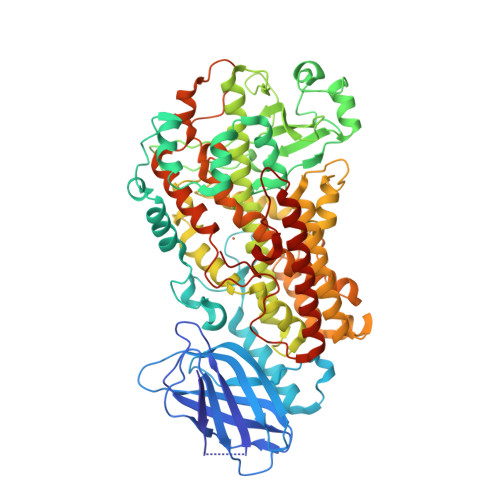
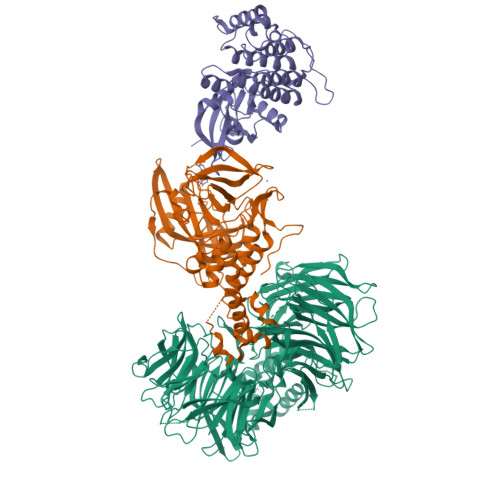
Glucagon receptor structureClick to view 3D structureGlucagon receptorP47871HumansPredicted (SEA)7782.43
Click to view 3D structureLiver carboxylesteraseQ29550Sus scrofaPredicted (SEA)7776.12
Polyunsaturated fatty acid 5-lipoxygenase structureClick to view 3D structurePolyunsaturated fatty acid 5-lipoxygenaseP09917HumansPredicted (SEA)7784.61
Acetylcholinesterase structureClick to view 3D structureAcetylcholinesteraseP22303HumansPredicted (SEA)7784.69
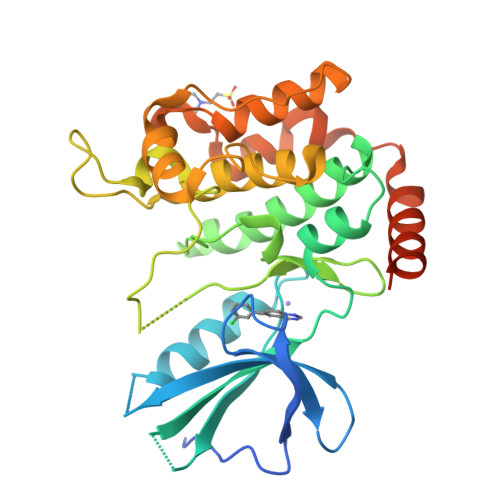
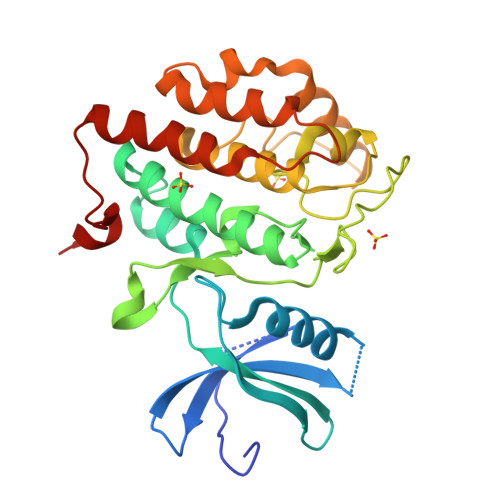
Tyrosine-protein kinase JAK2 structureClick to view 3D structureTyrosine-protein kinase JAK2O60674HumansPredicted (SEA)7784.69
Tyrosine-protein kinase JAK3 structureClick to view 3D structureTyrosine-protein kinase JAK3P52333HumansPredicted (SEA)7784.69
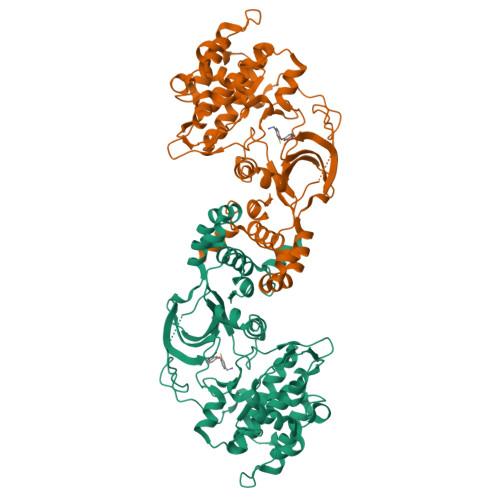
Tyrosine-protein kinase Lck structureClick to view 3D structureTyrosine-protein kinase LckP06239HumansPredicted (SEA)7784.69
Vascular endothelial growth factor receptor 2 structureClick to view 3D structureVascular endothelial growth factor receptor 2P35968HumansPredicted (SEA)7784.69
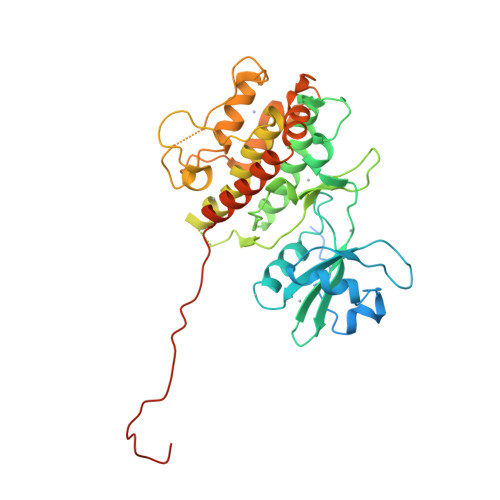
Mitogen-activated protein kinase kinase kinase kinase 4 structureClick to view 3D structureMitogen-activated protein kinase kinase kinase kinase 4O95819HumansPredicted (SEA)7784.69
Casein kinase I isoform alpha structureClick to view 3D structureCasein kinase I isoform alphaP48729HumansPredicted (SEA)7784.69
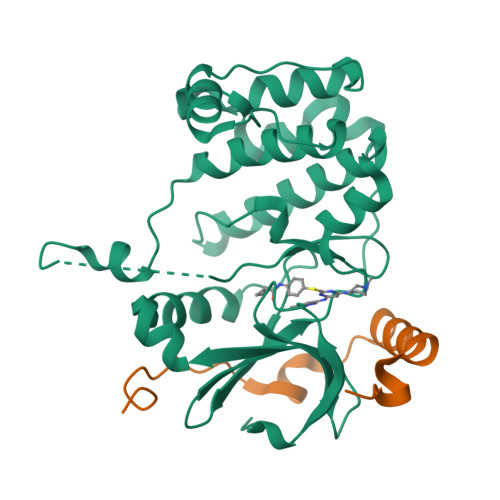
Aurora kinase B structureClick to view 3D structureAurora kinase BQ96GD4HumansPredicted (SEA)7784.69
Casein kinase I isoform delta structureClick to view 3D structureCasein kinase I isoform deltaP48730HumansPredicted (SEA)7784.69
Mast/stem cell growth factor receptor Kit structureClick to view 3D structureMast/stem cell growth factor receptor KitP10721HumansPredicted (SEA)7784.69
Serine/threonine-protein kinase Chk1 structureClick to view 3D structureSerine/threonine-protein kinase Chk1O14757HumansPredicted (SEA)7784.69
Glycogen synthase kinase-3 beta structureClick to view 3D structureGlycogen synthase kinase-3 betaP49841HumansPredicted (SEA)7784.69
Dual specificity tyrosine-phosphorylation-regulated kinase 1A structureClick to view 3D structureDual specificity tyrosine-phosphorylation-regulated kinase 1AQ13627HumansPredicted (SEA)7784.69
Rho-associated protein kinase 2 structureClick to view 3D structureRho-associated protein kinase 2O75116HumansPredicted (SEA)7784.69
Cyclin-dependent kinase 2 structureClick to view 3D structureCyclin-dependent kinase 2P24941HumansPredicted (SEA)7784.69
RAC-alpha serine/threonine-protein kinase structureClick to view 3D structureRAC-alpha serine/threonine-protein kinaseP31749HumansPredicted (SEA)7784.69
3-phosphoinositide-dependent protein kinase 1 structureClick to view 3D structure3-phosphoinositide-dependent protein kinase 1O15530HumansPredicted (SEA)7784.69
MAP kinase-activated protein kinase 2 structureClick to view 3D structureMAP kinase-activated protein kinase 2P49137HumansPredicted (SEA)7784.69
Mitogen-activated protein kinase 12 structureClick to view 3D structureMitogen-activated protein kinase 12P53778HumansPredicted (SEA)7784.69
Mitogen-activated protein kinase 1 structureClick to view 3D structureMitogen-activated protein kinase 1P28482HumansPredicted (SEA)7784.69
Click to view 3D structureMAP kinase-activated protein kinase 5Q8IW41HumansPredicted (SEA)7784.69
Ribosomal protein S6 kinase alpha-5 structureClick to view 3D structureRibosomal protein S6 kinase alpha-5O75582HumansPredicted (SEA)7784.69
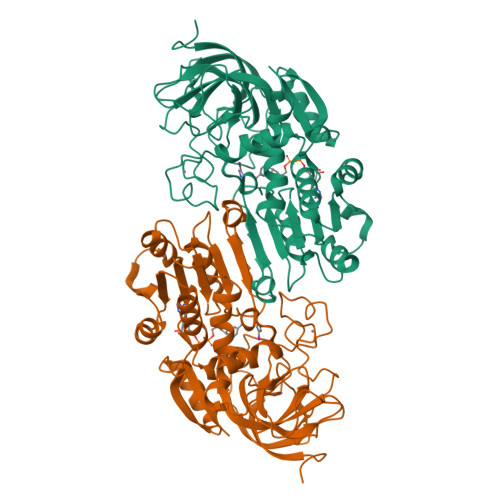
Alcohol dehydrogenase 1A structureClick to view 3D structureAlcohol dehydrogenase 1AP07327HumansKnownInorganic and organic tin compounds are weak inhibitors of alcohol dehydrogenase. (A183)
All-trans-retinol dehydrogenase [NAD(+)] ADH1B structureClick to view 3D structureAll-trans-retinol dehydrogenase [NAD(+)] ADH1BP00325HumansKnownInorganic and organic tin compounds are weak inhibitors of alcohol dehydrogenase. (A183)
Alcohol dehydrogenase 1C structureClick to view 3D structureAlcohol dehydrogenase 1CP00326HumansKnownInorganic and organic tin compounds are weak inhibitors of alcohol dehydrogenase. (A183)
All-trans-retinol dehydrogenase [NAD(+)] ADH4 structureClick to view 3D structureAll-trans-retinol dehydrogenase [NAD(+)] ADH4P08319HumansKnownInorganic and organic tin compounds are weak inhibitors of alcohol dehydrogenase. (A183)
Click to view 3D structureAlcohol dehydrogenase 6P28332HumansKnownInorganic and organic tin compounds are weak inhibitors of alcohol dehydrogenase. (A183)
All-trans-retinol dehydrogenase [NAD(+)] ADH7 structureClick to view 3D structureAll-trans-retinol dehydrogenase [NAD(+)] ADH7P40394HumansKnownInorganic and organic tin compounds are weak inhibitors of alcohol dehydrogenase. (A183)
Alcohol dehydrogenase class-3 structureClick to view 3D structureAlcohol dehydrogenase class-3P11766HumansKnownInorganic and organic tin compounds are weak inhibitors of alcohol dehydrogenase. (A183)
Concentrations
Not Available
External Links
DrugBank IDDB11092
HMDB IDNot Available
FooDB IDNot Available
Phenol Explorer IDNot Available
KNApSAcK IDNot Available
BiGG IDNot Available
BioCyc IDNot Available
METLIN IDNot Available
PDB IDNot Available
Wikipedia LinkTin(II) fluoride
Chemspider IDNot Available
ChEBI IDNot Available
PubChem Compound IDNot Available
Kegg Compound IDNot Available
YMDB IDNot Available
ECMDB IDNot Available
References
Synthesis ReferenceNot Available
MSDSNot Available
General References