Tetra-n-octylstannane (CED0183861)

Record Information
Version1.0
Creation Date2009-06-19 21:58:31 UTC
Update Date2026-08-17 20:50:47 UTC
SynCED IDCED0183861
Secondary Accession Numbers
  • CHEM001079
  • T3D1258
Identification
Common NameTetra-n-octylstannane
ClassSmall Molecule
Description
Tetra-n-octylstannane belongs to the organotin compounds, a subclass of organo-post-transition metal compounds within the organic compounds. With an average molecular weight of 571.59 g/mol, Tetra-n-octylstannane is a heavy molecule. This exogenous compound, with the formula C32H68Sn, exists as a solid at room temperature. It has been found in or released from 19 recorded sources, including drinking water and water supply (drinking water, tap water, bottled water, desalinated water), aquatic systems and sediments (groundwater, surface water, seawater, freshwater), and wastewater, sanitation and biosolids (industrial wastewater, wastewater treatment effluent, mine wastewater, unspecified wastewater). Other sources include appliances, HVAC and refrigerants (water coolers, water heaters), marine, shipping and aquaculture (ballast water, bilge water), and agriculture and land management (irrigation water), among two additional sectors. Recorded exposure routes include oral, inhalation, and touch. The compound interacts with 12 recorded protein targets. Inorganic and organic tin compounds act as weak inhibitors of alcohol dehydrogenase, including alcohol dehydrogenase 1A (ADH1A), 1C (ADH1C), and all-trans-retinol dehydrogenase [NAD(+)] ADH1B and ADH4. As endocrine disruptors, organotins are believed to contribute to obesity through the inappropriate activation of retinoic acid receptors (RARA, RARB, RARG) and peroxisome proliferator-activated receptor gamma (PPARG), which leads to adipocyte differentiation. Additionally, organotins bind to the beta-5 subunit of proteasome subunit beta type-5 (PSMB5), inhibiting the chymotrypsin-like activity of cellular and 20S proteasomes, which results in apoptosis caused by downstream effects in the proteasome pathway.
Contaminant Type
  • Industrial/Workplace Toxin
  • Organic Compound
  • Organometallic
  • PMT
  • Synthetic Compound
  • Tin Compound
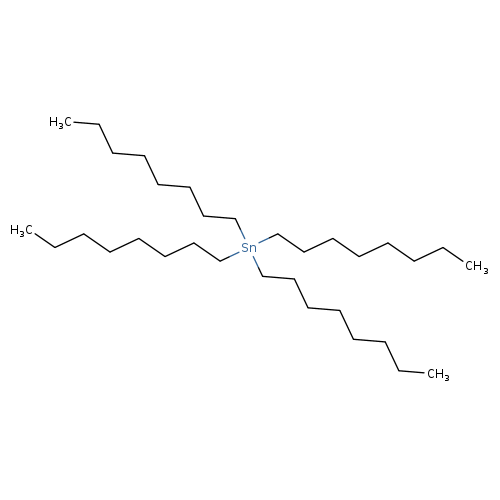
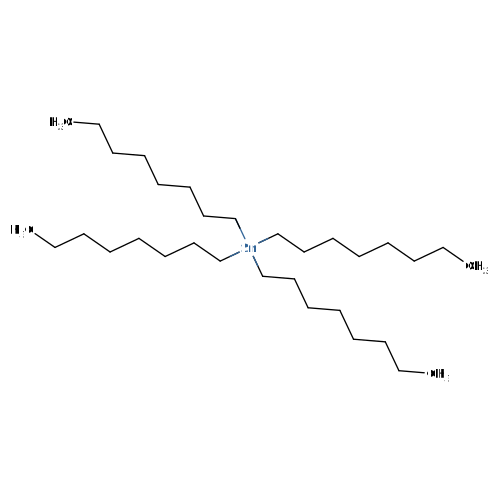
Chemical Structure
SynonymsNot Available
Chemical FormulaC32H68Sn
Average Molecular Mass571.590 g/mol
Monoisotopic Mass572.434 g/mol
CAS Registry Number3590-84-9
IUPAC Nametetraoctylstannane
Traditional Namestannane, tetraoctyl-
SMILESCCCCCCCC[Sn](CCCCCCCC)(CCCCCCCC)CCCCCCCC
InChI IdentifierInChI=1S/4C8H17.Sn/c4*1-3-5-7-8-6-4-2;/h4*1,3-8H2,2H3;
InChI KeyJTGNPNLBCGBCMP-UHFFFAOYSA-N
Chemical Taxonomy
Description Belongs to the class of organic compounds known as tetraalkyltins. These are tetraorganotin compounds where the tin atom is linked to exactly four alkyl groups.
KingdomOrganic compounds
Super ClassOrganometallic compounds
ClassOrgano-post-transition metal compounds
Sub ClassOrganotin compounds
Direct ParentTetraalkyltins
Alternative Parents
Substituents
  • Tetraalkyltin
  • Hydrocarbon derivative
  • Organic salt
  • Aliphatic acyclic compound
Molecular FrameworkAliphatic acyclic compounds
External DescriptorsNot Available
Biological Properties
StatusDetected and Not Quantified
OriginExogenous
Cellular Locations
  • Membrane
Biofluid LocationsNot Available
Tissue LocationsNot Available
ApplicationsNot Available
Biological RolesNot Available
Chemical RolesNot Available
Organoleptic EffectsNot Available
Physical Properties
StateSolid
AppearanceWhite powder.
Experimental Properties
PropertyValue
Melting PointNot Available
Boiling PointNot Available
SolubilityNot Available
Predicted Properties
PropertyValueSource
Water Solubility5.8e-06 g/LALOGPS
logP10.49ALOGPS
logP14.26ChemAxon
logS-8ALOGPS
Physiological Charge0ChemAxon
Hydrogen Acceptor Count0ChemAxon
Hydrogen Donor Count0ChemAxon
Polar Surface Area0 ŲChemAxon
Rotatable Bond Count28ChemAxon
Refractivity151.5 m³·mol⁻¹ChemAxon
Polarizability69.08 ųChemAxon
Number of Rings0ChemAxon
BioavailabilityNoChemAxon
Rule of FiveNoChemAxon
Ghose FilterNoChemAxon
Veber's RuleNoChemAxon
MDDR-like RuleNoChemAxon
Spectra
Spectra
Spectrum TypeDescriptionSplash KeyDeposition DateView
Predicted LC-MS/MSPredicted LC-MS/MS Spectrumsplash10-004i-0000090000-3c33a92e1359be6edcacNot AvailableView Spectrum
Predicted LC-MS/MSPredicted LC-MS/MS Spectrumsplash10-004i-0000090000-931c48ea51dba60cbca3Not AvailableView Spectrum
Toxicity Profile
Toxicity Values
Toxicity ValueOrganismDose DescriptorRoute of ExposurePredicted or ExperimentalToxicity RatingReference
5043.0 Log mg/kg [2800:9000]RatLD50oralpredictedNot AvailableNot Available
Toxicity / Toxin ClassNot Available
Mechanism of ToxicityOrganotin compounds produce neurotoxic and immunotoxic effects. Organotins may directly activate glial cells contributing to neuronal cell degeneration by local release of pro-inflammatory cytokines, tumor necrosis factor-_, and/or interleukins. They may also induce apoptosis by direct action on neuronal cells. Organotin compounds stimulate the neuronal release of and/or decrease of neuronal cell uptake of neurotransmitters in brain tissue, including aspartate, GABA, glutamate, norepinephrine, and serotonin. This may be either a contributing factor to or result of the neuronal cell loss. The immunotoxic effects of organotins are characterized by thymic atrophy caused by the suppression of proliferation of immature thymocytes and apoptosis of mature thymocytes. Organotin compounds are believed to exert these effects by suppressing DNA and protein synthesis, inducing the expression of genes involved in apoptosis (such as nur77), and disrupting the regulation of intracellular calcium levels, giving rise to the uncontrolled production of reactive oxygen species, release of cytochrome c to the cytosol, and the proteolytic and nucleolytic cascade of apoptosis. The suppression of proliferation of immature thymocytes further results in the suppression of T-cell-mediated immune responses. Organotins are also endocrine disruptors and are believed to contribute to obesity by inappropriate receptor activation, leading to adipocyte differentiation. Inorganic tin triggers eryptosis, contributing to tin-induced anemia. (4, 1, 2)
Carcinogenicity (IARC Classification)No indication of carcinogenicity to humans (not listed by IARC).
Minimum Risk LevelNot Available
SymptomsInorganic or organic tin compounds placed on the skin or in the eyes can produce skin and eye irritation. (4)
TreatmentNot Available
Health Effects
Health EffectRelationshipDirectionDescriptionReference
Exposure Sources
Source IDSourceSectorReference
CEDs000003Irrigation water?Irrigation water can serve as a vector for synthetic chemical contamination due to its potential exposure to agricultural inputs such as fertilizers, pesticides, and herbicides.Agriculture & land managementNot Available
CEDs000027Water Coolers?Water coolers can be a source of synthetic chemical contamination due to various materials used in their construction and operation.Appliances, HVAC & refrigerantsNot Available
CEDs000043Water heaters?Water heaters can be a source of synthetic chemical contamination primarily through the materials and coatings used in their construction.Appliances, HVAC & refrigerantsNot Available
CEDs000050Groundwater?Groundwater serves as a vital resource for drinking water and agricultural irrigation but is increasingly susceptible to contamination from synthetic chemicals.Aquatic systems & sedimentsNot Available
CEDs000051Surface water?Surface water can serve as a significant vector for the introduction of synthetic chemical contaminants into aquatic ecosystems.Aquatic systems & sedimentsNot Available
CEDs000052Seawater?Seawater can serve as a significant reservoir for synthetic chemical contamination due to various industrial activities, including shipping, oil drilling, and coastal manufacturing.Aquatic systems & sedimentsNot Available
CEDs000053Freshwater?Freshwater bodies, including rivers, lakes, and reservoirs, can serve as significant sources of synthetic chemical contamination due to various anthropogenic activities.Aquatic systems & sedimentsNot Available
CEDs000070Stormwater runoff?Stormwater runoff refers to the flow of rainwater or melted snow that does not soak into the ground and instead collects pollutants as it travels over impervious surfaces such as roads and parking lots.Automotive & urban infrastructureNot Available
CEDs000088Waterproofing sprays?Waterproofing sprays are synthetic chemical formulations designed to create a protective barrier against moisture on various surfaces, including fabrics, wood, and masonry.Building & ConstructionNot Available
CEDs000115Drinking water?Drinking water can be a medium for synthetic chemical contamination, often originating from various industrial processes and agricultural practices.Drinking water & water supplyNot Available
CEDs000116Tap water?Tap water can be a potential source of synthetic chemical contamination due to various industrial processes and agricultural runoff.Drinking water & water supplyNot Available
CEDs000117Bottled water?Bottled water, while perceived as a safe and convenient alternative to tap water, can be a source of synthetic chemical contamination.Drinking water & water supplyNot Available
CEDs000118Desalinated water?Desalinated water, produced through processes such as reverse osmosis or distillation, is increasingly utilized to meet freshwater demands in various regions.Drinking water & water supplyNot Available
CEDs000181Ballast water?Ballast water, taken on by ships to maintain stability and balance, often contains a diverse array of microorganisms, including bacteria, viruses, and plankton.Marine, shipping & aquacultureNot Available
CEDs000182Bilge water?Bilge water is a byproduct generated from the accumulation of water in the lowest part of a ship's hull, which may include a mixture of seawater, oil, fuel residues, and various contaminants.Marine, shipping & aquacultureNot Available
CEDs000468Industrial wastewater?Industrial wastewater is a byproduct generated during various manufacturing and processing activities, which often contains a complex mixture of organic and inorganic synthetic chemicals.Wastewater, sanitation & biosolidsNot Available
CEDs000470Wastewater treatment effluent?Wastewater treatment effluent is the liquid byproduct discharged from the treatment processes designed to remove contaminants from wastewater.Wastewater, sanitation & biosolidsNot Available
CEDs000475Mine wastewater?Mine wastewater refers to the liquid waste generated during the extraction and processing of minerals.Wastewater, sanitation & biosolidsNot Available
CEDs000477Wastewater, unspecified?Wastewater refers to water that has been adversely affected in quality by anthropogenic influence, typically through domestic, industrial, or agricultural activities.Wastewater, sanitation & biosolidsNot Available
CEDs000511Conductors Or Conductive Bodies Characterised By The Conductive Materials?Conductors, or conductive bodies, are materials that allow the flow of electrical current, typically made from metals such as copper, aluminum, or silver.Electrical & Electronic EquipmentPubChem
CEDs000521Fixed Capacitors And Their Manufacture?Fixed capacitors are passive electronic components used to store and release electrical energy, playing a critical role in various circuits.Electrical & Electronic EquipmentPubChem
CEDs000524Hybrid Capacitors?Hybrid capacitors are energy storage devices that combine the properties of electrolytic and supercapacitors, utilizing a combination of electrochemical principles to achieve higher energy density and power density.Electrical & Electronic EquipmentPubChem
CEDs000590Lifeboat Equipment?Lifeboat equipment typically includes various synthetic materials used in the construction of life rafts, flotation devices, and safety gear.Marine, shipping & aquaculturePubChem
CEDs000685Ceramics?Ceramics can be a source of synthetic chemical contamination through various additives and processing agents used in their production.Building & ConstructionPubChem
CEDs000688Glass Coatings?Glass coatings are synthetic chemical formulations applied to glass surfaces to enhance properties such as durability, UV resistance, and aesthetic appeal.Building & ConstructionPubChem
CEDs000693Silica Glass?Silica glass, primarily composed of silicon dioxide (SiO2), is widely used in various applications, including windows, glass facades, and insulation materials.Building & ConstructionPubChem
CEDs000696Nanotechnology?Nanotechnology involves the manipulation of materials at the molecular or atomic level, typically within the range of 1 to 100 nanometers.Industrial manufacturing & chemical processingPubChem
CEDs000734Coating Compositions?Coating compositions, which include paints, sealants, and varnishes, are formulated with a variety of synthetic chemicals such as solvents, resins, pigments, and additives.Building & ConstructionPubChem
CEDs000739Inks?Inks are complex mixtures composed of pigments or dyes, solvents, resins, and additives used primarily for printing and writing applications.Paper, pulp & fiber productsPubChem
CEDs000740Paper?Paper production involves the processing of wood fibers and the use of various chemicals, which can lead to synthetic chemical contamination.Paper, pulp & fiber productsPubChem
Pathways
0 pathwaysPathway Source: PathBank

No pathways found

No metabolic pathways have been associated with this synthetic chemical

Targets
StructureProteinUniProt IDOrganismRelationshipDetails
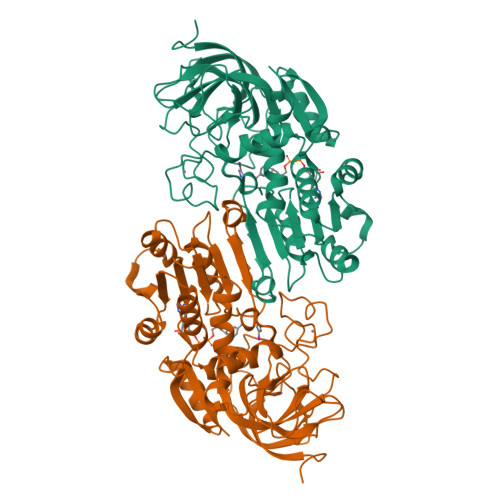
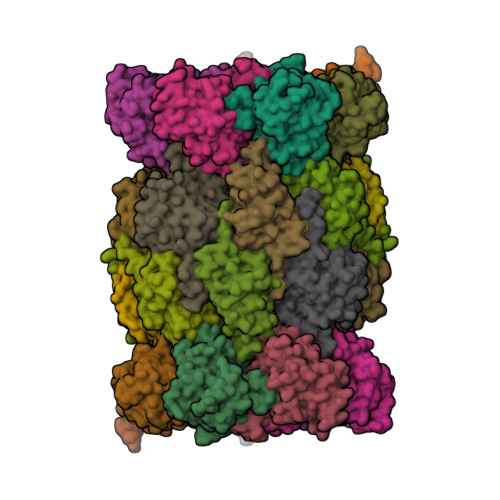
Click to view 3D structurePhospholipase BQ9P8P2Cryptococcus neoformansPredicted (SEA)
Prediction Confidence Score
0.4
Applicability Domain
0.4
Statistical Significance
2.00e-05
Supporting Reference Compounds
1
E-value
0.155698
All-trans-retinol dehydrogenase [NAD(+)] ADH7 structureClick to view 3D structureAll-trans-retinol dehydrogenase [NAD(+)] ADH7P40394HumansPredicted (SEA)
Prediction Confidence Score
0.333
Applicability Domain
0.333
Statistical Significance
1.60e-04
Supporting Reference Compounds
1
E-value
1.24559
Peroxisome proliferator-activated receptor alpha structureClick to view 3D structurePeroxisome proliferator-activated receptor alphaQ07869HumansPredicted (SEA)
Prediction Confidence Score
0.323
Applicability Domain
0.348
Statistical Significance
0.008
Supporting Reference Compounds
127
E-value
61.968
Tyrosine-protein phosphatase non-receptor type 1 structureClick to view 3D structureTyrosine-protein phosphatase non-receptor type 1P18031HumansPredicted (SEA)
Prediction Confidence Score
0.319
Applicability Domain
0.348
Statistical Significance
0.0064
Supporting Reference Compounds
197
E-value
49.5121
Click to view 3D structureSodium- and chloride-dependent creatine transporter 1P28570Rattus norvegicusPredicted (SEA)
Prediction Confidence Score
0.308
Applicability Domain
0.308
Statistical Significance
5.00e-05
Supporting Reference Compounds
1
E-value
0.389246
Peroxisome proliferator-activated receptor delta structureClick to view 3D structurePeroxisome proliferator-activated receptor deltaQ03181HumansPredicted (SEA)
Prediction Confidence Score
0.307
Applicability Domain
0.348
Statistical Significance
0.0081
Supporting Reference Compounds
89
E-value
63.4471
G-protein coupled receptor 84 structureClick to view 3D structureG-protein coupled receptor 84Q9NQS5HumansPredicted (SEA)
Prediction Confidence Score
0.303
Applicability Domain
0.348
Statistical Significance
0.001
Supporting Reference Compounds
15
E-value
7.94062
Transient receptor potential cation channel subfamily V member 2 structureClick to view 3D structureTransient receptor potential cation channel subfamily V member 2Q9WUD2Rattus norvegicusPredicted (SEA)
Prediction Confidence Score
0.303
Applicability Domain
0.348
Statistical Significance
0.0022
Supporting Reference Compounds
21
E-value
17.1268
Click to view 3D structureFatty-acid amide hydrolase 1O00519HumansPredicted (SEA)
Prediction Confidence Score
0.29
Applicability Domain
0.333
Statistical Significance
0.0197
Supporting Reference Compounds
106
E-value
153.285
Click to view 3D structureCannabinoid receptor 1P20272Rattus norvegicusPredicted (SEA)
Prediction Confidence Score
0.286
Applicability Domain
0.333
Statistical Significance
0.0082
Supporting Reference Compounds
83
E-value
63.9921
Click to view 3D structureCAI-1 autoinducer sensor kinase/phosphatase CqsSQ9KM66Vibrio cholerae serotype O1 (strain ATCC 39315 / El Tor Inaba N16961)Predicted (SEA)
Prediction Confidence Score
0.286
Applicability Domain
0.286 Low confidence
Statistical Significance
6.40e-04
Supporting Reference Compounds
1
E-value
4.98235
Click to view 3D structureSarcoplasmic/endoplasmic reticulum calcium ATPase 3Q64518Mus musculusPredicted (SEA)
Prediction Confidence Score
0.286
Applicability Domain
0.286 Low confidence
Statistical Significance
0.0025
Supporting Reference Compounds
1
E-value
19.2288
Geranylgeranyl pyrophosphate synthase structureClick to view 3D structureGeranylgeranyl pyrophosphate synthaseO95749HumansPredicted (SEA)
Prediction Confidence Score
0.284
Applicability Domain
0.286 Low confidence
Statistical Significance
6.40e-04
Supporting Reference Compounds
15
E-value
4.98235
Click to view 3D structureFarnesyl pyrophosphate synthaseQ0GKD7Leishmania donovaniPredicted (SEA)
Prediction Confidence Score
0.284
Applicability Domain
0.286 Low confidence
Statistical Significance
5.80e-04
Supporting Reference Compounds
14
E-value
4.51525
Peroxisome proliferator-activated receptor gamma structureClick to view 3D structurePeroxisome proliferator-activated receptor gammaP37231HumansPredicted (SEA)
Prediction Confidence Score
0.28
Applicability Domain
0.348
Statistical Significance
0.0333
Supporting Reference Compounds
192
E-value
259.471
Farnesyl pyrophosphate synthase structureClick to view 3D structureFarnesyl pyrophosphate synthaseP14324HumansPredicted (SEA)
Prediction Confidence Score
0.277
Applicability Domain
0.286 Low confidence
Statistical Significance
8.60e-04
Supporting Reference Compounds
22
E-value
6.69503
Click to view 3D structureCocaine esteraseO00748HumansPredicted (SEA)
Prediction Confidence Score
0.275
Applicability Domain
0.296 Low confidence
Statistical Significance
0.0018
Supporting Reference Compounds
40
E-value
13.8572
Juvenile hormone esterase structureClick to view 3D structureJuvenile hormone esteraseQ9GPG0Manduca sextaPredicted (SEA)
Prediction Confidence Score
0.273
Applicability Domain
0.296 Low confidence
Statistical Significance
5.00e-04
Supporting Reference Compounds
2
E-value
3.89246
Fatty-acid amide hydrolase 1 structureClick to view 3D structureFatty-acid amide hydrolase 1P97612Rattus norvegicusPredicted (SEA)
Prediction Confidence Score
0.273
Applicability Domain
0.333
Statistical Significance
0.0215
Supporting Reference Compounds
102
E-value
167.765
Click to view 3D structureFatty-acid amide hydrolase 1O08914Mus musculusPredicted (SEA)
Prediction Confidence Score
0.272
Applicability Domain
0.333
Statistical Significance
0.0112
Supporting Reference Compounds
46
E-value
87.0354
Click to view 3D structureHistone deacetylase 11Q96DB2HumansPredicted (SEA)
Prediction Confidence Score
0.27
Applicability Domain
0.348
Statistical Significance
0.0428
Supporting Reference Compounds
149
E-value
333.039
Liver carboxylesterase 1 structureClick to view 3D structureLiver carboxylesterase 1P23141HumansPredicted (SEA)
Prediction Confidence Score
0.269
Applicability Domain
0.296 Low confidence
Statistical Significance
0.0069
Supporting Reference Compounds
55
E-value
53.7938
Liver carboxylesterase structureClick to view 3D structureLiver carboxylesteraseQ29550Sus scrofaPredicted (SEA)
Prediction Confidence Score
0.266
Applicability Domain
0.296 Low confidence
Statistical Significance
0.001
Supporting Reference Compounds
20
E-value
8.09632
Click to view 3D structureCG8425-PA [Drosophila melanogaster]A1ZA98Drosophila melanogasterPredicted (SEA)
Prediction Confidence Score
0.264
Applicability Domain
0.296 Low confidence
Statistical Significance
5.40e-04
Supporting Reference Compounds
4
E-value
4.20386
Acylcarnitine hydrolase structureClick to view 3D structureAcylcarnitine hydrolaseQ91WG0Mus musculusPredicted (SEA)
Prediction Confidence Score
0.254
Applicability Domain
0.258 Low confidence
Statistical Significance
6.30e-04
Supporting Reference Compounds
2
E-value
4.9045
Alcohol dehydrogenase 1A structureClick to view 3D structureAlcohol dehydrogenase 1AP07327HumansKnownInorganic and organic tin compounds are weak inhibitors of alcohol dehydrogenase. (A183)
All-trans-retinol dehydrogenase [NAD(+)] ADH1B structureClick to view 3D structureAll-trans-retinol dehydrogenase [NAD(+)] ADH1BP00325HumansKnownInorganic and organic tin compounds are weak inhibitors of alcohol dehydrogenase. (A183)
Alcohol dehydrogenase 1C structureClick to view 3D structureAlcohol dehydrogenase 1CP00326HumansKnownInorganic and organic tin compounds are weak inhibitors of alcohol dehydrogenase. (A183)
All-trans-retinol dehydrogenase [NAD(+)] ADH4 structureClick to view 3D structureAll-trans-retinol dehydrogenase [NAD(+)] ADH4P08319HumansKnownInorganic and organic tin compounds are weak inhibitors of alcohol dehydrogenase. (A183)
Click to view 3D structureAlcohol dehydrogenase 6P28332HumansKnownInorganic and organic tin compounds are weak inhibitors of alcohol dehydrogenase. (A183)
All-trans-retinol dehydrogenase [NAD(+)] ADH7 structureClick to view 3D structureAll-trans-retinol dehydrogenase [NAD(+)] ADH7P40394HumansKnownInorganic and organic tin compounds are weak inhibitors of alcohol dehydrogenase. (A183)
Alcohol dehydrogenase class-3 structureClick to view 3D structureAlcohol dehydrogenase class-3P11766HumansKnownInorganic and organic tin compounds are weak inhibitors of alcohol dehydrogenase. (A183)
Peroxisome proliferator-activated receptor gamma structureClick to view 3D structurePeroxisome proliferator-activated receptor gammaP37231HumansKnownOrganotins are endocrine disruptors and are believed to contribute to obesity by inappropriate activation of peroxisome proliferator-activated receptor gamma, leading to adipocyte differentiation. (A184)
Proteasome subunit beta type-5 structureClick to view 3D structureProteasome subunit beta type-5P28074HumansKnownOrganotins inhibit the chymotrypsin-like activity of 20S and cellular proteasomes by binding to the beta-5 subunit. This results in apoptosis caused by downstream effects in the proteasome pathway. (A181)
Retinoic acid receptor alpha structureClick to view 3D structureRetinoic acid receptor alphaP10276HumansKnownOrganotins are endocrine disruptors and are believed to contribute to obesity by inappropriate activation of retinoic acid receptors, leading to adipocyte differentiation. (A184)
Retinoic acid receptor beta structureClick to view 3D structureRetinoic acid receptor betaP10826HumansKnownOrganotins are endocrine disruptors and are believed to contribute to obesity by inappropriate activation of retinoic acid receptors, leading to adipocyte differentiation. (A184)
Retinoic acid receptor gamma structureClick to view 3D structureRetinoic acid receptor gammaP13631HumansKnownOrganotins are endocrine disruptors and are believed to contribute to obesity by inappropriate activation of retinoic acid receptors, leading to adipocyte differentiation. (A184)
Concentrations
Not Available
External Links
DrugBank IDNot Available
HMDB IDNot Available
FooDB IDNot Available
Phenol Explorer IDNot Available
KNApSAcK IDNot Available
BiGG IDNot Available
BioCyc IDNot Available
METLIN IDNot Available
PDB IDNot Available
Wikipedia LinkNot Available
Chemspider IDNot Available
ChEBI IDNot Available
PubChem Compound ID77145
Kegg Compound IDNot Available
YMDB IDNot Available
ECMDB IDNot Available
References
Synthesis ReferenceNot Available
MSDSNot Available
General References
  1. Nguyen TT, Foller M, Lang F: Tin triggers suicidal death of erythrocytes. J Appl Toxicol. 2009 Jan;29(1):79-83. doi: 10.1002/jat.1390. [PubMed: 18937211]
  2. Grun F, Blumberg B: Environmental obesogens: organotins and endocrine disruption via nuclear receptor signaling. Endocrinology. 2006 Jun;147(6 Suppl):S50-5. Epub 2006 May 11. [PubMed: 16690801]
  3. Wikipedia. Tributyltin. Last Updated 31 May 2009. - http://en.wikipedia.org/wiki/Tributyltin
  4. ATSDR - Agency for Toxic Substances and Disease Registry (2005). Toxicological profile for tin. U.S. Public Health Service in collaboration with U.S. Environmental Protection Agency (EPA). - http://www.atsdr.cdc.gov/toxprofiles/tp55.html
  5. Wikipedia. Tin. Last Updated 28 May 2009. - http://en.wikipedia.org/wiki/Tin