Lead perchlorate (CED0001945)

Record Information
Version1.0
Creation Date2009-06-19 21:58:38 UTC
Update Date2026-04-05 20:20:06 UTC
SynCED IDCED0001945
Secondary Accession Numbers
  • CHEM001154
  • T3D1335
Identification
Common NameLead perchlorate
ClassSmall Molecule
Description
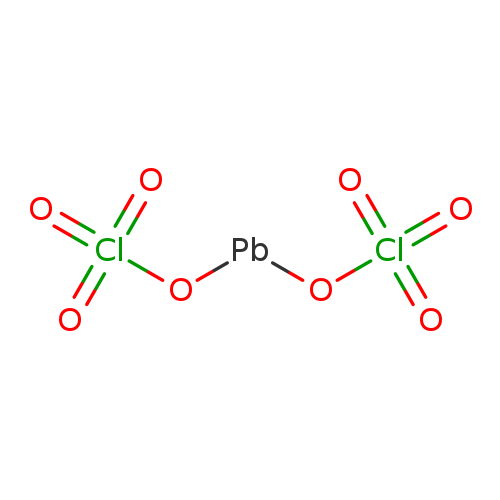
Lead perchlorate is an exogenous inorganic compound with the formula Cl2O8Pb and an average molecular weight of 406.10 g/mol. It exists as a solid at room temperature. Lead perchlorate belongs to the post-transition metal perchlorates, a subclass of post-transition metal oxoanionic compounds within the inorganic compounds. This compound is released from or found in recorded sources including household cleaning and consumer products used for tobacco product moisture control, as well as electrical and electronic equipment such as relays, electric switches, and sparking plugs. Lead perchlorate interacts with several protein targets. It binds to sodium/potassium-transporting ATPases, including the alpha-1, alpha-2, alpha-3, and subunit gamma forms. Lead binds to ACBP, which regulates processes such as insulin secretion, steroidogenesis, GABA-A/benzodiazepine receptor modulation, acyl-CoA metabolism, and intestinal cholecystokinin release. It also binds to thymosin beta-4, an immunotransmitter involved in the stimulation of CaM-dependent kinases, GABA-A receptor complex function, and cytoskeleton modulation. Lead exhibits competitive inhibition at the NMDA receptor, affecting neurotransmitter release, and competitively inhibits calcium at protein kinase C (including alpha, beta, delta, and epsilon types), which alters the blood-brain barrier and impairs brain microvascular function and formation. Additionally, lead competitively inhibits calcium's binding of calmodulin, interfering with neurotransmitter release and altering the functioning of cAMP messenger pathways. Finally, lead inhibits ferrochelatase (mitochondrial) and delta-aminolevulinic acid dehydratase (ALAD), both of which prevents the biosynthesis of heme, a necessary cofactor of hemoglobin.
Contaminant Type
  • Industrial/Workplace Toxin
  • Inorganic Compound
  • Lead Compound
  • Pollutant
  • Synthetic Compound
Chemical Structure
Synonyms
ValueSource
Lead perchloric acidGenerator
Chemical FormulaCl2O8Pb
Average Molecular Mass406.100 g/mol
Monoisotopic Mass405.874 g/mol
CAS Registry Number13637-76-8
IUPAC Name(perchloryloxy)plumbyl perchlorate
Traditional Name(perchloryloxy)plumbyl perchlorate
SMILESO=[Cl](=O)(=O)O[Pb]O[Cl](=O)(=O)=O
InChI IdentifierInChI=1S/2ClHO4.Pb/c2*2-1(3,4)5;/h2*(H,2,3,4,5);/q;;+2/p-2
InChI KeyXOYUVEPYBYHIFZ-UHFFFAOYSA-L
Chemical Taxonomy
Description Belongs to the class of inorganic compounds known as post-transition metal perchlorates. These are inorganic compounds in which the largest oxoanion is perchlorate, and in which the heaviest atom not in an oxoanion is a post-transition metal.
KingdomInorganic compounds
Super ClassMixed metal/non-metal compounds
ClassPost-transition metal oxoanionic compounds
Sub ClassPost-transition metal perchlorates
Direct ParentPost-transition metal perchlorates
Alternative Parents
Substituents
  • Post-transition metal perchlorate
  • Inorganic lead salt
  • Inorganic post-transition metal salt
  • Inorganic oxide
  • Inorganic salt
Molecular FrameworkNot Available
External DescriptorsNot Available
Biological Properties
StatusDetected and Not Quantified
OriginExogenous
Cellular Locations
  • Cytoplasm
  • Extracellular
Biofluid LocationsNot Available
Tissue LocationsNot Available
ApplicationsNot Available
Biological RolesNot Available
Chemical RolesNot Available
Organoleptic EffectsNot Available
Physical Properties
StateSolid
AppearanceWhite powder.
Experimental Properties
PropertyValue
Melting PointNot Available
Boiling PointNot Available
SolubilityNot Available
Predicted Properties
PropertyValueSource
logP-0.27ChemAxon
Physiological Charge0ChemAxon
Hydrogen Acceptor Count6ChemAxon
Hydrogen Donor Count0ChemAxon
Polar Surface Area120.88 ŲChemAxon
Rotatable Bond Count4ChemAxon
Refractivity23.63 m³·mol⁻¹ChemAxon
Polarizability12.69 ųChemAxon
Number of Rings0ChemAxon
BioavailabilityYesChemAxon
Rule of FiveYesChemAxon
Ghose FilterNoChemAxon
Veber's RuleNoChemAxon
MDDR-like RuleNoChemAxon
Spectra
SpectraNot Available
Toxicity Profile
Toxicity ValuesNot Available
Toxicity / Toxin ClassNot Available
Mechanism of ToxicityLead mimics other biologically important metals, such as zinc, calcium, and iron, competing as cofactors for many of their respective enzymatic reactions. For example, lead has been shown to competitively inhibit calcium's binding of calmodulin, interferring with neurotransmitter release. It exhibits similar competitive inhibition at the NMDA receptor and protein kinase C, which impairs brain microvascular formation and function, as well as alters the blood-brain barrier. Lead also affects the nervous system by impairing regulation of dopamine synthesis and blocking evoked release of acetylcholine. However, it's main mechanism of action occurs by inhibiting delta-aminolevulinic acid dehydratase, an enzyme vital in the biosynthesis of heme, which is a necesssary cofactor of hemoglobin. (8, 2, 3, 7)
Carcinogenicity (IARC Classification)2A, probably carcinogenic to humans. (6)
Minimum Risk LevelChronic Inhalation: 0.05 mg/m3 (5)
SymptomsSymptions of chronic lead poisoning include reduced cognitive abilities, nausea, abdominal pain, irritability, insomnia, metal taste in the mouth, excess lethargy or hyperactivity, chest pain, headache and, in extreme cases, seizures, comas, and death. There are also associated gastrointestinal problems, such as constipation, diarrhea, vomiting, poor appetite, weight loss, which are common in acute poisoning. (1, 4)
TreatmentLead poisoning is usually treated with chelation therapy using DMSA, EDTA, or dimercaprol. (4)
Health Effects
Health EffectRelationshipDirectionDescriptionReference
Exposure Sources
Source IDSourceSectorReference
CEDs000511Conductors Or Conductive Bodies Characterised By The Conductive Materials?Conductors, or conductive bodies, are materials that allow the flow of electrical current, typically made from metals such as copper, aluminum, or silver.Electrical & Electronic EquipmentPubChem
CEDs000517Electric Switches?Electric switches, integral components in numerous devices, can be a source of synthetic chemical contamination due to the materials and manufacturing processes involved in their production.Electrical & Electronic EquipmentPubChem
CEDs000519Electrodes?Electrodes, used in various electrical and electronic applications, can be a source of synthetic chemical contamination due to the materials from which they are constructed and the processes involved in their manufacturing.Electrical & Electronic EquipmentPubChem
CEDs000521Fixed Capacitors And Their Manufacture?Fixed capacitors are passive electronic components used to store and release electrical energy, playing a critical role in various circuits.Electrical & Electronic EquipmentPubChem
CEDs000524Hybrid Capacitors?Hybrid capacitors are energy storage devices that combine the properties of electrolytic and supercapacitors, utilizing a combination of electrochemical principles to achieve higher energy density and power density.Electrical & Electronic EquipmentPubChem
CEDs000531Relays?Relays are electromechanical switches used to control circuits and manage electrical loads.Electrical & Electronic EquipmentPubChem
CEDs000533Sparking Plugs?Spark plugs are critical components in internal combustion engines, facilitating the ignition of fuel-air mixtures by generating a spark.Electrical & Electronic EquipmentPubChem
CEDs000545Food Preservation?Food preservation often involves the use of synthetic chemicals, such as preservatives, flavor enhancers, and color additives, to extend shelf life and enhance the sensory qualities of food products.Food, food processing & cookwarePubChem
CEDs000568Tobacco Product Moisture Control?Tobacco product moisture control involves the use of synthetic chemicals to manage the humidity levels in tobacco products, aiming to preserve flavor and extend shelf life.Household cleaning & consumer productsPubChem
CEDs000580Manufacture Preparation Of Tobacco Products?The manufacture and preparation of tobacco products involve various processes that can result in the introduction of synthetic chemicals into the environment.Industrial manufacturing & chemical processingPubChem
CEDs000613Depilatories?Depilatories are products designed to remove unwanted hair through the application of synthetic chemicals that break down the protein structure of hair, facilitating its removal.Personal care & cosmeticsPubChem
CEDs000685Ceramics?Ceramics can be a source of synthetic chemical contamination through various additives and processing agents used in their production.Building & ConstructionPubChem
CEDs000688Glass Coatings?Glass coatings are synthetic chemical formulations applied to glass surfaces to enhance properties such as durability, UV resistance, and aesthetic appeal.Building & ConstructionPubChem
CEDs000693Silica Glass?Silica glass, primarily composed of silicon dioxide (SiO2), is widely used in various applications, including windows, glass facades, and insulation materials.Building & ConstructionPubChem
CEDs000696Nanotechnology?Nanotechnology involves the manipulation of materials at the molecular or atomic level, typically within the range of 1 to 100 nanometers.Industrial manufacturing & chemical processingPubChem
CEDs000735Explosives?Explosives are chemical compounds or mixtures designed to undergo rapid decomposition, releasing energy in the form of gas and heat.Defense & military infrastructurePubChem
CEDs000739Inks?Inks are complex mixtures composed of pigments or dyes, solvents, resins, and additives used primarily for printing and writing applications.Paper, pulp & fiber productsPubChem
CEDs000744Water, Wastewater, & Sewage Treatment?Water, wastewater, and sewage treatment processes are critical for managing and mitigating pollutants in water systems.Wastewater, sanitation & biosolidsPubChem
Pathways
0 pathwaysPathway Source: PathBank

No pathways found

No metabolic pathways have been associated with this synthetic chemical

Targets
StructureProteinUniProt IDOrganismRelationshipDetails
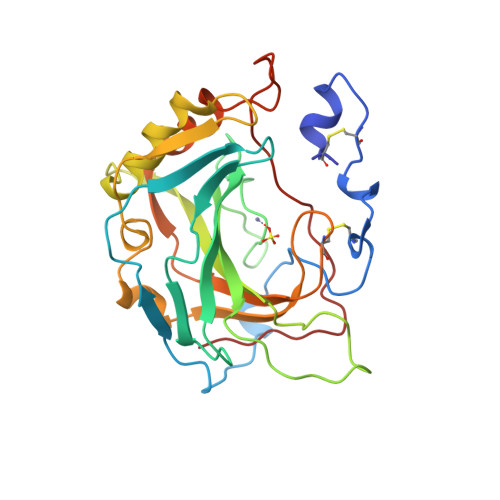
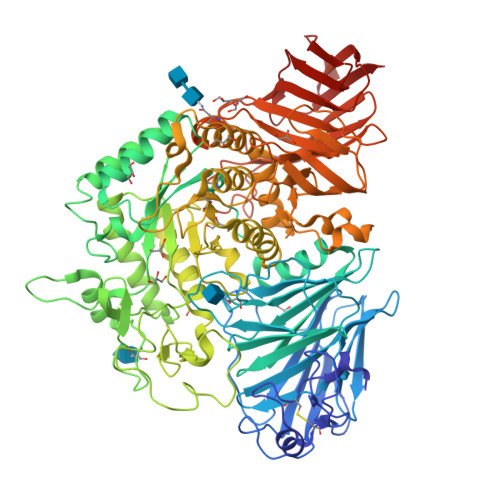
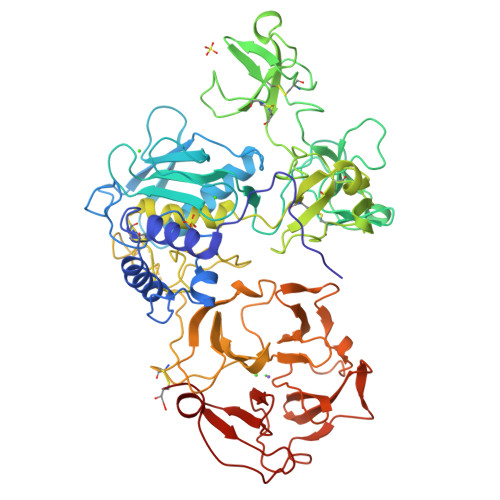
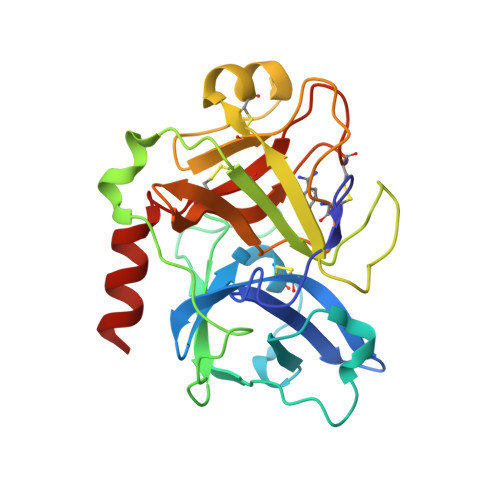
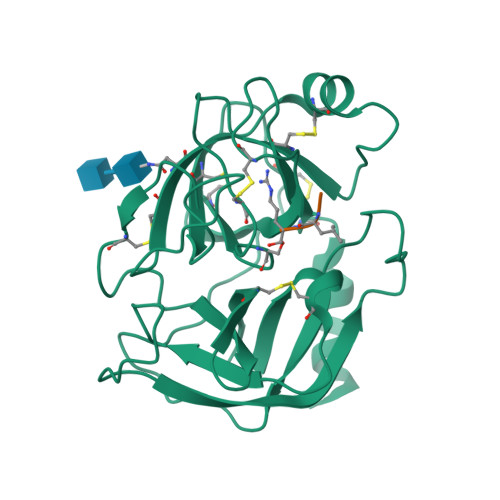
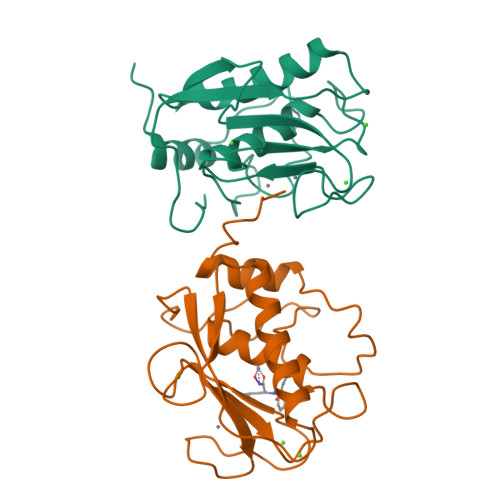
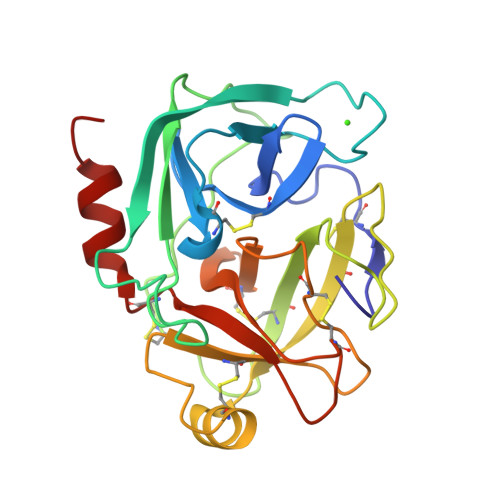
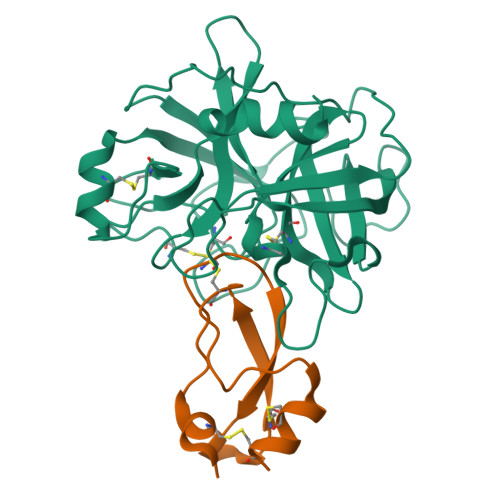
Click to view 3D structureCarbonic anhydrase 4Q95323Bos taurusPredicted (SEA)
Prediction Confidence Score
0.069
Applicability Domain
0.079 Low confidence
Statistical Significance
0.9994
Supporting Reference Compounds
64
E-value
7780.56
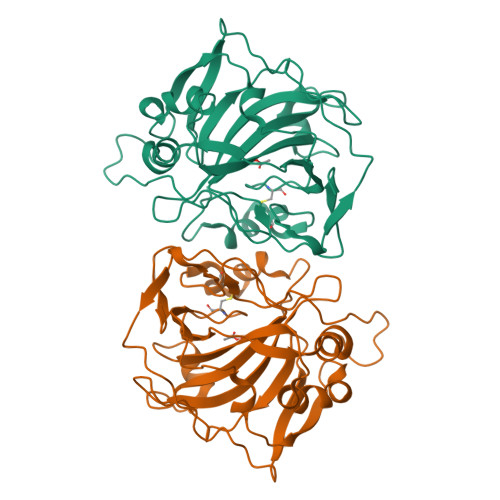
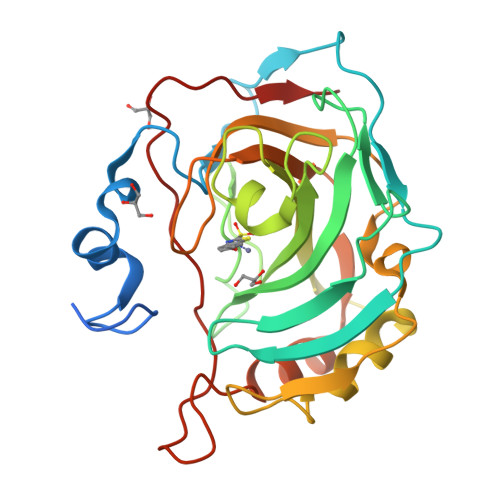
Carbonic anhydrase 2 structureClick to view 3D structureCarbonic anhydrase 2P00918HumansPredicted (SEA)
Prediction Confidence Score
0.069
Applicability Domain
0.079 Low confidence
Statistical Significance
1.0
Supporting Reference Compounds
472
E-value
7784.77
Carbonic anhydrase 1 structureClick to view 3D structureCarbonic anhydrase 1P00915HumansPredicted (SEA)
Prediction Confidence Score
0.068
Applicability Domain
0.08 Low confidence
Statistical Significance
1.0
Supporting Reference Compounds
407
E-value
7784.84
Carbonic anhydrase 4 structureClick to view 3D structureCarbonic anhydrase 4P22748HumansPredicted (SEA)
Prediction Confidence Score
0.066
Applicability Domain
0.08 Low confidence
Statistical Significance
1.0
Supporting Reference Compounds
193
E-value
7784.61
Carbonic anhydrase 9 structureClick to view 3D structureCarbonic anhydrase 9Q16790HumansPredicted (SEA)
Prediction Confidence Score
0.066
Applicability Domain
0.07 Low confidence
Statistical Significance
1.0
Supporting Reference Compounds
372
E-value
7784.84
Matrix metalloproteinase-9 structureClick to view 3D structureMatrix metalloproteinase-9P14780HumansPredicted (SEA)
Prediction Confidence Score
0.065
Applicability Domain
0.079 Low confidence
Statistical Significance
0.9999
Supporting Reference Compounds
292
E-value
7784.53
Neutrophil collagenase structureClick to view 3D structureNeutrophil collagenaseP22894HumansPredicted (SEA)
Prediction Confidence Score
0.064
Applicability Domain
0.079 Low confidence
Statistical Significance
0.9999
Supporting Reference Compounds
176
E-value
7784.46
Maltase-glucoamylase structureClick to view 3D structureMaltase-glucoamylaseO43451HumansPredicted (SEA)
Prediction Confidence Score
0.063
Applicability Domain
0.077 Low confidence
Statistical Significance
0.9998
Supporting Reference Compounds
30
E-value
7783.05
Carbonic anhydrase 12 structureClick to view 3D structureCarbonic anhydrase 12O43570HumansPredicted (SEA)
Prediction Confidence Score
0.063
Applicability Domain
0.07 Low confidence
Statistical Significance
1.0
Supporting Reference Compounds
332
E-value
7784.69
Leucine--tRNA ligase structureClick to view 3D structureLeucine--tRNA ligaseP9WFV1Mycobacterium tuberculosis (strain ATCC 25618 / H37Rv)Predicted (SEA)
Prediction Confidence Score
0.063
Applicability Domain
0.063 Low confidence
Statistical Significance
0.8564
Supporting Reference Compounds
1
E-value
6667.4
Carbonic anhydrase 7 structureClick to view 3D structureCarbonic anhydrase 7P43166HumansPredicted (SEA)
Prediction Confidence Score
0.062
Applicability Domain
0.07 Low confidence
Statistical Significance
1.0
Supporting Reference Compounds
242
E-value
7784.61
Click to view 3D structureCarbonic anhydrase 5B, mitochondrialQ9Y2D0HumansPredicted (SEA)
Prediction Confidence Score
0.062
Applicability Domain
0.07 Low confidence
Statistical Significance
0.9999
Supporting Reference Compounds
157
E-value
7784.53
Click to view 3D structureCarbonic anhydrase 5A, mitochondrialP35218HumansPredicted (SEA)
Prediction Confidence Score
0.062
Applicability Domain
0.07 Low confidence
Statistical Significance
1.0
Supporting Reference Compounds
165
E-value
7784.61
Protein RecA structureClick to view 3D structureProtein RecAP9WHJ3Mycobacterium tuberculosisPredicted (SEA)
Prediction Confidence Score
0.062
Applicability Domain
0.079 Low confidence
Statistical Significance
0.9999
Supporting Reference Compounds
296
E-value
7784.53
72 kDa type IV collagenase structureClick to view 3D structure72 kDa type IV collagenaseP08253HumansPredicted (SEA)
Prediction Confidence Score
0.062
Applicability Domain
0.07 Low confidence
Statistical Significance
1.0
Supporting Reference Compounds
400
E-value
7784.61
Click to view 3D structureLysosomal alpha-glucosidaseQ6P7A9Rattus norvegicusPredicted (SEA)
Prediction Confidence Score
0.061
Applicability Domain
0.077 Low confidence
Statistical Significance
0.9278
Supporting Reference Compounds
21
E-value
7223.16
Plasma kallikrein structureClick to view 3D structurePlasma kallikreinP03952HumansPredicted (SEA)
Prediction Confidence Score
0.061
Applicability Domain
0.065 Low confidence
Statistical Significance
0.9999
Supporting Reference Compounds
158
E-value
7784.3
Kallikrein-5 structureClick to view 3D structureKallikrein-5Q9Y337HumansPredicted (SEA)
Prediction Confidence Score
0.061
Applicability Domain
0.065 Low confidence
Statistical Significance
0.9996
Supporting Reference Compounds
34
E-value
7781.5
Stromelysin-1 structureClick to view 3D structureStromelysin-1P08254HumansPredicted (SEA)
Prediction Confidence Score
0.061
Applicability Domain
0.07 Low confidence
Statistical Significance
0.9999
Supporting Reference Compounds
200
E-value
7784.53
4-hydroxy-3-methylbut-2-enyl diphosphate reductase structureClick to view 3D structure4-hydroxy-3-methylbut-2-enyl diphosphate reductaseO67625Aquifex aeolicus (strain VF5)Predicted (SEA)
Prediction Confidence Score
0.061
Applicability Domain
0.061 Low confidence
Statistical Significance
0.2035
Supporting Reference Compounds
1
E-value
1583.92
Interstitial collagenase structureClick to view 3D structureInterstitial collagenaseP03956HumansPredicted (SEA)
Prediction Confidence Score
0.06
Applicability Domain
0.065 Low confidence
Statistical Significance
0.9999
Supporting Reference Compounds
258
E-value
7784.53
Kallikrein-8 structureClick to view 3D structureKallikrein-8O60259HumansPredicted (SEA)
Prediction Confidence Score
0.06
Applicability Domain
0.065 Low confidence
Statistical Significance
0.999
Supporting Reference Compounds
22
E-value
7776.83
Collagenase 3 structureClick to view 3D structureCollagenase 3P45452HumansPredicted (SEA)
Prediction Confidence Score
0.06
Applicability Domain
0.065 Low confidence
Statistical Significance
0.9999
Supporting Reference Compounds
269
E-value
7784.46
Prothrombin structureClick to view 3D structureProthrombinP00734HumansPredicted (SEA)
Prediction Confidence Score
0.06
Applicability Domain
0.065 Low confidence
Statistical Significance
1.0
Supporting Reference Compounds
331
E-value
7784.61
Suppressor of tumorigenicity 14 protein structureClick to view 3D structureSuppressor of tumorigenicity 14 proteinQ9Y5Y6HumansPredicted (SEA)
Prediction Confidence Score
0.059
Applicability Domain
0.065 Low confidence
Statistical Significance
0.9998
Supporting Reference Compounds
74
E-value
7783.75
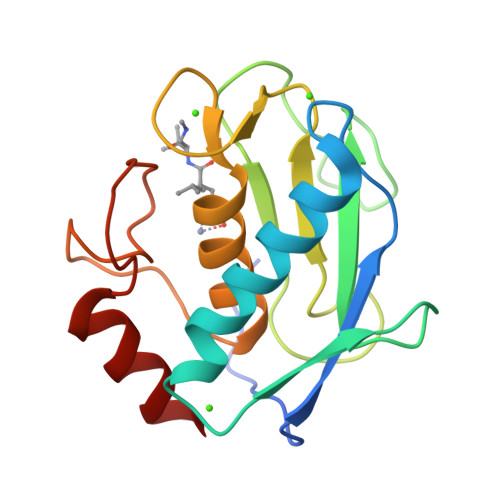
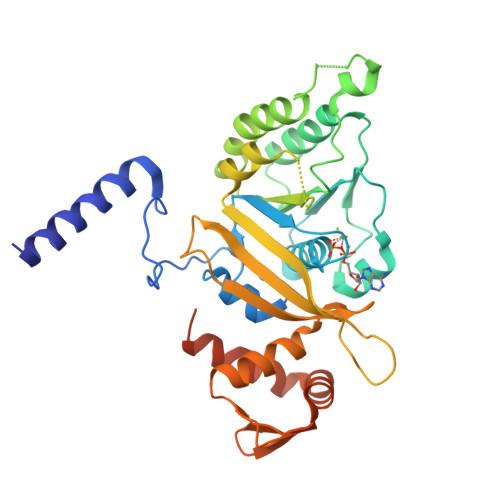
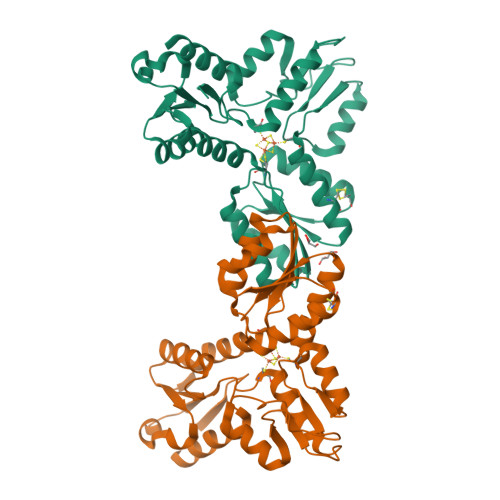
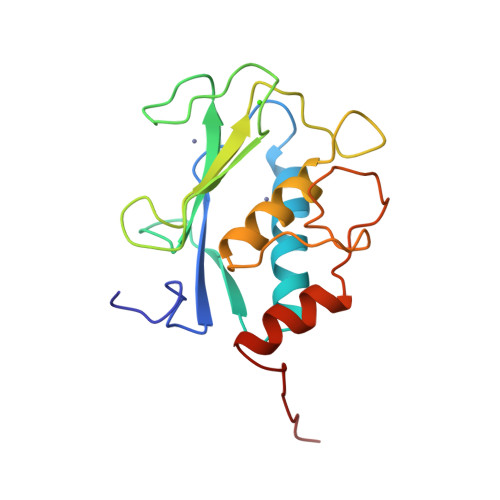
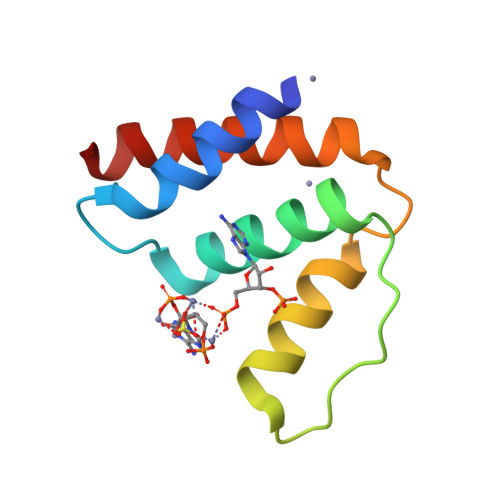
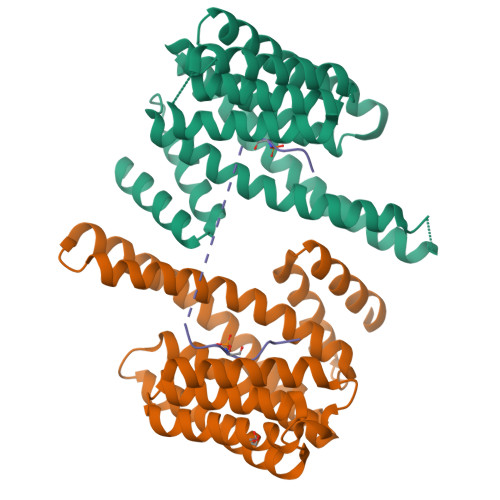
Acyl-CoA-binding protein structureClick to view 3D structureAcyl-CoA-binding proteinP07108HumansKnownLead is known to bind ACBP, which is responsible for the regulation of various processes such as acyl-CoA metabolism, GABA-A/benzodiazepine receptor modulation, steroidogenesis, intestinal cholecystokinin release, and insulin secretion. (A21)
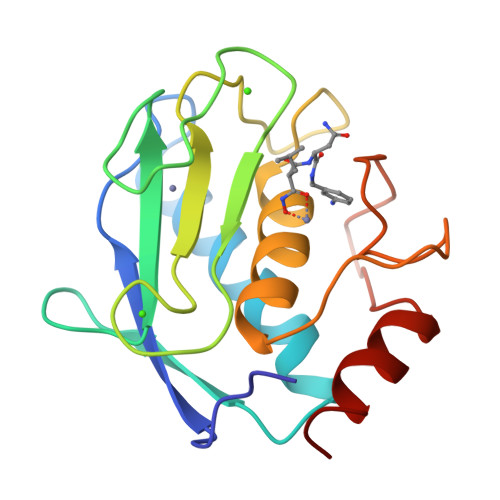
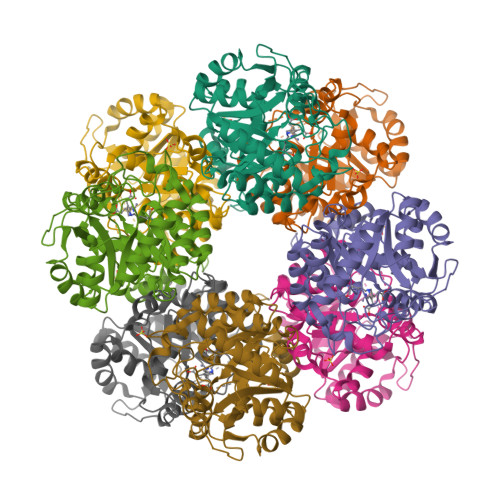
Delta-aminolevulinic acid dehydratase structureClick to view 3D structureDelta-aminolevulinic acid dehydrataseP13716HumansKnownLead inhibition of ALAD prevents the biosynthesis of heme, which is a necesssary cofactor of hemoglobin. (L21)
Ferrochelatase, mitochondrial structureClick to view 3D structureFerrochelatase, mitochondrialP22830HumansKnownLead inhibition of ferrochelatase prevents the biosynthesis of heme, which is a necesssary cofactor of hemoglobin. (L21)
Glutamate receptor ionotropic, NMDA 1 structureClick to view 3D structureGlutamate receptor ionotropic, NMDA 1Q05586HumansKnownLead exhibits competitive inhibition at the NMDA receptor, affecting neurotransmitter release. (A22)
Glutamate receptor ionotropic, NMDA 2A structureClick to view 3D structureGlutamate receptor ionotropic, NMDA 2AQ12879HumansKnownLead exhibits competitive inhibition at the NMDA receptor, affecting neurotransmitter release. (A22)
Glutamate receptor ionotropic, NMDA 2B structureClick to view 3D structureGlutamate receptor ionotropic, NMDA 2BQ13224HumansKnownLead exhibits competitive inhibition at the NMDA receptor, affecting neurotransmitter release. (A22)
Glutamate receptor ionotropic, NMDA 2C structureClick to view 3D structureGlutamate receptor ionotropic, NMDA 2CQ14957HumansKnownLead exhibits competitive inhibition at the NMDA receptor, affecting neurotransmitter release. (A22)
Glutamate receptor ionotropic, NMDA 2D structureClick to view 3D structureGlutamate receptor ionotropic, NMDA 2DO15399HumansKnownLead exhibits competitive inhibition at the NMDA receptor, affecting neurotransmitter release. (A22)
Glutamate receptor ionotropic, NMDA 3A structureClick to view 3D structureGlutamate receptor ionotropic, NMDA 3AQ8TCU5HumansKnownLead exhibits competitive inhibition at the NMDA receptor, affecting neurotransmitter release. (A22)
Click to view 3D structureGlutamate receptor ionotropic, NMDA 3BO60391HumansKnownLead exhibits competitive inhibition at the NMDA receptor, affecting neurotransmitter release. (A22)
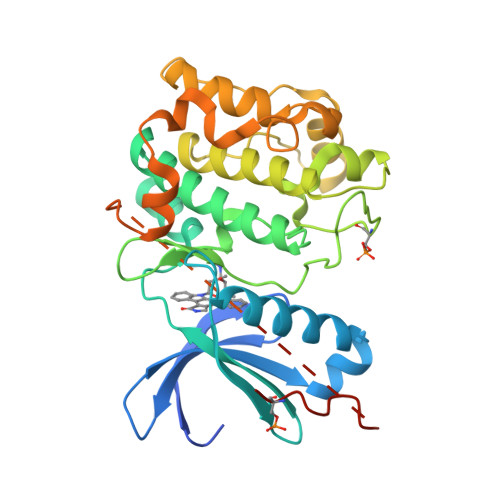
Protein kinase C alpha type structureClick to view 3D structureProtein kinase C alpha typeP17252HumansKnownLead exhibits competitive inhibition with calcium at protein kinase C, which impairs brain microvascular formation and function, as well as alters the blood-brain barrier. (L136)
Protein kinase C beta type structureClick to view 3D structureProtein kinase C beta typeP05771HumansKnownLead exhibits competitive inhibition with calcium at protein kinase C, which impairs brain microvascular formation and function, as well as alters the blood-brain barrier. (L136)
Protein kinase C delta type structureClick to view 3D structureProtein kinase C delta typeQ05655HumansKnownLead exhibits competitive inhibition with calcium at protein kinase C, which impairs brain microvascular formation and function, as well as alters the blood-brain barrier. (L136)
Protein kinase C epsilon type structureClick to view 3D structureProtein kinase C epsilon typeQ02156HumansKnownLead exhibits competitive inhibition with calcium at protein kinase C, which impairs brain microvascular formation and function, as well as alters the blood-brain barrier. (L136)
Protein kinase C iota type structureClick to view 3D structureProtein kinase C iota typeP41743HumansKnownLead exhibits competitive inhibition with calcium at protein kinase C, which impairs brain microvascular formation and function, as well as alters the blood-brain barrier. (L136)
Protein kinase C theta type structureClick to view 3D structureProtein kinase C theta typeQ04759HumansKnownLead exhibits competitive inhibition with calcium at protein kinase C, which impairs brain microvascular formation and function, as well as alters the blood-brain barrier. (L136)
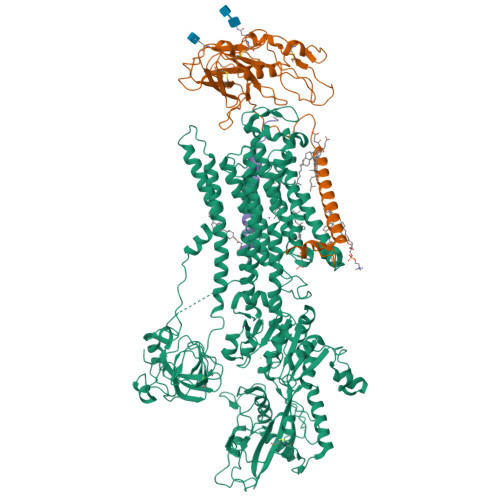
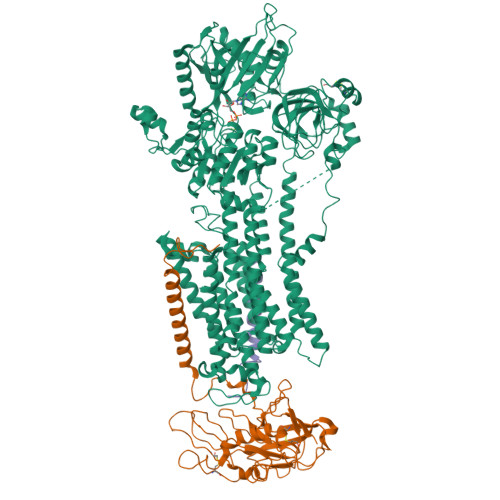
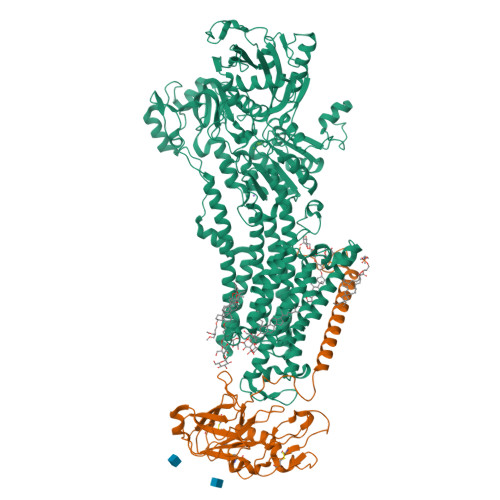
Sodium/potassium-transporting ATPase subunit alpha-1 structureClick to view 3D structureSodium/potassium-transporting ATPase subunit alpha-1P05023HumansKnownLead binds to sodium/potassium-transporting ATPases. (A24)
Click to view 3D structureSodium/potassium-transporting ATPase subunit alpha-2P50993HumansKnownLead binds to sodium/potassium-transporting ATPases. (A24)
Sodium/potassium-transporting ATPase subunit alpha-3 structureClick to view 3D structureSodium/potassium-transporting ATPase subunit alpha-3P13637HumansKnownLead binds to sodium/potassium-transporting ATPases. (A24)
Sodium/potassium-transporting ATPase subunit alpha-4 structureClick to view 3D structureSodium/potassium-transporting ATPase subunit alpha-4Q13733HumansKnownLead binds to sodium/potassium-transporting ATPases. (A24)
Sodium/potassium-transporting ATPase subunit beta-1 structureClick to view 3D structureSodium/potassium-transporting ATPase subunit beta-1P05026HumansKnownLead binds to sodium/potassium-transporting ATPases. (A24)
Click to view 3D structureSodium/potassium-transporting ATPase subunit beta-2P14415HumansKnownLead binds to sodium/potassium-transporting ATPases. (A24)
Click to view 3D structureSodium/potassium-transporting ATPase subunit beta-3P54709HumansKnownLead binds to sodium/potassium-transporting ATPases. (A24)
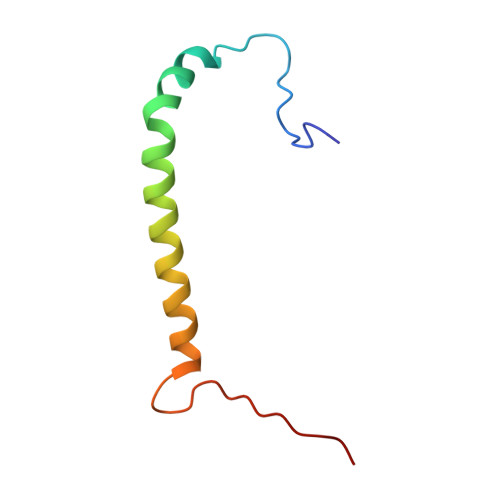
Sodium/potassium-transporting ATPase subunit gamma structureClick to view 3D structureSodium/potassium-transporting ATPase subunit gammaP54710HumansKnownLead binds to sodium/potassium-transporting ATPases. (A24)
Concentrations
Not Available
External Links
DrugBank IDNot Available
HMDB IDNot Available
FooDB IDNot Available
Phenol Explorer IDNot Available
KNApSAcK IDNot Available
BiGG IDNot Available
BioCyc IDNot Available
METLIN IDNot Available
PDB IDNot Available
Wikipedia LinkNot Available
Chemspider IDNot Available
ChEBI IDNot Available
PubChem Compound ID61655
Kegg Compound IDNot Available
YMDB IDNot Available
ECMDB IDNot Available
References
Synthesis ReferenceNot Available
MSDSNot Available
General References
  1. Needleman HL, Schell A, Bellinger D, Leviton A, Allred EN: The long-term effects of exposure to low doses of lead in childhood. An 11-year follow-up report. N Engl J Med. 1990 Jan 11;322(2):83-8. [PubMed: 2294437]
  2. Gill KD, Gupta V, Sandhir R: Ca2+/calmodulin-mediated neurotransmitter release and neurobehavioural deficits following lead exposure. Cell Biochem Funct. 2003 Dec;21(4):345-53. [PubMed: 14624473]
  3. Hashemzadeh-Gargari H, Guilarte TR: Divalent cations modulate N-methyl-D-aspartate receptor function at the glycine site. J Pharmacol Exp Ther. 1999 Sep;290(3):1356-62. [PubMed: 10454514]
  4. Wikipedia. Lead poisoning. Last Updated 3 March 2009. - http://en.wikipedia.org/wiki/Lead_poisoning
  5. ATSDR - Agency for Toxic Substances and Disease Registry (2001). Minimal Risk Levels (MRLs) for Hazardous Substances. U.S. Public Health Service in collaboration with U.S. Environmental Protection Agency (EPA). - http://www.atsdr.cdc.gov/mrls/
  6. International Agency for Research on Cancer (2014). IARC Monographs on the Evaluation of Carcinogenic Risks to Humans. - http://monographs.iarc.fr/index.php
  7. ATSDR - Agency for Toxic Substances and Disease Registry (2007). Toxicological profile for lead. U.S. Public Health Service in collaboration with U.S. Environmental Protection Agency (EPA). - http://www.atsdr.cdc.gov/toxprofiles/tp13.html
  8. Ellenhorn MJ and Barceloux DG (1988). Diagnosis and treatment of human poisoning. Medical Toxicology. New York, New York: Elsevier Science Publishing Company, Inc.
  9. Baselt RC (2000). Disposition of Toxic Drugs and Chemicals in Man, 5th ed. Foster City, CA: Chemical Toxicology Institute.