Silver perchlorate (CED0014727)

Record Information
Version1.0
Creation Date2009-06-19 21:59:02 UTC
Update Date2026-04-05 18:17:59 UTC
SynCED IDCED0014727
Secondary Accession Numbers
  • CHEM001377
  • T3D1613
Identification
Common NameSilver perchlorate
ClassSmall Molecule
Description
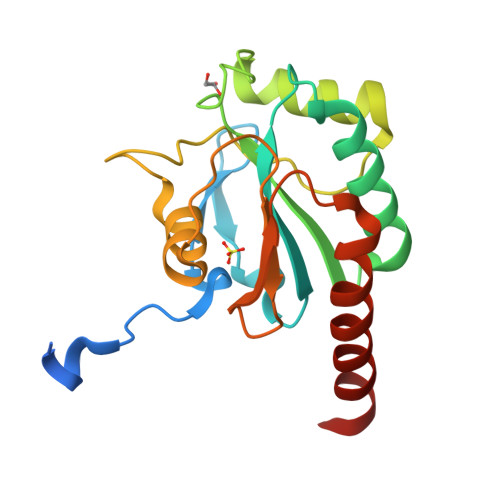
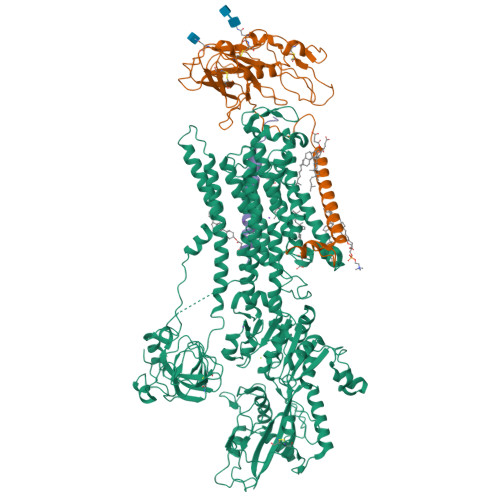
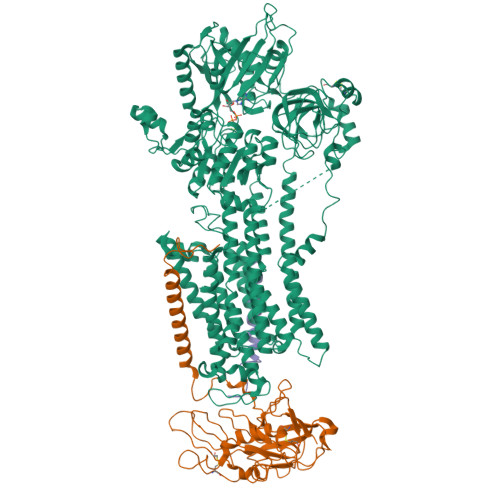
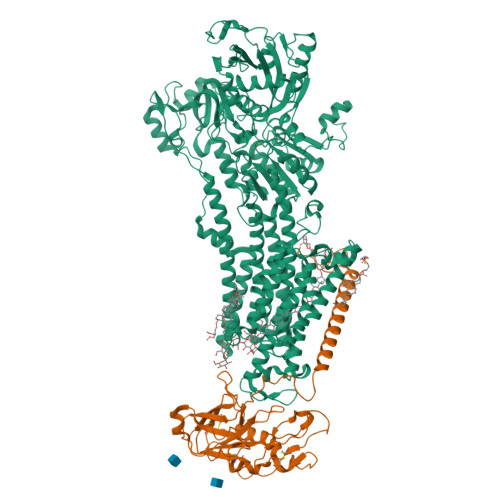
Silver perchlorate (AgClO4) is an inorganic compound with an average molecular weight of 207.32 g/mol. At room temperature, it exists as a liquid. Silver perchlorate belongs to the transition metal perchlorates, a subclass of transition metal oxoanionic compounds within the inorganic compounds. It is an exogenous substance and serves as a useful source of the silver ion, frequently utilized in inorganic chemistry to replace halide ligands with perchlorate. The compound is found in or released from five recorded sources, including bleaching agents within household cleaning and consumer products, as well as electrical and electronic equipment such as antennas, auxiliary devices, fixed capacitors and their manufacture, and superconductive or hyperconductive conductors cables or transmission lines. The silver ion associated with this compound interacts with sixteen recorded protein targets. It is known to inhibit the activity of NA+,K+-ATPase, which disrupts intracellular ion concentrations; the affected proteins include sodium/potassium-transporting ATPase subunit gamma (FXYD2), sodium/potassium-transporting ATPase subunit alpha-1 (ATP1A1), sodium/potassium-transporting ATPase subunit alpha-2 (ATP1A2), sodium/potassium-transporting ATPase subunit alpha-3 (ATP1A3), and four other proteins. Additionally, the silver ion inhibits glutathione peroxidase activity, thereby disrupting selenium-catalyzed sulfhydryl oxidation-reduction reactions. The protein targets for this activity include glutathione peroxidase 1 (GPX1), glutathione peroxidase 2 (GPX2), glutathione peroxidase 3 (GPX3), epididymal secretory glutathione peroxidase (GPX5), and four other proteins.
Contaminant Type
  • Industrial/Workplace Toxin
  • Inorganic Compound
  • Perchlorate
  • Silver Compound
  • Synthetic Compound
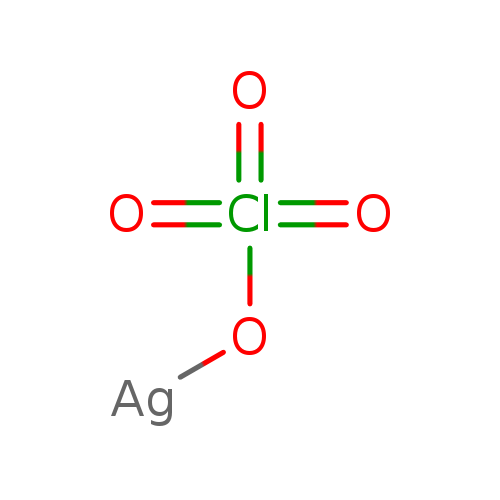
Chemical Structure
Synonyms
ValueSource
Silver perchloric acidGenerator
Chemical FormulaAgClO4
Average Molecular Mass207.319 g/mol
Monoisotopic Mass205.854 g/mol
CAS Registry Number7783-93-9
IUPAC Nameargentio perchlorate
Traditional Nameargentio perchlorate
SMILES[Ag]O[Cl](=O)(=O)=O
InChI IdentifierInChI=1S/Ag.ClHO4/c;2-1(3,4)5/h;(H,2,3,4,5)/q+1;/p-1
InChI KeyYDHABVNRCBNRNZ-UHFFFAOYSA-M
Chemical Taxonomy
Description Belongs to the class of inorganic compounds known as transition metal perchlorates. These are inorganic compounds in which the largest oxoanion is perchlorate, and in which the heaviest atom not in an oxoanion is a transition metal.
KingdomInorganic compounds
Super ClassMixed metal/non-metal compounds
ClassTransition metal oxoanionic compounds
Sub ClassTransition metal perchlorates
Direct ParentTransition metal perchlorates
Alternative Parents
Substituents
  • Transition metal perchlorate
  • Inorganic silver salt
  • Inorganic oxide
  • Inorganic salt
Molecular FrameworkNot Available
External DescriptorsNot Available
Biological Properties
StatusDetected and Not Quantified
OriginExogenous
Cellular Locations
  • Cytoplasm
  • Extracellular
Biofluid LocationsNot Available
Tissue LocationsNot Available
ApplicationsNot Available
Biological RolesNot Available
Chemical RolesNot Available
Organoleptic EffectsNot Available
Physical Properties
StateLiquid
AppearanceColorless hygroscopic crystals
Experimental Properties
PropertyValue
Melting Point-6.15°C
Boiling PointNot Available
Solubility865 mg/mL at 43°C [HILL,AE & MACY,P (1924)]
Predicted Properties
PropertyValueSource
logP-0.27ChemAxon
Physiological Charge0ChemAxon
Hydrogen Acceptor Count3ChemAxon
Hydrogen Donor Count0ChemAxon
Polar Surface Area60.44 ŲChemAxon
Rotatable Bond Count1ChemAxon
Refractivity11.82 m³·mol⁻¹ChemAxon
Polarizability7.13 ųChemAxon
Number of Rings0ChemAxon
BioavailabilityYesChemAxon
Rule of FiveYesChemAxon
Ghose FilterNoChemAxon
Veber's RuleNoChemAxon
MDDR-like RuleNoChemAxon
Spectra
SpectraNot Available
Toxicity Profile
Toxicity ValuesNot Available
Toxicity / Toxin ClassNot Available
Mechanism of ToxicityMetallic silver is oxidized and may deposit in the tissues, causing arygria. The silver ion is known to inhibit glutathione peroxidase and NA+,K+-ATPase activity, disrupting selenium-catalyzed sulfhydryl oxidation-reduction reactions and intracellular ion concentrations, respectively. Silver nanoparticles are believed to disrupt the mitochondrial respiratory chain, causing oxidative stress, reduced ATP synthesis, and DNA damage. (5, 1, 2, 3, 4)
Carcinogenicity (IARC Classification)No indication of carcinogenicity to humans (not listed by IARC).
Minimum Risk LevelNot Available
SymptomsExposure to high levels of silver for a long period of time may result in a condition called arygria, a blue-gray discoloration of the skin and other body tissues. Argyria is a permanent effect but does not appear to be harmful to health. Exposure to high levels of silver in the air has resulted in breathing problems, lung and throat irritation, and stomach pains. Skin contact with silver can cause mild allergic reactions such as rash, swelling, and inflammation in some people. (5)
TreatmentEYES: irrigate opened eyes for several minutes under running water. INGESTION: do not induce vomiting. Rinse mouth with water (never give anything by mouth to an unconscious person). Seek immediate medical advice. SKIN: should be treated immediately by rinsing the affected parts in cold running water for at least 15 minutes, followed by thorough washing with soap and water. If necessary, the person should shower and change contaminated clothing and shoes, and then must seek medical attention. INHALATION: supply fresh air. If required provide artificial respiration.
Health Effects
Health EffectRelationshipDirectionDescriptionReference
Exposure Sources
Source IDSourceSectorReference
CEDs000010Insecticides?Insecticides are synthetic chemicals designed to control or eliminate insect pests that threaten crops and other agricultural products.Agriculture & land managementPubChem
CEDs000233Brushes?Brushes used in personal care and cosmetics can be a source of synthetic chemical contamination due to the materials and coatings used in their manufacturing.Personal care & cosmeticsPubChem
CEDs000506Antennas?Antennas, commonly used in communication technologies, can be a source of synthetic chemical contamination through the materials and coatings used in their construction.Electrical & Electronic EquipmentPubChem
CEDs000507Auxiliary Devices?Auxiliary devices, such as capacitors, transformers, and circuit breakers, are integral components in various electronic systems.Electrical & Electronic EquipmentPubChem
CEDs000511Conductors Or Conductive Bodies Characterised By The Conductive Materials?Conductors, or conductive bodies, are materials that allow the flow of electrical current, typically made from metals such as copper, aluminum, or silver.Electrical & Electronic EquipmentPubChem
CEDs000519Electrodes?Electrodes, used in various electrical and electronic applications, can be a source of synthetic chemical contamination due to the materials from which they are constructed and the processes involved in their manufacturing.Electrical & Electronic EquipmentPubChem
CEDs000521Fixed Capacitors And Their Manufacture?Fixed capacitors are passive electronic components used to store and release electrical energy, playing a critical role in various circuits.Electrical & Electronic EquipmentPubChem
CEDs000524Hybrid Capacitors?Hybrid capacitors are energy storage devices that combine the properties of electrolytic and supercapacitors, utilizing a combination of electrochemical principles to achieve higher energy density and power density.Electrical & Electronic EquipmentPubChem
CEDs000536Superconductive Or Hyperconductive Conductors Cables Or Transmission Lines?Superconductive or hyperconductive conductors, including cables and transmission lines, are materials that exhibit zero electrical resistance under specific conditions, typically at low temperatures.Electrical & Electronic EquipmentPubChem
CEDs000545Food Preservation?Food preservation often involves the use of synthetic chemicals, such as preservatives, flavor enhancers, and color additives, to extend shelf life and enhance the sensory qualities of food products.Food, food processing & cookwarePubChem
CEDs000555Bleaching Agents?Bleaching agents are chemical substances used to whiten or lighten materials, often employed in various cleaning products for their stain removal and disinfecting properties.Household cleaning & consumer productsPubChem
CEDs000561Perfumes Within Detergents And Soaps?Perfumes within detergents and soaps are synthetic fragrance compounds added to enhance the sensory experience of cleaning products.Household cleaning & consumer productsPubChem
CEDs000563Soap Detergents?Soap detergents are synthetic surfactants designed to enhance the cleaning efficacy of water by reducing surface tension, allowing for better interaction with dirt and grease.Household cleaning & consumer productsPubChem
CEDs000580Manufacture Preparation Of Tobacco Products?The manufacture and preparation of tobacco products involve various processes that can result in the introduction of synthetic chemicals into the environment.Industrial manufacturing & chemical processingPubChem
CEDs000610Aftersun Products?Aftersun products are designed to soothe and hydrate the skin after sun exposure, often containing various synthetic chemicals such as emollients, preservatives, and fragrances.Personal care & cosmeticsPubChem
CEDs000611Anti Perspirants Or Body Deoderants?Antiperspirants and body deodorants commonly contain synthetic chemicals such as aluminum compounds, parabens, and synthetic fragrances.Personal care & cosmeticsPubChem
CEDs000614Essential Oils Or Perfumes?Essential oils and perfumes are complex mixtures of volatile compounds derived from natural or synthetic sources, commonly used for their aromatic properties.Personal care & cosmeticsPubChem
CEDs000615Eye Makeup Products?Eye makeup products, including mascaras, eyeliners, and eyeshadows, often contain a variety of synthetic chemicals such as pigments, preservatives, and film-forming agents.Personal care & cosmeticsPubChem
CEDs000616Face Mask Cosmetics?Face mask cosmetics often contain a variety of synthetic chemicals, including preservatives, emulsifiers, and fragrances, which can contribute to chemical contamination.Personal care & cosmeticsPubChem
CEDs000618Lip Makeup Products?Lip makeup products, such as lipsticks, lip glosses, and lip liners, often contain a variety of synthetic chemicals, including pigments, preservatives, and emollients.Personal care & cosmeticsPubChem
CEDs000619Manicure Pedicure?Manicure and pedicure procedures often involve the use of various synthetic chemicals, including solvents, nail polishes, and nail adhesives.Personal care & cosmeticsPubChem
CEDs000632Apparel?Apparel production often involves the use of various synthetic chemicals, including dyes, finishing agents, and preservatives.Textiles, leather & furnishingsPubChem
CEDs000638Decorating Textiles?Decorating textiles often involves the use of synthetic chemicals such as dyes, finishes, and coatings.Textiles, leather & furnishingsPubChem
CEDs000640Embroidering And Tufting?Embroidering and tufting processes often involve the use of synthetic chemicals such as dyes, adhesives, and finishing agents.Textiles, leather & furnishingsPubChem
CEDs000647Multicolour Dyeing?Multicolour dyeing involves the application of multiple synthetic dyes to textiles and other materials to achieve vibrant, diverse color patterns.Textiles, leather & furnishingsPubChem
CEDs000650Purses Luggage Hand Bags?Purses, luggage, and handbags are often manufactured using synthetic materials such as polyvinyl chloride (PVC), polyurethane, and various types of nylon.Textiles, leather & furnishingsPubChem
CEDs000662Yarns Or Threads?Yarns or threads used in textiles can be a source of synthetic chemical contamination due to the production processes and treatments they undergo.Textiles, leather & furnishingsPubChem
CEDs000684Cements?Cements are a composite material primarily used as a binding agent in construction applications, formed by the calcination of limestone and clay minerals at high temperatures.Building & ConstructionPubChem
CEDs000685Ceramics?Ceramics can be a source of synthetic chemical contamination through various additives and processing agents used in their production.Building & ConstructionPubChem
CEDs000688Glass Coatings?Glass coatings are synthetic chemical formulations applied to glass surfaces to enhance properties such as durability, UV resistance, and aesthetic appeal.Building & ConstructionPubChem
CEDs000693Silica Glass?Silica glass, primarily composed of silicon dioxide (SiO2), is widely used in various applications, including windows, glass facades, and insulation materials.Building & ConstructionPubChem
CEDs000696Nanotechnology?Nanotechnology involves the manipulation of materials at the molecular or atomic level, typically within the range of 1 to 100 nanometers.Industrial manufacturing & chemical processingPubChem
CEDs000727Printing Machines Or Presses?Printing machines or presses commonly utilize synthetic chemicals such as inks, solvents, and cleaning agents.Paper, pulp & fiber productsPubChem
CEDs000734Coating Compositions?Coating compositions, which include paints, sealants, and varnishes, are formulated with a variety of synthetic chemicals such as solvents, resins, pigments, and additives.Building & ConstructionPubChem
CEDs000735Explosives?Explosives are chemical compounds or mixtures designed to undergo rapid decomposition, releasing energy in the form of gas and heat.Defense & military infrastructurePubChem
CEDs000736Fuses?Fuses are safety devices designed to protect electrical circuits by breaking the circuit when excessive current flows through.Electrical & Electronic EquipmentPubChem
CEDs000738Cooling Circuit Water?Cooling circuit water is utilized in various industrial processes to absorb and dissipate heat generated during operations.Industrial manufacturing & chemical processingPubChem
CEDs000739Inks?Inks are complex mixtures composed of pigments or dyes, solvents, resins, and additives used primarily for printing and writing applications.Paper, pulp & fiber productsPubChem
CEDs000740Paper?Paper production involves the processing of wood fibers and the use of various chemicals, which can lead to synthetic chemical contamination.Paper, pulp & fiber productsPubChem
CEDs000741Pigment Pastes?Pigment pastes are concentrated dispersions of pigments used to impart color and properties to materials.Paper, pulp & fiber productsPubChem
CEDs000743Sludge Treatment?Sludge treatment involves the processing of waste materials generated from wastewater treatment plants, which often contain a variety of organic and inorganic substances.Wastewater, sanitation & biosolidsPubChem
CEDs000744Water, Wastewater, & Sewage Treatment?Water, wastewater, and sewage treatment processes are critical for managing and mitigating pollutants in water systems.Wastewater, sanitation & biosolidsPubChem
CEDs01879ResinIndustrial manufacturing & chemical processingPMC12138713
Pathways
0 pathwaysPathway Source: PathBank

No pathways found

No metabolic pathways have been associated with this synthetic chemical

Targets
StructureProteinUniProt IDOrganismRelationshipDetails
Click to view 3D structureCarbonic anhydrase 4Q95323Bos taurusPredicted (SEA)
Prediction Confidence Score
0.073
Applicability Domain
0.083 Low confidence
Statistical Significance
0.9992
Supporting Reference Compounds
64
E-value
7778.69
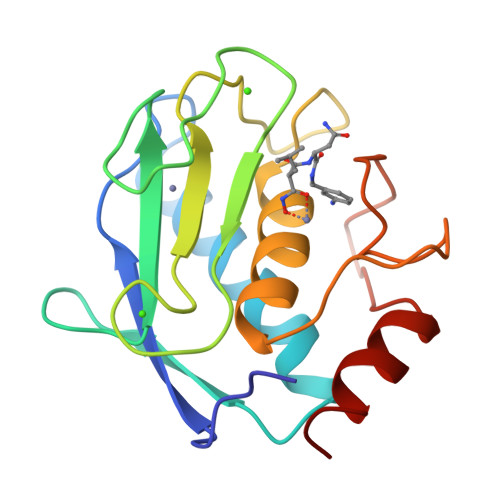
Carbonic anhydrase 2 structureClick to view 3D structureCarbonic anhydrase 2P00918HumansPredicted (SEA)
Prediction Confidence Score
0.073
Applicability Domain
0.083 Low confidence
Statistical Significance
1.0
Supporting Reference Compounds
472
E-value
7784.77
Carbonic anhydrase 1 structureClick to view 3D structureCarbonic anhydrase 1P00915HumansPredicted (SEA)
Prediction Confidence Score
0.072
Applicability Domain
0.087 Low confidence
Statistical Significance
1.0
Supporting Reference Compounds
407
E-value
7784.84
Carbonic anhydrase 4 structureClick to view 3D structureCarbonic anhydrase 4P22748HumansPredicted (SEA)
Prediction Confidence Score
0.071
Applicability Domain
0.087 Low confidence
Statistical Significance
0.9999
Supporting Reference Compounds
193
E-value
7784.53
Carbonic anhydrase 9 structureClick to view 3D structureCarbonic anhydrase 9Q16790HumansPredicted (SEA)
Prediction Confidence Score
0.068
Applicability Domain
0.073 Low confidence
Statistical Significance
1.0
Supporting Reference Compounds
372
E-value
7784.84
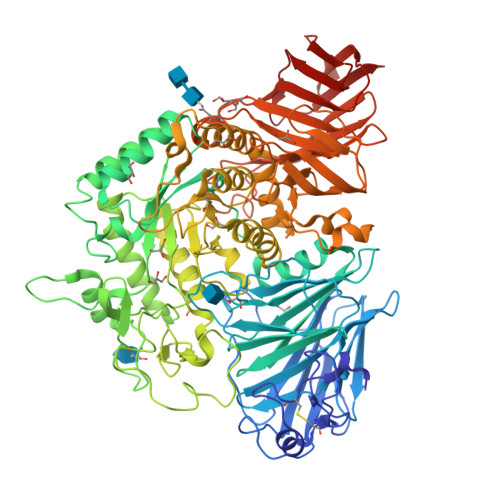
Maltase-glucoamylase structureClick to view 3D structureMaltase-glucoamylaseO43451HumansPredicted (SEA)
Prediction Confidence Score
0.068
Applicability Domain
0.083 Low confidence
Statistical Significance
0.9995
Supporting Reference Compounds
30
E-value
7781.03
Carbonic anhydrase 7 structureClick to view 3D structureCarbonic anhydrase 7P43166HumansPredicted (SEA)
Prediction Confidence Score
0.065
Applicability Domain
0.073 Low confidence
Statistical Significance
0.9999
Supporting Reference Compounds
242
E-value
7784.53
Click to view 3D structureCarbonic anhydrase 5B, mitochondrialQ9Y2D0HumansPredicted (SEA)
Prediction Confidence Score
0.065
Applicability Domain
0.073 Low confidence
Statistical Significance
0.9999
Supporting Reference Compounds
157
E-value
7784.53
Click to view 3D structureCarbonic anhydrase 5A, mitochondrialP35218HumansPredicted (SEA)
Prediction Confidence Score
0.065
Applicability Domain
0.073 Low confidence
Statistical Significance
0.9999
Supporting Reference Compounds
165
E-value
7784.53
Click to view 3D structureLysosomal alpha-glucosidaseQ6P7A9Rattus norvegicusPredicted (SEA)
Prediction Confidence Score
0.064
Applicability Domain
0.083 Low confidence
Statistical Significance
0.8849
Supporting Reference Compounds
21
E-value
6889.11
Carbonic anhydrase 12 structureClick to view 3D structureCarbonic anhydrase 12O43570HumansPredicted (SEA)
Prediction Confidence Score
0.064
Applicability Domain
0.073 Low confidence
Statistical Significance
1.0
Supporting Reference Compounds
332
E-value
7784.69
Matrix metalloproteinase-9 structureClick to view 3D structureMatrix metalloproteinase-9P14780HumansPredicted (SEA)
Prediction Confidence Score
0.063
Applicability Domain
0.083 Low confidence
Statistical Significance
0.9999
Supporting Reference Compounds
292
E-value
7784.53
Click to view 3D structureDNA damage-inducible transcript 3 proteinP35639Mus musculusPredicted (SEA)
Prediction Confidence Score
0.062
Applicability Domain
0.075 Low confidence
Statistical Significance
0.9999
Supporting Reference Compounds
226
E-value
7784.53
X-box-binding protein 1 structureClick to view 3D structureX-box-binding protein 1P17861HumansPredicted (SEA)
Prediction Confidence Score
0.062
Applicability Domain
0.075 Low confidence
Statistical Significance
0.9999
Supporting Reference Compounds
227
E-value
7784.53
Cytochrome P450 2C9 structureClick to view 3D structureCytochrome P450 2C9P11712HumansPredicted (SEA)
Prediction Confidence Score
0.062
Applicability Domain
0.066 Low confidence
Statistical Significance
1.0
Supporting Reference Compounds
1245
E-value
7784.69
Click to view 3D structureSucrase-isomaltase, intestinalP23739Rattus norvegicusPredicted (SEA)
Prediction Confidence Score
0.062
Applicability Domain
0.069 Low confidence
Statistical Significance
0.8978
Supporting Reference Compounds
25
E-value
6989.23
Neutrophil collagenase structureClick to view 3D structureNeutrophil collagenaseP22894HumansPredicted (SEA)
Prediction Confidence Score
0.062
Applicability Domain
0.083 Low confidence
Statistical Significance
0.9999
Supporting Reference Compounds
176
E-value
7784.46
Carbonic anhydrase 14 structureClick to view 3D structureCarbonic anhydrase 14Q9ULX7HumansPredicted (SEA)
Prediction Confidence Score
0.061
Applicability Domain
0.073 Low confidence
Statistical Significance
0.9999
Supporting Reference Compounds
172
E-value
7784.53
Carbonic anhydrase 6 structureClick to view 3D structureCarbonic anhydrase 6P23280HumansPredicted (SEA)
Prediction Confidence Score
0.06
Applicability Domain
0.073 Low confidence
Statistical Significance
0.9999
Supporting Reference Compounds
151
E-value
7784.53
Click to view 3D structureCarbonic anhydrase 15Q99N23Mus musculusPredicted (SEA)
Prediction Confidence Score
0.06
Applicability Domain
0.073 Low confidence
Statistical Significance
0.9999
Supporting Reference Compounds
78
E-value
7784.3
Lysosomal alpha-glucosidase structureClick to view 3D structureLysosomal alpha-glucosidaseP10253HumansPredicted (SEA)
Prediction Confidence Score
0.06
Applicability Domain
0.069 Low confidence
Statistical Significance
0.9936
Supporting Reference Compounds
21
E-value
7735.1
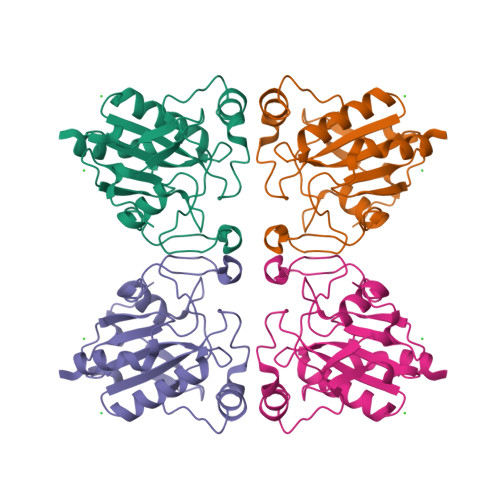
Protein RecA structureClick to view 3D structureProtein RecAP9WHJ3Mycobacterium tuberculosisPredicted (SEA)
Prediction Confidence Score
0.06
Applicability Domain
0.083 Low confidence
Statistical Significance
0.9999
Supporting Reference Compounds
296
E-value
7784.53
Inositol 1,4,5-trisphosphate-gated calcium channel ITPR1 structureClick to view 3D structureInositol 1,4,5-trisphosphate-gated calcium channel ITPR1P29994Rattus norvegicusPredicted (SEA)
Prediction Confidence Score
0.06
Applicability Domain
0.081 Low confidence
Statistical Significance
0.2074
Supporting Reference Compounds
2
E-value
1614.75
Click to view 3D structureStreptokinase AP10520Streptococcus pyogenes serotype M1Predicted (SEA)
Prediction Confidence Score
0.059
Applicability Domain
0.083 Low confidence
Statistical Significance
1.0
Supporting Reference Compounds
425
E-value
7784.61
C-C chemokine receptor type 2 structureClick to view 3D structureC-C chemokine receptor type 2P41597HumansPredicted (SEA)
Prediction Confidence Score
0.059
Applicability Domain
0.066 Low confidence
Statistical Significance
0.9999
Supporting Reference Compounds
72
E-value
7784.22
Epididymal secretory glutathione peroxidase structureClick to view 3D structureEpididymal secretory glutathione peroxidaseO75715HumansKnownThe silver ion is known to inhibit glutathione peroxidase activity, disrupting selenium-catalyzed sulfhydryl oxidation-reduction reactions. (A246)
Glutathione peroxidase 1 structureClick to view 3D structureGlutathione peroxidase 1P07203HumansKnownThe silver ion is known to inhibit glutathione peroxidase activity, disrupting selenium-catalyzed sulfhydryl oxidation-reduction reactions. (A246)
Glutathione peroxidase 2 structureClick to view 3D structureGlutathione peroxidase 2P18283HumansKnownThe silver ion is known to inhibit glutathione peroxidase activity, disrupting selenium-catalyzed sulfhydryl oxidation-reduction reactions. (A246)
Glutathione peroxidase 3 structureClick to view 3D structureGlutathione peroxidase 3P22352HumansKnownThe silver ion is known to inhibit glutathione peroxidase activity, disrupting selenium-catalyzed sulfhydryl oxidation-reduction reactions. (A246)
Click to view 3D structureGlutathione peroxidase 6P59796HumansKnownThe silver ion is known to inhibit glutathione peroxidase activity, disrupting selenium-catalyzed sulfhydryl oxidation-reduction reactions. (A246)
Glutathione peroxidase 7 structureClick to view 3D structureGlutathione peroxidase 7Q96SL4HumansKnownThe silver ion is known to inhibit glutathione peroxidase activity, disrupting selenium-catalyzed sulfhydryl oxidation-reduction reactions. (A246)
Phospholipid hydroperoxide glutathione peroxidase GPX4 structureClick to view 3D structurePhospholipid hydroperoxide glutathione peroxidase GPX4P36969HumansKnownThe silver ion is known to inhibit glutathione peroxidase activity, disrupting selenium-catalyzed sulfhydryl oxidation-reduction reactions. (A246)
Probable glutathione peroxidase 8 structureClick to view 3D structureProbable glutathione peroxidase 8Q8TED1HumansKnownThe silver ion is known to inhibit glutathione peroxidase activity, disrupting selenium-catalyzed sulfhydryl oxidation-reduction reactions. (A246)
Sodium/potassium-transporting ATPase subunit alpha-1 structureClick to view 3D structureSodium/potassium-transporting ATPase subunit alpha-1P05023HumansKnownThe silver ion is known to inhibit NA+,K+-ATPase activity, disrupting intracellular ion concentrations. (A243)
Click to view 3D structureSodium/potassium-transporting ATPase subunit alpha-2P50993HumansKnownThe silver ion is known to inhibit NA+,K+-ATPase activity, disrupting intracellular ion concentrations. (A243)
Sodium/potassium-transporting ATPase subunit alpha-3 structureClick to view 3D structureSodium/potassium-transporting ATPase subunit alpha-3P13637HumansKnownThe silver ion is known to inhibit NA+,K+-ATPase activity, disrupting intracellular ion concentrations. (A243)
Sodium/potassium-transporting ATPase subunit alpha-4 structureClick to view 3D structureSodium/potassium-transporting ATPase subunit alpha-4Q13733HumansKnownThe silver ion is known to inhibit NA+,K+-ATPase activity, disrupting intracellular ion concentrations. (A243)
Sodium/potassium-transporting ATPase subunit beta-1 structureClick to view 3D structureSodium/potassium-transporting ATPase subunit beta-1P05026HumansKnownThe silver ion is known to inhibit NA+,K+-ATPase activity, disrupting intracellular ion concentrations. (A243)
Click to view 3D structureSodium/potassium-transporting ATPase subunit beta-2P14415HumansKnownThe silver ion is known to inhibit NA+,K+-ATPase activity, disrupting intracellular ion concentrations. (A243)
Click to view 3D structureSodium/potassium-transporting ATPase subunit beta-3P54709HumansKnownThe silver ion is known to inhibit NA+,K+-ATPase activity, disrupting intracellular ion concentrations. (A243)
Sodium/potassium-transporting ATPase subunit gamma structureClick to view 3D structureSodium/potassium-transporting ATPase subunit gammaP54710HumansKnownThe silver ion is known to inhibit NA+,K+-ATPase activity, disrupting intracellular ion concentrations. (A243)
Concentrations
Not Available
External Links
DrugBank IDNot Available
HMDB IDNot Available
FooDB IDNot Available
Phenol Explorer IDNot Available
KNApSAcK IDNot Available
BiGG IDNot Available
BioCyc IDNot Available
METLIN IDNot Available
PDB IDNot Available
Wikipedia LinkSilver perchlorate
Chemspider IDNot Available
ChEBI IDNot Available
PubChem Compound ID24562
Kegg Compound IDNot Available
YMDB IDNot Available
ECMDB IDNot Available
References
Synthesis ReferenceNot Available
MSDSNot Available
General References
  1. Bianchini A, Playle RC, Wood CM, Walsh PJ: Mechanism of acute silver toxicity in marine invertebrates. Aquat Toxicol. 2005 Mar 25;72(1-2):67-82. Epub 2004 Dec 29. [PubMed: 15748748]
  2. AshaRani PV, Low Kah Mun G, Hande MP, Valiyaveettil S: Cytotoxicity and genotoxicity of silver nanoparticles in human cells. ACS Nano. 2009 Feb 24;3(2):279-90. doi: 10.1021/nn800596w. [PubMed: 19236062]
  3. Kim S, Choi JE, Choi J, Chung KH, Park K, Yi J, Ryu DY: Oxidative stress-dependent toxicity of silver nanoparticles in human hepatoma cells. Toxicol In Vitro. 2009 Sep;23(6):1076-84. doi: 10.1016/j.tiv.2009.06.001. Epub 2009 Jun 7. [PubMed: 19508889]
  4. Dillard CJ, Tappel AL: Mercury, silver, and gold inhibition of selenium-accelerated cysteine oxidation. J Inorg Biochem. 1986 Sep;28(1):13-20. [PubMed: 3760861]
  5. ATSDR - Agency for Toxic Substances and Disease Registry (1990). Toxicological profile for silver. U.S. Public Health Service in collaboration with U.S. Environmental Protection Agency (EPA). - http://www.atsdr.cdc.gov/toxprofiles/tp.asp?id=539&tid=97
  6. Wikipedia. Silver. Last updated Dec 2014. - http://en.wikipedia.org/wiki/Silver
  7. International Programme on Chemical Safety (IPCS) INCHEM (1977). WHO Food Additive Series No. 12: Silver. - http://www.inchem.org/documents/jecfa/jecmono/v12je19.htm
  8. Wikipedia. Silver perchlorate. Last Updated 28 May 2009. ht - http://en.wikipedia.org/wiki/Silver_perchlorate