Bromoform (CED0007313)

Record Information
Version1.0
Creation Date2009-06-22 16:08:36 UTC
Update Date2026-05-14 17:47:52 UTC
SynCED IDCED0007313
Secondary Accession Numbers
  • CHEM001535
  • T3D1785
Identification
Common NameBromoform
ClassSmall Molecule
Description
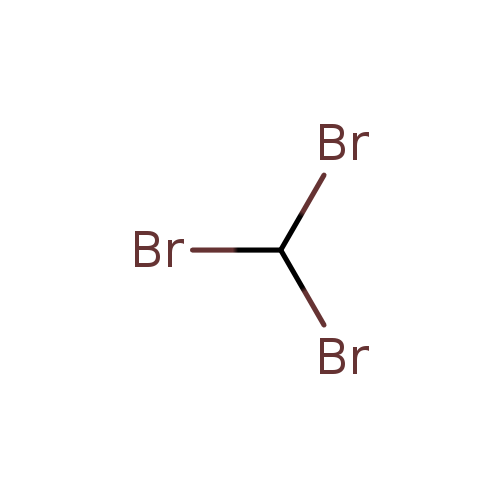
Bromoform (CHBr3) is an exogenous organic compound with an average molecular weight of 252.73 g/mol. At room temperature, it exists as a liquid. Bromoform belongs to the halomethanes, a subclass of alkyl halides within the organic compounds. This compound is found in or released from 20 recorded sources, including household cleaning and consumer products such as soap detergents, bleaching agents, perfumes within detergents and soaps, and tobacco smoke filters. Other sources include food, food processing and cookware—specifically fermentation processes for beer, food preservation, processing meats, and the preparation of wine or sparkling wine, as well as food contact materials. It is also associated with electrical and electronic equipment, including amplifiers, antennas, conductors or conductive bodies characterised by the conductive materials, discharge lamps, and electric switches. While its presence in superabsorbent polymer plastics is inconclusive, recorded exposure routes include touch, oral, and inhalation. Inhalation is an exposure route supported by literature (PMC6210579 ). Regarding health effects, bromoform is associated with cancer (PMC10552926 ).
Contaminant Type
  • Bromide Compound
  • Industrial/Workplace Toxin
  • Organic Compound
  • Organobromide
  • Pollutant
  • Synthetic Compound
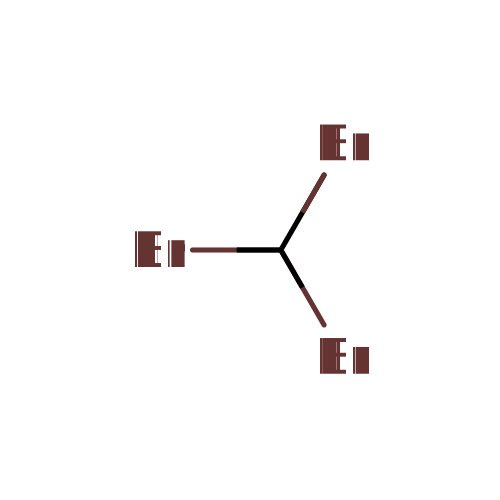
Chemical Structure
Synonyms
ValueSource
CHBR3ChEBI
Methyl tribromideChEBI
TribrommethanChEBI
TribromomethaneChEBI
Chemical FormulaCHBr3
Average Molecular Mass252.731 g/mol
Monoisotopic Mass249.763 g/mol
CAS Registry Number75-25-2
IUPAC Nametribromomethane
Traditional Nametribromomethane
SMILESBrC(Br)Br
InChI IdentifierInChI=1S/CHBr3/c2-1(3)4/h1H
InChI KeyDIKBFYAXUHHXCS-UHFFFAOYSA-N
Chemical Taxonomy
Description Belongs to the class of organic compounds known as trihalomethanes. These are organic compounds in which exactly three of the four hydrogen atoms of methane (CH4) are replaced by halogen atoms.
KingdomOrganic compounds
Super ClassOrganohalogen compounds
ClassAlkyl halides
Sub ClassHalomethanes
Direct ParentTrihalomethanes
Alternative Parents
Substituents
  • Trihalomethane
  • Hydrocarbon derivative
  • Organobromide
  • Alkyl bromide
  • Aliphatic acyclic compound
Molecular FrameworkAliphatic acyclic compounds
External Descriptors
Biological Properties
StatusDetected and Not Quantified
OriginExogenous
Cellular Locations
  • Membrane
Biofluid LocationsNot Available
Tissue LocationsNot Available
ApplicationsNot Available
Biological Roles
  • carcinogenic agent (PMC8697901 )?A role played by a chemical compound which is known to induce a process of carcinogenesis by corrupting normal cellular pathways, leading to the acquistion of tumoral capabilities.
Chemical RolesNot Available
Organoleptic EffectsNot Available
Physical Properties
StateLiquid
AppearanceColorless to pale yellow liquid.
Experimental Properties
PropertyValue
Melting Point8.0°C
Boiling PointNot Available
Solubility3.1 mg/mL at 25°C [HORVATH,AL (1982)]
Predicted Properties
PropertyValueSource
Water Solubility1.88 g/LALOGPS
logP2.5ALOGPS
logP2.28ChemAxon
logS-2.1ALOGPS
Physiological Charge0ChemAxon
Hydrogen Acceptor Count0ChemAxon
Hydrogen Donor Count0ChemAxon
Polar Surface Area0 ŲChemAxon
Rotatable Bond Count0ChemAxon
Refractivity29.79 m³·mol⁻¹ChemAxon
Polarizability11.76 ųChemAxon
Number of Rings0ChemAxon
BioavailabilityYesChemAxon
Rule of FiveYesChemAxon
Ghose FilterNoChemAxon
Veber's RuleYesChemAxon
MDDR-like RuleNoChemAxon
Spectra
Spectra
Spectrum TypeDescriptionSplash KeyDeposition DateView
Predicted GC-MSPredicted GC-MS Spectrumsplash10-0uk9-0690000000-cf918f4ef5ff0fffbc1cNot AvailableView Spectrum
Predicted GC-MSPredicted GC-MS SpectrumNot AvailableNot AvailableView Spectrum
Predicted LC-MS/MSPredicted LC-MS/MS Spectrumsplash10-0udi-0090000000-dd030734cf7764ec810cNot AvailableView Spectrum
Predicted LC-MS/MSPredicted LC-MS/MS Spectrumsplash10-0002-0090000000-1cb844658b3e1f33d0cbNot AvailableView Spectrum
Predicted LC-MS/MSPredicted LC-MS/MS Spectrumsplash10-0002-0090000000-7cd37b79b938cbc67c93Not AvailableView Spectrum
Predicted LC-MS/MSPredicted LC-MS/MS Spectrumsplash10-0udi-0090000000-1e545b3590d977437602Not AvailableView Spectrum
Predicted LC-MS/MSPredicted LC-MS/MS Spectrumsplash10-00di-0900000000-50890b507068e41b6423Not AvailableView Spectrum
MSMS Spectrumsplash10-00di-3910000000-f32fccd20ffca8d20545Not AvailableView Spectrum
Toxicity Profile
Toxicity Values
Toxicity ValueOrganismDose DescriptorRoute of ExposurePredicted or ExperimentalToxicity RatingReference
414.0 mg/kg RatLD50IntraperitonealexperimentalNot Available7
1400.0 mg/kg MouseLD50OralexperimentalNot Available7
1820.0 mg/kg MouseLD50SubcutaneousexperimentalNot Available7
601.0 Log mg/kg [340:1100]RatLD50oralpredictedNot AvailableNot Available
Toxicity / Toxin ClassNot Available
Mechanism of ToxicityBromine is a powerful oxidizing agent and is able to release oxygen free radicals from the water in mucous membranes. These free radicals are also potent oxidizers and produce tissue damage. In additon, the formation of hydrobromic and bromic acids will result in secondary irritation. The bromide ion is also known to affect the central nervous system, causing bromism. This is believed to be a result of bromide ions substituting for chloride ions in the in actions of neurotransmitters and transport systems, thus affecting numerous synaptic processes. (4, 5, 1)
Carcinogenicity (IARC Classification)3, not classifiable as to its carcinogenicity to humans. (2)
Minimum Risk LevelNot Available
SymptomsBromine vapour causes irritation and direct damage to the mucous membranes. Symptoms include lacrimation, rhinorrhoea, eye irritation with mucous secretions from the oropharyngeal and upper airways, coughing, dyspnoea, choking, wheezing, epistaxis, and headache. The bromide ion is a central nervous system depressant producing ataxia, slurred speech, tremor, nausea, vomiting, lethargy, dizziness, visual disturbances, unsteadiness, headaches, impaired memory and concentration, disorientation and hallucinations. This is called bromism. (4, 5)
TreatmentEYES: irrigate opened eyes for several minutes under running water. INGESTION: do not induce vomiting. Rinse mouth with water (never give anything by mouth to an unconscious person). Seek immediate medical advice. SKIN: should be treated immediately by rinsing the affected parts in cold running water for at least 15 minutes, followed by thorough washing with soap and water. If necessary, the person should shower and change contaminated clothing and shoes, and then must seek medical attention. INHALATION: supply fresh air. If required provide artificial respiration.
Health Effects
Health EffectRelationshipDirectionDescriptionReference
cancerAssociated With?Not AvailableCancer is a group of diseases involving abnormal cell growth with the potential to invade or spread to other parts of the body. Possible signs and symptoms include a lump, abnormal bleeding, prolonged cough, unexplained weight loss, and a change in bowel movements. There are over 100 types of cancers affect humans. The risk of developing certain cancers can be reduced by not smoking, maintaining a healthy weight, not drinking too much alcohol, eating plenty of vegetables, fruits and whole grains, vaccination against certain infectious diseases, not eating too much processed and red meat and avoiding too much sunlight exposure. Cancer is often treated with some combination of radiation therapy, surgery, chemotherapy and targeted therapy. The majority of cancers, some 90–95% of cases, are due to genetic mutations from environmental and lifestyle factors. The remaining 5–10% are due to inherited genetics.PMC10552926 , PMC5721515
gastroschisisAssociated With?Not AvailableNot AvailablePMC2790500
urinary bladder cancerAssociated With?increaseNot AvailablePMC9530410
Exposure Sources
Source IDSourceSectorReference
CEDs000010Insecticides?Insecticides are synthetic chemicals designed to control or eliminate insect pests that threaten crops and other agricultural products.Agriculture & land managementPubChem
CEDs000013Soil?Soil serves as a critical medium for plant growth and sustains various ecological functions; however, it can become a reservoir for synthetic chemical contamination.Agriculture & land managementPMC4926216
CEDs000050Groundwater?Groundwater serves as a vital resource for drinking water and agricultural irrigation but is increasingly susceptible to contamination from synthetic chemicals.Aquatic systems & sedimentsPMC11372340 , PMC12376194
CEDs000051Surface water?Surface water can serve as a significant vector for the introduction of synthetic chemical contaminants into aquatic ecosystems.Aquatic systems & sedimentsPMC11372340
CEDs000070Stormwater runoff?Stormwater runoff refers to the flow of rainwater or melted snow that does not soak into the ground and instead collects pollutants as it travels over impervious surfaces such as roads and parking lots.Automotive & urban infrastructurePubChem
CEDs000115Drinking water?Drinking water can be a medium for synthetic chemical contamination, often originating from various industrial processes and agricultural practices.Drinking water & water supplyPMC10552926 , PMC5815236
CEDs000116Tap water?Tap water can be a potential source of synthetic chemical contamination due to various industrial processes and agricultural runoff.Drinking water & water supplyPMC10552926 , PMC10552926
CEDs000117Bottled water?Bottled water, while perceived as a safe and convenient alternative to tap water, can be a source of synthetic chemical contamination.Drinking water & water supplyPMC10552926 , PMC10552926
CEDs000181Ballast water?Ballast water, taken on by ships to maintain stability and balance, often contains a diverse array of microorganisms, including bacteria, viruses, and plankton.Marine, shipping & aquaculturePubChem
CEDs000182Bilge water?Bilge water is a byproduct generated from the accumulation of water in the lowest part of a ship's hull, which may include a mixture of seawater, oil, fuel residues, and various contaminants.Marine, shipping & aquaculturePubChem
CEDs000233Brushes?Brushes used in personal care and cosmetics can be a source of synthetic chemical contamination due to the materials and coatings used in their manufacturing.Personal care & cosmeticsPubChem
CEDs000494Food contact materials?Food contact materials refer to substances and products that are intended to come into contact with food during processing, packaging, or preparation.Food, food processing & cookwareNot Available
CEDs000505Amplifiers?Amplifiers, commonly used in various electronic devices to enhance signal strength, can be a source of synthetic chemical contamination due to the materials and processes involved in their production and disposal.Electrical & Electronic EquipmentPubChem
CEDs000506Antennas?Antennas, commonly used in communication technologies, can be a source of synthetic chemical contamination through the materials and coatings used in their construction.Electrical & Electronic EquipmentPubChem
CEDs000511Conductors Or Conductive Bodies Characterised By The Conductive Materials?Conductors, or conductive bodies, are materials that allow the flow of electrical current, typically made from metals such as copper, aluminum, or silver.Electrical & Electronic EquipmentPubChem
CEDs000514Discharge Lamps?Discharge lamps, including fluorescent and high-intensity discharge (HID) lamps, are commonly used for lighting applications due to their energy efficiency and brightness.Electrical & Electronic EquipmentPubChem
CEDs000517Electric Switches?Electric switches, integral components in numerous devices, can be a source of synthetic chemical contamination due to the materials and manufacturing processes involved in their production.Electrical & Electronic EquipmentPubChem
CEDs000519Electrodes?Electrodes, used in various electrical and electronic applications, can be a source of synthetic chemical contamination due to the materials from which they are constructed and the processes involved in their manufacturing.Electrical & Electronic EquipmentPubChem
CEDs000520Emergency Protective Devices?Emergency protective devices, such as circuit breakers and surge protectors, are essential components in electrical systems designed to prevent damage from overcurrent and surges.Electrical & Electronic EquipmentPubChem
CEDs000521Fixed Capacitors And Their Manufacture?Fixed capacitors are passive electronic components used to store and release electrical energy, playing a critical role in various circuits.Electrical & Electronic EquipmentPubChem
CEDs000524Hybrid Capacitors?Hybrid capacitors are energy storage devices that combine the properties of electrolytic and supercapacitors, utilizing a combination of electrochemical principles to achieve higher energy density and power density.Electrical & Electronic EquipmentPubChem
CEDs000527Magnets?Magnets, commonly used in various electrical and electronic applications, can be a source of synthetic chemical contamination due to the materials used in their production.Electrical & Electronic EquipmentPubChem
CEDs000544Fermentation Processes For Beer?Fermentation processes for beer involve the conversion of sugars into alcohol and carbon dioxide by yeast.Food, food processing & cookwarePubChem
CEDs000545Food Preservation?Food preservation often involves the use of synthetic chemicals, such as preservatives, flavor enhancers, and color additives, to extend shelf life and enhance the sensory qualities of food products.Food, food processing & cookwarePubChem
CEDs000549Preparation Of Wine Or Sparkling Wine?The preparation of wine or sparkling wine involves various stages, including fermentation, aging, and bottling, which can introduce potential sources of synthetic chemical contamination.Food, food processing & cookwarePubChem
CEDs000552Processing Meats?Processing meats can lead to synthetic chemical contamination primarily through the use of additives and preservatives.Food, food processing & cookwarePubChem
CEDs000555Bleaching Agents?Bleaching agents are chemical substances used to whiten or lighten materials, often employed in various cleaning products for their stain removal and disinfecting properties.Household cleaning & consumer productsPubChem
CEDs000556Cigar Cigarettes?Cigar cigarettes are a source of synthetic chemical contamination due to the combustion of various tobacco blends and additives.Household cleaning & consumer productsPubChem
CEDs000561Perfumes Within Detergents And Soaps?Perfumes within detergents and soaps are synthetic fragrance compounds added to enhance the sensory experience of cleaning products.Household cleaning & consumer productsPubChem
CEDs000563Soap Detergents?Soap detergents are synthetic surfactants designed to enhance the cleaning efficacy of water by reducing surface tension, allowing for better interaction with dirt and grease.Household cleaning & consumer productsPubChem
CEDs000569Tobacco Smoke Filters?Tobacco smoke filters are designed to reduce the inhalation of harmful substances in cigarette smoke, including tar and other particulate matter.Household cleaning & consumer productsPubChem
CEDs000580Manufacture Preparation Of Tobacco Products?The manufacture and preparation of tobacco products involve various processes that can result in the introduction of synthetic chemicals into the environment.Industrial manufacturing & chemical processingPubChem
CEDs000581Paper Making Machines?Paper making machines utilize various synthetic chemicals throughout the production process, including additives, coatings, and bleaching agents.Industrial manufacturing & chemical processingPubChem
CEDs000589Life Buoys?Life buoys, commonly used in marine environments for safety and rescue operations, can be a source of synthetic chemical contamination due to the materials used in their production.Marine, shipping & aquaculturePubChem
CEDs000596Acaricides?Acaricides are synthetic chemicals specifically designed to target and control mite populations that can damage crops and plants.Agriculture & land managementPubChem
CEDs000600Herbicides And Algicides?Herbicides and algicides are synthetic chemicals primarily used to control unwanted plants and algae in various environments.Agriculture & land managementPubChem
CEDs000602Molluscicides?Molluscicides are synthetic chemicals specifically designed to control and eliminate mollusks, such as snails and slugs, which can be detrimental to crops and agricultural productivity.Agriculture & land managementPubChem
CEDs000603Nematocides?Nematocides are synthetic chemicals specifically designed to control nematodes, which are microscopic roundworms that can cause significant damage to crops and plants.Agriculture & land managementPubChem
CEDs000606Plant Growth Regulators?Plant Growth Regulators (PGRs) are synthetic chemicals designed to influence the growth and development of plants.Agriculture & land managementPubChem
CEDs000609Aftershave?Aftershave is a grooming product typically used to soothe and protect the skin following shaving.Personal care & cosmeticsPubChem
CEDs000611Anti Perspirants Or Body Deoderants?Antiperspirants and body deodorants commonly contain synthetic chemicals such as aluminum compounds, parabens, and synthetic fragrances.Personal care & cosmeticsPubChem
CEDs000613Depilatories?Depilatories are products designed to remove unwanted hair through the application of synthetic chemicals that break down the protein structure of hair, facilitating its removal.Personal care & cosmeticsPubChem
CEDs000614Essential Oils Or Perfumes?Essential oils and perfumes are complex mixtures of volatile compounds derived from natural or synthetic sources, commonly used for their aromatic properties.Personal care & cosmeticsPubChem
CEDs000615Eye Makeup Products?Eye makeup products, including mascaras, eyeliners, and eyeshadows, often contain a variety of synthetic chemicals such as pigments, preservatives, and film-forming agents.Personal care & cosmeticsPubChem
CEDs000617Lip Care Products?Lip care products, including lipsticks, balms, and glosses, often contain a variety of synthetic chemicals such as parabens, phthalates, and synthetic fragrances.Personal care & cosmeticsPubChem
CEDs000618Lip Makeup Products?Lip makeup products, such as lipsticks, lip glosses, and lip liners, often contain a variety of synthetic chemicals, including pigments, preservatives, and emollients.Personal care & cosmeticsPubChem
CEDs000632Apparel?Apparel production often involves the use of various synthetic chemicals, including dyes, finishing agents, and preservatives.Textiles, leather & furnishingsPubChem
CEDs000642Footwear?Footwear production often involves the use of various synthetic chemicals, such as adhesives, dyes, and treatments, which can contribute to environmental contamination.Textiles, leather & furnishingsPubChem
CEDs000652Ropes?Ropes manufactured from synthetic fibers, such as polypropylene, nylon, and polyester, are widely used in various applications, including marine, construction, and outdoor activities.Textiles, leather & furnishingsPubChem
CEDs000653Sewing?Sewing processes often involve the use of various synthetic chemicals, which can become sources of contamination in the environment.Textiles, leather & furnishingsPubChem
CEDs000657Surface Finishing Of Leather?Surface finishing of leather often involves the use of various synthetic chemicals, including dyes, resins, and finishing agents.Textiles, leather & furnishingsPubChem
CEDs000662Yarns Or Threads?Yarns or threads used in textiles can be a source of synthetic chemical contamination due to the production processes and treatments they undergo.Textiles, leather & furnishingsPubChem
CEDs000664Fire Fighting Gels?Fire fighting gels are synthetic chemical formulations designed to enhance fire suppression effectiveness by creating a protective barrier against heat and flames.Fire suppression systems & agentsPubChem
CEDs000665Fire Extinguishers?Fire extinguishers contain various synthetic chemicals designed to suppress flames and prevent the spread of fire.Fire suppression systems & agentsPubChem
CEDs000668Non-PFAS Fire Fighting Foam?Non-PFAS fire fighting foam refers to fire suppression agents that do not contain per- and polyfluoroalkyl substances (PFAS), which are synthetic chemicals known for their water- and grease-resistant properties.Fire suppression systems & agentsPubChem
CEDs000669PFAS Fire Fighting Foam?PFAS fire fighting foam refers to a class of synthetic foams containing per- and polyfluoroalkyl substances (PFAS), which are designed to suppress flammable liquid fires.Fire suppression systems & agentsPubChem
CEDs000670Solid Fire Fighting Substances?Solid fire fighting substances, such as certain types of dry chemical powders, are used in fire suppression applications to extinguish flames and prevent fire spread.Fire suppression systems & agentsPubChem
CEDs000671Airplanes And Helicopters?Airplanes and helicopters are significant sources of synthetic chemical contamination primarily through the use of aviation fuels, lubricants, and de-icing agents.Aviation & AerospacePubChem
CEDs000678Nitrogenous Fertilisers?Nitrogenous fertilizers are synthetic chemical compounds primarily used to enhance plant growth by supplying essential nitrogen, a crucial nutrient for photosynthesis and protein synthesis.Agriculture & land managementPubChem
CEDs000679Phosphatic Fertilisers?Phosphatic fertilizers are synthetic chemical products primarily composed of phosphorus, which is essential for plant growth.Agriculture & land managementPubChem
CEDs000684Cements?Cements are a composite material primarily used as a binding agent in construction applications, formed by the calcination of limestone and clay minerals at high temperatures.Building & ConstructionPubChem
CEDs000685Ceramics?Ceramics can be a source of synthetic chemical contamination through various additives and processing agents used in their production.Building & ConstructionPubChem
CEDs000688Glass Coatings?Glass coatings are synthetic chemical formulations applied to glass surfaces to enhance properties such as durability, UV resistance, and aesthetic appeal.Building & ConstructionPubChem
CEDs000690Lime?Lime, primarily comprised of calcium oxide (CaO) or calcium hydroxide (Ca(OH)₂), is widely used in various applications, including as a key ingredient in mortars, plasters, and cement.Building & ConstructionPubChem
CEDs000691Non Oxide Glass?Non-oxide glass refers to a category of glasses primarily composed of materials other than silicon dioxide, such as boron oxide or phosphorous oxide.Building & ConstructionPubChem
CEDs000693Silica Glass?Silica glass, primarily composed of silicon dioxide (SiO2), is widely used in various applications, including windows, glass facades, and insulation materials.Building & ConstructionPubChem
CEDs000696Nanotechnology?Nanotechnology involves the manipulation of materials at the molecular or atomic level, typically within the range of 1 to 100 nanometers.Industrial manufacturing & chemical processingPubChem
CEDs000699Mining Or Quarrying?Mining and quarrying operations can lead to synthetic chemical contamination through the release of various pollutants associated with the extraction and processing of minerals.Mining & metal processingPubChem
CEDs000734Coating Compositions?Coating compositions, which include paints, sealants, and varnishes, are formulated with a variety of synthetic chemicals such as solvents, resins, pigments, and additives.Building & ConstructionPubChem
CEDs000735Explosives?Explosives are chemical compounds or mixtures designed to undergo rapid decomposition, releasing energy in the form of gas and heat.Defense & military infrastructurePubChem
CEDs000738Cooling Circuit Water?Cooling circuit water is utilized in various industrial processes to absorb and dissipate heat generated during operations.Industrial manufacturing & chemical processingPubChem
CEDs000739Inks?Inks are complex mixtures composed of pigments or dyes, solvents, resins, and additives used primarily for printing and writing applications.Paper, pulp & fiber productsPubChem
CEDs000740Paper?Paper production involves the processing of wood fibers and the use of various chemicals, which can lead to synthetic chemical contamination.Paper, pulp & fiber productsPubChem
CEDs000741Pigment Pastes?Pigment pastes are concentrated dispersions of pigments used to impart color and properties to materials.Paper, pulp & fiber productsPubChem
CEDs000742Leather Tanning?Leather tanning is a process that transforms raw animal hides into durable leather through the application of various chemicals, including chromium salts, aldehydes, and vegetable tannins.Textiles, leather & furnishingsPubChem
CEDs000743Sludge Treatment?Sludge treatment involves the processing of waste materials generated from wastewater treatment plants, which often contain a variety of organic and inorganic substances.Wastewater, sanitation & biosolidsPubChem
CEDs000744Water, Wastewater, & Sewage Treatment?Water, wastewater, and sewage treatment processes are critical for managing and mitigating pollutants in water systems.Wastewater, sanitation & biosolidsPubChem
CEDs01148MilkFood, food processing & cookwarePMC10604252
CEDs02221Finished WaterDrinking water & water supplyPMC12180763 , PMC12180763
CEDs02230Chlorinated WaterDrinking water & water supplyPMC13005801
CEDs02255WaterAquatic systems & sedimentsPMC3889157 , PMC11380803
CEDs02261Sea WaterAquatic systems & sedimentsPMC10085870
CEDs02268Water SamplesAquatic systems & sedimentsPMC11372340
CEDs02270RiverAquatic systems & sedimentsPMC10085870
CEDs02280OceanAquatic systems & sedimentsPMC7816068 , PMC10307623
CEDs02295Ocean SurfaceAquatic systems & sedimentsPMC11927078
CEDs03035Municipal EffluentsWastewater, sanitation & biosolidsPMC9878729
Pathways
0 pathwaysPathway Source: PathBank

No pathways found

No metabolic pathways have been associated with this synthetic chemical

Targets
StructureProteinUniProt IDOrganismRelationshipDetails
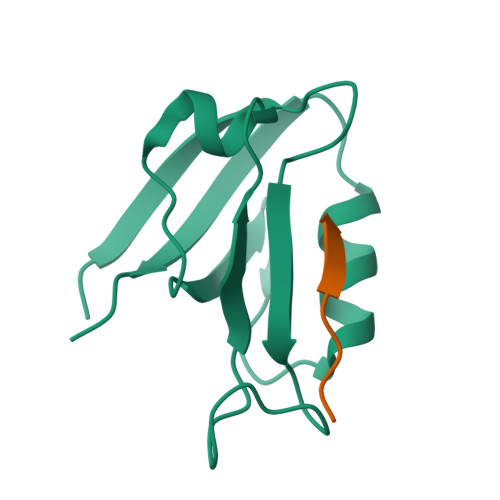
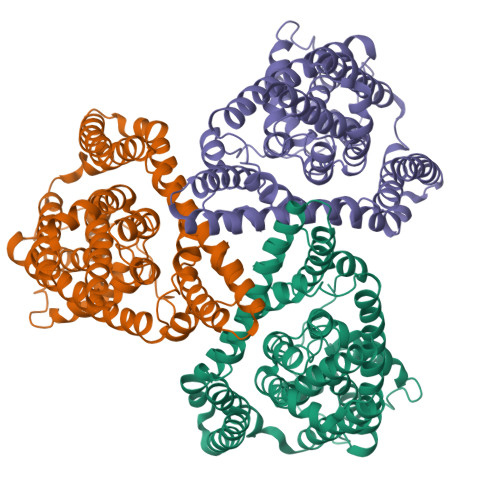
Click to view 3D structureAsc-type amino acid transporter 1P63116RatPredicted (SEA)
Prediction Confidence Score
0.118
Applicability Domain
0.118 Low confidence
Statistical Significance
0.0269
Supporting Reference Compounds
2
E-value
209.181
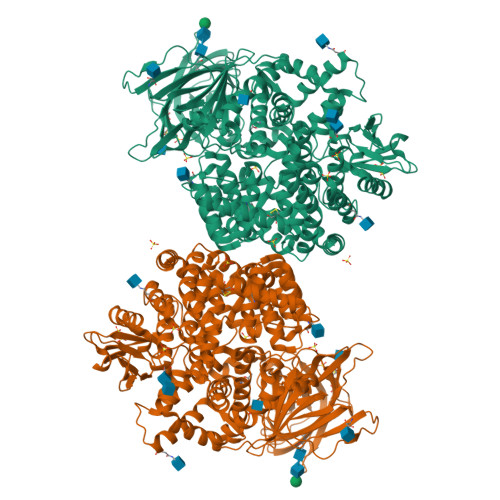
Click to view 3D structureLeucine aminopeptidaseQ29571Sus scrofaPredicted (SEA)
Prediction Confidence Score
0.111
Applicability Domain
0.111 Low confidence
Statistical Significance
0.0085
Supporting Reference Compounds
1
E-value
66.5611
Aminopeptidase N structureClick to view 3D structureAminopeptidase NP15145Sus scrofaPredicted (SEA)
Prediction Confidence Score
0.105
Applicability Domain
0.111 Low confidence
Statistical Significance
0.9333
Supporting Reference Compounds
40
E-value
7265.98
5-hydroxytryptamine receptor 2A structureClick to view 3D structure5-hydroxytryptamine receptor 2AP28223HumansPredicted (SEA)
Prediction Confidence Score
0.103
Applicability Domain
0.103 Low confidence
Statistical Significance
0.9998
Supporting Reference Compounds
955
E-value
7783.68
5-hydroxytryptamine receptor 2C structureClick to view 3D structure5-hydroxytryptamine receptor 2CP08909RatPredicted (SEA)
Prediction Confidence Score
0.103
Applicability Domain
0.103 Low confidence
Statistical Significance
0.9979
Supporting Reference Compounds
185
E-value
7768.5
5-hydroxytryptamine receptor 2A structureClick to view 3D structure5-hydroxytryptamine receptor 2AP14842Rattus norvegicusPredicted (SEA)
Prediction Confidence Score
0.102
Applicability Domain
0.103 Low confidence
Statistical Significance
0.9993
Supporting Reference Compounds
380
E-value
7779.55
Click to view 3D structure5-hydroxytryptamine receptor 2BP30994Rattus norvegicusPredicted (SEA)
Prediction Confidence Score
0.098
Applicability Domain
0.107 Low confidence
Statistical Significance
0.9909
Supporting Reference Compounds
40
E-value
7713.85
Glutamate transporter homolog structureClick to view 3D structureGlutamate transporter homologO59010Pyrococcus horikoshii (strain ATCC 700860 / DSM 12428 / JCM 9974 /NBRC 100139 / OT-3)Predicted (SEA)
Prediction Confidence Score
0.096
Applicability Domain
0.111 Low confidence
Statistical Significance
0.2324
Supporting Reference Compounds
3
E-value
1809.37
Aminopeptidase N structureClick to view 3D structureAminopeptidase NP15144HumansPredicted (SEA)
Prediction Confidence Score
0.095
Applicability Domain
0.111 Low confidence
Statistical Significance
0.9844
Supporting Reference Compounds
42
E-value
7663.4
Click to view 3D structureMetabotropic glutamate receptor 8P47743Mus musculusPredicted (SEA)
Prediction Confidence Score
0.093
Applicability Domain
0.1 Low confidence
Statistical Significance
0.1071
Supporting Reference Compounds
2
E-value
833.843
Metabotropic glutamate receptor 2 structureClick to view 3D structureMetabotropic glutamate receptor 2Q14416HumansPredicted (SEA)
Prediction Confidence Score
0.092
Applicability Domain
0.1 Low confidence
Statistical Significance
0.9991
Supporting Reference Compounds
85
E-value
7778.07
Glutamate receptor ionotropic, kainate 1 structureClick to view 3D structureGlutamate receptor ionotropic, kainate 1P39086HumansPredicted (SEA)
Prediction Confidence Score
0.092
Applicability Domain
0.1 Low confidence
Statistical Significance
0.9551
Supporting Reference Compounds
31
E-value
7435.22
Click to view 3D structureMetabotropic glutamate receptor 2P31421Rattus norvegicusPredicted (SEA)
Prediction Confidence Score
0.091
Applicability Domain
0.1 Low confidence
Statistical Significance
0.999
Supporting Reference Compounds
53
E-value
7777.53
Metabotropic glutamate receptor 3 structureClick to view 3D structureMetabotropic glutamate receptor 3P31422Rattus norvegicusPredicted (SEA)
Prediction Confidence Score
0.091
Applicability Domain
0.1 Low confidence
Statistical Significance
0.9984
Supporting Reference Compounds
39
E-value
7772.47
Click to view 3D structureMetabotropic glutamate receptor 6O15303HumansPredicted (SEA)
Prediction Confidence Score
0.091
Applicability Domain
0.1 Low confidence
Statistical Significance
0.9956
Supporting Reference Compounds
39
E-value
7750.82
5-hydroxytryptamine receptor 2C structureClick to view 3D structure5-hydroxytryptamine receptor 2CP28335HumansPredicted (SEA)
Prediction Confidence Score
0.09
Applicability Domain
0.103 Low confidence
Statistical Significance
0.9999
Supporting Reference Compounds
823
E-value
7784.38
5-hydroxytryptamine receptor 2B structureClick to view 3D structure5-hydroxytryptamine receptor 2BP41595HumansPredicted (SEA)
Prediction Confidence Score
0.09
Applicability Domain
0.103 Low confidence
Statistical Significance
0.9999
Supporting Reference Compounds
686
E-value
7784.38
Excitatory amino acid transporter 3 structureClick to view 3D structureExcitatory amino acid transporter 3P43005HumansPredicted (SEA)
Prediction Confidence Score
0.09
Applicability Domain
0.1 Low confidence
Statistical Significance
0.9121
Supporting Reference Compounds
13
E-value
7100.39
Click to view 3D structureMetabotropic glutamate receptor 4P31423Rattus norvegicusPredicted (SEA)
Prediction Confidence Score
0.09
Applicability Domain
0.1 Low confidence
Statistical Significance
0.9949
Supporting Reference Compounds
38
E-value
7745.53
Click to view 3D structureMetabotropic glutamate receptor 8P70579Rattus norvegicusPredicted (SEA)
Prediction Confidence Score
0.09
Applicability Domain
0.1 Low confidence
Statistical Significance
0.988
Supporting Reference Compounds
28
E-value
7691.58
Click to view 3D structureMetabotropic glutamate receptor 6P35349Rattus norvegicusPredicted (SEA)
Prediction Confidence Score
0.09
Applicability Domain
0.1 Low confidence
Statistical Significance
0.9903
Supporting Reference Compounds
24
E-value
7709.41
Metabotropic glutamate receptor 1 structureClick to view 3D structureMetabotropic glutamate receptor 1Q13255HumansPredicted (SEA)
Prediction Confidence Score
0.089
Applicability Domain
0.1 Low confidence
Statistical Significance
0.9991
Supporting Reference Compounds
68
E-value
7777.68
Glutamate receptor 1 structureClick to view 3D structureGlutamate receptor 1P19490Rattus norvegicusPredicted (SEA)
Prediction Confidence Score
0.089
Applicability Domain
0.1 Low confidence
Statistical Significance
0.9585
Supporting Reference Compounds
37
E-value
7462.0
Metabotropic glutamate receptor 8 structureClick to view 3D structureMetabotropic glutamate receptor 8O00222HumansPredicted (SEA)
Prediction Confidence Score
0.088
Applicability Domain
0.1 Low confidence
Statistical Significance
0.9985
Supporting Reference Compounds
48
E-value
7773.01
Click to view 3D structure5-hydroxytryptamine receptor 1AP19327Rattus norvegicusPredicted (SEA)
Prediction Confidence Score
0.087
Applicability Domain
0.103 Low confidence
Statistical Significance
0.9999
Supporting Reference Compounds
541
E-value
7784.07
Concentrations
Not Available
External Links
DrugBank IDDB03054
HMDB IDHMDB0062089
FooDB IDNot Available
Phenol Explorer IDNot Available
KNApSAcK IDNot Available
BiGG IDNot Available
BioCyc IDNot Available
METLIN IDNot Available
PDB IDNot Available
Wikipedia LinkBromoform
Chemspider IDNot Available
ChEBI ID38682
PubChem Compound ID5558
Kegg Compound IDC14707
YMDB IDNot Available
ECMDB IDNot Available
References
Synthesis ReferenceNot Available
MSDSNot Available
General References
  1. Ziouzenkova O, Orasanu G, Sharlach M, Akiyama TE, Berger JP, Viereck J, Hamilton JA, Tang G, Dolnikowski GG, Vogel S, Duester G, Plutzky J: Retinaldehyde represses adipogenesis and diet-induced obesity. Nat Med. 2007 Jun;13(6):695-702. Epub 2007 May 27. [PubMed: 17529981]
  2. International Agency for Research on Cancer (2014). IARC Monographs on the Evaluation of Carcinogenic Risks to Humans. - http://monographs.iarc.fr/index.php
  3. Wikipedia. Bromine. Last Updated 9 June 2009. - http://en.wikipedia.org/wiki/Bromine
  4. International Programme on Chemical Safety (IPCS) INCHEM (1992). Poison Information Monograph for Bromine. - http://www.inchem.org/documents/pims/chemical/pim080.htm
  5. Wikipedia. Potassium bromide. Last Updated 9 June 2009. - http://en.wikipedia.org/wiki/Potassium_bromide
  6. Wikipedia. Bromoform. Last Updated 16 April 2009. - http://en.wikipedia.org/wiki/Bromoform
  7. Lewis RJ (1996). Sax's Dangerous Properties of Industrial Materials. 9th ed. Volumes 1-3. New York, NY: Van Nostrand Reinhold.
  8. Golomb, BA (1999). A Review of the Scientific Literature As It Pertains to Gulf War Illnesses. Volume 2: Pyridostigmine Bromide. Washington, DC: RAND.