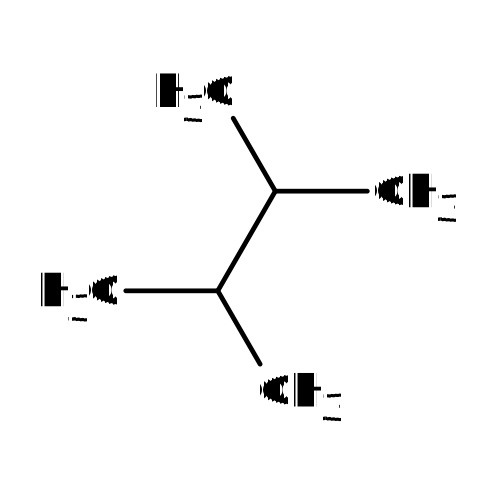
2,3-Dimethylbutane (CHEM001995)
| Record Information | |||||||||||||||||||||||||||||||||||||||||||||||||||||||
|---|---|---|---|---|---|---|---|---|---|---|---|---|---|---|---|---|---|---|---|---|---|---|---|---|---|---|---|---|---|---|---|---|---|---|---|---|---|---|---|---|---|---|---|---|---|---|---|---|---|---|---|---|---|---|---|
| Version | 1.0 | ||||||||||||||||||||||||||||||||||||||||||||||||||||||
| Creation Date | 2009-06-30 20:56:10 UTC | ||||||||||||||||||||||||||||||||||||||||||||||||||||||
| Update Date | 2026-08-23 07:11:20 UTC | ||||||||||||||||||||||||||||||||||||||||||||||||||||||
| Accession Number | CHEM001995 | ||||||||||||||||||||||||||||||||||||||||||||||||||||||
| Identification | |||||||||||||||||||||||||||||||||||||||||||||||||||||||
| Common Name | 2,3-Dimethylbutane | ||||||||||||||||||||||||||||||||||||||||||||||||||||||
| Class | Small Molecule | ||||||||||||||||||||||||||||||||||||||||||||||||||||||
| Description | 2,3-Dimethylbutane is an isomer of hexane. Hexane is a chemical made from crude oil. It is highly flammable, and its vapors can be explosive. Pure hexane is used in laboratories. Most of the hexane used in industry is mixed with similar chemicals called solvents. The major use for solvents containing hexane is to extract vegetable oils from crops such as soybeans. These solvents are also used as cleaning agents in the printing, textile, furniture, and shoemaking industries. Certain kinds of special glues used in the roofing and shoe and leather industries also contain hexane. Several consumer products contain hexane, such as gasoline, quick-drying glues used in various hobbies, and rubber cement. (3) | ||||||||||||||||||||||||||||||||||||||||||||||||||||||
| Contaminant Sources |
| ||||||||||||||||||||||||||||||||||||||||||||||||||||||
| Contaminant Type |
| ||||||||||||||||||||||||||||||||||||||||||||||||||||||
| Chemical Structure | 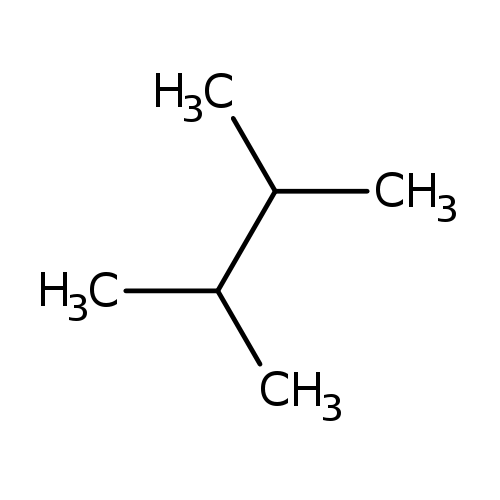 | ||||||||||||||||||||||||||||||||||||||||||||||||||||||
| Synonyms |
| ||||||||||||||||||||||||||||||||||||||||||||||||||||||
| Chemical Formula | C6H14 | ||||||||||||||||||||||||||||||||||||||||||||||||||||||
| Average Molecular Mass | 86.175 g/mol | ||||||||||||||||||||||||||||||||||||||||||||||||||||||
| Monoisotopic Mass | 86.110 g/mol | ||||||||||||||||||||||||||||||||||||||||||||||||||||||
| CAS Registry Number | 79-29-8 | ||||||||||||||||||||||||||||||||||||||||||||||||||||||
| IUPAC Name | 2,3-dimethylbutane | ||||||||||||||||||||||||||||||||||||||||||||||||||||||
| Traditional Name | 2,3-dimethylbutane | ||||||||||||||||||||||||||||||||||||||||||||||||||||||
| SMILES | CC(C)C(C)C | ||||||||||||||||||||||||||||||||||||||||||||||||||||||
| InChI Identifier | InChI=1S/C6H14/c1-5(2)6(3)4/h5-6H,1-4H3 | ||||||||||||||||||||||||||||||||||||||||||||||||||||||
| InChI Key | ZFFMLCVRJBZUDZ-UHFFFAOYSA-N | ||||||||||||||||||||||||||||||||||||||||||||||||||||||
| Chemical Taxonomy | |||||||||||||||||||||||||||||||||||||||||||||||||||||||
| Description | Belongs to the class of organic compounds known as branched alkanes. These are acyclic branched hydrocarbons having the general formula CnH2n+2. | ||||||||||||||||||||||||||||||||||||||||||||||||||||||
| Kingdom | Organic compounds | ||||||||||||||||||||||||||||||||||||||||||||||||||||||
| Super Class | Hydrocarbons | ||||||||||||||||||||||||||||||||||||||||||||||||||||||
| Class | Saturated hydrocarbons | ||||||||||||||||||||||||||||||||||||||||||||||||||||||
| Sub Class | Alkanes | ||||||||||||||||||||||||||||||||||||||||||||||||||||||
| Direct Parent | Branched alkanes | ||||||||||||||||||||||||||||||||||||||||||||||||||||||
| Alternative Parents | Not Available | ||||||||||||||||||||||||||||||||||||||||||||||||||||||
| Substituents |
| ||||||||||||||||||||||||||||||||||||||||||||||||||||||
| Molecular Framework | Aliphatic acyclic compounds | ||||||||||||||||||||||||||||||||||||||||||||||||||||||
| External Descriptors | Not Available | ||||||||||||||||||||||||||||||||||||||||||||||||||||||
| Biological Properties | |||||||||||||||||||||||||||||||||||||||||||||||||||||||
| Status | Detected and Not Quantified | ||||||||||||||||||||||||||||||||||||||||||||||||||||||
| Origin | Exogenous | ||||||||||||||||||||||||||||||||||||||||||||||||||||||
| Cellular Locations |
| ||||||||||||||||||||||||||||||||||||||||||||||||||||||
| Biofluid Locations | Not Available | ||||||||||||||||||||||||||||||||||||||||||||||||||||||
| Tissue Locations | Not Available | ||||||||||||||||||||||||||||||||||||||||||||||||||||||
| Pathways | Not Available | ||||||||||||||||||||||||||||||||||||||||||||||||||||||
| Applications | Not Available | ||||||||||||||||||||||||||||||||||||||||||||||||||||||
| Biological Roles | Not Available | ||||||||||||||||||||||||||||||||||||||||||||||||||||||
| Chemical Roles | Not Available | ||||||||||||||||||||||||||||||||||||||||||||||||||||||
| Physical Properties | |||||||||||||||||||||||||||||||||||||||||||||||||||||||
| State | Liquid | ||||||||||||||||||||||||||||||||||||||||||||||||||||||
| Appearance | Colorless liquid. | ||||||||||||||||||||||||||||||||||||||||||||||||||||||
| Experimental Properties |
| ||||||||||||||||||||||||||||||||||||||||||||||||||||||
| Predicted Properties |
| ||||||||||||||||||||||||||||||||||||||||||||||||||||||
| Spectra | |||||||||||||||||||||||||||||||||||||||||||||||||||||||
| Spectra | |||||||||||||||||||||||||||||||||||||||||||||||||||||||
| Toxicity Profile | |||||||||||||||||||||||||||||||||||||||||||||||||||||||
| Route of Exposure | Oral (3) ;inhalation (3) ;dermal (3) | ||||||||||||||||||||||||||||||||||||||||||||||||||||||
| Mechanism of Toxicity | Hexane's toxicity is caused by it neurotoxic metabolite, 2,5-hexanedione. It damages the central and peripheral nervous system by causing axonal swelling and degeneration. 2,5-Hexanedione also reacts with lysine side-chain amino groups in axonal cytoskeletal proteins to form pyrroles. This results in neurofilament cross-linking and loss of function. (3) | ||||||||||||||||||||||||||||||||||||||||||||||||||||||
| Metabolism | Hexane is mainly absorbed via inhalation, as it is readily absorbed by the lungs. It is distributed throughout the body in the blood, and metabolized by mixed function oxidases in the liver to a number of metabolites. The initial reaction is oxidation by cytochrome P-450 isozymes to hexanols, predominantly 2-hexanol. Further reactions convert 2-hexanol to 2-hexanone, 2,5-hexanediol, 5-hydroxy-2-hexanone, 4,5-dihydroxy-2-hexanone and the neurotoxicant 2,5-hexanedione. Hexane metabolites are excreted in the urine, while unchanged hexane is excreted in expired air. (3) | ||||||||||||||||||||||||||||||||||||||||||||||||||||||
| Toxicity Values | Not Available | ||||||||||||||||||||||||||||||||||||||||||||||||||||||
| Lethal Dose | Not Available | ||||||||||||||||||||||||||||||||||||||||||||||||||||||
| Carcinogenicity (IARC Classification) | No indication of carcinogenicity to humans (not listed by IARC). | ||||||||||||||||||||||||||||||||||||||||||||||||||||||
| Uses/Sources | Pure hexane is used in laboratories. Most of the hexane used in industry is mixed with similar chemicals called solvents. The major use for solvents containing hexane is to extract vegetable oils from crops such as soybeans. These solvents are also used as cleaning agents in the printing, textile, furniture, and shoemaking industries. Certain kinds of special glues used in the roofing and shoe and leather industries also contain hexane. Several consumer products contain hexane, such as gasoline, quick-drying glues used in various hobbies, and rubber cement. (3) | ||||||||||||||||||||||||||||||||||||||||||||||||||||||
| Minimum Risk Level | Chronic Inhalation: 0.6 ppm (2) | ||||||||||||||||||||||||||||||||||||||||||||||||||||||
| Health Effects | Hexane mainly affects the nervous system. It causes degeneration of the peripheral nervous system (and eventually the central nervous system), starting with damage to the nerve axons. Exposure to hexane may also damage the lungs and reproductive system. (4, 5) | ||||||||||||||||||||||||||||||||||||||||||||||||||||||
| Symptoms | Breathing large amounts of hexane causes numbness in the feet and hands, followed by muscle weakness in the feet and lower legs. Continued exposure may lead to paralysis of the arms and legs. However, if removed from the exposure, recovery occurs in 6 months to a year. Inhalation of high concentrations produces first a state of mild euphoria, followed by somnolence with headaches and nausea. (3, 1) | ||||||||||||||||||||||||||||||||||||||||||||||||||||||
| Treatment | Not Available | ||||||||||||||||||||||||||||||||||||||||||||||||||||||
| Concentrations | |||||||||||||||||||||||||||||||||||||||||||||||||||||||
| Not Available | |||||||||||||||||||||||||||||||||||||||||||||||||||||||
| External Links | |||||||||||||||||||||||||||||||||||||||||||||||||||||||
| DrugBank ID | Not Available | ||||||||||||||||||||||||||||||||||||||||||||||||||||||
| HMDB ID | HMDB0245401 | ||||||||||||||||||||||||||||||||||||||||||||||||||||||
| FooDB ID | Not Available | ||||||||||||||||||||||||||||||||||||||||||||||||||||||
| Phenol Explorer ID | Not Available | ||||||||||||||||||||||||||||||||||||||||||||||||||||||
| KNApSAcK ID | Not Available | ||||||||||||||||||||||||||||||||||||||||||||||||||||||
| BiGG ID | Not Available | ||||||||||||||||||||||||||||||||||||||||||||||||||||||
| BioCyc ID | Not Available | ||||||||||||||||||||||||||||||||||||||||||||||||||||||
| METLIN ID | Not Available | ||||||||||||||||||||||||||||||||||||||||||||||||||||||
| PDB ID | Not Available | ||||||||||||||||||||||||||||||||||||||||||||||||||||||
| Wikipedia Link | 2,3-Dimethylbutane | ||||||||||||||||||||||||||||||||||||||||||||||||||||||
| Chemspider ID | 6340 | ||||||||||||||||||||||||||||||||||||||||||||||||||||||
| ChEBI ID | 141560 | ||||||||||||||||||||||||||||||||||||||||||||||||||||||
| PubChem Compound ID | 6589 | ||||||||||||||||||||||||||||||||||||||||||||||||||||||
| Kegg Compound ID | Not Available | ||||||||||||||||||||||||||||||||||||||||||||||||||||||
| YMDB ID | Not Available | ||||||||||||||||||||||||||||||||||||||||||||||||||||||
| ECMDB ID | Not Available | ||||||||||||||||||||||||||||||||||||||||||||||||||||||
| References | |||||||||||||||||||||||||||||||||||||||||||||||||||||||
| Synthesis Reference | Not Available | ||||||||||||||||||||||||||||||||||||||||||||||||||||||
| MSDS | Not Available | ||||||||||||||||||||||||||||||||||||||||||||||||||||||
| General References | |||||||||||||||||||||||||||||||||||||||||||||||||||||||