Heparin (CED0000506)

Record Information
Version1.0
Creation Date2009-07-05 03:16:06 UTC
Update Date2026-08-29 05:25:43 UTC
SynCED IDCED0000506
Secondary Accession Numbers
  • CHEM002092
  • T3D2566
Identification
Common NameHeparin
ClassSmall Molecule
Description
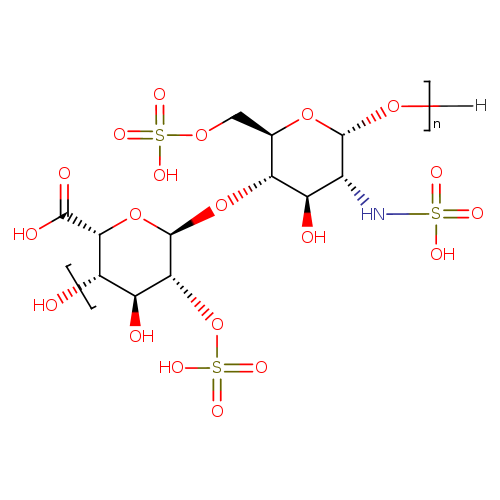
Heparin belongs to the carbohydrates and carbohydrate conjugates, a subclass of organooxygen compounds within the organic compounds. With an average molecular weight of 1,040 g/mol, Heparin is a heavy molecule. This endogenous compound has the chemical formula C26H41NO34S4 and exists as a solid at room temperature. It is detected in various tissues, including the liver, lung, mast cells, adipose tissue, adrenal cortex, adrenal gland, bladder, epidermis, fibroblasts, intestine, kidney, muscle, nerve cells, neuron, pancreas, placenta, platelet, prostate, skeletal muscle, spleen, stratum corneum, testes, and thyroid gland. Heparin functions biologically as a cofactor (PMC10901620, PMC3923226) and an anticoagulant (PMC10609962, PMC11417148). Its mechanism of action is antithrombin-dependent, acting mainly by accelerating the neutralization of certain activated coagulation factors by antithrombin. It interacts with antithrombin III, prothrombin, and factor X, and its antithrombotic effect correlates to the inhibition of factor Xa. Recorded protein targets include antithrombin-III (SERPINC1), prothrombin (F2), coagulation factor X (F10), P-selectin (SELP), platelet factor 4 (PF4), fibroblast growth factor receptor 2 (FGFR2), fibroblast growth factor 19 (FGF19), and fibroblast growth factor 2 (FGF2). Industrially, it is used as a softener and conditioner. In pharmaceutical and veterinary contexts, heparin is used as an antithrombotic agent, vasoprotective, or ophthalmological, with exposure routes including intraluminal, intraperitoneal, intravenous, irrigation, and subcutaneous administration. It is used to treat thrombosis (PMC11314107, PMC1492602, PMC3952273, PMC4165720, PMC9313999) and COVID-19 (PMC8000639), and it has therapeutic effects on stroke (PMC13479649) and inflammation (PMC10891305). Associated health effects include bleeding (PMC4165720, PMC9487313), thrombocytopenia (PMC1492602, PMC3952273), thrombosis (PMC3952273), osteoporosis (PMC10891305), and acute myeloid leukemia (PMC7500703).
Contaminant Type
  • Animal Toxin
  • Anticoagulant
  • Drug
  • Ester
  • Fibrinolytic Agent
  • Food Toxin
  • Heparin
  • Metabolite
  • Natural Compound
  • Organic Compound
Chemical Structure
Synonyms
ValueSource
alpha-HeparinHMDB
ClivarineHMDB
Heparin sodiumHMDB
ArtevenHMDB
BemiparinHMDB
CertoparinHMDB
ClexaneHMDB
DalteparinHMDB
EnoxaparinHMDB
EparinaHMDB
FraxiparinHMDB
Heparin sulfateHMDB
Heparin sulphateHMDB
HeparinateHMDB
Heparinic acidHMDB
HeparinsodiumsaltHMDB
ThromboliquineHMDB
Chemical FormulaC26H41NO34S4
Average Molecular Mass1039.850 g/mol
Monoisotopic Mass1039.039 g/mol
CAS Registry Number9005-49-6
IUPAC NameNot Available
Traditional NameNot Available
SMILESCC(=O)N[C@@H]1[C@@H](O)[C@H](O)[C@@H](COS(O)(=O)=O)O[C@@H]1O[C@H]1[C@H](O)[C@@H](O)[C@H](O[C@@H]2[C@@H](O)O[C@H](O[C@H]3[C@H](O)[C@@H](OS(O)(=O)=O)C(O)O[C@H]3C(O)=O)[C@H](OS(O)(=O)=O)[C@H]2CS(O)(=O)=O)O[C@@H]1C(O)=O
InChI IdentifierInChI=1S/C26H41NO34S4/c1-4(28)27-7-9(30)8(29)6(2-52-63(43,44)45)53-24(7)56-15-10(31)11(32)25(58-19(15)21(36)37)55-13-5(3-62(40,41)42)14(60-64(46,47)48)26(59-22(13)38)57-16-12(33)17(61-65(49,50)51)23(39)54-18(16)20(34)35/h5-19,22-26,29-33,38-39H,2-3H2,1H3,(H,27,28)(H,34,35)(H,36,37)(H,40,41,42)(H,43,44,45)(H,46,47,48)(H,49,50,51)/t5-,6+,7+,8+,9+,10+,11+,12-,13-,14+,15-,16-,17+,18+,19-,22-,23?,24+,25+,26-/m0/s1
InChI KeyZFGMDIBRIDKWMY-PASTXAENSA-N
Chemical Taxonomy
Description Belongs to the class of organic compounds known as disaccharide sulfates. These are disaccharides carrying one or more sulfate group on a sugar unit.
KingdomOrganic compounds
Super ClassOrganic oxygen compounds
ClassOrganooxygen compounds
Sub ClassCarbohydrates and carbohydrate conjugates
Direct ParentDisaccharide sulfates
Alternative Parents
Substituents
  • Disaccharide sulfate
  • 1-o-glucuronide
  • O-glucuronide
  • Glucuronic acid or derivatives
  • Glycosyl compound
  • O-glycosyl compound
  • Beta-hydroxy acid
  • Hydroxy acid
  • Sulfuric acid monoamide
  • Oxane
  • Pyran
  • Sulfuric acid monoester
  • Sulfate-ester
  • Sulfuric acid ester
  • Alkyl sulfate
  • Organic sulfuric acid or derivatives
  • Hemiacetal
  • Secondary alcohol
  • Carboxylic acid
  • Organoheterocyclic compound
  • Oxacycle
  • Carboxylic acid derivative
  • Monocarboxylic acid or derivatives
  • Acetal
  • Organopnictogen compound
  • Organonitrogen compound
  • Organic nitrogen compound
  • Organic oxide
  • Carbonyl group
  • Hydrocarbon derivative
  • Alcohol
  • Aliphatic heteromonocyclic compound
Molecular FrameworkAliphatic heteromonocyclic compounds
External DescriptorsNot Available
Biological Properties
StatusDetected and Not Quantified
OriginEndogenous
Cellular Locations
  • Cytoplasm
  • Extracellular
  • Membrane
Biofluid LocationsNot Available
Tissue Locations
  • Adipose Tissue
  • Adrenal Cortex
  • Adrenal Gland
  • Bladder
  • Epidermis
  • Fibroblasts
  • Intestine
  • Kidney
  • Liver
  • Lung
  • Mast Cell
  • Muscle
  • Nerve Cells
  • Neuron
  • Pancreas
  • Placenta
  • Platelet
  • Prostate
  • Skeletal Muscle
  • Spleen
  • Stratum Corneum
  • Testes
  • Thyroid Gland
Applications
Biological Roles
Chemical RolesNot Available
Organoleptic EffectsNot Available
Physical Properties
StateSolid
AppearanceWhite powder.
Experimental Properties
PropertyValue
Melting PointNot Available
Boiling PointNot Available
SolubilitySoluble
Predicted Properties
PropertyValueSource
Water Solubility6.57 g/LALOGPS
logP-2.4ALOGPS
logS-2ALOGPS
Rule of FiveNoChemAxon
Ghose FilterNoChemAxon
Spectra
Spectra
Spectrum TypeDescriptionSplash KeyDeposition DateView
Predicted LC-MS/MSPredicted LC-MS/MS Spectrumsplash10-024i-9080060104-dc860b4a7ce58fd52110Not AvailableView Spectrum
Predicted LC-MS/MSPredicted LC-MS/MS Spectrumsplash10-004i-1390361204-e7c2baa60fadc54b4c3bNot AvailableView Spectrum
Predicted LC-MS/MSPredicted LC-MS/MS Spectrumsplash10-004i-3690210001-0728ab2405590f54c338Not AvailableView Spectrum
Predicted LC-MS/MSPredicted LC-MS/MS Spectrumsplash10-00su-9440030785-2eb4eb48190a77309146Not AvailableView Spectrum
Predicted LC-MS/MSPredicted LC-MS/MS Spectrumsplash10-00di-6091020418-6cfda3db3a285e8c209aNot AvailableView Spectrum
Predicted LC-MS/MSPredicted LC-MS/MS Spectrumsplash10-00fr-3092050311-5d7837df267ca3df6eceNot AvailableView Spectrum
Toxicity Profile
Toxicity ValuesNot Available
Toxicity / Toxin ClassNot Available
Mechanism of ToxicityHeparin-induced thrombocytopenia (HIT) is caused by the formation of abnormal antibodies that activate platelets. Heparin occurs naturally in the human body, but the development of HIT antibodies suggests heparin sulfate may act as a hapten, and thus be targeted by the immune system. In HIT, the immune system forms antibodies against heparin when it is bound to a protein called platelet factor 4 (PF4). These antibodies are usually of the IgG class and their development usually takes about five days. However, those who have been exposed to heparin in the last few months may still have circulating IgG, as IgG-type antibodies generally continue to be produced even when their precipitant has been removed. This is similar to immunity against certain microorganisms, with the difference that the HIT antibody does not persist more than three months. HIT antibodies have been found in individuals with thrombocytopenia and thrombosis who had no prior exposure to heparin sulfate, but the majority are found in people who are receiving heparin. The IgG antibodies form a complex with heparin and PF4 in the bloodstream. The tail of the antibody then binds to the FcγIIa receptor, a protein on the surface of the platelet. This results in platelet activation and the formation of platelet microparticles, which initiate the formation of blood clots; the platelet count falls as a result, leading to thrombocytopenia. (Wikipedia) The cause of the serum aminotransferase elevations during heparin therapy is not known, but it is likely due to a direct hepatotoxic effect on the liver (28). Heparin-induced hyperkalemia is the result of heparin-induced aldosterone suppression (Wikipedia). The most important, but probably not the only mechanism of aldosterone inhibition appears to involve reduction in both the number and affinity of the angiotensin-II receptors in the zona glomerulosa (25). Alopecia connected to chronic heparin use may be due to the antimitotic effect of heparin on the epithelial cells (26). Heparin causes bone loss by decreasing bone formation. The few studies of the mechanism of bone loss have revealed decreased bone formation, increasing bone resorption, or both (29).
Carcinogenicity (IARC Classification)No indication of carcinogenicity to humans (not listed by IARC).
Minimum Risk LevelNot Available
SymptomsHeparin sodium - Mouse, median lethal dose greater than 5000 mg/kg. Another side effect is heparin induced thrombocytopenia (HIT syndrome). HIT is caused by an immunological reaction that makes platelets form clots within the blood vessels, thereby using up coagulation factors
TreatmentProtamine sulfate (1 mg per 100 units of heparin that had been given over the past four hours) has been given to counteract the anticoagulant effect of heparin. (Wikipedia)
Health Effects
Health EffectRelationshipDirectionReference
inflammation?has_therapeutic_effect_onNot AvailablePMC10891305
osteoporosis?A disorder characterized by reduced bone mass, with a decrease in cortical thickness and in the number and size of the trabeculae of cancellous bone (but normal chemical composition), resulting in increased fracture incidence. (NCI CTCAE)associated_withNot AvailablePMC10891305
stroke?has_therapeutic_effect_onNot AvailablePMC13479649
thrombocytopenia?associated_withNot AvailablePMC1492602 , PMC3952273
bleeding?A losing of blood as a result of injury oir illness.associated_withNot AvailablePMC4165720 , PMC4165720 , PMC9487313
COVID-19?is_treatment_forNot AvailablePMC8000639
thrombosis?A formation of a blood clot inside a blood vessel, obstructing the flow of blood through the circulatory system.is_treatment_forNot AvailablePMC11314107 , PMC1492602 , PMC3952273 , PMC4165720 , PMC9313999
thrombosis?A formation of a blood clot inside a blood vessel, obstructing the flow of blood through the circulatory system.associated_withNot AvailablePMC3952273
acute myeloid leukemia?Acute myeloid leukemia (AML) is a cancer of the myeloid line of blood cells, characterized by the rapid growth of abnormal cells that build up in the bone marrow and blood and interfere with normal blood cell production. Symptoms may include feeling tired, shortness of breath, easy bruising and bleeding, and increased risk of infection. Occasionally, spread may occur to the brain, skin, or gums. As an acute leukemia, AML progresses rapidly and is typically fatal within weeks or months if left untreated. Risk factors include smoking, previous chemotherapy or radiation therapy, myelodysplastic syndrome, and exposure to the chemical benzene. AML affected about one million people and resulted in 147,000 deaths globally. It most commonly occurs in older adults. Males are affected more often than females.associated_withNot AvailablePMC7500703
osteosarcoma?is_treatment_forNot AvailablePMC12205921
coronary thrombosis?is_treatment_forNot AvailablePMC8543113
Exposure Sources
Source IDSourceSectorReference
CEDs000233Brushes?Brushes used in personal care and cosmetics can be a source of synthetic chemical contamination due to the materials and coatings used in their manufacturing.Personal care & cosmeticsNot Available
CEDs000273Antithrombotic agents?Antithrombotic agents are synthetic chemicals designed to prevent blood clot formation, commonly used in the treatment and management of cardiovascular diseases.Healthcare, pharmaceuticals & veterinary productsNot Available
CEDs000292Vasoprotectives?Vasoprotectives are synthetic compounds designed to enhance vascular health and improve blood circulation.Healthcare, pharmaceuticals & veterinary productsNot Available
CEDs000405Ophthalmologicals?Ophthalmologicals are a category of synthetic chemicals used primarily for the treatment of eye disorders, including medications such as anti-inflammatories, antibiotics, and lubricants.Healthcare, pharmaceuticals & veterinary productsNot Available
CEDs000518Electrically Stimulated Smoking Devices?Electrically stimulated smoking devices, commonly known as e-cigarettes or vape pens, utilize electrical components to heat a liquid solution, often containing nicotine, flavorings, and other additives, to produce an aerosol for inhalation.Electrical & Electronic EquipmentNot Available
CEDs000519Electrodes?Electrodes, used in various electrical and electronic applications, can be a source of synthetic chemical contamination due to the materials from which they are constructed and the processes involved in their manufacturing.Electrical & Electronic EquipmentNot Available
CEDs000521Fixed Capacitors And Their Manufacture?Fixed capacitors are passive electronic components used to store and release electrical energy, playing a critical role in various circuits.Electrical & Electronic EquipmentNot Available
CEDs000524Hybrid Capacitors?Hybrid capacitors are energy storage devices that combine the properties of electrolytic and supercapacitors, utilizing a combination of electrochemical principles to achieve higher energy density and power density.Electrical & Electronic EquipmentNot Available
CEDs000527Magnets?Magnets, commonly used in various electrical and electronic applications, can be a source of synthetic chemical contamination due to the materials used in their production.Electrical & Electronic EquipmentNot Available
CEDs000537Television Systems?Television systems can be a source of synthetic chemical contamination due to the various materials and components used in their manufacture and operation.Electrical & Electronic EquipmentNot Available
CEDs000545Food Preservation?Food preservation often involves the use of synthetic chemicals, such as preservatives, flavor enhancers, and color additives, to extend shelf life and enhance the sensory qualities of food products.Food, food processing & cookwareNot Available
CEDs000549Preparation Of Wine Or Sparkling Wine?The preparation of wine or sparkling wine involves various stages, including fermentation, aging, and bottling, which can introduce potential sources of synthetic chemical contamination.Food, food processing & cookwareNot Available
CEDs000552Processing Meats?Processing meats can lead to synthetic chemical contamination primarily through the use of additives and preservatives.Food, food processing & cookwareNot Available
CEDs000559Non Electric Simulated Smoking Devices?Non-electric simulated smoking devices, often designed to mimic the experience of smoking without combustion, can be sources of synthetic chemical contamination due to the materials and chemicals used in their construction and operation.Household cleaning & consumer productsNot Available
CEDs000561Perfumes Within Detergents And Soaps?Perfumes within detergents and soaps are synthetic fragrance compounds added to enhance the sensory experience of cleaning products.Household cleaning & consumer productsNot Available
CEDs000569Tobacco Smoke Filters?Tobacco smoke filters are designed to reduce the inhalation of harmful substances in cigarette smoke, including tar and other particulate matter.Household cleaning & consumer productsNot Available
CEDs000607Rodenticides(1)?Rodenticides are synthetic chemicals specifically formulated to control rodent populations, serving as a crucial tool in managing pests that can damage crops and spread diseases.Agriculture & land managementNot Available
CEDs000608Rodenticides?Rodenticides are chemical substances specifically designed to control rodent populations by causing death through various mechanisms, including anticoagulation or neurotoxicity.Agriculture & land managementNot Available
CEDs000610Aftersun Products?Aftersun products are designed to soothe and hydrate the skin after sun exposure, often containing various synthetic chemicals such as emollients, preservatives, and fragrances.Personal care & cosmeticsNot Available
CEDs000611Anti Perspirants Or Body Deoderants?Antiperspirants and body deodorants commonly contain synthetic chemicals such as aluminum compounds, parabens, and synthetic fragrances.Personal care & cosmeticsNot Available
CEDs000614Essential Oils Or Perfumes?Essential oils and perfumes are complex mixtures of volatile compounds derived from natural or synthetic sources, commonly used for their aromatic properties.Personal care & cosmeticsNot Available
CEDs000615Eye Makeup Products?Eye makeup products, including mascaras, eyeliners, and eyeshadows, often contain a variety of synthetic chemicals such as pigments, preservatives, and film-forming agents.Personal care & cosmeticsNot Available
CEDs000617Lip Care Products?Lip care products, including lipsticks, balms, and glosses, often contain a variety of synthetic chemicals such as parabens, phthalates, and synthetic fragrances.Personal care & cosmeticsNot Available
CEDs000618Lip Makeup Products?Lip makeup products, such as lipsticks, lip glosses, and lip liners, often contain a variety of synthetic chemicals, including pigments, preservatives, and emollients.Personal care & cosmeticsNot Available
CEDs000632Apparel?Apparel production often involves the use of various synthetic chemicals, including dyes, finishing agents, and preservatives.Textiles, leather & furnishingsNot Available
CEDs000678Nitrogenous Fertilisers?Nitrogenous fertilizers are synthetic chemical compounds primarily used to enhance plant growth by supplying essential nitrogen, a crucial nutrient for photosynthesis and protein synthesis.Agriculture & land managementNot Available
CEDs000685Ceramics?Ceramics can be a source of synthetic chemical contamination through various additives and processing agents used in their production.Building & ConstructionNot Available
CEDs000693Silica Glass?Silica glass, primarily composed of silicon dioxide (SiO2), is widely used in various applications, including windows, glass facades, and insulation materials.Building & ConstructionNot Available
CEDs000696Nanotechnology?Nanotechnology involves the manipulation of materials at the molecular or atomic level, typically within the range of 1 to 100 nanometers.Industrial manufacturing & chemical processingNot Available
CEDs000739Inks?Inks are complex mixtures composed of pigments or dyes, solvents, resins, and additives used primarily for printing and writing applications.Paper, pulp & fiber productsNot Available
CEDs000740Paper?Paper production involves the processing of wood fibers and the use of various chemicals, which can lead to synthetic chemical contamination.Paper, pulp & fiber productsNot Available
CEDs000743Sludge Treatment?Sludge treatment involves the processing of waste materials generated from wastewater treatment plants, which often contain a variety of organic and inorganic substances.Wastewater, sanitation & biosolidsNot Available
CEDs000744Water, Wastewater, & Sewage Treatment?Water, wastewater, and sewage treatment processes are critical for managing and mitigating pollutants in water systems.Wastewater, sanitation & biosolidsNot Available
Pathways
5 pathwaysPathway Source: PathBank
Targets
StructureProteinUniProt IDOrganismRelationshipDetails
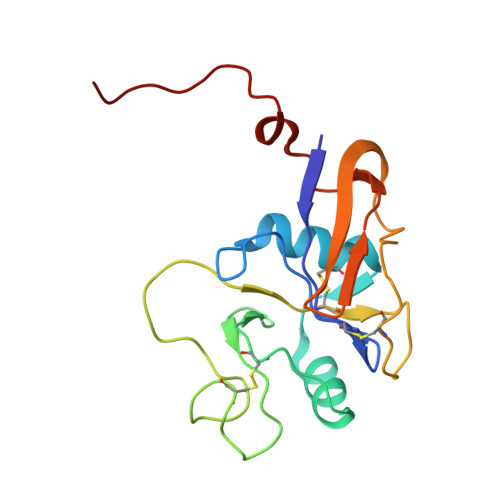
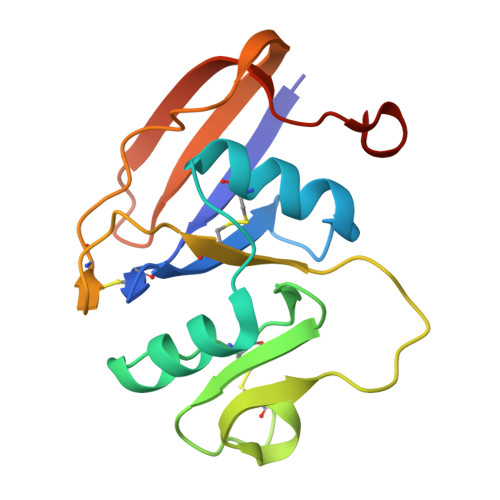
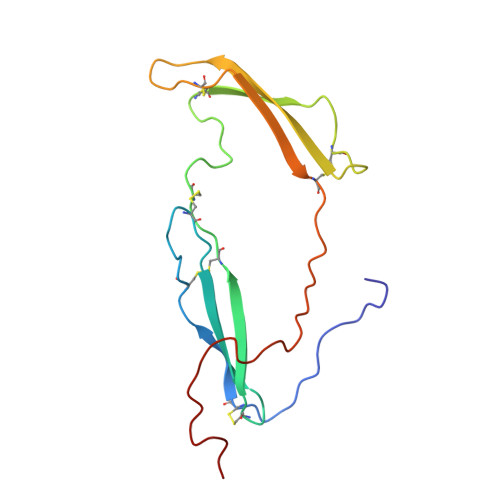
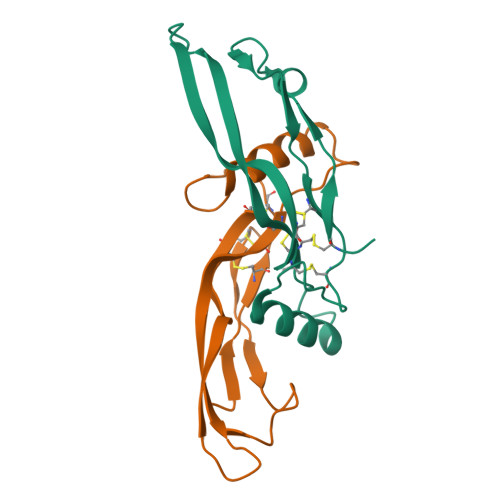
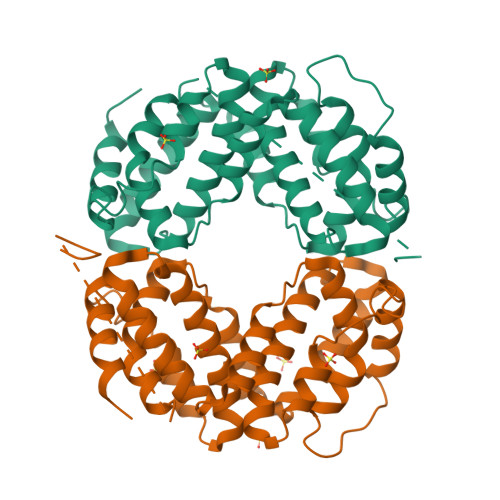
CD44 antigen structureClick to view 3D structureCD44 antigenP16070HumansPredicted (SEA)
Prediction Confidence Score
0.548
Applicability Domain
0.548
Statistical Significance
1.00e-05
Supporting Reference Compounds
1
E-value
0.0778492
CD44 antigen structureClick to view 3D structureCD44 antigenP15379Mus musculusPredicted (SEA)
Prediction Confidence Score
0.548
Applicability Domain
0.548
Statistical Significance
1.00e-05
Supporting Reference Compounds
1
E-value
0.0778492
Neurotrophic factor BDNF precursor form structureClick to view 3D structureNeurotrophic factor BDNF precursor formP23560HumansPredicted (SEA)
Prediction Confidence Score
0.522
Applicability Domain
0.522
Statistical Significance
1.00e-05
Supporting Reference Compounds
2
E-value
0.0778492
Pleiotrophin structureClick to view 3D structurePleiotrophinP21246HumansPredicted (SEA)
Prediction Confidence Score
0.522
Applicability Domain
0.522
Statistical Significance
1.00e-05
Supporting Reference Compounds
1
E-value
0.0778492
Bone morphogenetic protein 6 structureClick to view 3D structureBone morphogenetic protein 6P22004HumansPredicted (SEA)
Prediction Confidence Score
0.404
Applicability Domain
0.404
Statistical Significance
5.00e-05
Supporting Reference Compounds
1
E-value
0.389246
Platelet factor 4 structureClick to view 3D structurePlatelet factor 4P02776HumansPredicted (SEA)
Prediction Confidence Score
0.404
Applicability Domain
0.404
Statistical Significance
5.00e-05
Supporting Reference Compounds
1
E-value
0.389246
Interferon gamma structureClick to view 3D structureInterferon gammaP01579HumansPredicted (SEA)
Prediction Confidence Score
0.339
Applicability Domain
0.404
Statistical Significance
7.00e-05
Supporting Reference Compounds
2
E-value
0.544945
Midkine structureClick to view 3D structureMidkineP21741HumansPredicted (SEA)
Prediction Confidence Score
0.331
Applicability Domain
0.522
Statistical Significance
2.00e-05
Supporting Reference Compounds
3
E-value
0.155698
Click to view 3D structureN-acetyllactosaminide alpha-1,3-galactosyltransferaseP50127Sus scrofaPredicted (SEA)
Prediction Confidence Score
0.301
Applicability Domain
0.301
Statistical Significance
3.10e-04
Supporting Reference Compounds
1
E-value
2.41333
Endopolygalactyuronase structureClick to view 3D structureEndopolygalactyuronaseP79074Chondrostereum purpureumPredicted (SEA)
Prediction Confidence Score
0.289
Applicability Domain
0.289 Low confidence
Statistical Significance
3.00e-05
Supporting Reference Compounds
1
E-value
0.233548
Trehalose-phosphatase structureClick to view 3D structureTrehalose-phosphataseA8NS89Brugia malayiPredicted (SEA)
Prediction Confidence Score
0.284
Applicability Domain
0.284 Low confidence
Statistical Significance
8.20e-04
Supporting Reference Compounds
1
E-value
6.38364
Click to view 3D structureKiller cell lectin-like receptor subfamily B member 1AP27471Rattus norvegicusPredicted (SEA)
Prediction Confidence Score
0.263
Applicability Domain
0.349
Statistical Significance
2.30e-04
Supporting Reference Compounds
2
E-value
1.79053
Antithrombin-III structureClick to view 3D structureAntithrombin-IIIP01008HumansPredicted (SEA)
Prediction Confidence Score
0.257
Applicability Domain
0.43
Statistical Significance
8.00e-05
Supporting Reference Compounds
3
E-value
0.622794
Click to view 3D structureAlpha-amylaseQ7M328Sus scrofa domesticusPredicted (SEA)
Prediction Confidence Score
0.247
Applicability Domain
0.247 Low confidence
Statistical Significance
2.30e-04
Supporting Reference Compounds
1
E-value
1.79053
Heparanase structureClick to view 3D structureHeparanaseQ9Y251HumansPredicted (SEA)
Prediction Confidence Score
0.238
Applicability Domain
0.355
Statistical Significance
3.30e-04
Supporting Reference Compounds
11
E-value
2.56902
Click to view 3D structureE-selectinP98105Rattus norvegicusPredicted (SEA)
Prediction Confidence Score
0.237
Applicability Domain
0.237 Low confidence
Statistical Significance
2.90e-04
Supporting Reference Compounds
1
E-value
2.25763
Fibroblast growth factor 1 structureClick to view 3D structureFibroblast growth factor 1P05230HumansPredicted (SEA)
Prediction Confidence Score
0.235
Applicability Domain
0.356
Statistical Significance
2.00e-04
Supporting Reference Compounds
6
E-value
1.55698
Click to view 3D structureCMP-N-acetylneuraminate-beta-galactosamide-alpha-2,3-sialyltransferase 1P54751Mus musculusPredicted (SEA)
Prediction Confidence Score
0.233
Applicability Domain
0.233 Low confidence
Statistical Significance
6.90e-04
Supporting Reference Compounds
1
E-value
5.3716
Endo-beta-N-acetylglucosaminidase structureClick to view 3D structureEndo-beta-N-acetylglucosaminidaseQ9ZB22Arthrobacter protophormiaePredicted (SEA)
Prediction Confidence Score
0.227
Applicability Domain
0.227 Low confidence
Statistical Significance
8.60e-04
Supporting Reference Compounds
1
E-value
6.69503
Fibronectin structureClick to view 3D structureFibronectinP02751HumansPredicted (SEA)
Prediction Confidence Score
0.226
Applicability Domain
0.226 Low confidence
Statistical Significance
2.20e-04
Supporting Reference Compounds
1
E-value
1.71268
N-acetylglucosamine-6-phosphate deacetylase structureClick to view 3D structureN-acetylglucosamine-6-phosphate deacetylaseQ9Y303HumansPredicted (SEA)
Prediction Confidence Score
0.22
Applicability Domain
0.22 Low confidence
Statistical Significance
0.001
Supporting Reference Compounds
1
E-value
7.94062
Sialic acid-binding Ig-like lectin 7 structureClick to view 3D structureSialic acid-binding Ig-like lectin 7Q9Y286HumansPredicted (SEA)
Prediction Confidence Score
0.218
Applicability Domain
0.218 Low confidence
Statistical Significance
2.50e-04
Supporting Reference Compounds
1
E-value
1.94623
Fibroblast growth factor 2 structureClick to view 3D structureFibroblast growth factor 2P09038HumansPredicted (SEA)
Prediction Confidence Score
0.217
Applicability Domain
0.275 Low confidence
Statistical Significance
3.80e-04
Supporting Reference Compounds
9
E-value
2.95827
Beta-1,4-galactosyltransferase 1 structureClick to view 3D structureBeta-1,4-galactosyltransferase 1P08037Bos taurusPredicted (SEA)
Prediction Confidence Score
0.21
Applicability Domain
0.276 Low confidence
Statistical Significance
0.0036
Supporting Reference Compounds
2
E-value
28.1036
Gap junction alpha-1 protein structureClick to view 3D structureGap junction alpha-1 proteinP17302HumansPredicted (SEA)
Prediction Confidence Score
0.208
Applicability Domain
0.208 Low confidence
Statistical Significance
9.80e-04
Supporting Reference Compounds
1
E-value
7.62922
Prothrombin structureClick to view 3D structureProthrombinP00734HumansKnownThe mechanism of action of heparin is antithrombin-dependent. It acts mainly by accelerating the rate of the neutralization of certain activated coagulation factors by antithrombin, but other mechanisms may also be involved. The antithrombotic effect of heparin is well correlated to the inhibition of factor Xa. Heparin interacts with antithrombin III, prothrombin and factor X.
Antithrombin-III structureClick to view 3D structureAntithrombin-IIIP01008HumansKnownThe mechanism of action of heparin is antithrombin-dependent. It acts mainly by accelerating the rate of the neutralization of certain activated coagulation factors by antithrombin, but other mechanisms may also be involved. The antithrombotic effect of heparin is well correlated to the inhibition of factor Xa. Heparin interacts with antithrombin III, prothrombin and factor X.
Coagulation factor X structureClick to view 3D structureCoagulation factor XP00742HumansKnownThe mechanism of action of heparin is antithrombin-dependent. It acts mainly by accelerating the rate of the neutralization of certain activated coagulation factors by antithrombin, but other mechanisms may also be involved. The antithrombotic effect of heparin is well correlated to the inhibition of factor Xa. Heparin interacts with antithrombin III, prothrombin and factor X.
Heparanase structureClick to view 3D structureHeparanaseQ9Y251HumansKnownThe mechanism of action of heparin is antithrombin-dependent. It acts mainly by accelerating the rate of the neutralization of certain activated coagulation factors by antithrombin, but other mechanisms may also be involved. The antithrombotic effect of heparin is well correlated to the inhibition of factor Xa. Heparin interacts with antithrombin III, prothrombin and factor X.
P-selectin structureClick to view 3D structureP-selectinP16109HumansKnownThe mechanism of action of heparin is antithrombin-dependent. It acts mainly by accelerating the rate of the neutralization of certain activated coagulation factors by antithrombin, but other mechanisms may also be involved. The antithrombotic effect of heparin is well correlated to the inhibition of factor Xa. Heparin interacts with antithrombin III, prothrombin and factor X.
Coagulation factor IX structureClick to view 3D structureCoagulation factor IXP00740HumansKnownThe mechanism of action of heparin is antithrombin-dependent. It acts mainly by accelerating the rate of the neutralization of certain activated coagulation factors by antithrombin, but other mechanisms may also be involved. The antithrombotic effect of heparin is well correlated to the inhibition of factor Xa. Heparin interacts with antithrombin III, prothrombin and factor X.
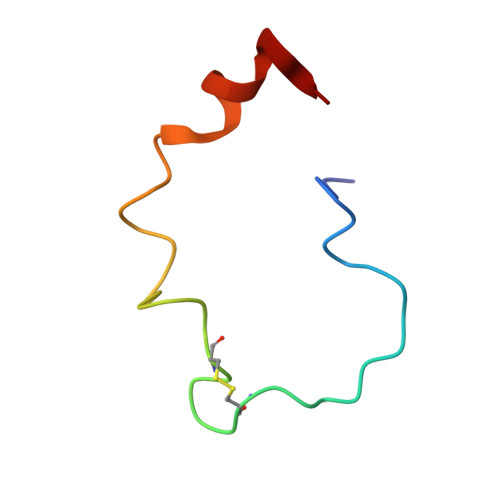
Fibroblast growth factor 19 structureClick to view 3D structureFibroblast growth factor 19O95750HumansKnownNot Available
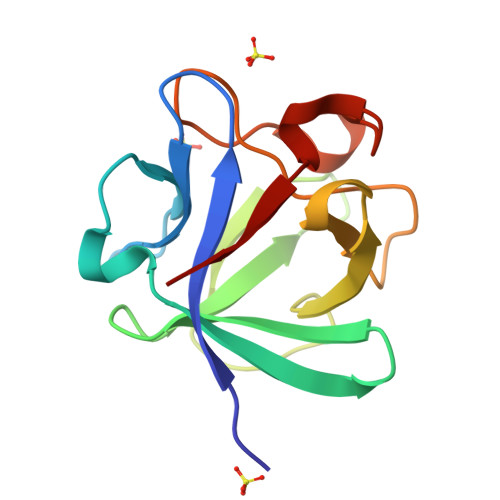
Fibroblast growth factor 2 structureClick to view 3D structureFibroblast growth factor 2P09038HumansKnownNot Available
Fibroblast growth factor 4 structureClick to view 3D structureFibroblast growth factor 4P08620HumansKnownNot Available
Fibroblast growth factor receptor 1 structureClick to view 3D structureFibroblast growth factor receptor 1P11362HumansKnownNot Available
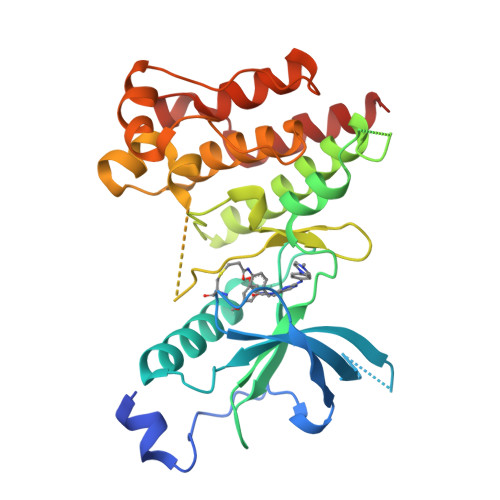
Fibroblast growth factor receptor 2 structureClick to view 3D structureFibroblast growth factor receptor 2P21802HumansKnownNot Available
Fibroblast growth factor receptor 4 structureClick to view 3D structureFibroblast growth factor receptor 4P22455HumansKnownNot Available
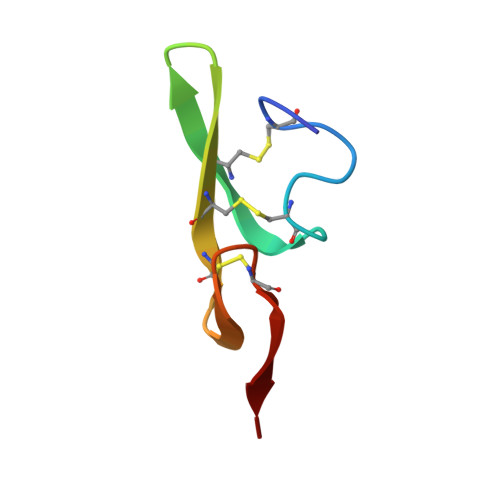
Platelet factor 4 structureClick to view 3D structurePlatelet factor 4P02776HumansKnownNot Available
Vascular endothelial growth factor A, long form structureClick to view 3D structureVascular endothelial growth factor A, long formP15692HumansKnownNot Available
Click to view 3D structureThrombinQ28731Oryctolagus cuniculusKnownNot Available
Concentrations
Not Available
External Links
DrugBank IDNot Available
HMDB IDHMDB0001394
FooDB IDFDB022599
Phenol Explorer IDNot Available
KNApSAcK IDNot Available
BiGG IDNot Available
BioCyc IDNot Available
METLIN IDNot Available
PDB IDNot Available
Wikipedia LinkHeparin
Chemspider ID7988167
ChEBI ID151315
PubChem Compound ID9812414
Kegg Compound IDC00374
YMDB IDNot Available
ECMDB IDNot Available
References
Synthesis Reference

Fernando Fussi, Gianfranco Fedeli, “Oligo-heteropolysaccharides having a heparin-like activity method for their preparation and pharmaceutical compositions based thereon.” U.S. Patent US4757057, issued June, 1952.

MSDSLink
General References
  1. Linhardt RJ, Gunay NS: Production and chemical processing of low molecular weight heparins. Semin Thromb Hemost. 1999;25 Suppl 3:5-16. [PubMed: 10549711]
  2. Ferro DR, Provasoli A, Ragazzi M, Casu B, Torri G, Bossennec V, Perly B, Sinay P, Petitou M, Choay J: Conformer populations of L-iduronic acid residues in glycosaminoglycan sequences. Carbohydr Res. 1990 Jan 15;195(2):157-67. [PubMed: 2331699]
  3. Mulloy B, Forster MJ, Jones C, Davies DB: N.m.r. and molecular-modelling studies of the solution conformation of heparin. Biochem J. 1993 Aug 1;293 ( Pt 3):849-58. [PubMed: 8352752]
  4. Hirsh J, Raschke R: Heparin and low-molecular-weight heparin: the Seventh ACCP Conference on Antithrombotic and Thrombolytic Therapy. Chest. 2004 Sep;126(3 Suppl):188S-203S. [PubMed: 15383472]
  5. Petitou M, Herault JP, Bernat A, Driguez PA, Duchaussoy P, Lormeau JC, Herbert JM: Synthesis of thrombin-inhibiting heparin mimetics without side effects. Nature. 1999 Apr 1;398(6726):417-22. [PubMed: 10201371]
  6. Spruill WJ, Wade WE, Huckaby WG, Leslie RB: Achievement of anticoagulation by using a weight-based heparin dosing protocol for obese and nonobese patients. Am J Health Syst Pharm. 2001 Nov 15;58(22):2143-6. [PubMed: 11760916]
  7. McDonald MM, Jacobson LJ, Hay WW Jr, Hathaway WE: Heparin clearance in the newborn. Pediatr Res. 1981 Jul;15(7):1015-8. [PubMed: 7254945]
  8. Betz G, Nowbakht P, Imboden R, Imanidis G: Heparin penetration into and permeation through human skin from aqueous and liposomal formulations in vitro. Int J Pharm. 2001 Oct 9;228(1-2):147-59. [PubMed: 11576777]
  9. Sun Y, Chai TC: Effects of dimethyl sulphoxide and heparin on stretch-activated ATP release by bladder urothelial cells from patients with interstitial cystitis. BJU Int. 2002 Sep;90(4):381-5. [PubMed: 12175393]
  10. Kandrotas RJ: Heparin pharmacokinetics and pharmacodynamics. Clin Pharmacokinet. 1992 May;22(5):359-74. [PubMed: 1505142]
  11. Delhumeau A, Moreau X, Chapotte C, Houi N, Bigorgne JC: Heparin-associated thrombocytopenia syndrome: an underestimated etiology of adrenal hemorrhage. Intensive Care Med. 1993;19(8):475-7. [PubMed: 8294632]
  12. Lortat-Jacob H, Brisson C, Guerret S, Morel G: Non-receptor-mediated tissue localization of human interferon-gamma: role of heparan sulfate/heparin-like molecules. Cytokine. 1996 Jul;8(7):557-66. [PubMed: 8891437]
  13. Harig F, Meier C, Hakami L, Strasser R, Bretzger J, Munch F, Vestweber-Wilmes E, Singer H, Weyand M, Cesnjevar R: Does the additional use of heparin-coated extracorporeal circuits (ECC) optimize the effect of modified ultrafiltration (MUF) in pediatric perfusion? Thorac Cardiovasc Surg. 2006 Apr;54(3):168-72. [PubMed: 16639677]
  14. Tonda R, Galan AM, Pino M, Hernandez MR, Ayats C, Pomar JL, Ordinas A, Escolar G: In vitro evaluation of platelet reactivity toward annuloplasty devices treated with heparin coating: studies under flow conditions. J Biomed Mater Res A. 2005 Oct 1;75(1):192-8. [PubMed: 16044416]
  15. Haram K, Bjorge L, Sandset PM: Successful preconceptional prophylactic treatment with combined acetyl salicylic acid and low-molecular heparin (Fragmin) in a case of antiphospholipid-antibody syndrome with prior life-threatening hemolysis, elevated liver enzymes and low-platelet syndrome: a case report. Acta Obstet Gynecol Scand. 2005 Dec;84(12):1213-4. [PubMed: 16305714]
  16. Harding SA, Din JN, Sarma J, Josephs DH, Fox KA, Newby DE: Promotion of proinflammatory interactions between platelets and monocytes by unfractionated heparin. Heart. 2006 Nov;92(11):1635-8. Epub 2006 May 18. [PubMed: 16709700]
  17. Christensen K, Larsson R, Emanuelsson H, Elgue G, Larsson A: Effects on blood compatibility in vitro by combining a direct P2Y12 receptor inhibitor and heparin coating of stents. Platelets. 2006 Aug;17(5):318-27. [PubMed: 16928604]
  18. Applebaum DM, Goldberg AP, Pykalisto OJ, Brunzell JD, Hazzard WR: Effect of estrogen on post-heparin lipolytic activity. Selective decline in hepatic triglyceride lipase. J Clin Invest. 1977 Apr;59(4):601-8. [PubMed: 845252]
  19. Yeh RW, Everett BM, Foo SY, Dorer DJ, Laposata M, Van Cott EM, Jang IK: Predictors for the development of elevated anti-heparin/platelet factor 4 antibody titers in patients undergoing cardiac catheterization. Am J Cardiol. 2006 Aug 1;98(3):419-21. Epub 2006 Jun 12. [PubMed: 16860036]
  20. Harel A, Fainaru M, Rubinstein M, Tal N, Schwartz M: Fish apolipoprotein-A-I has heparin binding activity: implication for nerve regeneration. J Neurochem. 1990 Oct;55(4):1237-43. [PubMed: 2118944]
  21. Bengtsson E, Aspberg A, Heinegard D, Sommarin Y, Spillmann D: The amino-terminal part of PRELP binds to heparin and heparan sulfate. J Biol Chem. 2000 Dec 29;275(52):40695-702. [PubMed: 11007795]
  22. Brunnee T, Reddigari SR, Shibayama Y, Kaplan AP, Silverberg M: Mast cell derived heparin activates the contact system: a link to kinin generation in allergic reactions. Clin Exp Allergy. 1997 Jun;27(6):653-63. [PubMed: 9208186]
  23. Weaver JC, Vanbever R, Vaughan TE, Prausnitz MR: Heparin alters transdermal transport associated with electroporation. Biochem Biophys Res Commun. 1997 May 29;234(3):637-40. [PubMed: 9175766]
  24. Williams MS, Ng'alla LS: Heparin therapy leads to platelet activation and prolongation of PFA-100 closure time. J Cardiovasc Pharmacol Ther. 2005 Dec;10(4):273-80. [PubMed: 16382263]
  25. Oster JR, Singer I, Fishman LM: Heparin-induced aldosterone suppression and hyperkalemia. Am J Med. 1995 Jun;98(6):575-86. [PubMed: 7778574]
  26. Sarris E, Tsele E, Bagiatoudi G, Salpigidis K, Stavrianaki D, Kaklamanis L, Siakotos M: Diffuse alopecia in a hemodialysis patient caused by a low-molecular-weight heparin, tinzaparin. Am J Kidney Dis. 2003 May;41(5):E15. [PubMed: 12778433]
  27. Drugs.com - http://www.drugs.com/cons/Heparin.html
  28. LiverTox - Heparin - http://livertox.nih.gov/Heparin.htm
  29. UpToDate - Drugs that affect bone metabolism - http://www.uptodate.com/contents/drugs-that-affect-bone-metabolism
  30. American Academy of Pediatrics Committee on Fetus and Newborn and Committee on Drugs. Benzyl alcohol: toxic agent in neonatal units. Pediatrics. 1983; 72:356-8. [PubMed] [IDIS 175725]
  31. Anon. Benzyl alcohol may be toxic to newborns. FDA Drug Bull. 1982; 12:10-1. [PubMed]
  32. Anon. Neonatal deaths associated with use of benzyl alcohol—United States. MMWR Morb Mortal Wkly Rep. 1982; 31:290-1. [PubMed] [IDIS 150868]
  33. Abbott Laboratories. Heparin lock flush solution, USP 100 USP units/mL prescribing information. North Chicago, IL; 1998 Jul.