Risedronate (CED0003539)

Record Information
Version1.0
Creation Date2009-07-15 20:44:10 UTC
Update Date2026-05-14 16:51:37 UTC
SynCED IDCED0003539
Secondary Accession Numbers
  • CHEM002113
  • T3D2668
Identification
Common NameRisedronate
ClassSmall Molecule
Description
Risedronate belongs to the bisphosphonates, a subclass of organic phosphonic acids and derivatives within the organic compounds. It is an exogenous solid with the formula C7H11NO7P2 and an average molecular weight of 283.11 g/mol. This biological drug (PMC10692760 , PMC8713161 ) is administered via the oral exposure route and is used in healthcare, pharmaceuticals, and veterinary products for the treatment of bone diseases. The compound targets geranylgeranyl pyrophosphate synthase (GGPS1) and farnesyl pyrophosphate (FPP) synthase. The action of risedronate on bone tissue is based partly on its affinity for hydroxyapatite, which is part of the mineral matrix of bone. As a nitrogen-containing bisphosphonate, risedronate acts as an analogue of isoprenoid diphosphate lipids to inhibit FPP synthase, an enzyme in the mevalonate pathway. This inhibition in osteoclasts prevents the biosynthesis of isoprenoid lipids, thereby inhibiting osteoclast activity and reducing bone resorption and turnover. Risedronate is used as a treatment for osteoporosis (PMC10547673 , PMC10889292 ), hypercalcemia (PMC10547673 ), multiple myeloma (PMC10547673 ), and glucocorticoid-induced osteoporosis (PMC5114204 , PMC6924235 ). It has a therapeutic effect on breast cancer (PMC6607035 ) and glucocorticoid-induced osteoporosis (PMC2686344 ). Associated health effects include nausea (PMC2879572 ), headache (PMC6924235 ), and an increase in fever (PMC2971711 ), while it is associated with a decrease in necrosis (PMC10871045 ) and esophageal cancer (PMC10871045 ).
Contaminant Type
  • Antihypocalcemic Agent
  • Antiresorptive
  • Bisphosphonate
  • Bone Density Conservation Agent
  • Calcium Channel Blocker
  • Drug
  • Metabolite
  • Organic Compound
  • Synthetic Compound
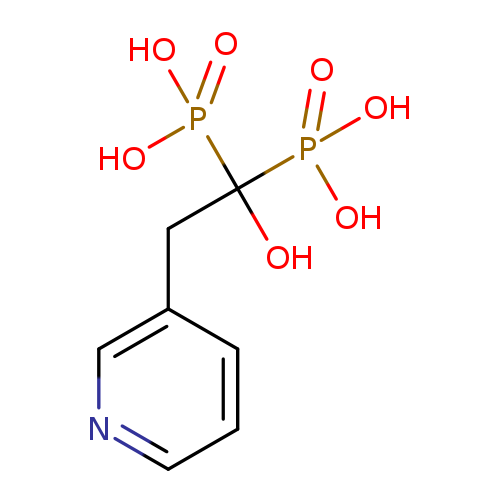
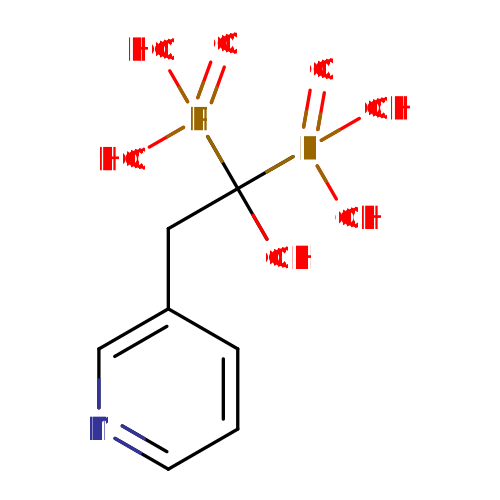
Chemical Structure
Synonyms
ValueSource
RidronKegg
Risedronic acidGenerator
NE-58095HMDB
ActonelHMDB
2-(3-Pyridinyl)-1-hydroxyethylidene-bisphosphonateHMDB
Risedronate sodiumHMDB
1-Hydroxy-2-(3-pyridyl)ethylidene diphosphonateHMDB
AtelviaHMDB
Sodium, bisphosphate risedronateHMDB
Sodium, risedronateHMDB
Bisphosphate risedronate sodiumHMDB
2-(3-Pyridinyl)-1-hydroxyethylidenebisphosphonateHMDB
Acid, risedronicHMDB
Risedronate sodium, bisphosphateHMDB
Risedronic acid, monosodium saltHMDB
Risedronate sodium, bisphosphonateHMDB
Bisphosphonate risedronate sodiumHMDB
Sodium, bisphosphonate risedronateHMDB
Chemical FormulaC7H11NO7P2
Average Molecular Mass283.112 g/mol
Monoisotopic Mass283.001 g/mol
CAS Registry Number105462-24-6
IUPAC Name[1-hydroxy-1-phosphono-2-(pyridin-3-yl)ethyl]phosphonic acid
Traditional Namerisedronate
SMILESOC(CC1=CN=CC=C1)(P(O)(O)=O)P(O)(O)=O
InChI IdentifierInChI=1S/C7H11NO7P2/c9-7(16(10,11)12,17(13,14)15)4-6-2-1-3-8-5-6/h1-3,5,9H,4H2,(H2,10,11,12)(H2,13,14,15)
InChI KeyIIDJRNMFWXDHID-UHFFFAOYSA-N
Chemical Taxonomy
Description Belongs to the class of organic compounds known as bisphosphonates. These are organic compounds containing two phosphonate groups linked together through a carbon atoms.
KingdomOrganic compounds
Super ClassOrganic acids and derivatives
ClassOrganic phosphonic acids and derivatives
Sub ClassBisphosphonates
Direct ParentBisphosphonates
Alternative Parents
Substituents
  • Bisphosphonate
  • Pyridine
  • Heteroaromatic compound
  • Organophosphonic acid
  • Azacycle
  • Organoheterocyclic compound
  • Organic nitrogen compound
  • Organic oxygen compound
  • Organopnictogen compound
  • Organic oxide
  • Hydrocarbon derivative
  • Organophosphorus compound
  • Organooxygen compound
  • Organonitrogen compound
  • Aromatic heteromonocyclic compound
Molecular FrameworkAromatic heteromonocyclic compounds
External Descriptors
Biological Properties
StatusDetected and Not Quantified
OriginExogenous
Cellular Locations
  • Cytoplasm
  • Membrane
Biofluid LocationsNot Available
Tissue LocationsNot Available
ApplicationsNot Available
Biological Roles
Chemical RolesNot Available
Organoleptic EffectsNot Available
Physical Properties
StateSolid
AppearanceWhite powder.
Experimental Properties
PropertyValue
Melting PointNot Available
Boiling PointNot Available
Solubility1.04e+01 g/L
Predicted Properties
PropertyValueSource
Water Solubility10.4 g/LALOGPS
logP-0.75ALOGPS
logP-3.3ChemAxon
logS-1.4ALOGPS
pKa (Strongest Acidic)0.68ChemAxon
pKa (Strongest Basic)4.91ChemAxon
Physiological Charge-2ChemAxon
Hydrogen Acceptor Count8ChemAxon
Hydrogen Donor Count5ChemAxon
Polar Surface Area148.18 ŲChemAxon
Rotatable Bond Count4ChemAxon
Refractivity57.12 m³·mol⁻¹ChemAxon
Polarizability21.91 ųChemAxon
Number of Rings1ChemAxon
BioavailabilityYesChemAxon
Rule of FiveYesChemAxon
Ghose FilterNoChemAxon
Veber's RuleNoChemAxon
MDDR-like RuleNoChemAxon
Spectra
Spectra
Spectrum TypeDescriptionSplash KeyDeposition DateView
Predicted GC-MSPredicted GC-MS Spectrumsplash10-001l-9030000000-834cccb13596d4a6e4c2Not AvailableView Spectrum
Predicted GC-MSPredicted GC-MS Spectrumsplash10-00ec-9131000000-85d766b80d3eecd58217Not AvailableView Spectrum
Predicted GC-MSPredicted GC-MS SpectrumNot AvailableNot AvailableView Spectrum
Predicted LC-MS/MSPredicted LC-MS/MS Spectrumsplash10-0f89-0190000000-fd3ef9304911f5ba797fNot AvailableView Spectrum
Predicted LC-MS/MSPredicted LC-MS/MS Spectrumsplash10-0f89-7980000000-2508dc22ba77fa4bcee8Not AvailableView Spectrum
Predicted LC-MS/MSPredicted LC-MS/MS Spectrumsplash10-001i-9240000000-2f245ccf75b7681832ceNot AvailableView Spectrum
Predicted LC-MS/MSPredicted LC-MS/MS Spectrumsplash10-0f89-1090000000-882848c0e9a8de518fffNot AvailableView Spectrum
Predicted LC-MS/MSPredicted LC-MS/MS Spectrumsplash10-0w30-3290000000-a1775bd54b8db706bd1fNot AvailableView Spectrum
Predicted LC-MS/MSPredicted LC-MS/MS Spectrumsplash10-003r-9000000000-8ca3758d4566ac31ba50Not AvailableView Spectrum
Predicted LC-MS/MSPredicted LC-MS/MS Spectrumsplash10-001i-1190000000-fce2959eb809fe2060d8Not AvailableView Spectrum
Predicted LC-MS/MSPredicted LC-MS/MS Spectrumsplash10-001i-0190000000-b9756aabf61eee5b04abNot AvailableView Spectrum
Predicted LC-MS/MSPredicted LC-MS/MS Spectrumsplash10-0006-9100000000-145687ddc19a2ed9ccbcNot AvailableView Spectrum
Predicted LC-MS/MSPredicted LC-MS/MS Spectrumsplash10-03di-0090000000-53f1652a378d9f5559bbNot AvailableView Spectrum
Predicted LC-MS/MSPredicted LC-MS/MS Spectrumsplash10-01t9-9020000000-e3ffbff7b9593c322cfeNot AvailableView Spectrum
Predicted LC-MS/MSPredicted LC-MS/MS Spectrumsplash10-03fr-9000000000-e773369d1f76d237ca38Not AvailableView Spectrum
1D NMR13C NMR Spectrum (1D, D2O, predicted)Not AvailableNot AvailableView Spectrum
1D NMR1H NMR Spectrum (1D, D2O, predicted)Not AvailableNot AvailableView Spectrum
Toxicity Profile
Toxicity Values
Toxicity ValueOrganismDose DescriptorRoute of ExposurePredicted or ExperimentalToxicity RatingReference
2821.0 Log mg/kg [1600:5000]RatLD50oralpredictedNot AvailableNot Available
Toxicity / Toxin ClassNot Available
Mechanism of ToxicityThe action of risedronate on bone tissue is based partly on its affinity for hydroxyapatite, which is part of the mineral matrix of bone. Risedronate also targets farnesyl pyrophosphate (FPP) synthase. Nitrogen-containing bisphosphonates (such as pamidronate, alendronate, risedronate, ibandronate and zoledronate) appear to act as analogues of isoprenoid diphosphate lipids, thereby inhibiting FPP synthase, an enzyme in the mevalonate pathway. Inhibition of this enzyme in osteoclasts prevents the biosynthesis of isoprenoid lipids (FPP and GGPP) that are essential for the post-translational farnesylation and geranylgeranylation of small GTPase signalling proteins. This activity inhibits osteoclast activity and reduces bone resorption and turnover. In postmenopausal women, it reduces the elevated rate of bone turnover, leading to, on average, a net gain in bone mass.
Carcinogenicity (IARC Classification)No indication of carcinogenicity to humans (not listed by IARC).
Minimum Risk LevelNot Available
SymptomsSide effects include abdominal pain, anxiety, back pain, belching, bladder irritation, bone disorders and pain, bronchitis, bursitis, cataracts, chest pain, colitis, constipation, depression, diarrhea, difficulty breathing, dizziness, dry eyes, eye infection, flu-like symptoms, gas, headache, high blood pressure, infection, insomnia, itching, joint disorders and pain, leg cramps, muscle pain, muscle weakness, nausea, neck pain, nerve pain, pain, pneumonia, rash, ringing in ears, sinus problems, sore throat, stomach bleeding, stuffy or runny nose, swelling, tendon problems, tumor, ulcers, urinary tract infection, vertigo, vision problems, and weakness.
TreatmentNot Available
Health Effects
Health EffectRelationshipDirectionDescriptionReference
breast cancerHas Therapeutic Effect OnNot AvailableA breast cancer that has material basis in abnormally proliferating cells derives from epithelial cells. (DO)PMC6607035 , PMC8080519
breast cancerNot AvailableNot AvailableA breast cancer that has material basis in abnormally proliferating cells derives from epithelial cells. (DO)PMC11570850
osteoporosisNot AvailableNot AvailableA disorder characterized by reduced bone mass, with a decrease in cortical thickness and in the number and size of the trabeculae of cancellous bone (but normal chemical composition), resulting in increased fracture incidence. (NCI CTCAE)PMC10547673 , PMC10889292
multiple myelomaNot AvailableNot AvailableA myeloid neoplasm that is located in the plasma cells in bone marrow. (DO)PMC10547673
feverAssociated With?increaseA disorder characterized by an abnormally high body temperature.PMC2971711
painHas Therapeutic Effect OnNot AvailableA disorder characterized by the sensation of marked discomfort, distress or agony. (NCI CTCAE)PMC11382656
headacheAssociated With?Not AvailableA disorder characterized by a sensation of marked discomfort in various parts of the head, not confined to the area of distribution of any nerve. (NCI CTCAE)PMC6924235
Prostate cancerHas Therapeutic Effect OnNot AvailableA male reproductive organ cancer that is located in the prostate. (DO)PMC6406412
necrosisAssociated With?decreaseA disorder characterized as a form of cell injury which results in the premature death of cells in living tissue by autolysis.PMC10871045
hepatitisAssociated With?Not AvailableA disorder characterized by an inflammation of the liver. (NCI CTCAE)PMC3273686
hypercalcemiaNot AvailableNot AvailableA disorder characterized by laboratory test results that indicate an elevation in the concentration of calcium (corrected for albumin) in blood. (NCI CTCAE)PMC10547673
nauseaAssociated With?Not AvailableA disorder characterized by a queasy sensation and/or the urge to vomit. (NCI CTCAE)PMC2879572
osteoarthritisNot AvailableNot AvailableAn arthritis that has material basis in worn out cartilage located in joint. (DO)PMC6123982
glucocorticoid-induced osteoporosisHas Therapeutic Effect OnNot AvailableNot AvailablePMC2686344
glucocorticoid-induced osteoporosisNot AvailableNot AvailableNot AvailablePMC5114204 , PMC6924235
hypophosphatemiaAssociated With?Not AvailableA disorder characterized by laboratory test results that indicate a low concentration of phosphates in the blood. (NCI CTCAE)PMC7716604
esophageal cancerAssociated With?decreaseEsophageal cancer is cancer that occurs in the esophagus — a long, hollow tube that runs from the throat to the stomach. Esophageal cancer usually begins in the cells that line the inside of the esophagus. Esophageal cancer is the sixth most common cause of cancer deaths worldwide. Incidence rates vary within different geographic locations. In some regions, higher rates of esophageal cancer may be attributed to tobacco and alcohol use or particular nutritional habits and obesity. Signs and symptoms of esophageal cancer are weight loss and painful or difficult swallowing.PMC10871045
osteonecrosisNot AvailableNot AvailableA disorder characterized by necrotic changes in the bone tissue due to interruption of blood supply. Most often affecting the epiphysis of the long bones, the necrotic changes result in the collapse and the destruction of the bone structure. (NCI CTCAE)PMC6123982
osteosarcomaHas Therapeutic Effect OnNot AvailableNot AvailablePMC6406412 , PMC2729740
esophagitisAssociated With?Not AvailableNot AvailablePMC3108695
Osteogenesis ImperfectaHas Therapeutic Effect OnNot AvailableOsteogenesis imperfecta (OI), also known as brittle bone disease, is a group of genetic disorders that mainly affect the bones. It results in bones that break easily. The severity may be mild to severe. Other symptoms may include a blue tinge to the whites of the eye, short height, loose joints, hearing loss, breathing problems and problems with the teeth. Complications may include cervical artery dissection and aortic dissection. There are at least nine different types of OI. Type I is the most common. Symptoms vary from person to person. Osteogenesis imperfecta is a genetic disorder commonly caused by mutations in the COL1A1 and COL1A2 genes which are responsible for the production of collagen type 1. Approximately 90% of people with OI are heterozygous for mutations in both the COL1A1 and COL1A2 genes. In the United States, the incidence of osteogenesis imperfecta is estimated to be one per 20,000 live births. An estimated 20,000 to 50,000 people are affected by OI in the United States. The most common types are I - IV. (Wikipedia)PMC4964748
osteonecrosis of the jawAssociated With?Not AvailableNot AvailablePMC9627332 , PMC4728763
Growth delayHas Therapeutic Effect OnNot AvailableNot AvailablePMC5018610
metastatic malignant neoplasmNot AvailableNot AvailableNot AvailablePMC10547673
bone fractureNot AvailableNot AvailableNot AvailablePMC4094788 , PMC4632141
bone fractureHas Therapeutic Effect OnNot AvailableNot AvailablePMC7321771 , PMC5004254
Cell SurvivalAssociated With?increaseNot AvailablePMC2945066
cancer-related conditionNot AvailableNot AvailableNot AvailablePMC11012270
Neoplasm MetastasisHas Therapeutic Effect OnNot AvailableNot AvailablePMC11462496
dyspepsiaAssociated With?Not AvailableNot AvailablePMC2879572
OsteopeniaNot AvailableNot AvailableNot AvailablePMC11374645
HypocalcemiaAssociated With?Not AvailableNot AvailablePMC7716604
cryptosporidiosisHas Therapeutic Effect OnNot AvailableNot AvailablePMC12355920
postmenopausal osteoporosisNot AvailableNot AvailableNot AvailablePMC3491244 , PMC2971711
Osteoporotic FracturesNot AvailableNot AvailableNot AvailablePMC3897893 , PMC4564779
MyalgiaAssociated With?Not AvailableNot AvailablePMC9079914
Plaque, AtheroscleroticHas Therapeutic Effect OnNot AvailableNot AvailablePMC5669782
hip fractureNot AvailableNot AvailableNot AvailablePMC4906542 , PMC8744486
hip fractureHas Therapeutic Effect OnNot AvailableNot AvailablePMC2971711 , PMC3855695
hip fractureAssociated With?increaseNot AvailablePMC9189912
hip fractureAssociated With?Not AvailableNot AvailablePMC9189912
hip fractureAssociated With?decreaseNot AvailablePMC4564779
Musculoskeletal PainAssociated With?Not AvailableNot AvailablePMC7716604
mammary Paget's diseaseNot AvailableNot AvailableNot AvailablePMC11142991
Alveolar Bone LossHas Therapeutic Effect OnNot AvailableNot AvailablePMC7595528
gingival disorderAssociated With?Not AvailableNot AvailablePMC11374645
gingival diseaseAssociated With?Not AvailableNot AvailablePMC11374645
Exposure Sources
Source IDSourceSectorReference
CEDs000070Stormwater runoff?Stormwater runoff refers to the flow of rainwater or melted snow that does not soak into the ground and instead collects pollutants as it travels over impervious surfaces such as roads and parking lots.Automotive & urban infrastructurePubChem
CEDs000233Brushes?Brushes used in personal care and cosmetics can be a source of synthetic chemical contamination due to the materials and coatings used in their manufacturing.Personal care & cosmeticsPubChem
CEDs000367Drugs for treatment of bone diseases?Drugs for the treatment of bone diseases, such as bisphosphonates and calcitonin, are synthetic chemicals designed to prevent bone loss and promote bone health.Healthcare, pharmaceuticals & veterinary productsNot Available
CEDs000496Fencing?Fencing materials, particularly those used in construction and landscaping, can be a source of synthetic chemical contamination due to the treatments and coatings applied for durability and weather resistance.Building & ConstructionPubChem
CEDs000497Floors?Floors in built environments can be a significant source of synthetic chemical contamination due to the materials and finishes used in their construction.Building & ConstructionPubChem
CEDs000500Stairs And Ramps?Stairs and ramps in construction are often treated with various synthetic chemicals to enhance durability, slip resistance, and weather resistance.Building & ConstructionPubChem
CEDs000503Tents Or Canopies?Tents and canopies used in various applications can be a source of synthetic chemical contamination primarily due to the materials from which they are made.Building & ConstructionPubChem
CEDs000506Antennas?Antennas, commonly used in communication technologies, can be a source of synthetic chemical contamination through the materials and coatings used in their construction.Electrical & Electronic EquipmentPubChem
CEDs000507Auxiliary Devices?Auxiliary devices, such as capacitors, transformers, and circuit breakers, are integral components in various electronic systems.Electrical & Electronic EquipmentPubChem
CEDs000508Coils?Coils are components used in various electrical and electronic applications, such as transformers, inductors, and motors.Electrical & Electronic EquipmentPubChem
CEDs000511Conductors Or Conductive Bodies Characterised By The Conductive Materials?Conductors, or conductive bodies, are materials that allow the flow of electrical current, typically made from metals such as copper, aluminum, or silver.Electrical & Electronic EquipmentPubChem
CEDs000513Cores Yokes Or Armatures?Cores, yokes, or armatures are components commonly found in electrical devices, used to facilitate the magnetic and electrical functions within motors, transformers, and generators.Electrical & Electronic EquipmentPubChem
CEDs000514Discharge Lamps?Discharge lamps, including fluorescent and high-intensity discharge (HID) lamps, are commonly used for lighting applications due to their energy efficiency and brightness.Electrical & Electronic EquipmentPubChem
CEDs000515Discharge Tubes With Liquid Pool Cathodes?Discharge tubes with liquid pool cathodes are devices that utilize a liquid metal as the cathode in gas discharge applications.Electrical & Electronic EquipmentPubChem
CEDs000516Electric Hearing Aids?Electric hearing aids are small electronic devices designed to amplify sound for individuals with hearing loss.Electrical & Electronic EquipmentPubChem
CEDs000517Electric Switches?Electric switches, integral components in numerous devices, can be a source of synthetic chemical contamination due to the materials and manufacturing processes involved in their production.Electrical & Electronic EquipmentPubChem
CEDs000518Electrically Stimulated Smoking Devices?Electrically stimulated smoking devices, commonly known as e-cigarettes or vape pens, utilize electrical components to heat a liquid solution, often containing nicotine, flavorings, and other additives, to produce an aerosol for inhalation.Electrical & Electronic EquipmentPubChem
CEDs000519Electrodes?Electrodes, used in various electrical and electronic applications, can be a source of synthetic chemical contamination due to the materials from which they are constructed and the processes involved in their manufacturing.Electrical & Electronic EquipmentPubChem
CEDs000521Fixed Capacitors And Their Manufacture?Fixed capacitors are passive electronic components used to store and release electrical energy, playing a critical role in various circuits.Electrical & Electronic EquipmentPubChem
CEDs000524Hybrid Capacitors?Hybrid capacitors are energy storage devices that combine the properties of electrolytic and supercapacitors, utilizing a combination of electrochemical principles to achieve higher energy density and power density.Electrical & Electronic EquipmentPubChem
CEDs000527Magnets?Magnets, commonly used in various electrical and electronic applications, can be a source of synthetic chemical contamination due to the materials used in their production.Electrical & Electronic EquipmentPubChem
CEDs000529Power Cables?Power cables are used to transmit electrical energy and are typically composed of conductive materials, insulation, and protective coatings.Electrical & Electronic EquipmentPubChem
CEDs000531Relays?Relays are electromechanical switches used to control circuits and manage electrical loads.Electrical & Electronic EquipmentPubChem
CEDs000533Sparking Plugs?Spark plugs are critical components in internal combustion engines, facilitating the ignition of fuel-air mixtures by generating a spark.Electrical & Electronic EquipmentPubChem
CEDs000535Superconducting Magnets And Superconducting Coils?Superconducting magnets and coils are utilized in various applications that require strong magnetic fields, such as magnetic resonance imaging (MRI) and particle accelerators.Electrical & Electronic EquipmentPubChem
CEDs000536Superconductive Or Hyperconductive Conductors Cables Or Transmission Lines?Superconductive or hyperconductive conductors, including cables and transmission lines, are materials that exhibit zero electrical resistance under specific conditions, typically at low temperatures.Electrical & Electronic EquipmentPubChem
CEDs000537Television Systems?Television systems can be a source of synthetic chemical contamination due to the various materials and components used in their manufacture and operation.Electrical & Electronic EquipmentPubChem
CEDs000545Food Preservation?Food preservation often involves the use of synthetic chemicals, such as preservatives, flavor enhancers, and color additives, to extend shelf life and enhance the sensory qualities of food products.Food, food processing & cookwarePubChem
CEDs000552Processing Meats?Processing meats can lead to synthetic chemical contamination primarily through the use of additives and preservatives.Food, food processing & cookwarePubChem
CEDs000555Bleaching Agents?Bleaching agents are chemical substances used to whiten or lighten materials, often employed in various cleaning products for their stain removal and disinfecting properties.Household cleaning & consumer productsPubChem
CEDs000556Cigar Cigarettes?Cigar cigarettes are a source of synthetic chemical contamination due to the combustion of various tobacco blends and additives.Household cleaning & consumer productsPubChem
CEDs000559Non Electric Simulated Smoking Devices?Non-electric simulated smoking devices, often designed to mimic the experience of smoking without combustion, can be sources of synthetic chemical contamination due to the materials and chemicals used in their construction and operation.Household cleaning & consumer productsPubChem
CEDs000560Other Smoking Requisites?Other smoking requisites, including items such as lighters, matches, and rolling papers, can introduce synthetic chemical contamination through various components and additives.Household cleaning & consumer productsPubChem
CEDs000566Tobacco Pipes?Tobacco pipes, often made from materials such as plastic, wood, or metal, can serve as sources of synthetic chemical contamination due to the residues left by tobacco products.Household cleaning & consumer productsPubChem
CEDs000569Tobacco Smoke Filters?Tobacco smoke filters are designed to reduce the inhalation of harmful substances in cigarette smoke, including tar and other particulate matter.Household cleaning & consumer productsPubChem
CEDs000578Making Cigars?The process of making cigars involves several steps, including the cultivation of tobacco, fermentation, and the application of various additives to enhance flavor and preservation.Industrial manufacturing & chemical processingPubChem
CEDs000579Manufacture Of Iron Or Steel?The manufacture of iron or steel involves various processes, including smelting, refining, and alloying, which can result in the release of synthetic chemicals and contaminants.Industrial manufacturing & chemical processingPubChem
CEDs000580Manufacture Preparation Of Tobacco Products?The manufacture and preparation of tobacco products involve various processes that can result in the introduction of synthetic chemicals into the environment.Industrial manufacturing & chemical processingPubChem
CEDs000581Paper Making Machines?Paper making machines utilize various synthetic chemicals throughout the production process, including additives, coatings, and bleaching agents.Industrial manufacturing & chemical processingPubChem
CEDs000583Anchoring Equipment?Anchoring equipment, commonly used in marine applications, can be a source of synthetic chemical contamination due to the materials and coatings utilized in their manufacturing.Marine, shipping & aquaculturePubChem
CEDs000589Life Buoys?Life buoys, commonly used in marine environments for safety and rescue operations, can be a source of synthetic chemical contamination due to the materials used in their production.Marine, shipping & aquaculturePubChem
CEDs000592Marine Propulsion Or Steering?Marine propulsion and steering systems often rely on various synthetic chemicals, including lubricants, fuels, and hydraulic fluids.Marine, shipping & aquaculturePubChem
CEDs000601Lawn Mowers?Lawn mowers, particularly those powered by gasoline, can be a source of synthetic chemical contamination due to the combustion of fossil fuels and the use of engine oils.Agriculture & land managementPubChem
CEDs000611Anti Perspirants Or Body Deoderants?Antiperspirants and body deodorants commonly contain synthetic chemicals such as aluminum compounds, parabens, and synthetic fragrances.Personal care & cosmeticsPubChem
CEDs000620Card Games?Card games often utilize synthetic materials for playing cards and associated gaming equipment, which may contain various chemicals such as polyvinyl chloride (PVC), plastics, and dyes.Recreation & sports surfacesPubChem
CEDs000630Toys?Toys, particularly those made from synthetic materials such as plastics, can be a source of chemical contamination due to the presence of various additives and compounds used in their production.Recreation & sports surfacesPubChem
CEDs000632Apparel?Apparel production often involves the use of various synthetic chemicals, including dyes, finishing agents, and preservatives.Textiles, leather & furnishingsPubChem
CEDs000638Decorating Textiles?Decorating textiles often involves the use of synthetic chemicals such as dyes, finishes, and coatings.Textiles, leather & furnishingsPubChem
CEDs000642Footwear?Footwear production often involves the use of various synthetic chemicals, such as adhesives, dyes, and treatments, which can contribute to environmental contamination.Textiles, leather & furnishingsPubChem
CEDs000643Headwear?Headwear made from synthetic materials often incorporates chemicals used in the manufacturing and finishing processes, such as dyes, flame retardants, and water repellents.Textiles, leather & furnishingsPubChem
CEDs000650Purses Luggage Hand Bags?Purses, luggage, and handbags are often manufactured using synthetic materials such as polyvinyl chloride (PVC), polyurethane, and various types of nylon.Textiles, leather & furnishingsPubChem
CEDs000659Transfer Printing?Transfer printing is a process used to apply designs and patterns onto various substrates, commonly utilizing synthetic dyes and inks that can contain hazardous chemicals.Textiles, leather & furnishingsPubChem
CEDs000662Yarns Or Threads?Yarns or threads used in textiles can be a source of synthetic chemical contamination due to the production processes and treatments they undergo.Textiles, leather & furnishingsPubChem
CEDs000671Airplanes And Helicopters?Airplanes and helicopters are significant sources of synthetic chemical contamination primarily through the use of aviation fuels, lubricants, and de-icing agents.Aviation & AerospacePubChem
CEDs000677Horse Reins?Horse reins, often made from synthetic materials such as nylon or polyester, can be a source of chemical contamination due to their production and degradation processes.Agriculture & land managementPubChem
CEDs000684Cements?Cements are a composite material primarily used as a binding agent in construction applications, formed by the calcination of limestone and clay minerals at high temperatures.Building & ConstructionPubChem
CEDs000685Ceramics?Ceramics can be a source of synthetic chemical contamination through various additives and processing agents used in their production.Building & ConstructionPubChem
CEDs000688Glass Coatings?Glass coatings are synthetic chemical formulations applied to glass surfaces to enhance properties such as durability, UV resistance, and aesthetic appeal.Building & ConstructionPubChem
CEDs000692Silica Free Oxide Glass?Silica Free Oxide Glass is a type of glass that is produced using alternative materials to traditional silica-based formulations.Building & ConstructionPubChem
CEDs000693Silica Glass?Silica glass, primarily composed of silicon dioxide (SiO2), is widely used in various applications, including windows, glass facades, and insulation materials.Building & ConstructionPubChem
CEDs000696Nanotechnology?Nanotechnology involves the manipulation of materials at the molecular or atomic level, typically within the range of 1 to 100 nanometers.Industrial manufacturing & chemical processingPubChem
CEDs000697Submarines?Submarines, while essential for military and research purposes, can be a source of synthetic chemical contamination due to their use of various industrial chemicals.Marine, shipping & aquaculturePubChem
CEDs000699Mining Or Quarrying?Mining and quarrying operations can lead to synthetic chemical contamination through the release of various pollutants associated with the extraction and processing of minerals.Mining & metal processingPubChem
CEDs000707Books?Books can be a source of synthetic chemical contamination due to the use of various chemicals in their production and preservation processes.Paper, pulp & fiber productsPubChem
CEDs000714Embossing Machines?Embossing machines are industrial devices used to create raised patterns or designs on materials, including paper and fiber products.Paper, pulp & fiber productsPubChem
CEDs000717Fountain Pens?Fountain pens utilize a liquid ink that often contains synthetic chemicals, including dyes, pigments, and solvents, which can contribute to environmental contamination.Paper, pulp & fiber productsPubChem
CEDs000720Ink Reservoir Pens2?Ink reservoir pens are writing instruments that utilize a reservoir to store ink, which is often composed of synthetic dyes, solvents, and additives.Paper, pulp & fiber productsPubChem
CEDs000727Printing Machines Or Presses?Printing machines or presses commonly utilize synthetic chemicals such as inks, solvents, and cleaning agents.Paper, pulp & fiber productsPubChem
CEDs000735Explosives?Explosives are chemical compounds or mixtures designed to undergo rapid decomposition, releasing energy in the form of gas and heat.Defense & military infrastructurePubChem
CEDs000739Inks?Inks are complex mixtures composed of pigments or dyes, solvents, resins, and additives used primarily for printing and writing applications.Paper, pulp & fiber productsPubChem
CEDs000740Paper?Paper production involves the processing of wood fibers and the use of various chemicals, which can lead to synthetic chemical contamination.Paper, pulp & fiber productsPubChem
CEDs000741Pigment Pastes?Pigment pastes are concentrated dispersions of pigments used to impart color and properties to materials.Paper, pulp & fiber productsPubChem
CEDs000744Water, Wastewater, & Sewage Treatment?Water, wastewater, and sewage treatment processes are critical for managing and mitigating pollutants in water systems.Wastewater, sanitation & biosolidsPubChem
CEDs01079TabletHealthcare, pharmaceuticals & veterinary productsPMC9079914 , PMC3804538
Pathways
4 pathwaysPathway Source: PathBank
Targets
StructureProteinUniProt IDOrganismRelationshipDetails
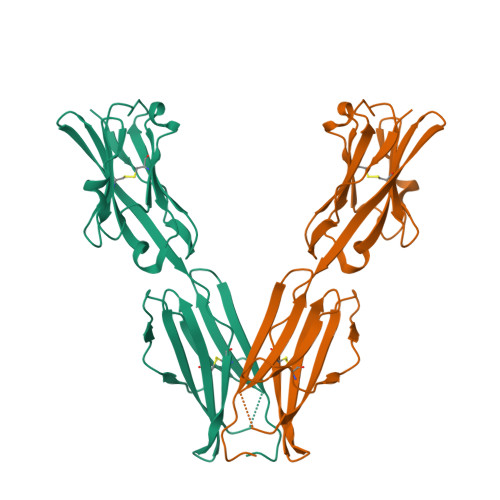
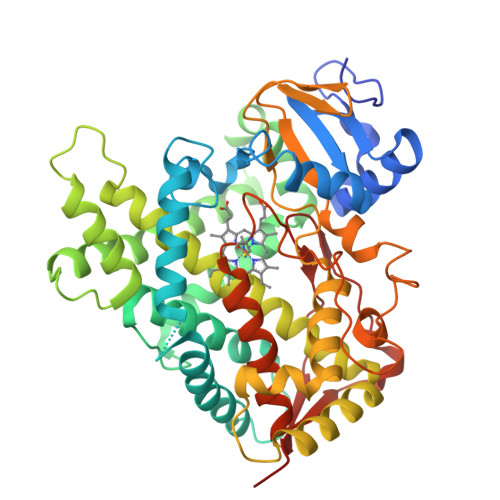
Farnesyl pyrophosphate synthase structureClick to view 3D structureFarnesyl pyrophosphate synthaseP14324HumansPredicted (SEA)
Prediction Confidence Score
0.57
Applicability Domain
1.0
Statistical Significance
3.00e-05
Supporting Reference Compounds
22
E-value
0.233548
Click to view 3D structureFarnesyl pyrophosphate synthaseQ0GKD7Leishmania donovaniPredicted (SEA)
Prediction Confidence Score
0.538
Applicability Domain
1.0
Statistical Significance
4.00e-05
Supporting Reference Compounds
14
E-value
0.311397
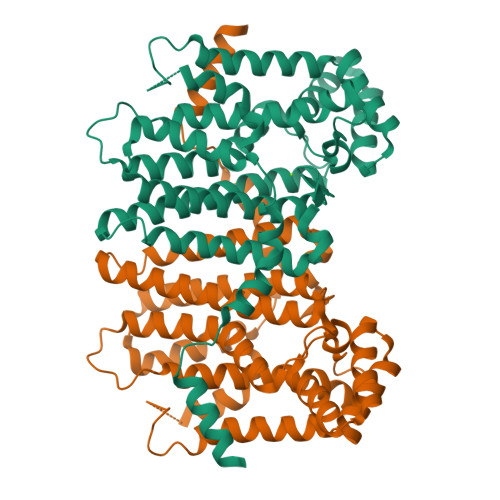
Geranylgeranyl pyrophosphate synthase structureClick to view 3D structureGeranylgeranyl pyrophosphate synthaseO95749HumansPredicted (SEA)
Prediction Confidence Score
0.527
Applicability Domain
1.0
Statistical Significance
4.00e-05
Supporting Reference Compounds
15
E-value
0.311397
Butyrophilin subfamily 3 member A1 structureClick to view 3D structureButyrophilin subfamily 3 member A1O00481HumansPredicted (SEA)
Prediction Confidence Score
0.499
Applicability Domain
1.0
Statistical Significance
1.00e-05
Supporting Reference Compounds
3
E-value
0.0778492
Farnesyl pyrophosphate synthase structureClick to view 3D structureFarnesyl pyrophosphate synthaseP14324HumansKnownNot Available
Farnesyl pyrophosphate synthase structureClick to view 3D structureFarnesyl pyrophosphate synthaseQ4QBL1Leishmania majorPredicted (SEA)
Prediction Confidence Score
0.417
Applicability Domain
1.0
Statistical Significance
3.00e-05
Supporting Reference Compounds
5
E-value
0.233548
Ditrans,polycis-undecaprenyl-diphosphate synthase ((2E,6E)-farnesyl-diphosphate specific) structureClick to view 3D structureDitrans,polycis-undecaprenyl-diphosphate synthase ((2E,6E)-farnesyl-diphosphate specific)P60472Escherichia coli (strain K12)Predicted (SEA)
Prediction Confidence Score
0.392
Applicability Domain
0.392
Statistical Significance
1.00e-05
Supporting Reference Compounds
1
E-value
0.0778492
Geranylgeranyl pyrophosphate synthase BTS1 structureClick to view 3D structureGeranylgeranyl pyrophosphate synthase BTS1Q12051Saccharomyces cerevisiae S288cPredicted (SEA)
Prediction Confidence Score
0.389
Applicability Domain
0.5
Statistical Significance
3.00e-05
Supporting Reference Compounds
4
E-value
0.233548
Click to view 3D structureFarnesyl diphosphate synthaseQ197X6Toxoplasma gondiiPredicted (SEA)
Prediction Confidence Score
0.372
Applicability Domain
1.0
Statistical Significance
9.00e-05
Supporting Reference Compounds
4
E-value
0.700643
Farnesyl diphosphate synthase structureClick to view 3D structureFarnesyl diphosphate synthaseQ8WS26Trypanosoma cruziPredicted (SEA)
Prediction Confidence Score
0.359
Applicability Domain
1.0
Statistical Significance
6.00e-05
Supporting Reference Compounds
5
E-value
0.467095
Farnesyl diphosphate synthase structureClick to view 3D structureFarnesyl diphosphate synthaseP22939Escherichia coli (strain K12)Predicted (SEA)
Prediction Confidence Score
0.341
Applicability Domain
0.422
Statistical Significance
2.00e-05
Supporting Reference Compounds
4
E-value
0.155698
Click to view 3D structureHexokinaseQ8ST54Trypanosoma cruziPredicted (SEA)
Prediction Confidence Score
0.304
Applicability Domain
0.636
Statistical Significance
2.00e-04
Supporting Reference Compounds
7
E-value
1.55698
Aromatase structureClick to view 3D structureAromataseP11511HumansPredicted (SEA)
Prediction Confidence Score
0.3
Applicability Domain
0.347
Statistical Significance
0.0087
Supporting Reference Compounds
127
E-value
67.651
Cytochrome P450 2A6 structureClick to view 3D structureCytochrome P450 2A6P11509HumansPredicted (SEA)
Prediction Confidence Score
0.294
Applicability Domain
0.333
Statistical Significance
0.0019
Supporting Reference Compounds
68
E-value
14.5578
Neuronal acetylcholine receptor subunit alpha-7 structureClick to view 3D structureNeuronal acetylcholine receptor subunit alpha-7P36544HumansPredicted (SEA)
Prediction Confidence Score
0.292
Applicability Domain
0.321
Statistical Significance
0.012
Supporting Reference Compounds
77
E-value
93.8083
Cytochrome P450 3A4 structureClick to view 3D structureCytochrome P450 3A4P08684HumansPredicted (SEA)
Prediction Confidence Score
0.288
Applicability Domain
0.318
Statistical Significance
0.228
Supporting Reference Compounds
1538
E-value
1774.96
Aquaporin-4 structureClick to view 3D structureAquaporin-4P55087HumansPredicted (SEA)
Prediction Confidence Score
0.286
Applicability Domain
0.286 Low confidence
Statistical Significance
0.0013
Supporting Reference Compounds
1
E-value
10.3539
Histone deacetylase 1 structureClick to view 3D structureHistone deacetylase 1Q13547HumansPredicted (SEA)
Prediction Confidence Score
0.284
Applicability Domain
0.305
Statistical Significance
0.1038
Supporting Reference Compounds
497
E-value
808.231
Cytochrome P450 11B1, mitochondrial structureClick to view 3D structureCytochrome P450 11B1, mitochondrialP15538HumansPredicted (SEA)
Prediction Confidence Score
0.283
Applicability Domain
0.318
Statistical Significance
0.0052
Supporting Reference Compounds
66
E-value
40.4816
Cytochrome P450 11B2, mitochondrial structureClick to view 3D structureCytochrome P450 11B2, mitochondrialP19099HumansPredicted (SEA)
Prediction Confidence Score
0.283
Applicability Domain
0.318
Statistical Significance
0.0054
Supporting Reference Compounds
62
E-value
41.805
Muscarinic acetylcholine receptor M2 structureClick to view 3D structureMuscarinic acetylcholine receptor M2P08172HumansPredicted (SEA)
Prediction Confidence Score
0.282
Applicability Domain
0.3
Statistical Significance
0.0477
Supporting Reference Compounds
373
E-value
371.029
Nicotinamide phosphoribosyltransferase structureClick to view 3D structureNicotinamide phosphoribosyltransferaseP43490HumansPredicted (SEA)
Prediction Confidence Score
0.281
Applicability Domain
0.305
Statistical Significance
0.0077
Supporting Reference Compounds
33
E-value
60.0218
Click to view 3D structureNeuronal acetylcholine receptor subunit alpha-7Q05941Rattus norvegicusPredicted (SEA)
Prediction Confidence Score
0.281
Applicability Domain
0.321
Statistical Significance
0.0035
Supporting Reference Compounds
55
E-value
27.5586
Click to view 3D structureThromboxane-A synthaseP24557HumansPredicted (SEA)
Prediction Confidence Score
0.278
Applicability Domain
0.291 Low confidence
Statistical Significance
0.0055
Supporting Reference Compounds
66
E-value
43.1285
Cytochrome P450 2E1 structureClick to view 3D structureCytochrome P450 2E1P05181HumansPredicted (SEA)
Prediction Confidence Score
0.277
Applicability Domain
0.313
Statistical Significance
0.0013
Supporting Reference Compounds
31
E-value
10.1204
Cytochrome P450 2B6 structureClick to view 3D structureCytochrome P450 2B6P20813HumansPredicted (SEA)
Prediction Confidence Score
0.273
Applicability Domain
0.313
Statistical Significance
0.0109
Supporting Reference Compounds
150
E-value
85.0892
Adenosine receptor A1 structureClick to view 3D structureAdenosine receptor A1P30542HumansKnownNot Available
Geranylgeranyl pyrophosphate synthase structureClick to view 3D structureGeranylgeranyl pyrophosphate synthaseO95749HumansKnownNot Available
Farnesyl diphosphate synthase structureClick to view 3D structureFarnesyl diphosphate synthaseP22939Escherichia coli (strain K12)KnownNot Available
Caspase-3 structureClick to view 3D structureCaspase-3P42574HumansKnownNot Available
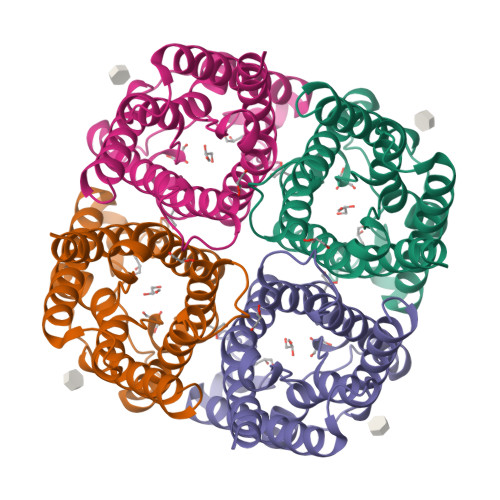
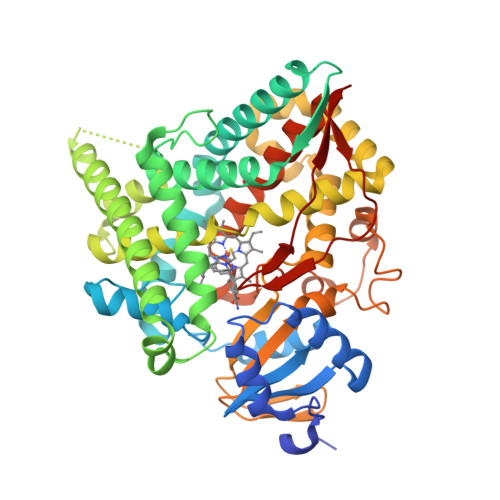
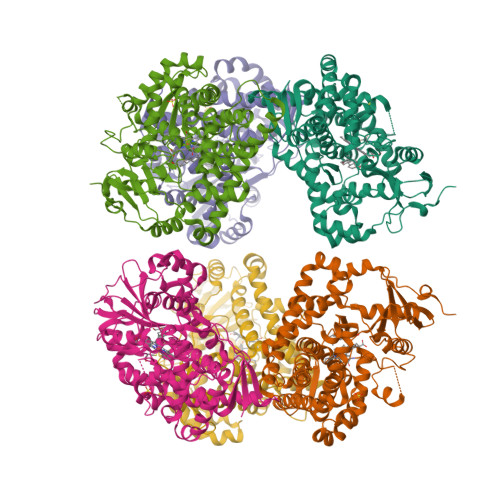
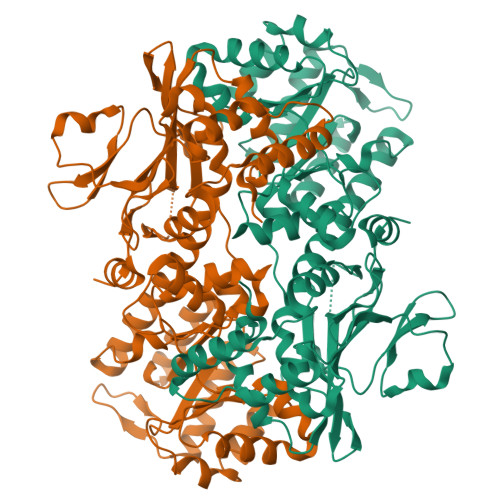
Farnesyl pyrophosphate synthase structureClick to view 3D structureFarnesyl pyrophosphate synthaseP14324HumansKnownThe action of risedronate on bone tissue is based partly on its affinity for hydroxyapatite, which is part of the mineral matrix of bone. Risedronate also targets farnesyl pyrophosphate (FPP) synthase. Nitrogen-containing bisphosphonates (such as pamidronate, alendronate, risedronate, ibandronate and zoledronate) appear to act as analogues of isoprenoid diphosphate lipids, thereby inhibiting FPP synthase, an enzyme in the mevalonate pathway. Inhibition of this enzyme in osteoclasts prevents the biosynthesis of isoprenoid lipids (FPP and GGPP) that are essential for the post-translational farnesylation and geranylgeranylation of small GTPase signalling proteins. This activity inhibits osteoclast activity and reduces bone resorption and turnover. In postmenopausal women, it reduces the elevated rate of bone turnover, leading to, on average, a net gain in bone mass.
Geranylgeranyl pyrophosphate synthase structureClick to view 3D structureGeranylgeranyl pyrophosphate synthaseO95749HumansKnownNot Available
Concentrations
Not Available
External Links
DrugBank IDDB00884
HMDB IDHMDB0015022
FooDB IDNot Available
Phenol Explorer IDNot Available
KNApSAcK IDNot Available
BiGG IDNot Available
BioCyc IDNot Available
METLIN IDNot Available
PDB IDNot Available
Wikipedia LinkRisedronic acid
Chemspider ID5055
ChEBI ID183772
PubChem Compound ID5245
Kegg Compound IDC08233
YMDB IDNot Available
ECMDB IDNot Available
References
Synthesis Reference

Srinivasa Rao V.N Divvela, Lenin Racha, Sivakumaran Meenakshisunderam, Ramesh Dandala, “Process for the preparation of risedronate sodium hemi-pentahydrate.” U.S. Patent US20070173484, issued July 26, 2007.

MSDSLink
General References
  1. Wishart DS, Knox C, Guo AC, Cheng D, Shrivastava S, Tzur D, Gautam B, Hassanali M: DrugBank: a knowledgebase for drugs, drug actions and drug targets. Nucleic Acids Res. 2008 Jan;36(Database issue):D901-6. Epub 2007 Nov 29. [PubMed: 18048412]
  2. Drugs.com - http://www.drugs.com/cons/Risedronate.html