Zaleplon (CED0006279)

Record Information
Version1.0
Creation Date2009-07-15 20:46:17 UTC
Update Date2026-05-14 16:54:14 UTC
SynCED IDCED0006279
Secondary Accession Numbers
  • CHEM002118
  • T3D2673
Identification
Common NameZaleplon
ClassSmall Molecule
Description
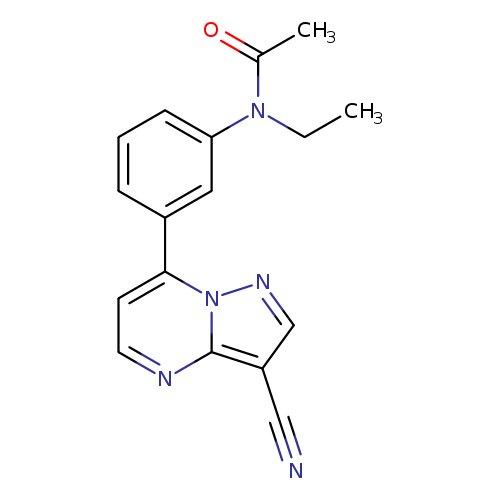
Zaleplon is an exogenous organic compound with the formula C17H15N5O and an average molecular weight of 305.33 g/mol. It exists as a solid at room temperature. Zaleplon belongs to the pyrimidines and pyrimidine derivatives, a subclass of diazines within the organic compounds. This compound is utilized as a sedative, anxiolytic drug, anticonvulsant, and central nervous system depressant. It is found in healthcare, pharmaceuticals, and veterinary products as a hypnotic and sedative. Other recorded sources include household cleaning and consumer products, such as tobacco smoke filters, other smoking requisites, non-electric simulated smoking devices, and cigar cigarettes, as well as electrical and electronic equipment, including radio transmission systems and electrically stimulated smoking devices. The recorded route of exposure is oral. Zaleplon targets the translocator protein (TSPO) and the gamma-aminobutyric acid receptor subunit alpha-1 (GABRA1). It exerts its action through subunit modulation of the GABABZ receptor chloride channel macromolecular complex. Specifically, zaleplon binds selectively to the brain alomega-1 receptor situated on the alpha subunit of the GABA-A/chloride ion channel receptor complex and potentiates t-butyl-bicyclophosphorothionate (TBPS) binding.
Contaminant Type
  • Amide
  • Amine
  • Anticonvulsant
  • Anxiolytic
  • Drug
  • Human Neurotoxin
  • Hypnotic and Sedative
  • Metabolite
  • Nitrile
  • Organic Compound
  • Synthetic Compound
Chemical Structure
SynonymsNot Available
Chemical FormulaC17H15N5O
Average Molecular Mass305.334 g/mol
Monoisotopic Mass305.128 g/mol
CAS Registry Number151319-34-5
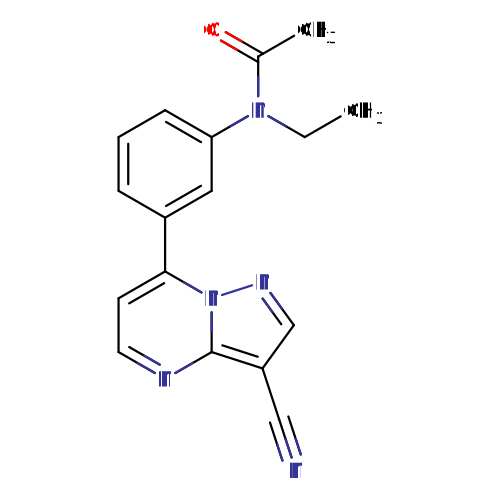
IUPAC NameN-(3-{3-cyanopyrazolo[1,5-a]pyrimidin-7-yl}phenyl)-N-ethylacetamide
Traditional Namezaleplon
SMILESCCN(C(C)=O)C1=CC=CC(=C1)C1=CC=NC2=C(C=NN12)C#N
InChI IdentifierInChI=1S/C17H15N5O/c1-3-21(12(2)23)15-6-4-5-13(9-15)16-7-8-19-17-14(10-18)11-20-22(16)17/h4-9,11H,3H2,1-2H3
InChI KeyHUNXMJYCHXQEGX-UHFFFAOYSA-N
Chemical Taxonomy
ClassificationNot classified
Biological Properties
StatusDetected and Not Quantified
OriginExogenous
Cellular Locations
  • Cytoplasm
  • Extracellular
  • Membrane
Biofluid LocationsNot Available
Tissue LocationsNot Available
Applications
Biological RolesNot Available
Chemical RolesNot Available
Organoleptic EffectsNot Available
Physical Properties
StateSolid
AppearanceWhite to off-white powder (RxList, A308).
Experimental Properties
PropertyValue
Melting Point157-159°C
Boiling PointNot Available
Solubility4.03e-02 g/L
Predicted Properties
PropertyValueSource
Water Solubility0.04 g/LALOGPS
logP2ALOGPS
logP1.53ChemAxon
logS-3.9ALOGPS
pKa (Strongest Basic)0.3ChemAxon
Physiological Charge0ChemAxon
Hydrogen Acceptor Count4ChemAxon
Hydrogen Donor Count0ChemAxon
Polar Surface Area74.29 ŲChemAxon
Rotatable Bond Count3ChemAxon
Refractivity97.24 m³·mol⁻¹ChemAxon
Polarizability32.09 ųChemAxon
Number of Rings3ChemAxon
BioavailabilityYesChemAxon
Rule of FiveYesChemAxon
Ghose FilterYesChemAxon
Veber's RuleNoChemAxon
MDDR-like RuleNoChemAxon
Spectra
Spectra
Spectrum TypeDescriptionSplash KeyDeposition DateView
Predicted GC-MSPredicted GC-MS Spectrumsplash10-002o-3190000000-e824b41dc4a274647c52Not AvailableView Spectrum
Predicted GC-MSPredicted GC-MS SpectrumNot AvailableNot AvailableView Spectrum
LC-MS/MSLC-MS/MS Spectrumsplash10-0a4i-0179000000-1ba269c717f4cb21ab11Not AvailableView Spectrum
LC-MS/MSLC-MS/MS Spectrumsplash10-0bti-0093000000-4fa0fb440741a86e6ec0Not AvailableView Spectrum
Predicted LC-MS/MSPredicted LC-MS/MS Spectrumsplash10-0a4i-0049000000-5aaa826ffa805612f3d8Not AvailableView Spectrum
Predicted LC-MS/MSPredicted LC-MS/MS Spectrumsplash10-0bvr-0093000000-ee7356e7d1d88937a5a1Not AvailableView Spectrum
Predicted LC-MS/MSPredicted LC-MS/MS Spectrumsplash10-0uy3-9070000000-ba55a55873577a61559bNot AvailableView Spectrum
Predicted LC-MS/MSPredicted LC-MS/MS Spectrumsplash10-0udi-0039000000-f5fc7839e64ab7770cbdNot AvailableView Spectrum
Predicted LC-MS/MSPredicted LC-MS/MS Spectrumsplash10-0imi-1192000000-a401fb58f718b462f3e8Not AvailableView Spectrum
Predicted LC-MS/MSPredicted LC-MS/MS Spectrumsplash10-01qc-2090000000-3a6f247edccc09a27d47Not AvailableView Spectrum
Predicted LC-MS/MSPredicted LC-MS/MS Spectrumsplash10-0a4i-0019000000-3c4d873dc10d23983dbbNot AvailableView Spectrum
Predicted LC-MS/MSPredicted LC-MS/MS Spectrumsplash10-0a4i-0096000000-14f38245f06af2128bbbNot AvailableView Spectrum
Predicted LC-MS/MSPredicted LC-MS/MS Spectrumsplash10-01pa-0090000000-87387933dc3858c721b3Not AvailableView Spectrum
Predicted LC-MS/MSPredicted LC-MS/MS Spectrumsplash10-0udi-0009000000-da3cbd45a045c0d9febdNot AvailableView Spectrum
Predicted LC-MS/MSPredicted LC-MS/MS Spectrumsplash10-004i-0092000000-215903c9317ecf06ce4eNot AvailableView Spectrum
Predicted LC-MS/MSPredicted LC-MS/MS Spectrumsplash10-0j5l-0191000000-41735f022846556481dbNot AvailableView Spectrum
MSMS Spectrumsplash10-01ot-3391000000-78a75199aa0ab8c426beNot AvailableView Spectrum
Toxicity Profile
Toxicity Values
Toxicity ValueOrganismDose DescriptorRoute of ExposurePredicted or ExperimentalToxicity RatingReference
949.0 Log mg/kg [530:1700]RatLD50oralpredictedNot AvailableNot Available
Toxicity / Toxin ClassNot Available
Mechanism of ToxicityZaleplon exerts its action through subunit modulation of the GABABZ receptor chloride channel macromolecular complex. Zaleplon also binds selectively to the brain omega-1 receptor located on the alpha subunit of the GABA-A/chloride ion channel receptor complex and potentiates t-butyl-bicyclophosphorothionate (TBPS) binding. Organic nitriles decompose into cyanide ions both in vivo and in vitro. Consequently the primary mechanism of toxicity for organic nitriles is their production of toxic cyanide ions or hydrogen cyanide. Cyanide is an inhibitor of cytochrome c oxidase in the fourth complex of the electron transport chain (found in the membrane of the mitochondria of eukaryotic cells). It complexes with the ferric iron atom in this enzyme. The binding of cyanide to this cytochrome prevents transport of electrons from cytochrome c oxidase to oxygen. As a result, the electron transport chain is disrupted and the cell can no longer aerobically produce ATP for energy. Tissues that mainly depend on aerobic respiration, such as the central nervous system and the heart, are particularly affected. Cyanide is also known produce some of its toxic effects by binding to catalase, glutathione peroxidase, methemoglobin, hydroxocobalamin, phosphatase, tyrosinase, ascorbic acid oxidase, xanthine oxidase, succinic dehydrogenase, and Cu/Zn superoxide dismutase. Cyanide binds to the ferric ion of methemoglobin to form inactive cyanmethemoglobin. (9)
Carcinogenicity (IARC Classification)No indication of carcinogenicity to humans (not listed by IARC).
Minimum Risk LevelNot Available
SymptomsSide effects include abdominal pain, amnesia, dizziness, drowsiness, eye pain, headache, memory loss, menstrual pain, nausea, sleepiness, tingling, weakness
TreatmentGeneral symptomatic and supportive measures should be used along with immediate gastric lavage where appropriate. Intravenous fluids should be administered as needed. As in all cases of drug overdose, respiration, pulse, blood pressure, and other appropriate signs should be monitored and general supportive measures employed. Hypotension and CNS depression should be monitored and treated by appropriate medical intervention. (11)
Health Effects
Health EffectRelationshipDirectionDescriptionReference
Exposure Sources
Source IDSourceSectorReference
CEDs000376Hypnotics and sedatives?Hypnotics and sedatives are synthetic chemicals primarily used to induce sleep, reduce anxiety, and manage various psychiatric disorders.Healthcare, pharmaceuticals & veterinary productsNot Available
CEDs000518Electrically Stimulated Smoking Devices?Electrically stimulated smoking devices, commonly known as e-cigarettes or vape pens, utilize electrical components to heat a liquid solution, often containing nicotine, flavorings, and other additives, to produce an aerosol for inhalation.Electrical & Electronic EquipmentPubChem
CEDs000530Radio Transmission Systems?Radio transmission systems utilize a variety of synthetic chemicals in their manufacturing and maintenance processes.Electrical & Electronic EquipmentPubChem
CEDs000556Cigar Cigarettes?Cigar cigarettes are a source of synthetic chemical contamination due to the combustion of various tobacco blends and additives.Household cleaning & consumer productsPubChem
CEDs000559Non Electric Simulated Smoking Devices?Non-electric simulated smoking devices, often designed to mimic the experience of smoking without combustion, can be sources of synthetic chemical contamination due to the materials and chemicals used in their construction and operation.Household cleaning & consumer productsPubChem
CEDs000560Other Smoking Requisites?Other smoking requisites, including items such as lighters, matches, and rolling papers, can introduce synthetic chemical contamination through various components and additives.Household cleaning & consumer productsPubChem
CEDs000569Tobacco Smoke Filters?Tobacco smoke filters are designed to reduce the inhalation of harmful substances in cigarette smoke, including tar and other particulate matter.Household cleaning & consumer productsPubChem
CEDs000580Manufacture Preparation Of Tobacco Products?The manufacture and preparation of tobacco products involve various processes that can result in the introduction of synthetic chemicals into the environment.Industrial manufacturing & chemical processingPubChem
CEDs000611Anti Perspirants Or Body Deoderants?Antiperspirants and body deodorants commonly contain synthetic chemicals such as aluminum compounds, parabens, and synthetic fragrances.Personal care & cosmeticsPubChem
CEDs000614Essential Oils Or Perfumes?Essential oils and perfumes are complex mixtures of volatile compounds derived from natural or synthetic sources, commonly used for their aromatic properties.Personal care & cosmeticsPubChem
CEDs000632Apparel?Apparel production often involves the use of various synthetic chemicals, including dyes, finishing agents, and preservatives.Textiles, leather & furnishingsPubChem
CEDs000642Footwear?Footwear production often involves the use of various synthetic chemicals, such as adhesives, dyes, and treatments, which can contribute to environmental contamination.Textiles, leather & furnishingsPubChem
CEDs000650Purses Luggage Hand Bags?Purses, luggage, and handbags are often manufactured using synthetic materials such as polyvinyl chloride (PVC), polyurethane, and various types of nylon.Textiles, leather & furnishingsPubChem
CEDs000651Purses Money Bags Wallets?Purses, money bags, and wallets are often manufactured using synthetic materials, including plastics, polyurethanes, and various treated fabrics.Textiles, leather & furnishingsPubChem
CEDs000671Airplanes And Helicopters?Airplanes and helicopters are significant sources of synthetic chemical contamination primarily through the use of aviation fuels, lubricants, and de-icing agents.Aviation & AerospacePubChem
CEDs000685Ceramics?Ceramics can be a source of synthetic chemical contamination through various additives and processing agents used in their production.Building & ConstructionPubChem
CEDs000696Nanotechnology?Nanotechnology involves the manipulation of materials at the molecular or atomic level, typically within the range of 1 to 100 nanometers.Industrial manufacturing & chemical processingPubChem
CEDs000735Explosives?Explosives are chemical compounds or mixtures designed to undergo rapid decomposition, releasing energy in the form of gas and heat.Defense & military infrastructurePubChem
CEDs000744Water, Wastewater, & Sewage Treatment?Water, wastewater, and sewage treatment processes are critical for managing and mitigating pollutants in water systems.Wastewater, sanitation & biosolidsPubChem
Pathways
2 pathwaysPathway Source: PathBank
Targets
StructureProteinUniProt IDOrganismRelationshipDetails
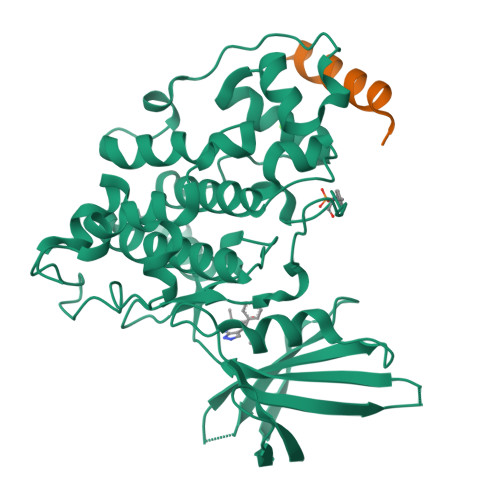
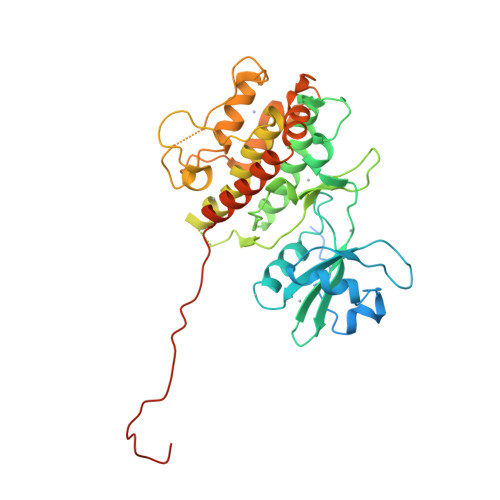
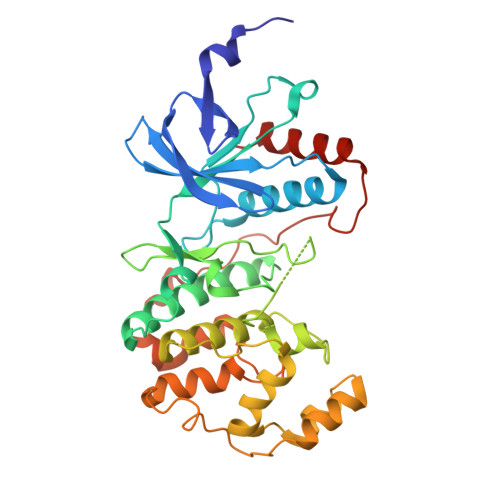
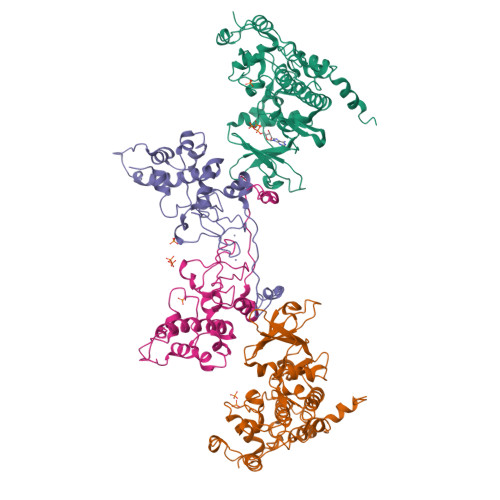
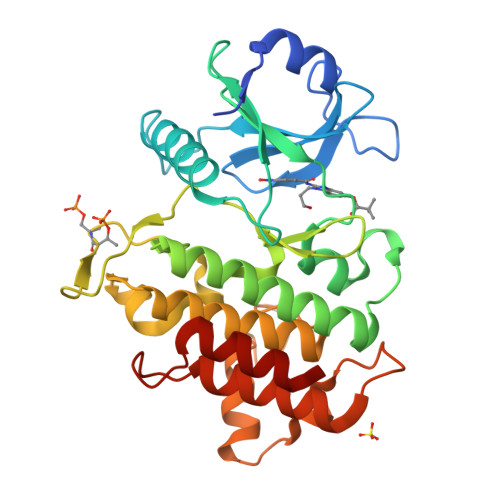
LIM domain kinase 1 structureClick to view 3D structureLIM domain kinase 1P53667HumansPredicted (SEA)
Prediction Confidence Score
0.36
Applicability Domain
0.38
Statistical Significance
0.0188
Supporting Reference Compounds
565
E-value
146.512
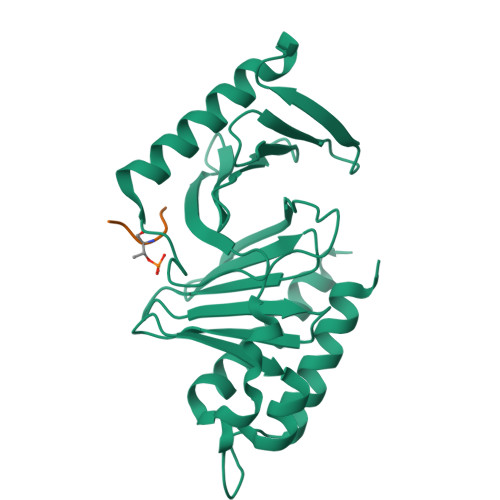
Glycogen synthase kinase-3 alpha structureClick to view 3D structureGlycogen synthase kinase-3 alphaP49840HumansPredicted (SEA)
Prediction Confidence Score
0.358
Applicability Domain
0.365
Statistical Significance
0.0268
Supporting Reference Compounds
754
E-value
208.558
Serine/threonine-protein kinase MARK2 structureClick to view 3D structureSerine/threonine-protein kinase MARK2Q7KZI7HumansPredicted (SEA)
Prediction Confidence Score
0.357
Applicability Domain
0.38
Statistical Significance
0.0193
Supporting Reference Compounds
512
E-value
150.56
Serine/threonine-protein kinase pim-1 structureClick to view 3D structureSerine/threonine-protein kinase pim-1P11309HumansPredicted (SEA)
Prediction Confidence Score
0.357
Applicability Domain
0.365
Statistical Significance
0.0331
Supporting Reference Compounds
967
E-value
257.992
Serine/threonine-protein kinase PLK1 structureClick to view 3D structureSerine/threonine-protein kinase PLK1P53350HumansPredicted (SEA)
Prediction Confidence Score
0.355
Applicability Domain
0.365
Statistical Significance
0.0259
Supporting Reference Compounds
705
E-value
201.707
MAP kinase-activated protein kinase 2 structureClick to view 3D structureMAP kinase-activated protein kinase 2P49137HumansPredicted (SEA)
Prediction Confidence Score
0.355
Applicability Domain
0.365
Statistical Significance
0.026
Supporting Reference Compounds
679
E-value
202.642
Cyclin-dependent kinase 1 structureClick to view 3D structureCyclin-dependent kinase 1P06493HumansPredicted (SEA)
Prediction Confidence Score
0.355
Applicability Domain
0.365
Statistical Significance
0.0248
Supporting Reference Compounds
715
E-value
193.3
RAC-alpha serine/threonine-protein kinase structureClick to view 3D structureRAC-alpha serine/threonine-protein kinaseP31749HumansPredicted (SEA)
Prediction Confidence Score
0.346
Applicability Domain
0.365
Statistical Significance
0.0347
Supporting Reference Compounds
797
E-value
270.215
Cyclin-dependent kinase 2 structureClick to view 3D structureCyclin-dependent kinase 2P24941HumansPredicted (SEA)
Prediction Confidence Score
0.343
Applicability Domain
0.365
Statistical Significance
0.0469
Supporting Reference Compounds
1029
E-value
364.957
Dual specificity tyrosine-phosphorylation-regulated kinase 1A structureClick to view 3D structureDual specificity tyrosine-phosphorylation-regulated kinase 1AQ13627HumansPredicted (SEA)
Prediction Confidence Score
0.339
Applicability Domain
0.365
Statistical Significance
0.0431
Supporting Reference Compounds
906
E-value
335.608
Mitogen-activated protein kinase 13 structureClick to view 3D structureMitogen-activated protein kinase 13O15264HumansPredicted (SEA)
Prediction Confidence Score
0.335
Applicability Domain
0.38
Statistical Significance
0.0307
Supporting Reference Compounds
558
E-value
239.231
Casein kinase II subunit alpha structureClick to view 3D structureCasein kinase II subunit alphaP68400HumansPredicted (SEA)
Prediction Confidence Score
0.334
Applicability Domain
0.365
Statistical Significance
0.0325
Supporting Reference Compounds
593
E-value
253.244
Glycogen synthase kinase-3 beta structureClick to view 3D structureGlycogen synthase kinase-3 betaP49841HumansPredicted (SEA)
Prediction Confidence Score
0.333
Applicability Domain
0.365
Statistical Significance
0.0659
Supporting Reference Compounds
1157
E-value
513.026
Vascular endothelial growth factor receptor 2 structureClick to view 3D structureVascular endothelial growth factor receptor 2P35968HumansPredicted (SEA)
Prediction Confidence Score
0.333
Applicability Domain
0.365
Statistical Significance
0.0829
Supporting Reference Compounds
1660
E-value
645.681
Aurora kinase B structureClick to view 3D structureAurora kinase BQ96GD4HumansPredicted (SEA)
Prediction Confidence Score
0.332
Applicability Domain
0.365
Statistical Significance
0.0589
Supporting Reference Compounds
1017
E-value
458.221
Serine/threonine-protein kinase PAK 1 structureClick to view 3D structureSerine/threonine-protein kinase PAK 1Q13153HumansPredicted (SEA)
Prediction Confidence Score
0.332
Applicability Domain
0.365
Statistical Significance
0.0348
Supporting Reference Compounds
595
E-value
270.915
Interleukin-1 receptor-associated kinase 4 structureClick to view 3D structureInterleukin-1 receptor-associated kinase 4Q9NWZ3HumansPredicted (SEA)
Prediction Confidence Score
0.332
Applicability Domain
0.365
Statistical Significance
0.0426
Supporting Reference Compounds
682
E-value
332.027
Ribosomal protein S6 kinase beta-1 structureClick to view 3D structureRibosomal protein S6 kinase beta-1P23443HumansPredicted (SEA)
Prediction Confidence Score
0.329
Applicability Domain
0.365
Statistical Significance
0.0398
Supporting Reference Compounds
590
E-value
309.996
Rho-associated protein kinase 1 structureClick to view 3D structureRho-associated protein kinase 1Q13464HumansPredicted (SEA)
Prediction Confidence Score
0.329
Applicability Domain
0.365
Statistical Significance
0.0504
Supporting Reference Compounds
834
E-value
392.282
Serine/threonine-protein kinase D2 structureClick to view 3D structureSerine/threonine-protein kinase D2Q9BZL6HumansPredicted (SEA)
Prediction Confidence Score
0.329
Applicability Domain
0.365
Statistical Significance
0.0386
Supporting Reference Compounds
604
E-value
300.809
Cyclin-dependent kinase 5 structureClick to view 3D structureCyclin-dependent kinase 5Q00535HumansPredicted (SEA)
Prediction Confidence Score
0.329
Applicability Domain
0.365
Statistical Significance
0.0467
Supporting Reference Compounds
779
E-value
363.4
Click to view 3D structureSerine/threonine-protein kinase MRCK alphaQ5VT25HumansPredicted (SEA)
Prediction Confidence Score
0.329
Applicability Domain
0.365
Statistical Significance
0.0359
Supporting Reference Compounds
572
E-value
279.323
RAC-gamma serine/threonine-protein kinase structureClick to view 3D structureRAC-gamma serine/threonine-protein kinaseQ9Y243HumansPredicted (SEA)
Prediction Confidence Score
0.329
Applicability Domain
0.365
Statistical Significance
0.038
Supporting Reference Compounds
620
E-value
295.827
Serine/threonine-protein kinase Nek2 structureClick to view 3D structureSerine/threonine-protein kinase Nek2P51955HumansPredicted (SEA)
Prediction Confidence Score
0.329
Applicability Domain
0.365
Statistical Significance
0.0419
Supporting Reference Compounds
660
E-value
325.955
Click to view 3D structureSerine/threonine-protein kinase Sgk2Q9HBY8HumansPredicted (SEA)
Prediction Confidence Score
0.329
Applicability Domain
0.365
Statistical Significance
0.0284
Supporting Reference Compounds
493
E-value
221.247
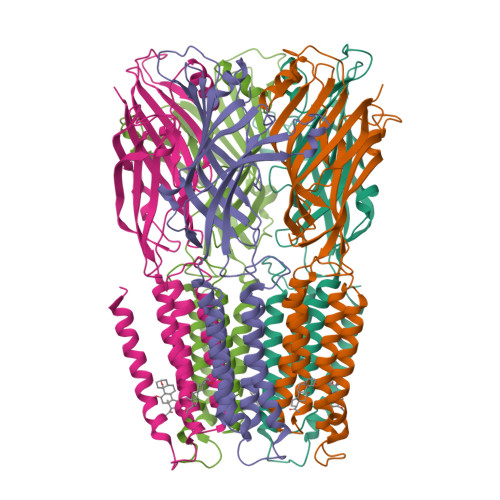
Gamma-aminobutyric acid receptor subunit alpha-1 structureClick to view 3D structureGamma-aminobutyric acid receptor subunit alpha-1P14867HumansKnownZaleplon exerts its action through subunit modulation of the GABABZ receptor chloride channel macromolecular complex.Zaleplon binds selectively to the brain alomega-1 receptor situated on the alpha subunit of the GABA-A/chloride ion channel receptor complex and potentiates t-butyl-bicyclophosphorothionate (TBPS) binding.
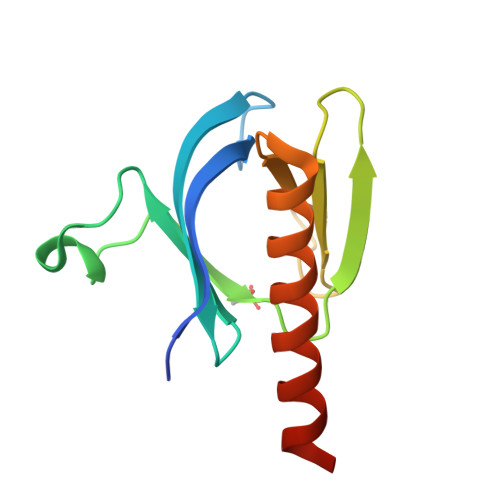
Click to view 3D structureTranslocator proteinP30536HumansKnownZaleplon exerts its action through subunit modulation of the GABABZ receptor chloride channel macromolecular complex.Zaleplon binds selectively to the brain alomega-1 receptor situated on the alpha subunit of the GABA-A/chloride ion channel receptor complex and potentiates t-butyl-bicyclophosphorothionate (TBPS) binding.
Concentrations
Not Available
External Links
IdentifiersNot Available
References
Synthesis Reference

Farhan Aslam, “Polymorphs of zaleplon and methods for the preparation thereof.” U.S. Patent US20020072527, issued June 13, 2002.

MSDSLink
General References
  1. Wishart DS, Knox C, Guo AC, Cheng D, Shrivastava S, Tzur D, Gautam B, Hassanali M: DrugBank: a knowledgebase for drugs, drug actions and drug targets. Nucleic Acids Res. 2008 Jan;36(Database issue):D901-6. Epub 2007 Nov 29. [PubMed: 18048412]
  2. Noguchi H, Kitazumi K, Mori M, Shiba T: Electroencephalographic properties of zaleplon, a non-benzodiazepine sedative/hypnotic, in rats. J Pharmacol Sci. 2004 Mar;94(3):246-51. [PubMed: 15037809]
  3. Dundar Y, Dodd S, Strobl J, Boland A, Dickson R, Walley T: Comparative efficacy of newer hypnotic drugs for the short-term management of insomnia: a systematic review and meta-analysis. Hum Psychopharmacol. 2004 Jul;19(5):305-22. [PubMed: 15252823]
  4. Ramakrishnan K, Scheid DC: Treatment options for insomnia. Am Fam Physician. 2007 Aug 15;76(4):517-26. [PubMed: 17853625]
  5. Barbera J, Shapiro C: Benefit-risk assessment of zaleplon in the treatment of insomnia. Drug Saf. 2005;28(4):301-18. [PubMed: 15783240]
  6. Dooley M, Plosker GL: Zaleplon: a review of its use in the treatment of insomnia. Drugs. 2000 Aug;60(2):413-45. [PubMed: 10983740]
  7. Holm KJ, Goa KL: Zolpidem: an update of its pharmacology, therapeutic efficacy and tolerability in the treatment of insomnia. Drugs. 2000 Apr;59(4):865-89. [PubMed: 10804040]
  8. Patat A, Paty I, Hindmarch I: Pharmacodynamic profile of Zaleplon, a new non-benzodiazepine hypnotic agent. Hum Psychopharmacol. 2001 Jul;16(5):369-392. [PubMed: 12404558]
  9. Wikipedia. Cyanide poisoning. Last Updated 30 March 2009. - http://en.wikipedia.org/wiki/Cyanide_poisoning
  10. Drugs.com - http://www.drugs.com/cons/Zaleplon.html
  11. RxList: The Internet Drug Index (2009). - http://www.rxlist.com/