Cholecalciferol (CED0002119)

Record Information
Version1.0
Creation Date2009-07-21 20:26:12 UTC
Update Date2026-05-14 16:24:26 UTC
SynCED IDCED0002119
Secondary Accession Numbers
  • CHEM002135
  • T3D2703
Identification
Common NameCholecalciferol
ClassSmall Molecule
Description
Cholecalciferol belongs to the vitamin d and derivatives, a subclass of steroids and steroid derivatives within the organic compounds. This endogenous solid has the formula C27H44O and an average molecular weight of 384.64 g/mol. Biologically, it functions as a hormone and a human metabolite. Industrially, it is utilized as a pharmaceutical, a biocide, a softener and conditioner, and a flavouring and nutrient. It is found in vitamins and drugs for the treatment of bone diseases, as well as in food processing, household cleaning and consumer products, and electrical and electronic equipment. Recorded exposure routes include oral, intravenous, topical, and cutaneous. The compound targets the Vitamin D3 receptor (VDR), Vitamin D-binding protein (GC), Vitamin D 25-hydroxylase (CYP2R1), and mitochondrial sterol 26-hydroxylase (CYP27A1). The first step in the activation of vitamin D3 is a 25-hydroxylation catalysed by 25-hydroxylase in the liver, followed by other enzymes. Mitochondrial sterol 27-hydroxylase catalyses the first reaction in the oxidation of the side chain of sterol intermediates. The active form, calcitriol, binds to intracellular receptors that function as transcription factors to modulate gene expression. Cholecalciferol is used in the treatment of osteoporosis (PMC5513807), osteomalacia (PMC2253556), muscle weakness (PMC6727385), and gastrointestinal bleeding (PMC5292121). It has a therapeutic effect on multiple sclerosis (PMC10341810). Associated health effects include hypercalcemia (PMC10341810) and bleeding (PMC5292121).
Contaminant Type
  • Antihypocalcemic Agent
  • Antihypoparathyroid Agent
  • Antithyroid Agent
  • Bone Density Conservation Agent
  • Drug
  • Essential Vitamin
  • Food Toxin
  • Household Toxin
  • Metabolite
  • Nutraceutical
  • Organic Compound
  • Synthetic Compound
  • Vitamin
  • Vitamin D
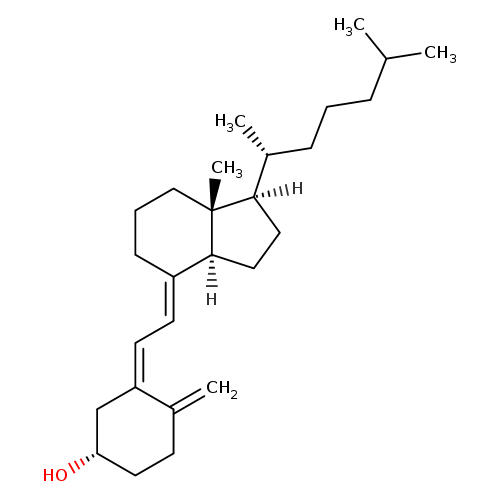
Chemical Structure
Synonyms
ValueSource
(+)-Vitamin D3ChEBI
(1S,3Z)-3-[(2E)-2-[(1R,3AR,7as)-7a-methyl-1-[(2R)-6-methylheptan-2-yl]-2,3,3a,5,6,7-hexahydro-1H-inden-4-ylidene]ethylidene]-4-methylidene-cyclohexan-1-olChEBI
(3beta,5Z,7E)-9,10-Secocholesta-5,7,10(19)-trien-3-olChEBI
(5Z,7E)-(3S)-9,10-Secocholesta-5,7,10(19)-trien-3-olChEBI
Activated 7-dehydrocholesterolChEBI
CCChEBI
CholecalciferolChEBI
ColecalciferolChEBI
Delta-DChEBI
Oleovitamin D3ChEBI
CalciolKegg
(3b,5Z,7E)-9,10-Secocholesta-5,7,10(19)-trien-3-olGenerator
(3Β,5Z,7E)-9,10-secocholesta-5,7,10(19)-trien-3-olGenerator
δ-DGenerator
7-DEHYDROCHOLESTEROLHMDB
ACTIVATEDHMDB
VITAMIN DHMDB
DihydrocholesterolHMDB
Vitamin D 3HMDB
(3 beta,5Z,7E)-9,10-Secocholesta-5,7,10(19)-trien-3-olHMDB
CholecalciferolsHMDB
Vitamin D3ChEBI
Chemical FormulaC27H44O
Average Molecular Mass384.638 g/mol
Monoisotopic Mass384.339 g/mol
CAS Registry Number67-97-0
IUPAC Name(1S,3Z)-3-{2-[(1R,3aS,4E,7aR)-7a-methyl-1-[(2R)-6-methylheptan-2-yl]-octahydro-1H-inden-4-ylidene]ethylidene}-4-methylidenecyclohexan-1-ol
Traditional Namevitamin D3
SMILESCC(C)CCC[C@@H](C)[C@@]1([H])CC[C@@]2([H])\C(CCC[C@]12C)=C\C=C1\C[C@@H](O)CCC1=C
InChI IdentifierInChI=1S/C27H44O/c1-19(2)8-6-9-21(4)25-15-16-26-22(10-7-17-27(25,26)5)12-13-23-18-24(28)14-11-20(23)3/h12-13,19,21,24-26,28H,3,6-11,14-18H2,1-2,4-5H3/b22-12+,23-13-/t21-,24+,25-,26+,27-/m1/s1
InChI KeyQYSXJUFSXHHAJI-YRZJJWOYSA-N
Chemical Taxonomy
Description Belongs to the class of organic compounds known as vitamin d and derivatives. Vitamin D and derivatives are compounds containing a secosteroid backbone, usually secoergostane or secocholestane.
KingdomOrganic compounds
Super ClassLipids and lipid-like molecules
ClassSteroids and steroid derivatives
Sub ClassVitamin D and derivatives
Direct ParentVitamin D and derivatives
Alternative Parents
Substituents
  • Triterpenoid
  • Cyclic alcohol
  • Secondary alcohol
  • Organic oxygen compound
  • Hydrocarbon derivative
  • Organooxygen compound
  • Alcohol
  • Aliphatic homopolycyclic compound
Molecular FrameworkAliphatic homopolycyclic compounds
External Descriptors
Biological Properties
StatusDetected and Not Quantified
OriginEndogenous
Cellular Locations
  • Cytoplasm
  • Extracellular
  • Membrane
Biofluid LocationsNot Available
Tissue LocationsNot Available
ApplicationsNot Available
Biological Roles
  • human metabolite ?
  • hormone ?A chemical produced in animals or plant that regulate the activity of certain organs or control processes in other parts of the plant.
Chemical RolesNot Available
Organoleptic EffectsNot Available
Physical Properties
StateSolid
AppearanceWhite powder.
Experimental Properties
PropertyValue
Melting Point84.5°C
Boiling Point496.4°C
SolubilityInsoluble
Predicted Properties
PropertyValueSource
Water Solubility0.00038 g/LALOGPS
logP7.98ALOGPS
logP7.13ChemAxon
logS-6ALOGPS
pKa (Strongest Acidic)18.38ChemAxon
pKa (Strongest Basic)-1.3ChemAxon
Physiological Charge0ChemAxon
Hydrogen Acceptor Count1ChemAxon
Hydrogen Donor Count1ChemAxon
Polar Surface Area20.23 ŲChemAxon
Rotatable Bond Count6ChemAxon
Refractivity123.22 m³·mol⁻¹ChemAxon
Polarizability49.63 ųChemAxon
Number of Rings3ChemAxon
BioavailabilityYesChemAxon
Rule of FiveNoChemAxon
Ghose FilterNoChemAxon
Veber's RuleYesChemAxon
MDDR-like RuleYesChemAxon
Spectra
Spectra
Spectrum TypeDescriptionSplash KeyDeposition DateView
Predicted GC-MSPredicted GC-MS Spectrumsplash10-0aou-3029000000-1950c74de34369a70400Not AvailableView Spectrum
Predicted GC-MSPredicted GC-MS Spectrumsplash10-002f-9207800000-c6f808a014153de38d58Not AvailableView Spectrum
Predicted GC-MSPredicted GC-MS SpectrumNot AvailableNot AvailableView Spectrum
Predicted LC-MS/MSPredicted LC-MS/MS Spectrumsplash10-014r-0129000000-80de8aabbfb587d8f7b9Not AvailableView Spectrum
Predicted LC-MS/MSPredicted LC-MS/MS Spectrumsplash10-0abi-2595000000-1f5db35cc732efef5e27Not AvailableView Spectrum
Predicted LC-MS/MSPredicted LC-MS/MS Spectrumsplash10-0pb9-7195000000-b742ddd81b2f98395fabNot AvailableView Spectrum
Predicted LC-MS/MSPredicted LC-MS/MS Spectrumsplash10-001i-0009000000-70f22151bd69b3307086Not AvailableView Spectrum
Predicted LC-MS/MSPredicted LC-MS/MS Spectrumsplash10-001i-0009000000-7ff3c3cf4e98856a166bNot AvailableView Spectrum
Predicted LC-MS/MSPredicted LC-MS/MS Spectrumsplash10-014i-1249000000-8756607b9fd7d6008ac9Not AvailableView Spectrum
Predicted LC-MS/MSPredicted LC-MS/MS Spectrumsplash10-000i-0459000000-cdb5561f3458bde4c2f1Not AvailableView Spectrum
Predicted LC-MS/MSPredicted LC-MS/MS Spectrumsplash10-0kmj-7494000000-5a36ac0547956f9ac058Not AvailableView Spectrum
Predicted LC-MS/MSPredicted LC-MS/MS Spectrumsplash10-0a4i-3930000000-c62b5a8a92e3487b90edNot AvailableView Spectrum
Predicted LC-MS/MSPredicted LC-MS/MS Spectrumsplash10-001i-0009000000-bfd82bd18d8804cfa1d2Not AvailableView Spectrum
Predicted LC-MS/MSPredicted LC-MS/MS Spectrumsplash10-001i-0009000000-d168cadb843f05c02d05Not AvailableView Spectrum
Predicted LC-MS/MSPredicted LC-MS/MS Spectrumsplash10-001i-0539000000-277213cec95d0ba155c5Not AvailableView Spectrum
Toxicity Profile
Toxicity Values
Toxicity ValueOrganismDose DescriptorRoute of ExposurePredicted or ExperimentalToxicity RatingReference
19.0 Log mg/kg [10:34]RatLD50oralpredictedNot AvailableNot Available
20000.0 IU/kg RatLOELoralexperimentalNot AvailableECOTOX - EPA ORD
10000.0 IU/kg RatNOELoralexperimentalNot AvailableECOTOX - EPA ORD
5000.0 IU/kg RatLOELoralexperimentalNot AvailableECOTOX - EPA ORD
54000.0 IU/kg diet DogLOELoralexperimentalNot AvailableECOTOX - EPA ORD
12.5 mg/kg-day RatLOELinjectionexperimentalNot AvailableECOTOX - EPA ORD
2.5 mg/org RatLOELinjectionexperimentalNot AvailableECOTOX - EPA ORD
20000.0 IU/kg RatNOELoralexperimentalNot AvailableECOTOX - EPA ORD
0.0005 mg/kg-day RatLOELinjectionexperimentalNot AvailableECOTOX - EPA ORD
54000.0 IU/kg diet DogLOELoralexperimentalNot AvailableECOTOX - EPA ORD
0.0003 mg/org RatLOELoralexperimentalNot AvailableECOTOX - EPA ORD
100.0 IU RatLOELoralexperimentalNot AvailableECOTOX - EPA ORD
54000.0 IU/kg diet DogNOELoralexperimentalNot AvailableECOTOX - EPA ORD
0.0003 mg/org RatNOELoralexperimentalNot AvailableECOTOX - EPA ORD
1350.0 ug/kg diet DogLOELoralexperimentalNot AvailableECOTOX - EPA ORD
Toxicity / Toxin ClassNot Available
Mechanism of ToxicityThe first step involved in the activation of vitamin D3 is a 25-hydroxylation which is catalysed by the 25-hydroxylase in the liver and then by other enzymes. The mitochondrial sterol 27-hydroxylase catalyses the first reaction in the oxidation of the side chain of sterol intermediates. The active form of vitamin D3 (calcitriol) binds to intracellular receptors that then function as transcription factors to modulate gene expression. Like the receptors for other steroid hormones and thyroid hormones, the vitamin D receptor has hormone-binding and DNA-binding domains. The vitamin D receptor forms a complex with another intracellular receptor, the retinoid-X receptor, and that heterodimer is what binds to DNA. In most cases studied, the effect is to activate transcription, but situations are also known in which vitamin D suppresses transcription. Calcitriol increases the serum calcium concentrations by: increasing GI absorption of phosphorus and calcium, increasing osteoclastic resorption, and increasing distal renal tubular reabsorption of calcium. Calcitriol appears to promote intestinal absorption of calcium through binding to the vitamin D receptor in the mucosal cytoplasm of the intestine. Subsequently, calcium is absorbed through formation of a calcium-binding protein.
Carcinogenicity (IARC Classification)No indication of carcinogenicity to humans (not listed by IARC).
Minimum Risk LevelNot Available
SymptomsHypercalcemia - Early symptoms of hypercalcemia, include nausea and vomiting, weakness, headache, somnolence, dry mouth, constipation, metallic taste, muscle pain and bone pain. Late symptoms and signs of hypercalcemia, include polyuria, polydipsia, anorexia, weight loss, nocturia, conjunctivitis, pancreatitis, photophobia, rhinorrhea, pruritis, hyperthermia, decreased libido, elevated BUN, albuminuria, hypercholesterolemia, elevated ALT (SGPT) and AST (SGOT), ectopic calcification, nephrocalcinosis, hypertension and cardiac arrhythmias.
TreatmentNot Available
Health Effects
Health EffectRelationshipDirectionReference
multiple sclerosis?A demyelinating disease that involves damage to the fatty myelin sheaths around the axons of the brain and spinal cord resulting in demyelination and scarring. (DO)has_therapeutic_effect_onNot AvailablePMC10341810
osteoporosis?A disorder characterized by reduced bone mass, with a decrease in cortical thickness and in the number and size of the trabeculae of cancellous bone (but normal chemical composition), resulting in increased fracture incidence. (NCI CTCAE)is_treatment_forNot AvailablePMC5513807
bleeding?A losing of blood as a result of injury oir illness.associated_withNot AvailablePMC5292121
osteomalacia?Osteomalacia is a disease characterized by the softening of the bones caused by impaired bone metabolism primarily due to inadequate levels of available phosphate, calcium, and vitamin D, or because of resorption of calcium. The impairment of bone metabolism causes inadequate bone mineralization. Osteomalacia in children is known as rickets, and because of this, use of the term "osteomalacia" is often restricted to the milder, adult form of the disease. Signs and symptoms can include diffuse body pains, muscle weakness, and fragility of the bones. The most common cause of osteomalacia is a deficiency of vitamin D, which is normally derived from sunlight exposure and, to a lesser extent, from the diet. Nursing home residents and the homebound elderly population are at particular risk for vitamin D deficiency, as these populations typically receive little sun exposure. Other groups at risk include individuals with malabsorption secondary to gastrointestinal bypass surgery or celiac disease. Similarly, individuals who immigrate from warm climates to cold climates, especially women who wear traditional veils or dresses that prevent sun exposure are also susceptible to osteomalacia.is_treatment_forNot AvailablePMC2253556
hypercalcemia?A disorder characterized by laboratory test results that indicate an elevation in the concentration of calcium (corrected for albumin) in blood. (NCI CTCAE)associated_withNot AvailablePMC10341810
gastrointestinal bleeding?is_treatment_forNot AvailablePMC5292121
muscle weakness?A disorder characterized by a reduction in the strength of the muscles. (NCI CTCAE)is_treatment_forNot AvailablePMC6727385
Exposure Sources
Source IDSourceSectorReference
CEDs000010Insecticides?Insecticides are synthetic chemicals designed to control or eliminate insect pests that threaten crops and other agricultural products.Agriculture & land managementNot Available
CEDs000233Brushes?Brushes used in personal care and cosmetics can be a source of synthetic chemical contamination due to the materials and coatings used in their manufacturing.Personal care & cosmeticsNot Available
CEDs000265Vitamins?Vitamins, essential organic compounds required for various biological functions, can be synthesized chemically for use in dietary supplements and pharmaceuticals.Healthcare, pharmaceuticals & veterinary productsNot Available
CEDs000367Drugs for treatment of bone diseases?Drugs for the treatment of bone diseases, such as bisphosphonates and calcitonin, are synthetic chemicals designed to prevent bone loss and promote bone health.Healthcare, pharmaceuticals & veterinary productsNot Available
CEDs000505Amplifiers?Amplifiers, commonly used in various electronic devices to enhance signal strength, can be a source of synthetic chemical contamination due to the materials and processes involved in their production and disposal.Electrical & Electronic EquipmentNot Available
CEDs000511Conductors Or Conductive Bodies Characterised By The Conductive Materials?Conductors, or conductive bodies, are materials that allow the flow of electrical current, typically made from metals such as copper, aluminum, or silver.Electrical & Electronic EquipmentNot Available
CEDs000514Discharge Lamps?Discharge lamps, including fluorescent and high-intensity discharge (HID) lamps, are commonly used for lighting applications due to their energy efficiency and brightness.Electrical & Electronic EquipmentNot Available
CEDs000515Discharge Tubes With Liquid Pool Cathodes?Discharge tubes with liquid pool cathodes are devices that utilize a liquid metal as the cathode in gas discharge applications.Electrical & Electronic EquipmentNot Available
CEDs000518Electrically Stimulated Smoking Devices?Electrically stimulated smoking devices, commonly known as e-cigarettes or vape pens, utilize electrical components to heat a liquid solution, often containing nicotine, flavorings, and other additives, to produce an aerosol for inhalation.Electrical & Electronic EquipmentNot Available
CEDs000519Electrodes?Electrodes, used in various electrical and electronic applications, can be a source of synthetic chemical contamination due to the materials from which they are constructed and the processes involved in their manufacturing.Electrical & Electronic EquipmentNot Available
CEDs000521Fixed Capacitors And Their Manufacture?Fixed capacitors are passive electronic components used to store and release electrical energy, playing a critical role in various circuits.Electrical & Electronic EquipmentNot Available
CEDs000524Hybrid Capacitors?Hybrid capacitors are energy storage devices that combine the properties of electrolytic and supercapacitors, utilizing a combination of electrochemical principles to achieve higher energy density and power density.Electrical & Electronic EquipmentNot Available
CEDs000525Line Transmission Systems?Line Transmission Systems, commonly used for the distribution of electrical energy, can be a source of synthetic chemical contamination through the insulation materials and coatings utilized in their construction.Electrical & Electronic EquipmentNot Available
CEDs000537Television Systems?Television systems can be a source of synthetic chemical contamination due to the various materials and components used in their manufacture and operation.Electrical & Electronic EquipmentNot Available
CEDs000539Video Games?Video games, through their production and disposal processes, can be a source of synthetic chemical contamination.Electrical & Electronic EquipmentNot Available
CEDs000544Fermentation Processes For Beer?Fermentation processes for beer involve the conversion of sugars into alcohol and carbon dioxide by yeast.Food, food processing & cookwareNot Available
CEDs000545Food Preservation?Food preservation often involves the use of synthetic chemicals, such as preservatives, flavor enhancers, and color additives, to extend shelf life and enhance the sensory qualities of food products.Food, food processing & cookwareNot Available
CEDs000548Preparation Of Vinegar?Vinegar is produced through the fermentation of ethanol by acetic acid bacteria, resulting in a solution that typically contains 4-8% acetic acid.Food, food processing & cookwareNot Available
CEDs000551Processing Fish?Processing fish can lead to synthetic chemical contamination through various stages of production and preservation.Food, food processing & cookwareNot Available
CEDs000552Processing Meats?Processing meats can lead to synthetic chemical contamination primarily through the use of additives and preservatives.Food, food processing & cookwareNot Available
CEDs000556Cigar Cigarettes?Cigar cigarettes are a source of synthetic chemical contamination due to the combustion of various tobacco blends and additives.Household cleaning & consumer productsNot Available
CEDs000559Non Electric Simulated Smoking Devices?Non-electric simulated smoking devices, often designed to mimic the experience of smoking without combustion, can be sources of synthetic chemical contamination due to the materials and chemicals used in their construction and operation.Household cleaning & consumer productsNot Available
CEDs000560Other Smoking Requisites?Other smoking requisites, including items such as lighters, matches, and rolling papers, can introduce synthetic chemical contamination through various components and additives.Household cleaning & consumer productsNot Available
CEDs000561Perfumes Within Detergents And Soaps?Perfumes within detergents and soaps are synthetic fragrance compounds added to enhance the sensory experience of cleaning products.Household cleaning & consumer productsNot Available
CEDs000562Pipe Accessories?Pipe accessories, such as fittings, connectors, and seals, are components used in plumbing systems to facilitate the flow of liquids and gases.Household cleaning & consumer productsNot Available
CEDs000563Soap Detergents?Soap detergents are synthetic surfactants designed to enhance the cleaning efficacy of water by reducing surface tension, allowing for better interaction with dirt and grease.Household cleaning & consumer productsNot Available
CEDs000566Tobacco Pipes?Tobacco pipes, often made from materials such as plastic, wood, or metal, can serve as sources of synthetic chemical contamination due to the residues left by tobacco products.Household cleaning & consumer productsNot Available
CEDs000567Tobacco Product Cases?Tobacco product cases can serve as a source of synthetic chemical contamination due to the presence of various additives and chemicals used in tobacco processing and product manufacturing.Household cleaning & consumer productsNot Available
CEDs000569Tobacco Smoke Filters?Tobacco smoke filters are designed to reduce the inhalation of harmful substances in cigarette smoke, including tar and other particulate matter.Household cleaning & consumer productsNot Available
CEDs000578Making Cigars?The process of making cigars involves several steps, including the cultivation of tobacco, fermentation, and the application of various additives to enhance flavor and preservation.Industrial manufacturing & chemical processingNot Available
CEDs000580Manufacture Preparation Of Tobacco Products?The manufacture and preparation of tobacco products involve various processes that can result in the introduction of synthetic chemicals into the environment.Industrial manufacturing & chemical processingNot Available
CEDs000584Buoys?Buoys, often used for navigation and marine monitoring, can be sources of synthetic chemical contamination due to the materials and coatings employed in their construction.Marine, shipping & aquacultureNot Available
CEDs000596Acaricides?Acaricides are synthetic chemicals specifically designed to target and control mite populations that can damage crops and plants.Agriculture & land managementNot Available
CEDs000597Chemosterilants?Chemosterilants are synthetic chemicals designed to induce sterility in target pest populations, thereby controlling their reproduction and mitigating damage to crops.Agriculture & land managementNot Available
CEDs000600Herbicides And Algicides?Herbicides and algicides are synthetic chemicals primarily used to control unwanted plants and algae in various environments.Agriculture & land managementNot Available
CEDs000602Molluscicides?Molluscicides are synthetic chemicals specifically designed to control and eliminate mollusks, such as snails and slugs, which can be detrimental to crops and agricultural productivity.Agriculture & land managementNot Available
CEDs000603Nematocides?Nematocides are synthetic chemicals specifically designed to control nematodes, which are microscopic roundworms that can cause significant damage to crops and plants.Agriculture & land managementNot Available
CEDs000604Pest Attractants?Pest attractants are synthetic chemicals designed to lure specific pests for monitoring or control purposes.Agriculture & land managementNot Available
CEDs000605Pest Repellants?Pest repellents, often formulated from synthetic chemicals, are widely used to protect crops from insect infestations and other pests.Agriculture & land managementNot Available
CEDs000606Plant Growth Regulators?Plant Growth Regulators (PGRs) are synthetic chemicals designed to influence the growth and development of plants.Agriculture & land managementNot Available
CEDs000607Rodenticides(1)?Rodenticides are synthetic chemicals specifically formulated to control rodent populations, serving as a crucial tool in managing pests that can damage crops and spread diseases.Agriculture & land managementNot Available
CEDs000608Rodenticides?Rodenticides are chemical substances specifically designed to control rodent populations by causing death through various mechanisms, including anticoagulation or neurotoxicity.Agriculture & land managementNot Available
CEDs000609Aftershave?Aftershave is a grooming product typically used to soothe and protect the skin following shaving.Personal care & cosmeticsNot Available
CEDs000610Aftersun Products?Aftersun products are designed to soothe and hydrate the skin after sun exposure, often containing various synthetic chemicals such as emollients, preservatives, and fragrances.Personal care & cosmeticsNot Available
CEDs000611Anti Perspirants Or Body Deoderants?Antiperspirants and body deodorants commonly contain synthetic chemicals such as aluminum compounds, parabens, and synthetic fragrances.Personal care & cosmeticsNot Available
CEDs000612Body Washing Or Cleaning Implements?Body washing or cleaning implements, such as synthetic sponges, loofahs, and washcloths, can be sources of synthetic chemical contamination due to the materials used in their production.Personal care & cosmeticsNot Available
CEDs000613Depilatories?Depilatories are products designed to remove unwanted hair through the application of synthetic chemicals that break down the protein structure of hair, facilitating its removal.Personal care & cosmeticsNot Available
CEDs000614Essential Oils Or Perfumes?Essential oils and perfumes are complex mixtures of volatile compounds derived from natural or synthetic sources, commonly used for their aromatic properties.Personal care & cosmeticsNot Available
CEDs000615Eye Makeup Products?Eye makeup products, including mascaras, eyeliners, and eyeshadows, often contain a variety of synthetic chemicals such as pigments, preservatives, and film-forming agents.Personal care & cosmeticsNot Available
CEDs000616Face Mask Cosmetics?Face mask cosmetics often contain a variety of synthetic chemicals, including preservatives, emulsifiers, and fragrances, which can contribute to chemical contamination.Personal care & cosmeticsNot Available
CEDs000617Lip Care Products?Lip care products, including lipsticks, balms, and glosses, often contain a variety of synthetic chemicals such as parabens, phthalates, and synthetic fragrances.Personal care & cosmeticsNot Available
CEDs000618Lip Makeup Products?Lip makeup products, such as lipsticks, lip glosses, and lip liners, often contain a variety of synthetic chemicals, including pigments, preservatives, and emollients.Personal care & cosmeticsNot Available
CEDs000619Manicure Pedicure?Manicure and pedicure procedures often involve the use of various synthetic chemicals, including solvents, nail polishes, and nail adhesives.Personal care & cosmeticsNot Available
CEDs000630Toys?Toys, particularly those made from synthetic materials such as plastics, can be a source of chemical contamination due to the presence of various additives and compounds used in their production.Recreation & sports surfacesNot Available
CEDs000632Apparel?Apparel production often involves the use of various synthetic chemicals, including dyes, finishing agents, and preservatives.Textiles, leather & furnishingsNot Available
CEDs000638Decorating Textiles?Decorating textiles often involves the use of synthetic chemicals such as dyes, finishes, and coatings.Textiles, leather & furnishingsNot Available
CEDs000642Footwear?Footwear production often involves the use of various synthetic chemicals, such as adhesives, dyes, and treatments, which can contribute to environmental contamination.Textiles, leather & furnishingsNot Available
CEDs000643Headwear?Headwear made from synthetic materials often incorporates chemicals used in the manufacturing and finishing processes, such as dyes, flame retardants, and water repellents.Textiles, leather & furnishingsNot Available
CEDs000650Purses Luggage Hand Bags?Purses, luggage, and handbags are often manufactured using synthetic materials such as polyvinyl chloride (PVC), polyurethane, and various types of nylon.Textiles, leather & furnishingsNot Available
CEDs000653Sewing?Sewing processes often involve the use of various synthetic chemicals, which can become sources of contamination in the environment.Textiles, leather & furnishingsNot Available
CEDs000658Touch Fasteners?Touch fasteners, commonly known as hook-and-loop fasteners, are composed of synthetic materials such as nylon or polyester.Textiles, leather & furnishingsNot Available
CEDs000662Yarns Or Threads?Yarns or threads used in textiles can be a source of synthetic chemical contamination due to the production processes and treatments they undergo.Textiles, leather & furnishingsNot Available
CEDs000671Airplanes And Helicopters?Airplanes and helicopters are significant sources of synthetic chemical contamination primarily through the use of aviation fuels, lubricants, and de-icing agents.Aviation & AerospaceNot Available
CEDs000678Nitrogenous Fertilisers?Nitrogenous fertilizers are synthetic chemical compounds primarily used to enhance plant growth by supplying essential nitrogen, a crucial nutrient for photosynthesis and protein synthesis.Agriculture & land managementNot Available
CEDs000679Phosphatic Fertilisers?Phosphatic fertilizers are synthetic chemical products primarily composed of phosphorus, which is essential for plant growth.Agriculture & land managementNot Available
CEDs000684Cements?Cements are a composite material primarily used as a binding agent in construction applications, formed by the calcination of limestone and clay minerals at high temperatures.Building & ConstructionNot Available
CEDs000685Ceramics?Ceramics can be a source of synthetic chemical contamination through various additives and processing agents used in their production.Building & ConstructionNot Available
CEDs000688Glass Coatings?Glass coatings are synthetic chemical formulations applied to glass surfaces to enhance properties such as durability, UV resistance, and aesthetic appeal.Building & ConstructionNot Available
CEDs000691Non Oxide Glass?Non-oxide glass refers to a category of glasses primarily composed of materials other than silicon dioxide, such as boron oxide or phosphorous oxide.Building & ConstructionNot Available
CEDs000692Silica Free Oxide Glass?Silica Free Oxide Glass is a type of glass that is produced using alternative materials to traditional silica-based formulations.Building & ConstructionNot Available
CEDs000693Silica Glass?Silica glass, primarily composed of silicon dioxide (SiO2), is widely used in various applications, including windows, glass facades, and insulation materials.Building & ConstructionNot Available
CEDs000695Treatment Of Milk Or Cream?The treatment of milk or cream involves various processes such as pasteurization, homogenization, and the addition of preservatives to enhance shelf life and safety.Food, food processing & cookwareNot Available
CEDs000696Nanotechnology?Nanotechnology involves the manipulation of materials at the molecular or atomic level, typically within the range of 1 to 100 nanometers.Industrial manufacturing & chemical processingNot Available
CEDs000697Submarines?Submarines, while essential for military and research purposes, can be a source of synthetic chemical contamination due to their use of various industrial chemicals.Marine, shipping & aquacultureNot Available
CEDs000698Jewellery?Jewellery production often involves the use of various synthetic chemicals during the extraction and processing of metals.Mining & metal processingNot Available
CEDs000717Fountain Pens?Fountain pens utilize a liquid ink that often contains synthetic chemicals, including dyes, pigments, and solvents, which can contribute to environmental contamination.Paper, pulp & fiber productsNot Available
CEDs000720Ink Reservoir Pens2?Ink reservoir pens are writing instruments that utilize a reservoir to store ink, which is often composed of synthetic dyes, solvents, and additives.Paper, pulp & fiber productsNot Available
CEDs000727Printing Machines Or Presses?Printing machines or presses commonly utilize synthetic chemicals such as inks, solvents, and cleaning agents.Paper, pulp & fiber productsNot Available
CEDs000733Walking Sticks?Walking sticks, while primarily designed for mobility assistance, can be sources of synthetic chemical contamination if not properly manufactured or maintained.Healthcare, pharmaceuticals & veterinary productsNot Available
CEDs000734Coating Compositions?Coating compositions, which include paints, sealants, and varnishes, are formulated with a variety of synthetic chemicals such as solvents, resins, pigments, and additives.Building & ConstructionNot Available
CEDs000735Explosives?Explosives are chemical compounds or mixtures designed to undergo rapid decomposition, releasing energy in the form of gas and heat.Defense & military infrastructureNot Available
CEDs000739Inks?Inks are complex mixtures composed of pigments or dyes, solvents, resins, and additives used primarily for printing and writing applications.Paper, pulp & fiber productsNot Available
CEDs000740Paper?Paper production involves the processing of wood fibers and the use of various chemicals, which can lead to synthetic chemical contamination.Paper, pulp & fiber productsNot Available
CEDs000741Pigment Pastes?Pigment pastes are concentrated dispersions of pigments used to impart color and properties to materials.Paper, pulp & fiber productsNot Available
CEDs000743Sludge Treatment?Sludge treatment involves the processing of waste materials generated from wastewater treatment plants, which often contain a variety of organic and inorganic substances.Wastewater, sanitation & biosolidsNot Available
CEDs000744Water, Wastewater, & Sewage Treatment?Water, wastewater, and sewage treatment processes are critical for managing and mitigating pollutants in water systems.Wastewater, sanitation & biosolidsNot Available
Pathways
33 pathwaysPathway Source: PathBank
Targets
StructureProteinUniProt IDOrganismRelationshipDetails
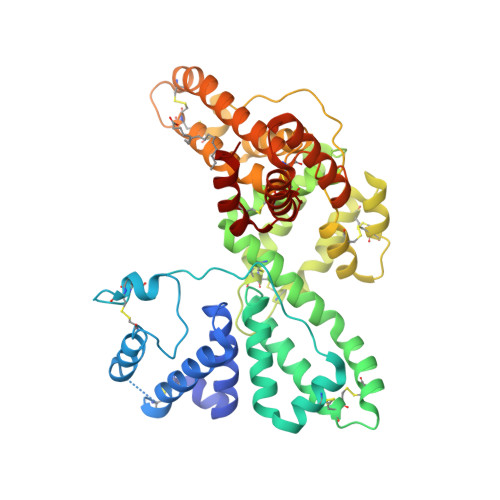
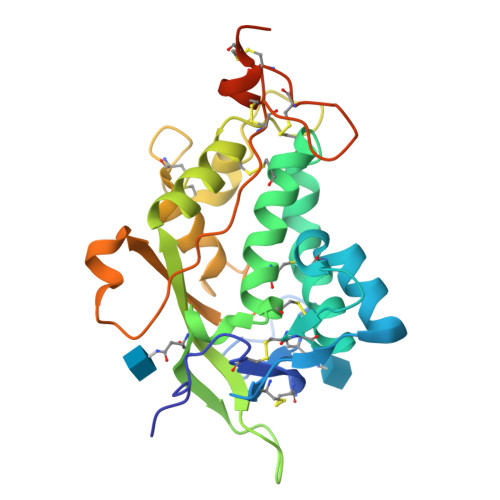
Click to view 3D structureVitamin D3 receptorA3RGC1Sus scrofaPredicted (SEA)
Prediction Confidence Score
0.642
Applicability Domain
0.642
Statistical Significance
6.00e-05
Supporting Reference Compounds
1
E-value
0.467095
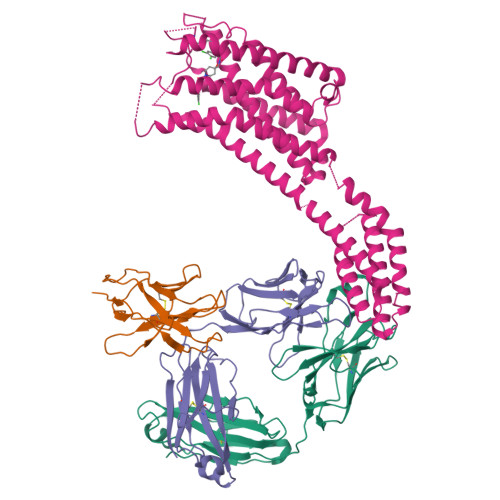
Vitamin D-binding protein structureClick to view 3D structureVitamin D-binding proteinP02774HumansPredicted (SEA)
Prediction Confidence Score
0.642
Applicability Domain
0.642
Statistical Significance
6.00e-05
Supporting Reference Compounds
1
E-value
0.467095
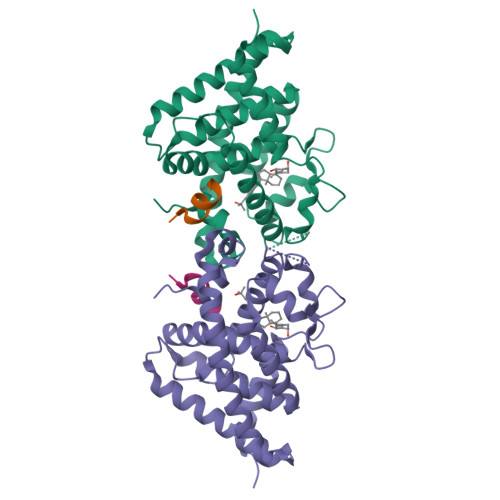
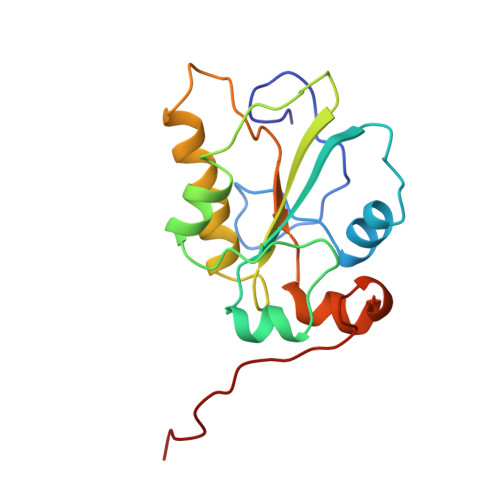
Vitamin D3 receptor structureClick to view 3D structureVitamin D3 receptorP11473HumansPredicted (SEA)
Prediction Confidence Score
0.637
Applicability Domain
1.0
Statistical Significance
4.00e-05
Supporting Reference Compounds
41
E-value
0.311397
Click to view 3D structureVitamin D3 receptorO42392Gallus gallusPredicted (SEA)
Prediction Confidence Score
0.571
Applicability Domain
0.642
Statistical Significance
1.30e-04
Supporting Reference Compounds
2
E-value
1.01204
Vitamin D3 receptor structureClick to view 3D structureVitamin D3 receptorP13053Rattus norvegicusPredicted (SEA)
Prediction Confidence Score
0.565
Applicability Domain
0.642
Statistical Significance
8.00e-05
Supporting Reference Compounds
3
E-value
0.622794
Vitamin D3 receptor A structureClick to view 3D structureVitamin D3 receptor AQ9PTN2Danio rerioPredicted (SEA)
Prediction Confidence Score
0.561
Applicability Domain
0.642
Statistical Significance
1.10e-04
Supporting Reference Compounds
2
E-value
0.856341
Click to view 3D structureVitamin D3 receptorP48281Mus musculusPredicted (SEA)
Prediction Confidence Score
0.556
Applicability Domain
1.0
Statistical Significance
2.00e-05
Supporting Reference Compounds
5
E-value
0.155698
Click to view 3D structureVitamin D3 receptorQ28037Bos taurusPredicted (SEA)
Prediction Confidence Score
0.549
Applicability Domain
0.642
Statistical Significance
1.10e-04
Supporting Reference Compounds
3
E-value
0.856341
Nuclear receptor ROR-gamma structureClick to view 3D structureNuclear receptor ROR-gammaP51449HumansPredicted (SEA)
Prediction Confidence Score
0.355
Applicability Domain
0.397
Statistical Significance
0.0049
Supporting Reference Compounds
102
E-value
37.8347
Click to view 3D structureNuclear hormone receptor isoform AA0A0K0EQJ4Strongyloides stercoralisPredicted (SEA)
Prediction Confidence Score
0.354
Applicability Domain
0.354
Statistical Significance
6.00e-05
Supporting Reference Compounds
1
E-value
0.467095
NPC1-like intracellular cholesterol transporter 1 structureClick to view 3D structureNPC1-like intracellular cholesterol transporter 1Q9UHC9HumansPredicted (SEA)
Prediction Confidence Score
0.337
Applicability Domain
0.397
Statistical Significance
8.40e-04
Supporting Reference Compounds
13
E-value
6.53933
Oxysterol-binding protein 1 structureClick to view 3D structureOxysterol-binding protein 1P22059HumansPredicted (SEA)
Prediction Confidence Score
0.331
Applicability Domain
0.397
Statistical Significance
5.90e-04
Supporting Reference Compounds
9
E-value
4.5931
Click to view 3D structureOxysterol-binding protein 2Q969R2HumansPredicted (SEA)
Prediction Confidence Score
0.325
Applicability Domain
0.397
Statistical Significance
6.00e-04
Supporting Reference Compounds
7
E-value
4.67095
Click to view 3D structure3 beta-hydroxysteroid dehydrogenase/Delta 5-->4-isomeraseP9WQP7Mycobacterium tuberculosisPredicted (SEA)
Prediction Confidence Score
0.313
Applicability Domain
0.313
Statistical Significance
5.60e-04
Supporting Reference Compounds
1
E-value
4.35956
Click to view 3D structureG-protein coupled receptor 183D4A7K7Rattus norvegicusPredicted (SEA)
Prediction Confidence Score
0.307
Applicability Domain
0.313
Statistical Significance
8.90e-04
Supporting Reference Compounds
2
E-value
6.92858
Oxysterols receptor LXR-alpha structureClick to view 3D structureOxysterols receptor LXR-alphaQ13133HumansPredicted (SEA)
Prediction Confidence Score
0.298
Applicability Domain
0.329
Statistical Significance
0.0063
Supporting Reference Compounds
76
E-value
49.3564
G-protein coupled receptor 183 structureClick to view 3D structureG-protein coupled receptor 183P32249HumansPredicted (SEA)
Prediction Confidence Score
0.292
Applicability Domain
0.397
Statistical Significance
0.0032
Supporting Reference Compounds
63
E-value
25.0674
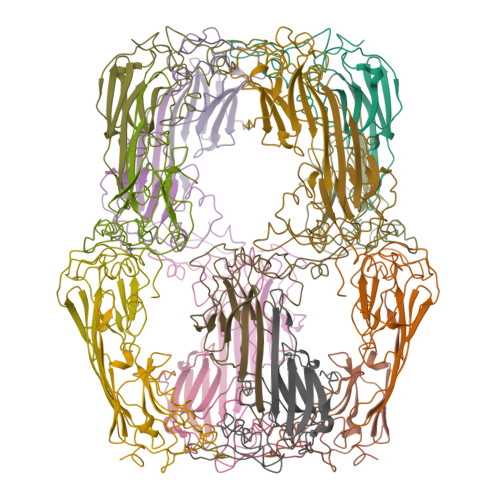
Glycine receptor subunit alpha-1 structureClick to view 3D structureGlycine receptor subunit alpha-1P23415HumansPredicted (SEA)
Prediction Confidence Score
0.29
Applicability Domain
1.0
Statistical Significance
1.90e-04
Supporting Reference Compounds
22
E-value
1.47914
M-phase inducer phosphatase 1 structureClick to view 3D structureM-phase inducer phosphatase 1P30304HumansPredicted (SEA)
Prediction Confidence Score
0.289
Applicability Domain
0.372
Statistical Significance
5.90e-04
Supporting Reference Compounds
25
E-value
4.5931
Nuclear receptor ROR-alpha structureClick to view 3D structureNuclear receptor ROR-alphaP35398HumansPredicted (SEA)
Prediction Confidence Score
0.286
Applicability Domain
0.397
Statistical Significance
0.0042
Supporting Reference Compounds
41
E-value
33.0859
Androgen receptor structureClick to view 3D structureAndrogen receptorP10275HumansPredicted (SEA)
Prediction Confidence Score
0.282
Applicability Domain
0.642
Statistical Significance
0.0125
Supporting Reference Compounds
146
E-value
97.7008
Alpha-crystallin B chain structureClick to view 3D structureAlpha-crystallin B chainP02511HumansPredicted (SEA)
Prediction Confidence Score
0.276
Applicability Domain
0.313
Statistical Significance
2.60e-04
Supporting Reference Compounds
3
E-value
2.02408
Click to view 3D structure1,25-dihydroxyvitamin D(3) 24-hydroxylase, mitochondrialQ07973HumansPredicted (SEA)
Prediction Confidence Score
0.265
Applicability Domain
0.642
Statistical Significance
8.30e-04
Supporting Reference Compounds
11
E-value
6.46149
Alpha-crystallin A chain structureClick to view 3D structureAlpha-crystallin A chainP02489HumansPredicted (SEA)
Prediction Confidence Score
0.256
Applicability Domain
0.256 Low confidence
Statistical Significance
1.70e-04
Supporting Reference Compounds
1
E-value
1.32344
G-protein coupled bile acid receptor 1 structureClick to view 3D structureG-protein coupled bile acid receptor 1Q8TDU6HumansPredicted (SEA)
Prediction Confidence Score
0.254
Applicability Domain
0.275 Low confidence
Statistical Significance
0.0112
Supporting Reference Compounds
54
E-value
87.5025
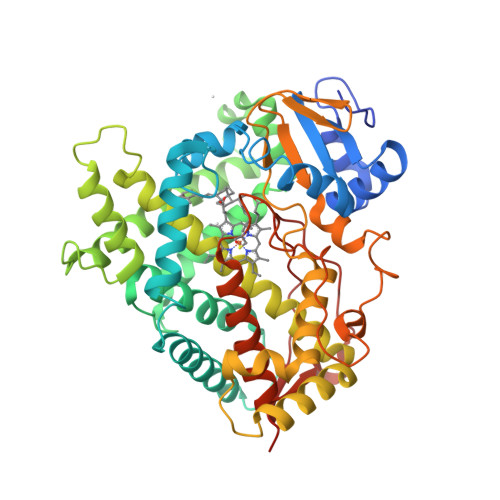
Click to view 3D structureSterol 26-hydroxylase, mitochondrialQ02318HumansKnownThe first step involved in the activation of vitamin D3 is a 25-hydroxylation which is catalysed by the 25-hydroxylase in the liver and then by other enzymes. The mitochondrial sterol 27-hydroxylase catalyses the first reaction in the oxidation of the side chain of sterol intermediates. The active form of vitamin D3 (calcitriol) binds to intracellular receptors that then function as transcription factors to modulate gene expression. Like the receptors for other steroid hormones and thyroid hormones, the vitamin D receptor has hormone-binding and DNA-binding domains. The vitamin D receptor forms a complex with another intracellular receptor, the retinoid-X receptor, and that heterodimer is what binds to DNA. In most cases studied, the effect is to activate transcription, but situations are also known in which vitamin D suppresses transcription. Calcitriol increases the serum calcium concentrations by: increasing GI absorption of phosphorus and calcium, increasing osteoclastic resorption, and increasing distal renal tubular reabsorption of calcium. Calcitriol appears to promote intestinal absorption of calcium through binding to the vitamin D receptor in the mucosal cytoplasm of the intestine. Subsequently, calcium is absorbed through formation of a calcium-binding protein.
Vitamin D-binding protein structureClick to view 3D structureVitamin D-binding proteinP02774HumansKnownThe first step involved in the activation of vitamin D3 is a 25-hydroxylation which is catalysed by the 25-hydroxylase in the liver and then by other enzymes. The mitochondrial sterol 27-hydroxylase catalyses the first reaction in the oxidation of the side chain of sterol intermediates. The active form of vitamin D3 (calcitriol) binds to intracellular receptors that then function as transcription factors to modulate gene expression. Like the receptors for other steroid hormones and thyroid hormones, the vitamin D receptor has hormone-binding and DNA-binding domains. The vitamin D receptor forms a complex with another intracellular receptor, the retinoid-X receptor, and that heterodimer is what binds to DNA. In most cases studied, the effect is to activate transcription, but situations are also known in which vitamin D suppresses transcription. Calcitriol increases the serum calcium concentrations by: increasing GI absorption of phosphorus and calcium, increasing osteoclastic resorption, and increasing distal renal tubular reabsorption of calcium. Calcitriol appears to promote intestinal absorption of calcium through binding to the vitamin D receptor in the mucosal cytoplasm of the intestine. Subsequently, calcium is absorbed through formation of a calcium-binding protein.
Vitamin D3 receptor structureClick to view 3D structureVitamin D3 receptorP11473HumansKnownNot Available
Vitamin D 25-hydroxylase structureClick to view 3D structureVitamin D 25-hydroxylaseQ6VVX0HumansKnownThe first step involved in the activation of vitamin D3 is a 25-hydroxylation which is catalysed by the 25-hydroxylase in the liver and then by other enzymes. The mitochondrial sterol 27-hydroxylase catalyses the first reaction in the oxidation of the side chain of sterol intermediates. The active form of vitamin D3 (calcitriol) binds to intracellular receptors that then function as transcription factors to modulate gene expression. Like the receptors for other steroid hormones and thyroid hormones, the vitamin D receptor has hormone-binding and DNA-binding domains. The vitamin D receptor forms a complex with another intracellular receptor, the retinoid-X receptor, and that heterodimer is what binds to DNA. In most cases studied, the effect is to activate transcription, but situations are also known in which vitamin D suppresses transcription. Calcitriol increases the serum calcium concentrations by: increasing GI absorption of phosphorus and calcium, increasing osteoclastic resorption, and increasing distal renal tubular reabsorption of calcium. Calcitriol appears to promote intestinal absorption of calcium through binding to the vitamin D receptor in the mucosal cytoplasm of the intestine. Subsequently, calcium is absorbed through formation of a calcium-binding protein.
Concentrations
Not Available
External Links
DrugBank IDDB00169
HMDB IDHMDB0000876
FooDB IDFDB021586
Phenol Explorer IDNot Available
KNApSAcK IDC00041217
BiGG ID2288999
BioCyc IDNot Available
METLIN IDNot Available
PDB IDNot Available
Wikipedia LinkCholecalciferol
Chemspider ID4444353
ChEBI ID28940
PubChem Compound ID5280795
Kegg Compound IDC05443
YMDB IDNot Available
ECMDB IDNot Available
References
Synthesis Reference

Jean Jolly, Primo Rizzi, Jean Taillardat, “1.alpha.,25.alpha.-Dihydroxy-cholecalciferol and methods for the production thereof.” U.S. Patent US4435325, issued May, 1977.

MSDSLink
General References
  1. Armas LA, Hollis BW, Heaney RP: Vitamin D2 is much less effective than vitamin D3 in humans. J Clin Endocrinol Metab. 2004 Nov;89(11):5387-91. [PubMed: 15531486]