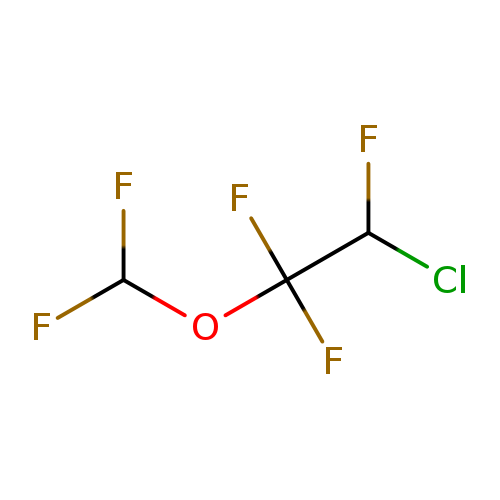
Click to view 3D structure Click to view 3D structure | Voltage-gated potassium channel KCNC1 | P25122 | Rattus norvegicus | Predicted (SEA) | - Prediction Confidence Score
- 0.114
- Applicability Domain
- 0.114 Low confidence
- Statistical Significance
- 0.237
- Supporting Reference Compounds
- 1
- E-value
- 1844.87
|
| Click to view 3D structure | ACCase | H9BT73 | Alopecurus japonicus | Predicted (SEA) | - Prediction Confidence Score
- 0.113
- Applicability Domain
- 0.113 Low confidence
- Statistical Significance
- 0.6179
- Supporting Reference Compounds
- 1
- E-value
- 4810.23
|
 Click to view 3D structure Click to view 3D structure | Sodium-dependent serotonin transporter | P31645 | Humans | Predicted (SEA) | - Prediction Confidence Score
- 0.11
- Applicability Domain
- 0.125 Low confidence
- Statistical Significance
- 0.9995
- Supporting Reference Compounds
- 593
- E-value
- 7781.19
|
 Click to view 3D structure Click to view 3D structure | 5-hydroxytryptamine receptor 2C | P28335 | Humans | Predicted (SEA) | - Prediction Confidence Score
- 0.11
- Applicability Domain
- 0.125 Low confidence
- Statistical Significance
- 0.9997
- Supporting Reference Compounds
- 823
- E-value
- 7782.74
|
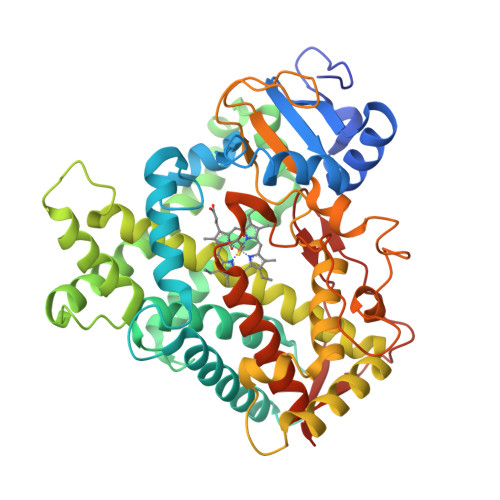 Click to view 3D structure Click to view 3D structure | Cytochrome P450 2C9 | P11712 | Humans | Predicted (SEA) | - Prediction Confidence Score
- 0.11
- Applicability Domain
- 0.114 Low confidence
- Statistical Significance
- 0.9997
- Supporting Reference Compounds
- 1245
- E-value
- 7782.66
|
 Click to view 3D structure Click to view 3D structure | Voltage-gated inwardly rectifying potassium channel KCNH2 | Q12809 | Humans | Predicted (SEA) | - Prediction Confidence Score
- 0.109
- Applicability Domain
- 0.114 Low confidence
- Statistical Significance
- 0.9997
- Supporting Reference Compounds
- 1498
- E-value
- 7782.98
|
| Click to view 3D structure | Cholesteryl ester transfer protein | P22687 | Oryctolagus cuniculus | Predicted (SEA) | - Prediction Confidence Score
- 0.109
- Applicability Domain
- 0.125 Low confidence
- Statistical Significance
- 0.3829
- Supporting Reference Compounds
- 2
- E-value
- 2981.08
|
 Click to view 3D structure Click to view 3D structure | Cytochrome P450 2D6 | P10635 | Humans | Predicted (SEA) | - Prediction Confidence Score
- 0.108
- Applicability Domain
- 0.113 Low confidence
- Statistical Significance
- 0.9998
- Supporting Reference Compounds
- 1130
- E-value
- 7783.44
|
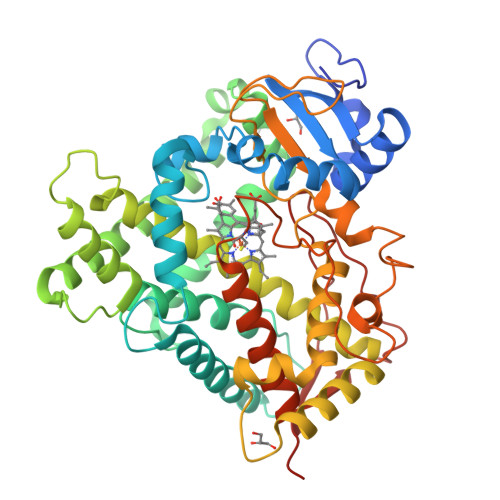 Click to view 3D structure Click to view 3D structure | Cytochrome P450 2C19 | P33261 | Humans | Predicted (SEA) | - Prediction Confidence Score
- 0.108
- Applicability Domain
- 0.113 Low confidence
- Statistical Significance
- 0.9996
- Supporting Reference Compounds
- 825
- E-value
- 7782.2
|
 Click to view 3D structure Click to view 3D structure | Cytochrome P450 3A4 | P08684 | Humans | Predicted (SEA) | - Prediction Confidence Score
- 0.108
- Applicability Domain
- 0.113 Low confidence
- Statistical Significance
- 0.9998
- Supporting Reference Compounds
- 1538
- E-value
- 7783.6
|
 Click to view 3D structure Click to view 3D structure | Liver carboxylesterase | Q29550 | Sus scrofa | Predicted (SEA) | - Prediction Confidence Score
- 0.107
- Applicability Domain
- 0.111 Low confidence
- Statistical Significance
- 0.7895
- Supporting Reference Compounds
- 20
- E-value
- 6145.88
|
 Click to view 3D structure Click to view 3D structure | Monoglyceride lipase | Q99685 | Humans | Predicted (SEA) | - Prediction Confidence Score
- 0.105
- Applicability Domain
- 0.125 Low confidence
- Statistical Significance
- 0.9962
- Supporting Reference Compounds
- 76
- E-value
- 7755.26
|
 Click to view 3D structure Click to view 3D structure | Acetylcholinesterase | P22303 | Humans | Predicted (SEA) | - Prediction Confidence Score
- 0.104
- Applicability Domain
- 0.107 Low confidence
- Statistical Significance
- 0.9996
- Supporting Reference Compounds
- 406
- E-value
- 7782.04
|
| Click to view 3D structure | Fatty-acid amide hydrolase 1 | O08914 | Mus musculus | Predicted (SEA) | - Prediction Confidence Score
- 0.104
- Applicability Domain
- 0.125 Low confidence
- Statistical Significance
- 0.9862
- Supporting Reference Compounds
- 46
- E-value
- 7677.57
|
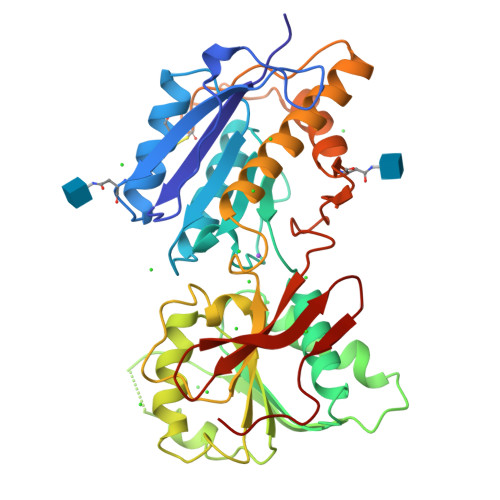 Click to view 3D structure Click to view 3D structure | Glutamate receptor ionotropic, NMDA 2B | Q00960 | Rattus norvegicus | Predicted (SEA) | - Prediction Confidence Score
- 0.104
- Applicability Domain
- 0.107 Low confidence
- Statistical Significance
- 0.9907
- Supporting Reference Compounds
- 36
- E-value
- 7712.44
|
 Click to view 3D structure Click to view 3D structure | Cytochrome P450 1A2 | P05177 | Humans | Predicted (SEA) | - Prediction Confidence Score
- 0.103
- Applicability Domain
- 0.113 Low confidence
- Statistical Significance
- 0.9998
- Supporting Reference Compounds
- 793
- E-value
- 7783.37
|
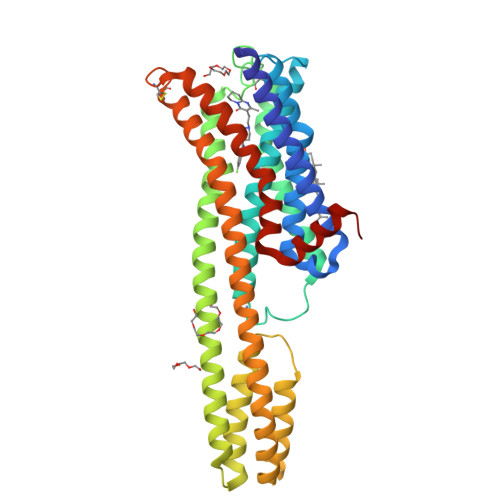 Click to view 3D structure Click to view 3D structure | 5-hydroxytryptamine receptor 2A | P28223 | Humans | Predicted (SEA) | - Prediction Confidence Score
- 0.103
- Applicability Domain
- 0.115 Low confidence
- Statistical Significance
- 0.9998
- Supporting Reference Compounds
- 955
- E-value
- 7783.75
|
| Click to view 3D structure | Cocaine esterase | O00748 | Humans | Predicted (SEA) | - Prediction Confidence Score
- 0.103
- Applicability Domain
- 0.111 Low confidence
- Statistical Significance
- 0.9774
- Supporting Reference Compounds
- 40
- E-value
- 7609.29
|
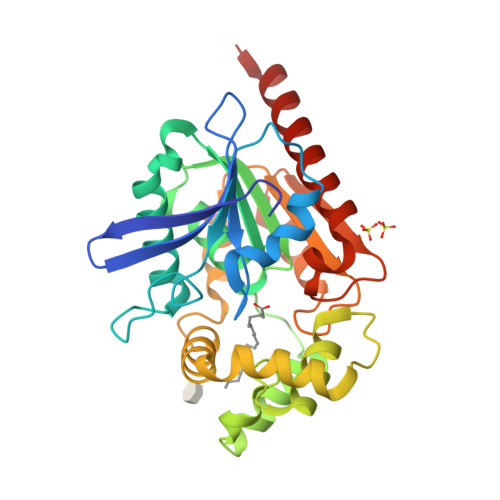 Click to view 3D structure Click to view 3D structure | Monoacylglycerol lipase ABHD6 | Q9BV23 | Humans | Predicted (SEA) | - Prediction Confidence Score
- 0.102
- Applicability Domain
- 0.125 Low confidence
- Statistical Significance
- 0.9825
- Supporting Reference Compounds
- 25
- E-value
- 7648.84
|
 Click to view 3D structure Click to view 3D structure | Retinoic acid receptor RXR-alpha | P19793 | Humans | Predicted (SEA) | - Prediction Confidence Score
- 0.102
- Applicability Domain
- 0.107 Low confidence
- Statistical Significance
- 0.9952
- Supporting Reference Compounds
- 82
- E-value
- 7747.87
|
 Click to view 3D structure Click to view 3D structure | 5-hydroxytryptamine receptor 6 | P50406 | Humans | Predicted (SEA) | - Prediction Confidence Score
- 0.101
- Applicability Domain
- 0.125 Low confidence
- Statistical Significance
- 0.9997
- Supporting Reference Compounds
- 536
- E-value
- 7782.28
|
 Click to view 3D structure Click to view 3D structure | 5-hydroxytryptamine receptor 2B | P41595 | Humans | Predicted (SEA) | - Prediction Confidence Score
- 0.1
- Applicability Domain
- 0.125 Low confidence
- Statistical Significance
- 0.9999
- Supporting Reference Compounds
- 686
- E-value
- 7784.07
|
| Click to view 3D structure | Monoglyceride lipase | O35678 | Mus musculus | Predicted (SEA) | - Prediction Confidence Score
- 0.1
- Applicability Domain
- 0.125 Low confidence
- Statistical Significance
- 0.9852
- Supporting Reference Compounds
- 34
- E-value
- 7669.86
|
| Click to view 3D structure | Sodium-dependent serotonin transporter | P31652 | Rattus norvegicus | Predicted (SEA) | - Prediction Confidence Score
- 0.1
- Applicability Domain
- 0.106 Low confidence
- Statistical Significance
- 0.9994
- Supporting Reference Compounds
- 297
- E-value
- 7780.1
|
 Click to view 3D structure Click to view 3D structure | Collagenase 3 | P45452 | Humans | Predicted (SEA) | - Prediction Confidence Score
- 0.099
- Applicability Domain
- 0.113 Low confidence
- Statistical Significance
- 0.9995
- Supporting Reference Compounds
- 269
- E-value
- 7781.34
|
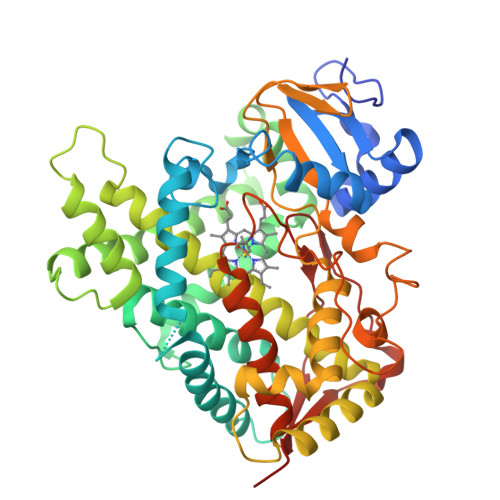 Click to view 3D structure Click to view 3D structure | Cytochrome P450 2E1 | P05181 | Humans | Known | Not Available |
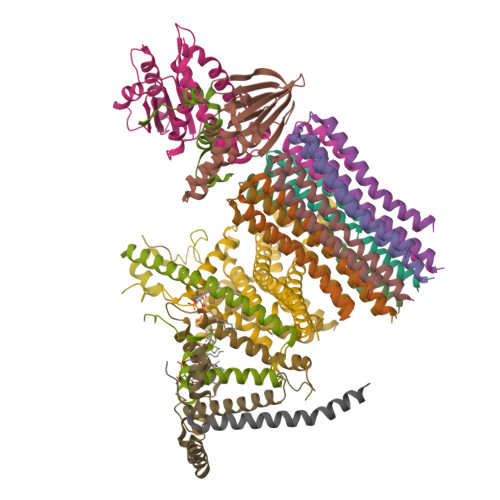 Click to view 3D structure Click to view 3D structure | ATP synthase F(1) complex subunit delta, mitochondrial | P30049 | Humans | Known | Enflurane induces a reduction in junctional conductance by decreasing gap junction channel opening times and increasing gap junction channel closing times. Enflurane also activates calcium dependent ATPase in the sarcoplasmic reticulum by increasing the fluidity of the lipid membrane. It also appears to bind the D subunit of ATP synthase and NADH dehydogenase. Enflurane also binds to the GABA receptor, the large conductance Ca2+ activated potassium channel, the glutamate receptor and the glycine receptor. |
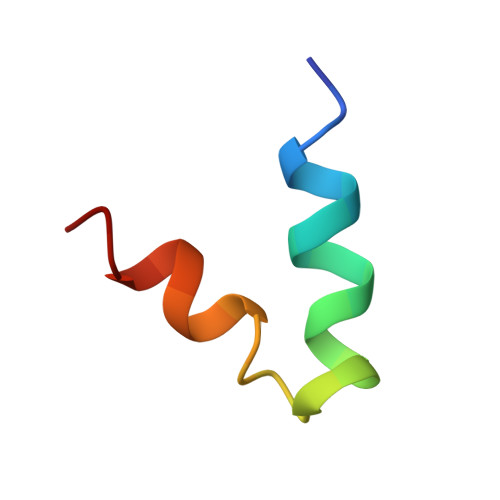 Click to view 3D structure Click to view 3D structure | Calcium-activated potassium channel subunit alpha-1 | Q12791 | Humans | Known | Enflurane induces a reduction in junctional conductance by decreasing gap junction channel opening times and increasing gap junction channel closing times. Enflurane also activates calcium dependent ATPase in the sarcoplasmic reticulum by increasing the fluidity of the lipid membrane. It also appears to bind the D subunit of ATP synthase and NADH dehydogenase. Enflurane also binds to the GABA receptor, the large conductance Ca2+ activated potassium channel, the glutamate receptor and the glycine receptor. |
 Click to view 3D structure Click to view 3D structure | Calcium-transporting ATPase type 2C member 1 | P98194 | Humans | Known | Enflurane induces a reduction in junctional conductance by decreasing gap junction channel opening times and increasing gap junction channel closing times. Enflurane also activates calcium dependent ATPase in the sarcoplasmic reticulum by increasing the fluidity of the lipid membrane. It also appears to bind the D subunit of ATP synthase and NADH dehydogenase. Enflurane also binds to the GABA receptor, the large conductance Ca2+ activated potassium channel, the glutamate receptor and the glycine receptor. |
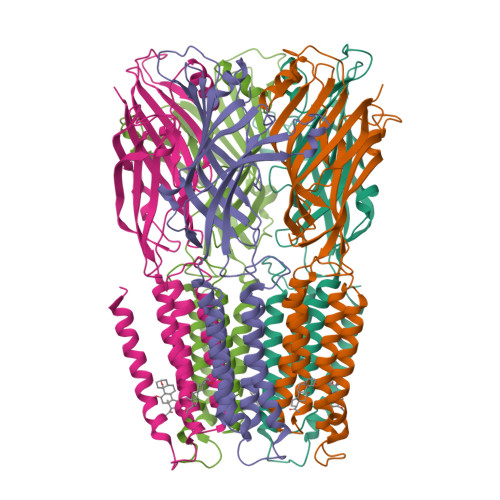 Click to view 3D structure Click to view 3D structure | Gamma-aminobutyric acid receptor subunit alpha-1 | P14867 | Humans | Known | Enflurane induces a reduction in junctional conductance by decreasing gap junction channel opening times and increasing gap junction channel closing times. Enflurane also activates calcium dependent ATPase in the sarcoplasmic reticulum by increasing the fluidity of the lipid membrane. It also appears to bind the D subunit of ATP synthase and NADH dehydogenase. Enflurane also binds to the GABA receptor, the large conductance Ca2+ activated potassium channel, the glutamate receptor and the glycine receptor. |
 Click to view 3D structure Click to view 3D structure | Glycine receptor subunit alpha-1 | P23415 | Humans | Known | Enflurane induces a reduction in junctional conductance by decreasing gap junction channel opening times and increasing gap junction channel closing times. Enflurane also activates calcium dependent ATPase in the sarcoplasmic reticulum by increasing the fluidity of the lipid membrane. It also appears to bind the D subunit of ATP synthase and NADH dehydogenase. Enflurane also binds to the GABA receptor, the large conductance Ca2+ activated potassium channel, the glutamate receptor and the glycine receptor. |
 Click to view 3D structure Click to view 3D structure | NADH-ubiquinone oxidoreductase chain 1 | P03886 | Humans | Known | Enflurane induces a reduction in junctional conductance by decreasing gap junction channel opening times and increasing gap junction channel closing times. Enflurane also activates calcium dependent ATPase in the sarcoplasmic reticulum by increasing the fluidity of the lipid membrane. It also appears to bind the D subunit of ATP synthase and NADH dehydogenase. Enflurane also binds to the GABA receptor, the large conductance Ca2+ activated potassium channel, the glutamate receptor and the glycine receptor. |
| Click to view 3D structure | Potassium voltage-gated channel subfamily A member 1 | Q09470 | Humans | Known | Enflurane induces a reduction in junctional conductance by decreasing gap junction channel opening times and increasing gap junction channel closing times. Enflurane also activates calcium dependent ATPase in the sarcoplasmic reticulum by increasing the fluidity of the lipid membrane. It also appears to bind the D subunit of ATP synthase and NADH dehydogenase. Enflurane also binds to the GABA receptor, the large conductance Ca2+ activated potassium channel, the glutamate receptor and the glycine receptor. |
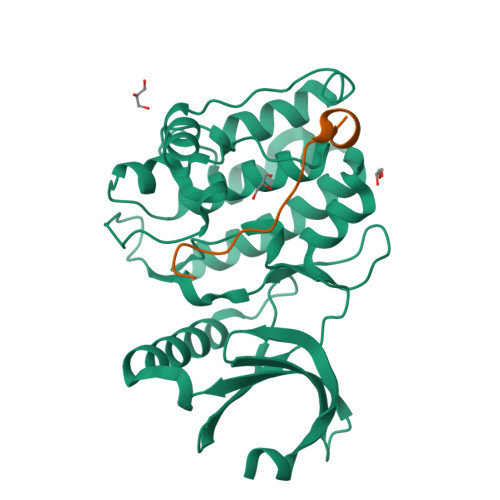 Click to view 3D structure Click to view 3D structure | Glutamate receptor 1 | P42261 | Humans | Known | Enflurane induces a reduction in junctional conductance by decreasing gap junction channel opening times and increasing gap junction channel closing times. Enflurane also activates calcium dependent ATPase in the sarcoplasmic reticulum by increasing the fluidity of the lipid membrane. It also appears to bind the D subunit of ATP synthase and NADH dehydogenase. Enflurane also binds to the GABA receptor, the large conductance Ca2+ activated potassium channel, the glutamate receptor and the glycine receptor. |
 Click to view 3D structure Click to view 3D structure | Intermediate conductance calcium-activated potassium channel protein 4 | O15554 | Humans | Known | Not Available |
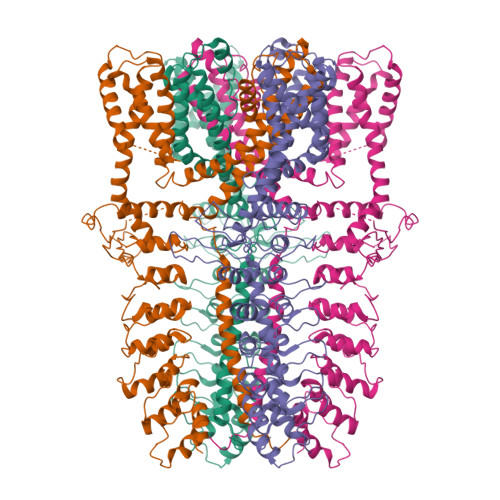 Click to view 3D structure Click to view 3D structure | Transient receptor potential cation channel subfamily A member 1 | O75762 | Humans | Known | Not Available |