Lidocaine (CED0000964)

Record Information
Version1.0
Creation Date2009-07-21 20:26:27 UTC
Update Date2026-08-19 07:17:26 UTC
SynCED IDCED0000964
Secondary Accession Numbers
  • CHEM002158
  • T3D2735
Identification
Common NameLidocaine
ClassSmall Molecule
Description
Lidocaine (C14H22N2O) is an exogenous organic compound with an average molecular weight of 234.34 g/mol that exists as a solid at room temperature. Lidocaine belongs to the xylenes, a subclass of benzene and substituted derivatives within the organic compounds. It is utilized as an anti-arrhythmia drug and a local anaesthetic (PMC10507411 ). It is used in the treatment of pain (PMC11340200 , PMC6558355 ) and has a therapeutic effect on pain (PMC11340200 ). However, it is associated with bradycardia (PMC1950874 ), hypotension (PMC1950874 ), and necrosis (PMC5078905 ). The compound targets several proteins, including the epidermal growth factor receptor (EGFR), sodium channel protein type 10 subunit alpha (SCN10A), sodium channel protein type 5 subunit alpha (SCN5A), alpha-1-acid glycoprotein 1 (ORM1), multidrug and toxin extrusion protein 1 (SLC47A1), potassium voltage-gated channel subfamily A member 5 (KCNA5), and is a blocker of potassium channel subfamily K member 2 (KCNK2). Regarding sodium channel protein type 9 subunit alpha (SCN9A), lidocaine stabilizes the neuronal membrane by inhibiting the ionic fluxes required for the initiation and conduction of impulses thereby effecting local anesthetic action. Lidocaine is found in 25 recorded sources, including drinking water, indoor air, food preservation, and various healthcare, pharmaceutical, and veterinary products such as anesthetics, antipruritics, and antiarrhythmics (class i and iii). It is also found in household cleaning and consumer products, including soap detergents and tobacco smoke filters, as well as electrical and electronic equipment. Exposure routes include oral, intravenous, intramuscular, subcutaneous, topical, inhalation, and various intra-site administrations.
Contaminant Type
  • Amide
  • Amine
  • Anesthetic
  • Anesthetic, Local
  • Anti-Arrhythmia Agent
  • Drug
  • Metabolite
  • Organic Compound
  • Synthetic Compound
  • Voltage-Gated Sodium Channel Blocker
Chemical Structure
SynonymsNot Available
Chemical FormulaC14H22N2O
Average Molecular Mass234.337 g/mol
Monoisotopic Mass234.173 g/mol
CAS Registry Number137-58-6
IUPAC NameNot Available
Traditional NameNot Available
SMILESCCN(CC)CC(O)=NC1=C(C)C=CC=C1C
InChI IdentifierInChI=1S/C14H22N2O/c1-5-16(6-2)10-13(17)15-14-11(3)8-7-9-12(14)4/h7-9H,5-6,10H2,1-4H3,(H,15,17)
InChI KeyInChIKey=NNJVILVZKWQKPM-UHFFFAOYSA-N
Chemical Taxonomy
ClassificationNot classified
Biological Properties
StatusDetected and Not Quantified
OriginExogenous
Cellular Locations
  • Cytoplasm
  • Extracellular
  • Membrane
Biofluid LocationsNot Available
Tissue LocationsNot Available
Applications
Biological Roles
Chemical RolesNot Available
Organoleptic Effects
  • transparent colour ?
  • bitter taste ?
Physical Properties
StateSolid
AppearanceWhite powder.
Experimental Properties
PropertyValue
Melting Point68.5°C
Boiling Point159-160°C at 2.00E+00 mm Hg
Solubility4100 mg/L (at 30°C)
Predicted PropertiesNot Available
Spectra
SpectraNot Available
Toxicity Profile
Toxicity Values
Toxicity ValueOrganismDose DescriptorRoute of ExposurePredicted or ExperimentalToxicity RatingReference
459.0 mg/kg non-fasted female ratsLD50oralexperimentalNot AvailableNot Available
214.0 mg/kg fasted female ratsLD50oralexperimentalNot AvailableNot Available
238.0 Log mg/kg [130:420]RatLD50oralpredictedNot AvailableNot Available
Toxicity / Toxin ClassNot Available
Mechanism of ToxicityLidocaine stabilizes the neuronal membrane by inhibiting the ionic fluxes required for the initiation and conduction of impulses thereby effecting local anesthetic action. Lidocaine alters signal conduction in neurons by blocking the fast voltage gated sodium (Na+) channels in the neuronal cell membrane that are responsible for signal propagation. With sufficient blockage the membrane of the postsynaptic neuron will not depolarize and will thus fail to transmit an action potential. This creates the anaesthetic effect by not merely preventing pain signals from propagating to the brain but by aborting their birth in the first place.
Carcinogenicity (IARC Classification)No indication of carcinogenicity to humans (not listed by IARC).
Minimum Risk LevelNot Available
SymptomsSymptoms of overdose include convulsions, hypoxia, acidosis, bradycardia, arrhythmias and cardiac arrest.
TreatmentThe first step in the management of systemic toxic reactions consists of immediate attention to the establishment and maintenance of a patent airway and assisted or controlled ventilation with oxygen and a delivery system capable of permitting immediate positive airway pressure by mask. If convulsions occur, the objective of the treatment is to maintain ventilation and oxygenation and support the circulation. Oxygen must be given and ventilation assisted if necessary (mask and bag or tracheal intubation). Should convulsions not stop spontaneously after 15-20 seconds, an anticonvulsant should be given i.v. to facilitate adequate ventilation and oxygenation. Thiopental sodium 1-3 mg/kg i.v. is the first choice. Alternatively diazepam 0.1 mg/kg bw i.v. may be used, although its action will be slow. Prolonged convulsions may jeopardise the patient's ventilation and oxygenation. If so, injection of a muscle relaxant (e.g. succinylcholine 1 mg/kg bw) will facilitate ventilation, and oxygenation can be controlled. Early endotracheal intubation must be considered in such situations. If cardiovascular depression is evident (hypotension, bradycardia), ephedrine 5-10 mg i.v. should be given and may be repeated, if necessary, after 2-3 minutes. Should circulatory arrest occur, immediate cardiopulmonary resuscitation should be instituted. Continual oxygenation and ventilation and circulatory support as well as treatment of acidosis are of vital importance. (4)
Health Effects
Health EffectRelationshipDirectionDescriptionReference
inflammationHas Therapeutic Effect OnNot AvailableNot AvailablePMC9579878
neuropathic painNot AvailableNot AvailableNot AvailablePMC9076432 , PMC11382656
feverAssociated With?Not AvailableA disorder characterized by an abnormally high body temperature.PMC11610913
painNot AvailableNot AvailableA disorder characterized by the sensation of marked discomfort, distress or agony. (NCI CTCAE)PMC11340200 , PMC6558355
painHas Therapeutic Effect OnNot AvailableA disorder characterized by the sensation of marked discomfort, distress or agony. (NCI CTCAE)PMC11340200 , PMC5603859
necrosisAssociated With?Not AvailableA disorder characterized as a form of cell injury which results in the premature death of cells in living tissue by autolysis.PMC5078905
myocardial infarctionAssociated With?Not AvailableA disorder characterized by gross necrosis of the myocardium; this is due to an interruption of blood supply to the area. (NCI CTCAE)PMC11813728
hypotensionAssociated With?Not AvailableA disorder characterized by a blood pressure that is below the normal expected for an individual in a given environment. (NCI CTCAE)PMC1950874
diabetic neuropathyNot AvailableNot AvailableNot AvailablePMC9076432
dyspneaAssociated With?Not AvailableNot AvailablePMC11610913
bradycardiaAssociated With?Not AvailableNot AvailablePMC1950874
allergic diseaseAssociated With?Not AvailableAllergic diseases, also known as allergies, are a number of conditions caused by hypersensitivity of the immune system to typically harmless substances in the environment. These diseases include hay fever, food allergies, atopic dermatitis, allergic asthma, and anaphylaxis. Symptoms may include red eyes, an itchy rash, sneezing, a runny nose, shortness of breath, or swelling. Common allergens include pollen and certain foods. Metals and other substances may also cause allergies. Food, insect stings, and medications are common causes of severe allergic reactions. Allergies can be due to both genetic and environmental factors. The underlying mechanism involves immunoglobulin E antibodies (IgE) binding to an allergen and then to a receptor on mast cells or basophils where it triggers the release of inflammatory chemicals such as histamine. Allergies are among the most common conditions in the world. In the developed world, about 20% of people are affected by allergic rhinitis, about 6% of people have at least one food allergy, and about 20% have atopic dermatitis at some point in time.PMC3138048
interstitial cystitisHas Therapeutic Effect OnNot AvailableNot AvailablePMC6209873
interstitial cystitisNot AvailableNot AvailableNot AvailablePMC3019050
cardiac arrestAssociated With?Not AvailableA congestive heart failure characterized by a sudden stop in effective blood circulation due to the failure of the heart to contract effectively or at all.PMC1950874
cauda equina syndromeAssociated With?Not AvailableNot AvailablePMC5078905
Cell DeathAssociated With?Not AvailableNot AvailablePMC5078905 , PMC5078905
Cell DeathAssociated With?increaseNot AvailablePMC5078905 , PMC5078905
Oxidative StressHas Therapeutic Effect OnNot AvailableNot AvailablePMC12577300
PoisoningAssociated With?Not AvailableNot AvailablePMC11564208
ApoptosisAssociated With?Not AvailableNot AvailablePMC5078905
hypotensive disorderAssociated With?Not AvailableNot AvailablePMC1950874
ulcer diseaseNot AvailableNot AvailableNot AvailablePMC6444353
perinatal asphyxiaElevated in Blood InincreaseNot AvailablePMC7304533
Postoperative PainNot AvailableNot AvailableNot AvailablePMC11483594 , PMC13489248
Postoperative PainHas Therapeutic Effect OnNot AvailableNot AvailablePMC12022730
Bladder painHas Therapeutic Effect OnNot AvailableNot AvailablePMC8255826
Bladder painNot AvailableNot AvailableNot AvailablePMC7306012
acute painNot AvailableNot AvailableNot AvailablePMC5122548
Anesthesia, LocalNot AvailableNot AvailableNot AvailablePMC7609673 , PMC9715455
Dental AnxietyHas Therapeutic Effect OnNot AvailableNot AvailablePMC11357764
AutophagiaNot AvailableNot AvailableNot AvailablePMC6444353
LacerationsNot AvailableNot AvailableNot AvailablePMC6444353
Exposure Sources
Source IDSourceSectorReference
CEDs000010Insecticides?Insecticides are synthetic chemicals designed to control or eliminate insect pests that threaten crops and other agricultural products.Agriculture & land managementPubChem
CEDs000019Indoor air?Indoor air can be a significant reservoir for synthetic chemical contaminants, which often originate from various sources within enclosed environments.Air, dust & atmospheric transportNot Available
CEDs000070Stormwater runoff?Stormwater runoff refers to the flow of rainwater or melted snow that does not soak into the ground and instead collects pollutants as it travels over impervious surfaces such as roads and parking lots.Automotive & urban infrastructurePubChem
CEDs000115Drinking water?Drinking water can be a medium for synthetic chemical contamination, often originating from various industrial processes and agricultural practices.Drinking water & water supplyNot Available
CEDs000233Brushes?Brushes used in personal care and cosmetics can be a source of synthetic chemical contamination due to the materials and coatings used in their manufacturing.Personal care & cosmeticsPubChem
CEDs000285Antiarrhythmics, class i and iii?Antiarrhythmics, particularly Class I and Class III agents, are synthetic chemicals utilized in the treatment of cardiac arrhythmias.Healthcare, pharmaceuticals & veterinary productsNot Available
CEDs000292Vasoprotectives?Vasoprotectives are synthetic compounds designed to enhance vascular health and improve blood circulation.Healthcare, pharmaceuticals & veterinary productsNot Available
CEDs000304Antipruritics?Antipruritics are synthetic chemicals used to alleviate itching associated with various dermatological conditions.Healthcare, pharmaceuticals & veterinary productsNot Available
CEDs000369Anesthetics?Anesthetics are synthetic chemicals used to induce loss of sensation or consciousness in patients undergoing medical procedures.Healthcare, pharmaceuticals & veterinary productsNot Available
CEDs000390Throat preparations?Throat preparations, which include lozenges, sprays, and syrups, are formulated to alleviate sore throat symptoms.Healthcare, pharmaceuticals & veterinary productsNot Available
CEDs000401Local anesthetics?Local anesthetics are synthetic chemical compounds used to induce a reversible loss of sensation in specific areas of the body.Healthcare, pharmaceuticals & veterinary productsNot Available
CEDs000406Otologicals?Otologicals are medicinal products formulated to treat ear conditions, including infections and inflammatory disorders.Healthcare, pharmaceuticals & veterinary productsNot Available
CEDs000479Effluent?Effluent refers to liquid waste or sewage that is discharged into the environment, typically resulting from industrial processes, municipal wastewater treatment, or agricultural runoff.Wastewater, sanitation & biosolidsPMC11697333
CEDs000511Conductors Or Conductive Bodies Characterised By The Conductive Materials?Conductors, or conductive bodies, are materials that allow the flow of electrical current, typically made from metals such as copper, aluminum, or silver.Electrical & Electronic EquipmentPubChem
CEDs000514Discharge Lamps?Discharge lamps, including fluorescent and high-intensity discharge (HID) lamps, are commonly used for lighting applications due to their energy efficiency and brightness.Electrical & Electronic EquipmentPubChem
CEDs000516Electric Hearing Aids?Electric hearing aids are small electronic devices designed to amplify sound for individuals with hearing loss.Electrical & Electronic EquipmentPubChem
CEDs000517Electric Switches?Electric switches, integral components in numerous devices, can be a source of synthetic chemical contamination due to the materials and manufacturing processes involved in their production.Electrical & Electronic EquipmentPubChem
CEDs000518Electrically Stimulated Smoking Devices?Electrically stimulated smoking devices, commonly known as e-cigarettes or vape pens, utilize electrical components to heat a liquid solution, often containing nicotine, flavorings, and other additives, to produce an aerosol for inhalation.Electrical & Electronic EquipmentPubChem
CEDs000519Electrodes?Electrodes, used in various electrical and electronic applications, can be a source of synthetic chemical contamination due to the materials from which they are constructed and the processes involved in their manufacturing.Electrical & Electronic EquipmentPubChem
CEDs000527Magnets?Magnets, commonly used in various electrical and electronic applications, can be a source of synthetic chemical contamination due to the materials used in their production.Electrical & Electronic EquipmentPubChem
CEDs000535Superconducting Magnets And Superconducting Coils?Superconducting magnets and coils are utilized in various applications that require strong magnetic fields, such as magnetic resonance imaging (MRI) and particle accelerators.Electrical & Electronic EquipmentPubChem
CEDs000537Television Systems?Television systems can be a source of synthetic chemical contamination due to the various materials and components used in their manufacture and operation.Electrical & Electronic EquipmentPubChem
CEDs000539Video Games?Video games, through their production and disposal processes, can be a source of synthetic chemical contamination.Electrical & Electronic EquipmentPubChem
CEDs000545Food Preservation?Food preservation often involves the use of synthetic chemicals, such as preservatives, flavor enhancers, and color additives, to extend shelf life and enhance the sensory qualities of food products.Food, food processing & cookwarePubChem
CEDs000559Non Electric Simulated Smoking Devices?Non-electric simulated smoking devices, often designed to mimic the experience of smoking without combustion, can be sources of synthetic chemical contamination due to the materials and chemicals used in their construction and operation.Household cleaning & consumer productsPubChem
CEDs000561Perfumes Within Detergents And Soaps?Perfumes within detergents and soaps are synthetic fragrance compounds added to enhance the sensory experience of cleaning products.Household cleaning & consumer productsPubChem
CEDs000563Soap Detergents?Soap detergents are synthetic surfactants designed to enhance the cleaning efficacy of water by reducing surface tension, allowing for better interaction with dirt and grease.Household cleaning & consumer productsPubChem
CEDs000568Tobacco Product Moisture Control?Tobacco product moisture control involves the use of synthetic chemicals to manage the humidity levels in tobacco products, aiming to preserve flavor and extend shelf life.Household cleaning & consumer productsPubChem
CEDs000569Tobacco Smoke Filters?Tobacco smoke filters are designed to reduce the inhalation of harmful substances in cigarette smoke, including tar and other particulate matter.Household cleaning & consumer productsPubChem
CEDs000580Manufacture Preparation Of Tobacco Products?The manufacture and preparation of tobacco products involve various processes that can result in the introduction of synthetic chemicals into the environment.Industrial manufacturing & chemical processingPubChem
CEDs000581Paper Making Machines?Paper making machines utilize various synthetic chemicals throughout the production process, including additives, coatings, and bleaching agents.Industrial manufacturing & chemical processingPubChem
CEDs000596Acaricides?Acaricides are synthetic chemicals specifically designed to target and control mite populations that can damage crops and plants.Agriculture & land managementPubChem
CEDs000603Nematocides?Nematocides are synthetic chemicals specifically designed to control nematodes, which are microscopic roundworms that can cause significant damage to crops and plants.Agriculture & land managementPubChem
CEDs000605Pest Repellants?Pest repellents, often formulated from synthetic chemicals, are widely used to protect crops from insect infestations and other pests.Agriculture & land managementPubChem
CEDs000609Aftershave?Aftershave is a grooming product typically used to soothe and protect the skin following shaving.Personal care & cosmeticsPubChem
CEDs000610Aftersun Products?Aftersun products are designed to soothe and hydrate the skin after sun exposure, often containing various synthetic chemicals such as emollients, preservatives, and fragrances.Personal care & cosmeticsPubChem
CEDs000611Anti Perspirants Or Body Deoderants?Antiperspirants and body deodorants commonly contain synthetic chemicals such as aluminum compounds, parabens, and synthetic fragrances.Personal care & cosmeticsPubChem
CEDs000613Depilatories?Depilatories are products designed to remove unwanted hair through the application of synthetic chemicals that break down the protein structure of hair, facilitating its removal.Personal care & cosmeticsPubChem
CEDs000614Essential Oils Or Perfumes?Essential oils and perfumes are complex mixtures of volatile compounds derived from natural or synthetic sources, commonly used for their aromatic properties.Personal care & cosmeticsPubChem
CEDs000615Eye Makeup Products?Eye makeup products, including mascaras, eyeliners, and eyeshadows, often contain a variety of synthetic chemicals such as pigments, preservatives, and film-forming agents.Personal care & cosmeticsPubChem
CEDs000616Face Mask Cosmetics?Face mask cosmetics often contain a variety of synthetic chemicals, including preservatives, emulsifiers, and fragrances, which can contribute to chemical contamination.Personal care & cosmeticsPubChem
CEDs000617Lip Care Products?Lip care products, including lipsticks, balms, and glosses, often contain a variety of synthetic chemicals such as parabens, phthalates, and synthetic fragrances.Personal care & cosmeticsPubChem
CEDs000618Lip Makeup Products?Lip makeup products, such as lipsticks, lip glosses, and lip liners, often contain a variety of synthetic chemicals, including pigments, preservatives, and emollients.Personal care & cosmeticsPubChem
CEDs000632Apparel?Apparel production often involves the use of various synthetic chemicals, including dyes, finishing agents, and preservatives.Textiles, leather & furnishingsPubChem
CEDs000642Footwear?Footwear production often involves the use of various synthetic chemicals, such as adhesives, dyes, and treatments, which can contribute to environmental contamination.Textiles, leather & furnishingsPubChem
CEDs000650Purses Luggage Hand Bags?Purses, luggage, and handbags are often manufactured using synthetic materials such as polyvinyl chloride (PVC), polyurethane, and various types of nylon.Textiles, leather & furnishingsPubChem
CEDs000652Ropes?Ropes manufactured from synthetic fibers, such as polypropylene, nylon, and polyester, are widely used in various applications, including marine, construction, and outdoor activities.Textiles, leather & furnishingsPubChem
CEDs000657Surface Finishing Of Leather?Surface finishing of leather often involves the use of various synthetic chemicals, including dyes, resins, and finishing agents.Textiles, leather & furnishingsPubChem
CEDs000662Yarns Or Threads?Yarns or threads used in textiles can be a source of synthetic chemical contamination due to the production processes and treatments they undergo.Textiles, leather & furnishingsPubChem
CEDs000670Solid Fire Fighting Substances?Solid fire fighting substances, such as certain types of dry chemical powders, are used in fire suppression applications to extinguish flames and prevent fire spread.Fire suppression systems & agentsPubChem
CEDs000678Nitrogenous Fertilisers?Nitrogenous fertilizers are synthetic chemical compounds primarily used to enhance plant growth by supplying essential nitrogen, a crucial nutrient for photosynthesis and protein synthesis.Agriculture & land managementPubChem
CEDs000679Phosphatic Fertilisers?Phosphatic fertilizers are synthetic chemical products primarily composed of phosphorus, which is essential for plant growth.Agriculture & land managementPubChem
CEDs000685Ceramics?Ceramics can be a source of synthetic chemical contamination through various additives and processing agents used in their production.Building & ConstructionPubChem
CEDs000686Clay Wares?Clay wares are ceramic products made from natural clay, often utilized in various construction applications such as tiles, bricks, and sanitary ware.Building & ConstructionPubChem
CEDs000688Glass Coatings?Glass coatings are synthetic chemical formulations applied to glass surfaces to enhance properties such as durability, UV resistance, and aesthetic appeal.Building & ConstructionPubChem
CEDs000693Silica Glass?Silica glass, primarily composed of silicon dioxide (SiO2), is widely used in various applications, including windows, glass facades, and insulation materials.Building & ConstructionPubChem
CEDs000696Nanotechnology?Nanotechnology involves the manipulation of materials at the molecular or atomic level, typically within the range of 1 to 100 nanometers.Industrial manufacturing & chemical processingPubChem
CEDs000698Jewellery?Jewellery production often involves the use of various synthetic chemicals during the extraction and processing of metals.Mining & metal processingPubChem
CEDs000735Explosives?Explosives are chemical compounds or mixtures designed to undergo rapid decomposition, releasing energy in the form of gas and heat.Defense & military infrastructurePubChem
CEDs000739Inks?Inks are complex mixtures composed of pigments or dyes, solvents, resins, and additives used primarily for printing and writing applications.Paper, pulp & fiber productsPubChem
CEDs000740Paper?Paper production involves the processing of wood fibers and the use of various chemicals, which can lead to synthetic chemical contamination.Paper, pulp & fiber productsPubChem
CEDs000743Sludge Treatment?Sludge treatment involves the processing of waste materials generated from wastewater treatment plants, which often contain a variety of organic and inorganic substances.Wastewater, sanitation & biosolidsPubChem
CEDs000744Water, Wastewater, & Sewage Treatment?Water, wastewater, and sewage treatment processes are critical for managing and mitigating pollutants in water systems.Wastewater, sanitation & biosolidsPubChem
CEDs01077MedicationsHealthcare, pharmaceuticals & veterinary productsPMC272247
CEDs01091Pharmaceutical FormulationsHealthcare, pharmaceuticals & veterinary productsPMC11564208 , PMC11564208
CEDs01101OintmentHealthcare, pharmaceuticals & veterinary productsPMC5122548 , PMC9715455
CEDs01102Pharmaceutical PreparationsHealthcare, pharmaceuticals & veterinary productsPMC11564208 , PMC5603859
CEDs02255WaterAquatic systems & sedimentsPMC12863633 , PMC12863633
CEDs02268Water SamplesAquatic systems & sedimentsPMC5603859
CEDs03009Waste WaterWastewater, sanitation & biosolidsPMC11390901 , PMC9943555
Pathways
6 pathwaysPathway Source: PathBank
Targets
StructureProteinUniProt IDOrganismRelationshipDetails
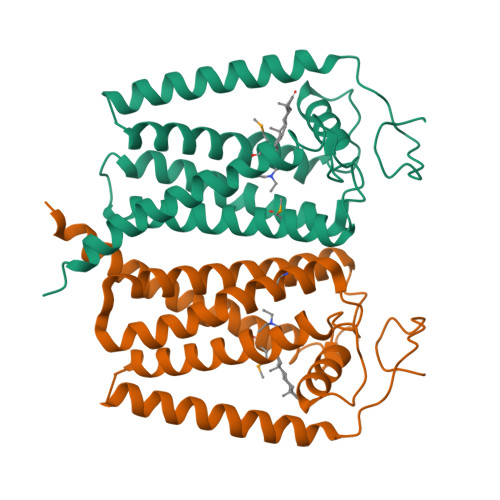
Muscarinic acetylcholine receptor M2 structureClick to view 3D structureMuscarinic acetylcholine receptor M2P08172HumansPredicted (SEA)
Prediction Confidence Score
0.256
Applicability Domain
0.271 Low confidence
Statistical Significance
0.1128
Supporting Reference Compounds
373
E-value
878.295
Click to view 3D structureMuscarinic acetylcholine receptor M2P10980Rattus norvegicusPredicted (SEA)
Prediction Confidence Score
0.255
Applicability Domain
0.271 Low confidence
Statistical Significance
0.0188
Supporting Reference Compounds
98
E-value
146.123
Muscarinic acetylcholine receptor M1 structureClick to view 3D structureMuscarinic acetylcholine receptor M1P11229HumansPredicted (SEA)
Prediction Confidence Score
0.251
Applicability Domain
0.271 Low confidence
Statistical Significance
0.1413
Supporting Reference Compounds
385
E-value
1099.85
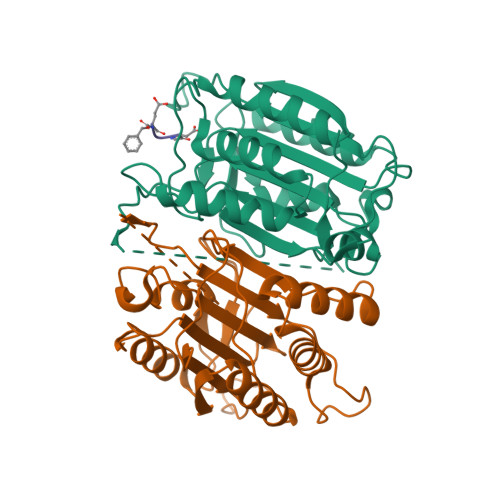
Sigma non-opioid intracellular receptor 1 structureClick to view 3D structureSigma non-opioid intracellular receptor 1Q99720HumansPredicted (SEA)
Prediction Confidence Score
0.249
Applicability Domain
0.255 Low confidence
Statistical Significance
0.218
Supporting Reference Compounds
562
E-value
1696.8
Muscarinic acetylcholine receptor M3 structureClick to view 3D structureMuscarinic acetylcholine receptor M3P20309HumansPredicted (SEA)
Prediction Confidence Score
0.248
Applicability Domain
0.271 Low confidence
Statistical Significance
0.1272
Supporting Reference Compounds
310
E-value
990.398
Muscarinic acetylcholine receptor M4 structureClick to view 3D structureMuscarinic acetylcholine receptor M4P08173HumansPredicted (SEA)
Prediction Confidence Score
0.248
Applicability Domain
0.271 Low confidence
Statistical Significance
0.1206
Supporting Reference Compounds
297
E-value
939.173
Click to view 3D structurePancreatic alpha-amylaseP00689Rattus norvegicusPredicted (SEA)
Prediction Confidence Score
0.244
Applicability Domain
0.271 Low confidence
Statistical Significance
0.0018
Supporting Reference Compounds
2
E-value
14.2464
D(3) dopamine receptor structureClick to view 3D structureD(3) dopamine receptorP35462HumansPredicted (SEA)
Prediction Confidence Score
0.238
Applicability Domain
0.255 Low confidence
Statistical Significance
0.3623
Supporting Reference Compounds
861
E-value
2820.32
5-hydroxytryptamine receptor 2B structureClick to view 3D structure5-hydroxytryptamine receptor 2BP41595HumansPredicted (SEA)
Prediction Confidence Score
0.237
Applicability Domain
0.268 Low confidence
Statistical Significance
0.3628
Supporting Reference Compounds
686
E-value
2824.37
5-hydroxytryptamine receptor 6 structureClick to view 3D structure5-hydroxytryptamine receptor 6P50406HumansPredicted (SEA)
Prediction Confidence Score
0.236
Applicability Domain
0.255 Low confidence
Statistical Significance
0.2637
Supporting Reference Compounds
536
E-value
2052.88
Voltage-gated inwardly rectifying potassium channel KCNH2 structureClick to view 3D structureVoltage-gated inwardly rectifying potassium channel KCNH2Q12809HumansPredicted (SEA)
Prediction Confidence Score
0.235
Applicability Domain
0.268 Low confidence
Statistical Significance
0.7137
Supporting Reference Compounds
1498
E-value
5556.25
Click to view 3D structureMuscarinic acetylcholine receptor M1Q8WMX0Bos taurusPredicted (SEA)
Prediction Confidence Score
0.233
Applicability Domain
0.271 Low confidence
Statistical Significance
0.0067
Supporting Reference Compounds
18
E-value
52.4704
Kappa-type opioid receptor structureClick to view 3D structureKappa-type opioid receptorP41145HumansPredicted (SEA)
Prediction Confidence Score
0.226
Applicability Domain
0.255 Low confidence
Statistical Significance
0.4285
Supporting Reference Compounds
532
E-value
3335.68
Mu-type opioid receptor structureClick to view 3D structureMu-type opioid receptorP35372HumansPredicted (SEA)
Prediction Confidence Score
0.226
Applicability Domain
0.255 Low confidence
Statistical Significance
0.4002
Supporting Reference Compounds
527
E-value
3115.84
Delta-type opioid receptor structureClick to view 3D structureDelta-type opioid receptorP41143HumansPredicted (SEA)
Prediction Confidence Score
0.226
Applicability Domain
0.255 Low confidence
Statistical Significance
0.3202
Supporting Reference Compounds
427
E-value
2493.12
Muscarinic acetylcholine receptor M5 structureClick to view 3D structureMuscarinic acetylcholine receptor M5P08912HumansPredicted (SEA)
Prediction Confidence Score
0.225
Applicability Domain
0.255 Low confidence
Statistical Significance
0.254
Supporting Reference Compounds
266
E-value
1977.21
3-beta-hydroxysteroid-Delta(8),Delta(7)-isomerase structureClick to view 3D structure3-beta-hydroxysteroid-Delta(8),Delta(7)-isomeraseQ15125HumansPredicted (SEA)
Prediction Confidence Score
0.224
Applicability Domain
0.255 Low confidence
Statistical Significance
0.0339
Supporting Reference Compounds
27
E-value
263.597
Click to view 3D structureC-8 sterol isomerase ERG2P32352Baker's yeastPredicted (SEA)
Prediction Confidence Score
0.224
Applicability Domain
0.255 Low confidence
Statistical Significance
0.0098
Supporting Reference Compounds
20
E-value
76.5258
5-hydroxytryptamine receptor 2A structureClick to view 3D structure5-hydroxytryptamine receptor 2AP28223HumansPredicted (SEA)
Prediction Confidence Score
0.224
Applicability Domain
0.255 Low confidence
Statistical Significance
0.5693
Supporting Reference Compounds
955
E-value
4431.96
Sodium-dependent noradrenaline transporter structureClick to view 3D structureSodium-dependent noradrenaline transporterP23975HumansPredicted (SEA)
Prediction Confidence Score
0.224
Applicability Domain
0.255 Low confidence
Statistical Significance
0.3801
Supporting Reference Compounds
451
E-value
2959.44
D(2) dopamine receptor structureClick to view 3D structureD(2) dopamine receptorP14416HumansPredicted (SEA)
Prediction Confidence Score
0.224
Applicability Domain
0.255 Low confidence
Statistical Significance
0.5709
Supporting Reference Compounds
1103
E-value
4444.65
Sodium-dependent serotonin transporter structureClick to view 3D structureSodium-dependent serotonin transporterP31645HumansPredicted (SEA)
Prediction Confidence Score
0.223
Applicability Domain
0.255 Low confidence
Statistical Significance
0.4506
Supporting Reference Compounds
593
E-value
3507.73
Sodium-dependent dopamine transporter structureClick to view 3D structureSodium-dependent dopamine transporterQ01959HumansPredicted (SEA)
Prediction Confidence Score
0.223
Applicability Domain
0.255 Low confidence
Statistical Significance
0.4586
Supporting Reference Compounds
506
E-value
3570.09
D(1A) dopamine receptor structureClick to view 3D structureD(1A) dopamine receptorP21728HumansPredicted (SEA)
Prediction Confidence Score
0.222
Applicability Domain
0.255 Low confidence
Statistical Significance
0.363
Supporting Reference Compounds
425
E-value
2825.77
Prostaglandin G/H synthase 1 structureClick to view 3D structureProstaglandin G/H synthase 1P23219HumansPredicted (SEA)
Prediction Confidence Score
0.222
Applicability Domain
0.255 Low confidence
Statistical Significance
0.1642
Supporting Reference Compounds
136
E-value
1278.44
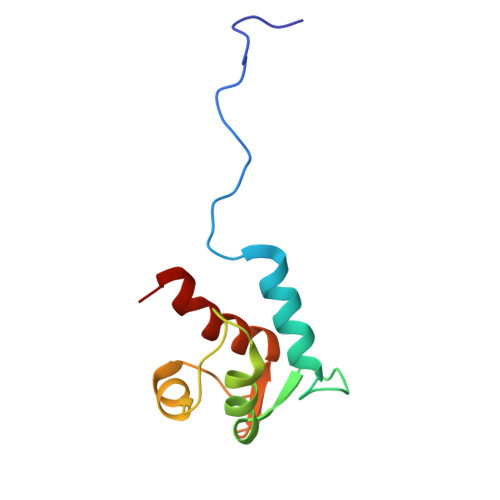
Caspase-9 structureClick to view 3D structureCaspase-9P55211HumansKnownNot Available
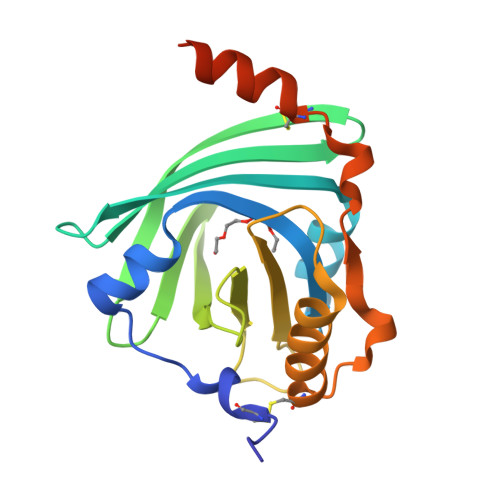
Cytochrome P450 1A2 structureClick to view 3D structureCytochrome P450 1A2P05177HumansKnownNot Available
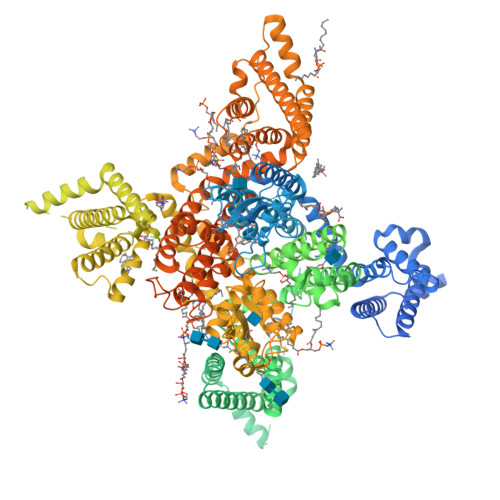
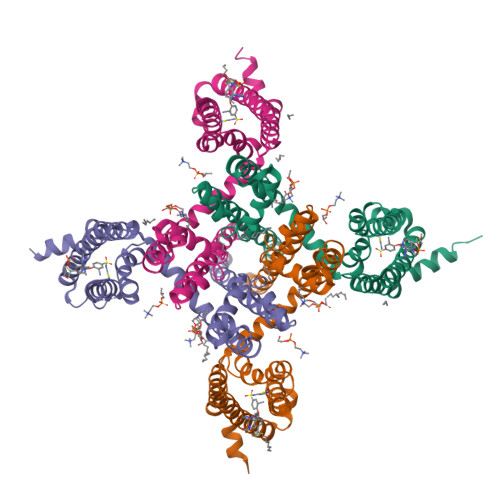
Sodium channel protein type 5 subunit alpha structureClick to view 3D structureSodium channel protein type 5 subunit alphaQ14524HumansKnownLidocaine stabilizes the neuronal membrane by inhibiting the ionic fluxes required for the initiation and conduction of impulses thereby effecting local anesthetic action.
Alpha-1-acid glycoprotein 1 structureClick to view 3D structureAlpha-1-acid glycoprotein 1P02763HumansKnownNot Available
Alpha-1-acid glycoprotein 2 structureClick to view 3D structureAlpha-1-acid glycoprotein 2P19652HumansKnownNot Available
Epidermal growth factor receptor structureClick to view 3D structureEpidermal growth factor receptorP00533HumansKnownLidocaine stabilizes the neuronal membrane by inhibiting the ionic fluxes required for the initiation and conduction of impulses thereby effecting local anesthetic action.
Click to view 3D structureMultidrug and toxin extrusion protein 1Q96FL8HumansKnownNot Available
Potassium channel subfamily K member 2 structureClick to view 3D structurePotassium channel subfamily K member 2O95069HumansKnownNot Available
Click to view 3D structurePotassium voltage-gated channel subfamily A member 5P22460HumansKnownNot Available
Sodium channel protein type 10 subunit alpha structureClick to view 3D structureSodium channel protein type 10 subunit alphaQ9Y5Y9HumansKnownLidocaine stabilizes the neuronal membrane by inhibiting the ionic fluxes required for the initiation and conduction of impulses thereby effecting local anesthetic action.
Sodium channel protein type 4 subunit alpha structureClick to view 3D structureSodium channel protein type 4 subunit alphaP35499HumansKnownNot Available
Sodium channel protein type 9 subunit alpha structureClick to view 3D structureSodium channel protein type 9 subunit alphaQ15858HumansKnownLidocaine stabilizes the neuronal membrane by inhibiting the ionic fluxes required for the initiation and conduction of impulses thereby effecting local anesthetic action.
Concentrations
Not Available
External Links
IdentifiersNot Available
References
Synthesis Reference

DrugSyn.org

MSDSLink
General References
  1. Khaliq W, Alam S, Puri N: Topical lidocaine for the treatment of postherpetic neuralgia. Cochrane Database Syst Rev. 2007 Apr 18;(2):CD004846. [PubMed: 17443559]
  2. Thomson PD, Melmon KL, Richardson JA, Cohn K, Steinbrunn W, Cudihee R, Rowland M: Lidocaine pharmacokinetics in advanced heart failure, liver disease, and renal failure in humans. Ann Intern Med. 1973 Apr;78(4):499-508. [PubMed: 4694036]
  3. Drugs.com - http://www.drugs.com/cons/Lidocaine.html
  4. RxList: The Internet Drug Index (2009). - http://www.rxlist.com/