Zolpidem (CED0002968)

Record Information
Version1.0
Creation Date2009-07-21 20:26:52 UTC
Update Date2026-05-14 16:38:23 UTC
SynCED IDCED0002968
Secondary Accession Numbers
  • CHEM002192
  • T3D2787
Identification
Common NameZolpidem
ClassSmall Molecule
Description
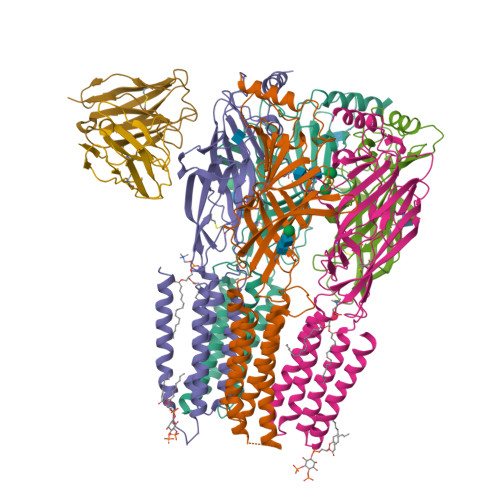
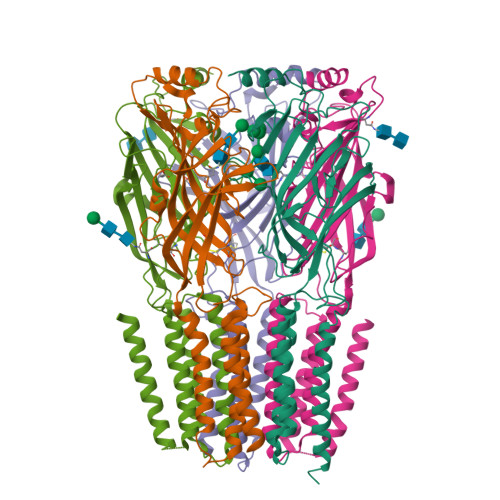
Zolpidem is an exogenous organic compound with the formula C19H21N3O and an average molecular weight of 307.39 g/mol. It exists as a solid at room temperature. Zolpidem belongs to the imidazoles, a subclass of azoles within the organic compounds. Used as a sedative and central nervous system depressant, zolpidem functions biologically as a GABA agonist. It interacts with nine recorded protein targets, including the translocator protein (TSPO) and several subunits of the gamma-aminobutyric acid receptor, such as GABRB3 and GABRA2, GABRA3, and GABRA4. Specifically, zolpidem modulates the alpha-subunit within the GABAA receptor chloride channel macromolecular complex; unlike benzodiazepines that interact non-selectively with all three alpha-receptor subtypes, zolpidem preferentially binds to the alpha-1 receptor (GABRA1). The compound is found in healthcare, pharmaceuticals, and veterinary products as a hypnotic and sedative. It has been detected in the liver and is associated with oral and sublingual exposure routes. Additionally, zolpidem has been recorded in 20 sources, including drinking water, floors, various household cleaning and consumer products—such as perfumes within detergents and soaps, cigar cigarettes, and pipe accessories—as well as food preservation and the treatment of hops. It is also found in electrical and electronic equipment, including electrodes, fixed capacitors, electric switches, and electrically stimulated smoking devices.
Contaminant Type
  • Amide
  • Amine
  • Drug
  • Food Toxin
  • GABA Agonist
  • GABA-A Receptor Agonist
  • Human Neurotoxin
  • Hypnotic and Sedative
  • Metabolite
  • Organic Compound
  • Synthetic Compound
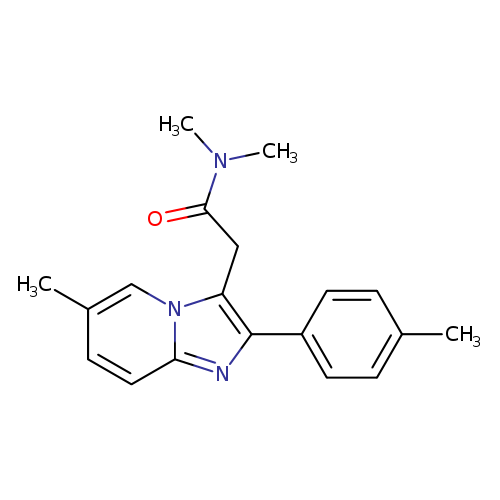
Chemical Structure
Synonyms
ValueSource
N,N,6-Trimethyl-2-(4-methylphenyl)imidazo(1,2-a)pyridine-3-acetamideChEBI
ZolpidemumChEBI
SanvalKegg
AmbienHMDB
HypnogenHMDB
MysleeHMDB
StilnoctHMDB
StilnoxHMDB
Zolpidem ambienHMDB
Zolpidem tartrateHMDB
BikalmHMDB
Zolpidem 1a pharmaHMDB
N,N,6-Trimethyl-2-(4-methylphenyl)imidazo(1,2a)pyridine-3-acetamide hemitartrateHMDB
Zolpidem abzHMDB
AmsicHMDB
DalparanHMDB
ZolpinoxHMDB
ZodormduraHMDB
ZoldemHMDB
ZolirinHMDB
Zolpi-lichHMDB
ZolpimistHMDB
Zolpidem hemitartrateHMDB
Zolpi lichHMDB
Chemical FormulaC19H21N3O
Average Molecular Mass307.390 g/mol
Monoisotopic Mass307.168 g/mol
CAS Registry Number82626-48-0
IUPAC NameN,N-dimethyl-2-[6-methyl-2-(4-methylphenyl)imidazo[1,2-a]pyridin-3-yl]acetamide
Traditional Namezolpidem
SMILESCN(C)C(=O)CC1=C(N=C2C=CC(C)=CN12)C1=CC=C(C)C=C1
InChI IdentifierInChI=1S/C19H21N3O/c1-13-5-8-15(9-6-13)19-16(11-18(23)21(3)4)22-12-14(2)7-10-17(22)20-19/h5-10,12H,11H2,1-4H3
InChI KeyZAFYATHCZYHLPB-UHFFFAOYSA-N
Chemical Taxonomy
Description Belongs to the class of organic compounds known as phenylimidazoles. These are polycyclic aromatic compounds containing a benzene ring linked to an imidazole ring through a CC or CN bond.
KingdomOrganic compounds
Super ClassOrganoheterocyclic compounds
ClassAzoles
Sub ClassImidazoles
Direct ParentPhenylimidazoles
Alternative Parents
Substituents
  • 5-phenylimidazole
  • 4-phenylimidazole
  • Imidazopyridine
  • Imidazo[1,2-a]pyridine
  • Toluene
  • Methylpyridine
  • Monocyclic benzene moiety
  • N-substituted imidazole
  • Pyridine
  • Benzenoid
  • Tertiary carboxylic acid amide
  • Heteroaromatic compound
  • Carboxamide group
  • Carboxylic acid derivative
  • Azacycle
  • Organic oxide
  • Carbonyl group
  • Organopnictogen compound
  • Organic oxygen compound
  • Organooxygen compound
  • Organonitrogen compound
  • Organic nitrogen compound
  • Hydrocarbon derivative
  • Aromatic heteropolycyclic compound
Molecular FrameworkAromatic heteropolycyclic compounds
External Descriptors
Biological Properties
StatusDetected and Not Quantified
OriginExogenous
Cellular Locations
  • Membrane
Biofluid LocationsNot Available
Tissue Locations
  • Liver
Applications
Biological Roles
Chemical RolesNot Available
Organoleptic EffectsNot Available
Physical Properties
StateSolid
AppearanceWhite powder.
Experimental Properties
PropertyValue
Melting Point196°C
Boiling PointNot Available
Solubility23 mg/mL
Predicted Properties
PropertyValueSource
Water Solubility0.031 g/LALOGPS
logP3.15ALOGPS
logP3.02ChemAxon
logS-4ALOGPS
pKa (Strongest Basic)5.65ChemAxon
Physiological Charge0ChemAxon
Hydrogen Acceptor Count2ChemAxon
Hydrogen Donor Count0ChemAxon
Polar Surface Area37.61 ŲChemAxon
Rotatable Bond Count3ChemAxon
Refractivity93.58 m³·mol⁻¹ChemAxon
Polarizability35.06 ųChemAxon
Number of Rings3ChemAxon
BioavailabilityYesChemAxon
Rule of FiveYesChemAxon
Ghose FilterYesChemAxon
Veber's RuleYesChemAxon
MDDR-like RuleNoChemAxon
Spectra
Spectra
Spectrum TypeDescriptionSplash KeyDeposition DateView
Predicted GC-MSPredicted GC-MS Spectrumsplash10-007c-4491000000-1f69c88ada0cbe422976Not AvailableView Spectrum
Predicted GC-MSPredicted GC-MS SpectrumNot AvailableNot AvailableView Spectrum
LC-MS/MSLC-MS/MS Spectrumsplash10-0a4r-0196000000-6304f5b37ed9f071eb26Not AvailableView Spectrum
LC-MS/MSLC-MS/MS Spectrumsplash10-06ri-0093000000-df20eb1ec18c6314769fNot AvailableView Spectrum
Predicted LC-MS/MSPredicted LC-MS/MS Spectrumsplash10-0a4i-0049000000-bc33df0258d99c887a5cNot AvailableView Spectrum
Predicted LC-MS/MSPredicted LC-MS/MS Spectrumsplash10-0bti-0095000000-53d24c4b41c278d039e0Not AvailableView Spectrum
Predicted LC-MS/MSPredicted LC-MS/MS Spectrumsplash10-052r-1190000000-fcb2a47c2fab91af9648Not AvailableView Spectrum
Predicted LC-MS/MSPredicted LC-MS/MS Spectrumsplash10-0a4i-0009000000-ad3531d27ad6da8d9cc3Not AvailableView Spectrum
Predicted LC-MS/MSPredicted LC-MS/MS Spectrumsplash10-0bt9-1097000000-084e5a788c15061e05a5Not AvailableView Spectrum
Predicted LC-MS/MSPredicted LC-MS/MS Spectrumsplash10-08fs-2090000000-b2e3eaa1af64958efe10Not AvailableView Spectrum
Predicted LC-MS/MSPredicted LC-MS/MS Spectrumsplash10-0a4i-0009000000-de69c65803e567e26ceaNot AvailableView Spectrum
Predicted LC-MS/MSPredicted LC-MS/MS Spectrumsplash10-074i-0093000000-612afe202f557c4a4c66Not AvailableView Spectrum
Predicted LC-MS/MSPredicted LC-MS/MS Spectrumsplash10-0a4i-0490000000-26b5c78b7009ce2e5c1cNot AvailableView Spectrum
Predicted LC-MS/MSPredicted LC-MS/MS Spectrumsplash10-0a4i-0019000000-b660ca11ad7e4f91fd36Not AvailableView Spectrum
Predicted LC-MS/MSPredicted LC-MS/MS Spectrumsplash10-0079-0092000000-37a7218a24afef1be815Not AvailableView Spectrum
Predicted LC-MS/MSPredicted LC-MS/MS Spectrumsplash10-014r-0390000000-fe5078d60002f0380d8eNot AvailableView Spectrum
MSMS Spectrumsplash10-000i-1090000000-5429f5620534a2340098Not AvailableView Spectrum
Toxicity Profile
Toxicity Values
Toxicity ValueOrganismDose DescriptorRoute of ExposurePredicted or ExperimentalToxicity RatingReference
695.0 mg/kg RatLD50OralexperimentalNot Available1
944.0 Log mg/kg [530:1700]RatLD50oralpredictedNot AvailableNot Available
Toxicity / Toxin ClassNot Available
Mechanism of ToxicityZolpidem modulates the alpha-subunit, known as the benzodiazepine receptor, within the GABAA receptor chloride channel macromolecular complex. Unlike the benzodiazepines, which non-selectively interact with all three alpha-receptor subtypes, Zolpidem preferentially binds to the alpha-1 receptor.
Carcinogenicity (IARC Classification)No indication of carcinogenicity to humans (not listed by IARC).
Minimum Risk LevelNot Available
SymptomsSymptoms of overdose include impairment of consciousness ranging from somnolence to light coma.
TreatmentGeneral symptomatic and supportive measures should be used along with immediate gastric lavage where appropriate. Intravenous fluids should be administered as needed. sedative hypnotic effect was shown to be reduced by flumazenil and therefore may be useful; however, flumazenil administration may contribute to the appearance of neurological symptoms (convulsions). As in all cases of drug overdose, respiration, pulse, blood pressure, and other appropriate signs should be monitored and general supportive measures employed. Hypotension and CNS depression should be monitored and treated by appropriate medical intervention. Sedating drugs should be withheld following zolpidem overdosage, even if excitation occurs. The value of dialysis in the treatment of overdosage has not been determined, although hemodialysis studies in patients with renal failure receiving therapeutic doses have demonstrated that zolpidem is not dialyzable. (11)
Health Effects
Health EffectRelationshipDirectionDescriptionReference
bone fractureAssociated With?Not AvailableNot AvailablePMC8708796
Exposure Sources
Source IDSourceSectorReference
CEDs000010Insecticides?Insecticides are synthetic chemicals designed to control or eliminate insect pests that threaten crops and other agricultural products.Agriculture & land managementPubChem
CEDs000115Drinking water?Drinking water can be a medium for synthetic chemical contamination, often originating from various industrial processes and agricultural practices.Drinking water & water supplyNot Available
CEDs000376Hypnotics and sedatives?Hypnotics and sedatives are synthetic chemicals primarily used to induce sleep, reduce anxiety, and manage various psychiatric disorders.Healthcare, pharmaceuticals & veterinary productsNot Available
CEDs000497Floors?Floors in built environments can be a significant source of synthetic chemical contamination due to the materials and finishes used in their construction.Building & ConstructionPubChem
CEDs000511Conductors Or Conductive Bodies Characterised By The Conductive Materials?Conductors, or conductive bodies, are materials that allow the flow of electrical current, typically made from metals such as copper, aluminum, or silver.Electrical & Electronic EquipmentPubChem
CEDs000517Electric Switches?Electric switches, integral components in numerous devices, can be a source of synthetic chemical contamination due to the materials and manufacturing processes involved in their production.Electrical & Electronic EquipmentPubChem
CEDs000518Electrically Stimulated Smoking Devices?Electrically stimulated smoking devices, commonly known as e-cigarettes or vape pens, utilize electrical components to heat a liquid solution, often containing nicotine, flavorings, and other additives, to produce an aerosol for inhalation.Electrical & Electronic EquipmentPubChem
CEDs000519Electrodes?Electrodes, used in various electrical and electronic applications, can be a source of synthetic chemical contamination due to the materials from which they are constructed and the processes involved in their manufacturing.Electrical & Electronic EquipmentPubChem
CEDs000521Fixed Capacitors And Their Manufacture?Fixed capacitors are passive electronic components used to store and release electrical energy, playing a critical role in various circuits.Electrical & Electronic EquipmentPubChem
CEDs000530Radio Transmission Systems?Radio transmission systems utilize a variety of synthetic chemicals in their manufacturing and maintenance processes.Electrical & Electronic EquipmentPubChem
CEDs000531Relays?Relays are electromechanical switches used to control circuits and manage electrical loads.Electrical & Electronic EquipmentPubChem
CEDs000533Sparking Plugs?Spark plugs are critical components in internal combustion engines, facilitating the ignition of fuel-air mixtures by generating a spark.Electrical & Electronic EquipmentPubChem
CEDs000537Television Systems?Television systems can be a source of synthetic chemical contamination due to the various materials and components used in their manufacture and operation.Electrical & Electronic EquipmentPubChem
CEDs000545Food Preservation?Food preservation often involves the use of synthetic chemicals, such as preservatives, flavor enhancers, and color additives, to extend shelf life and enhance the sensory qualities of food products.Food, food processing & cookwarePubChem
CEDs000553Treatment Of Hops?Hops, a key ingredient in brewing and food flavoring, can be a source of synthetic chemical contamination due to various agricultural practices.Food, food processing & cookwarePubChem
CEDs000556Cigar Cigarettes?Cigar cigarettes are a source of synthetic chemical contamination due to the combustion of various tobacco blends and additives.Household cleaning & consumer productsPubChem
CEDs000559Non Electric Simulated Smoking Devices?Non-electric simulated smoking devices, often designed to mimic the experience of smoking without combustion, can be sources of synthetic chemical contamination due to the materials and chemicals used in their construction and operation.Household cleaning & consumer productsPubChem
CEDs000560Other Smoking Requisites?Other smoking requisites, including items such as lighters, matches, and rolling papers, can introduce synthetic chemical contamination through various components and additives.Household cleaning & consumer productsPubChem
CEDs000561Perfumes Within Detergents And Soaps?Perfumes within detergents and soaps are synthetic fragrance compounds added to enhance the sensory experience of cleaning products.Household cleaning & consumer productsPubChem
CEDs000562Pipe Accessories?Pipe accessories, such as fittings, connectors, and seals, are components used in plumbing systems to facilitate the flow of liquids and gases.Household cleaning & consumer productsPubChem
CEDs000569Tobacco Smoke Filters?Tobacco smoke filters are designed to reduce the inhalation of harmful substances in cigarette smoke, including tar and other particulate matter.Household cleaning & consumer productsPubChem
CEDs000578Making Cigars?The process of making cigars involves several steps, including the cultivation of tobacco, fermentation, and the application of various additives to enhance flavor and preservation.Industrial manufacturing & chemical processingPubChem
CEDs000579Manufacture Of Iron Or Steel?The manufacture of iron or steel involves various processes, including smelting, refining, and alloying, which can result in the release of synthetic chemicals and contaminants.Industrial manufacturing & chemical processingPubChem
CEDs000580Manufacture Preparation Of Tobacco Products?The manufacture and preparation of tobacco products involve various processes that can result in the introduction of synthetic chemicals into the environment.Industrial manufacturing & chemical processingPubChem
CEDs000581Paper Making Machines?Paper making machines utilize various synthetic chemicals throughout the production process, including additives, coatings, and bleaching agents.Industrial manufacturing & chemical processingPubChem
CEDs000584Buoys?Buoys, often used for navigation and marine monitoring, can be sources of synthetic chemical contamination due to the materials and coatings employed in their construction.Marine, shipping & aquaculturePubChem
CEDs000596Acaricides?Acaricides are synthetic chemicals specifically designed to target and control mite populations that can damage crops and plants.Agriculture & land managementPubChem
CEDs000598Fertiliser Distributors?Fertiliser distributors play a critical role in the supply of synthetic fertilizers, which are widely used to enhance soil fertility and crop yield.Agriculture & land managementPubChem
CEDs000600Herbicides And Algicides?Herbicides and algicides are synthetic chemicals primarily used to control unwanted plants and algae in various environments.Agriculture & land managementPubChem
CEDs000602Molluscicides?Molluscicides are synthetic chemicals specifically designed to control and eliminate mollusks, such as snails and slugs, which can be detrimental to crops and agricultural productivity.Agriculture & land managementPubChem
CEDs000603Nematocides?Nematocides are synthetic chemicals specifically designed to control nematodes, which are microscopic roundworms that can cause significant damage to crops and plants.Agriculture & land managementPubChem
CEDs000606Plant Growth Regulators?Plant Growth Regulators (PGRs) are synthetic chemicals designed to influence the growth and development of plants.Agriculture & land managementPubChem
CEDs000611Anti Perspirants Or Body Deoderants?Antiperspirants and body deodorants commonly contain synthetic chemicals such as aluminum compounds, parabens, and synthetic fragrances.Personal care & cosmeticsPubChem
CEDs000614Essential Oils Or Perfumes?Essential oils and perfumes are complex mixtures of volatile compounds derived from natural or synthetic sources, commonly used for their aromatic properties.Personal care & cosmeticsPubChem
CEDs000615Eye Makeup Products?Eye makeup products, including mascaras, eyeliners, and eyeshadows, often contain a variety of synthetic chemicals such as pigments, preservatives, and film-forming agents.Personal care & cosmeticsPubChem
CEDs000618Lip Makeup Products?Lip makeup products, such as lipsticks, lip glosses, and lip liners, often contain a variety of synthetic chemicals, including pigments, preservatives, and emollients.Personal care & cosmeticsPubChem
CEDs000630Toys?Toys, particularly those made from synthetic materials such as plastics, can be a source of chemical contamination due to the presence of various additives and compounds used in their production.Recreation & sports surfacesPubChem
CEDs000632Apparel?Apparel production often involves the use of various synthetic chemicals, including dyes, finishing agents, and preservatives.Textiles, leather & furnishingsPubChem
CEDs000643Headwear?Headwear made from synthetic materials often incorporates chemicals used in the manufacturing and finishing processes, such as dyes, flame retardants, and water repellents.Textiles, leather & furnishingsPubChem
CEDs000650Purses Luggage Hand Bags?Purses, luggage, and handbags are often manufactured using synthetic materials such as polyvinyl chloride (PVC), polyurethane, and various types of nylon.Textiles, leather & furnishingsPubChem
CEDs000651Purses Money Bags Wallets?Purses, money bags, and wallets are often manufactured using synthetic materials, including plastics, polyurethanes, and various treated fabrics.Textiles, leather & furnishingsPubChem
CEDs000662Yarns Or Threads?Yarns or threads used in textiles can be a source of synthetic chemical contamination due to the production processes and treatments they undergo.Textiles, leather & furnishingsPubChem
CEDs000671Airplanes And Helicopters?Airplanes and helicopters are significant sources of synthetic chemical contamination primarily through the use of aviation fuels, lubricants, and de-icing agents.Aviation & AerospacePubChem
CEDs000685Ceramics?Ceramics can be a source of synthetic chemical contamination through various additives and processing agents used in their production.Building & ConstructionPubChem
CEDs000688Glass Coatings?Glass coatings are synthetic chemical formulations applied to glass surfaces to enhance properties such as durability, UV resistance, and aesthetic appeal.Building & ConstructionPubChem
CEDs000691Non Oxide Glass?Non-oxide glass refers to a category of glasses primarily composed of materials other than silicon dioxide, such as boron oxide or phosphorous oxide.Building & ConstructionPubChem
CEDs000693Silica Glass?Silica glass, primarily composed of silicon dioxide (SiO2), is widely used in various applications, including windows, glass facades, and insulation materials.Building & ConstructionPubChem
CEDs000696Nanotechnology?Nanotechnology involves the manipulation of materials at the molecular or atomic level, typically within the range of 1 to 100 nanometers.Industrial manufacturing & chemical processingPubChem
CEDs000699Mining Or Quarrying?Mining and quarrying operations can lead to synthetic chemical contamination through the release of various pollutants associated with the extraction and processing of minerals.Mining & metal processingPubChem
CEDs000727Printing Machines Or Presses?Printing machines or presses commonly utilize synthetic chemicals such as inks, solvents, and cleaning agents.Paper, pulp & fiber productsPubChem
CEDs000733Walking Sticks?Walking sticks, while primarily designed for mobility assistance, can be sources of synthetic chemical contamination if not properly manufactured or maintained.Healthcare, pharmaceuticals & veterinary productsPubChem
CEDs000734Coating Compositions?Coating compositions, which include paints, sealants, and varnishes, are formulated with a variety of synthetic chemicals such as solvents, resins, pigments, and additives.Building & ConstructionPubChem
CEDs000735Explosives?Explosives are chemical compounds or mixtures designed to undergo rapid decomposition, releasing energy in the form of gas and heat.Defense & military infrastructurePubChem
CEDs000740Paper?Paper production involves the processing of wood fibers and the use of various chemicals, which can lead to synthetic chemical contamination.Paper, pulp & fiber productsPubChem
CEDs000741Pigment Pastes?Pigment pastes are concentrated dispersions of pigments used to impart color and properties to materials.Paper, pulp & fiber productsPubChem
CEDs000743Sludge Treatment?Sludge treatment involves the processing of waste materials generated from wastewater treatment plants, which often contain a variety of organic and inorganic substances.Wastewater, sanitation & biosolidsPubChem
CEDs000744Water, Wastewater, & Sewage Treatment?Water, wastewater, and sewage treatment processes are critical for managing and mitigating pollutants in water systems.Wastewater, sanitation & biosolidsPubChem
Pathways
3 pathwaysPathway Source: PathBank
Targets
StructureProteinUniProt IDOrganismRelationshipDetails
Click to view 3D structureTranslocator proteinP16257Rattus norvegicusPredicted (SEA)
Prediction Confidence Score
0.524
Applicability Domain
1.0
Statistical Significance
7.00e-05
Supporting Reference Compounds
34
E-value
0.544945
Gamma-aminobutyric acid receptor subunit alpha-3 structureClick to view 3D structureGamma-aminobutyric acid receptor subunit alpha-3P20236Rattus norvegicusPredicted (SEA)
Prediction Confidence Score
0.428
Applicability Domain
1.0
Statistical Significance
1.00e-05
Supporting Reference Compounds
3
E-value
0.0778492
Gamma-aminobutyric acid receptor subunit alpha-1 structureClick to view 3D structureGamma-aminobutyric acid receptor subunit alpha-1P14867HumansPredicted (SEA)
Prediction Confidence Score
0.334
Applicability Domain
1.0
Statistical Significance
1.40e-04
Supporting Reference Compounds
43
E-value
1.08989
Click to view 3D structureGamma-aminobutyric acid receptor subunit alpha-5P19969Rattus norvegicusPredicted (SEA)
Prediction Confidence Score
0.333
Applicability Domain
1.0
Statistical Significance
2.00e-05
Supporting Reference Compounds
4
E-value
0.155698
Gamma-aminobutyric acid receptor subunit alpha-5 structureClick to view 3D structureGamma-aminobutyric acid receptor subunit alpha-5P31644HumansPredicted (SEA)
Prediction Confidence Score
0.33
Applicability Domain
1.0
Statistical Significance
2.60e-04
Supporting Reference Compounds
14
E-value
2.02408
Gamma-aminobutyric acid receptor subunit alpha-2 structureClick to view 3D structureGamma-aminobutyric acid receptor subunit alpha-2P47869HumansPredicted (SEA)
Prediction Confidence Score
0.322
Applicability Domain
1.0
Statistical Significance
7.00e-05
Supporting Reference Compounds
14
E-value
0.544945
Gamma-aminobutyric acid receptor subunit alpha-3 structureClick to view 3D structureGamma-aminobutyric acid receptor subunit alpha-3P34903HumansPredicted (SEA)
Prediction Confidence Score
0.316
Applicability Domain
1.0
Statistical Significance
9.00e-05
Supporting Reference Compounds
13
E-value
0.700643
Click to view 3D structureTranslocator proteinP30536HumansPredicted (SEA)
Prediction Confidence Score
0.309
Applicability Domain
0.566
Statistical Significance
0.0044
Supporting Reference Compounds
90
E-value
34.098
Gamma-aminobutyric acid receptor subunit alpha-1 structureClick to view 3D structureGamma-aminobutyric acid receptor subunit alpha-1P62813Rattus norvegicusPredicted (SEA)
Prediction Confidence Score
0.297
Applicability Domain
1.0
Statistical Significance
1.00e-05
Supporting Reference Compounds
6
E-value
0.0778492
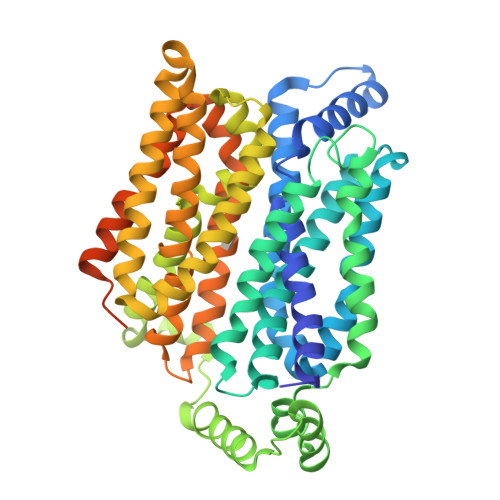
Solute carrier family 2, facilitated glucose transporter member 1 structureClick to view 3D structureSolute carrier family 2, facilitated glucose transporter member 1P11166HumansPredicted (SEA)
Prediction Confidence Score
0.284
Applicability Domain
0.343
Statistical Significance
0.0098
Supporting Reference Compounds
62
E-value
75.9808
Click to view 3D structureGamma-aminobutyric acid receptor subunit alpha-2P23576Rattus norvegicusPredicted (SEA)
Prediction Confidence Score
0.283
Applicability Domain
1.0
Statistical Significance
1.00e-05
Supporting Reference Compounds
7
E-value
0.0778492
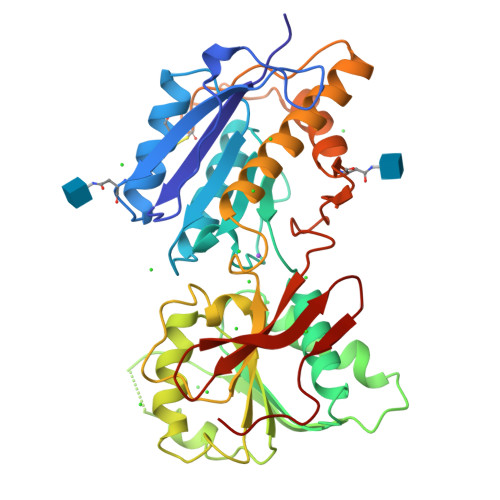
Acetylcholinesterase structureClick to view 3D structureAcetylcholinesteraseP22303HumansPredicted (SEA)
Prediction Confidence Score
0.261
Applicability Domain
0.313
Statistical Significance
0.1215
Supporting Reference Compounds
406
E-value
945.946
Bile salt export pump structureClick to view 3D structureBile salt export pumpO95342HumansPredicted (SEA)
Prediction Confidence Score
0.26
Applicability Domain
0.566
Statistical Significance
0.0179
Supporting Reference Compounds
104
E-value
139.661
Cytochrome P450 2C9 structureClick to view 3D structureCytochrome P450 2C9P11712HumansPredicted (SEA)
Prediction Confidence Score
0.255
Applicability Domain
0.269 Low confidence
Statistical Significance
0.4558
Supporting Reference Compounds
1245
E-value
3548.68
Voltage-gated inwardly rectifying potassium channel KCNH2 structureClick to view 3D structureVoltage-gated inwardly rectifying potassium channel KCNH2Q12809HumansPredicted (SEA)
Prediction Confidence Score
0.253
Applicability Domain
0.269 Low confidence
Statistical Significance
0.5135
Supporting Reference Compounds
1498
E-value
3997.79
5-hydroxytryptamine receptor 1B structureClick to view 3D structure5-hydroxytryptamine receptor 1BP28222HumansPredicted (SEA)
Prediction Confidence Score
0.252
Applicability Domain
0.282 Low confidence
Statistical Significance
0.1229
Supporting Reference Compounds
337
E-value
956.689
Click to view 3D structureCdc2-related kinaseO96526Leishmania majorPredicted (SEA)
Prediction Confidence Score
0.25
Applicability Domain
0.25 Low confidence
Statistical Significance
0.0057
Supporting Reference Compounds
1
E-value
44.4519
Albumin structureClick to view 3D structureAlbuminP02768HumansPredicted (SEA)
Prediction Confidence Score
0.249
Applicability Domain
0.566
Statistical Significance
0.0216
Supporting Reference Compounds
33
E-value
168.31
Click to view 3D structureSolute carrier family 2, facilitated glucose transporter member 2P11168HumansPredicted (SEA)
Prediction Confidence Score
0.245
Applicability Domain
0.391
Statistical Significance
3.90e-04
Supporting Reference Compounds
6
E-value
3.03612
Cytochrome P450 2C19 structureClick to view 3D structureCytochrome P450 2C19P33261HumansPredicted (SEA)
Prediction Confidence Score
0.245
Applicability Domain
0.269 Low confidence
Statistical Significance
0.425
Supporting Reference Compounds
825
E-value
3308.36
Cytochrome P450 3A4 structureClick to view 3D structureCytochrome P450 3A4P08684HumansPredicted (SEA)
Prediction Confidence Score
0.242
Applicability Domain
0.269 Low confidence
Statistical Significance
0.6512
Supporting Reference Compounds
1538
E-value
5069.23
Cytochrome P450 2D6 structureClick to view 3D structureCytochrome P450 2D6P10635HumansPredicted (SEA)
Prediction Confidence Score
0.242
Applicability Domain
0.269 Low confidence
Statistical Significance
0.5541
Supporting Reference Compounds
1130
E-value
4313.7
Kappa-type opioid receptor structureClick to view 3D structureKappa-type opioid receptorP41145HumansPredicted (SEA)
Prediction Confidence Score
0.241
Applicability Domain
0.282 Low confidence
Statistical Significance
0.2826
Supporting Reference Compounds
532
E-value
2200.25
Glutamate receptor ionotropic, NMDA 2B structureClick to view 3D structureGlutamate receptor ionotropic, NMDA 2BQ00960Rattus norvegicusPredicted (SEA)
Prediction Confidence Score
0.239
Applicability Domain
0.269 Low confidence
Statistical Significance
0.012
Supporting Reference Compounds
36
E-value
93.4969
Cytochrome P450 1A2 structureClick to view 3D structureCytochrome P450 1A2P05177HumansPredicted (SEA)
Prediction Confidence Score
0.239
Applicability Domain
0.269 Low confidence
Statistical Significance
0.4754
Supporting Reference Compounds
793
E-value
3700.95
Gamma-aminobutyric acid receptor subunit alpha-3 structureClick to view 3D structureGamma-aminobutyric acid receptor subunit alpha-3P34903HumansKnownNot Available
Gamma-aminobutyric acid receptor subunit alpha-2 structureClick to view 3D structureGamma-aminobutyric acid receptor subunit alpha-2P47869HumansKnownNot Available
Gamma-aminobutyric acid receptor subunit beta-3 structureClick to view 3D structureGamma-aminobutyric acid receptor subunit beta-3P28472HumansKnownNot Available
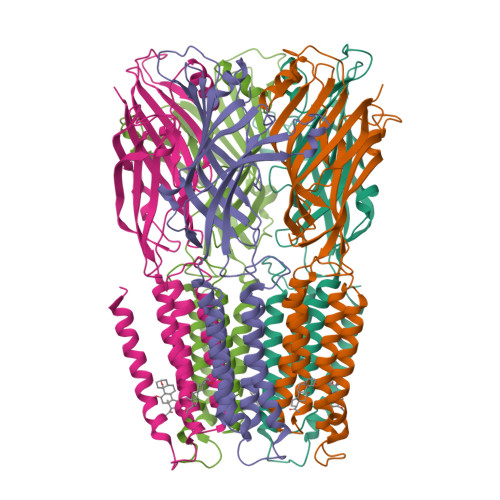
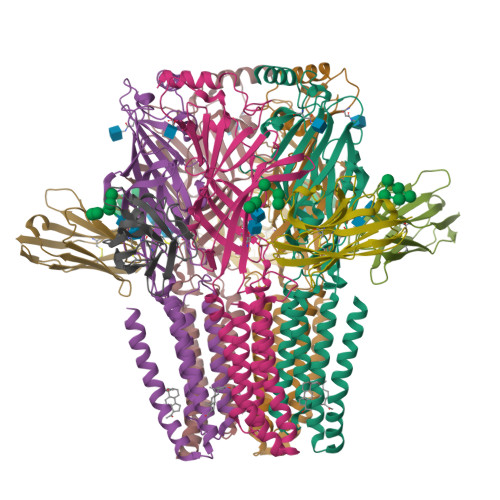
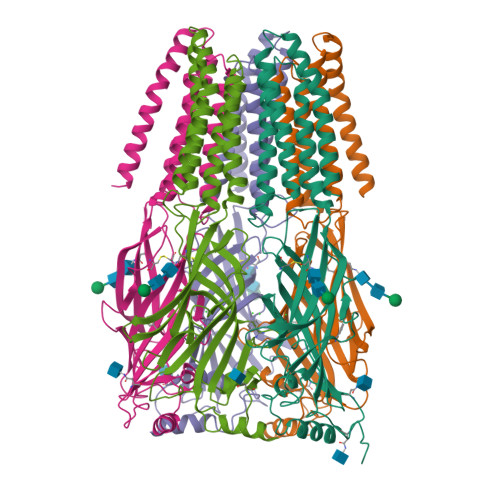
Gamma-aminobutyric acid receptor subunit alpha-1 structureClick to view 3D structureGamma-aminobutyric acid receptor subunit alpha-1P14867HumansKnownZolpidem modulates the alpha-subunit, known as the benzodiazepine receptor, within the GABAA receptor chloride channel macromolecular complex. Unlike the benzodiazepines, which non-selectively interact with all three alpha-receptor subtypes, Zolpidem preferentially binds to the alpha-1 receptor.
Click to view 3D structureGamma-aminobutyric acid receptor subunit alpha-6Q16445HumansKnownNot Available
Click to view 3D structureTranslocator proteinP30536HumansKnownZolpidem modulates the alpha-subunit, known as the benzodiazepine receptor, within the GABAA receptor chloride channel macromolecular complex. Unlike the benzodiazepines, which non-selectively interact with all three alpha-receptor subtypes, Zolpidem preferentially binds to the alpha-1 receptor.
Gamma-aminobutyric acid receptor subunit alpha-4 structureClick to view 3D structureGamma-aminobutyric acid receptor subunit alpha-4P48169HumansKnownNot Available
Concentrations
Not Available
External Links
DrugBank IDDB00425
HMDB IDHMDB0005023
FooDB IDFDB023594
Phenol Explorer IDNot Available
KNApSAcK IDNot Available
BiGG IDNot Available
BioCyc IDNot Available
METLIN ID3071
PDB IDNot Available
Wikipedia LinkZolpidem
Chemspider ID5530
ChEBI ID10125
PubChem Compound ID5732
Kegg Compound IDC07219
YMDB IDNot Available
ECMDB IDNot Available
References
Synthesis Reference

Markus Sauter, “Process for preparing zolpidem.” U.S. Patent US20020183522, issued December 05, 2002.

MSDSLink
General References
  1. Wishart DS, Knox C, Guo AC, Cheng D, Shrivastava S, Tzur D, Gautam B, Hassanali M: DrugBank: a knowledgebase for drugs, drug actions and drug targets. Nucleic Acids Res. 2008 Jan;36(Database issue):D901-6. Epub 2007 Nov 29. [PubMed: 18048412]
  2. Lemmer B: The sleep-wake cycle and sleeping pills. Physiol Behav. 2007 Feb 28;90(2-3):285-93. Epub 2006 Oct 16. [PubMed: 17049955]
  3. Depoortere H, Zivkovic B, Lloyd KG, Sanger DJ, Perrault G, Langer SZ, Bartholini G: Zolpidem, a novel nonbenzodiazepine hypnotic. I. Neuropharmacological and behavioral effects. J Pharmacol Exp Ther. 1986 May;237(2):649-58. [PubMed: 2871178]
  4. Clauss RP, Guldenpfennig WM, Nel HW, Sathekge MM, Venkannagari RR: Extraordinary arousal from semi-comatose state on zolpidem. A case report. S Afr Med J. 2000 Jan;90(1):68-72. [PubMed: 10721397]
  5. Schlich D, L'Heritier C, Coquelin JP, Attali P, Kryrein HJ: Long-term treatment of insomnia with zolpidem: a multicentre general practitioner study of 107 patients. J Int Med Res. 1991 May-Jun;19(3):271-9. [PubMed: 1670039]
  6. Maarek L, Cramer P, Attali P, Coquelin JP, Morselli PL: The safety and efficacy of zolpidem in insomniac patients: a long-term open study in general practice. J Int Med Res. 1992 Apr;20(2):162-70. [PubMed: 1521672]
  7. Gock SB, Wong SH, Nuwayhid N, Venuti SE, Kelley PD, Teggatz JR, Jentzen JM: Acute zolpidem overdose--report of two cases. J Anal Toxicol. 1999 Oct;23(6):559-62. [PubMed: 10517569]
  8. Von Moltke LL, Greenblatt DJ, Granda BW, Duan SX, Grassi JM, Venkatakrishnan K, Harmatz JS, Shader RI: Zolpidem metabolism in vitro: responsible cytochromes, chemical inhibitors, and in vivo correlations. Br J Clin Pharmacol. 1999 Jul;48(1):89-97. [PubMed: 10383565]
  9. von Moltke LL, Weemhoff JL, Perloff MD, Hesse LM, Harmatz JS, Roth-Schechter BF, Greenblatt DJ: Effect of zolpidem on human cytochrome P450 activity, and on transport mediated by P-glycoprotein. Biopharm Drug Dispos. 2002 Dec;23(9):361-7. [PubMed: 12469329]
  10. Drugs.com - http://www.drugs.com/cons/Zolpidem.html
  11. RxList: The Internet Drug Index (2009). - http://www.rxlist.com/