Imipramine (CED0002213)

Record Information
Version1.0
Creation Date2009-07-21 20:26:57 UTC
Update Date2026-05-14 16:39:26 UTC
SynCED IDCED0002213
Secondary Accession Numbers
  • CHEM002199
  • T3D2797
Identification
Common NameImipramine
ClassSmall Molecule
Description
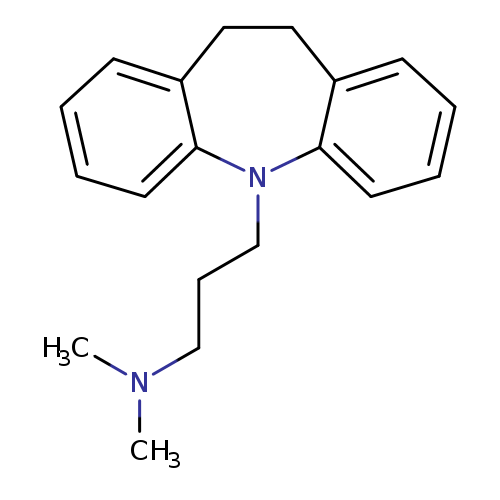
Imipramine belongs to the dibenzazepines, a subclass of benzazepines within the organic compounds. This exogenous compound has the formula C19H24N2 and an average molecular weight of 280.41 g/mol. At room temperature, it exists as a solid. It is utilized as an antidepressant and functions biologically and chemically as an adrenergic uptake inhibitor and a prolyl oligopeptidase (EC 3.4.21.26) inhibitor. The compound works by inhibiting the re-uptake of the neurotransmitters norepinephrine and serotonin by nerve cells. It binds the Sodium-dependent serotonin transporter (SLC6A4) and Sodium-dependent noradrenaline transporter (SLC6A2), preventing or reducing the reuptake of these neurotransmitters. This mechanism addresses the lack of stimulation of the recipient neuron at a synapse linked to depression. Imipramine interacts with 33 recorded protein targets, including the Histamine H1 receptor (HRH1), Alpha-1A adrenergic receptor (ADRA1A), 5-hydroxytryptamine receptor 2A (HTR2A), Muscarinic acetylcholine receptor M1 (CHRM1), and Adenosine receptor A1 (ADORA1). Imipramine is found in 19 recorded sources, including antidepressants within healthcare, pharmaceuticals, and veterinary products. Other sources include drinking water, food preservation, household cleaning and consumer products such as perfumes within detergents and soaps, cigar cigarettes, and non-electric simulated smoking devices. It is also associated with electrical and electronic equipment, including amplifiers, antennas, electrodes, and electrically stimulated smoking devices. Recorded exposure routes for the compound include oral and intramuscular administration.
Contaminant Type
  • Adrenergic Uptake Inhibitor
  • Amine
  • Antidepressive Agent, Tricyclic
  • Drug
  • Food Toxin
  • Human Neurotoxin
  • Metabolite
  • Norepinephrine Reuptake Inhibitor
  • Organic Compound
  • Synthetic Compound
Chemical Structure
Synonyms
ValueSource
10,11-Dihydro-N,N-dimethyl-5H-dibenz[b,F]azepine-5-propanamineChEBI
3-(5H-DIBENZO[b,F]azepin-5-yl)-N,N-dimethylpropan-1-amineChEBI
5-[3-(Dimethylamino)propyl]-10,11-dihydro-5H-dibenz[b,F]azepineChEBI
AntideprinChEBI
ImipraminChEBI
ImipraminumChEBI
ImizineChEBI
IrminChEBI
MelipramineChEBI
N-(gamma-Dimethylaminopropyl)iminodibenzylChEBI
TofranilKegg
N-(g-Dimethylaminopropyl)iminodibenzylGenerator
N-(Γ-dimethylaminopropyl)iminodibenzylGenerator
BerkomineHMDB
ChimoreptinHMDB
DeclomipramineHMDB
DimipressinHMDB
DPIDHMDB
Dyna-zinaHMDB
DynaprinHMDB
EupraminHMDB
FeinalminHMDB
ImavateHMDB
ImidobenzyleHMDB
ImilanyleHMDB
JanimineHMDB
LofepramineHMDB
MelipraminHMDB
PsychoforinHMDB
SurmontilHMDB
SurplixHMDB
TeperineHMDB
TimoletHMDB
Tofranil baseHMDB
Tofranil-PMHMDB
Trimipramine maleateHMDB
Imipramine hydrochlorideHMDB
NorchlorimipramineHMDB
Imipramine monohydrochlorideHMDB
ImizinHMDB
PryleuganHMDB
4,4'-Methylenebis(3-hydroxy-2-naphthoic acid)-3-(10,11-dihydro-5H-dibenzo(b,F)azepin-5-yl)-N,N-dimethyl-1-propanamine (1:2)HMDB
Imipramine pamoateHMDB
Chemical FormulaC19H24N2
Average Molecular Mass280.407 g/mol
Monoisotopic Mass280.194 g/mol
CAS Registry Number50-49-7
IUPAC Name(3-{2-azatricyclo[9.4.0.0^{3,8}]pentadeca-1(15),3,5,7,11,13-hexaen-2-yl}propyl)dimethylamine
Traditional Name(3-{2-azatricyclo[9.4.0.0^{3,8}]pentadeca-1(15),3,5,7,11,13-hexaen-2-yl}propyl)dimethylamine
SMILESCN(C)CCCN1C2=CC=CC=C2CCC2=CC=CC=C12
InChI IdentifierInChI=1S/C19H24N2/c1-20(2)14-7-15-21-18-10-5-3-8-16(18)12-13-17-9-4-6-11-19(17)21/h3-6,8-11H,7,12-15H2,1-2H3
InChI KeyBCGWQEUPMDMJNV-UHFFFAOYSA-N
Chemical Taxonomy
Description Belongs to the class of organic compounds known as dibenzazepines. Dibenzazepines are compounds with two benzene rings connected by an azepine ring. Azepine is an unsaturated seven-member heterocycle with one nitrogen atom replacing a carbon atom.
KingdomOrganic compounds
Super ClassOrganoheterocyclic compounds
ClassBenzazepines
Sub ClassDibenzazepines
Direct ParentDibenzazepines
Alternative Parents
Substituents
  • Dibenzazepine
  • Alkyldiarylamine
  • Tertiary aliphatic/aromatic amine
  • Azepine
  • Benzenoid
  • Tertiary aliphatic amine
  • Tertiary amine
  • Azacycle
  • Organic nitrogen compound
  • Organopnictogen compound
  • Hydrocarbon derivative
  • Organonitrogen compound
  • Amine
  • Aromatic heteropolycyclic compound
Molecular FrameworkAromatic heteropolycyclic compounds
External Descriptors
Biological Properties
StatusDetected and Not Quantified
OriginExogenous
Cellular Locations
  • Membrane
Biofluid LocationsNot Available
Tissue LocationsNot Available
Applications
Biological Roles
Chemical Roles
Organoleptic EffectsNot Available
Physical Properties
StateSolid
AppearanceWhite powder.
Experimental Properties
PropertyValue
Melting Point174-175°C
Boiling Point160°C at 1.00E-01 mm Hg
Solubility18.2 mg/L (at 24°C)
Predicted Properties
PropertyValueSource
Water Solubility0.066 g/LALOGPS
logP4.53ALOGPS
logP4.28ChemAxon
logS-3.6ALOGPS
pKa (Strongest Basic)9.2ChemAxon
Physiological Charge1ChemAxon
Hydrogen Acceptor Count2ChemAxon
Hydrogen Donor Count0ChemAxon
Polar Surface Area6.48 ŲChemAxon
Rotatable Bond Count4ChemAxon
Refractivity90.61 m³·mol⁻¹ChemAxon
Polarizability33.39 ųChemAxon
Number of Rings3ChemAxon
BioavailabilityYesChemAxon
Rule of FiveYesChemAxon
Ghose FilterYesChemAxon
Veber's RuleYesChemAxon
MDDR-like RuleNoChemAxon
Spectra
Spectra
Spectrum TypeDescriptionSplash KeyDeposition DateView
GC-MSGC-MS Spectrumsplash10-0019-7490000000-3fb4d40b6a219f088ec8Not AvailableView Spectrum
Predicted GC-MSPredicted GC-MS Spectrumsplash10-0a4i-7490000000-746fcd08b0a7d6e7bc83Not AvailableView Spectrum
Predicted GC-MSPredicted GC-MS SpectrumNot AvailableNot AvailableView Spectrum
LC-MS/MSLC-MS/MS Spectrumsplash10-000i-9000000000-55d924fd00e5b357ce9eNot AvailableView Spectrum
LC-MS/MSLC-MS/MS Spectrumsplash10-000i-9000000000-eb3c0ecdffc5d9d95e33Not AvailableView Spectrum
LC-MS/MSLC-MS/MS Spectrumsplash10-0ab9-9432000000-033c51459b692622ee7dNot AvailableView Spectrum
LC-MS/MSLC-MS/MS Spectrumsplash10-0019-7490000000-bb99ef31a755d9f6ba14Not AvailableView Spectrum
LC-MS/MSLC-MS/MS Spectrumsplash10-052r-9010000000-961429188e57c1480db8Not AvailableView Spectrum
LC-MS/MSLC-MS/MS Spectrumsplash10-0a4i-9000000000-6272981565b197d622f1Not AvailableView Spectrum
LC-MS/MSLC-MS/MS Spectrumsplash10-052r-9010000000-be8c371ae701a7225d13Not AvailableView Spectrum
LC-MS/MSLC-MS/MS Spectrumsplash10-0a4i-9000000000-6c56d64b8822a435898cNot AvailableView Spectrum
LC-MS/MSLC-MS/MS Spectrumsplash10-0a4i-9000000000-2671c52504aa0680b918Not AvailableView Spectrum
LC-MS/MSLC-MS/MS Spectrumsplash10-0a4i-9100000000-a756ccfcc744eec6e5abNot AvailableView Spectrum
LC-MS/MSLC-MS/MS Spectrumsplash10-0019-9050000000-ad820fcbaa90ad01f5edNot AvailableView Spectrum
LC-MS/MSLC-MS/MS Spectrumsplash10-000i-9010000000-7b329c019f10b027904fNot AvailableView Spectrum
LC-MS/MSLC-MS/MS Spectrumsplash10-000i-9000000000-18201fd6a82e596bb8bdNot AvailableView Spectrum
LC-MS/MSLC-MS/MS Spectrumsplash10-0019-9050000000-eafe5899fec7b49f5f30Not AvailableView Spectrum
LC-MS/MSLC-MS/MS Spectrumsplash10-000i-9000000000-9adbfb340afaa417fda3Not AvailableView Spectrum
LC-MS/MSLC-MS/MS Spectrumsplash10-0a4r-9000000000-9bb5a8512a91de12e786Not AvailableView Spectrum
LC-MS/MSLC-MS/MS Spectrumsplash10-000i-9000000000-48bfa7137f4eaa6b17e6Not AvailableView Spectrum
LC-MS/MSLC-MS/MS Spectrumsplash10-0019-9080000000-680701a3db1bd34f0e6fNot AvailableView Spectrum
Predicted LC-MS/MSPredicted LC-MS/MS Spectrumsplash10-001i-1090000000-d8b2753be1e55651ebe7Not AvailableView Spectrum
Predicted LC-MS/MSPredicted LC-MS/MS Spectrumsplash10-0019-5190000000-884d5f80618ae379a408Not AvailableView Spectrum
Predicted LC-MS/MSPredicted LC-MS/MS Spectrumsplash10-000f-9420000000-655018838b0eb1b10c77Not AvailableView Spectrum
Predicted LC-MS/MSPredicted LC-MS/MS Spectrumsplash10-004i-0090000000-115aa4768e53e232aa16Not AvailableView Spectrum
Predicted LC-MS/MSPredicted LC-MS/MS Spectrumsplash10-004l-1590000000-bf5870eaefcecc8340c7Not AvailableView Spectrum
Predicted LC-MS/MSPredicted LC-MS/MS Spectrumsplash10-00kf-2910000000-568ea79e9375b6365408Not AvailableView Spectrum
Predicted LC-MS/MSPredicted LC-MS/MS Spectrumsplash10-004i-0090000000-fa0545de4a4dc60fd062Not AvailableView Spectrum
Predicted LC-MS/MSPredicted LC-MS/MS Spectrumsplash10-0006-0930000000-e4767544cef04e6d4064Not AvailableView Spectrum
Predicted LC-MS/MSPredicted LC-MS/MS Spectrumsplash10-0006-1950000000-3cf57411dcc66fbc20abNot AvailableView Spectrum
Predicted LC-MS/MSPredicted LC-MS/MS Spectrumsplash10-001i-4090000000-1d71cfc38192491e66ffNot AvailableView Spectrum
Predicted LC-MS/MSPredicted LC-MS/MS Spectrumsplash10-000i-9010000000-2978e223b0d5032da842Not AvailableView Spectrum
Predicted LC-MS/MSPredicted LC-MS/MS Spectrumsplash10-0a4r-9010000000-0f34c908244ad4351ca1Not AvailableView Spectrum
MSMS Spectrumsplash10-0543-8890000000-6cf8e84f007ce7c750f2Not AvailableView Spectrum
Toxicity Profile
Toxicity Values
Toxicity ValueOrganismDose DescriptorRoute of ExposurePredicted or ExperimentalToxicity RatingReference
355.0 mg/kg [355:682]ratLD50oralexperimentalNot AvailableNot Available
258.0 Log mg/kg [150:460]RatLD50oralpredictedNot AvailableNot Available
Toxicity / Toxin ClassNot Available
Mechanism of ToxicityImipramine works by inhibiting the neuronal reuptake of the neurotransmitters norepinephrine and serotonin. It binds the sodium-dependent serotonin transporter and sodium-dependent norepinephrine transporter preventing or reducing the reuptake of norepinephrine and serotonin by nerve cells. Depression has been linked to a lack of stimulation of the post-synaptic neuron by norepinephrine and serotonin. Slowing the reuptake of these neurotransmitters increases their concentration in the synaptic cleft, which is thought to contribute to relieving symptoms of depression. In addition to acutely inhibiting neurotransmitter re-uptake, imipramine causes down-regulation of cerebral cortical beta-adrenergic receptors and sensitization of post-synaptic serotonergic receptors with chronic use. This leads to enhanced serotonergic transmission.
Carcinogenicity (IARC Classification)No indication of carcinogenicity to humans (not listed by IARC).
Minimum Risk LevelNot Available
SymptomsAntagonism of the histamine H1 and α1 receptors can lead to sedation and hypotension. Antimuscarinic and anticholinergic side effects such as blurred vision, dry mouth, constipation and urine retention may occur. Cardiotoxicity may occur with high doses of imipramine. Cardiovascular side effects in postural hypotension, tachycardia, hypertension, ECG changes and congestive heart failure. Psychotoxic effects include impaired memory and delirium. Induction of hypomanic or manic episodes may occur in patients with a history of bipolar disorder. Withdrawal symptoms include GI disturbances (e.g. nausea, vomiting, abdominal pain, diarrhea), anxiety, insomnia, nervousness, headache and malaise.
TreatmentObtain an ECG and immediately initiate cardiac monitoring. Protect the patient's airway, establish an intravenous line and initiate gastric decontamination. A minimum of 6 hours of observation with cardiac monitoring and observation for signs of CNS or respiratory depression, hypotension, cardiac dysrhythmias and/or conduction blocks, and seizures is necessary. If signs of toxicity occur at anytime during this period, extended monitoring is required. (2)
Health Effects
Health EffectRelationshipDirectionDescriptionReference
inflammationAssociated With?Not AvailableNot AvailablePMC11546825
diabetes mellitusAssociated With?Not AvailableA glucose metabolism disease characterized by chronic hyperglycaemia with disturbances of carbohydrate, fat and protein metabolism resulting from defects in insulin secretion, insulin action, or both. (DO)PMC6138477
urinary incontinenceNot AvailableNot AvailableA disorder characterized by inability to control the flow of urine from the bladder. (NCI CTCAE)PMC4969200
hepatic steatosisAssociated With?Not AvailableNot AvailablePMC4254931
major depressive disorderNot AvailableNot AvailableAn endogenous depression that is characterized by an all-encompassing low mood accompanied by low self-esteem, and by loss of interest or pleasure in normally enjoyable activities. (DO)PMC1697755
Cell DeathAssociated With?Not AvailableNot AvailablePMC5306312
Oxidative StressAssociated With?Not AvailableNot AvailablePMC11504575
depressive disorderNot AvailableNot AvailableNot AvailablePMC4881129 , PMC10366746
Lower Urinary Tract SymptomsNot AvailableNot AvailableNot AvailablePMC7472163
Live BirthAssociated With?decreaseNot AvailablePMC11379559 , PMC11379559
Exposure Sources
Source IDSourceSectorReference
CEDs000010Insecticides?Insecticides are synthetic chemicals designed to control or eliminate insect pests that threaten crops and other agricultural products.Agriculture & land managementPubChem
CEDs000013Soil?Soil serves as a critical medium for plant growth and sustains various ecological functions; however, it can become a reservoir for synthetic chemical contamination.Agriculture & land managementPMC13185134 , PMC7143627
CEDs000051Surface water?Surface water can serve as a significant vector for the introduction of synthetic chemical contaminants into aquatic ecosystems.Aquatic systems & sedimentsPMC7143627 , PMC10045752
CEDs000115Drinking water?Drinking water can be a medium for synthetic chemical contamination, often originating from various industrial processes and agricultural practices.Drinking water & water supplyNot Available
CEDs000377Antidepressants?Antidepressants, a class of synthetic chemicals designed to alleviate symptoms of depression and anxiety, can enter the environment through various pathways, leading to contamination of water systems.Healthcare, pharmaceuticals & veterinary productsNot Available
CEDs000505Amplifiers?Amplifiers, commonly used in various electronic devices to enhance signal strength, can be a source of synthetic chemical contamination due to the materials and processes involved in their production and disposal.Electrical & Electronic EquipmentPubChem
CEDs000506Antennas?Antennas, commonly used in communication technologies, can be a source of synthetic chemical contamination through the materials and coatings used in their construction.Electrical & Electronic EquipmentPubChem
CEDs000511Conductors Or Conductive Bodies Characterised By The Conductive Materials?Conductors, or conductive bodies, are materials that allow the flow of electrical current, typically made from metals such as copper, aluminum, or silver.Electrical & Electronic EquipmentPubChem
CEDs000518Electrically Stimulated Smoking Devices?Electrically stimulated smoking devices, commonly known as e-cigarettes or vape pens, utilize electrical components to heat a liquid solution, often containing nicotine, flavorings, and other additives, to produce an aerosol for inhalation.Electrical & Electronic EquipmentPubChem
CEDs000519Electrodes?Electrodes, used in various electrical and electronic applications, can be a source of synthetic chemical contamination due to the materials from which they are constructed and the processes involved in their manufacturing.Electrical & Electronic EquipmentPubChem
CEDs000521Fixed Capacitors And Their Manufacture?Fixed capacitors are passive electronic components used to store and release electrical energy, playing a critical role in various circuits.Electrical & Electronic EquipmentPubChem
CEDs000524Hybrid Capacitors?Hybrid capacitors are energy storage devices that combine the properties of electrolytic and supercapacitors, utilizing a combination of electrochemical principles to achieve higher energy density and power density.Electrical & Electronic EquipmentPubChem
CEDs000530Radio Transmission Systems?Radio transmission systems utilize a variety of synthetic chemicals in their manufacturing and maintenance processes.Electrical & Electronic EquipmentPubChem
CEDs000537Television Systems?Television systems can be a source of synthetic chemical contamination due to the various materials and components used in their manufacture and operation.Electrical & Electronic EquipmentPubChem
CEDs000538Thin Magnetic Films?Thin magnetic films are layers of magnetic material ranging from a few nanometers to several micrometers in thickness, commonly used in applications such as magnetic sensors, data storage devices, and electronic components.Electrical & Electronic EquipmentPubChem
CEDs000545Food Preservation?Food preservation often involves the use of synthetic chemicals, such as preservatives, flavor enhancers, and color additives, to extend shelf life and enhance the sensory qualities of food products.Food, food processing & cookwarePubChem
CEDs000556Cigar Cigarettes?Cigar cigarettes are a source of synthetic chemical contamination due to the combustion of various tobacco blends and additives.Household cleaning & consumer productsPubChem
CEDs000559Non Electric Simulated Smoking Devices?Non-electric simulated smoking devices, often designed to mimic the experience of smoking without combustion, can be sources of synthetic chemical contamination due to the materials and chemicals used in their construction and operation.Household cleaning & consumer productsPubChem
CEDs000560Other Smoking Requisites?Other smoking requisites, including items such as lighters, matches, and rolling papers, can introduce synthetic chemical contamination through various components and additives.Household cleaning & consumer productsPubChem
CEDs000561Perfumes Within Detergents And Soaps?Perfumes within detergents and soaps are synthetic fragrance compounds added to enhance the sensory experience of cleaning products.Household cleaning & consumer productsPubChem
CEDs000562Pipe Accessories?Pipe accessories, such as fittings, connectors, and seals, are components used in plumbing systems to facilitate the flow of liquids and gases.Household cleaning & consumer productsPubChem
CEDs000569Tobacco Smoke Filters?Tobacco smoke filters are designed to reduce the inhalation of harmful substances in cigarette smoke, including tar and other particulate matter.Household cleaning & consumer productsPubChem
CEDs000580Manufacture Preparation Of Tobacco Products?The manufacture and preparation of tobacco products involve various processes that can result in the introduction of synthetic chemicals into the environment.Industrial manufacturing & chemical processingPubChem
CEDs000584Buoys?Buoys, often used for navigation and marine monitoring, can be sources of synthetic chemical contamination due to the materials and coatings employed in their construction.Marine, shipping & aquaculturePubChem
CEDs000592Marine Propulsion Or Steering?Marine propulsion and steering systems often rely on various synthetic chemicals, including lubricants, fuels, and hydraulic fluids.Marine, shipping & aquaculturePubChem
CEDs000596Acaricides?Acaricides are synthetic chemicals specifically designed to target and control mite populations that can damage crops and plants.Agriculture & land managementPubChem
CEDs000600Herbicides And Algicides?Herbicides and algicides are synthetic chemicals primarily used to control unwanted plants and algae in various environments.Agriculture & land managementPubChem
CEDs000602Molluscicides?Molluscicides are synthetic chemicals specifically designed to control and eliminate mollusks, such as snails and slugs, which can be detrimental to crops and agricultural productivity.Agriculture & land managementPubChem
CEDs000603Nematocides?Nematocides are synthetic chemicals specifically designed to control nematodes, which are microscopic roundworms that can cause significant damage to crops and plants.Agriculture & land managementPubChem
CEDs000605Pest Repellants?Pest repellents, often formulated from synthetic chemicals, are widely used to protect crops from insect infestations and other pests.Agriculture & land managementPubChem
CEDs000606Plant Growth Regulators?Plant Growth Regulators (PGRs) are synthetic chemicals designed to influence the growth and development of plants.Agriculture & land managementPubChem
CEDs000609Aftershave?Aftershave is a grooming product typically used to soothe and protect the skin following shaving.Personal care & cosmeticsPubChem
CEDs000610Aftersun Products?Aftersun products are designed to soothe and hydrate the skin after sun exposure, often containing various synthetic chemicals such as emollients, preservatives, and fragrances.Personal care & cosmeticsPubChem
CEDs000611Anti Perspirants Or Body Deoderants?Antiperspirants and body deodorants commonly contain synthetic chemicals such as aluminum compounds, parabens, and synthetic fragrances.Personal care & cosmeticsPubChem
CEDs000613Depilatories?Depilatories are products designed to remove unwanted hair through the application of synthetic chemicals that break down the protein structure of hair, facilitating its removal.Personal care & cosmeticsPubChem
CEDs000614Essential Oils Or Perfumes?Essential oils and perfumes are complex mixtures of volatile compounds derived from natural or synthetic sources, commonly used for their aromatic properties.Personal care & cosmeticsPubChem
CEDs000615Eye Makeup Products?Eye makeup products, including mascaras, eyeliners, and eyeshadows, often contain a variety of synthetic chemicals such as pigments, preservatives, and film-forming agents.Personal care & cosmeticsPubChem
CEDs000616Face Mask Cosmetics?Face mask cosmetics often contain a variety of synthetic chemicals, including preservatives, emulsifiers, and fragrances, which can contribute to chemical contamination.Personal care & cosmeticsPubChem
CEDs000617Lip Care Products?Lip care products, including lipsticks, balms, and glosses, often contain a variety of synthetic chemicals such as parabens, phthalates, and synthetic fragrances.Personal care & cosmeticsPubChem
CEDs000618Lip Makeup Products?Lip makeup products, such as lipsticks, lip glosses, and lip liners, often contain a variety of synthetic chemicals, including pigments, preservatives, and emollients.Personal care & cosmeticsPubChem
CEDs000632Apparel?Apparel production often involves the use of various synthetic chemicals, including dyes, finishing agents, and preservatives.Textiles, leather & furnishingsPubChem
CEDs000642Footwear?Footwear production often involves the use of various synthetic chemicals, such as adhesives, dyes, and treatments, which can contribute to environmental contamination.Textiles, leather & furnishingsPubChem
CEDs000643Headwear?Headwear made from synthetic materials often incorporates chemicals used in the manufacturing and finishing processes, such as dyes, flame retardants, and water repellents.Textiles, leather & furnishingsPubChem
CEDs000650Purses Luggage Hand Bags?Purses, luggage, and handbags are often manufactured using synthetic materials such as polyvinyl chloride (PVC), polyurethane, and various types of nylon.Textiles, leather & furnishingsPubChem
CEDs000671Airplanes And Helicopters?Airplanes and helicopters are significant sources of synthetic chemical contamination primarily through the use of aviation fuels, lubricants, and de-icing agents.Aviation & AerospacePubChem
CEDs000678Nitrogenous Fertilisers?Nitrogenous fertilizers are synthetic chemical compounds primarily used to enhance plant growth by supplying essential nitrogen, a crucial nutrient for photosynthesis and protein synthesis.Agriculture & land managementPubChem
CEDs000685Ceramics?Ceramics can be a source of synthetic chemical contamination through various additives and processing agents used in their production.Building & ConstructionPubChem
CEDs000693Silica Glass?Silica glass, primarily composed of silicon dioxide (SiO2), is widely used in various applications, including windows, glass facades, and insulation materials.Building & ConstructionPubChem
CEDs000696Nanotechnology?Nanotechnology involves the manipulation of materials at the molecular or atomic level, typically within the range of 1 to 100 nanometers.Industrial manufacturing & chemical processingPubChem
CEDs000717Fountain Pens?Fountain pens utilize a liquid ink that often contains synthetic chemicals, including dyes, pigments, and solvents, which can contribute to environmental contamination.Paper, pulp & fiber productsPubChem
CEDs000720Ink Reservoir Pens2?Ink reservoir pens are writing instruments that utilize a reservoir to store ink, which is often composed of synthetic dyes, solvents, and additives.Paper, pulp & fiber productsPubChem
CEDs000727Printing Machines Or Presses?Printing machines or presses commonly utilize synthetic chemicals such as inks, solvents, and cleaning agents.Paper, pulp & fiber productsPubChem
CEDs000735Explosives?Explosives are chemical compounds or mixtures designed to undergo rapid decomposition, releasing energy in the form of gas and heat.Defense & military infrastructurePubChem
CEDs000739Inks?Inks are complex mixtures composed of pigments or dyes, solvents, resins, and additives used primarily for printing and writing applications.Paper, pulp & fiber productsPubChem
CEDs000740Paper?Paper production involves the processing of wood fibers and the use of various chemicals, which can lead to synthetic chemical contamination.Paper, pulp & fiber productsPubChem
CEDs000743Sludge Treatment?Sludge treatment involves the processing of waste materials generated from wastewater treatment plants, which often contain a variety of organic and inorganic substances.Wastewater, sanitation & biosolidsPubChem
CEDs000744Water, Wastewater, & Sewage Treatment?Water, wastewater, and sewage treatment processes are critical for managing and mitigating pollutants in water systems.Wastewater, sanitation & biosolidsPubChem
CEDs00754BiocharAgriculture & land managementPMC13185134
CEDs00773CropAgriculture & land managementPMC9627184
CEDs00846Soil ColumnsAgriculture & land managementPMC13185134
CEDs01144FoodFood, food processing & cookwarePMC12115666
CEDs01148MilkFood, food processing & cookwarePMC12115666
CEDs01153Breast MilkFood, food processing & cookwarePMC12115666
CEDs01154Human MilkFood, food processing & cookwarePMC12115666
CEDs02255WaterAquatic systems & sedimentsPMC9145203 , PMC13052271
CEDs02340Water BodyAquatic systems & sedimentsPMC9145203
CEDs03009Waste WaterWastewater, sanitation & biosolidsPMC9145203 , PMC9611658
Pathways
4 pathwaysPathway Source: PathBank
Targets
StructureProteinUniProt IDOrganismRelationshipDetails
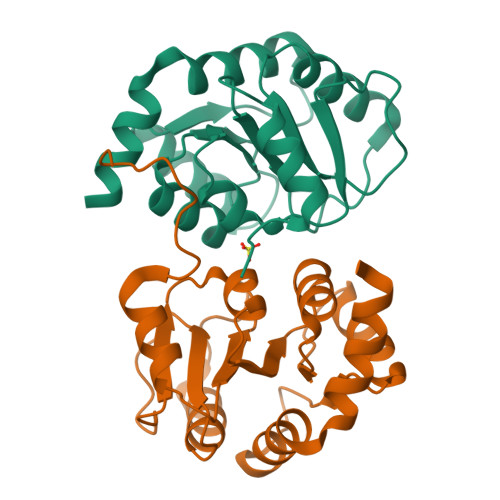
Cytochrome P450 1A2 structureClick to view 3D structureCytochrome P450 1A2P05177HumansKnownNot Available
Click to view 3D structureUDP-glucuronosyltransferase 1A3P35503HumansKnownNot Available
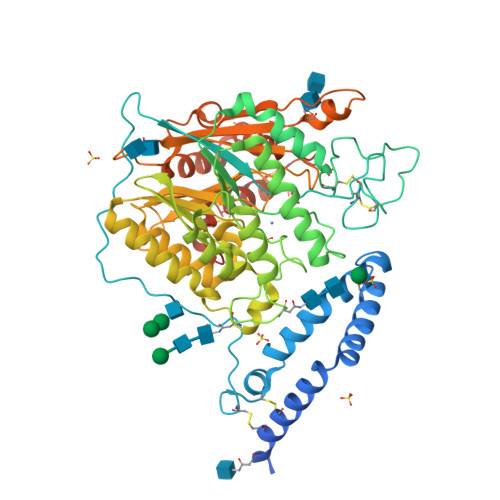
Sodium-dependent noradrenaline transporter structureClick to view 3D structureSodium-dependent noradrenaline transporterP23975HumansPredicted (SEA)
Prediction Confidence Score
0.716
Applicability Domain
1.0
Statistical Significance
7.00e-05
Supporting Reference Compounds
451
E-value
0.544945
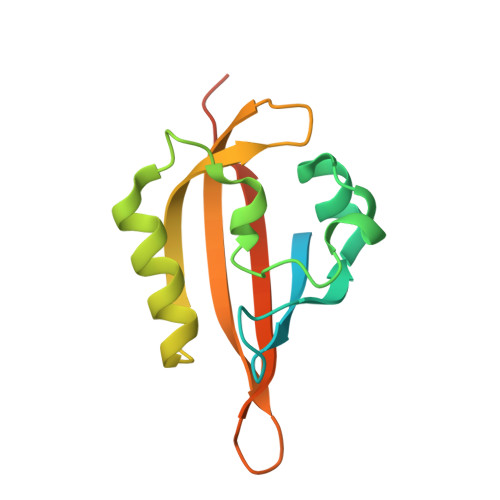
5-hydroxytryptamine receptor 2A structureClick to view 3D structure5-hydroxytryptamine receptor 2AP28223HumansPredicted (SEA)
Prediction Confidence Score
0.695
Applicability Domain
1.0
Statistical Significance
2.30e-04
Supporting Reference Compounds
955
E-value
1.79053
Sodium-dependent serotonin transporter structureClick to view 3D structureSodium-dependent serotonin transporterP31645HumansPredicted (SEA)
Prediction Confidence Score
0.695
Applicability Domain
1.0
Statistical Significance
1.80e-04
Supporting Reference Compounds
593
E-value
1.40129
Click to view 3D structureAlpha-1A adrenergic receptorP43140Rattus norvegicusPredicted (SEA)
Prediction Confidence Score
0.695
Applicability Domain
1.0
Statistical Significance
5.00e-05
Supporting Reference Compounds
208
E-value
0.389246
Click to view 3D structureHistamine H1 receptorP31390Rattus norvegicusPredicted (SEA)
Prediction Confidence Score
0.68
Applicability Domain
1.0
Statistical Significance
2.00e-05
Supporting Reference Compounds
63
E-value
0.155698
Click to view 3D structureSodium-dependent dopamine transporterP23977Rattus norvegicusPredicted (SEA)
Prediction Confidence Score
0.677
Applicability Domain
1.0
Statistical Significance
2.50e-04
Supporting Reference Compounds
203
E-value
1.94623
Click to view 3D structureSodium-dependent serotonin transporterP31652Rattus norvegicusPredicted (SEA)
Prediction Confidence Score
0.677
Applicability Domain
1.0
Statistical Significance
1.90e-04
Supporting Reference Compounds
297
E-value
1.47914
Click to view 3D structureNorepinephrine transporterQ9WTR4Rattus norvegicusPredicted (SEA)
Prediction Confidence Score
0.677
Applicability Domain
1.0
Statistical Significance
1.10e-04
Supporting Reference Compounds
112
E-value
0.856341
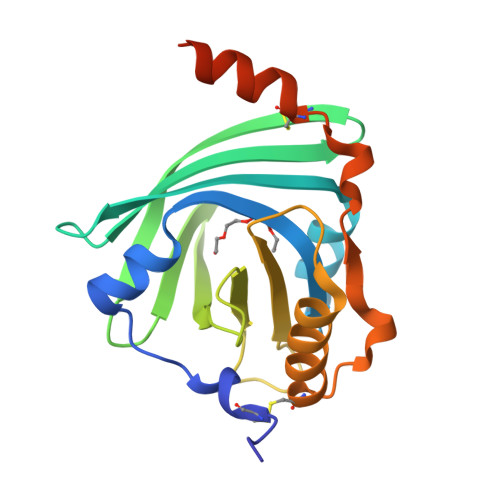
Histamine H1 receptor structureClick to view 3D structureHistamine H1 receptorP35367HumansPredicted (SEA)
Prediction Confidence Score
0.668
Applicability Domain
1.0
Statistical Significance
1.90e-04
Supporting Reference Compounds
507
E-value
1.47914
D(2) dopamine receptor structureClick to view 3D structureD(2) dopamine receptorP14416HumansPredicted (SEA)
Prediction Confidence Score
0.668
Applicability Domain
1.0
Statistical Significance
0.001
Supporting Reference Compounds
1103
E-value
7.94062
5-hydroxytryptamine receptor 2C structureClick to view 3D structure5-hydroxytryptamine receptor 2CP28335HumansPredicted (SEA)
Prediction Confidence Score
0.656
Applicability Domain
1.0
Statistical Significance
5.00e-04
Supporting Reference Compounds
823
E-value
3.89246
Click to view 3D structureHistamine H2 receptorP47747Cavia porcellusPredicted (SEA)
Prediction Confidence Score
0.619
Applicability Domain
1.0
Statistical Significance
7.00e-05
Supporting Reference Compounds
45
E-value
0.544945
5-hydroxytryptamine receptor 6 structureClick to view 3D structure5-hydroxytryptamine receptor 6P50406HumansPredicted (SEA)
Prediction Confidence Score
0.569
Applicability Domain
0.763
Statistical Significance
7.20e-04
Supporting Reference Compounds
536
E-value
5.60514
Click to view 3D structureSodium-dependent serotonin transporterQ60857Mus musculusPredicted (SEA)
Prediction Confidence Score
0.569
Applicability Domain
1.0
Statistical Significance
6.00e-05
Supporting Reference Compounds
20
E-value
0.467095
Click to view 3D structureSodium-dependent noradrenaline transporterO55192Mus musculusPredicted (SEA)
Prediction Confidence Score
0.569
Applicability Domain
1.0
Statistical Significance
3.00e-05
Supporting Reference Compounds
15
E-value
0.233548
Voltage-gated inwardly rectifying potassium channel KCNH2 structureClick to view 3D structureVoltage-gated inwardly rectifying potassium channel KCNH2Q12809HumansPredicted (SEA)
Prediction Confidence Score
0.568
Applicability Domain
1.0
Statistical Significance
0.0022
Supporting Reference Compounds
1498
E-value
16.8933
D(3) dopamine receptor structureClick to view 3D structureD(3) dopamine receptorP35462HumansPredicted (SEA)
Prediction Confidence Score
0.545
Applicability Domain
0.763
Statistical Significance
0.0031
Supporting Reference Compounds
861
E-value
23.8219
Muscarinic acetylcholine receptor M4 structureClick to view 3D structureMuscarinic acetylcholine receptor M4P08173HumansPredicted (SEA)
Prediction Confidence Score
0.545
Applicability Domain
0.763
Statistical Significance
3.80e-04
Supporting Reference Compounds
297
E-value
2.95827
Muscarinic acetylcholine receptor M1 structureClick to view 3D structureMuscarinic acetylcholine receptor M1P11229HumansPredicted (SEA)
Prediction Confidence Score
0.539
Applicability Domain
0.763
Statistical Significance
6.70e-04
Supporting Reference Compounds
385
E-value
5.2159
Click to view 3D structureUDP-glucuronosyltransferase 1A4P22310HumansKnownNot Available
Click to view 3D structureAlpha-1D adrenergic receptorP25100HumansPredicted (SEA)
Prediction Confidence Score
0.539
Applicability Domain
0.763
Statistical Significance
6.10e-04
Supporting Reference Compounds
258
E-value
4.7488
Muscarinic acetylcholine receptor M5 structureClick to view 3D structureMuscarinic acetylcholine receptor M5P08912HumansPredicted (SEA)
Prediction Confidence Score
0.538
Applicability Domain
0.763
Statistical Significance
2.50e-04
Supporting Reference Compounds
266
E-value
1.94623
Muscarinic acetylcholine receptor M2 structureClick to view 3D structureMuscarinic acetylcholine receptor M2P08172HumansPredicted (SEA)
Prediction Confidence Score
0.538
Applicability Domain
0.763
Statistical Significance
3.40e-04
Supporting Reference Compounds
373
E-value
2.64687
Muscarinic acetylcholine receptor M3 structureClick to view 3D structureMuscarinic acetylcholine receptor M3P20309HumansPredicted (SEA)
Prediction Confidence Score
0.538
Applicability Domain
0.763
Statistical Significance
5.20e-04
Supporting Reference Compounds
310
E-value
4.04816
Alpha-2A adrenergic receptor structureClick to view 3D structureAlpha-2A adrenergic receptorP08913HumansPredicted (SEA)
Prediction Confidence Score
0.526
Applicability Domain
0.763
Statistical Significance
0.001
Supporting Reference Compounds
487
E-value
7.94062
Alpha-2C adrenergic receptor structureClick to view 3D structureAlpha-2C adrenergic receptorP18825HumansPredicted (SEA)
Prediction Confidence Score
0.526
Applicability Domain
0.763
Statistical Significance
6.50e-04
Supporting Reference Compounds
386
E-value
5.0602
UDP-glucuronosyltransferase 2B10 structureClick to view 3D structureUDP-glucuronosyltransferase 2B10P36537HumansKnownNot Available
Sphingomyelin phosphodiesterase structureClick to view 3D structureSphingomyelin phosphodiesteraseP17405HumansKnownNot Available
Acetylcholinesterase structureClick to view 3D structureAcetylcholinesteraseP22303HumansKnownNot Available
Sodium-dependent serotonin transporter structureClick to view 3D structureSodium-dependent serotonin transporterP31645HumansKnownImipramine works by inhibiting the re-uptake of the neurotransmitters norepinephrine and serotonin by nerve cells. It binds the Sodium-dependent serotonin transporter and Sodium-dependent noradrenaline transporter, preventing or reducing the reuptake of norepinephrine and serotonin by nerve cells. As norepinephrine and serotonin are used to stimulate the synapse, and depression has been linked to a lack of stimulation of the recipient neuron at a synapse, slowing the reuptake of these neurotransmitters allows them to remain in the synaptic gap longer than it normal, increasing the stimulation of the recipient neuron and relieving the symptoms of depression. However, it does not act primarily by stimulation of the central nervous system. The clinical effect is also hypothesized as being due to potentiation of adrenergic synapses by blocking uptake of norepinephrine at nerve endings.
Sodium-dependent noradrenaline transporter structureClick to view 3D structureSodium-dependent noradrenaline transporterP23975HumansKnownImipramine works by inhibiting the re-uptake of the neurotransmitters norepinephrine and serotonin by nerve cells. It binds the Sodium-dependent serotonin transporter and Sodium-dependent noradrenaline transporter, preventing or reducing the reuptake of norepinephrine and serotonin by nerve cells. As norepinephrine and serotonin are used to stimulate the synapse, and depression has been linked to a lack of stimulation of the recipient neuron at a synapse, slowing the reuptake of these neurotransmitters allows them to remain in the synaptic gap longer than it normal, increasing the stimulation of the recipient neuron and relieving the symptoms of depression. However, it does not act primarily by stimulation of the central nervous system. The clinical effect is also hypothesized as being due to potentiation of adrenergic synapses by blocking uptake of norepinephrine at nerve endings.
Voltage-gated inwardly rectifying potassium channel KCNH2 structureClick to view 3D structureVoltage-gated inwardly rectifying potassium channel KCNH2Q12809HumansKnownNot Available
5-hydroxytryptamine receptor 2A structureClick to view 3D structure5-hydroxytryptamine receptor 2AP28223HumansKnownNot Available
5-hydroxytryptamine receptor 2C structureClick to view 3D structure5-hydroxytryptamine receptor 2CP28335HumansKnownNot Available
Sodium-dependent dopamine transporter structureClick to view 3D structureSodium-dependent dopamine transporterQ01959HumansKnownNot Available
5-hydroxytryptamine receptor 1A structureClick to view 3D structure5-hydroxytryptamine receptor 1AP08908HumansKnownNot Available
Muscarinic acetylcholine receptor M2 structureClick to view 3D structureMuscarinic acetylcholine receptor M2P08172HumansKnownNot Available
5-hydroxytryptamine receptor 6 structureClick to view 3D structure5-hydroxytryptamine receptor 6P50406HumansKnownNot Available
5-hydroxytryptamine receptor 7 structureClick to view 3D structure5-hydroxytryptamine receptor 7P34969HumansKnownNot Available
Alpha-1A adrenergic receptor structureClick to view 3D structureAlpha-1A adrenergic receptorP35348HumansKnownNot Available
Histamine H1 receptor structureClick to view 3D structureHistamine H1 receptorP35367HumansKnownNot Available
Muscarinic acetylcholine receptor M1 structureClick to view 3D structureMuscarinic acetylcholine receptor M1P11229HumansKnownNot Available
Muscarinic acetylcholine receptor M3 structureClick to view 3D structureMuscarinic acetylcholine receptor M3P20309HumansKnownNot Available
Muscarinic acetylcholine receptor M4 structureClick to view 3D structureMuscarinic acetylcholine receptor M4P08173HumansKnownNot Available
Solute carrier family 22 member 1 structureClick to view 3D structureSolute carrier family 22 member 1O15245HumansKnownNot Available
Adenosine receptor A1 structureClick to view 3D structureAdenosine receptor A1P30542HumansKnownImipramine works by inhibiting the re-uptake of the neurotransmitters norepinephrine and serotonin by nerve cells. It binds the Sodium-dependent serotonin transporter and Sodium-dependent noradrenaline transporter, preventing or reducing the reuptake of norepinephrine and serotonin by nerve cells. As norepinephrine and serotonin are used to stimulate the synapse, and depression has been linked to a lack of stimulation of the recipient neuron at a synapse, slowing the reuptake of these neurotransmitters allows them to remain in the synaptic gap longer than it normal, increasing the stimulation of the recipient neuron and relieving the symptoms of depression. However, it does not act primarily by stimulation of the central nervous system. The clinical effect is also hypothesized as being due to potentiation of adrenergic synapses by blocking uptake of norepinephrine at nerve endings.
Adenosine receptor A3 structureClick to view 3D structureAdenosine receptor A3P0DMS8HumansKnownNot Available
Alpha-1-acid glycoprotein 2 structureClick to view 3D structureAlpha-1-acid glycoprotein 2P19652HumansKnownNot Available
Click to view 3D structureAlpha-1B adrenergic receptorP35368HumansKnownNot Available
Click to view 3D structureAlpha-1D adrenergic receptorP25100HumansKnownNot Available
Alpha-2A adrenergic receptor structureClick to view 3D structureAlpha-2A adrenergic receptorP08913HumansKnownNot Available
D(1A) dopamine receptor structureClick to view 3D structureD(1A) dopamine receptorP21728HumansKnownNot Available
D(2) dopamine receptor structureClick to view 3D structureD(2) dopamine receptorP14416HumansKnownNot Available
Histamine H2 receptor structureClick to view 3D structureHistamine H2 receptorP25021HumansKnownNot Available
Click to view 3D structureMultidrug and toxin extrusion protein 1Q96FL8HumansKnownNot Available
Click to view 3D structureMultidrug and toxin extrusion protein 2Q86VL8HumansKnownNot Available
Muscarinic acetylcholine receptor M5 structureClick to view 3D structureMuscarinic acetylcholine receptor M5P08912HumansKnownNot Available
A-type voltage-gated potassium channel KCND2 structureClick to view 3D structureA-type voltage-gated potassium channel KCND2Q9NZV8HumansKnownNot Available
A-type voltage-gated potassium channel KCND3 structureClick to view 3D structureA-type voltage-gated potassium channel KCND3Q9UK17HumansKnownNot Available
Voltage-gated delayed rectifier potassium channel KCNH1 structureClick to view 3D structureVoltage-gated delayed rectifier potassium channel KCNH1O95259HumansKnownNot Available
Solute carrier family 22 member 2 structureClick to view 3D structureSolute carrier family 22 member 2O15244HumansKnownNot Available
Concentrations
Not Available
External Links
DrugBank IDDB00458
HMDB IDHMDB0001848
FooDB IDFDB022706
Phenol Explorer IDNot Available
KNApSAcK IDNot Available
BiGG IDNot Available
BioCyc IDNot Available
METLIN ID500
PDB IDNot Available
Wikipedia LinkImipramine
Chemspider ID3568
ChEBI ID47499
PubChem Compound ID3696
Kegg Compound IDC07049
YMDB IDNot Available
ECMDB IDNot Available
References
Synthesis Reference

U.S. Patent 2,554,736.

MSDSLink
General References
  1. Drugs.com http://www.drugs.com/cons/Imipramine.html
  2. RxList: The Internet Drug Index (2009). http://www.rxlist.com/