Methohexital (CED0005994)

Record Information
Version1.0
Creation Date2009-07-21 20:26:59 UTC
Update Date2026-05-14 16:39:54 UTC
SynCED IDCED0005994
Secondary Accession Numbers
  • CHEM002205
  • T3D2803
Identification
Common NameMethohexital
ClassSmall Molecule
Description
Methohexital belongs to the pyrimidines and pyrimidine derivatives, a subclass of diazines within the organic compounds. This exogenous compound has the formula C14H18N2O3 and an average molecular weight of 262.30 g/mol. At room temperature, it exists as a solid. It is utilized as an intravenous anaesthetic. Recorded exposure routes for the compound include intravenous, intramuscular, and rectal administration. Methohexital is found in several recorded sources, including healthcare, pharmaceuticals, and veterinary products such as hypnotics, sedatives, and anesthetics. It is also associated with electrical and electronic equipment, specifically electrically stimulated smoking devices and conductive bodies characterized by conductive materials, as well as household cleaning and consumer products such as tobacco smoke filters, cigar cigarettes, non-electric simulated smoking devices, and other smoking requisites. The compound targets the gamma-aminobutyric acid receptor subunit alpha-1 (GABRA1). Methohexital binds at a distinct binding site associated with a Cl- ionopore at the GABAA receptor, increasing the duration of time for which the Cl- ionopore is open. Consequently, the post-synaptic inhibitory effect of GABA in the thalamus is prolonged.
Contaminant Type
  • Amide
  • Amine
  • Anesthetic
  • Anesthetic, Intravenous
  • Barbiturate
  • Drug
  • Human Neurotoxin
  • Metabolite
  • Organic Compound
  • Synthetic Compound
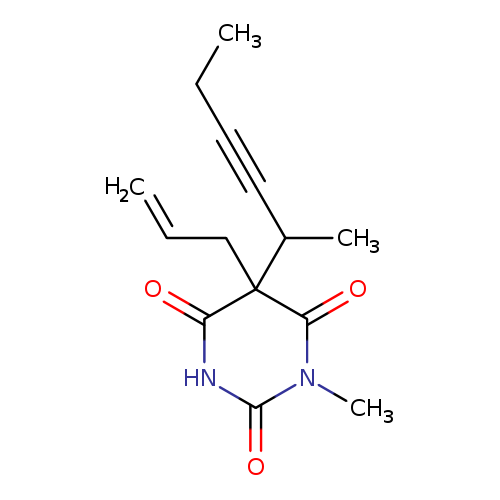
Chemical Structure
Synonyms
ValueSource
(+-)-5-Allyl-1-methyl-5-(1-methyl-2-pentynyl)barbituric acidChEBI
5-Allyl-1-methyl-5-(1-methyl-2-pentynyl)-2,4,6(1H,3H,5H)-pyrimidinetrioneChEBI
5-Allyl-1-methyl-5-(1-methyl-pent-2-ynyl)-pyrimidine-2,4,6-trioneChEBI
5-Allyl-5-(3-hexyn-2-yl)-1-methylbarbituric acidChEBI
alpha-DL-1-Methyl-5-allyl-5-(1'-methylpentyn-2-yl)barbituric acidChEBI
MethohexitalumChEBI
MethohexitoneChEBI
MetohexitalChEBI
(+-)-5-Allyl-1-methyl-5-(1-methyl-2-pentynyl)barbitateGenerator
(+-)-5-Allyl-1-methyl-5-(1-methyl-2-pentynyl)barbitic acidGenerator
5-Allyl-5-(3-hexyn-2-yl)-1-methylbarbitateGenerator
5-Allyl-5-(3-hexyn-2-yl)-1-methylbarbitic acidGenerator
a-DL-1-Methyl-5-allyl-5-(1'-methylpentyn-2-yl)barbitateGenerator
a-DL-1-Methyl-5-allyl-5-(1'-methylpentyn-2-yl)barbitic acidGenerator
alpha-DL-1-Methyl-5-allyl-5-(1'-methylpentyn-2-yl)barbitateGenerator
alpha-DL-1-Methyl-5-allyl-5-(1'-methylpentyn-2-yl)barbitic acidGenerator
Α-DL-1-methyl-5-allyl-5-(1'-methylpentyn-2-yl)barbitateGenerator
Α-DL-1-methyl-5-allyl-5-(1'-methylpentyn-2-yl)barbitic acidGenerator
MethodrexitoneHMDB
BrevitalMeSH, HMDB
Sodium, methohexitalMeSH, HMDB
BrietalMeSH, HMDB
Lilly brand OF methohexital sodiumMeSH, HMDB
Methohexital sodiumMeSH, HMDB
Brietal-sodiumMeSH, HMDB
Brevimytal natriumMeSH, HMDB
Jones brand OF methohexital sodiumMeSH, HMDB
Methohexital, monosodium saltMeSH, HMDB
Monosodium salt methohexitalMeSH, HMDB
Natrium, brevimytalMeSH, HMDB
Brietal sodiumMeSH, HMDB
Chemical FormulaC14H18N2O3
Average Molecular Mass262.304 g/mol
Monoisotopic Mass262.132 g/mol
CAS Registry Number151-83-7
IUPAC Name5-(hex-3-yn-2-yl)-1-methyl-5-(prop-2-en-1-yl)-1,3-diazinane-2,4,6-trione
Traditional Namemethohexital
SMILESCCC#CC(C)C1(CC=C)C(=O)NC(=O)N(C)C1=O
InChI IdentifierInChI=1S/C14H18N2O3/c1-5-7-8-10(3)14(9-6-2)11(17)15-13(19)16(4)12(14)18/h6,10H,2,5,9H2,1,3-4H3,(H,15,17,19)
InChI KeyNZXKDOXHBHYTKP-UHFFFAOYSA-N
Chemical Taxonomy
Description Belongs to the class of organic compounds known as barbituric acid derivatives. Barbituric acid derivatives are compounds containing a perhydropyrimidine ring substituted at C-2, -4 and -6 by oxo groups.
KingdomOrganic compounds
Super ClassOrganoheterocyclic compounds
ClassDiazines
Sub ClassPyrimidines and pyrimidine derivatives
Direct ParentBarbituric acid derivatives
Alternative Parents
Substituents
  • Barbiturate
  • N-acyl urea
  • Ureide
  • 1,3-diazinane
  • Dicarboximide
  • Urea
  • Carbonic acid derivative
  • Carboxylic acid derivative
  • Azacycle
  • Organic nitrogen compound
  • Organonitrogen compound
  • Organooxygen compound
  • Hydrocarbon derivative
  • Organic oxide
  • Organopnictogen compound
  • Organic oxygen compound
  • Carbonyl group
  • Aliphatic heteromonocyclic compound
Molecular FrameworkAliphatic heteromonocyclic compounds
External Descriptors
Biological Properties
StatusDetected and Not Quantified
OriginExogenous
Cellular Locations
  • Membrane
Biofluid LocationsNot Available
Tissue LocationsNot Available
Applications
Biological RolesNot Available
Chemical RolesNot Available
Organoleptic EffectsNot Available
Physical Properties
StateSolid
AppearanceWhite powder.
Experimental Properties
PropertyValue
Melting PointNot Available
Boiling PointNot Available
Solubility5.24e-02 g/L
Predicted Properties
PropertyValueSource
Water Solubility0.052 g/LALOGPS
logP2.43ALOGPS
logP2.29ChemAxon
logS-3.7ALOGPS
pKa (Strongest Acidic)8.73ChemAxon
Physiological Charge0ChemAxon
Hydrogen Acceptor Count3ChemAxon
Hydrogen Donor Count1ChemAxon
Polar Surface Area66.48 ŲChemAxon
Rotatable Bond Count5ChemAxon
Refractivity71.51 m³·mol⁻¹ChemAxon
Polarizability27.4 ųChemAxon
Number of Rings1ChemAxon
BioavailabilityYesChemAxon
Rule of FiveYesChemAxon
Ghose FilterYesChemAxon
Veber's RuleNoChemAxon
MDDR-like RuleNoChemAxon
Spectra
Spectra
Spectrum TypeDescriptionSplash KeyDeposition DateView
Predicted GC-MSPredicted GC-MS Spectrumsplash10-001j-4390000000-8c577a429e1b4575b629Not AvailableView Spectrum
Predicted GC-MSPredicted GC-MS SpectrumNot AvailableNot AvailableView Spectrum
LC-MS/MSLC-MS/MS Spectrumsplash10-00ya-3900000000-577a972e968dc27cf6a6Not AvailableView Spectrum
Predicted LC-MS/MSPredicted LC-MS/MS Spectrumsplash10-03di-2090000000-43730b3bde391b731ebeNot AvailableView Spectrum
Predicted LC-MS/MSPredicted LC-MS/MS Spectrumsplash10-00dl-3970000000-fc9a91490da8afc576f0Not AvailableView Spectrum
Predicted LC-MS/MSPredicted LC-MS/MS Spectrumsplash10-0f9x-9000000000-93587b41eae6b9864e81Not AvailableView Spectrum
Predicted LC-MS/MSPredicted LC-MS/MS Spectrumsplash10-001i-2920000000-ad50a444d0a4a9a5af2cNot AvailableView Spectrum
Predicted LC-MS/MSPredicted LC-MS/MS Spectrumsplash10-0a4l-4910000000-c5dc261173ac7024e26fNot AvailableView Spectrum
Predicted LC-MS/MSPredicted LC-MS/MS Spectrumsplash10-0006-9200000000-7cedeac5d5e1a5954aa4Not AvailableView Spectrum
Predicted LC-MS/MSPredicted LC-MS/MS Spectrumsplash10-03di-0090000000-c3de47045d3b9ea5dd1fNot AvailableView Spectrum
Predicted LC-MS/MSPredicted LC-MS/MS Spectrumsplash10-03dl-4890000000-e57232418c552e436a95Not AvailableView Spectrum
Predicted LC-MS/MSPredicted LC-MS/MS Spectrumsplash10-015c-3910000000-34338787c291ec35bb4cNot AvailableView Spectrum
Predicted LC-MS/MSPredicted LC-MS/MS Spectrumsplash10-03di-0190000000-859e807fb540e8aaf091Not AvailableView Spectrum
Predicted LC-MS/MSPredicted LC-MS/MS Spectrumsplash10-053r-0910000000-70fde9c253e18d448791Not AvailableView Spectrum
Predicted LC-MS/MSPredicted LC-MS/MS Spectrumsplash10-0udi-9300000000-67ceed0497570d0689e3Not AvailableView Spectrum
MSMS Spectrumsplash10-0fbc-9520000000-5141cdceea7f6d5013b0Not AvailableView Spectrum
Toxicity Profile
Toxicity Values
Toxicity ValueOrganismDose DescriptorRoute of ExposurePredicted or ExperimentalToxicity RatingReference
282.0 Log mg/kg [160:500]RatLD50oralpredictedNot AvailableNot Available
Toxicity / Toxin ClassNot Available
Mechanism of ToxicityMethohexital binds at a distinct binding site associated with a Cl- ionopore at the GABAA receptor, increasing the duration of time for which the Cl- ionopore is open. The post-synaptic inhibitory effect of GABA in the thalamus is, therefore, prolonged.
Carcinogenicity (IARC Classification)No indication of carcinogenicity to humans (not listed by IARC).
Minimum Risk LevelNot Available
SymptomsThe onset of toxicity following an overdose of intravenously administered methohexital will be within seconds of the infusion. If methohexital is administered rectally or is ingested, the onset of toxicity may be delayed. The manifestations of an ultrashort-acting barbiturate in overdose include central nervous system depression, respiratory depression, hypotension, loss of peripheral vascular resistance, and muscular hyperactivity ranging from twitching to convulsive-like movements. Other findings may include convulsions and allergic reactions.
TreatmentEstablish an airway and ensure oxygenation and ventilation. Resuscitative measures should be initiated promptly. For hypotension, intravenous fluids should be administered and the patient's legs raised. If desirable increase in blood pressure is not obtained, vasopressor and/or inotropic drugs may be used as dictated by the clinical situation. For convulsions, diazepam intravenously and phenytoin may be required. If the seizures are refractory to diazepam and phenytoin, general anesthesia and paralysis with a neuromuscular blocking agent may be necessary. Protect the patient's airway and support ventilation and perfusion. Meticulously monitor and maintain, within acceptable limits, the patient's vital signs, blood gases, serum electrolytes, etc. Absorption of drugs from the gastrointestinal tract may be decreased by giving activated charcoal, which, in many cases, is more effective than emesis or lavage; consider charcoal instead of or in addition to gastric emptying. Repeated doses of charcoal over time may hasten elimination of some drugs that have been absorbed. Safeguard the patient's airway when employing gastric emptying or charcoal. (3)
Health Effects
Health EffectRelationshipDirectionDescriptionReference
Exposure Sources
Source IDSourceSectorReference
CEDs000010Insecticides?Insecticides are synthetic chemicals designed to control or eliminate insect pests that threaten crops and other agricultural products.Agriculture & land managementPubChem
CEDs000369Anesthetics?Anesthetics are synthetic chemicals used to induce loss of sensation or consciousness in patients undergoing medical procedures.Healthcare, pharmaceuticals & veterinary productsNot Available
CEDs000376Hypnotics and sedatives?Hypnotics and sedatives are synthetic chemicals primarily used to induce sleep, reduce anxiety, and manage various psychiatric disorders.Healthcare, pharmaceuticals & veterinary productsNot Available
CEDs000511Conductors Or Conductive Bodies Characterised By The Conductive Materials?Conductors, or conductive bodies, are materials that allow the flow of electrical current, typically made from metals such as copper, aluminum, or silver.Electrical & Electronic EquipmentPubChem
CEDs000518Electrically Stimulated Smoking Devices?Electrically stimulated smoking devices, commonly known as e-cigarettes or vape pens, utilize electrical components to heat a liquid solution, often containing nicotine, flavorings, and other additives, to produce an aerosol for inhalation.Electrical & Electronic EquipmentPubChem
CEDs000556Cigar Cigarettes?Cigar cigarettes are a source of synthetic chemical contamination due to the combustion of various tobacco blends and additives.Household cleaning & consumer productsPubChem
CEDs000559Non Electric Simulated Smoking Devices?Non-electric simulated smoking devices, often designed to mimic the experience of smoking without combustion, can be sources of synthetic chemical contamination due to the materials and chemicals used in their construction and operation.Household cleaning & consumer productsPubChem
CEDs000560Other Smoking Requisites?Other smoking requisites, including items such as lighters, matches, and rolling papers, can introduce synthetic chemical contamination through various components and additives.Household cleaning & consumer productsPubChem
CEDs000569Tobacco Smoke Filters?Tobacco smoke filters are designed to reduce the inhalation of harmful substances in cigarette smoke, including tar and other particulate matter.Household cleaning & consumer productsPubChem
CEDs000580Manufacture Preparation Of Tobacco Products?The manufacture and preparation of tobacco products involve various processes that can result in the introduction of synthetic chemicals into the environment.Industrial manufacturing & chemical processingPubChem
CEDs000596Acaricides?Acaricides are synthetic chemicals specifically designed to target and control mite populations that can damage crops and plants.Agriculture & land managementPubChem
CEDs000605Pest Repellants?Pest repellents, often formulated from synthetic chemicals, are widely used to protect crops from insect infestations and other pests.Agriculture & land managementPubChem
CEDs000610Aftersun Products?Aftersun products are designed to soothe and hydrate the skin after sun exposure, often containing various synthetic chemicals such as emollients, preservatives, and fragrances.Personal care & cosmeticsPubChem
CEDs000632Apparel?Apparel production often involves the use of various synthetic chemicals, including dyes, finishing agents, and preservatives.Textiles, leather & furnishingsPubChem
CEDs000650Purses Luggage Hand Bags?Purses, luggage, and handbags are often manufactured using synthetic materials such as polyvinyl chloride (PVC), polyurethane, and various types of nylon.Textiles, leather & furnishingsPubChem
CEDs000651Purses Money Bags Wallets?Purses, money bags, and wallets are often manufactured using synthetic materials, including plastics, polyurethanes, and various treated fabrics.Textiles, leather & furnishingsPubChem
CEDs000671Airplanes And Helicopters?Airplanes and helicopters are significant sources of synthetic chemical contamination primarily through the use of aviation fuels, lubricants, and de-icing agents.Aviation & AerospacePubChem
CEDs000685Ceramics?Ceramics can be a source of synthetic chemical contamination through various additives and processing agents used in their production.Building & ConstructionPubChem
CEDs000688Glass Coatings?Glass coatings are synthetic chemical formulations applied to glass surfaces to enhance properties such as durability, UV resistance, and aesthetic appeal.Building & ConstructionPubChem
CEDs000696Nanotechnology?Nanotechnology involves the manipulation of materials at the molecular or atomic level, typically within the range of 1 to 100 nanometers.Industrial manufacturing & chemical processingPubChem
CEDs000739Inks?Inks are complex mixtures composed of pigments or dyes, solvents, resins, and additives used primarily for printing and writing applications.Paper, pulp & fiber productsPubChem
CEDs01077MedicationsHealthcare, pharmaceuticals & veterinary productsPMC272247
Pathways
2 pathwaysPathway Source: PathBank
Targets
StructureProteinUniProt IDOrganismRelationshipDetails
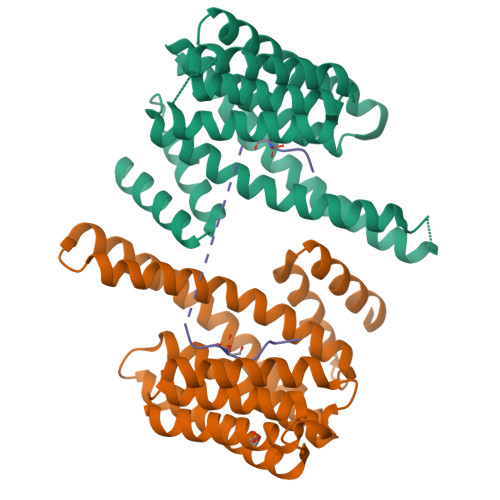
Adenosine receptor A2b structureClick to view 3D structureAdenosine receptor A2bP29275HumansPredicted (SEA)
Prediction Confidence Score
0.177
Applicability Domain
0.203 Low confidence
Statistical Significance
0.7389
Supporting Reference Compounds
187
E-value
5752.36
Click to view 3D structureAdenosine receptor A2aP46616Cavia porcellusPredicted (SEA)
Prediction Confidence Score
0.177
Applicability Domain
0.203 Low confidence
Statistical Significance
0.0678
Supporting Reference Compounds
27
E-value
527.584
Click to view 3D structureAdenosine receptor A1P25099Rattus norvegicusPredicted (SEA)
Prediction Confidence Score
0.172
Applicability Domain
0.18 Low confidence
Statistical Significance
0.7026
Supporting Reference Compounds
221
E-value
5469.61
Click to view 3D structureAdenosine receptor A2aP30543Rattus norvegicusPredicted (SEA)
Prediction Confidence Score
0.172
Applicability Domain
0.18 Low confidence
Statistical Significance
0.6902
Supporting Reference Compounds
174
E-value
5373.23
Click to view 3D structureAdenosine receptor A1P47745Cavia porcellusPredicted (SEA)
Prediction Confidence Score
0.171
Applicability Domain
0.18 Low confidence
Statistical Significance
0.1194
Supporting Reference Compounds
38
E-value
929.675
Beta-secretase 1 structureClick to view 3D structureBeta-secretase 1P56817HumansPredicted (SEA)
Prediction Confidence Score
0.163
Applicability Domain
0.175 Low confidence
Statistical Significance
0.8758
Supporting Reference Compounds
163
E-value
6818.03
Adenosine receptor A2a structureClick to view 3D structureAdenosine receptor A2aP29274HumansPredicted (SEA)
Prediction Confidence Score
0.161
Applicability Domain
0.169 Low confidence
Statistical Significance
0.9515
Supporting Reference Compounds
303
E-value
7407.04
Click to view 3D structureAdenosine receptor A2bP29276Rattus norvegicusPredicted (SEA)
Prediction Confidence Score
0.158
Applicability Domain
0.176 Low confidence
Statistical Significance
0.5702
Supporting Reference Compounds
36
E-value
4438.88
Click to view 3D structureAdenosine receptor A1P28190Bos taurusPredicted (SEA)
Prediction Confidence Score
0.158
Applicability Domain
0.18 Low confidence
Statistical Significance
0.6346
Supporting Reference Compounds
72
E-value
4940.23
Adenosine receptor A1 structureClick to view 3D structureAdenosine receptor A1P30542HumansPredicted (SEA)
Prediction Confidence Score
0.158
Applicability Domain
0.18 Low confidence
Statistical Significance
0.9542
Supporting Reference Compounds
302
E-value
7428.76
Click to view 3D structureHistamine oxidaseQ59118Arthrobacter globiformisPredicted (SEA)
Prediction Confidence Score
0.155
Applicability Domain
0.155 Low confidence
Statistical Significance
0.0094
Supporting Reference Compounds
1
E-value
73.334
Adenosine receptor A3 structureClick to view 3D structureAdenosine receptor A3P0DMS8HumansPredicted (SEA)
Prediction Confidence Score
0.155
Applicability Domain
0.167 Low confidence
Statistical Significance
0.9759
Supporting Reference Compounds
391
E-value
7597.15
Dual specificity tyrosine-phosphorylation-regulated kinase 1A structureClick to view 3D structureDual specificity tyrosine-phosphorylation-regulated kinase 1AQ13627HumansPredicted (SEA)
Prediction Confidence Score
0.154
Applicability Domain
0.165 Low confidence
Statistical Significance
0.9823
Supporting Reference Compounds
906
E-value
7646.82
cGMP-specific 3',5'-cyclic phosphodiesterase structureClick to view 3D structurecGMP-specific 3',5'-cyclic phosphodiesteraseO76074HumansPredicted (SEA)
Prediction Confidence Score
0.154
Applicability Domain
0.18 Low confidence
Statistical Significance
0.9448
Supporting Reference Compounds
183
E-value
7354.96
Beta-secretase 2 structureClick to view 3D structureBeta-secretase 2Q9Y5Z0HumansPredicted (SEA)
Prediction Confidence Score
0.154
Applicability Domain
0.175 Low confidence
Statistical Significance
0.6246
Supporting Reference Compounds
38
E-value
4862.23
Protein kinase C alpha type structureClick to view 3D structureProtein kinase C alpha typeP17252HumansPredicted (SEA)
Prediction Confidence Score
0.153
Applicability Domain
0.16 Low confidence
Statistical Significance
0.9647
Supporting Reference Compounds
258
E-value
7510.19
5-hydroxytryptamine receptor 1E structureClick to view 3D structure5-hydroxytryptamine receptor 1EP28566HumansPredicted (SEA)
Prediction Confidence Score
0.153
Applicability Domain
0.159 Low confidence
Statistical Significance
0.9336
Supporting Reference Compounds
139
E-value
7267.77
3-oxoacyl-[acyl-carrier-protein] synthase 2 structureClick to view 3D structure3-oxoacyl-[acyl-carrier-protein] synthase 2P9WQD7Mycobacterium tuberculosisPredicted (SEA)
Prediction Confidence Score
0.153
Applicability Domain
0.153 Low confidence
Statistical Significance
0.0017
Supporting Reference Compounds
1
E-value
13.4679
5-hydroxytryptamine receptor 2C structureClick to view 3D structure5-hydroxytryptamine receptor 2CP28335HumansPredicted (SEA)
Prediction Confidence Score
0.152
Applicability Domain
0.159 Low confidence
Statistical Significance
0.9911
Supporting Reference Compounds
823
E-value
7715.95
Amine oxidase [flavin-containing] A structureClick to view 3D structureAmine oxidase [flavin-containing] AP21397HumansPredicted (SEA)
Prediction Confidence Score
0.152
Applicability Domain
0.159 Low confidence
Statistical Significance
0.9481
Supporting Reference Compounds
241
E-value
7380.65
5-hydroxytryptamine receptor 2B structureClick to view 3D structure5-hydroxytryptamine receptor 2BP41595HumansPredicted (SEA)
Prediction Confidence Score
0.152
Applicability Domain
0.159 Low confidence
Statistical Significance
0.9913
Supporting Reference Compounds
686
E-value
7717.12
Protein kinase C epsilon type structureClick to view 3D structureProtein kinase C epsilon typeQ02156HumansPredicted (SEA)
Prediction Confidence Score
0.152
Applicability Domain
0.16 Low confidence
Statistical Significance
0.9578
Supporting Reference Compounds
189
E-value
7456.55
Kappa-type opioid receptor structureClick to view 3D structureKappa-type opioid receptorP41145HumansPredicted (SEA)
Prediction Confidence Score
0.152
Applicability Domain
0.169 Low confidence
Statistical Significance
0.9909
Supporting Reference Compounds
532
E-value
7713.77
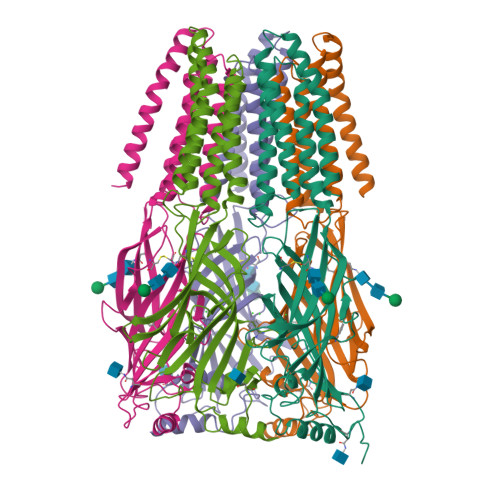
Gamma-aminobutyric acid receptor subunit beta-3 structureClick to view 3D structureGamma-aminobutyric acid receptor subunit beta-3P28472HumansPredicted (SEA)
Prediction Confidence Score
0.152
Applicability Domain
0.333
Statistical Significance
5.80e-04
Supporting Reference Compounds
3
E-value
4.51525
Cathepsin D structureClick to view 3D structureCathepsin DP07339HumansPredicted (SEA)
Prediction Confidence Score
0.151
Applicability Domain
0.175 Low confidence
Statistical Significance
0.8251
Supporting Reference Compounds
81
E-value
6423.03
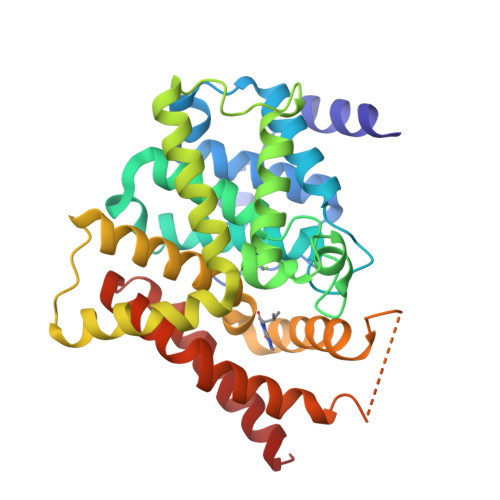
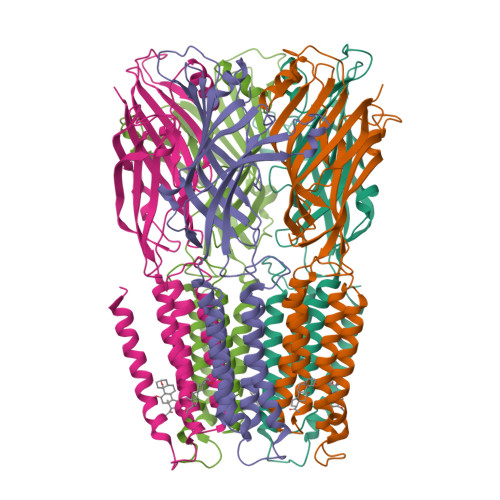
Gamma-aminobutyric acid receptor subunit alpha-1 structureClick to view 3D structureGamma-aminobutyric acid receptor subunit alpha-1P14867HumansKnownMethohexital binds at a distinct binding site associated with a Cl- ionopore at the GABAA receptor, increasing the duration of time for which the Cl- ionopore is open. The post-synaptic inhibitory effect of GABA in the thalamus is, therefore, prolonged.
Concentrations
Not Available
External Links
DrugBank IDDB00474
HMDB IDHMDB0258127
FooDB IDNot Available
Phenol Explorer IDNot Available
KNApSAcK IDNot Available
BiGG IDNot Available
BioCyc IDNot Available
METLIN IDNot Available
PDB IDNot Available
Wikipedia LinkMethohexital
Chemspider ID8683
ChEBI ID102216
PubChem Compound IDNot Available
Kegg Compound IDC07844
YMDB IDNot Available
ECMDB IDNot Available
References
Synthesis ReferenceNot Available
MSDSLink
General References
  1. Janssen PA, Niemegeers CJ, Marsboom RP: Etomidate, a potent non-barbiturate hypnotic. Intravenous etomidate in mice, rats, guinea-pigs, rabbits and dogs. Arch Int Pharmacodyn Ther. 1975 Mar;214(1):92 -132. [PubMed: 1156027]
  2. Drugs.com - http://www.drugs.com/cons/Methohexital.html
  3. RxList: The Internet Drug Index (2009). - http://www.rxlist.com/