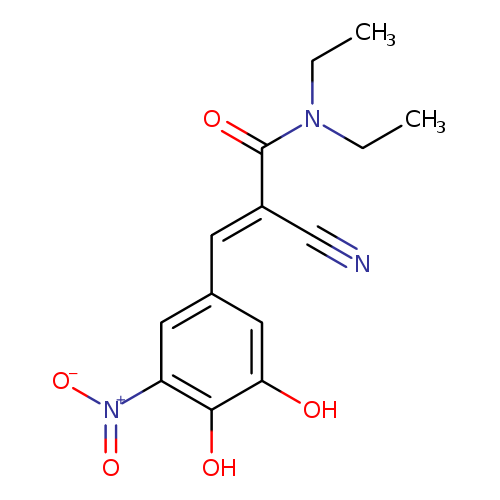
Entacapone (CED0005201)

Record Information
Version1.0
Creation Date2009-07-21 20:27:01 UTC
Update Date2026-05-14 16:40:25 UTC
SynCED IDCED0005201
Secondary Accession Numbers
  • CHEM002210
  • T3D2808
Identification
Common NameEntacapone
ClassSmall Molecule
Description
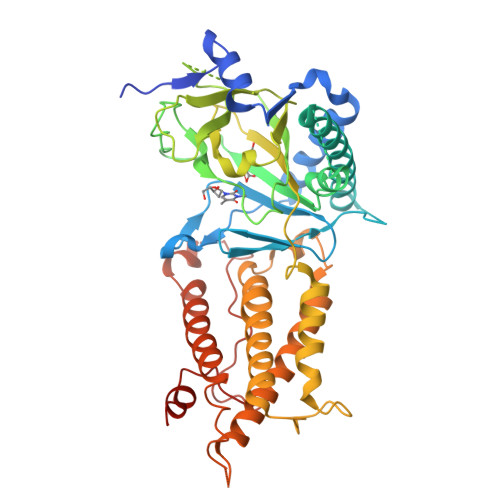
Entacapone is an exogenous solid with the formula C14H15N3O5 and an average molecular weight of 305.29 g/mol. Entacapone belongs to the hydroxycinnamic acids and derivatives, a subclass of cinnamic acids and derivatives within the organic compounds. It is classified as a central nervous system drug, an antiparkinson drug, and an antidyskinesia agent. The compound acts as a biological and chemical inhibitor of catechol O-methyltransferase (EC 2.1.1.6), which is its recorded protein target. The mechanism of action involves inhibiting COMT to alter the plasma pharmacokinetics of levodopa. When administered in conjunction with levodopa and an aromatic amino acid decarboxylase inhibitor, such as carbidopa, plasma levels of levodopa are more sustained and greater than after the administration of levodopa and an aromatic amino acid decarboxylase inhibitor alone. Entacapone is found in dopaminergic agents within healthcare, pharmaceuticals, and veterinary products, as well as in household cleaning and consumer products, specifically other smoking requisites and non-electric simulated smoking devices. The recorded exposure route for this compound is oral.
Contaminant Type
  • Amide
  • Amine
  • Antidyskinetic
  • Antiparkinson Agent
  • Central Nervous System Agent
  • Drug
  • Enzyme Inhibitor
  • Ester
  • Food Toxin
  • Human Neurotoxin
  • Metabolite
  • Nitrile
  • Organic Compound
  • Synthetic Compound
Chemical Structure
Synonyms
ValueSource
(e)-alpha-Cyano-N,N-diethyl-3,4-dihydroxy-5-nitrocinnamamideChEBI
ComtanChEBI
ComtessChEBI
EntacaponaChEBI
EntacaponumChEBI
N,N-Diethyl-2-cyano-3-(3,4-dihydroxy-5-nitrophenyl) acrylamideChEBI
(e)-a-Cyano-N,N-diethyl-3,4-dihydroxy-5-nitrocinnamamideGenerator
(e)-Α-cyano-N,N-diethyl-3,4-dihydroxy-5-nitrocinnamamideGenerator
2-Cyano-N,N-diethyl-3-(3,4-dihydroxy-5-nitrophenyl)propenamideHMDB
Orion brand OF entacaponeHMDB
Novartis brand OF entacaponeHMDB
Chemical FormulaC14H15N3O5
Average Molecular Mass305.286 g/mol
Monoisotopic Mass305.101 g/mol
CAS Registry Number130929-57-6
IUPAC Name(2E)-2-cyano-3-(3,4-dihydroxy-5-nitrophenyl)-N,N-diethylprop-2-enamide
Traditional Nameentacapone
SMILESCCN(CC)C(=O)C(=C\C1=CC(=C(O)C(O)=C1)[N+]([O-])=O)\C#N
InChI IdentifierInChI=1S/C14H15N3O5/c1-3-16(4-2)14(20)10(8-15)5-9-6-11(17(21)22)13(19)12(18)7-9/h5-7,18-19H,3-4H2,1-2H3/b10-5+
InChI KeyJRURYQJSLYLRLN-BJMVGYQFSA-N
Chemical Taxonomy
Description Belongs to the class of organic compounds known as hydroxycinnamic acids and derivatives. Hydroxycinnamic acids and derivatives are compounds containing an cinnamic acid (or a derivative thereof) where the benzene ring is hydroxylated.
KingdomOrganic compounds
Super ClassPhenylpropanoids and polyketides
ClassCinnamic acids and derivatives
Sub ClassHydroxycinnamic acids and derivatives
Direct ParentHydroxycinnamic acids and derivatives
Alternative Parents
Substituents
  • Hydroxycinnamic acid or derivatives
  • Nitrophenol
  • Nitrobenzene
  • Nitroaromatic compound
  • Catechol
  • 1-hydroxy-4-unsubstituted benzenoid
  • 1-hydroxy-2-unsubstituted benzenoid
  • Phenol
  • Monocyclic benzene moiety
  • Benzenoid
  • Tertiary carboxylic acid amide
  • Carboxamide group
  • C-nitro compound
  • Organic nitro compound
  • Allyl-type 1,3-dipolar organic compound
  • Propargyl-type 1,3-dipolar organic compound
  • Carboxylic acid derivative
  • Carbonitrile
  • Nitrile
  • Organic oxoazanium
  • Organic 1,3-dipolar compound
  • Organic nitrogen compound
  • Organic zwitterion
  • Organic oxide
  • Hydrocarbon derivative
  • Organic oxygen compound
  • Organonitrogen compound
  • Organooxygen compound
  • Carbonyl group
  • Organopnictogen compound
  • Aromatic homomonocyclic compound
Molecular FrameworkAromatic homomonocyclic compounds
External Descriptors
Biological Properties
StatusDetected and Not Quantified
OriginExogenous
Cellular Locations
  • Cytoplasm
  • Extracellular
Biofluid LocationsNot Available
Tissue LocationsNot Available
Applications
Biological Roles
Chemical Roles
Organoleptic EffectsNot Available
Physical Properties
StateSolid
AppearanceWhite powder.
Experimental Properties
PropertyValue
Melting PointNot Available
Boiling PointNot Available
SolubilityNot Available
Predicted Properties
PropertyValueSource
Water Solubility0.08 g/LALOGPS
logP2.5ALOGPS
logP1.63ChemAxon
logS-3.6ALOGPS
pKa (Strongest Acidic)5.68ChemAxon
pKa (Strongest Basic)-0.036ChemAxon
Physiological Charge-1ChemAxon
Hydrogen Acceptor Count6ChemAxon
Hydrogen Donor Count2ChemAxon
Polar Surface Area130.38 ŲChemAxon
Rotatable Bond Count5ChemAxon
Refractivity80.51 m³·mol⁻¹ChemAxon
Polarizability29.48 ųChemAxon
Number of Rings1ChemAxon
BioavailabilityYesChemAxon
Rule of FiveYesChemAxon
Ghose FilterYesChemAxon
Veber's RuleNoChemAxon
MDDR-like RuleNoChemAxon
Spectra
Spectra
Spectrum TypeDescriptionSplash KeyDeposition DateView
Predicted GC-MSPredicted GC-MS Spectrumsplash10-003r-4190000000-da6b28638ec4920bd58aNot AvailableView Spectrum
Predicted GC-MSPredicted GC-MS Spectrumsplash10-0059-6004900000-14645ab585cbbed0ca38Not AvailableView Spectrum
Predicted GC-MSPredicted GC-MS SpectrumNot AvailableNot AvailableView Spectrum
LC-MS/MSLC-MS/MS Spectrumsplash10-0a4i-0329000000-8d20a5650e9c1b1c8275Not AvailableView Spectrum
Predicted LC-MS/MSPredicted LC-MS/MS Spectrumsplash10-0a4i-0009000000-6e08b463d5af43617517Not AvailableView Spectrum
Predicted LC-MS/MSPredicted LC-MS/MS Spectrumsplash10-0udr-1069000000-5075a6f93c2b72c3483aNot AvailableView Spectrum
Predicted LC-MS/MSPredicted LC-MS/MS Spectrumsplash10-0fkc-9240000000-27e088a40b83e29661e0Not AvailableView Spectrum
Predicted LC-MS/MSPredicted LC-MS/MS Spectrumsplash10-0udi-0009000000-29c32f9a04e379fce5feNot AvailableView Spectrum
Predicted LC-MS/MSPredicted LC-MS/MS Spectrumsplash10-0udi-2009000000-6d53b89d8a9ecd3b180eNot AvailableView Spectrum
Predicted LC-MS/MSPredicted LC-MS/MS Spectrumsplash10-00dl-9100000000-5f330d3ad8cb0af17a9aNot AvailableView Spectrum
Predicted LC-MS/MSPredicted LC-MS/MS Spectrumsplash10-0a4i-0009000000-62e9f24f62db1840e2e0Not AvailableView Spectrum
Predicted LC-MS/MSPredicted LC-MS/MS Spectrumsplash10-001i-1292000000-28b9a09056bdc465cd19Not AvailableView Spectrum
Predicted LC-MS/MSPredicted LC-MS/MS Spectrumsplash10-0a4i-1590000000-58fe447bc05aa8420188Not AvailableView Spectrum
Predicted LC-MS/MSPredicted LC-MS/MS Spectrumsplash10-0udi-0039000000-85f49c3b07fd9b1dd7bdNot AvailableView Spectrum
Predicted LC-MS/MSPredicted LC-MS/MS Spectrumsplash10-0pb9-1693000000-bf7093c3dc0b31a75e5dNot AvailableView Spectrum
Predicted LC-MS/MSPredicted LC-MS/MS Spectrumsplash10-0a4j-5910000000-658aee735015de149a67Not AvailableView Spectrum
Toxicity Profile
Toxicity Values
Toxicity ValueOrganismDose DescriptorRoute of ExposurePredicted or ExperimentalToxicity RatingReference
827.0 Log mg/kg [460:1500]RatLD50oralpredictedNot AvailableNot Available
Toxicity / Toxin ClassNot Available
Mechanism of ToxicityThe mechanism of action of entacapone is believed to be through its ability to inhibit COMT in peripheral tissues, altering the plasma pharmacokinetics of levodopa. When entacapone is given in conjunction with levodopa and an aromatic amino acid decarboxylase inhibitor, such as carbidopa, plasma levels of levodopa are greater and more sustained than after administration of levodopa and an aromatic amino acid decarboxylase inhibitor alone. It is believed that at a given frequency of levodopa administration, these more sustained plasma levels of levodopa result in more constant dopaminergic stimulation in the brain, leading to a greater reduction in the manifestations of parkinsonian syndrome.
Carcinogenicity (IARC Classification)No indication of carcinogenicity to humans (not listed by IARC).
Minimum Risk LevelNot Available
SymptomsSide effect include increase the occurrence of orthostatic hypotension, severe rhabdomyolysis, dyskinesia, hallucinations, hyperkinesia, hypokinesia, dizziness, fatigu,e gastrointestinal effects including abdominal pain constipation diarrhea nausea.
TreatmentManagement of Entacapone overdose is symptomatic; there is no known antidote to Comtan. Hospitalization is advised, and general supportive care is indicated. There is no experience with hemodialysis or hemoperfusion, but these procedures are unlikely to be of benefit, because Entacapone is highly bound to plasma proteins. An immediate gastric lavage and repeated doses of charcoal over time may hasten the elimination of Entacapone by decreasing its absorption/reabsorption from the GI tract. The adequacy of the respiratory and circulatory systems should be carefully monitored and appropriate supportive measures employed. (9)
Health Effects
Health EffectRelationshipDirectionDescriptionReference
Parkinson's diseaseNot AvailableNot AvailableA long-term degenerative disorder of the central nervous system that mainly affects the motor system. The symptoms generally come on slowly over time.PMC7930641
DyskinesiaAssociated With?increaseNot AvailablePMC7930641
severe diarrheaAssociated With?Not AvailableNot AvailablePMC7930641
Exposure Sources
Source IDSourceSectorReference
CEDs000373Dopaminergic agents?Dopaminergic agents are compounds that influence the dopamine system, primarily through agonistic or antagonistic actions at dopamine receptors.Healthcare, pharmaceuticals & veterinary productsNot Available
CEDs000518Electrically Stimulated Smoking Devices?Electrically stimulated smoking devices, commonly known as e-cigarettes or vape pens, utilize electrical components to heat a liquid solution, often containing nicotine, flavorings, and other additives, to produce an aerosol for inhalation.Electrical & Electronic EquipmentPubChem
CEDs000545Food Preservation?Food preservation often involves the use of synthetic chemicals, such as preservatives, flavor enhancers, and color additives, to extend shelf life and enhance the sensory qualities of food products.Food, food processing & cookwarePubChem
CEDs000556Cigar Cigarettes?Cigar cigarettes are a source of synthetic chemical contamination due to the combustion of various tobacco blends and additives.Household cleaning & consumer productsPubChem
CEDs000559Non Electric Simulated Smoking Devices?Non-electric simulated smoking devices, often designed to mimic the experience of smoking without combustion, can be sources of synthetic chemical contamination due to the materials and chemicals used in their construction and operation.Household cleaning & consumer productsPubChem
CEDs000560Other Smoking Requisites?Other smoking requisites, including items such as lighters, matches, and rolling papers, can introduce synthetic chemical contamination through various components and additives.Household cleaning & consumer productsPubChem
CEDs000563Soap Detergents?Soap detergents are synthetic surfactants designed to enhance the cleaning efficacy of water by reducing surface tension, allowing for better interaction with dirt and grease.Household cleaning & consumer productsPubChem
CEDs000569Tobacco Smoke Filters?Tobacco smoke filters are designed to reduce the inhalation of harmful substances in cigarette smoke, including tar and other particulate matter.Household cleaning & consumer productsPubChem
CEDs000580Manufacture Preparation Of Tobacco Products?The manufacture and preparation of tobacco products involve various processes that can result in the introduction of synthetic chemicals into the environment.Industrial manufacturing & chemical processingPubChem
CEDs000596Acaricides?Acaricides are synthetic chemicals specifically designed to target and control mite populations that can damage crops and plants.Agriculture & land managementPubChem
CEDs000611Anti Perspirants Or Body Deoderants?Antiperspirants and body deodorants commonly contain synthetic chemicals such as aluminum compounds, parabens, and synthetic fragrances.Personal care & cosmeticsPubChem
CEDs000615Eye Makeup Products?Eye makeup products, including mascaras, eyeliners, and eyeshadows, often contain a variety of synthetic chemicals such as pigments, preservatives, and film-forming agents.Personal care & cosmeticsPubChem
CEDs000632Apparel?Apparel production often involves the use of various synthetic chemicals, including dyes, finishing agents, and preservatives.Textiles, leather & furnishingsPubChem
CEDs000671Airplanes And Helicopters?Airplanes and helicopters are significant sources of synthetic chemical contamination primarily through the use of aviation fuels, lubricants, and de-icing agents.Aviation & AerospacePubChem
CEDs000678Nitrogenous Fertilisers?Nitrogenous fertilizers are synthetic chemical compounds primarily used to enhance plant growth by supplying essential nitrogen, a crucial nutrient for photosynthesis and protein synthesis.Agriculture & land managementPubChem
CEDs000679Phosphatic Fertilisers?Phosphatic fertilizers are synthetic chemical products primarily composed of phosphorus, which is essential for plant growth.Agriculture & land managementPubChem
CEDs000685Ceramics?Ceramics can be a source of synthetic chemical contamination through various additives and processing agents used in their production.Building & ConstructionPubChem
CEDs000688Glass Coatings?Glass coatings are synthetic chemical formulations applied to glass surfaces to enhance properties such as durability, UV resistance, and aesthetic appeal.Building & ConstructionPubChem
CEDs000696Nanotechnology?Nanotechnology involves the manipulation of materials at the molecular or atomic level, typically within the range of 1 to 100 nanometers.Industrial manufacturing & chemical processingPubChem
CEDs000735Explosives?Explosives are chemical compounds or mixtures designed to undergo rapid decomposition, releasing energy in the form of gas and heat.Defense & military infrastructurePubChem
CEDs000742Leather Tanning?Leather tanning is a process that transforms raw animal hides into durable leather through the application of various chemicals, including chromium salts, aldehydes, and vegetable tannins.Textiles, leather & furnishingsPubChem
CEDs000744Water, Wastewater, & Sewage Treatment?Water, wastewater, and sewage treatment processes are critical for managing and mitigating pollutants in water systems.Wastewater, sanitation & biosolidsPubChem
Pathways
2 pathwaysPathway Source: PathBank
Targets
StructureProteinUniProt IDOrganismRelationshipDetails
Click to view 3D structureUDP-glucuronosyltransferase 1A9O60656HumansKnownNot Available
Catechol O-methyltransferase structureClick to view 3D structureCatechol O-methyltransferaseP22734Rattus norvegicusPredicted (SEA)
Prediction Confidence Score
0.594
Applicability Domain
1.0
Statistical Significance
1.00e-05
Supporting Reference Compounds
15
E-value
0.0778492
Alpha-ketoglutarate-dependent dioxygenase FTO structureClick to view 3D structureAlpha-ketoglutarate-dependent dioxygenase FTOQ9C0B1HumansPredicted (SEA)
Prediction Confidence Score
0.588
Applicability Domain
1.0
Statistical Significance
2.00e-05
Supporting Reference Compounds
36
E-value
0.155698
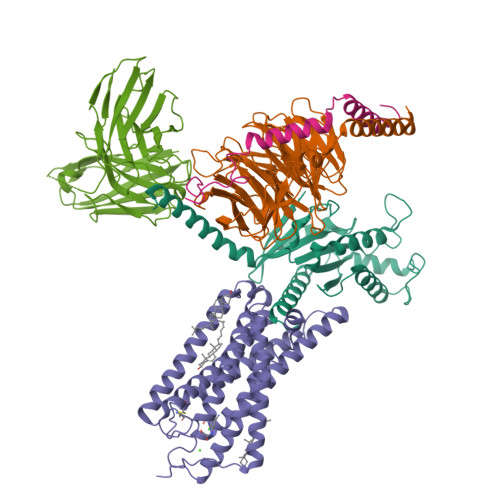
G-protein coupled receptor 35 structureClick to view 3D structureG-protein coupled receptor 35Q9HC97HumansPredicted (SEA)
Prediction Confidence Score
0.52
Applicability Domain
1.0
Statistical Significance
7.00e-05
Supporting Reference Compounds
115
E-value
0.544945
Catechol O-methyltransferase structureClick to view 3D structureCatechol O-methyltransferaseP21964HumansPredicted (SEA)
Prediction Confidence Score
0.467
Applicability Domain
1.0
Statistical Significance
1.00e-05
Supporting Reference Compounds
9
E-value
0.0778492
Cytochrome P450 2C9 structureClick to view 3D structureCytochrome P450 2C9P11712HumansPredicted (SEA)
Prediction Confidence Score
0.364
Applicability Domain
1.0
Statistical Significance
0.0329
Supporting Reference Compounds
1245
E-value
255.813
Click to view 3D structureCatechol O-methyltransferaseQ99028Sus scrofaPredicted (SEA)
Prediction Confidence Score
0.35
Applicability Domain
0.468
Statistical Significance
8.00e-05
Supporting Reference Compounds
2
E-value
0.622794
Epidermal growth factor receptor structureClick to view 3D structureEpidermal growth factor receptorP00533HumansPredicted (SEA)
Prediction Confidence Score
0.341
Applicability Domain
0.354
Statistical Significance
0.064
Supporting Reference Compounds
1301
E-value
498.235
Fatty acid synthase structureClick to view 3D structureFatty acid synthaseP49327HumansPredicted (SEA)
Prediction Confidence Score
0.314
Applicability Domain
0.348
Statistical Significance
0.0027
Supporting Reference Compounds
117
E-value
21.4085
ATP-binding cassette sub-family C member 4 structureClick to view 3D structureATP-binding cassette sub-family C member 4O15439HumansPredicted (SEA)
Prediction Confidence Score
0.308
Applicability Domain
1.0
Statistical Significance
9.00e-05
Supporting Reference Compounds
30
E-value
0.700643
Protein RecA structureClick to view 3D structureProtein RecAP9WHJ3Mycobacterium tuberculosisPredicted (SEA)
Prediction Confidence Score
0.296
Applicability Domain
0.368
Statistical Significance
0.0131
Supporting Reference Compounds
296
E-value
101.982
Large T antigen structureClick to view 3D structureLarge T antigenP03070Simian virus 40Predicted (SEA)
Prediction Confidence Score
0.29
Applicability Domain
0.339
Statistical Significance
0.0036
Supporting Reference Compounds
78
E-value
27.7922
Transthyretin structureClick to view 3D structureTransthyretinP02766HumansPredicted (SEA)
Prediction Confidence Score
0.289
Applicability Domain
0.375
Statistical Significance
0.0047
Supporting Reference Compounds
55
E-value
36.2777
Alkaline phosphatase, tissue-nonspecific isozyme structureClick to view 3D structureAlkaline phosphatase, tissue-nonspecific isozymeP05186HumansPredicted (SEA)
Prediction Confidence Score
0.28
Applicability Domain
0.339
Statistical Significance
0.0018
Supporting Reference Compounds
48
E-value
14.1686
Click to view 3D structureIntestinal-type alkaline phosphataseP24822Mus musculusPredicted (SEA)
Prediction Confidence Score
0.28
Applicability Domain
0.339
Statistical Significance
0.0028
Supporting Reference Compounds
58
E-value
21.6421
Induced myeloid leukemia cell differentiation protein Mcl-1 structureClick to view 3D structureInduced myeloid leukemia cell differentiation protein Mcl-1Q07820HumansPredicted (SEA)
Prediction Confidence Score
0.274
Applicability Domain
0.347
Statistical Significance
0.0448
Supporting Reference Compounds
343
E-value
348.609
Click to view 3D structureIntestinal-type alkaline phosphataseP09923HumansPredicted (SEA)
Prediction Confidence Score
0.257
Applicability Domain
0.339
Statistical Significance
0.0036
Supporting Reference Compounds
37
E-value
28.1814
Catechol O-methyltransferase structureClick to view 3D structureCatechol O-methyltransferaseO88587Mus musculusPredicted (SEA)
Prediction Confidence Score
0.257
Applicability Domain
0.257 Low confidence
Statistical Significance
2.50e-04
Supporting Reference Compounds
1
E-value
1.94623
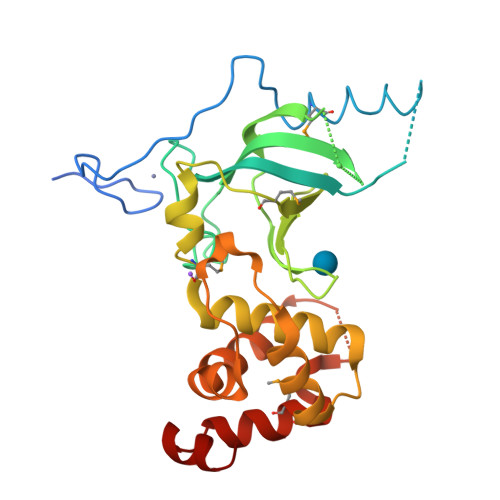
Ribosomal protein S6 kinase alpha-3 structureClick to view 3D structureRibosomal protein S6 kinase alpha-3P51812HumansPredicted (SEA)
Prediction Confidence Score
0.254
Applicability Domain
0.317
Statistical Significance
0.2816
Supporting Reference Compounds
733
E-value
2192.31
Click to view 3D structureDNA damage-inducible transcript 3 proteinP35639Mus musculusPredicted (SEA)
Prediction Confidence Score
0.254
Applicability Domain
0.368
Statistical Significance
0.0669
Supporting Reference Compounds
226
E-value
520.889
X-box-binding protein 1 structureClick to view 3D structureX-box-binding protein 1P17861HumansPredicted (SEA)
Prediction Confidence Score
0.254
Applicability Domain
0.368
Statistical Significance
0.0669
Supporting Reference Compounds
227
E-value
521.123
DNA (cytosine-5)-methyltransferase 1 structureClick to view 3D structureDNA (cytosine-5)-methyltransferase 1P26358HumansPredicted (SEA)
Prediction Confidence Score
0.252
Applicability Domain
0.268 Low confidence
Statistical Significance
0.0324
Supporting Reference Compounds
116
E-value
252.621
Click to view 3D structureMonocarboxylate transporter 1P53987Rattus norvegicusPredicted (SEA)
Prediction Confidence Score
0.249
Applicability Domain
0.357
Statistical Significance
1.30e-04
Supporting Reference Compounds
4
E-value
1.01204
Genome polyprotein structureClick to view 3D structureGenome polyproteinP29990dengue virus type 2Predicted (SEA)
Prediction Confidence Score
0.248
Applicability Domain
0.357
Statistical Significance
0.0265
Supporting Reference Compounds
58
E-value
206.69
Click to view 3D structureMetabotropic glutamate receptor 4Q68EF4Mus musculusPredicted (SEA)
Prediction Confidence Score
0.243
Applicability Domain
0.243 Low confidence
Statistical Significance
6.80e-04
Supporting Reference Compounds
1
E-value
5.29375
Tyrosine-protein kinase JAK3 structureClick to view 3D structureTyrosine-protein kinase JAK3P52333HumansPredicted (SEA)
Prediction Confidence Score
0.243
Applicability Domain
0.298 Low confidence
Statistical Significance
0.4283
Supporting Reference Compounds
961
E-value
3334.44
Click to view 3D structureUDP-glucuronosyltransferase 1A8Q9HAW9HumansKnownNot Available
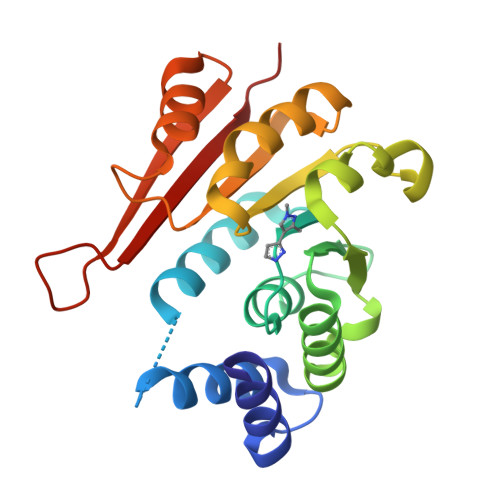
Catechol O-methyltransferase structureClick to view 3D structureCatechol O-methyltransferaseP21964HumansKnownThe mechanism of action of entacapone is believed to be through its ability to inhibit COMT and alter the plasma pharmacokinetics of levodopa. When entacapone is given in conjunction with levodopa and an aromatic amino acid decarboxylase inhibitor, such as carbidopa, plasma levels of levodopa are greater and more sustained than after administration of levodopa and an aromatic amino acid decarboxylase inhibitor alone. It is believed that at a given frequency of levodopa administration, these more sustained plasma levels of levodopa result in more constant dopaminergic stimulation in the brain, leading to greater effects on the signs and symptoms of Parkinson's disease.
Concentrations
Not Available
External Links
DrugBank IDDB00494
HMDB IDHMDB0012226
FooDB IDFDB028870
Phenol Explorer IDNot Available
KNApSAcK IDNot Available
BiGG IDNot Available
BioCyc IDCPD-7662
METLIN IDNot Available
PDB IDNot Available
Wikipedia LinkEntacapone
Chemspider ID4444537
ChEBI ID4798
PubChem Compound ID5281081
Kegg Compound IDC07943
YMDB IDNot Available
ECMDB IDNot Available
References
Synthesis Reference

Pandurang Deshpande, Parven Luthra, Anand Pandey, Dharmesh Dhameliya, “Process for the preparation of (E)-2-cyano-3-(3, 4-dihydroxy-5-nitrophenyl)-N, N-diethyl-2-propenamide (entacapone).” U.S. Patent US20060258877, issued November 16, 2006.

MSDSNot Available
General References
  1. Bonifati V, Meco G: New, selective catechol-O-methyltransferase inhibitors as therapeutic agents in Parkinson's disease. Pharmacol Ther. 1999 Jan;81(1):1-36. [PubMed: 10051176]
  2. Forsberg M, Lehtonen M, Heikkinen M, Savolainen J, Jarvinen T, Mannisto PT: Pharmacokinetics and pharmacodynamics of entacapone and tolcapone after acute and repeated administration: a comparative study in the rat. J Pharmacol Exp Ther. 2003 Feb;304(2):498-506. [PubMed: 12538800]
  3. Kaakkola S: Clinical pharmacology, therapeutic use and potential of COMT inhibitors in Parkinson's disease. Drugs. 2000 Jun;59(6):1233-50. [PubMed: 10882160]
  4. Najib J: Entacapone: a catechol-O-methyltransferase inhibitor for the adjunctive treatment of Parkinson's disease. Clin Ther. 2001 Jun;23(6):802-32; discussion 771. [PubMed: 11440283]
  5. Chong BS, Mersfelder TL: Entacapone. Ann Pharmacother. 2000 Sep;34(9):1056-65. [PubMed: 10981253]
  6. Poewe WH, Deuschl G, Gordin A, Kultalahti ER, Leinonen M: Efficacy and safety of entacapone in Parkinson's disease patients with suboptimal levodopa response: a 6-month randomized placebo-controlled double-blind study in Germany and Austria (Celomen study). Acta Neurol Scand. 2002 Apr;105(4):245-55. [PubMed: 11939936]
  7. Brooks DJ, Sagar H: Entacapone is beneficial in both fluctuating and non-fluctuating patients with Parkinson's disease: a randomised, placebo controlled, double blind, six month study. J Neurol Neurosurg Psychiatry. 2003 Aug;74(8):1071-9. [PubMed: 12876237]
  8. Drugs.com - http://www.drugs.com/cons/Entacapone.html
  9. RxList: The Internet Drug Index (2009). - http://www.rxlist.com/