Some data may have been extracted from scientific literature using a pipeline that uses large language models (LLMs). Source articles are cited where applicable to help verify the extracted relationships.
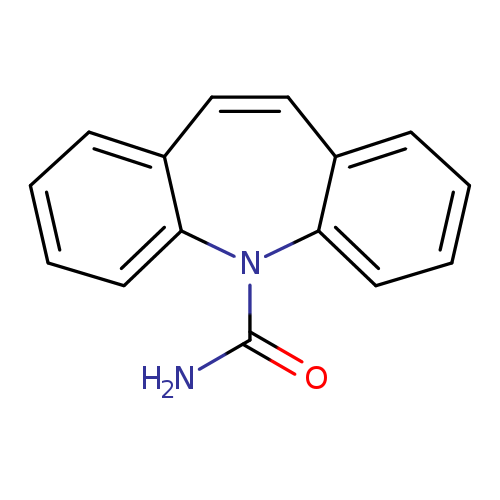
Carbamazepine belongs to the dibenzazepines, a subclass of benzazepines within the organic compounds. This exogenous solid has the formula C15H12N2O and an average molecular weight of 236.27 g/mol. It is classified as an organoheterocyclic compound. This drug (PMC9460350 ) is administered via oral or intravenous exposure routes. It is found in 29 recorded sources, including antiepileptics, drinking water, roofs, various electronic equipment, household cleaning and consumer products, and food processing activities.
As an anticonvulsant, carbamazepine is used to control grand mal and psychomotor or focal seizures. It is used as a treatment for epilepsy (PMC10794432 , PMC11593937 ), pain (PMC3935911 ), neuropathic pain (PMC10534465 , PMC11904242 ), depression (PMC10794432 ), arrhythmia (PMC10794432 ), and attention deficit hyperactivity disorder (PMC10989948 ). Additional roles include its use as an antimanic drug, an analgesic, and a non-narcotic analgesic (PMC9460350 ). Biologically, it acts as a mitogen, a glutamate transporter activator, and an EC 3.5.1.98 histone deacetylase inhibitor (PMC9460350 ).
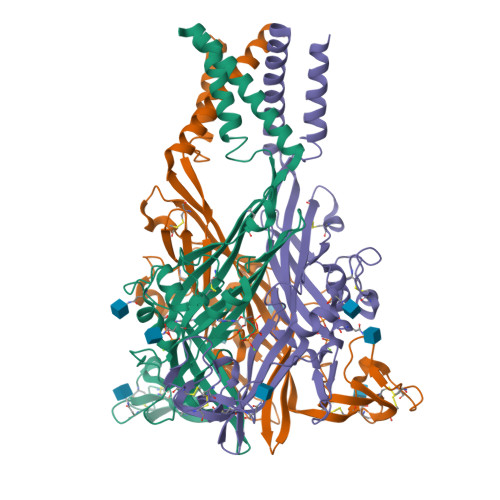
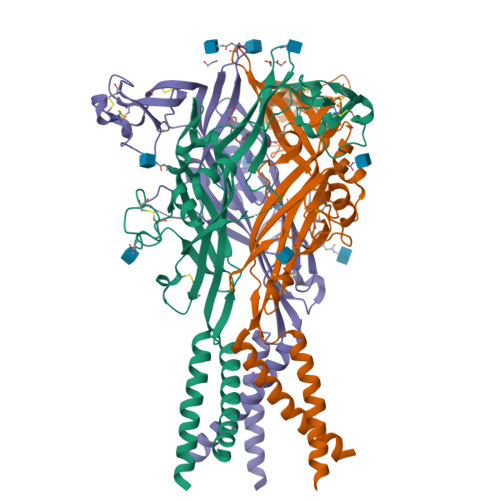
The compound targets 21 proteins, including the sodium channel protein type 5 subunit alpha (SCN5A), which it inhibits to block use-dependent sodium channels. It also inhibits the estrogen-related receptor gamma (ESRRG), hepatocyte nuclear factor 4-alpha (HNF4A), nuclear receptor ROR-beta (RORB), and the bile acid receptor (NR1H4), among others. Carbamazepine possesses sedative, muscle relaxant, antiarrhythmic, central antidiuretic, anticholinergic, and antidepressant properties. Health effects associated with the compound include Stevens-Johnson syndrome (PMC2072824 ), osteomalacia (PMC2646121 ), and epilepsy (PMC10586545 ).
Belongs to the class of organic compounds known as dibenzazepines. Dibenzazepines are compounds with two benzene rings connected by an azepine ring. Azepine is an unsaturated seven-member heterocycle with one nitrogen atom replacing a carbon atom.
mitogen ?A chemical substance that encourages a cell to commence cell division, triggering mitosis.
teratogenic agent (PMC12391942 )?A role played by a chemical compound in biological systems with adverse consequences in embryo developments, leading to birth defects, embryo death or altered development, growth retardation and functional defect.
Carbamazepine inhibits sustained repetitive firing by blocking use-dependent sodium channels. Pain relief is believed to be associated with blockade of synaptic transmission in the trigeminal nucleus and seizure control with reduction of post-tetanic potentiation of synaptic transmission in the spinal cord. Carbamazepine also possesses anticholinergic, central antidiuretic, antiarrhythmic, muscle relaxant, antidepressant (possibly through blockade of norepinephrine release), sedative, and neuromuscular-blocking properties.
No indication of carcinogenicity to humans (not listed by IARC).
Minimum Risk Level
Not Available
Symptoms
Mild ingestions cause vomiting, drowsiness, ataxia, slurred speech, nystagmus, dystonic reactions, and hallucinations. Severe intoxications may produce coma, seizures, respiratory depression, and hypotension
Treatment
The prognosis in cases of severe poisoning is critically dependent upon prompt elimination of the drug, which may be achieved by inducing vomiting, irrigating the stomach, and by taking appropriate steps to diminish absorption. If these measures cannot be implemented without risk on the spot, the patient should be transferred at once to a hospital, while ensuring that vital functions are safeguarded. There is no specific antidote. (4)
Osteomalacia is a disease characterized by the softening of the bones caused by impaired bone metabolism primarily due to inadequate levels of available phosphate, calcium, and vitamin D, or because of resorption of calcium. The impairment of bone metabolism causes inadequate bone mineralization. Osteomalacia in children is known as rickets, and because of this, use of the term "osteomalacia" is often restricted to the milder, adult form of the disease. Signs and symptoms can include diffuse body pains, muscle weakness, and fragility of the bones. The most common cause of osteomalacia is a deficiency of vitamin D, which is normally derived from sunlight exposure and, to a lesser extent, from the diet. Nursing home residents and the homebound elderly population are at particular risk for vitamin D deficiency, as these populations typically receive little sun exposure. Other groups at risk include individuals with malabsorption secondary to gastrointestinal bypass surgery or celiac disease. Similarly, individuals who immigrate from warm climates to cold climates, especially women who wear traditional veils or dresses that prevent sun exposure are also susceptible to osteomalacia.
A brain disease that is characterized by the occurrance of at least two unprovoked seizures resulting from a persistent epileptogenic abnormality of the brain that is able to spontaneously generate paroxysmal activity and typically manifested by sudden brief episodes of altered or diminished consciousness, involuntary movements, or convulsions. (DO)
A brain disease that is characterized by the occurrance of at least two unprovoked seizures resulting from a persistent epileptogenic abnormality of the brain that is able to spontaneously generate paroxysmal activity and typically manifested by sudden brief episodes of altered or diminished consciousness, involuntary movements, or convulsions. (DO)
A state of profound unconsciousness associated with markedly depressed cerebral activity. Causes include central nervous system damage, intoxication, and metabolic abnormalities.
Allergic diseases, also known as allergies, are a number of conditions caused by hypersensitivity of the immune system to typically harmless substances in the environment. These diseases include hay fever, food allergies, atopic dermatitis, allergic asthma, and anaphylaxis. Symptoms may include red eyes, an itchy rash, sneezing, a runny nose, shortness of breath, or swelling. Common allergens include pollen and certain foods. Metals and other substances may also cause allergies. Food, insect stings, and medications are common causes of severe allergic reactions. Allergies can be due to both genetic and environmental factors. The underlying mechanism involves immunoglobulin E antibodies (IgE) binding to an allergen and then to a receptor on mast cells or basophils where it triggers the release of inflammatory chemicals such as histamine. Allergies are among the most common conditions in the world. In the developed world, about 20% of people are affected by allergic rhinitis, about 6% of people have at least one food allergy, and about 20% have atopic dermatitis at some point in time.
A disorder characterized as a portion of the neural tube failing to develop or close properly, causing defects in the spinal cord and in the bones of the spine.
Irrigation water?Irrigation water can serve as a vector for synthetic chemical contamination due to its potential exposure to agricultural inputs such as fertilizers, pesticides, and herbicides.
Soil?Soil serves as a critical medium for plant growth and sustains various ecological functions; however, it can become a reservoir for synthetic chemical contamination.
Marine sediment?Marine sediment can serve as a significant reservoir for synthetic chemical contaminants, which may originate from various anthropogenic activities.
Groundwater?Groundwater serves as a vital resource for drinking water and agricultural irrigation but is increasingly susceptible to contamination from synthetic chemicals.
Stormwater runoff?Stormwater runoff refers to the flow of rainwater or melted snow that does not soak into the ground and instead collects pollutants as it travels over impervious surfaces such as roads and parking lots.
Drinking water?Drinking water can be a medium for synthetic chemical contamination, often originating from various industrial processes and agricultural practices.
Ballast water?Ballast water, taken on by ships to maintain stability and balance, often contains a diverse array of microorganisms, including bacteria, viruses, and plankton.
Bilge water?Bilge water is a byproduct generated from the accumulation of water in the lowest part of a ship's hull, which may include a mixture of seawater, oil, fuel residues, and various contaminants.
Brushes?Brushes used in personal care and cosmetics can be a source of synthetic chemical contamination due to the materials and coatings used in their manufacturing.
Industrial wastewater?Industrial wastewater is a byproduct generated during various manufacturing and processing activities, which often contains a complex mixture of organic and inorganic synthetic chemicals.
Effluent?Effluent refers to liquid waste or sewage that is discharged into the environment, typically resulting from industrial processes, municipal wastewater treatment, or agricultural runoff.
WWTP influent?WWTP influent refers to the raw wastewater entering a wastewater treatment plant, which can contain a complex mixture of pollutants, including synthetic chemicals.
Antennas?Antennas, commonly used in communication technologies, can be a source of synthetic chemical contamination through the materials and coatings used in their construction.
Conductors Or Conductive Bodies Characterised By The Conductive Materials?Conductors, or conductive bodies, are materials that allow the flow of electrical current, typically made from metals such as copper, aluminum, or silver.
Cores Yokes Or Armatures?Cores, yokes, or armatures are components commonly found in electrical devices, used to facilitate the magnetic and electrical functions within motors, transformers, and generators.
Electric Switches?Electric switches, integral components in numerous devices, can be a source of synthetic chemical contamination due to the materials and manufacturing processes involved in their production.
Electrically Stimulated Smoking Devices?Electrically stimulated smoking devices, commonly known as e-cigarettes or vape pens, utilize electrical components to heat a liquid solution, often containing nicotine, flavorings, and other additives, to produce an aerosol for inhalation.
Electrodes?Electrodes, used in various electrical and electronic applications, can be a source of synthetic chemical contamination due to the materials from which they are constructed and the processes involved in their manufacturing.
Fixed Capacitors And Their Manufacture?Fixed capacitors are passive electronic components used to store and release electrical energy, playing a critical role in various circuits.
Hybrid Capacitors?Hybrid capacitors are energy storage devices that combine the properties of electrolytic and supercapacitors, utilizing a combination of electrochemical principles to achieve higher energy density and power density.
Line Transmission Systems?Line Transmission Systems, commonly used for the distribution of electrical energy, can be a source of synthetic chemical contamination through the insulation materials and coatings utilized in their construction.
Magnets?Magnets, commonly used in various electrical and electronic applications, can be a source of synthetic chemical contamination due to the materials used in their production.
Sparking Plugs?Spark plugs are critical components in internal combustion engines, facilitating the ignition of fuel-air mixtures by generating a spark.
Superconducting Magnets And Superconducting Coils?Superconducting magnets and coils are utilized in various applications that require strong magnetic fields, such as magnetic resonance imaging (MRI) and particle accelerators.
Television Systems?Television systems can be a source of synthetic chemical contamination due to the various materials and components used in their manufacture and operation.
Food Preservation?Food preservation often involves the use of synthetic chemicals, such as preservatives, flavor enhancers, and color additives, to extend shelf life and enhance the sensory qualities of food products.
Non Electric Simulated Smoking Devices?Non-electric simulated smoking devices, often designed to mimic the experience of smoking without combustion, can be sources of synthetic chemical contamination due to the materials and chemicals used in their construction and operation.
Other Smoking Requisites?Other smoking requisites, including items such as lighters, matches, and rolling papers, can introduce synthetic chemical contamination through various components and additives.
Perfumes Within Detergents And Soaps?Perfumes within detergents and soaps are synthetic fragrance compounds added to enhance the sensory experience of cleaning products.
Tobacco Smoke Filters?Tobacco smoke filters are designed to reduce the inhalation of harmful substances in cigarette smoke, including tar and other particulate matter.
Manufacture Of Iron Or Steel?The manufacture of iron or steel involves various processes, including smelting, refining, and alloying, which can result in the release of synthetic chemicals and contaminants.
Manufacture Preparation Of Tobacco Products?The manufacture and preparation of tobacco products involve various processes that can result in the introduction of synthetic chemicals into the environment.
Anchoring Equipment?Anchoring equipment, commonly used in marine applications, can be a source of synthetic chemical contamination due to the materials and coatings utilized in their manufacturing.
Marine Propulsion Or Steering?Marine propulsion and steering systems often rely on various synthetic chemicals, including lubricants, fuels, and hydraulic fluids.
Molluscicides?Molluscicides are synthetic chemicals specifically designed to control and eliminate mollusks, such as snails and slugs, which can be detrimental to crops and agricultural productivity.
Nematocides?Nematocides are synthetic chemicals specifically designed to control nematodes, which are microscopic roundworms that can cause significant damage to crops and plants.
Aftersun Products?Aftersun products are designed to soothe and hydrate the skin after sun exposure, often containing various synthetic chemicals such as emollients, preservatives, and fragrances.
Anti Perspirants Or Body Deoderants?Antiperspirants and body deodorants commonly contain synthetic chemicals such as aluminum compounds, parabens, and synthetic fragrances.
Depilatories?Depilatories are products designed to remove unwanted hair through the application of synthetic chemicals that break down the protein structure of hair, facilitating its removal.
Eye Makeup Products?Eye makeup products, including mascaras, eyeliners, and eyeshadows, often contain a variety of synthetic chemicals such as pigments, preservatives, and film-forming agents.
Lip Care Products?Lip care products, including lipsticks, balms, and glosses, often contain a variety of synthetic chemicals such as parabens, phthalates, and synthetic fragrances.
Lip Makeup Products?Lip makeup products, such as lipsticks, lip glosses, and lip liners, often contain a variety of synthetic chemicals, including pigments, preservatives, and emollients.
Toys?Toys, particularly those made from synthetic materials such as plastics, can be a source of chemical contamination due to the presence of various additives and compounds used in their production.
Footwear?Footwear production often involves the use of various synthetic chemicals, such as adhesives, dyes, and treatments, which can contribute to environmental contamination.
Headwear?Headwear made from synthetic materials often incorporates chemicals used in the manufacturing and finishing processes, such as dyes, flame retardants, and water repellents.
Purses Luggage Hand Bags?Purses, luggage, and handbags are often manufactured using synthetic materials such as polyvinyl chloride (PVC), polyurethane, and various types of nylon.
Yarns Or Threads?Yarns or threads used in textiles can be a source of synthetic chemical contamination due to the production processes and treatments they undergo.
Airplanes And Helicopters?Airplanes and helicopters are significant sources of synthetic chemical contamination primarily through the use of aviation fuels, lubricants, and de-icing agents.
Nitrogenous Fertilisers?Nitrogenous fertilizers are synthetic chemical compounds primarily used to enhance plant growth by supplying essential nitrogen, a crucial nutrient for photosynthesis and protein synthesis.
Glass Coatings?Glass coatings are synthetic chemical formulations applied to glass surfaces to enhance properties such as durability, UV resistance, and aesthetic appeal.
Silica Free Oxide Glass?Silica Free Oxide Glass is a type of glass that is produced using alternative materials to traditional silica-based formulations.
Silica Glass?Silica glass, primarily composed of silicon dioxide (SiO2), is widely used in various applications, including windows, glass facades, and insulation materials.
Nanotechnology?Nanotechnology involves the manipulation of materials at the molecular or atomic level, typically within the range of 1 to 100 nanometers.
Mining Or Quarrying?Mining and quarrying operations can lead to synthetic chemical contamination through the release of various pollutants associated with the extraction and processing of minerals.
Fountain Pens?Fountain pens utilize a liquid ink that often contains synthetic chemicals, including dyes, pigments, and solvents, which can contribute to environmental contamination.
Ink Reservoir Pens2?Ink reservoir pens are writing instruments that utilize a reservoir to store ink, which is often composed of synthetic dyes, solvents, and additives.
Coating Compositions?Coating compositions, which include paints, sealants, and varnishes, are formulated with a variety of synthetic chemicals such as solvents, resins, pigments, and additives.
Sludge Treatment?Sludge treatment involves the processing of waste materials generated from wastewater treatment plants, which often contain a variety of organic and inorganic substances.
Water, Wastewater, & Sewage Treatment?Water, wastewater, and sewage treatment processes are critical for managing and mitigating pollutants in water systems.
Carbamazepine inhibits sustained repetitive firing by blocking use-dependent sodium channels. Pain relief is believed to be associated with blockade of synaptic transmission in the trigeminal nucleus and seizure control with reduction of post-tetanic potentiation of synaptic transmission in the spinal cord. Carbamazepine also possesses anticholinergic, central antidiuretic, antiarrhythmic, muscle relaxant, antidepressant (possibly through blockade of norepinephrine release), sedative, and neuromuscular-blocking properties.
Staines AG, Coughtrie MW, Burchell B: N-glucuronidation of carbamazepine in human tissues is mediated by UGT2B7. J Pharmacol Exp Ther. 2004 Dec;311(3):1131-7. Epub 2004 Aug 3. [PubMed: 15292462]
Sisodiya SM, Goldstein DB: Drug resistance in epilepsy: more twists in the tale. Epilepsia. 2007 Dec;48(12):2369-70. [PubMed: 18088268]