L-Carnitine (CED0001157)

Record Information
Version1.0
Creation Date2009-07-21 20:27:12 UTC
Update Date2026-05-14 16:43:03 UTC
SynCED IDCED0001157
Secondary Accession Numbers
  • CHEM002225
  • T3D2832
Identification
Common NameL-Carnitine
ClassSmall Molecule
Description
L-Carnitine (C7H15NO3) is an endogenous solid with an average molecular weight of 161.20 g/mol. L-Carnitine belongs to the quaternary ammonium salts, a subclass of organonitrogen compounds within the organic compounds. It can be synthesized within the body from the amino acids lysine or methionine, a process for which vitamin C (ascorbic acid) is essential. As a carrier molecule, it transports long chain fatty acids across the inner mitochondrial membrane and exports acyl groups from cells to urine and subcellular organelles to prevent toxic accumulation. Only the L isomer, sometimes called vitamin BT, affects lipid metabolism. Biologically, L-Carnitine acts as a nutrient (PMC12646097 ), vitamin, water-soluble vitamin, and antioxidant (PMC10792647 , PMC11506420 ). Its recorded protein targets include carnitine O-acetyltransferase (CRAT), carnitine O-palmitoyltransferase 1 liver isoform (CPT1A), solute carrier family 22 members 4, 5, and 16, liver carboxylesterase 1 (CES1), myeloperoxidase (MPO), and it acts as an activator of xanthine dehydrogenase/oxidase (XDH). It is detected in various tissues, including the brain, liver, kidney, myocardium, skeletal muscle, and sperm. L-Carnitine is used as a pharmaceutical, nutraceutical, nootropic agent, and antilipemic drug. Industrially, it serves as a surfactant, anti-static agent, viscosity modifier, cleaning agent, foamant, softener, conditioner, and flavouring agent. It is found in healthcare and veterinary products, household cleaning items, and food processing applications. Regarding health effects, L-Carnitine is associated with inflammation (PMC12401474 ) and is used as a treatment for fatigue (PMC5013212 ). It has a therapeutic effect on infertility (PMC6073549 ) and is associated with a decrease in polycystic ovary syndrome and hyperandrogenism (PMC8277515 ).
Contaminant Type
  • Dietary Supplement
  • Drug
  • Food Toxin
  • Human Neurotoxin
  • Metabolite
  • Natural Compound
  • Nootropic Agent
  • Nutraceutical
  • Organic Compound
  • Vitamin B Complex
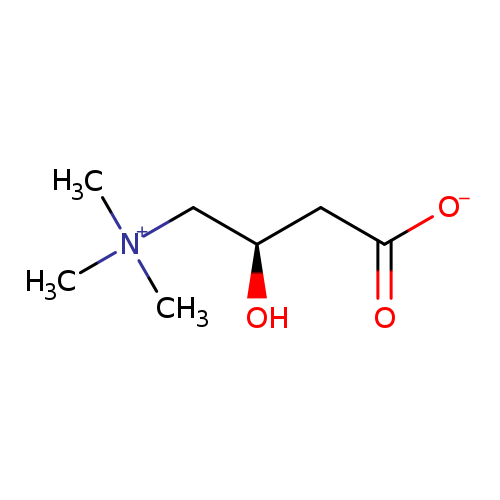
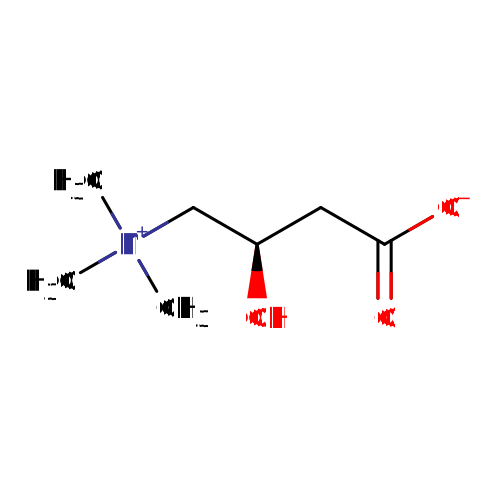
Chemical Structure
Synonyms
ValueSource
(-)-CarnitineChEBI
(-)-L-CarnitineChEBI
3-Carboxy-2-hydroxy-N,N,N-trimethyl-1-propanaminium hydroxide, inner saltChEBI
CarnicorChEBI
CarniteneChEBI
CarnitineChEBI
CarnitorChEBI
KarnitinChEBI
LevocarnitineChEBI
Vitamin BTChEBI
L-gamma-Trimethyl-beta-hydroxybutyrobetaineKegg
(R)-CarnitineKegg
L-g-Trimethyl-b-hydroxybutyrobetaineGenerator
L-Γ-trimethyl-β-hydroxybutyrobetaineGenerator
BicarnesineMeSH
L CarnitineMeSH
(-)-(R)-3-Hydroxy-4-(trimethylammonio)butyrateHMDB
(R)-(3-Carboxy-2-hydroxypropyl)trimethylammonium hydroxideHMDB
(S)-CarnitineHMDB
1-CarnitineHMDB
3-Carboxy-2-hydroxy-N,N,N-trimethyl-1-propanaminiumHMDB
3-Hydroxy-4-trimethylammoniobutanoateHMDB
3-Hydroxy-4-trimethylammoniobutanoic acidHMDB
CarnikingHMDB
Carniking 50HMDB
CarnileanHMDB
CarnipassHMDB
Carnipass 20HMDB
D-CarnitineHMDB
delta-CarnitineHMDB
DL-CarnitineHMDB
gamma-Trimethyl-ammonium-beta-hydroxybutirateHMDB
gamma-Trimethyl-beta-hydroxybutyrobetaineHMDB
gamma-Trimethyl-hydroxybutyrobetaineHMDB
L-(-)-CarnitineHMDB
LevocarnitinaHMDB
LevocarnitinumHMDB
R-(-)-3-Hydroxy-4-trimethylaminobutyrateHMDB
L-CarnitineChEBI
Chemical FormulaC7H15NO3
Average Molecular Mass161.199 g/mol
Monoisotopic Mass161.105 g/mol
CAS Registry Number541-15-1
IUPAC Name(3R)-3-hydroxy-4-(trimethylazaniumyl)butanoate
Traditional NameL-carnitine
SMILESC[N+](C)(C)C[C@H](O)CC([O-])=O
InChI IdentifierInChI=1S/C7H15NO3/c1-8(2,3)5-6(9)4-7(10)11/h6,9H,4-5H2,1-3H3/t6-/m1/s1
InChI KeyPHIQHXFUZVPYII-ZCFIWIBFSA-N
Chemical Taxonomy
Description Belongs to the class of organic compounds known as carnitines. These are organic compounds containing the quaternary ammonium compound carnitine.
KingdomOrganic compounds
Super ClassOrganic nitrogen compounds
ClassOrganonitrogen compounds
Sub ClassQuaternary ammonium salts
Direct ParentCarnitines
Alternative Parents
Substituents
  • Carnitine
  • Beta-hydroxy acid
  • Short-chain hydroxy acid
  • Fatty acid
  • Hydroxy acid
  • Tetraalkylammonium salt
  • 1,2-aminoalcohol
  • Carboxylic acid salt
  • Secondary alcohol
  • Carboxylic acid derivative
  • Carboxylic acid
  • Monocarboxylic acid or derivatives
  • Organic oxygen compound
  • Organooxygen compound
  • Organic zwitterion
  • Organic salt
  • Hydrocarbon derivative
  • Organic oxide
  • Carbonyl group
  • Organopnictogen compound
  • Amine
  • Alcohol
  • Aliphatic acyclic compound
Molecular FrameworkAliphatic acyclic compounds
External Descriptors
Biological Properties
StatusDetected and Not Quantified
OriginEndogenous
Cellular Locations
  • Cytoplasm
  • Endoplasmic reticulum
  • Extracellular
  • Membrane
  • Mitochondria
  • Peroxisome
Biofluid LocationsNot Available
Tissue Locations
  • Adipose Tissue
  • Bladder
  • Brain
  • Erythrocyte
  • Fibroblasts
  • Intestine
  • Kidney
  • Liver
  • Lung
  • Muscle
  • Myocardium
  • Nerve Cells
  • Neuron
  • Platelet
  • Prostate
  • Skeletal Muscle
  • Sperm
  • Testes
Applications
Biological Roles
Chemical RolesNot Available
Organoleptic Effects
  • unpleasant taste taste ?
Physical Properties
StateSolid
AppearanceWhite powder.
Experimental Properties
PropertyValue
Melting Point195-198°C
Boiling PointNot Available
Solubility2500 mg/mL
Predicted Properties
PropertyValueSource
Water Solubility5.33 g/LALOGPS
logP-2.9ALOGPS
logP-4.9ChemAxon
logS-1.6ALOGPS
pKa (Strongest Acidic)4.2ChemAxon
pKa (Strongest Basic)-3.6ChemAxon
Physiological Charge0ChemAxon
Hydrogen Acceptor Count3ChemAxon
Hydrogen Donor Count1ChemAxon
Polar Surface Area60.36 ŲChemAxon
Rotatable Bond Count4ChemAxon
Refractivity63.49 m³·mol⁻¹ChemAxon
Polarizability16.93 ųChemAxon
Number of Rings0ChemAxon
BioavailabilityYesChemAxon
Rule of FiveYesChemAxon
Ghose FilterNoChemAxon
Veber's RuleNoChemAxon
MDDR-like RuleNoChemAxon
Spectra
Spectra
Spectrum TypeDescriptionSplash KeyDeposition DateView
Predicted GC-MSPredicted GC-MS Spectrumsplash10-00di-9100000000-1b25dacb04c3ed5be8d0Not AvailableView Spectrum
Predicted GC-MSPredicted GC-MS Spectrumsplash10-00di-9100000000-c15eaa190d1e28a4839aNot AvailableView Spectrum
Predicted GC-MSPredicted GC-MS SpectrumNot AvailableNot AvailableView Spectrum
LC-MS/MSLC-MS/MS Spectrumsplash10-03di-0900000000-9b579c570aab7c7d3a21Not AvailableView Spectrum
LC-MS/MSLC-MS/MS Spectrumsplash10-0ik9-0900000000-e37d3def2de1af5bd2f5Not AvailableView Spectrum
LC-MS/MSLC-MS/MS Spectrumsplash10-0ue9-8900000000-cf37f0a721cd52d86e8eNot AvailableView Spectrum
LC-MS/MSLC-MS/MS Spectrumsplash10-0r0c-9200000000-a11a4872036f3c33d25aNot AvailableView Spectrum
LC-MS/MSLC-MS/MS Spectrumsplash10-0a4l-9000000000-2402e260a330ff1772a1Not AvailableView Spectrum
LC-MS/MSLC-MS/MS Spectrumsplash10-0w29-6900000000-d0136248acdd706e650bNot AvailableView Spectrum
LC-MS/MSLC-MS/MS Spectrumsplash10-0ik9-2900000000-61732bb10307f2b183caNot AvailableView Spectrum
LC-MS/MSLC-MS/MS Spectrumsplash10-0zg0-9400000000-15c3db3324f1d46d3c7cNot AvailableView Spectrum
LC-MS/MSLC-MS/MS Spectrumsplash10-0ik9-2900000000-ee79f10dce9fc09246ecNot AvailableView Spectrum
Predicted LC-MS/MSPredicted LC-MS/MS Spectrumsplash10-01ox-0900000000-3bffd5143cf8b072299eNot AvailableView Spectrum
Predicted LC-MS/MSPredicted LC-MS/MS Spectrumsplash10-00kf-0900000000-e68f553bcb15d3ef5b47Not AvailableView Spectrum
Predicted LC-MS/MSPredicted LC-MS/MS Spectrumsplash10-00di-9200000000-c5b43723951af6da48cfNot AvailableView Spectrum
Predicted LC-MS/MSPredicted LC-MS/MS Spectrumsplash10-03di-1900000000-dd1b1a023937cdcb11afNot AvailableView Spectrum
Predicted LC-MS/MSPredicted LC-MS/MS Spectrumsplash10-114i-3900000000-9f24d3bc535736149e2aNot AvailableView Spectrum
Predicted LC-MS/MSPredicted LC-MS/MS Spectrumsplash10-0a4l-9000000000-632ef17d9dde38586990Not AvailableView Spectrum
Predicted LC-MS/MSPredicted LC-MS/MS Spectrumsplash10-03di-3900000000-97af6636a917c0edea61Not AvailableView Spectrum
Predicted LC-MS/MSPredicted LC-MS/MS Spectrumsplash10-01pc-9300000000-543e21cb6b9785149e31Not AvailableView Spectrum
Predicted LC-MS/MSPredicted LC-MS/MS Spectrumsplash10-08fr-9000000000-9128d6fe96d9c7276695Not AvailableView Spectrum
Toxicity Profile
Toxicity Values
Toxicity ValueOrganismDose DescriptorRoute of ExposurePredicted or ExperimentalToxicity RatingReference
5551.0 Log mg/kg [3100:9900]RatLD50oralpredictedNot AvailableNot Available
300.0 mg/kg-day RatNOELoralexperimentalNot AvailableECOTOX - EPA ORD
Toxicity / Toxin ClassNot Available
Mechanism of ToxicityLevocarnitine can be synthesised within the body from the amino acids lysine or methionine. Vitamin C (ascorbic acid) is essential to the synthesis of carnitine. Levocarnitine is a carrier molecule in the transport of long chain fatty acids across the inner mitochondrial membrane. It also exports acyl groups from subcellular organelles and from cells to urine before they accumulate to toxic concentrations. Only the L isomer of carnitine (sometimes called vitamin BT) affects lipid metabolism. Levocarnitine is handled by several proteins in different pathways including carnitine transporters, carnitine translocases, carnitine acetyltransferases and carnitine palmitoyltransferases. LD50 > 8g/kg (mouse, oral).
Carcinogenicity (IARC Classification)No indication of carcinogenicity to humans (not listed by IARC).
Minimum Risk LevelNot Available
SymptomsAdverse effects include hypertension, fever, tachycardia and seizures.
TreatmentNot Available
Health Effects
Health EffectRelationshipDirectionDescriptionReference
hypertensionHas Therapeutic Effect OnNot AvailableA disorder characterized by a pathological increase in blood pressure; a repeatedly elevation in the blood pressure exceeding 140 over 90 mm Hg. (NCI CTCAE)PMC12764392
inflammationAssociated With?Not AvailableNot AvailablePMC12401474
inflammationNot AvailableNot AvailableNot AvailablePMC9735745
kidney diseaseHas Therapeutic Effect OnNot AvailableA urinary system disease that is located in the kidney. (DO)PMC10458090
type 2 diabetes mellitusAssociated With?decreaseNot AvailablePMC8277515
infertilityHas Therapeutic Effect OnNot AvailableA disorder characterized by the inability to reproduce by natural means.PMC6073549
fatigueNot AvailableNot AvailableA disorder characterized by a state of generalized weakness with a pronounced inability to summon sufficient energy to accomplish daily activities. (NCI CTCAE)PMC5013212
polycystic ovary syndromeAssociated With?decreaseA syndrome characterized by hyperandrogenism, polycystic ovaries, hirsutism, oligomenorrhea or amenorrhea, anovulation and excessive body weight. (DO)PMC8277515
atherosclerosisAssociated With?Not AvailableA disorder involving build-up of fatty material and calcium deposition in the arterial wall. It results in partial or complete occlusion of the arterial lumen.PMC8608703 , PMC5243131
hypothyroidismHas Therapeutic Effect OnNot AvailableNot AvailablePMC9196333
cardiomyopathyHas Therapeutic Effect OnNot AvailableA heart disease and a myopathy that is characterized by deterioration of the function of the heart muscle. (DO)PMC3671723
cardiomyopathyAssociated With?Not AvailableA heart disease and a myopathy that is characterized by deterioration of the function of the heart muscle. (DO)PMC3671723
HyperthyroidismHas Therapeutic Effect OnNot AvailableNot AvailablePMC9196333
male infertilityHas Therapeutic Effect OnNot AvailableNot AvailablePMC10608597
male infertilityNot AvailableNot AvailableNot AvailablePMC10608597
coronary artery diseaseNot AvailableNot AvailableAn artery disease that is characterized by plaque building up along the inner walls of the arteries of the heart resulting in a narrowing of the arteries and a reduced blood supply to the cardiac muscles. (DO)PMC4443500
hyperandrogenismAssociated With?decreaseNot AvailablePMC8277515
Toxic encephalopathyHas Therapeutic Effect OnNot AvailableNot AvailablePMC7037090
migraineNot AvailableNot AvailableA brain disease that is characterized by moderate to severe headaches, nausea, extreme sensitivity to light and sound and intense unilaterial throbbing or pulsing. (DO)PMC12252419
varicoceleHas Therapeutic Effect OnNot AvailableNot AvailablePMC4770490 , PMC5922223
varicoceleNot AvailableNot AvailableNot AvailablePMC12168263 , PMC5922223
oligoasthenoteratozoospermiaNot AvailableNot AvailableNot AvailablePMC8277515
Oxidative StressHas Therapeutic Effect OnNot AvailableNot AvailablePMC3338374 , PMC3338374
Oxidative StressAssociated With?decreaseNot AvailablePMC8277515
cardiovascular disorderHas Therapeutic Effect OnNot AvailableNot AvailablePMC3671723
cardiovascular disorderAssociated With?increaseNot AvailablePMC10460873
DNA DamageHas Therapeutic Effect OnNot AvailableNot AvailablePMC9611274
FibrosisHas Therapeutic Effect OnNot AvailableNot AvailablePMC12646097 , PMC12646097
inflammatory diseaseNot AvailableNot AvailableNot AvailablePMC9022185
FertilityHas Therapeutic Effect OnNot AvailableNot AvailablePMC7402307
ApoptosisNot AvailableNot AvailableNot AvailablePMC8933466
immune system disorderAssociated With?Not AvailableNot AvailablePMC12401474
Cell SurvivalHas Therapeutic Effect OnNot AvailableNot AvailablePMC8933466 , PMC8933466
Reduced sperm motilityHas Therapeutic Effect OnNot AvailableNot AvailablePMC12800756
Sperm MotilityAssociated With?Not AvailableNot AvailablePMC7952315
Mitochondrial swellingHas Therapeutic Effect OnNot AvailableNot AvailablePMC5746416
Lacunar strokeNot AvailableNot AvailableNot AvailablePMC12708115
AsthenozoospermiaNot AvailableNot AvailableNot AvailablePMC5922223
Exposure Sources
Source IDSourceSectorReference
CEDs000010Insecticides?Insecticides are synthetic chemicals designed to control or eliminate insect pests that threaten crops and other agricultural products.Agriculture & land managementPubChem
CEDs000233Brushes?Brushes used in personal care and cosmetics can be a source of synthetic chemical contamination due to the materials and coatings used in their manufacturing.Personal care & cosmeticsPubChem
CEDs000272Alimentary tract and metabolism products?Alimentary tract and metabolism products refer to the substances produced during the digestion and metabolic processes of organisms.Healthcare, pharmaceuticals & veterinary productsNot Available
CEDs000506Antennas?Antennas, commonly used in communication technologies, can be a source of synthetic chemical contamination through the materials and coatings used in their construction.Electrical & Electronic EquipmentPubChem
CEDs000507Auxiliary Devices?Auxiliary devices, such as capacitors, transformers, and circuit breakers, are integral components in various electronic systems.Electrical & Electronic EquipmentPubChem
CEDs000508Coils?Coils are components used in various electrical and electronic applications, such as transformers, inductors, and motors.Electrical & Electronic EquipmentPubChem
CEDs000511Conductors Or Conductive Bodies Characterised By The Conductive Materials?Conductors, or conductive bodies, are materials that allow the flow of electrical current, typically made from metals such as copper, aluminum, or silver.Electrical & Electronic EquipmentPubChem
CEDs000518Electrically Stimulated Smoking Devices?Electrically stimulated smoking devices, commonly known as e-cigarettes or vape pens, utilize electrical components to heat a liquid solution, often containing nicotine, flavorings, and other additives, to produce an aerosol for inhalation.Electrical & Electronic EquipmentPubChem
CEDs000519Electrodes?Electrodes, used in various electrical and electronic applications, can be a source of synthetic chemical contamination due to the materials from which they are constructed and the processes involved in their manufacturing.Electrical & Electronic EquipmentPubChem
CEDs000530Radio Transmission Systems?Radio transmission systems utilize a variety of synthetic chemicals in their manufacturing and maintenance processes.Electrical & Electronic EquipmentPubChem
CEDs000537Television Systems?Television systems can be a source of synthetic chemical contamination due to the various materials and components used in their manufacture and operation.Electrical & Electronic EquipmentPubChem
CEDs000539Video Games?Video games, through their production and disposal processes, can be a source of synthetic chemical contamination.Electrical & Electronic EquipmentPubChem
CEDs000544Fermentation Processes For Beer?Fermentation processes for beer involve the conversion of sugars into alcohol and carbon dioxide by yeast.Food, food processing & cookwarePubChem
CEDs000545Food Preservation?Food preservation often involves the use of synthetic chemicals, such as preservatives, flavor enhancers, and color additives, to extend shelf life and enhance the sensory qualities of food products.Food, food processing & cookwarePubChem
CEDs000548Preparation Of Vinegar?Vinegar is produced through the fermentation of ethanol by acetic acid bacteria, resulting in a solution that typically contains 4-8% acetic acid.Food, food processing & cookwarePubChem
CEDs000549Preparation Of Wine Or Sparkling Wine?The preparation of wine or sparkling wine involves various stages, including fermentation, aging, and bottling, which can introduce potential sources of synthetic chemical contamination.Food, food processing & cookwarePubChem
CEDs000551Processing Fish?Processing fish can lead to synthetic chemical contamination through various stages of production and preservation.Food, food processing & cookwarePubChem
CEDs000552Processing Meats?Processing meats can lead to synthetic chemical contamination primarily through the use of additives and preservatives.Food, food processing & cookwarePubChem
CEDs000555Bleaching Agents?Bleaching agents are chemical substances used to whiten or lighten materials, often employed in various cleaning products for their stain removal and disinfecting properties.Household cleaning & consumer productsPubChem
CEDs000556Cigar Cigarettes?Cigar cigarettes are a source of synthetic chemical contamination due to the combustion of various tobacco blends and additives.Household cleaning & consumer productsPubChem
CEDs000559Non Electric Simulated Smoking Devices?Non-electric simulated smoking devices, often designed to mimic the experience of smoking without combustion, can be sources of synthetic chemical contamination due to the materials and chemicals used in their construction and operation.Household cleaning & consumer productsPubChem
CEDs000561Perfumes Within Detergents And Soaps?Perfumes within detergents and soaps are synthetic fragrance compounds added to enhance the sensory experience of cleaning products.Household cleaning & consumer productsPubChem
CEDs000562Pipe Accessories?Pipe accessories, such as fittings, connectors, and seals, are components used in plumbing systems to facilitate the flow of liquids and gases.Household cleaning & consumer productsPubChem
CEDs000563Soap Detergents?Soap detergents are synthetic surfactants designed to enhance the cleaning efficacy of water by reducing surface tension, allowing for better interaction with dirt and grease.Household cleaning & consumer productsPubChem
CEDs000564Soap Dispensers?Soap dispensers, commonly used for dispensing liquid soaps and sanitizers, can become a source of synthetic chemical contamination due to the materials used in their construction and the products they dispense.Household cleaning & consumer productsPubChem
CEDs000567Tobacco Product Cases?Tobacco product cases can serve as a source of synthetic chemical contamination due to the presence of various additives and chemicals used in tobacco processing and product manufacturing.Household cleaning & consumer productsPubChem
CEDs000569Tobacco Smoke Filters?Tobacco smoke filters are designed to reduce the inhalation of harmful substances in cigarette smoke, including tar and other particulate matter.Household cleaning & consumer productsPubChem
CEDs000578Making Cigars?The process of making cigars involves several steps, including the cultivation of tobacco, fermentation, and the application of various additives to enhance flavor and preservation.Industrial manufacturing & chemical processingPubChem
CEDs000580Manufacture Preparation Of Tobacco Products?The manufacture and preparation of tobacco products involve various processes that can result in the introduction of synthetic chemicals into the environment.Industrial manufacturing & chemical processingPubChem
CEDs000596Acaricides?Acaricides are synthetic chemicals specifically designed to target and control mite populations that can damage crops and plants.Agriculture & land managementPubChem
CEDs000600Herbicides And Algicides?Herbicides and algicides are synthetic chemicals primarily used to control unwanted plants and algae in various environments.Agriculture & land managementPubChem
CEDs000605Pest Repellants?Pest repellents, often formulated from synthetic chemicals, are widely used to protect crops from insect infestations and other pests.Agriculture & land managementPubChem
CEDs000606Plant Growth Regulators?Plant Growth Regulators (PGRs) are synthetic chemicals designed to influence the growth and development of plants.Agriculture & land managementPubChem
CEDs000609Aftershave?Aftershave is a grooming product typically used to soothe and protect the skin following shaving.Personal care & cosmeticsPubChem
CEDs000610Aftersun Products?Aftersun products are designed to soothe and hydrate the skin after sun exposure, often containing various synthetic chemicals such as emollients, preservatives, and fragrances.Personal care & cosmeticsPubChem
CEDs000611Anti Perspirants Or Body Deoderants?Antiperspirants and body deodorants commonly contain synthetic chemicals such as aluminum compounds, parabens, and synthetic fragrances.Personal care & cosmeticsPubChem
CEDs000613Depilatories?Depilatories are products designed to remove unwanted hair through the application of synthetic chemicals that break down the protein structure of hair, facilitating its removal.Personal care & cosmeticsPubChem
CEDs000614Essential Oils Or Perfumes?Essential oils and perfumes are complex mixtures of volatile compounds derived from natural or synthetic sources, commonly used for their aromatic properties.Personal care & cosmeticsPubChem
CEDs000615Eye Makeup Products?Eye makeup products, including mascaras, eyeliners, and eyeshadows, often contain a variety of synthetic chemicals such as pigments, preservatives, and film-forming agents.Personal care & cosmeticsPubChem
CEDs000616Face Mask Cosmetics?Face mask cosmetics often contain a variety of synthetic chemicals, including preservatives, emulsifiers, and fragrances, which can contribute to chemical contamination.Personal care & cosmeticsPubChem
CEDs000617Lip Care Products?Lip care products, including lipsticks, balms, and glosses, often contain a variety of synthetic chemicals such as parabens, phthalates, and synthetic fragrances.Personal care & cosmeticsPubChem
CEDs000618Lip Makeup Products?Lip makeup products, such as lipsticks, lip glosses, and lip liners, often contain a variety of synthetic chemicals, including pigments, preservatives, and emollients.Personal care & cosmeticsPubChem
CEDs000619Manicure Pedicure?Manicure and pedicure procedures often involve the use of various synthetic chemicals, including solvents, nail polishes, and nail adhesives.Personal care & cosmeticsPubChem
CEDs000631Anthraquinone Dyes?Anthraquinone dyes are a class of synthetic organic compounds characterized by their vibrant colors and stability, making them widely used in various applications, particularly in coloring textiles and leather.Textiles, leather & furnishingsPubChem
CEDs000632Apparel?Apparel production often involves the use of various synthetic chemicals, including dyes, finishing agents, and preservatives.Textiles, leather & furnishingsPubChem
CEDs000633Azo Dyes?Azo dyes are synthetic organic compounds characterized by the presence of one or more azo groups (-N=N-), which are widely used for coloring textiles, leather, and furnishings.Textiles, leather & furnishingsPubChem
CEDs000642Footwear?Footwear production often involves the use of various synthetic chemicals, such as adhesives, dyes, and treatments, which can contribute to environmental contamination.Textiles, leather & furnishingsPubChem
CEDs000650Purses Luggage Hand Bags?Purses, luggage, and handbags are often manufactured using synthetic materials such as polyvinyl chloride (PVC), polyurethane, and various types of nylon.Textiles, leather & furnishingsPubChem
CEDs000657Surface Finishing Of Leather?Surface finishing of leather often involves the use of various synthetic chemicals, including dyes, resins, and finishing agents.Textiles, leather & furnishingsPubChem
CEDs000659Transfer Printing?Transfer printing is a process used to apply designs and patterns onto various substrates, commonly utilizing synthetic dyes and inks that can contain hazardous chemicals.Textiles, leather & furnishingsPubChem
CEDs000662Yarns Or Threads?Yarns or threads used in textiles can be a source of synthetic chemical contamination due to the production processes and treatments they undergo.Textiles, leather & furnishingsPubChem
CEDs000674Bridle Bits?Bridle bits, commonly used in equestrian activities, can be a source of synthetic chemical contamination primarily through the materials used in their manufacturing.Agriculture & land managementPubChem
CEDs000677Horse Reins?Horse reins, often made from synthetic materials such as nylon or polyester, can be a source of chemical contamination due to their production and degradation processes.Agriculture & land managementPubChem
CEDs000678Nitrogenous Fertilisers?Nitrogenous fertilizers are synthetic chemical compounds primarily used to enhance plant growth by supplying essential nitrogen, a crucial nutrient for photosynthesis and protein synthesis.Agriculture & land managementPubChem
CEDs000679Phosphatic Fertilisers?Phosphatic fertilizers are synthetic chemical products primarily composed of phosphorus, which is essential for plant growth.Agriculture & land managementPubChem
CEDs000685Ceramics?Ceramics can be a source of synthetic chemical contamination through various additives and processing agents used in their production.Building & ConstructionPubChem
CEDs000688Glass Coatings?Glass coatings are synthetic chemical formulations applied to glass surfaces to enhance properties such as durability, UV resistance, and aesthetic appeal.Building & ConstructionPubChem
CEDs000693Silica Glass?Silica glass, primarily composed of silicon dioxide (SiO2), is widely used in various applications, including windows, glass facades, and insulation materials.Building & ConstructionPubChem
CEDs000696Nanotechnology?Nanotechnology involves the manipulation of materials at the molecular or atomic level, typically within the range of 1 to 100 nanometers.Industrial manufacturing & chemical processingPubChem
CEDs000698Jewellery?Jewellery production often involves the use of various synthetic chemicals during the extraction and processing of metals.Mining & metal processingPubChem
CEDs000727Printing Machines Or Presses?Printing machines or presses commonly utilize synthetic chemicals such as inks, solvents, and cleaning agents.Paper, pulp & fiber productsPubChem
CEDs000730Contact Lens Cases?Contact lens cases are small containers designed to store contact lenses in a sterile environment, typically made from various synthetic materials including plastics such as polypropylene or polycarbonate.Healthcare, pharmaceuticals & veterinary productsPubChem
CEDs000734Coating Compositions?Coating compositions, which include paints, sealants, and varnishes, are formulated with a variety of synthetic chemicals such as solvents, resins, pigments, and additives.Building & ConstructionPubChem
CEDs000735Explosives?Explosives are chemical compounds or mixtures designed to undergo rapid decomposition, releasing energy in the form of gas and heat.Defense & military infrastructurePubChem
CEDs000739Inks?Inks are complex mixtures composed of pigments or dyes, solvents, resins, and additives used primarily for printing and writing applications.Paper, pulp & fiber productsPubChem
CEDs000740Paper?Paper production involves the processing of wood fibers and the use of various chemicals, which can lead to synthetic chemical contamination.Paper, pulp & fiber productsPubChem
CEDs000743Sludge Treatment?Sludge treatment involves the processing of waste materials generated from wastewater treatment plants, which often contain a variety of organic and inorganic substances.Wastewater, sanitation & biosolidsPubChem
CEDs000744Water, Wastewater, & Sewage Treatment?Water, wastewater, and sewage treatment processes are critical for managing and mitigating pollutants in water systems.Wastewater, sanitation & biosolidsPubChem
CEDs01080CapsuleHealthcare, pharmaceuticals & veterinary productsPMC13298484
CEDs01144FoodFood, food processing & cookwarePMC10909991
CEDs01148MilkFood, food processing & cookwarePMC5811317
CEDs01157FoodsFood, food processing & cookwarePMC5811317
CEDs01162Dairy ProductsFood, food processing & cookwarePMC5811317 , PMC13299190
CEDs01170EggsFood, food processing & cookwarePMC5811317 , PMC13299190
CEDs01171MeatFood, food processing & cookwarePMC5811317
CEDs01205Red MeatFood, food processing & cookwarePMC5811317 , PMC10661905
CEDs01240Food SupplementFood, food processing & cookwarePMC11554325
CEDs01267Egg YolkFood, food processing & cookwarePMC10661905 , PMC11343058
CEDs01900Epoxy ResinIndustrial manufacturing & chemical processingPMC8433681
CEDs02255WaterAquatic systems & sedimentsPMC11343058
CEDs02404Blood StreamAquatic systems & sedimentsPMC7302913
CEDs02848LotionPersonal care & cosmeticsPMC10534927
Pathways
1167 pathwaysPathway Source: PathBank
Targets
StructureProteinUniProt IDOrganismRelationshipDetails
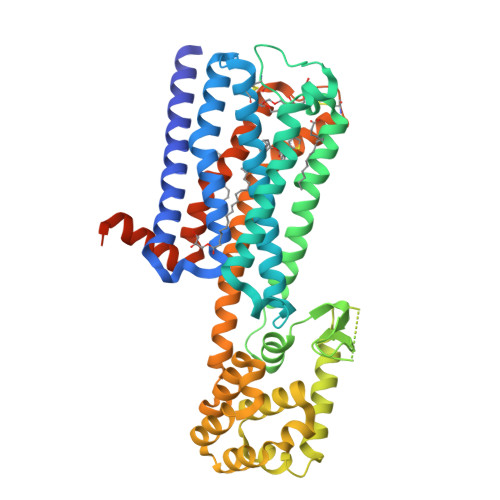
Click to view 3D structureOrganic cation/carnitine transporter 2O76082HumansKnownNot Available
Click to view 3D structureSodium- and chloride-dependent neutral and basic amino acid transporter B(0+)Q9UN76HumansKnownNot Available
Transcription factor Jun structureClick to view 3D structureTranscription factor JunP05412HumansKnownNot Available
Nuclear factor erythroid 2-related factor 2 structureClick to view 3D structureNuclear factor erythroid 2-related factor 2Q16236HumansKnownNot Available
Click to view 3D structureMitochondrial carnitine/acylcarnitine carrier proteinO43772HumansPredicted (SEA)
Prediction Confidence Score
0.421
Applicability Domain
0.421
Statistical Significance
4.00e-05
Supporting Reference Compounds
1
E-value
0.311397
Click to view 3D structureCarnitine O-palmitoyltransferase 2, mitochondrialP23786HumansPredicted (SEA)
Prediction Confidence Score
0.38
Applicability Domain
0.615
Statistical Significance
3.00e-04
Supporting Reference Compounds
14
E-value
2.33548
Carnitine O-palmitoyltransferase 2, mitochondrial structureClick to view 3D structureCarnitine O-palmitoyltransferase 2, mitochondrialP18886Rattus norvegicusPredicted (SEA)
Prediction Confidence Score
0.268
Applicability Domain
0.615
Statistical Significance
2.80e-04
Supporting Reference Compounds
8
E-value
2.17978
Carnitine O-palmitoyltransferase 1, liver isoform structureClick to view 3D structureCarnitine O-palmitoyltransferase 1, liver isoformP50416HumansPredicted (SEA)
Prediction Confidence Score
0.254
Applicability Domain
0.421
Statistical Significance
0.015
Supporting Reference Compounds
21
E-value
116.852
3-isopropylmalate dehydrogenase structureClick to view 3D structure3-isopropylmalate dehydrogenaseQ5SIY4Thermus thermophilusPredicted (SEA)
Prediction Confidence Score
0.25
Applicability Domain
0.25 Low confidence
Statistical Significance
1.00e-05
Supporting Reference Compounds
1
E-value
0.0778492
Muscarinic acetylcholine receptor M4 structureClick to view 3D structureMuscarinic acetylcholine receptor M4P08173HumansPredicted (SEA)
Prediction Confidence Score
0.242
Applicability Domain
0.367
Statistical Significance
0.1452
Supporting Reference Compounds
297
E-value
1130.45
Muscarinic acetylcholine receptor M2 structureClick to view 3D structureMuscarinic acetylcholine receptor M2P08172HumansPredicted (SEA)
Prediction Confidence Score
0.238
Applicability Domain
0.367
Statistical Significance
0.2194
Supporting Reference Compounds
373
E-value
1708.25
Click to view 3D structureCarnitine O-palmitoyltransferase 1, liver isoformP32198Rattus norvegicusPredicted (SEA)
Prediction Confidence Score
0.234
Applicability Domain
0.4
Statistical Significance
0.0212
Supporting Reference Compounds
15
E-value
165.04
Click to view 3D structureCarnitine O-palmitoyltransferase 1, muscle isoformQ63704Rattus norvegicusPredicted (SEA)
Prediction Confidence Score
0.224
Applicability Domain
0.4
Statistical Significance
0.0019
Supporting Reference Compounds
9
E-value
15.1806
Muscarinic acetylcholine receptor M3 structureClick to view 3D structureMuscarinic acetylcholine receptor M3P20309HumansPredicted (SEA)
Prediction Confidence Score
0.219
Applicability Domain
0.258 Low confidence
Statistical Significance
0.3574
Supporting Reference Compounds
310
E-value
2782.02
Muscarinic acetylcholine receptor M1 structureClick to view 3D structureMuscarinic acetylcholine receptor M1P11229HumansPredicted (SEA)
Prediction Confidence Score
0.219
Applicability Domain
0.258 Low confidence
Statistical Significance
0.4275
Supporting Reference Compounds
385
E-value
3327.9
Muscarinic acetylcholine receptor M5 structureClick to view 3D structureMuscarinic acetylcholine receptor M5P08912HumansPredicted (SEA)
Prediction Confidence Score
0.212
Applicability Domain
0.258 Low confidence
Statistical Significance
0.3934
Supporting Reference Compounds
266
E-value
3062.51
Click to view 3D structureMuscarinic acetylcholine receptor M1P08482Rattus norvegicusPredicted (SEA)
Prediction Confidence Score
0.212
Applicability Domain
0.367
Statistical Significance
0.1868
Supporting Reference Compounds
109
E-value
1454.15
Click to view 3D structureMuscarinic acetylcholine receptor M2P10980Rattus norvegicusPredicted (SEA)
Prediction Confidence Score
0.208
Applicability Domain
0.367
Statistical Significance
0.1399
Supporting Reference Compounds
98
E-value
1089.19
Muscarinic acetylcholine receptor M3 structureClick to view 3D structureMuscarinic acetylcholine receptor M3P08483Rattus norvegicusPredicted (SEA)
Prediction Confidence Score
0.204
Applicability Domain
0.367
Statistical Significance
0.1179
Supporting Reference Compounds
55
E-value
918.076
Click to view 3D structureMuscarinic acetylcholine receptor M4P08485Rattus norvegicusPredicted (SEA)
Prediction Confidence Score
0.202
Applicability Domain
0.367
Statistical Significance
0.1056
Supporting Reference Compounds
38
E-value
822.01
Click to view 3D structureCAI-1 autoinducer sensor kinase/phosphatase CqsSQ9KM66Vibrio cholerae serotype O1 (strain ATCC 39315 / El Tor Inaba N16961)Predicted (SEA)
Prediction Confidence Score
0.2
Applicability Domain
0.2 Low confidence
Statistical Significance
0.0052
Supporting Reference Compounds
1
E-value
40.1702
Click to view 3D structure3-hydroxy-3-methylglutaryl-coenzyme A reductaseP51639Rattus norvegicusPredicted (SEA)
Prediction Confidence Score
0.199
Applicability Domain
0.246 Low confidence
Statistical Significance
0.0178
Supporting Reference Compounds
13
E-value
138.494
Click to view 3D structureFree fatty acid receptor 3B2GV46Rattus norvegicusPredicted (SEA)
Prediction Confidence Score
0.194
Applicability Domain
0.333
Statistical Significance
2.20e-04
Supporting Reference Compounds
2
E-value
1.71268
Short transient receptor potential channel 4 structureClick to view 3D structureShort transient receptor potential channel 4Q9QUQ5Mus musculusPredicted (SEA)
Prediction Confidence Score
0.183
Applicability Domain
0.25 Low confidence
Statistical Significance
0.6729
Supporting Reference Compounds
128
E-value
5238.63
72 kDa type IV collagenase structureClick to view 3D structure72 kDa type IV collagenaseP08253HumansPredicted (SEA)
Prediction Confidence Score
0.179
Applicability Domain
0.195 Low confidence
Statistical Significance
0.8233
Supporting Reference Compounds
400
E-value
6409.09
Carbonic anhydrase 2 structureClick to view 3D structureCarbonic anhydrase 2P00918HumansPredicted (SEA)
Prediction Confidence Score
0.178
Applicability Domain
0.186 Low confidence
Statistical Significance
0.8123
Supporting Reference Compounds
472
E-value
6323.77
Carbonic anhydrase 1 structureClick to view 3D structureCarbonic anhydrase 1P00915HumansPredicted (SEA)
Prediction Confidence Score
0.178
Applicability Domain
0.186 Low confidence
Statistical Significance
0.7676
Supporting Reference Compounds
407
E-value
5975.63
Glutamate receptor ionotropic, kainate 1 structureClick to view 3D structureGlutamate receptor ionotropic, kainate 1P39086HumansPredicted (SEA)
Prediction Confidence Score
0.177
Applicability Domain
0.189 Low confidence
Statistical Significance
0.0487
Supporting Reference Compounds
31
E-value
379.048
Matrix metalloproteinase-14 structureClick to view 3D structureMatrix metalloproteinase-14P50281HumansPredicted (SEA)
Prediction Confidence Score
0.177
Applicability Domain
0.195 Low confidence
Statistical Significance
0.7283
Supporting Reference Compounds
198
E-value
5669.53
Click to view 3D structureMitochondrial carnitine/acylcarnitine carrier proteinO43772HumansKnownNot Available
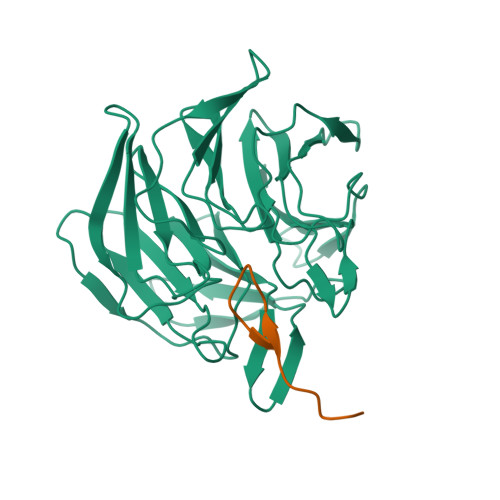
Click to view 3D structureOrganic cation/carnitine transporter 2O76082HumansKnownLevocarnitine can be synthesised within the body from the amino acids lysine or methionine. Vitamin C (ascorbic acid) is essential to the synthesis of carnitine. Levocarnitine is a carrier molecule in the transport of long chain fatty acids across the inner mitochondrial membrane. It also exports acyl groups from subcellular organelles and from cells to urine before they accumulate to toxic concentrations. Only the L isomer of carnitine (sometimes called vitamin BT) affects lipid metabolism. Levocarnitine is handled by several proteins in different pathways including carnitine transporters, carnitine translocases, carnitine acetyltransferases and carnitine palmitoyltransferases.
Carnitine O-acetyltransferase structureClick to view 3D structureCarnitine O-acetyltransferaseP43155HumansKnownLevocarnitine can be synthesised within the body from the amino acids lysine or methionine. Vitamin C (ascorbic acid) is essential to the synthesis of carnitine. Levocarnitine is a carrier molecule in the transport of long chain fatty acids across the inner mitochondrial membrane. It also exports acyl groups from subcellular organelles and from cells to urine before they accumulate to toxic concentrations. Only the L isomer of carnitine (sometimes called vitamin BT) affects lipid metabolism. Levocarnitine is handled by several proteins in different pathways including carnitine transporters, carnitine translocases, carnitine acetyltransferases and carnitine palmitoyltransferases.
Carnitine O-palmitoyltransferase 1, liver isoform structureClick to view 3D structureCarnitine O-palmitoyltransferase 1, liver isoformP50416HumansKnownLevocarnitine can be synthesised within the body from the amino acids lysine or methionine. Vitamin C (ascorbic acid) is essential to the synthesis of carnitine. Levocarnitine is a carrier molecule in the transport of long chain fatty acids across the inner mitochondrial membrane. It also exports acyl groups from subcellular organelles and from cells to urine before they accumulate to toxic concentrations. Only the L isomer of carnitine (sometimes called vitamin BT) affects lipid metabolism. Levocarnitine is handled by several proteins in different pathways including carnitine transporters, carnitine translocases, carnitine acetyltransferases and carnitine palmitoyltransferases.
Click to view 3D structureCarnitine O-palmitoyltransferase 2, mitochondrialP23786HumansKnownLevocarnitine can be synthesised within the body from the amino acids lysine or methionine. Vitamin C (ascorbic acid) is essential to the synthesis of carnitine. Levocarnitine is a carrier molecule in the transport of long chain fatty acids across the inner mitochondrial membrane. It also exports acyl groups from subcellular organelles and from cells to urine before they accumulate to toxic concentrations. Only the L isomer of carnitine (sometimes called vitamin BT) affects lipid metabolism. Levocarnitine is handled by several proteins in different pathways including carnitine transporters, carnitine translocases, carnitine acetyltransferases and carnitine palmitoyltransferases.
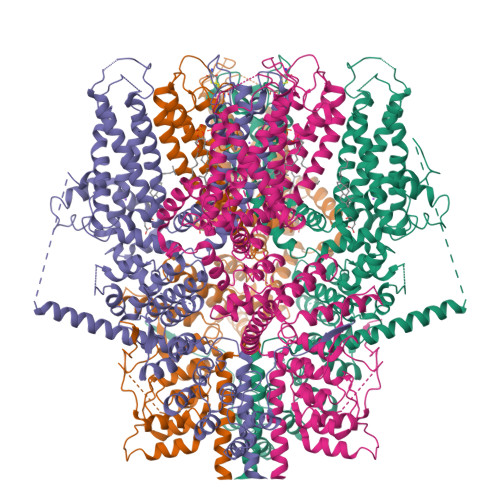
Click to view 3D structureSolute carrier family 22 member 4Q9H015HumansKnownLevocarnitine can be synthesised within the body from the amino acids lysine or methionine. Vitamin C (ascorbic acid) is essential to the synthesis of carnitine. Levocarnitine is a carrier molecule in the transport of long chain fatty acids across the inner mitochondrial membrane. It also exports acyl groups from subcellular organelles and from cells to urine before they accumulate to toxic concentrations. Only the L isomer of carnitine (sometimes called vitamin BT) affects lipid metabolism. Levocarnitine is handled by several proteins in different pathways including carnitine transporters, carnitine translocases, carnitine acetyltransferases and carnitine palmitoyltransferases.
Click to view 3D structureMitochondrial carnitine/acylcarnitine carrier proteinO43772HumansKnownLevocarnitine can be synthesised within the body from the amino acids lysine or methionine. Vitamin C (ascorbic acid) is essential to the synthesis of carnitine. Levocarnitine is a carrier molecule in the transport of long chain fatty acids across the inner mitochondrial membrane. It also exports acyl groups from subcellular organelles and from cells to urine before they accumulate to toxic concentrations. Only the L isomer of carnitine (sometimes called vitamin BT) affects lipid metabolism. Levocarnitine is handled by several proteins in different pathways including carnitine transporters, carnitine translocases, carnitine acetyltransferases and carnitine palmitoyltransferases.
Click to view 3D structurePeroxisomal carnitine O-octanoyltransferaseQ9UKG9HumansKnownLevocarnitine can be synthesised within the body from the amino acids lysine or methionine. Vitamin C (ascorbic acid) is essential to the synthesis of carnitine. Levocarnitine is a carrier molecule in the transport of long chain fatty acids across the inner mitochondrial membrane. It also exports acyl groups from subcellular organelles and from cells to urine before they accumulate to toxic concentrations. Only the L isomer of carnitine (sometimes called vitamin BT) affects lipid metabolism. Levocarnitine is handled by several proteins in different pathways including carnitine transporters, carnitine translocases, carnitine acetyltransferases and carnitine palmitoyltransferases.
Liver carboxylesterase 1 structureClick to view 3D structureLiver carboxylesterase 1P23141HumansKnownNot Available
Click to view 3D structureMitochondrial basic amino acids transporterQ8N8R3HumansKnownLevocarnitine can be synthesised within the body from the amino acids lysine or methionine. Vitamin C (ascorbic acid) is essential to the synthesis of carnitine. Levocarnitine is a carrier molecule in the transport of long chain fatty acids across the inner mitochondrial membrane. It also exports acyl groups from subcellular organelles and from cells to urine before they accumulate to toxic concentrations. Only the L isomer of carnitine (sometimes called vitamin BT) affects lipid metabolism. Levocarnitine is handled by several proteins in different pathways including carnitine transporters, carnitine translocases, carnitine acetyltransferases and carnitine palmitoyltransferases.
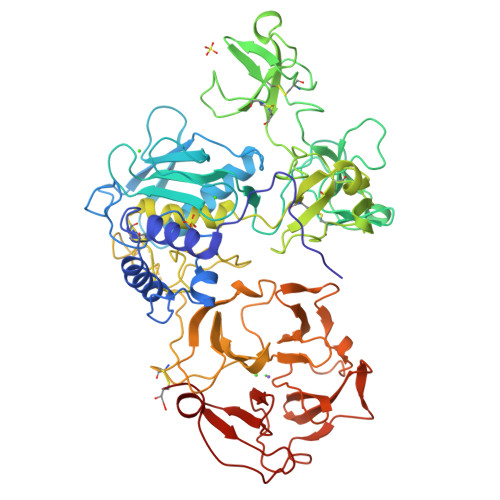
Myeloperoxidase structureClick to view 3D structureMyeloperoxidaseP05164HumansKnownNot Available
Click to view 3D structureSolute carrier family 22 member 16Q86VW1HumansKnownNot Available
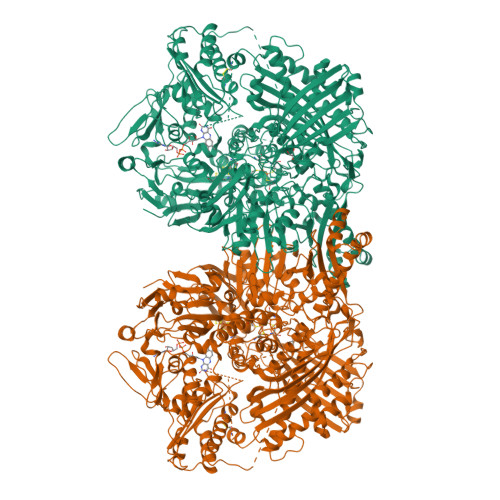
Xanthine dehydrogenase/oxidase structureClick to view 3D structureXanthine dehydrogenase/oxidaseP47989HumansKnownNot Available
Concentrations
Not Available
External Links
DrugBank IDDB00583
HMDB IDHMDB0000062
FooDB IDFDB000571
Phenol Explorer IDNot Available
KNApSAcK IDNot Available
BiGG ID34600
BioCyc IDCARNITINE
METLIN ID52
PDB IDNot Available
Wikipedia LinkCarnitine
Chemspider ID2006614
ChEBI ID16347
PubChem Compound ID10917
Kegg Compound IDC00318
YMDB IDYMDB00616
ECMDB IDECMDB23900
References
Synthesis Reference

Noguchi, J. and Sakota, N.; US. Patent 3,135,788; June 2,1964; assigned to Nihon Zoki Seiyaku Kabushikikaisha (Japan).

MSDSLink
General References
  1. Olpin SE: Fatty acid oxidation defects as a cause of neuromyopathic disease in infants and adults. Clin Lab. 2005;51(5-6):289-306. [PubMed: 15991803]
  2. Steiber A, Kerner J, Hoppel CL: Carnitine: a nutritional, biosynthetic, and functional perspective. Mol Aspects Med. 2004 Oct-Dec;25(5-6):455-73. [PubMed: 15363636]
  3. Waldner R, Laschan C, Lohninger A, Gessner M, Tuchler H, Huemer M, Spiegel W, Karlic H: Effects of doxorubicin-containing chemotherapy and a combination with L-carnitine on oxidative metabolism in patients with non-Hodgkin lymphoma. J Cancer Res Clin Oncol. 2006 Feb;132(2):121-8. Epub 2005 Nov 8. [PubMed: 16283381]
  4. Sreekumar A, Poisson LM, Rajendiran TM, Khan AP, Cao Q, Yu J, Laxman B, Mehra R, Lonigro RJ, Li Y, Nyati MK, Ahsan A, Kalyana-Sundaram S, Han B, Cao X, Byun J, Omenn GS, Ghosh D, Pennathur S, Alexander DC, Berger A, Shuster JR, Wei JT, Varambally S, Beecher C, Chinnaiyan AM: Metabolomic profiles delineate potential role for sarcosine in prostate cancer progression. Nature. 2009 Feb 12;457(7231):910-4. doi: 10.1038/nature07762. [PubMed: 19212411]
  5. Shihabi ZK, Oles KS, McCormick CP, Penry JK: Serum and tissue carnitine assay based on dialysis. Clin Chem. 1992 Aug;38(8 Pt 1):1414-7. [PubMed: 1643708]
  6. Hoppel CL, Genuth SM: Urinary excretion of acetylcarnitine during human diabetic and fasting ketosis. Am J Physiol. 1982 Aug;243(2):E168-72. [PubMed: 6810706]
  7. Wachter S, Vogt M, Kreis R, Boesch C, Bigler P, Hoppeler H, Krahenbuhl S: Long-term administration of L-carnitine to humans: effect on skeletal muscle carnitine content and physical performance. Clin Chim Acta. 2002 Apr;318(1-2):51-61. [PubMed: 11880112]
  8. Evans AM, Fornasini G: Pharmacokinetics of L-carnitine. Clin Pharmacokinet. 2003;42(11):941-67. [PubMed: 12908852]
  9. Pastoris O, Dossena M, Foppa P, Catapano M, Arbustini E, Bellini O, Dal Bello B, Minzioni G, Ceriana P, Barzaghi N: Effect of L-carnitine on myocardial metabolism: results of a balanced, placebo-controlled, double-blind study in patients undergoing open heart surgery. Pharmacol Res. 1998 Feb;37(2):115-22. [PubMed: 9572066]
  10. Stephens FB, Constantin-Teodosiu D, Laithwaite D, Simpson EJ, Greenhaff PL: Insulin stimulates L-carnitine accumulation in human skeletal muscle. FASEB J. 2006 Feb;20(2):377-9. Epub 2005 Dec 20. [PubMed: 16368715]
  11. Tamai I, China K, Sai Y, Kobayashi D, Nezu J, Kawahara E, Tsuji A: Na(+)-coupled transport of L-carnitine via high-affinity carnitine transporter OCTN2 and its subcellular localization in kidney. Biochim Biophys Acta. 2001 Jun 6;1512(2):273-84. [PubMed: 11406104]
  12. Malaguarnera M, Pistone G, Astuto M, Dell'Arte S, Finocchiaro G, Lo Giudice E, Pennisi G: L-Carnitine in the treatment of mild or moderate hepatic encephalopathy. Dig Dis. 2003;21(3):271-5. [PubMed: 14571103]
  13. Oey NA, van Vlies N, Wijburg FA, Wanders RJ, Attie-Bitach T, Vaz FM: L-carnitine is synthesized in the human fetal-placental unit: potential roles in placental and fetal metabolism. Placenta. 2006 Aug;27(8):841-6. Epub 2005 Nov 18. [PubMed: 16300828]
  14. Feinfeld DA, Kurian P, Cheng JT, Dilimetin G, Arriola MR, Ward L, Manis T, Carvounis CP: Effect of oral L-carnitine on serum myoglobin in hemodialysis patients. Ren Fail. 1996 Jan;18(1):91-6. [PubMed: 8820505]
  15. Matalliotakis I, Koumantaki Y, Evageliou A, Matalliotakis G, Goumenou A, Koumantakis E: L-carnitine levels in the seminal plasma of fertile and infertile men: correlation with sperm quality. Int J Fertil Womens Med. 2000 May-Jun;45(3):236-40. [PubMed: 10929687]
  16. Vescovo G, Ravara B, Gobbo V, Dalla Libera L: Inflammation and perturbation of the l-carnitine system in heart failure. Eur J Heart Fail. 2005 Oct;7(6):997-1002. [PubMed: 16227137]
  17. Lerch R: [The effect of L-carnitine on ischemic heart disease: experimental results]. Praxis (Bern 1994). 1998 Jan 21;87(4):97-100. [PubMed: 9522638]
  18. Khademi A, Alleyassin A, Safdarian L, Hamed EA, Rabiee E, Haghaninezhad H: The effects of L-carnitine on sperm parameters in smoker and non-smoker patients with idiopathic sperm abnormalities. J Assist Reprod Genet. 2005 Dec;22(11-12):395-9. [PubMed: 16331536]
  19. Stradomska TJ, Tylki-Szymanska A, Bentkowski Z: Very long-chain fatty acids in Rett syndrome. Eur J Pediatr. 1999 Mar;158(3):226-9. [PubMed: 10094444]
  20. Lenzi A, Sgro P, Salacone P, Paoli D, Gilio B, Lombardo F, Santulli M, Agarwal A, Gandini L: A placebo-controlled double-blind randomized trial of the use of combined l-carnitine and l-acetyl-carnitine treatment in men with asthenozoospermia. Fertil Steril. 2004 Jun;81(6):1578-84. [PubMed: 15193480]
  21. Sinclair C, Gilchrist JM, Hennessey JV, Kandula M: Muscle carnitine in hypo- and hyperthyroidism. Muscle Nerve. 2005 Sep;32(3):357-9. [PubMed: 15803480]
  22. Ahmad S: L-carnitine in dialysis patients. Semin Dial. 2001 May-Jun;14(3):209-17. [PubMed: 11422928]