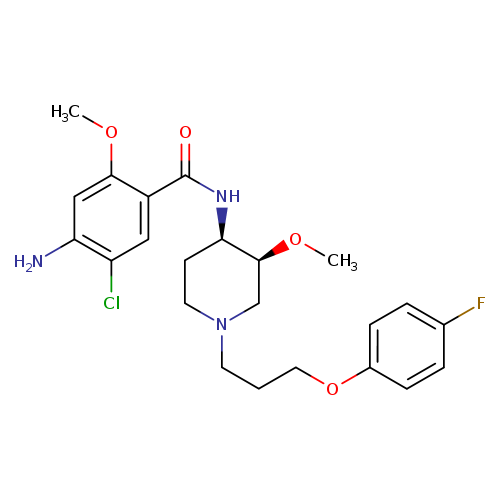
Click to view 3D structure Click to view 3D structure | 5-hydroxytryptamine receptor 4 | Q13639 | Humans | Predicted (SEA) | 0.155698 |
 Click to view 3D structure Click to view 3D structure | Voltage-gated inwardly rectifying potassium channel KCNH2 | Q12809 | Humans | Predicted (SEA) | 0.934191 |
 Click to view 3D structure Click to view 3D structure | 5-hydroxytryptamine receptor 4 | Q62758 | Rattus norvegicus | Predicted (SEA) | 0.0778492 |
| Click to view 3D structure | 5-hydroxytryptamine receptor 4 | O70528 | Cavia porcellus | Predicted (SEA) | 0.233548 |
 Click to view 3D structure Click to view 3D structure | 5-hydroxytryptamine receptor 3A | P46098 | Humans | Predicted (SEA) | 0.467095 |
| Click to view 3D structure | D(2) dopamine receptor | P61169 | Rat | Predicted (SEA) | 12.2223 |
| Click to view 3D structure | 5-hydroxytryptamine receptor 3A | P35563 | Rattus norvegicus | Predicted (SEA) | 0.155698 |
| Click to view 3D structure | Alpha-1A adrenergic receptor | P43140 | Rattus norvegicus | Predicted (SEA) | 4.12601 |
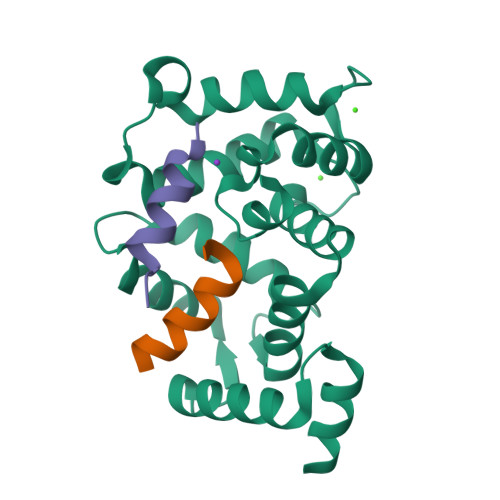 Click to view 3D structure Click to view 3D structure | D(2) dopamine receptor | P14416 | Humans | Predicted (SEA) | 34.098 |
| Click to view 3D structure | D(1A) dopamine receptor | P18901 | Rattus norvegicus | Predicted (SEA) | 8.09632 |
 Click to view 3D structure Click to view 3D structure | D(1A) dopamine receptor | P21728 | Humans | Predicted (SEA) | 13.7793 |
 Click to view 3D structure Click to view 3D structure | D(3) dopamine receptor | P35462 | Humans | Predicted (SEA) | 28.4928 |
 Click to view 3D structure Click to view 3D structure | 5-hydroxytryptamine receptor 2C | P28335 | Humans | Predicted (SEA) | 26.0016 |
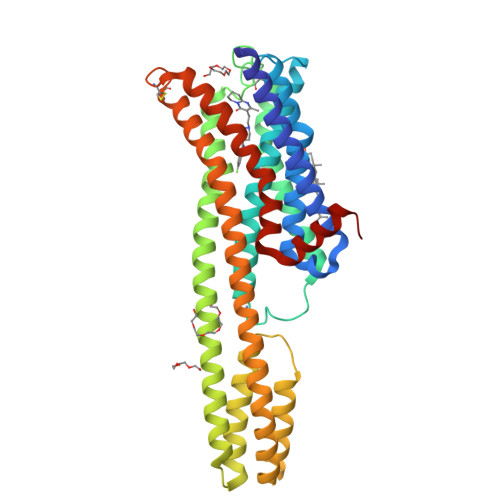 Click to view 3D structure Click to view 3D structure | 5-hydroxytryptamine receptor 2A | P28223 | Humans | Predicted (SEA) | 40.7151 |
 Click to view 3D structure Click to view 3D structure | Sigma non-opioid intracellular receptor 1 | Q99720 | Humans | Predicted (SEA) | 20.2408 |
 Click to view 3D structure Click to view 3D structure | 5-hydroxytryptamine receptor 2B | P41595 | Humans | Predicted (SEA) | 19.6959 |
 Click to view 3D structure Click to view 3D structure | Alpha-2A adrenergic receptor | P08913 | Humans | Predicted (SEA) | 12.5337 |
 Click to view 3D structure Click to view 3D structure | Sodium-dependent serotonin transporter | P31645 | Humans | Predicted (SEA) | 23.6662 |
 Click to view 3D structure Click to view 3D structure | 5-hydroxytryptamine receptor 1A | P08908 | Humans | Predicted (SEA) | 59.0097 |
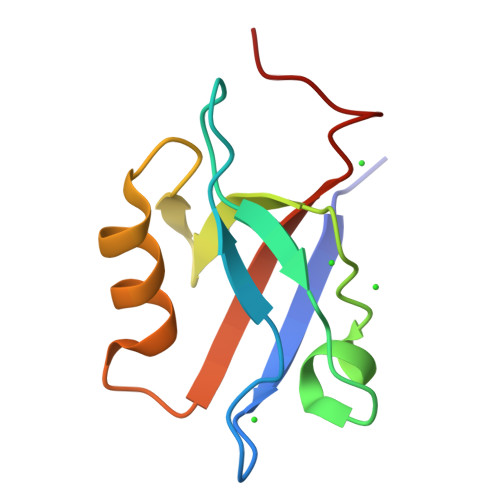 Click to view 3D structure Click to view 3D structure | Beta-2 adrenergic receptor | P07550 | Humans | Predicted (SEA) | 7.70707 |
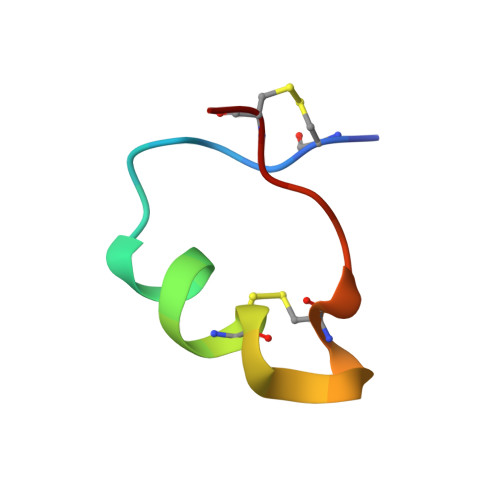 Click to view 3D structure Click to view 3D structure | Beta-1 adrenergic receptor | P08588 | Humans | Predicted (SEA) | 5.91654 |
 Click to view 3D structure Click to view 3D structure | Cytochrome P450 3A4 | P08684 | Humans | Predicted (SEA) | 58.6983 |
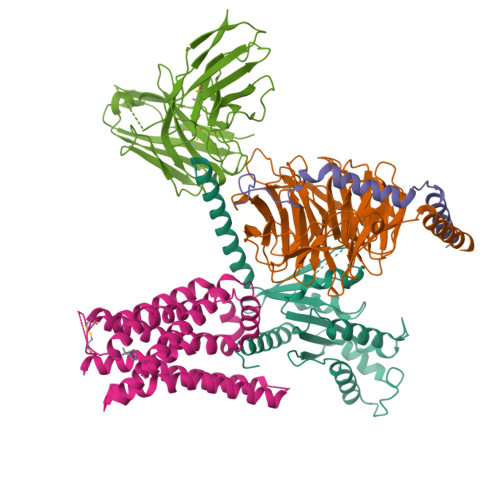 Click to view 3D structure Click to view 3D structure | Alpha-2B adrenergic receptor | P18089 | Humans | Predicted (SEA) | 11.4438 |
| Click to view 3D structure | Alpha-2A adrenergic receptor | P22909 | Rattus norvegicus | Predicted (SEA) | 3.73676 |
 Click to view 3D structure Click to view 3D structure | 5-hydroxytryptamine receptor 7 | P34969 | Humans | Predicted (SEA) | 42.1943 |
| Click to view 3D structure | Voltage-gated inwardly rectifying potassium channel KCNH2 | Q12809 | Humans | Known | Cisapride acts through the stimulation of the serotonin 5-HT4 receptors which increases acetylcholine release in the enteric nervous system (specifically the myenteric plexus). This results in increased tone and amplitude of gastric (especially antral) contractions, relaxation of the pyloric sphincter and the duodenal bulb, and increased peristalsis of the duodenum and jejunum resulting in accelerated gastric emptying and intestinal transit. |
| Click to view 3D structure | 5-hydroxytryptamine receptor 4 | Q13639 | Humans | Known | Cisapride acts through the stimulation of the serotonin 5-HT4 receptors which increases acetylcholine release in the enteric nervous system (specifically the myenteric plexus). This results in increased tone and amplitude of gastric (especially antral) contractions, relaxation of the pyloric sphincter and the duodenal bulb, and increased peristalsis of the duodenum and jejunum resulting in accelerated gastric emptying and intestinal transit. |
| Click to view 3D structure | 5-hydroxytryptamine receptor 2A | P28223 | Humans | Known | Cisapride acts through the stimulation of the serotonin 5-HT4 receptors which increases acetylcholine release in the enteric nervous system (specifically the myenteric plexus). This results in increased tone and amplitude of gastric (especially antral) contractions, relaxation of the pyloric sphincter and the duodenal bulb, and increased peristalsis of the duodenum and jejunum resulting in accelerated gastric emptying and intestinal transit. |
| Click to view 3D structure | 5-hydroxytryptamine receptor 3A | P46098 | Humans | Known | Cisapride acts through the stimulation of the serotonin 5-HT4 receptors which increases acetylcholine release in the enteric nervous system (specifically the myenteric plexus). This results in increased tone and amplitude of gastric (especially antral) contractions, relaxation of the pyloric sphincter and the duodenal bulb, and increased peristalsis of the duodenum and jejunum resulting in accelerated gastric emptying and intestinal transit. |
| Click to view 3D structure | 5-hydroxytryptamine receptor 2B | P41595 | Humans | Known | Not Available |
| Click to view 3D structure | 5-hydroxytryptamine receptor 2C | P28335 | Humans | Known | Not Available |
| Click to view 3D structure | Beta-1 adrenergic receptor | P08588 | Humans | Known | Not Available |
| Click to view 3D structure | D(1A) dopamine receptor | P21728 | Humans | Known | Not Available |
| Click to view 3D structure | D(2) dopamine receptor | P14416 | Humans | Known | Not Available |
| Click to view 3D structure | 5-hydroxytryptamine receptor 3C | Q8WXA8 | Humans | Known | Not Available |